
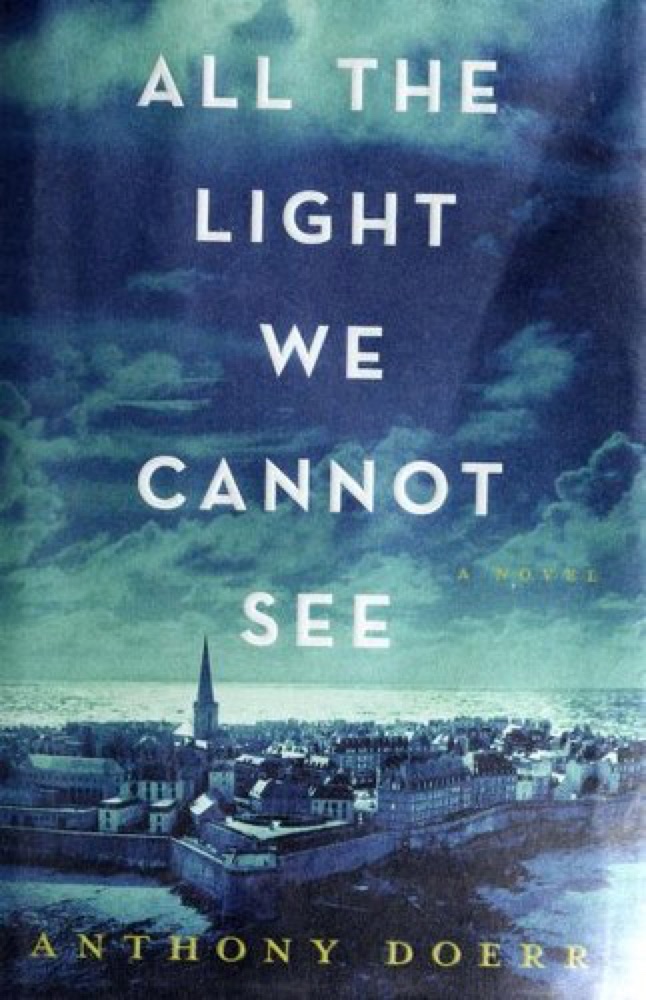
 All the Light We Cannot See
Quotes from the Book
But books, like people, die. They die in fires or floods or in the mouths of worms or at the whims of tyrants. If they are not safeguarded, they go out of the world. And when a book goes out of the world, the memory dies a second death.
156
we are all beautiful even as we are all part of the problem, and that to be a part of the problem is to be human
123
Sometimes the things we think are lost are only hidden, waiting to be rediscovered.
112
Each morning comes along and you assume it will be similar enough to the previous one—that you will be safe, that your family will be alive, that you will be together, that life will remain mostly as it was. Then a moment arrives and everything changes.
106
WHAT YOU ALREADY HAVE IS BETTER THAN WHAT YOU SO DESPERATELY SEEK
85
The things that look fixed in the world, child—mountains, wealth, empires—their permanence is only an illusion. We believe they will last, but that is only because of the brevity of our own lives. From the perspective of God, cities like this come and go like anthills.
78
Hope is the pillar that holds up the world.
78
what's so beautiful about a fool is that a fool never knows when to give up
76
The world as it is is enough.
75
strange how suffering can look beautiful if you get far enough away
71
Why is it so hard to transcend the identities assigned to us when we were young?
63
Why can't healing happen as quickly as wounding?
57
Repository,” he finally says, “you know this word? A resting place. A text—a book—is a resting place for the memories of people who have lived before. A way for the memory to stay fixed after the soul has traveled on.” His eyes open very widely then, as though he peers into a great darkness. “But books, like people, die. They die in fires or floods or in the mouths of worms or at the whims of tyrants. If they are not safeguarded, they go out of the world. And when a book goes out of the world, the memory dies a second death.
54
He should have risked more. It has taken him his whole life to accept himself, and he is surprised to understand that now that he can, he does not long for one more year, one more month: eighty-six years has been enough. In a life you accumulate so many memories, your brain constantly winnowing through them, weighing consequence, burying pain, but somehow by the time you’re this age you still end up dragging a monumental sack of memories behind you, a burden as heavy as a continent, and eventually it becomes time to take them out of the world.
49
Forgetting, he is learning, is how the world heals itself.
47
I know why those librarians read the old stories to you,” Rex says. “Because if it’s told well enough, for as long as the story lasts, you get to slip the trap.
46
Some stories," she says, "can be both false and true at the same time.
40
That’s what the gods do,” he says, “they spin threads of ruin through the fabric of our lives, all to make a song for generations to come.
40
And as he looked, turning the leaf over and back, Aethon saw that the cities on both sides of the page, the dark ones and the bright ones, were one and the same, that there is no peace without war, no life without death, and he was afraid.
37
Fear of the thing,” Maher murmurs, more to himself than to Omeir, “will be more powerful than the thing itself.
32
There is magic in this place, the owl seems to say. You just have to sit and breathe and wait and it will find you. He sits and breathes and waits and the Earth travels another thousand kilometers along its orbit. Lifelong knots deep inside the boy loosen.
30
Movies make you think civilization will end fast, like with aliens and explosions, but really it'll end slow. Ours is already ending, it's just ending too slow for people to notice.
28
Almost overnight, the streets glow with meaning. She reads inscriptions on coins, on cornerstones and tombstones, on lead seals and buttress piers and marble plaques embedded into the defensive walls—each twisting lane of the city a great battered manuscript in its own right.
27
A library, no mater how humble or grand, is a series of sacred gateways. You pass through them and leave your own city behind; you journey through time and space; and for a little while, you escape the confines of your own circumstances. Each of us who are readers gets to live through a multiplicity of eras; we get to tiptoe through, to borrow Jorge Luis Borge’s phrase, ‘a growing, dizzying net of divergent, convergent, and parallel times.
23
You can cling to this world for a thousand years and still be plucked out of it in a breath.
23
...in time you will come to believe that there is nobility in being part of an enterprise that will outlast you.
23
Time: the most violent war engine of all.
20
To rescue one phrase from oblivion? It's the most exciting thing, I can't tell you: it's like digging up one end of a buried wire and realizing that it's connected to someone eighteen centuries dead.
20
The premier achievement of human history, they said, the triumph of memory over the obliterating forces of destruction and erasure.
19
All her life she has been led to believe that she is a child born at the end of things: the empire, the era, the reign of men on earth. But in the glow of the scribes' enthusiasm, she senses that in a city like Urbino, beyond the horizon, other possibilities might exist, and in daydreams she takes flight across the Aegean, through her spread fingers, until she alights in a bright clean palace, full of Justice and Moderation, its rooms lined with books, free to anyone who can read them.
19
Did you know?
- The novel takes its title and central conceit from a fictional ancient Greek tale attributed to the real classical author Antonius Diogenes.
- The story is told through five point-of-view characters spread across roughly eight centuries.
- One storyline is set during the 1453 fall of Constantinople to the Ottomans.
- A future storyline takes place aboard an interstellar vessel called the Argos.
- It was a finalist for the 2021 National Book Award for Fiction and longlisted for the Andrew Carnegie Medal for Excellence in Fiction.
- It was Doerr's first novel after his Pulitzer Prize-winning "All the Light We Cannot See."
About Anthony Doerr
Anthony Doerr is an American author best known for his novel "All the Light We Cannot See," which won the 2015 Pulitzer Prize for Fiction. His work is noted for lyrical prose and interest in science, history, and the natural world.
More about the author →More by Anthony Doerr
About the book
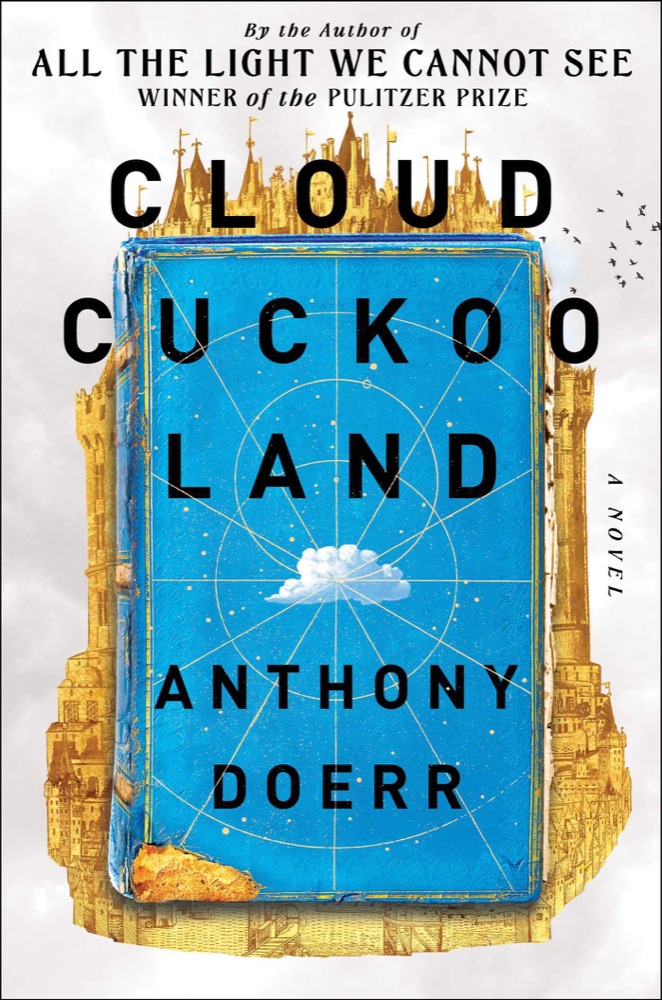
"Cloud Cuckoo Land" is Anthony Doerr's sprawling 2021 novel that braids together five characters across roughly eight centuries, all connected by a fragile ancient Greek codex attributed to the real classical author Antonius Diogenes. That fictional text tells of the shepherd Aethon, who longs to be transformed into a bird so he can fly to a utopian city in the sky. The book moves among fifteenth-century Constantinople on the eve of its fall, twentieth- and twenty-first-century Idaho, and a twenty-second-century spacecraft, showing how the story is copied, lost, recovered, and passed onward.
At its heart the novel is about the survival of stories and the people who shelter them. Doerr returns repeatedly to themes of preservation, the resilience of texts and libraries, the consolations of literature, and the bonds of love and chance that carry fragile things across vast spans of time. Running beneath these is an environmental anxiety: the threat of ecological collapse and what humanity might choose to save for the future.
The novel was widely praised and became a finalist for the 2021 National Book Award for Fiction and a longlist title for the Andrew Carnegie Medal for Excellence in Fiction. Reviewers in outlets such as The Guardian and The New York Times celebrated its inventiveness and its tribute to storytelling, while some critics, including writers at The Washington Post and The Irish Times, found its interlocking, time-jumping structure convoluted. It was a major commercial and critical follow-up to Doerr's Pulitzer-winning "All the Light We Cannot See."
Key characters
- AnnaOrphaned girl in fifteenth-century Constantinople who discovers the ancient codex
- OmeirBoy with a cleft lip conscripted into the Ottoman army besieging Constantinople
- Zeno NinisElderly Idaho man and self-taught translator who renders the Greek text for children
- SeymourTroubled young man whose act of eco-protest endangers the library
- KonstanceGirl aboard the future spacecraft Argos who preserves the story
Book details
- First published
- 2021
- Length
- 640 pages
- Reading time
- 23 hours
- Author
- Anthony Doerr
- Genre
- Fiction
- Goodreads rating
- 4.24 (280k ratings)
Critical reception
- Finalist for the 2021 National Book Award for Fiction.
- Longlisted for the 2022 Andrew Carnegie Medal for Excellence in Fiction.
- Reviewers in The Guardian and The New York Times praised its inventiveness and celebration of storytelling.
- Some critics, including in The Washington Post and The Irish Times, found its time-jumping structure convoluted.
Keep reading
 There Are Rivers in the Sky
 The Clockmaker's Daughter
 The Covenant of Water
 The Gap of Time
 Warlight
 The Stardust Grail
 The Book That Broke the World
 Speaking Bones
 Innocence
 Arm of the Sphinx
 Weaveworld
 Kafka on the Shore
 The Age of Miracles
 The Book of Lost Hours
 Beautiful Ruins
 This Is Happiness
 The Sea Keeper's Daughters
 The Light Between Oceans
 Everything Beautiful Began After
 The City of Mirrors
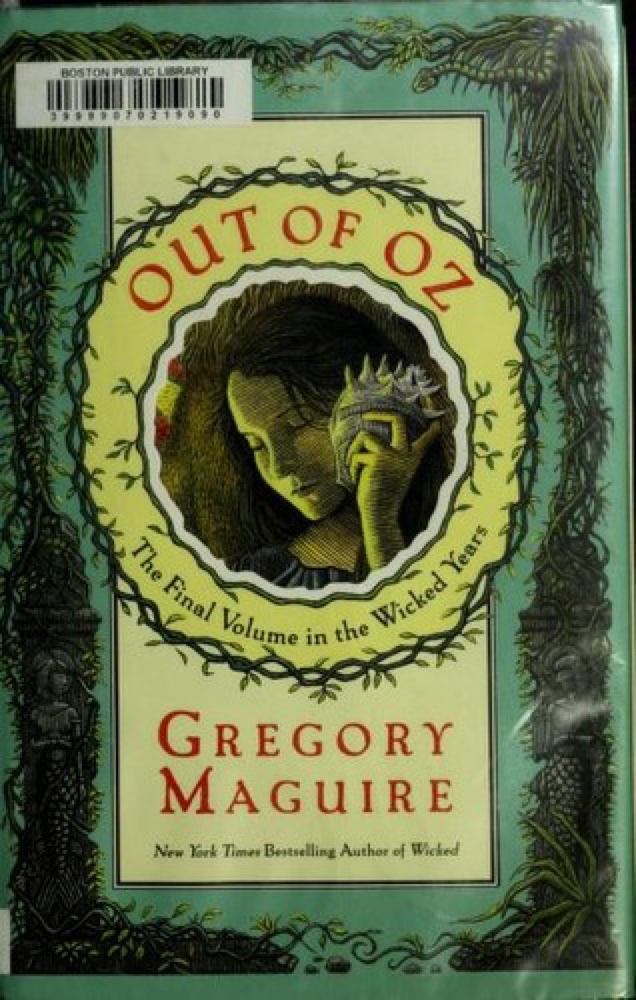 Out of Oz
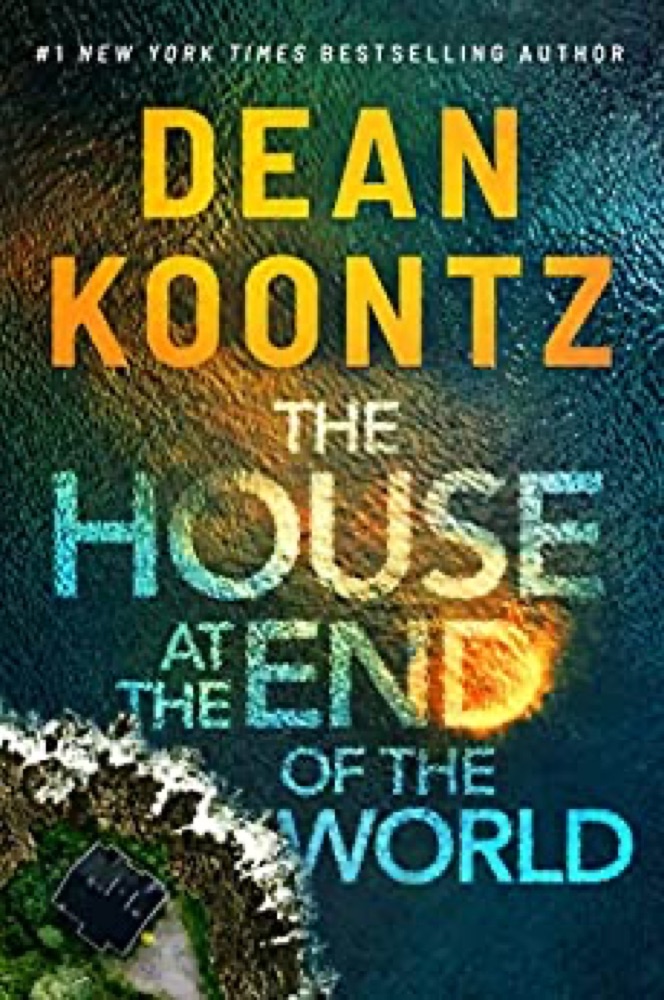 The House at the End of the World
 The Dream of Perpetual Motion
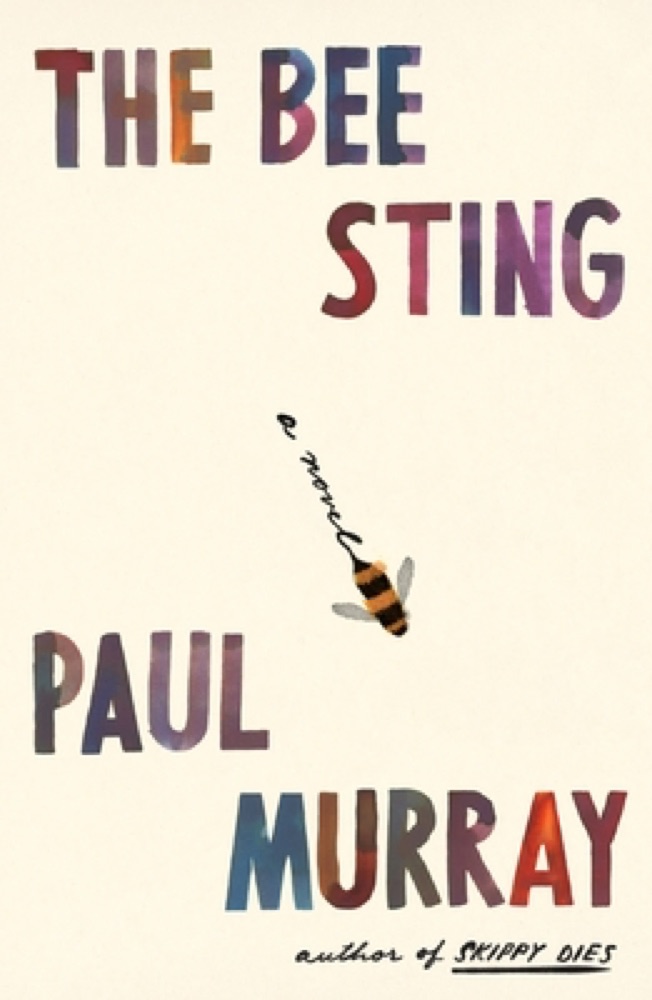 The Bee Sting
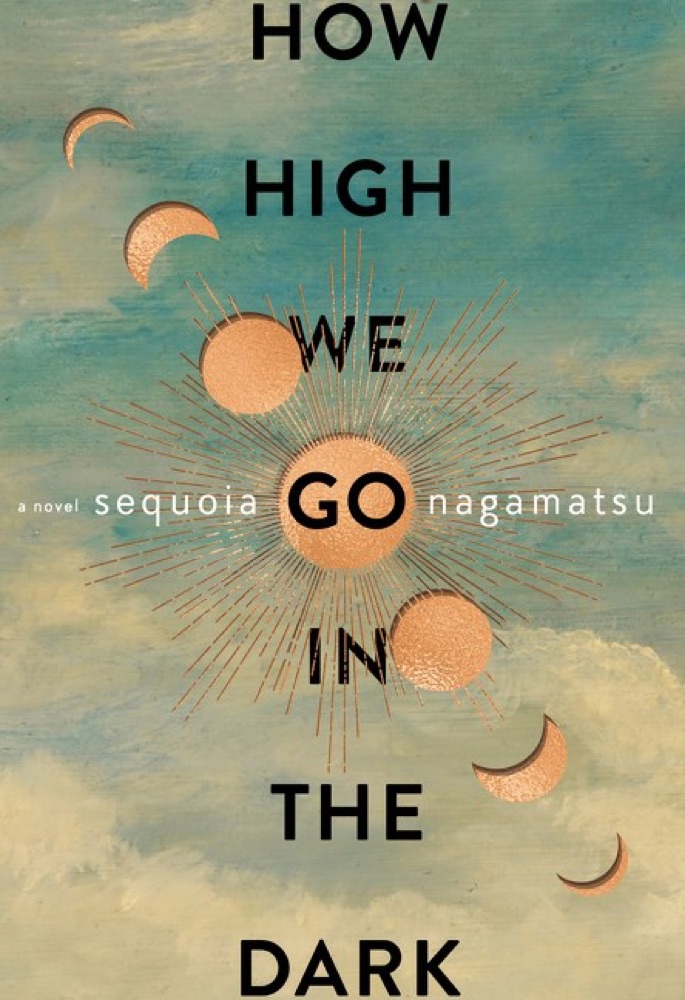 How High We Go in the Dark
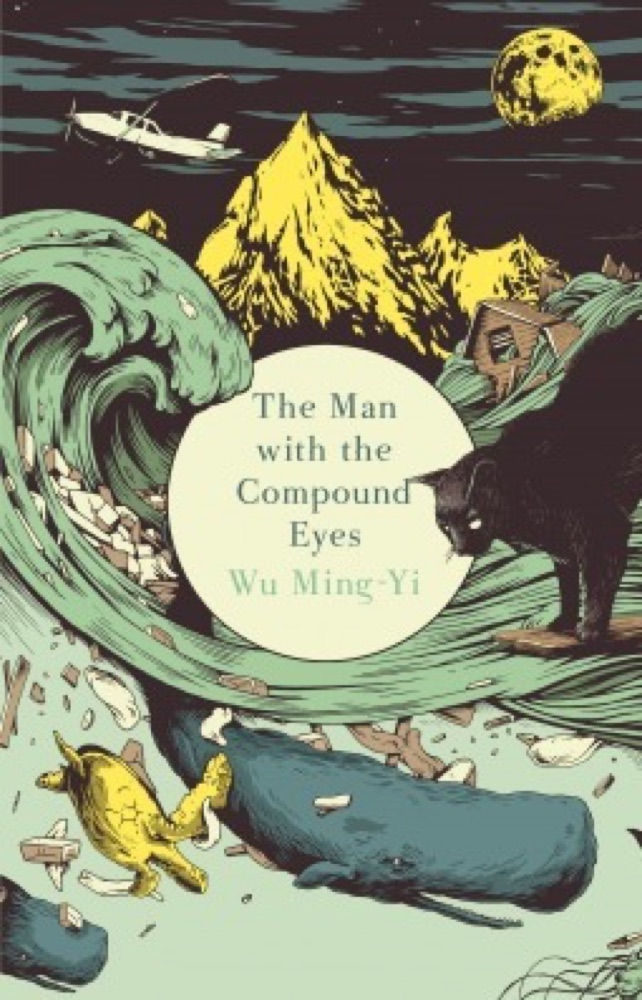 The Man with the Compound Eyes
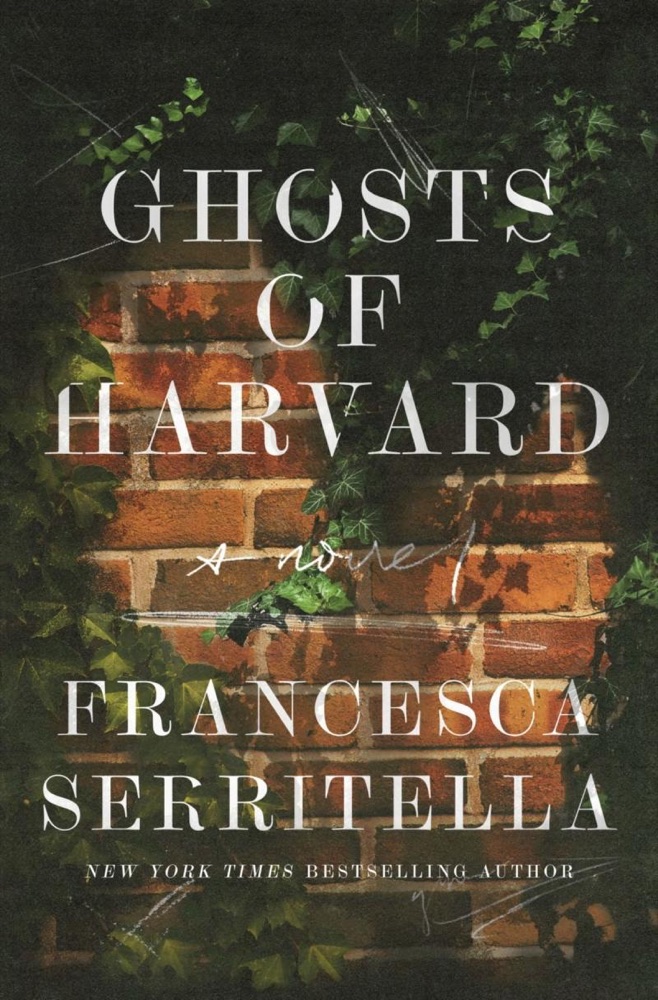 Ghosts of Harvard
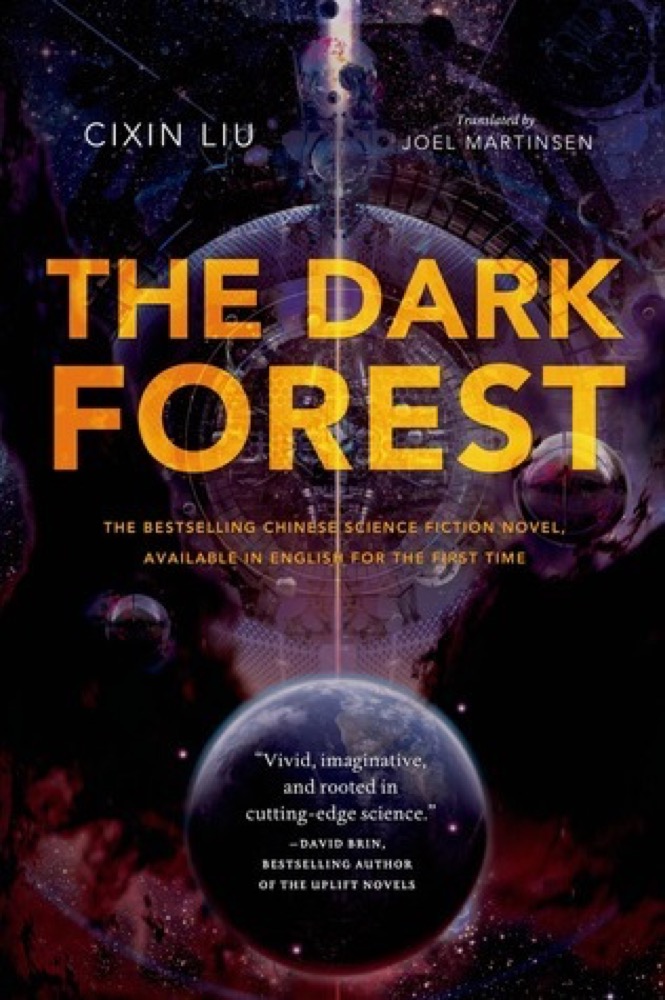 The Dark Forest
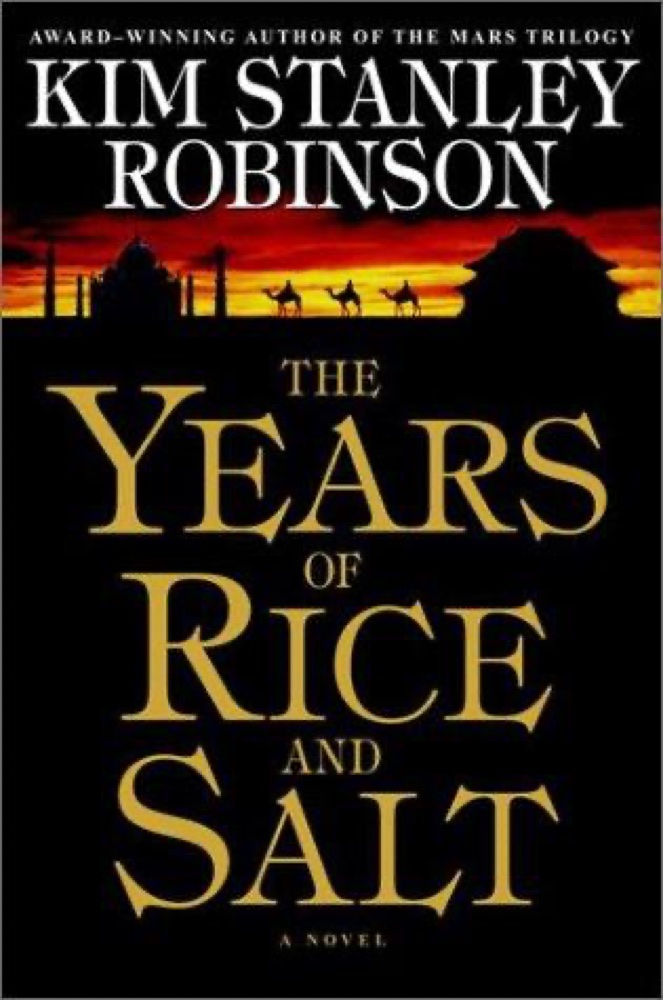 The Years of Rice and Salt
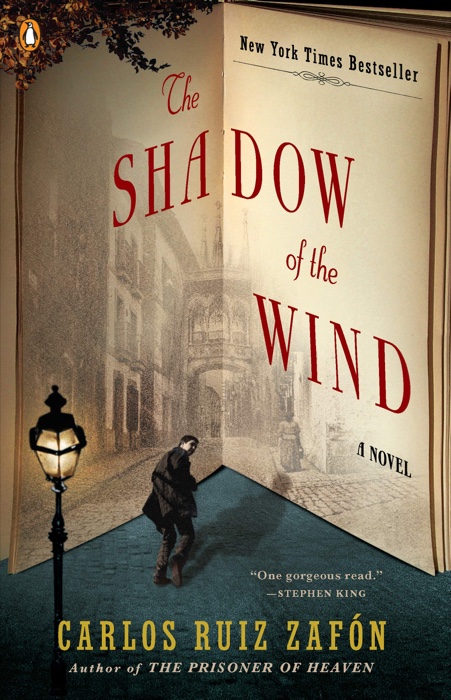 The Shadow of the Wind
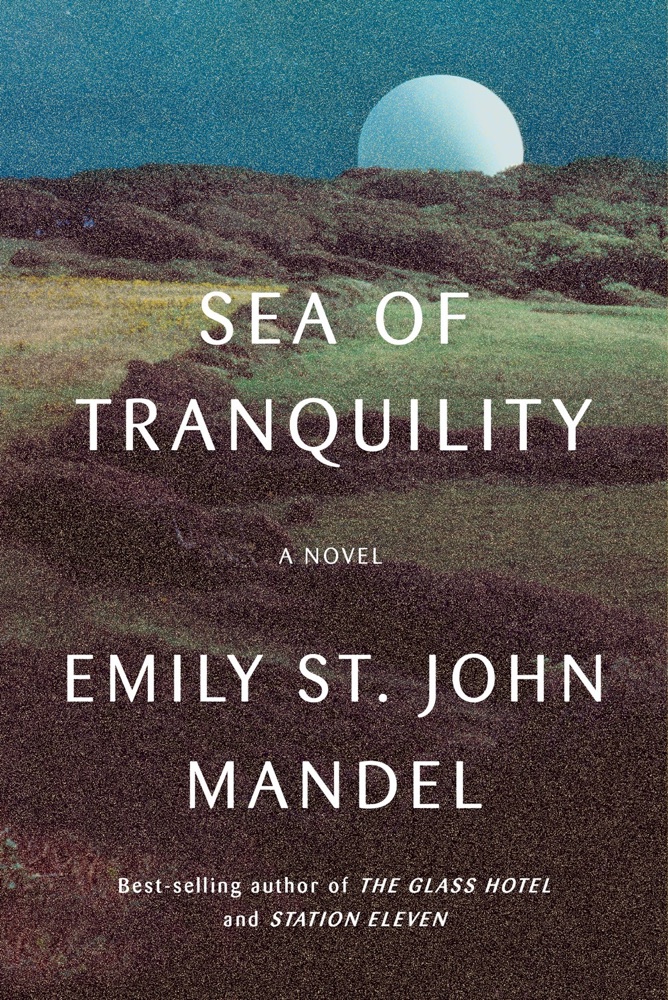 Sea of Tranquility
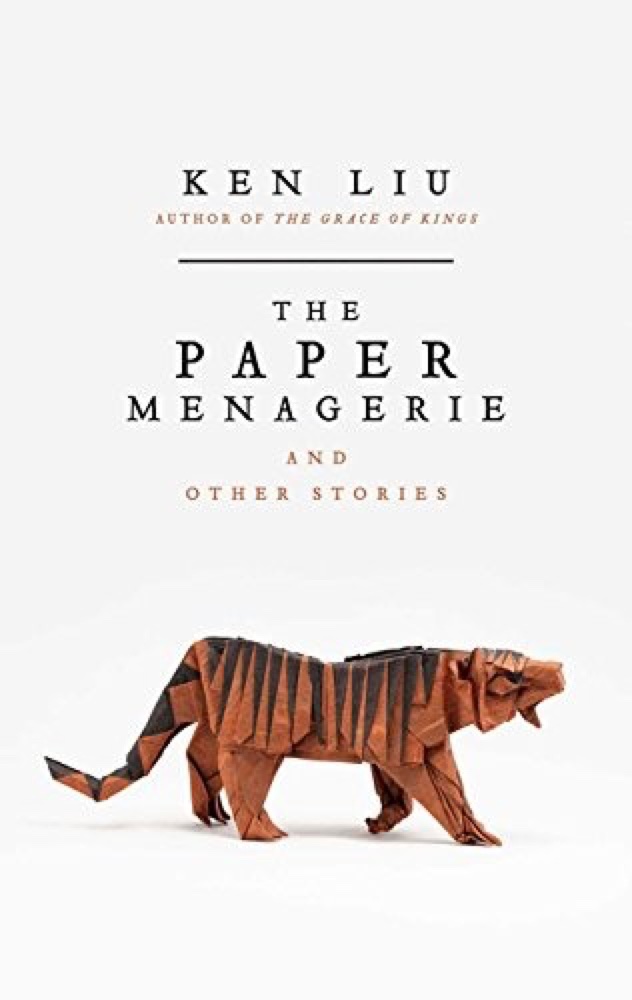 The Paper Menagerie and Other Stories
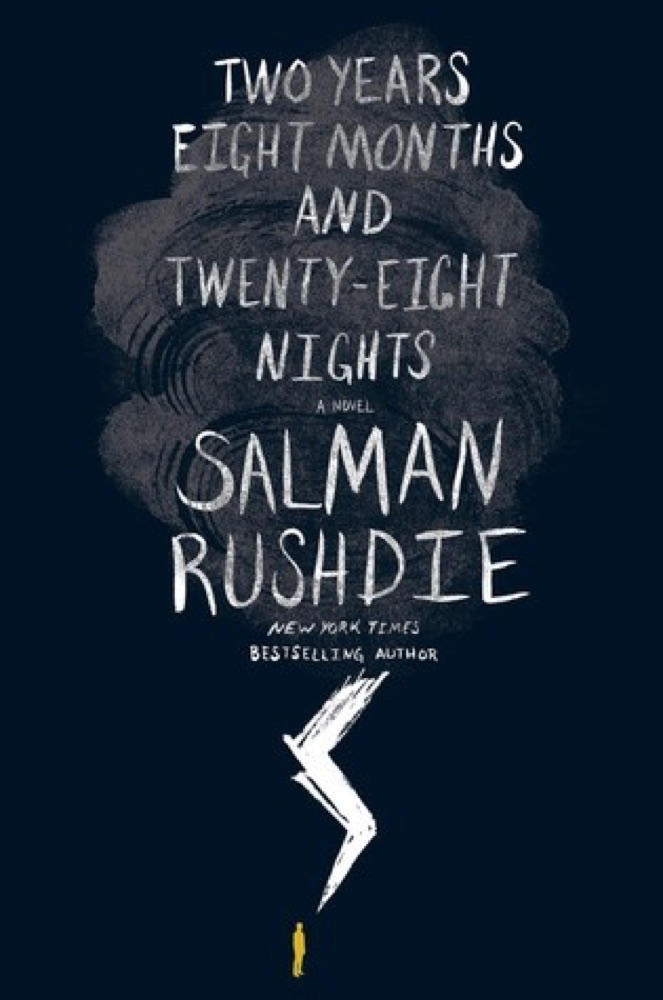 Two Years Eight Months and Twenty-Eight Nights
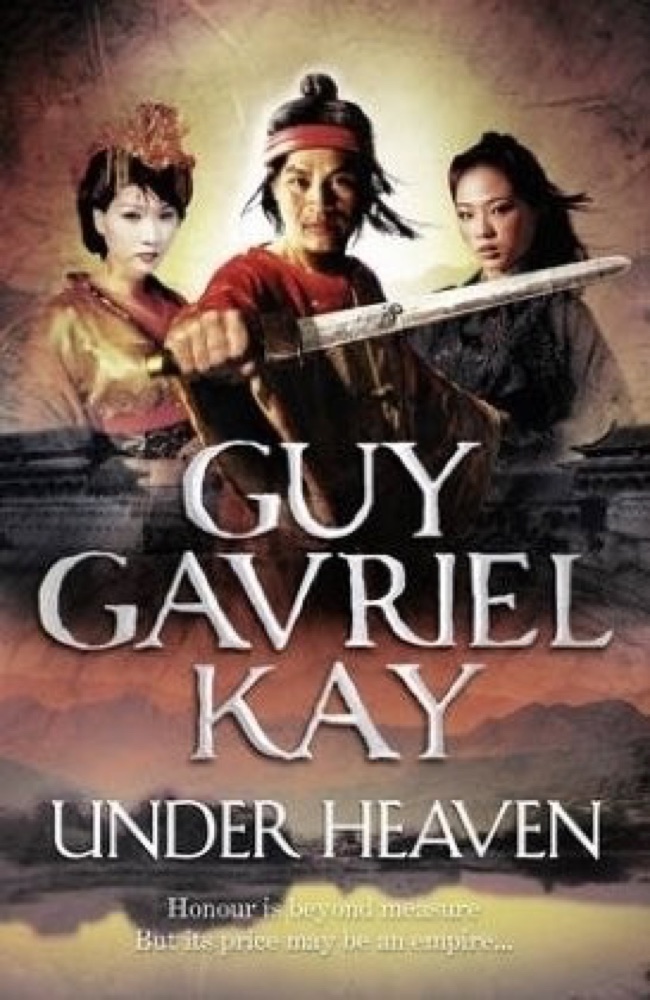 Under Heaven
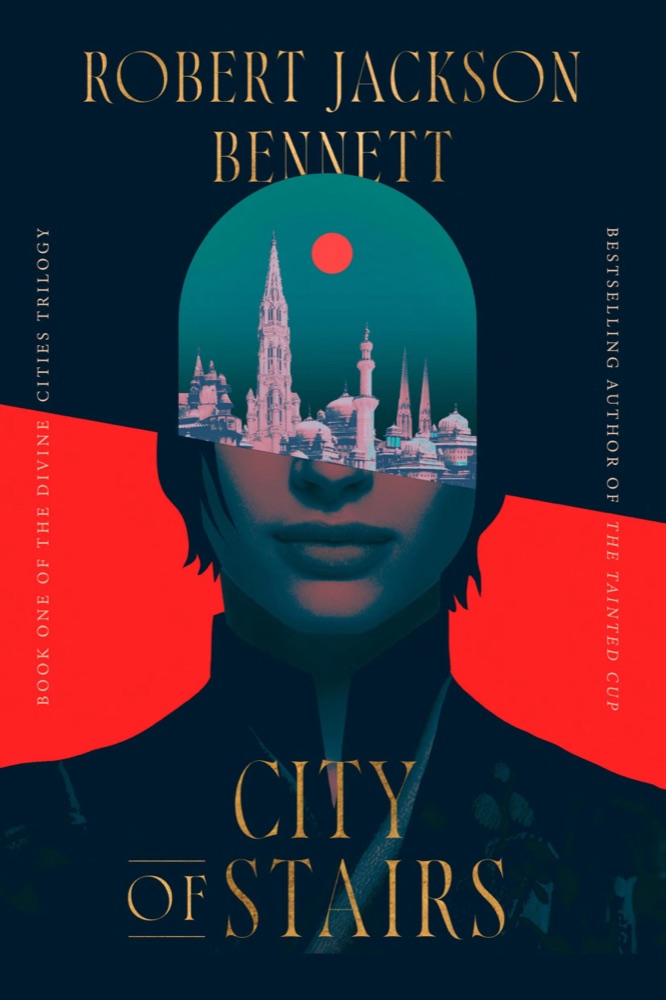 City of Stairs
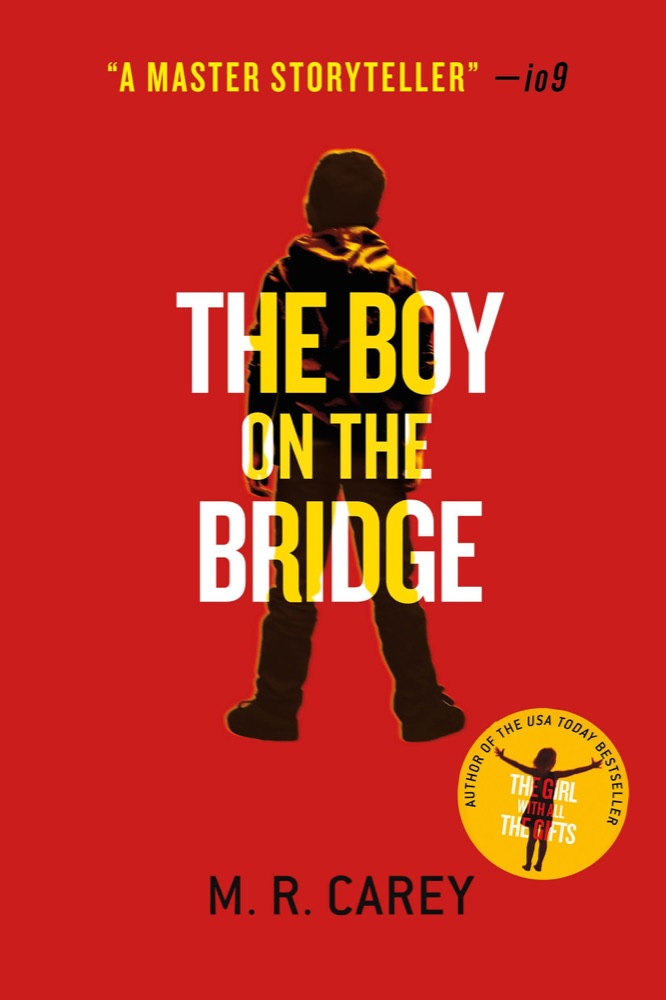 The Boy on the Bridge
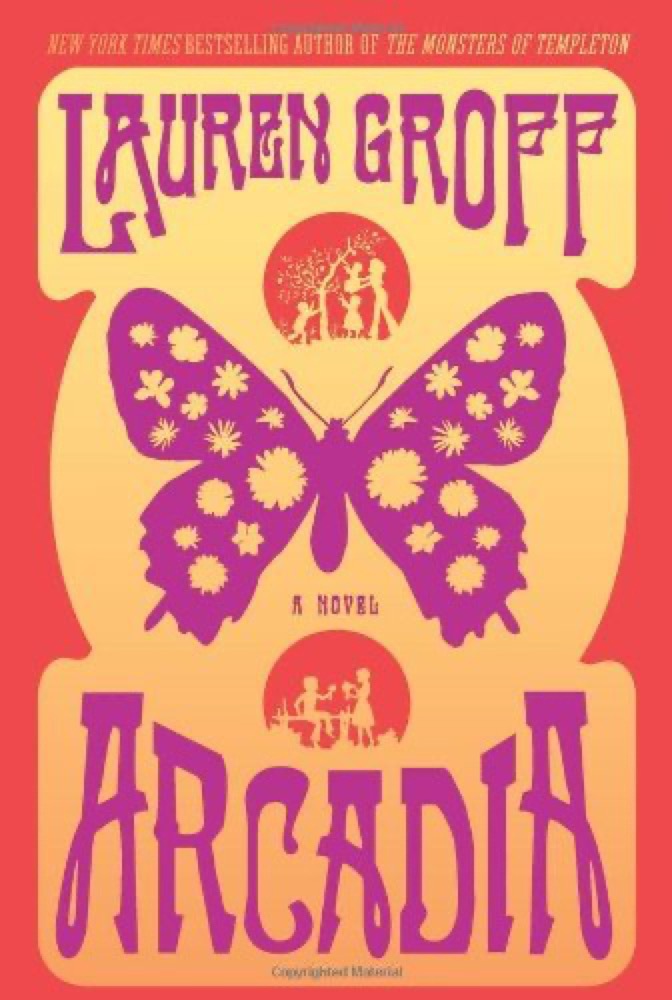 Arcadia
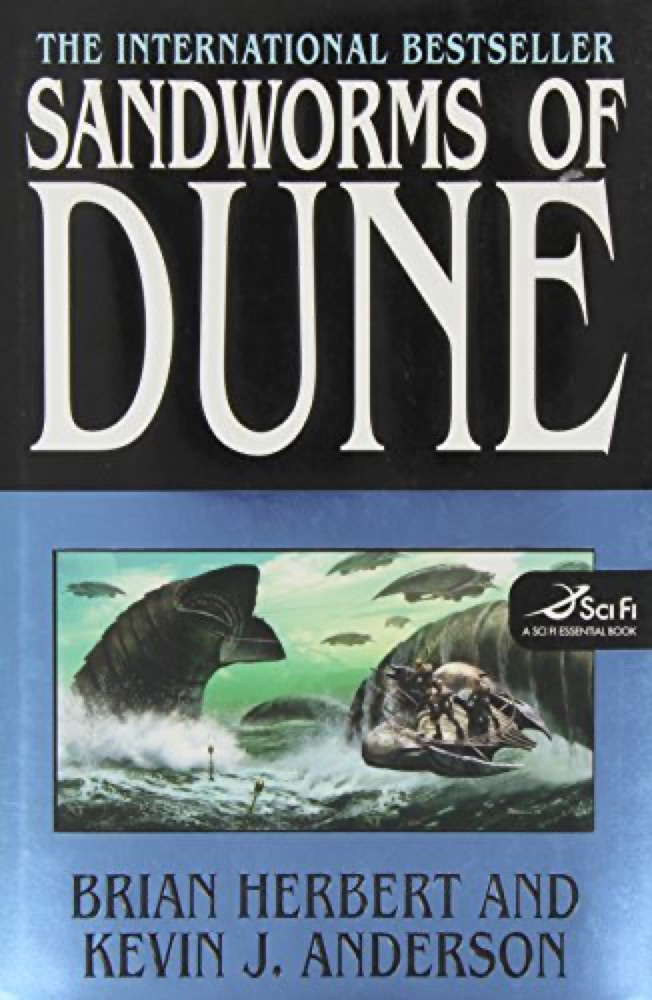 Sandworms of Dune
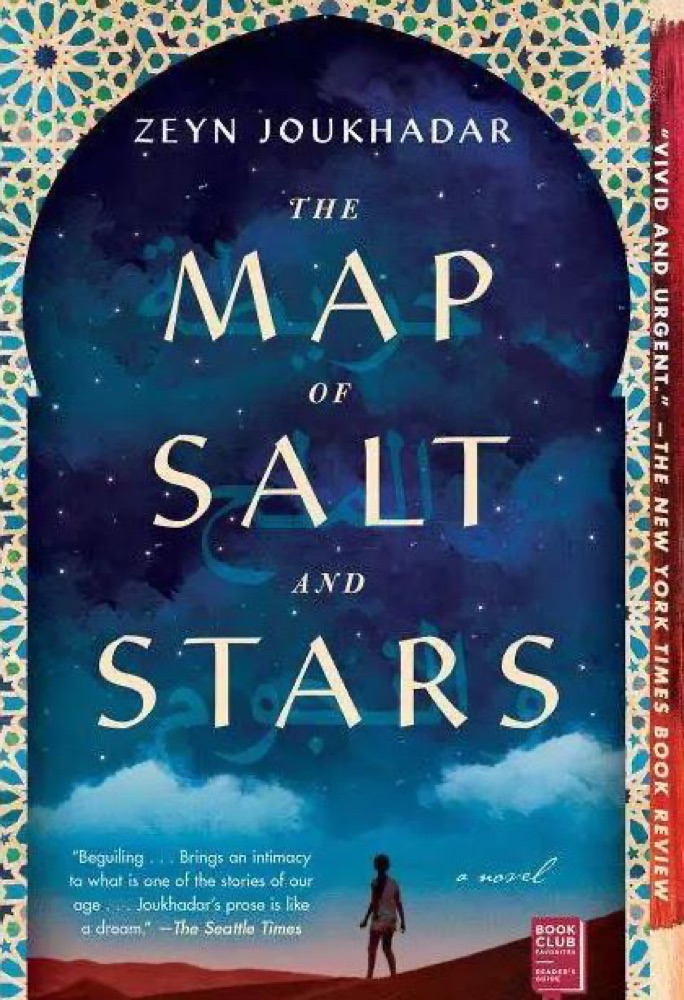 The Map of Salt and Stars
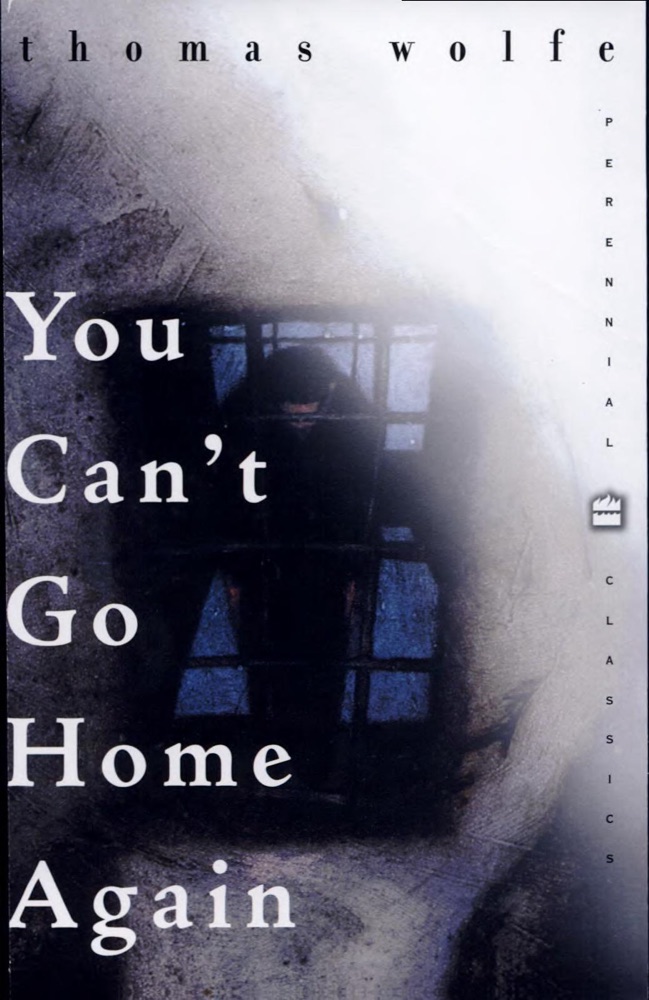 You Can't Go Home Again
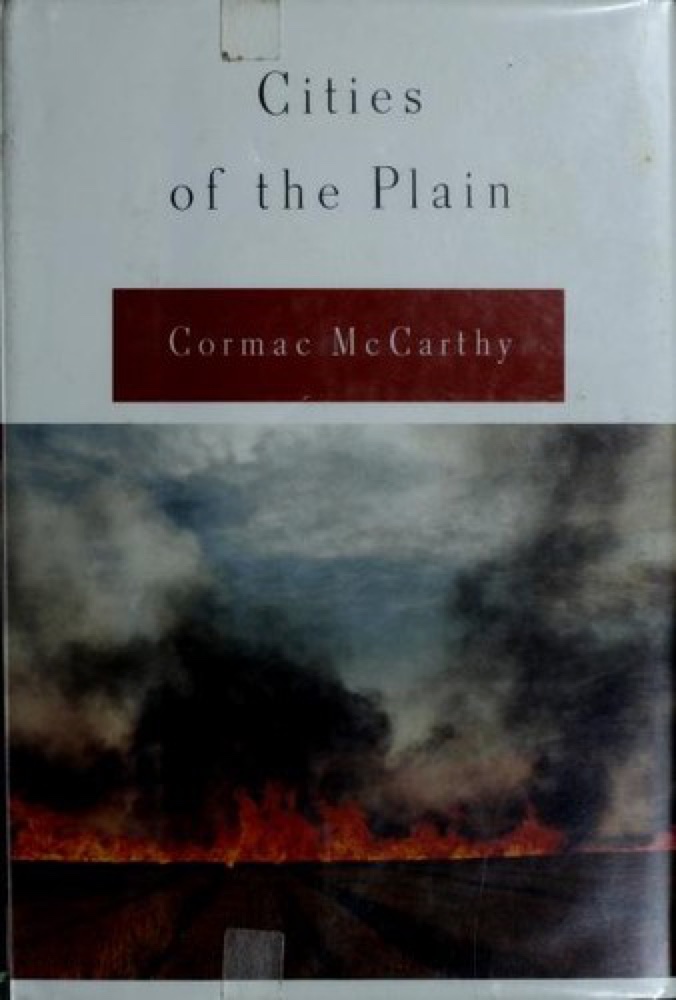 Cities of the Plain
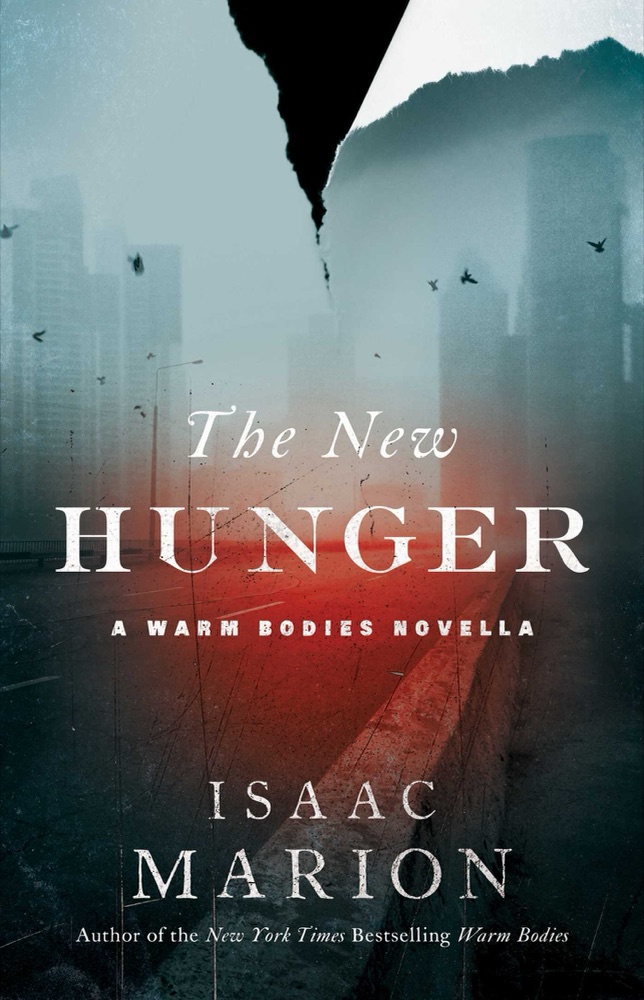 The New Hunger
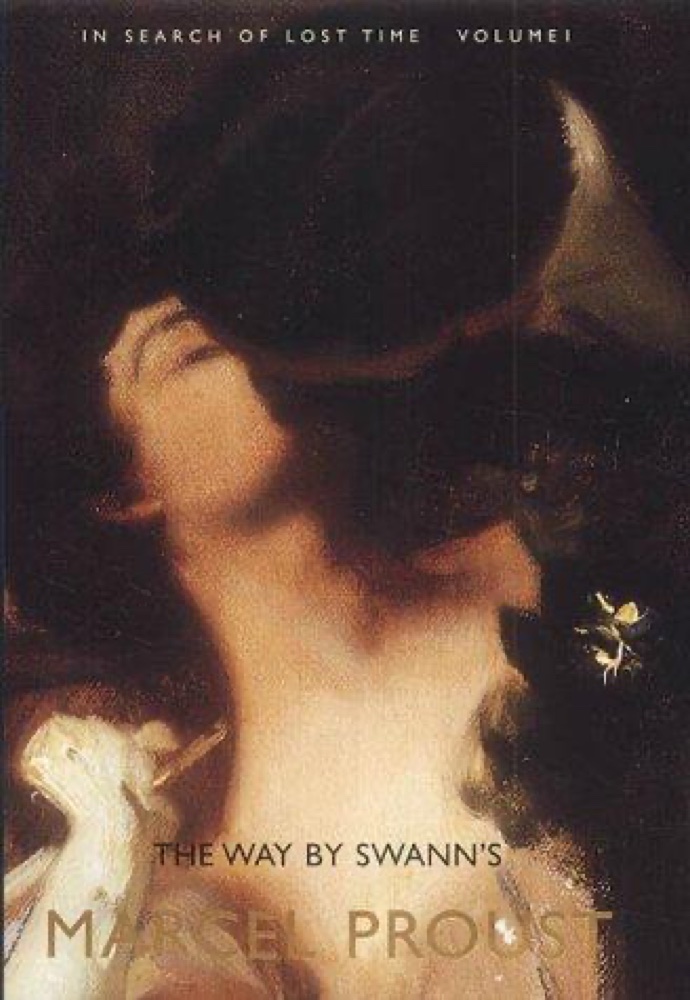 In Search of Lost Time
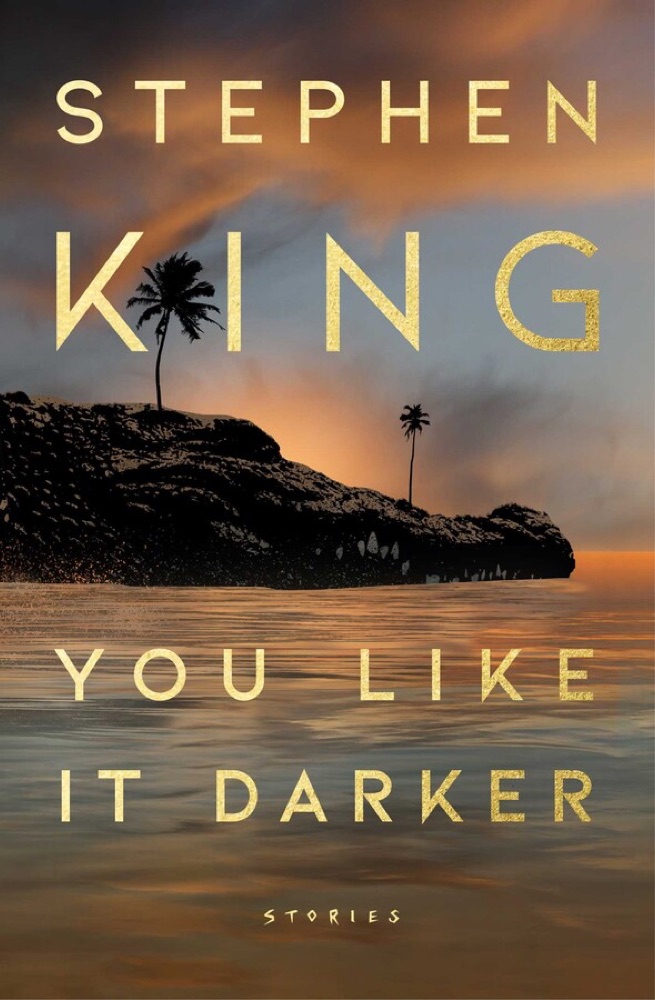 You Like It Darker
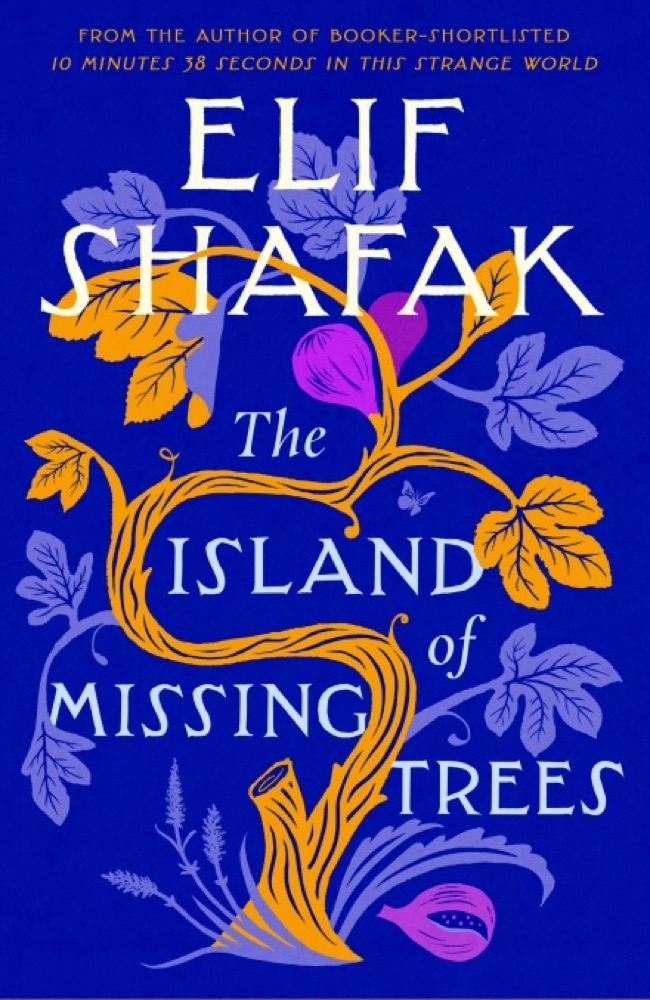 The Island of Missing Trees
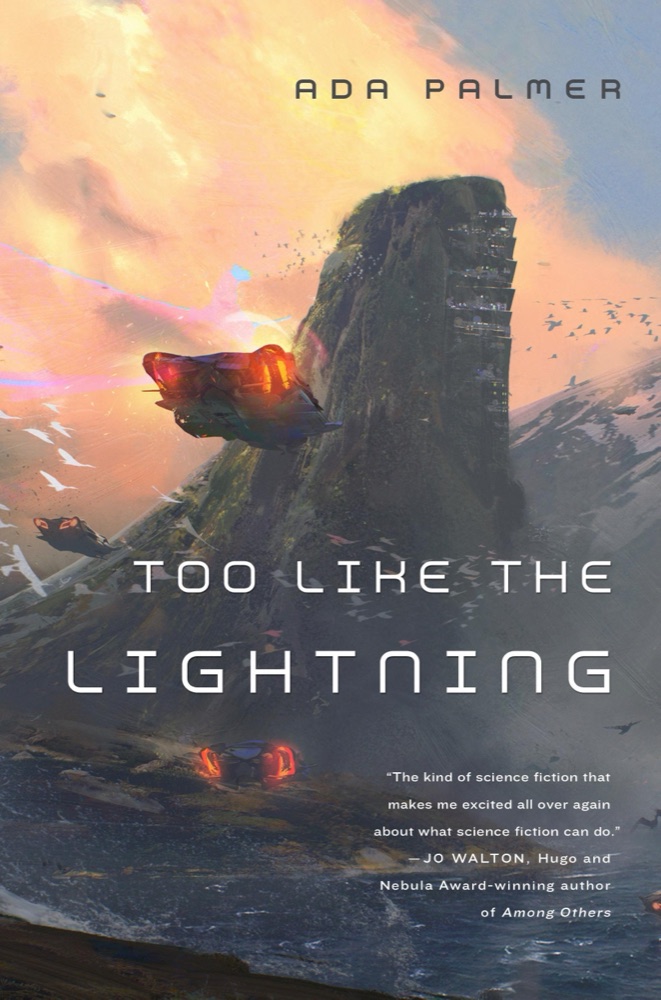 Too Like the Lightning
All the Light We Cannot See
Too Like the Lightning
All the Light We Cannot See
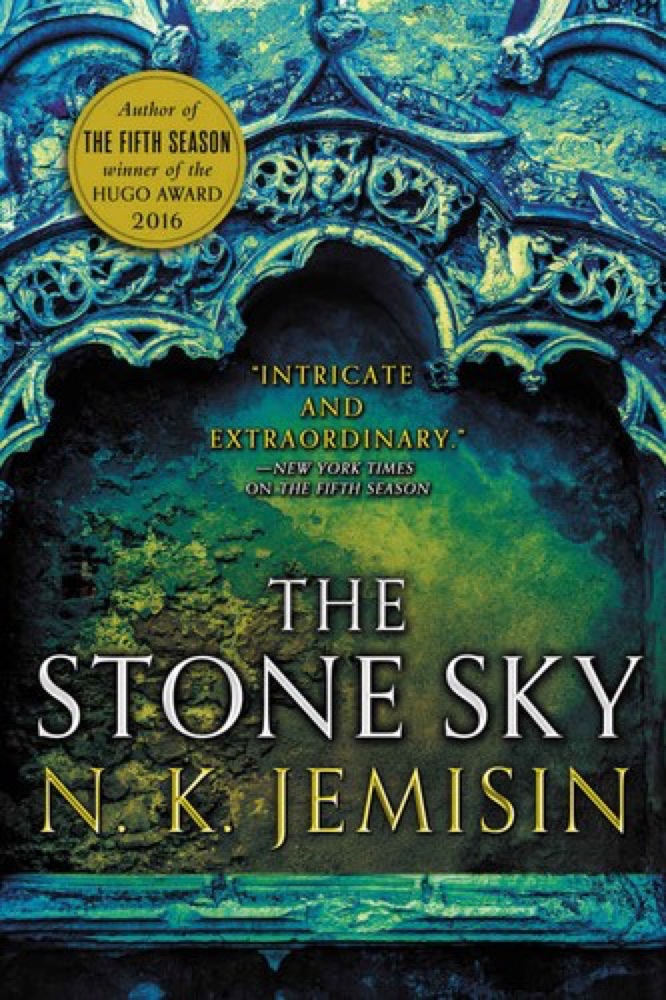 The Stone Sky
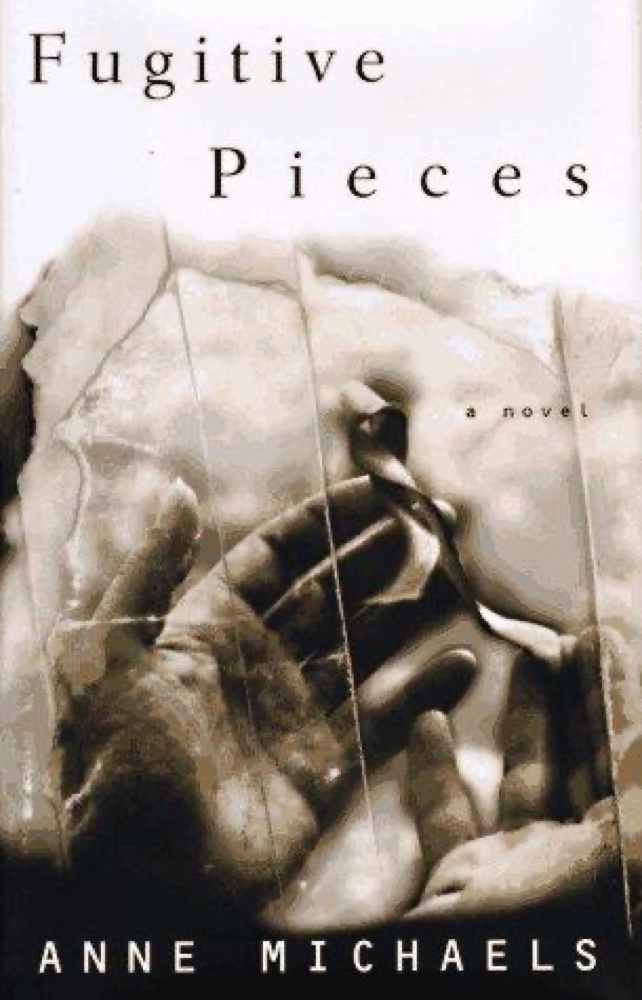 Fugitive Pieces
 The Girl and the Stars
 Varina
 The Glass Hotel
 West with the Night
 Fragile Things: Short Fictions and Wonders
 Hiddensee: A Tale of the Once and Future Nutcracker
 The Future
 Random Acts Of Heroic Love
 The Ground Beneath Her Feet
 Winter
 The Fall of Hyperion