
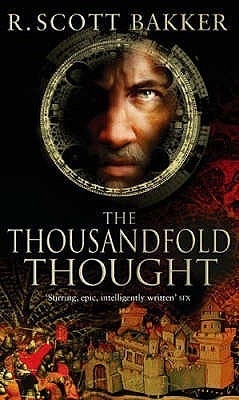
 The Thousandfold Thought
Quotes from the Book
The thoughts of all men arise from the darkness. If you are the movement of your soul, and the cause of that movement precedes you, then how could you ever call your thoughts your own? How could you be anything other than a slave to the darkness that comes before?
Faith is the truth of passion. Since no passion is more true than another, faith is the truth of nothing.
This is the problem of all great revelations: their significance so often exceeds the frame of our comprehension. We understand only after, always after. Not simply when it is too late, but precisely because it is too late.
History. Language. Passion. Custom. All these things determine what men say, think, and do. These are the hidden puppet-strings from which all men hang.
Do not mistake me, Inrithi. In this much Conphas is right. You are all staggering drunks to me. Boys who would play at war when you should kennel with your mothers. You know nothing of war. War is dark. Black as pitch. It is not a God. It does not laugh or weep. It rewards neither skill not daring. It is not a trial of souls, nor the measure of wills. Even less is it a tool, a means to some womanish end. It is merely the place where the iron bones of the earth meet the hollow bones of men and break them. You have offered me war, and I have accepted. Nothing more. I will not regret your losses. I will not bow my head before your funeral pyres. I will not rejoice at your triumphs. But I have taken the wager. I will suffer with you. I will put Fanim to the sword, and drive their wives and children to the slaughter. And when I sleep, I will dream of their lamentations and be glad of heart.
To be ignorant and to be deceived are two different things. To be ignorant is to be a slave of the world. To be deceived is to be the slave of another man. The question will always be: Why, when all men are ignorant, and therefore already slaves, does this latter slavery sting us so?
Saying 'I could have done more,' Zin, is what marks a man as a man and not a God.
Where no paths exist, a man strays only when he misses his destination. There is no crime, no transgression, no sin save foolishness or incompetence, and no obscenity save the tyranny of custom.
The world has long ceased to be the author of your anguish.
The world is a circle that possesses as many centres as it does men.
If we’re nothing more than our thoughts and passions, and if our thoughts and passions are nothing more than movements of our souls, then we are nothing more than those who move us.
Answers are like opium: the more you imbibe, the more you need. Which is why the sober man finds solace in mystery.
Let us be moved, you and I, by the things themselves. Let us discover each other.
Old women are more reconciled to death than old men. By bringing life to the world, we come to see ourselves as debtors. What's given is taken.
No soul moves alone through the world, Leweth. Our every thought stems from the thoughts of others. Our every word is but a repetition of world spoken before. Every time we listen, we allow the movements of another should to carry our own...NO one's soul moves alone, Leweth. When one love dies, on must learn to love another.
Sit with a merchant or sit with a beggar, and it’ll always be the beggar who buys your first drink.
. . . and that revelation murdered all that I once did know. Where once I asked of the God, 'Who are you?' now I ask, 'Who am I?
And he now knew with certainty that the world was hollowed of its wonder by knowledge and travel, that when one stripped away the mysteries, its dimensions collapsed rather than bloomed. Of course, the world was a much more sophisticated place to him now than it had been when he was a child, but it was also far simpler. Everywhere men grasped and grasped, as though the titles “king,” “shriah,” and “grandmaster” were simply masks worn by the same hungry animal. Avarice, it seemed to him, was the world's only dimension.
To be ignorant and to be deceived are two different things. To be ignorant is to be a slave of the world. To be deceived is to be the slave of another man. The question will always be: Why, when all men are ignorant, and therefore already slaves, does this latter slavery sting us so? —AJENCIS, THE EPISTEMOLOGIES But
You know nothing of war. War is dark. Black as pitch. It is not a God. It does not laugh or weep. It rewards neither skill nor daring. It is not a trial of souls, not the measure of wills. Even less is it a tool, a means to some womanish end. It is merely the place where the iron bones of the earth meet the hollow bones of men and break them.
Interruption is weakness, young Kellhus. It arises from the passions and not from the intellect. From the darkness that comes before.” “I understand, Pragma.” The cold eyes peered through him and saw this was true. “When the Dûnyain first found Ishuäl in these mountains, they knew only one principle of the Logos. What was that principle, young Kellhus?” “That which comes before determines that which comes after.” The Pragma nodded. “Two thousand years have passed, young Kellhus, and we still hold that principle true. Does that mean the principle of before and after, of cause and effect, has grown old?” “No, Pragma.” “And why is that? Do men not grow old and die? Do not even mountains age and crumble with time?” “Yes, Pragma.” “Then how can this principle not be old?” “Because,” Kellhus answered, struggling to snuff a flare of pride, “the principle of before and after is nowhere to be found within the circuit of before and after. It is the ground of what is ‘young’ and what is ‘old,’ and so cannot itself be young or old.” “Yes. The Logos is without beginning or end. And yet Man, young Kellhus, does possess a beginning and end—like all beasts. Why is Man distinct from other beasts?” “Because like beasts, Man stands within the circuit of before and after, and yet he apprehends the Logos. He possesses intellect.
One cannot raise walls against what has been forgotten.
Though all men be equally frail before the world, the differences between them are terrifying.
Sheltered by his caste, Sarcellus had not, as the impoverished must, made fear the pivot of his passions. As a result he possessed an immovable self-assurance. He felt. He acted. He judged. The fear of being wrong that so characterized Achamian simply did not exist for Cutias Sarcellus. Where Achamian was ignorant of the answers, Sarcellus was ignorant of the questions. No certitude, she thought, could be greater.
Some events mark us so deeply that they find more force of presence in their aftermath than in their occurrence.
It’s the concert of knowledge and ignorance that underwrites our decisions.
Only madmen and historians, he said, believe their lies.
Hoga Gothyelk no longer felt anger, not truly -- only varieties of sorrow.
Some events mark us so deeply that they find more force of presence in their aftermath than in their occurrence. They are moments that rankle at becoming past, and so remain contemporaries of our beating hearts. Some events are not remembered—they are relived.
Watch on YouTube
About R. Scott Bakker
We have collected 113 quotes from 4 books by R. Scott Bakker on BookQuoters.
More about the author →More by R. Scott Bakker
Book details
- Author
- R. Scott Bakker
- Genre
- Fiction
- Goodreads rating
- 3.85 (24k ratings) →
Keep reading
 Forge of Darkness
 Empire of Silence
 The White Luck Warrior
 Daniel Deronda
 Fall of Light
The Thousandfold Thought
Fall of Light
The Thousandfold Thought
 The Fall of Babel
 The Fall
 Midnight Tides
 Shadow & Claw
 Shōgun
 The Gay Science
 City of Stairs
 Embers
 The Empusium
 The Left Hand of Darkness
 Blood Meridian: Or the Evening Redness in the West
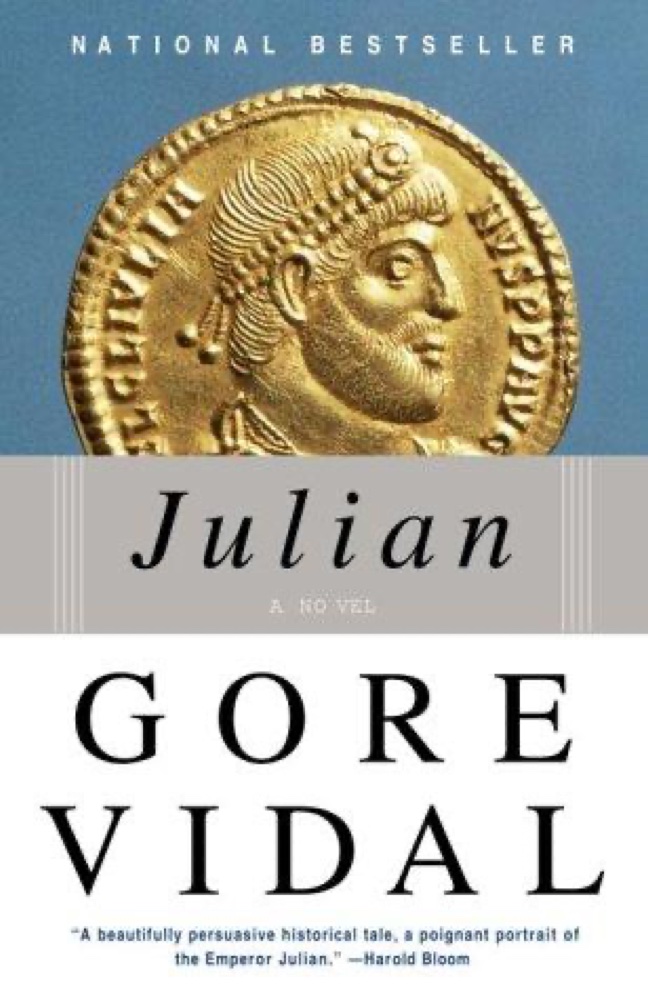 Julian
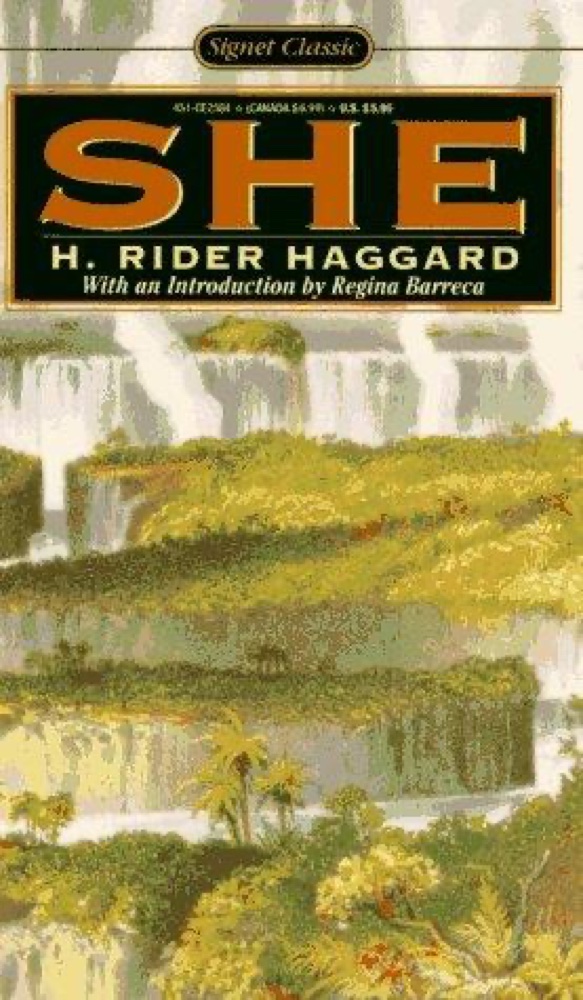 She
She
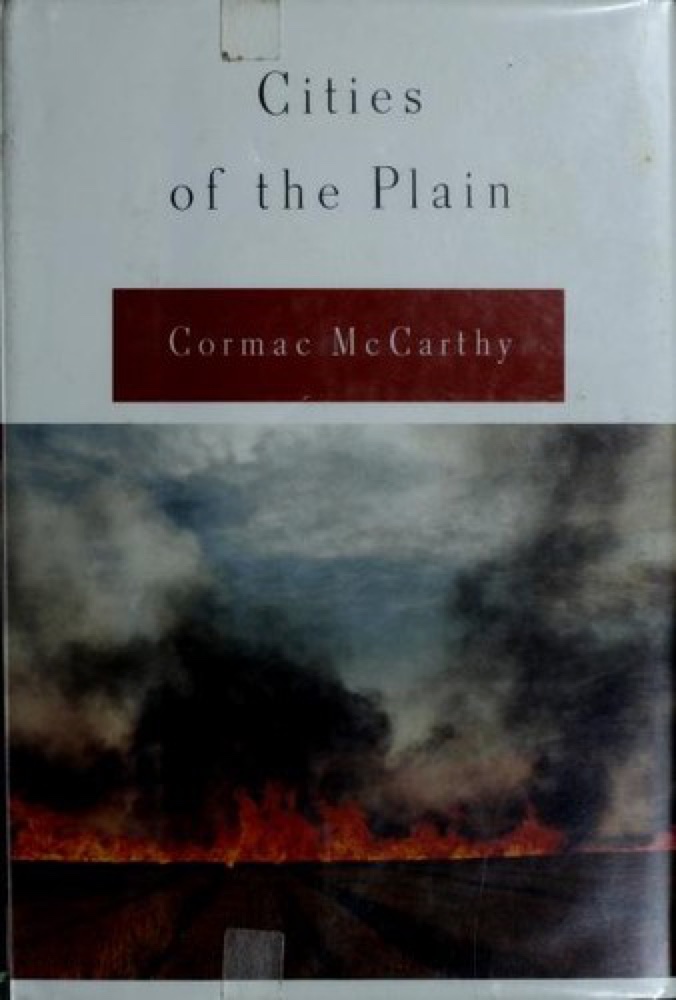 Cities of the Plain
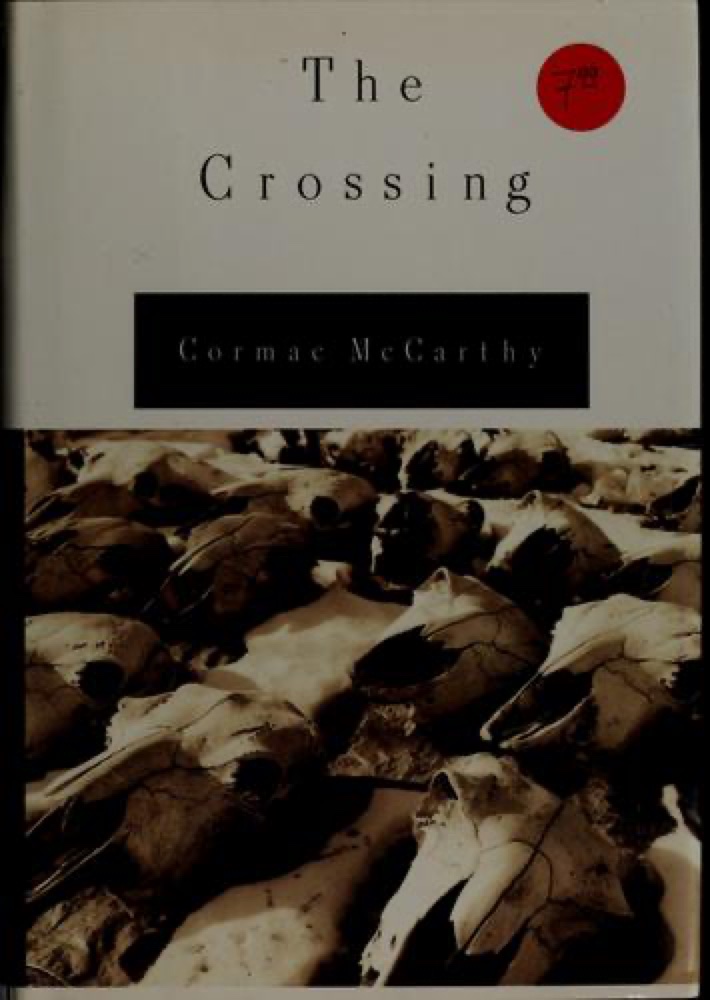 The Crossing
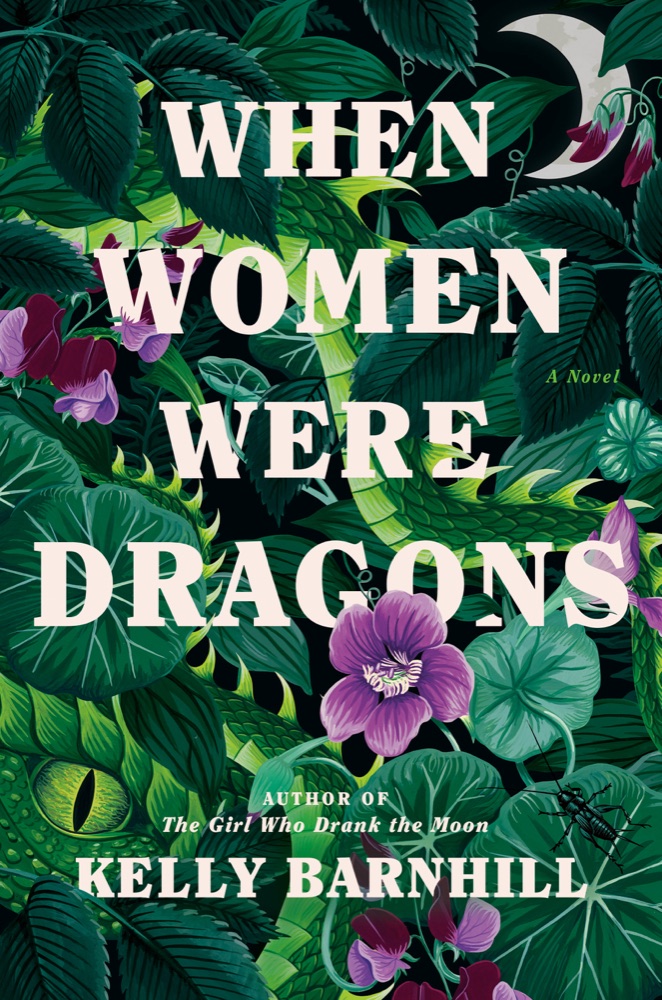 When Women Were Dragons
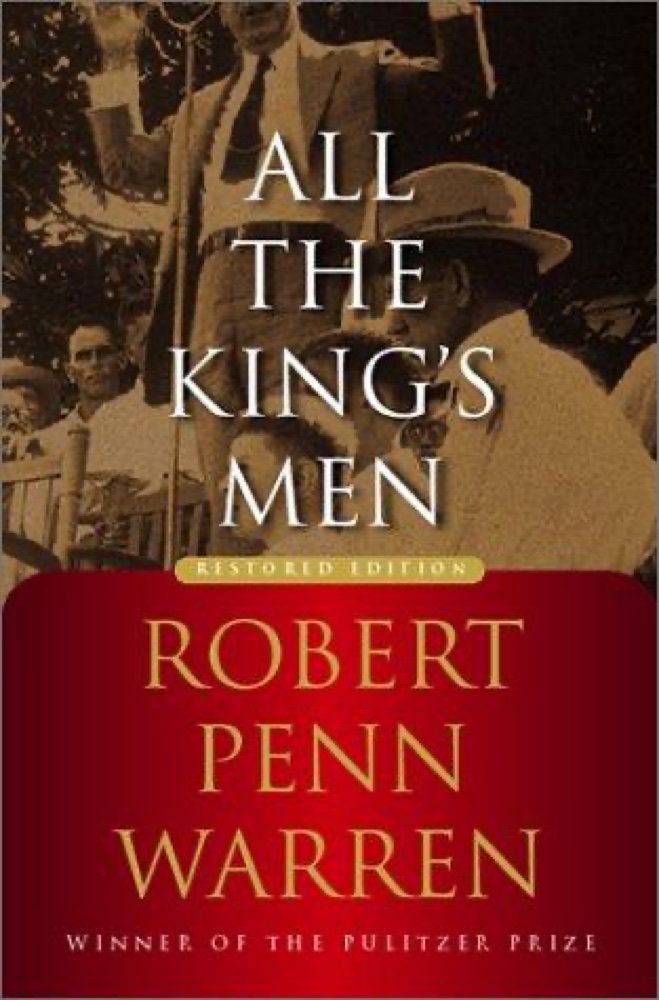 All the King's Men
 The Secret History
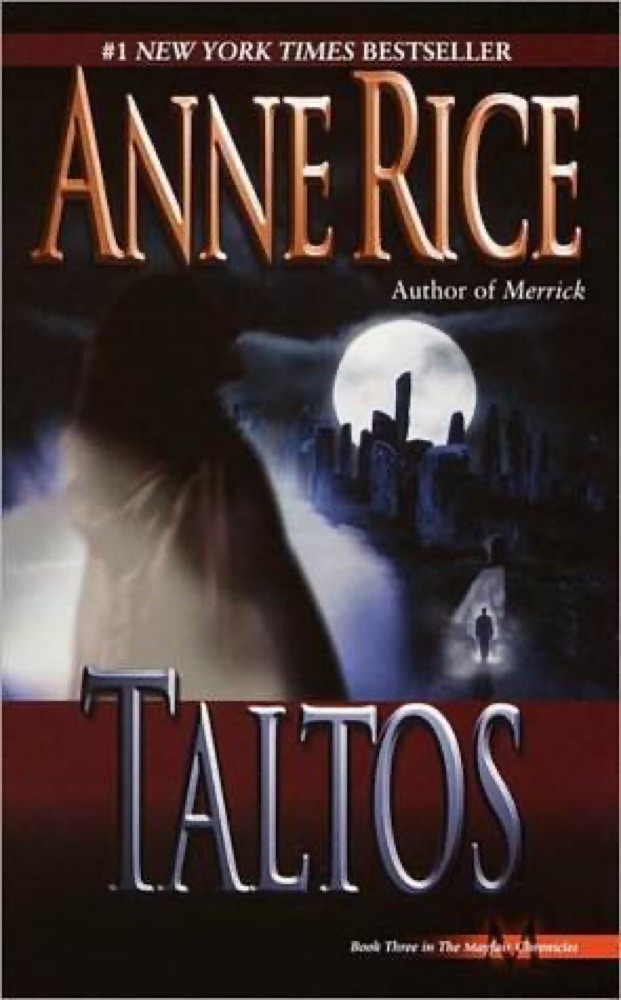 Taltos
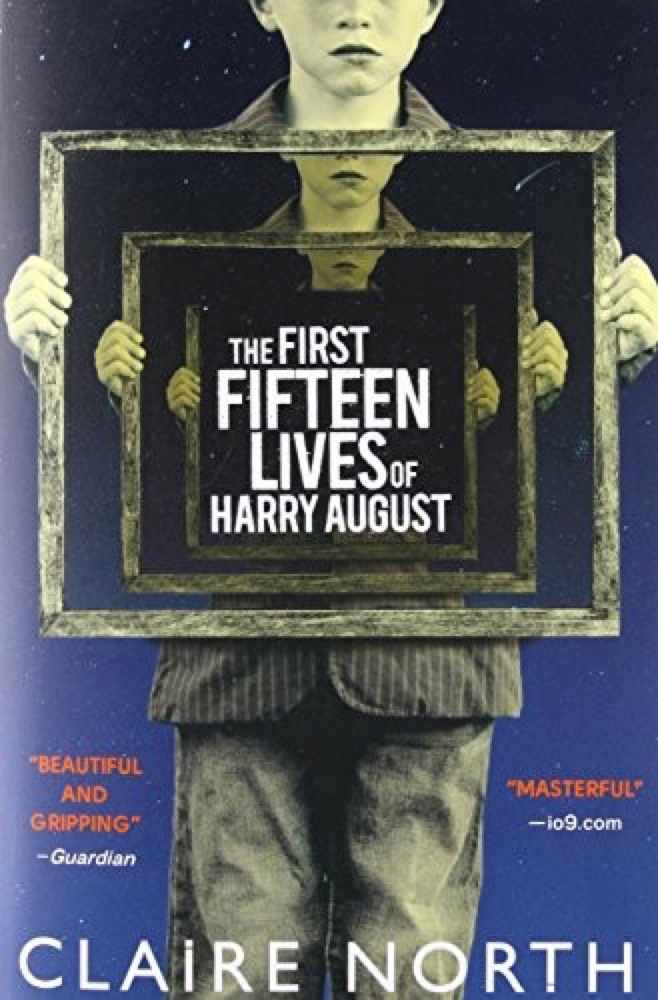 The First Fifteen Lives of Harry August
 The Quiet Game
 The Lost Symbol
 The Dagger of Adendigaeth
 The Claw of the Conciliator
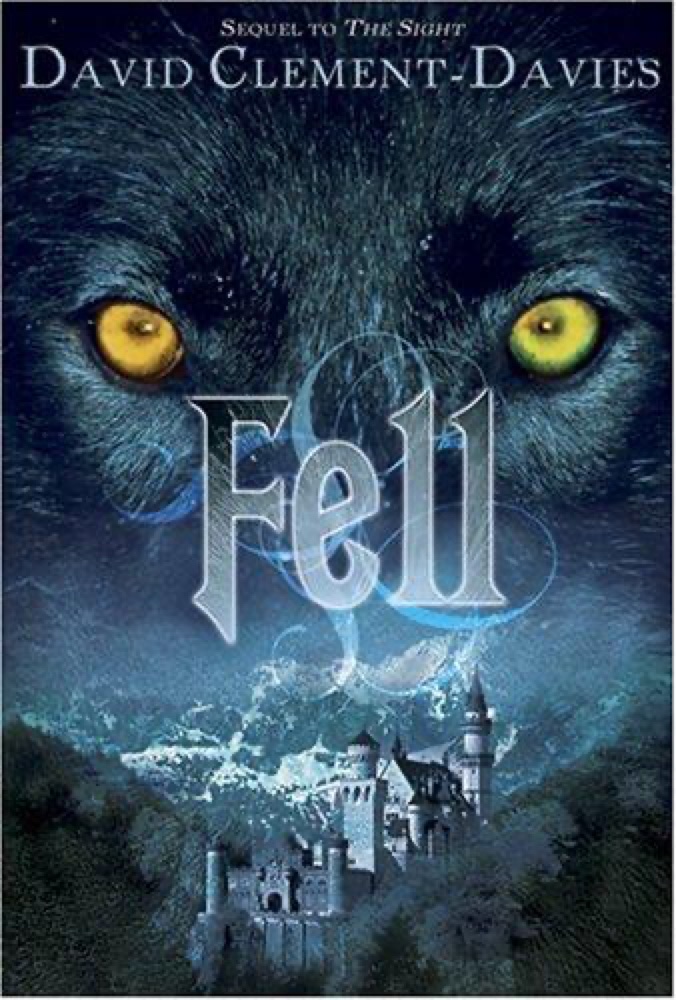 Fell
Fell
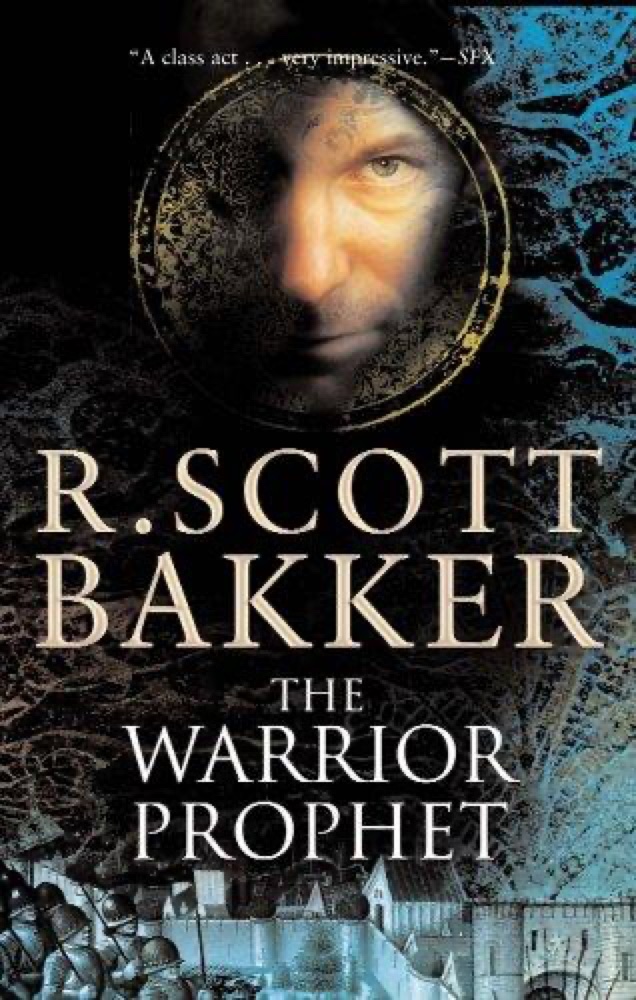 The Warrior Prophet
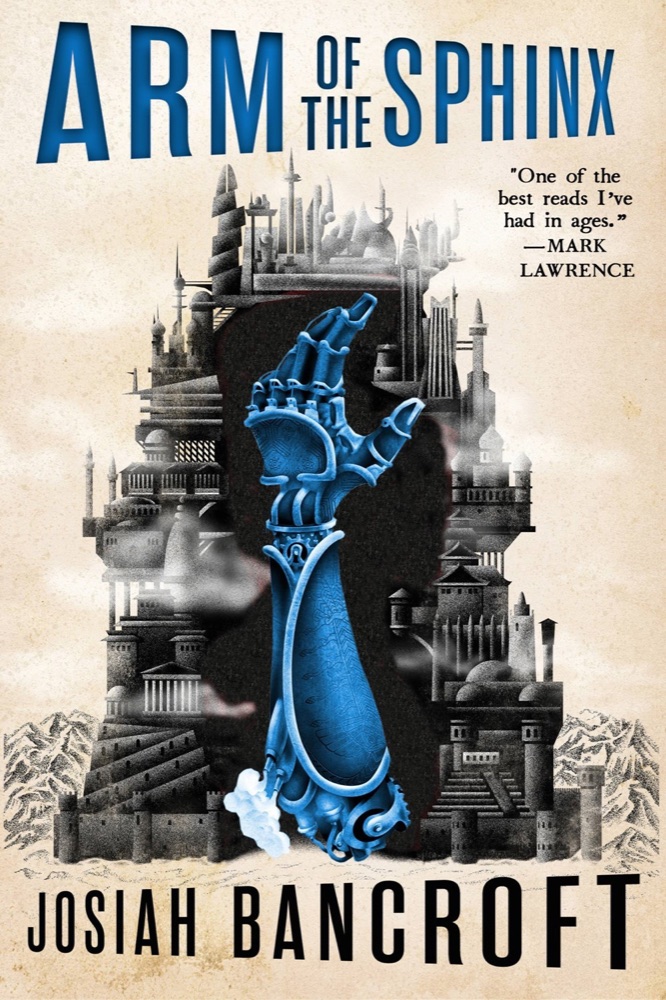 Arm of the Sphinx
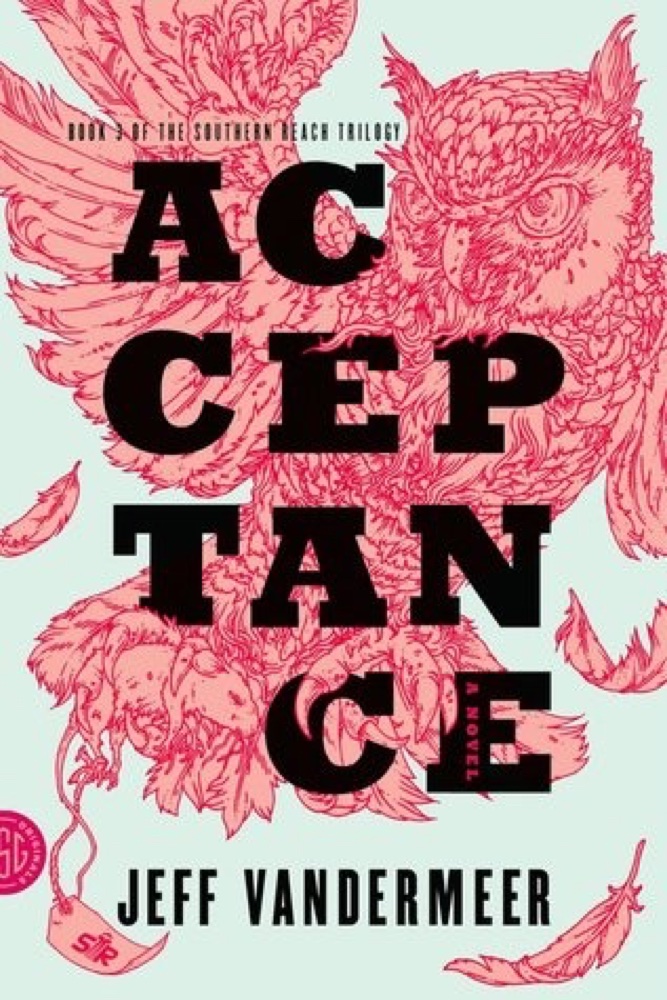 Acceptance
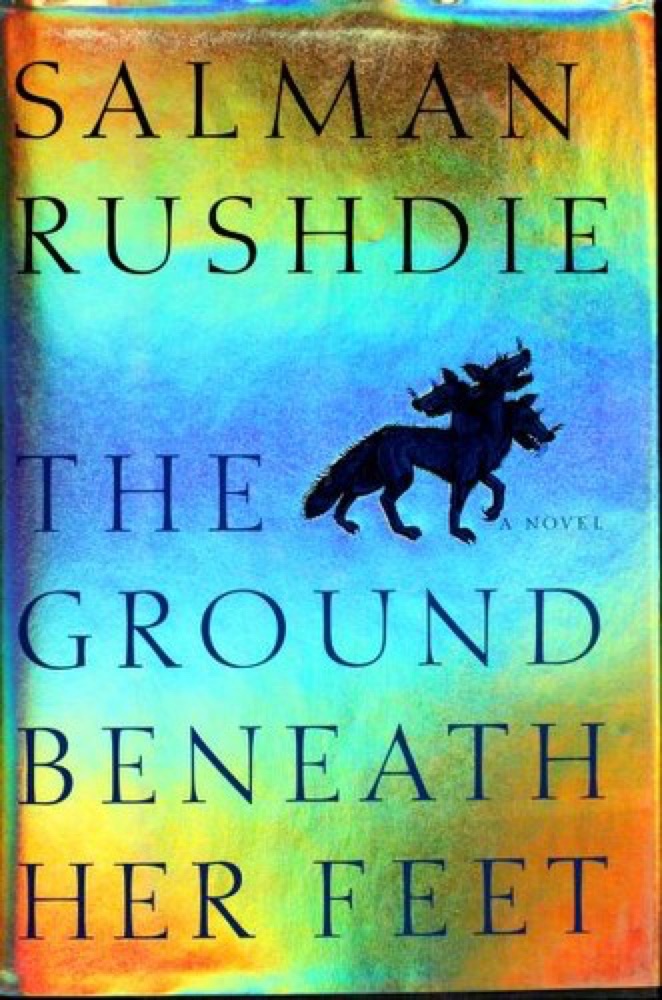 The Ground Beneath Her Feet
 The Magus
 Pensées
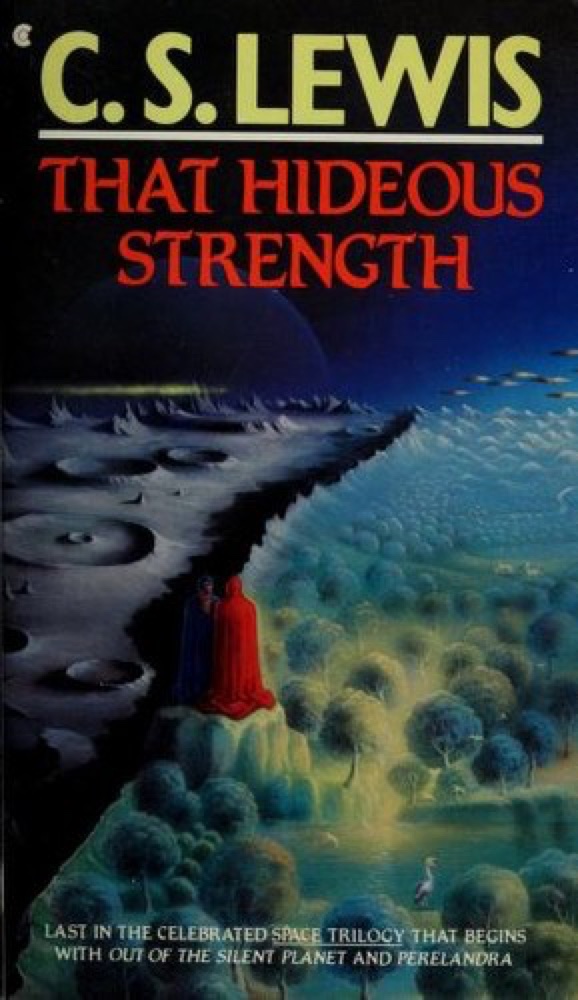 That Hideous Strength
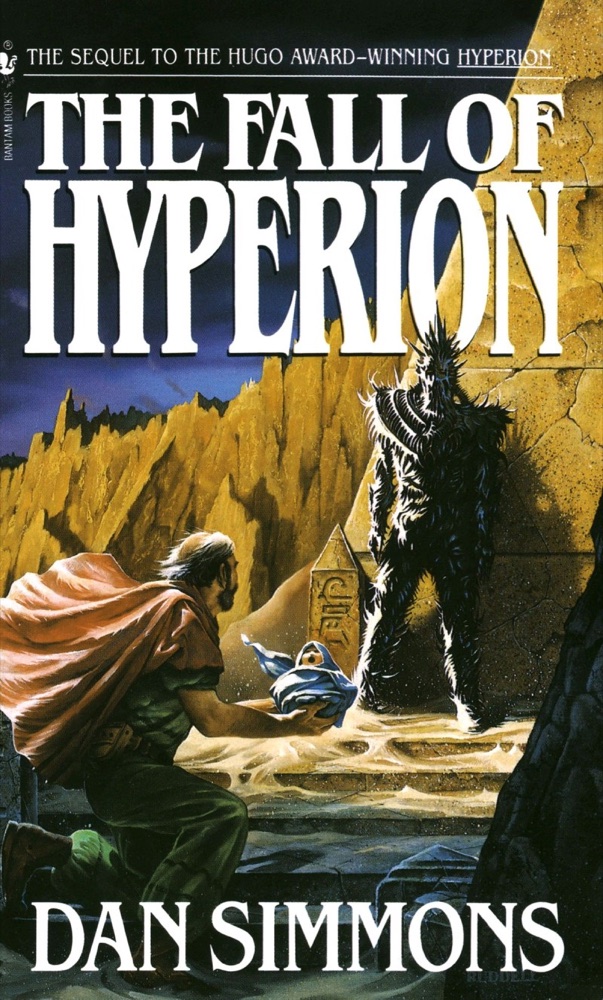 The Fall of Hyperion
 The Burning White
 Crime and Punishment
 The Etched City
 The Man in the High Castle
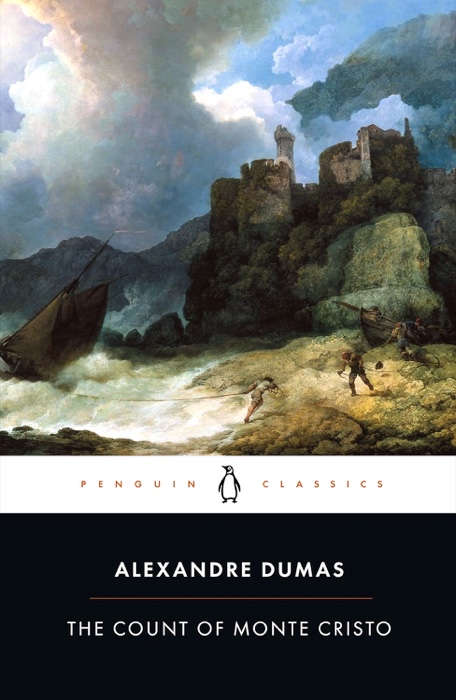 The Count of Monte Cristo
 Genesis
 The Home and the World
 A Tale of Love and Darkness
 The First Circle
 The Enchantress of Florence
 Demons
 Island
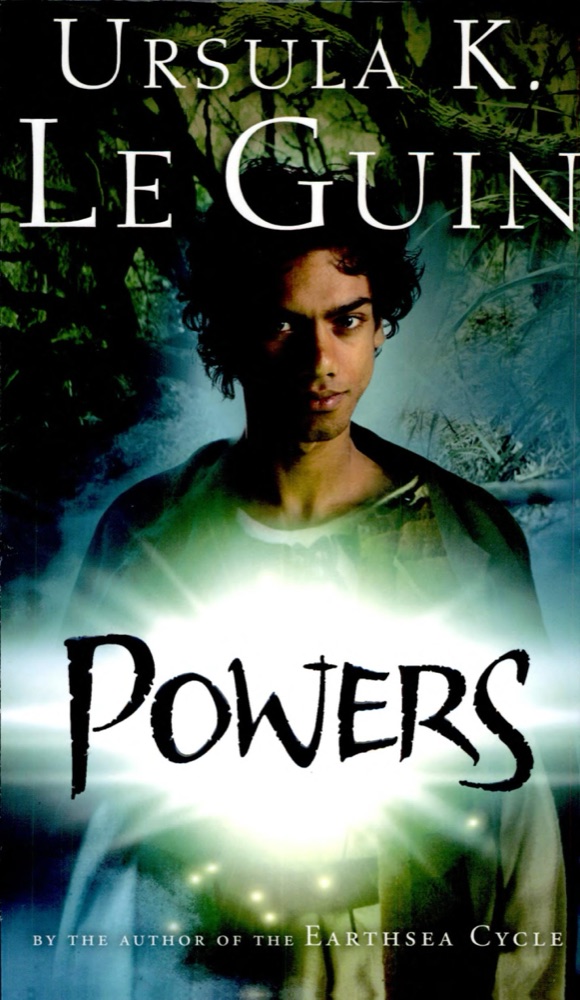 Powers
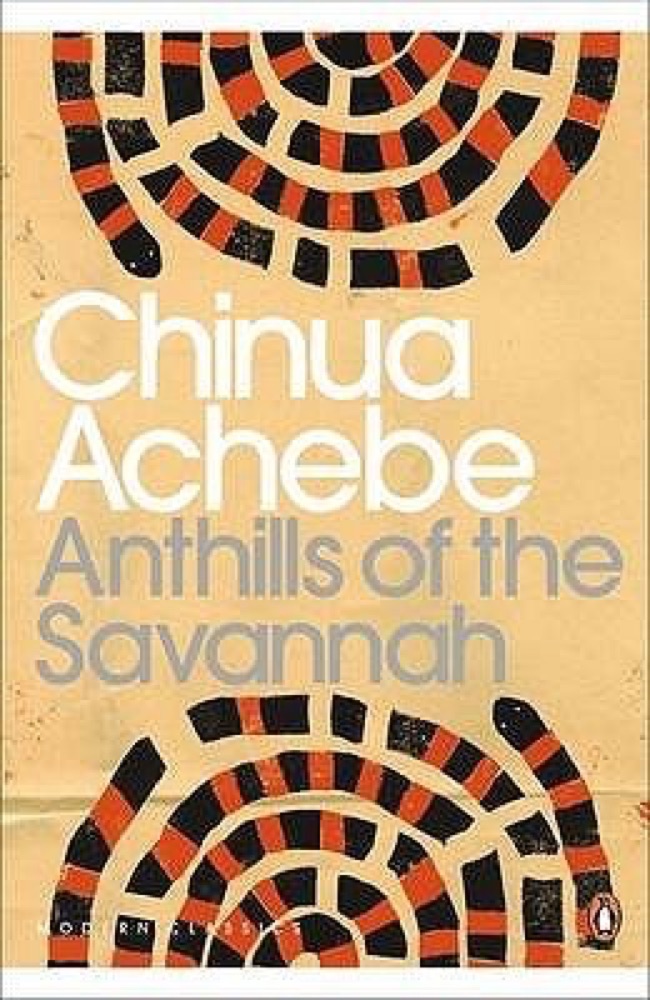 Anthills of the Savannah
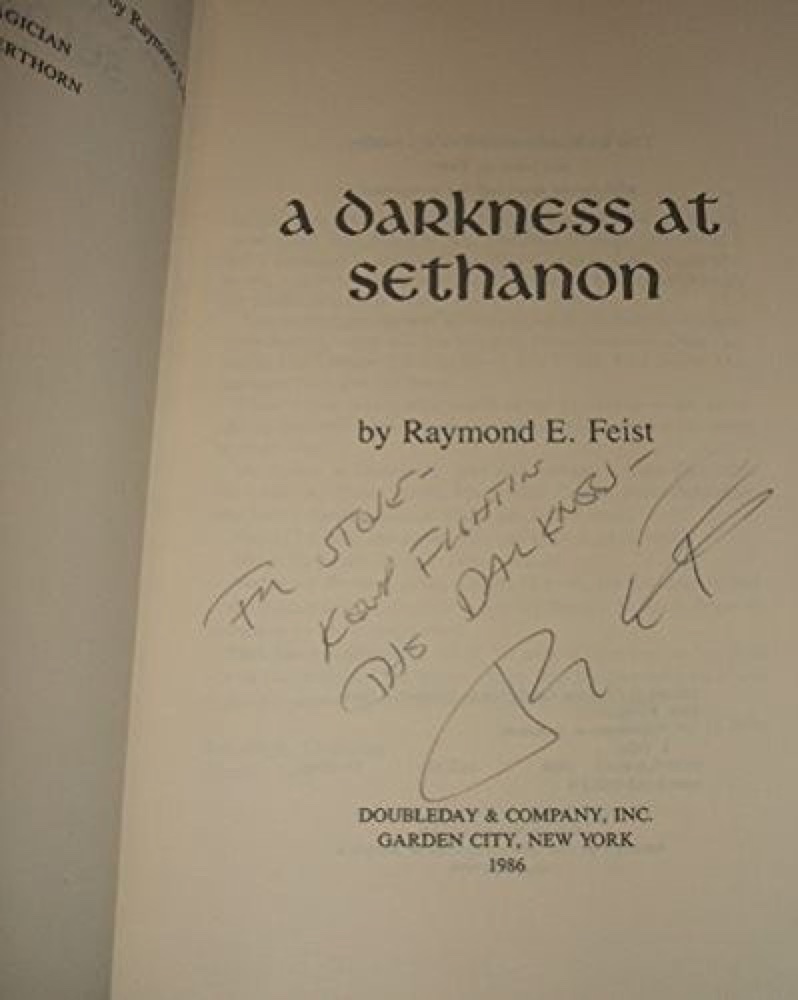 A Darkness At Sethanon
 Last First Snow
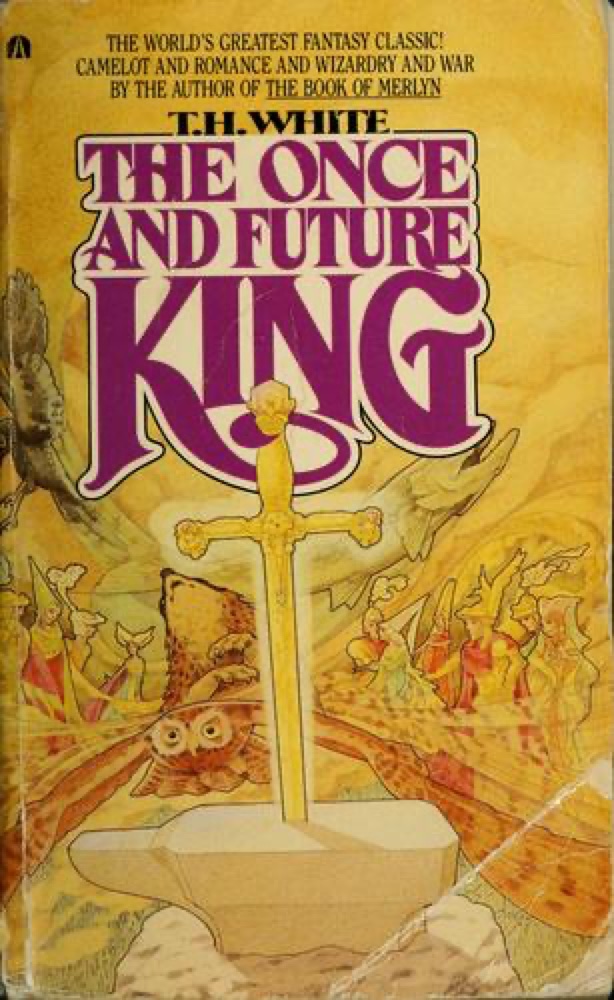 The Once and Future King
 On the Genealogy of Morals/Ecce Homo
 Rot & Ruin
 The Kite Runner
 Night Train to Lisbon