
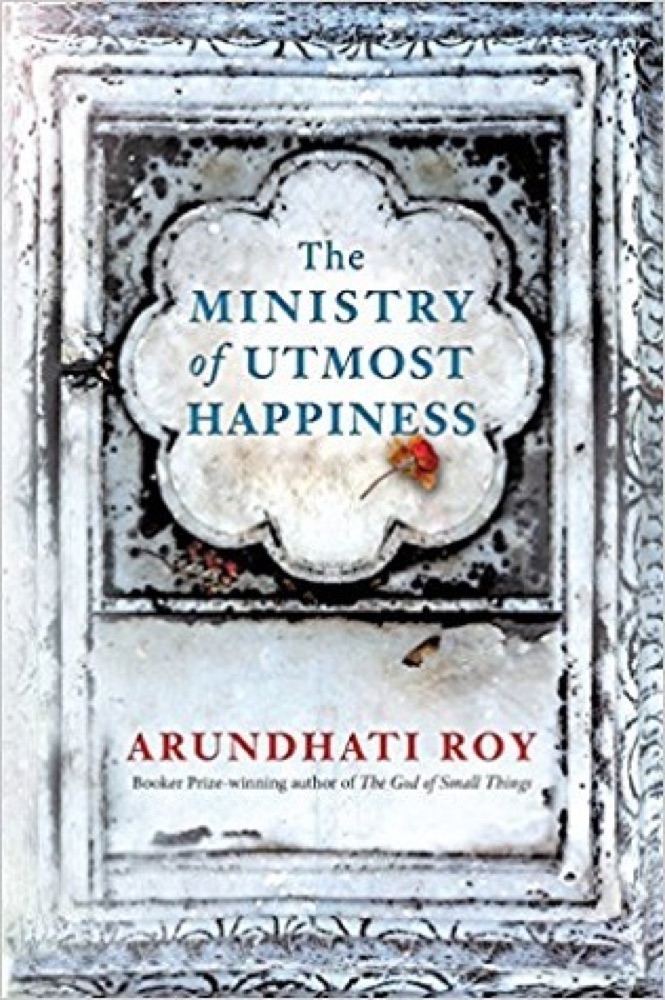
 The Ministry of Utmost Happiness
Quotes from the Book
That's what careless words do. They make people love you a little less.
...the secret of the Great Stories is that they have no secrets. The Great Stories are the ones you have heard and want to hear again. The ones you can enter anywhere and inhabit comfortably. They don’t deceive you with thrills and trick endings. They don’t surprise you with the unforeseen. They are as familiar as the house you live in. Or the smell of your lover’s skin. You know how they end, yet you listen as though you don’t. In the way that although you know that one day you will die, you live as though you won’t. In the Great Stories you know who lives, who dies, who finds love, who doesn’t. And yet you want to know again. That is their mystery and their magic.
And the air was full of Thoughts and Things to Say. But at times like these, only the Small Things are ever said. Big Things lurk unsaid inside.
If you're happy in a dream, does that count?
She wore flowers in her hair and carried magic secrets in her eyes. She spoke to no one. She spent hours on the riverbank. She smoked cigarettes and had midnight swims...
This was the trouble with families. Like invidious doctors, they knew just where it hurt.
Change is one thing. Acceptance is another.
But what was there to say? Only that there were tears. Only that Quietness and Emptiness fitted together like stacked spoons. Only that there was a snuffling in the hollows at the base of a lovely throat. Only that a hard honey-colored shoulder had a semicircle of teethmarks on it. Only that they held each other close, long after it was over. Only that what they shared that night was not happiness, but hideous grief. Only that once again they broke the Love Laws. That lay down who should be loved. And how. And how much.
Perhaps it’s true that things can change in a day. That a few dozen hours can affect the outcome of whole lifetimes. And that when they do, those few dozen hours, like the salvaged remains of a burned house—the charred clock, the singed photograph, the scorched furniture—must be resurrected from the ruins and examined. Preserved. Accounted for. Little events, ordinary things, smashed and reconstituted. Imbued with new meaning. Suddenly they become the bleached bones of a story.
The way her body existed only where he touched her. The rest of her was smoke.
He folded his fear into a perfect rose. He held it out in the palm of his hand. She took it from him and put it in her hair.
There is a war that makes us adore our conquerors and despise ourselves.
It is after all so easy to shatter a story. To break a chain of thought. To ruin a fragment of a dream being carried around carefully like a piece of porcelain. To let it be, to travel with it, as Velutha did, is much the harder thing to do.
Things can change in a day.
If he touched her, he couldn't talk to her, if he loved her he couldn't leave, if he spoke he couldn't listen, if he fought he couldn't win.
Ammu said that human beings were creatures of habit, and it was amazing the kind of things one could get used to.
Nothing mattered much. Nothing much mattered. And the less it mattered the less it mattered. It was never important enough. Because Worse Things had happened. In the country that she came from poised forever between the terror of war and the horror of peace Worse Things kept happening
As Estha stirred the thick jam he thought Two Thoughts and the Two Thoughts he thought were these: a) Anything can happen to anyone. and b) It is best to be prepared.
D’you know what happens when you hurt people?’ Ammu said. ‘When you hurt people, they begin to love you less. That’s what careless words do. They make people love you a little less.
Writers imagine that they cull stories from the world. I'm beginning to believe that vanity makes them think so. That it's actually the other way around. Stories cull writers from the world. Stories reveal themselves to us. The public narrative, the private narrative - they colonize us. They commission us. They insist on being told. Fiction and nonfiction are only different techniques of story telling. For reasons that I don't fully understand, fiction dances out of me, and nonfiction is wrenched out by the aching, broken world I wake up to every morning.
It is curious how sometimes the memory of death lives on for so much longer than the memory of the life that is purloined.
It was a time when the unthinkable became the thinkable and the impossible really happened
Being with him made her feel as though her soul had escaped from the narrow confines of her island country into the vast, extravagant spaces of his. He made her feel as though the world belonged to them- as though it lay before them like an opened frog on a dissecting table, begging to be examined.
But when they made love he was offended by her eyes. They behaved as though they belonged to someone else. Someone watching. Looking out of the window at the sea. At a boat in the river. Or a passerby in the mist in a hat. He was exasperated because he didn't know what that look meant. He put it somewhere between indifference and despair. He didn’t know that in some places, like the country that Rahel came from, various kinds of despair competed for primacy. And that personal despair could never be desperate enough. That something happened when personal turmoil dropped by at the wayside shrine of the vast, violent, circling, driving, ridiculous, insane, unfeasible, public turmoil of a nation. That Big God howled like a hot wind, and demanded obeisance. Then Small God (cozy and contained, private and limited) came away cauterized, laughing numbly at his own temerity. Inured by the confirmation of his own inconsequence, he became resilient and truly indifferent. Nothing mattered much. Nothing much mattered. And the less it mattered, the less it mattered. It was never important enough. Because Worse Things had happened. In the country that she came from, poised forever between the terror of war and the horror of peace, Worse Things kept happening. So Small God laughed a hollow laugh, and skipped away cheerfully. Like a rich boy in shorts. He whistled, kicked stones. The source of his brittle elation was the relative smallness of his misfortune. He climbed into people’s eyes and became an exasperating expression.
Her grief grieved her. His devastated her.
There are things that you can't do - like writing letters to a part of yourself. To your feet or hair. Or heart.
Little events, ordinary things, smashed and reconstituted. Suddenly, they become the bleached bones of a story.
And there it was again. Another religion turned against itself. Another edifice constructed by the human mind, decimated by human nature.
Did you know?
- It was Arundhati Roy's first novel and her only novel for two decades, until The Ministry of Utmost Happiness in 2017.
- The novel won the 1997 Booker Prize, making Roy the first Indian woman to win the award.
- The story is set largely in Ayemenem, a town in the Indian state of Kerala, where Roy partly grew up.
- The narrative moves back and forth between 1969 and 1993, withholding the central tragedy until late in the book.
- The novel became an international bestseller and a landmark of postcolonial Indian literature written in English.
About Arundhati Roy
Arundhati Roy is an Indian author and political activist, born in 1961, best known for her debut novel The God of Small Things, which won the 1997 Booker Prize. She is also widely published as an essayist on politics, human rights, and the environment.
More about the author →More by Arundhati Roy

About the book
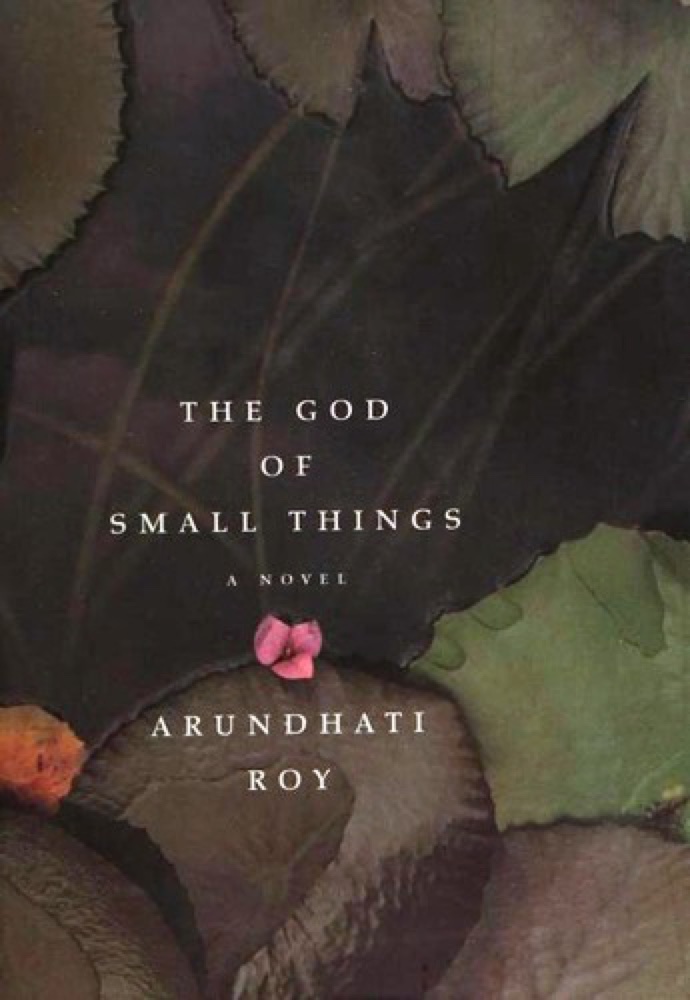
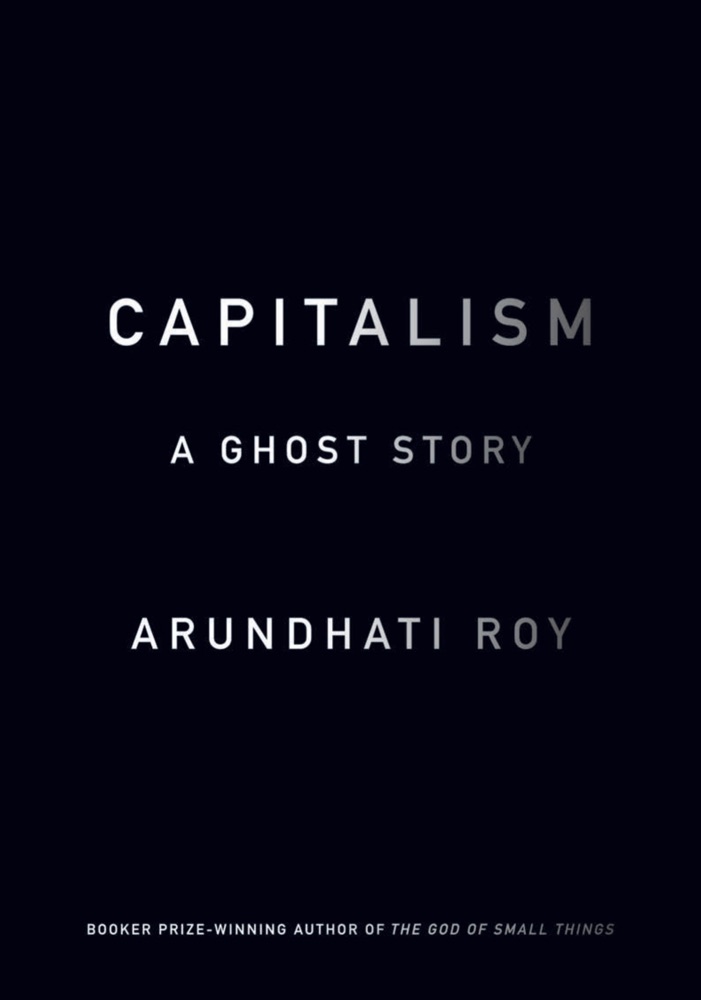
"The God of Small Things" is Arundhati Roy's debut novel, set in the town of Ayemenem in the Indian state of Kerala. Shifting between 1969 and 1993, it follows the fraternal twins Estha and Rahel and the events surrounding the visit of their half-British cousin, Sophie Mol. Told out of chronological order, the novel gradually reveals how a single day's tragedy fractures a family and scatters its members across decades.
At its heart the book is about the "Love Laws" that lay down "who should be loved, and how. And how much" — the rigid rules of caste, class, and family that govern life in postcolonial Kerala. Roy weaves together themes of forbidden love, childhood, social discrimination, and political upheaval, giving particular weight to the touchable and untouchable divide through the figure of Velutha, a Paravan who works at the family's pickle factory. The novel's lush, inventive prose and its attention to "small things" over grand history give it a distinctive, poetic texture.
Published in 1997, the novel won the Booker Prize that same year and became an international bestseller, making Roy one of the most celebrated voices in Indian writing in English. It is widely regarded as a staple of postcolonial literature and remains Roy's best-known work of fiction, praised for its formal daring and its unflinching treatment of caste and desire.
Key characters
- RahelOne of the twins; the novel largely follows her perspective across childhood and adulthood.
- Estha (Esthappen)Rahel's fraternal twin brother, deeply marked by the events of their childhood.
- AmmuThe twins' divorced, fiercely independent mother, constrained by family and social expectation.
- VeluthaA Paravan ("untouchable") who works at the family's pickle factory and becomes central to the tragedy.
- ChackoThe twins' Oxford-educated uncle and an Anglophile who runs the family pickle business.
- Baby KochammaThe twins' resentful maternal great-aunt.
- Sophie MolThe twins' half-British cousin, whose visit precipitates the central events.
Book details
- First published
- 1997
- Author
- Arundhati Roy
- Genre
- Fiction
- Goodreads rating
- 3.96 (336k ratings) →
- First line
- “May in Ayemenem is a hot, brooding month.”
If you liked this, read…
- 1Midnight's ChildrenSalman Rushdie's landmark novel of postcolonial India told through family and history.
- 2A Suitable BoyVikram Seth's sweeping portrait of family and society in newly independent India.
- 3The Inheritance of LossKiran Desai's Booker-winning novel of family, class, and belonging in India.
Keep reading
The Ministry of Utmost Happiness
 Atonement
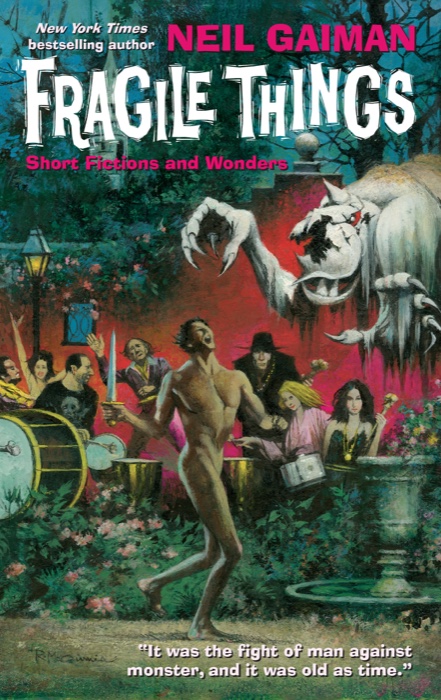 Fragile Things: Short Fictions and Wonders
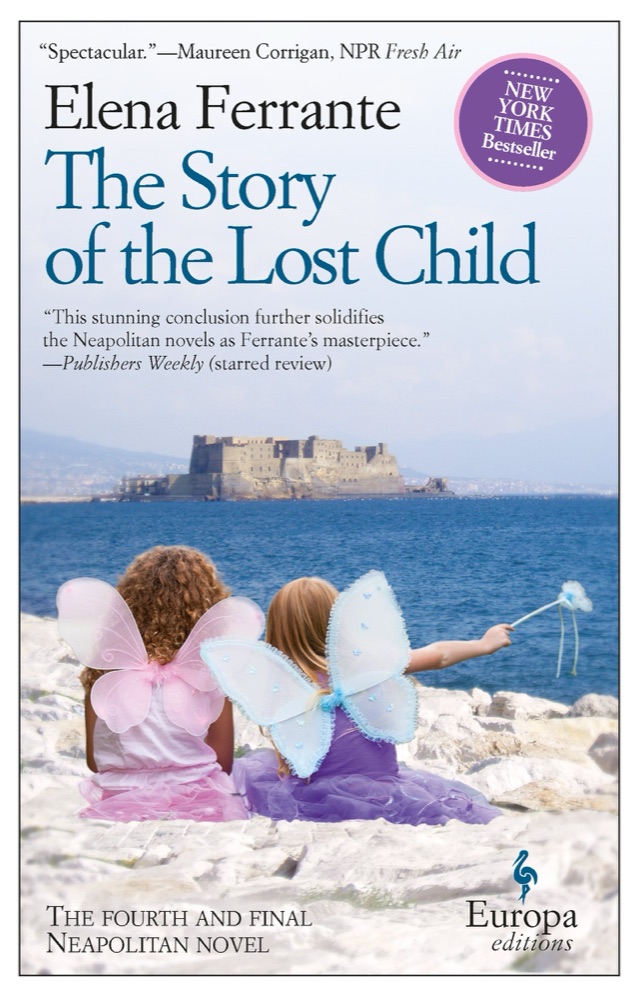 The Story of the Lost Child
 A Conjuring of Light
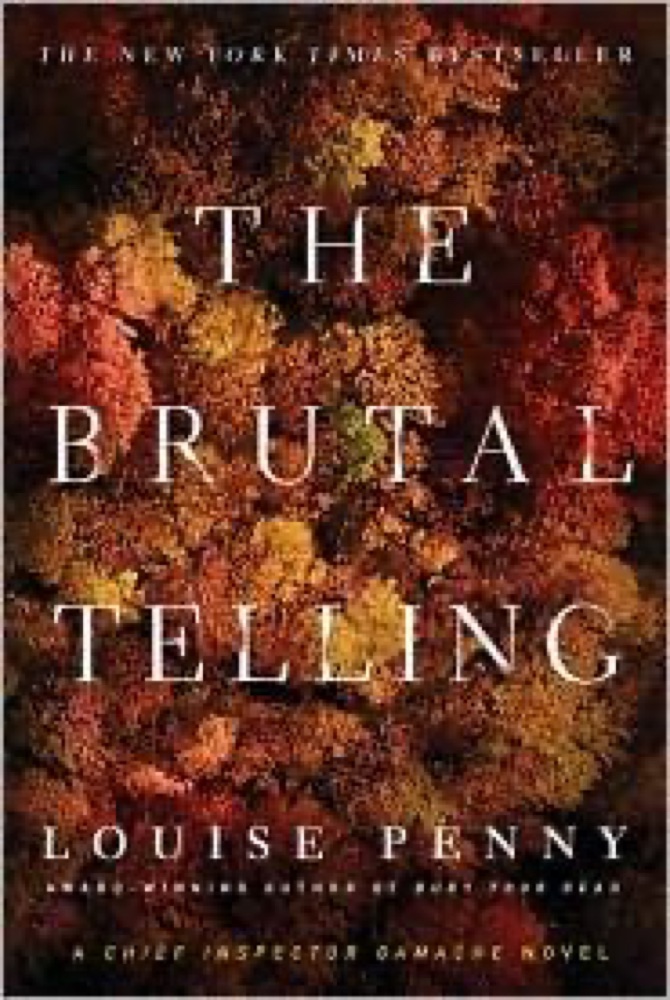 The Brutal Telling
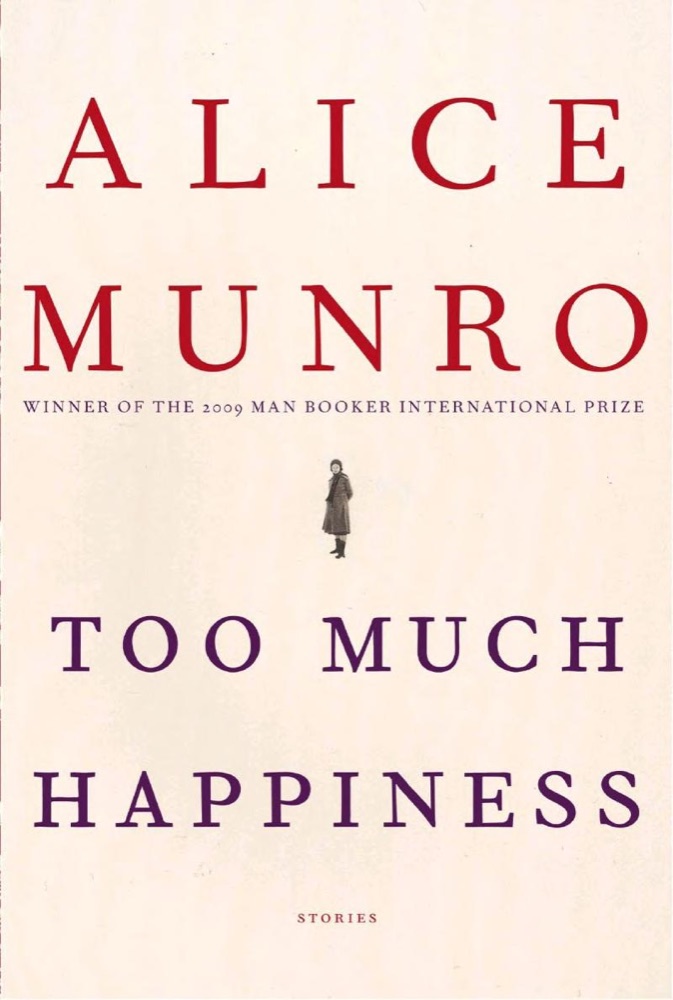 Too Much Happiness: Stories
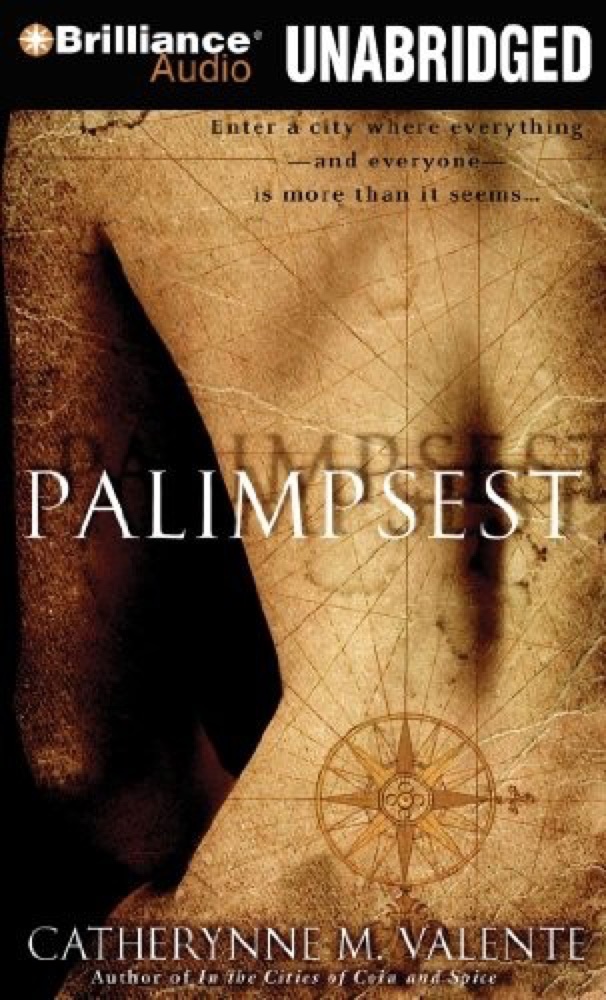 Palimpsest
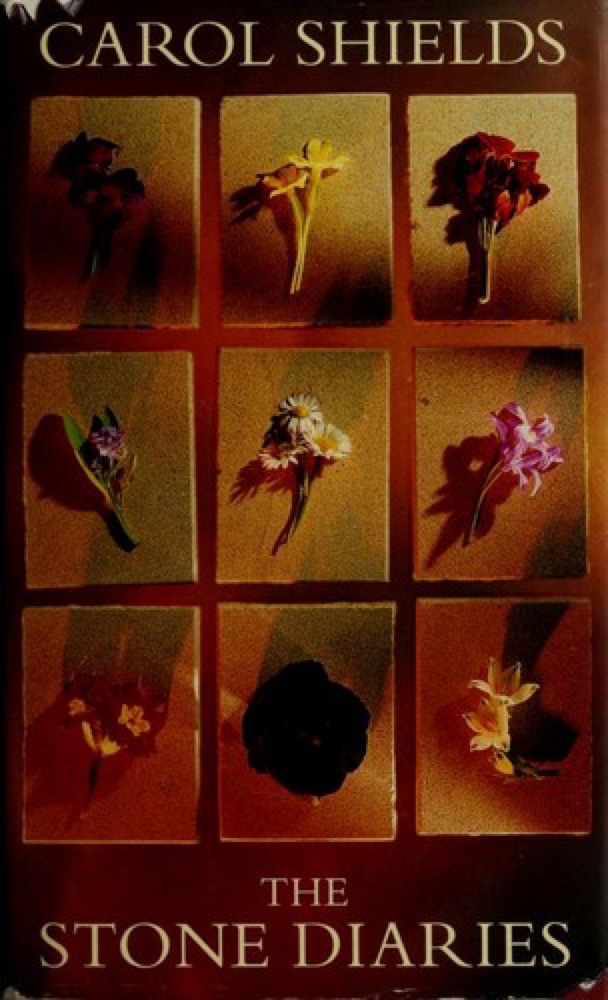 The Stone Diaries
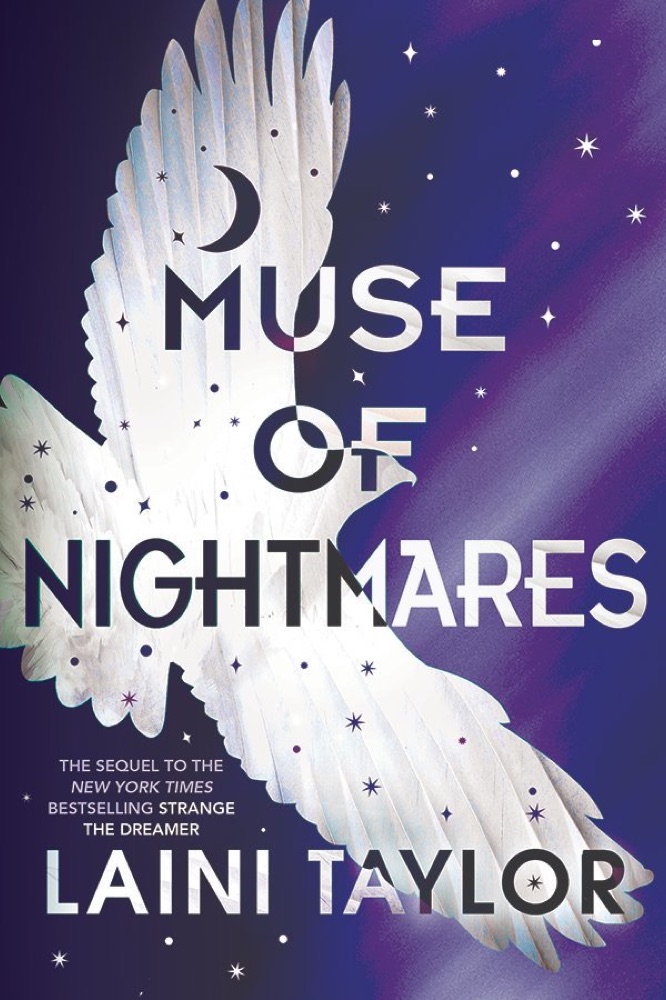 Muse of Nightmares
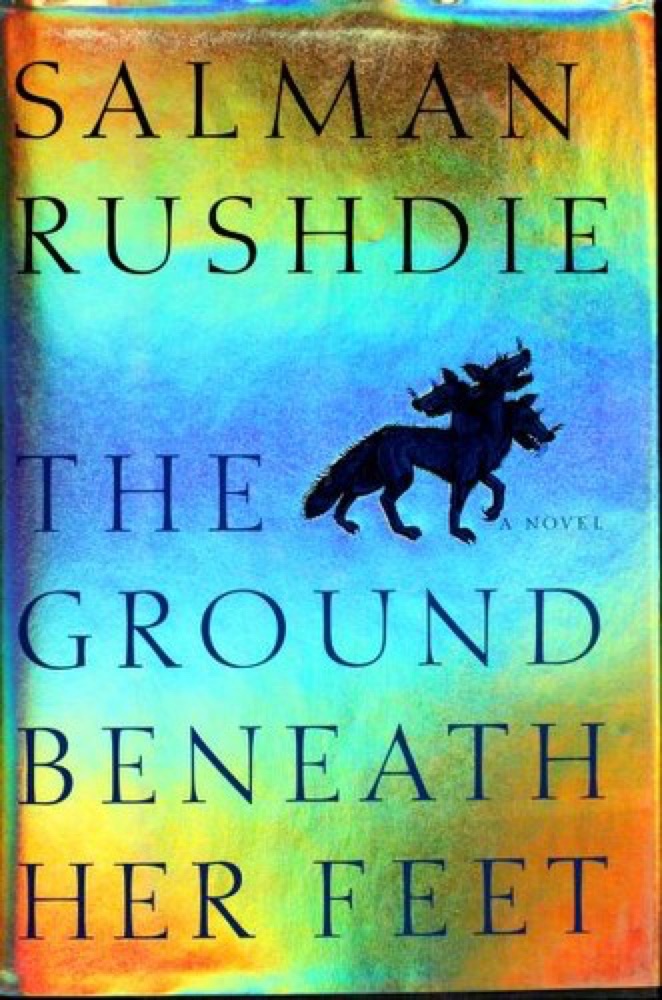 The Ground Beneath Her Feet
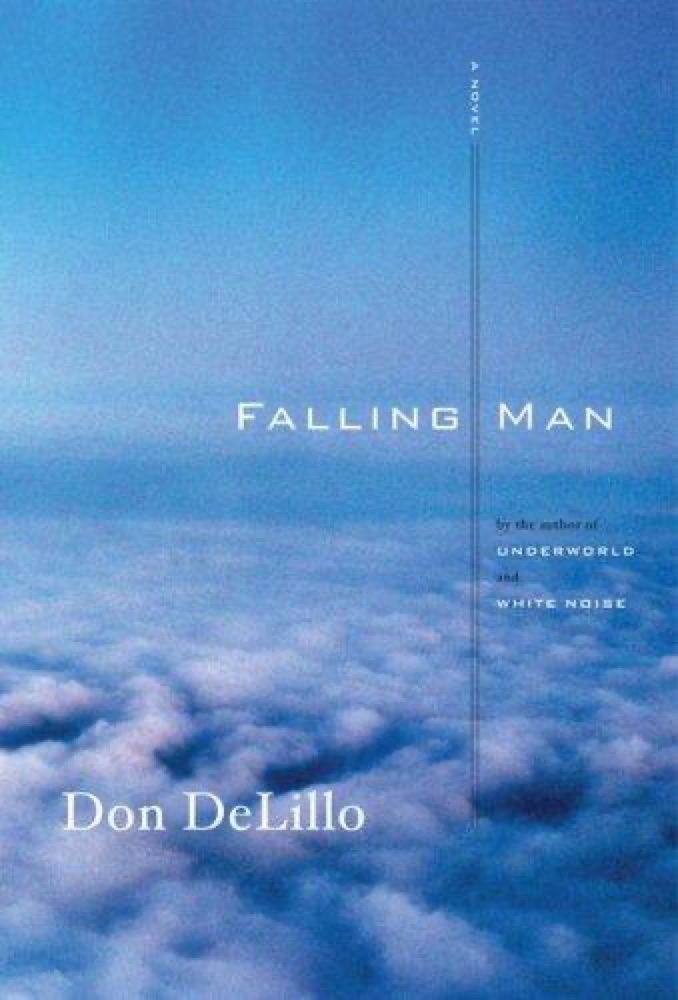 Falling Man
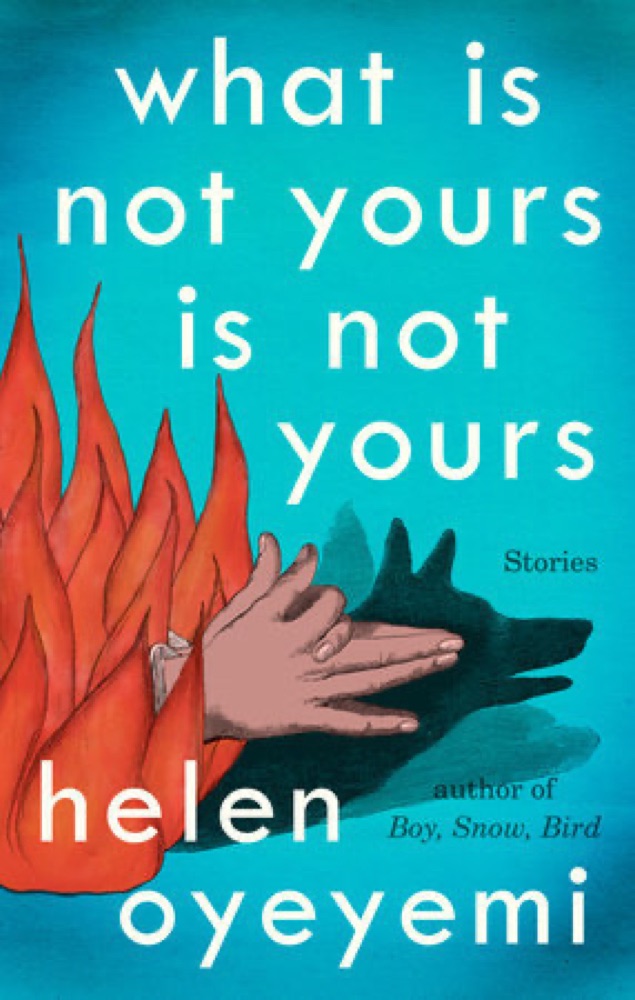 What Is Not Yours Is Not Yours
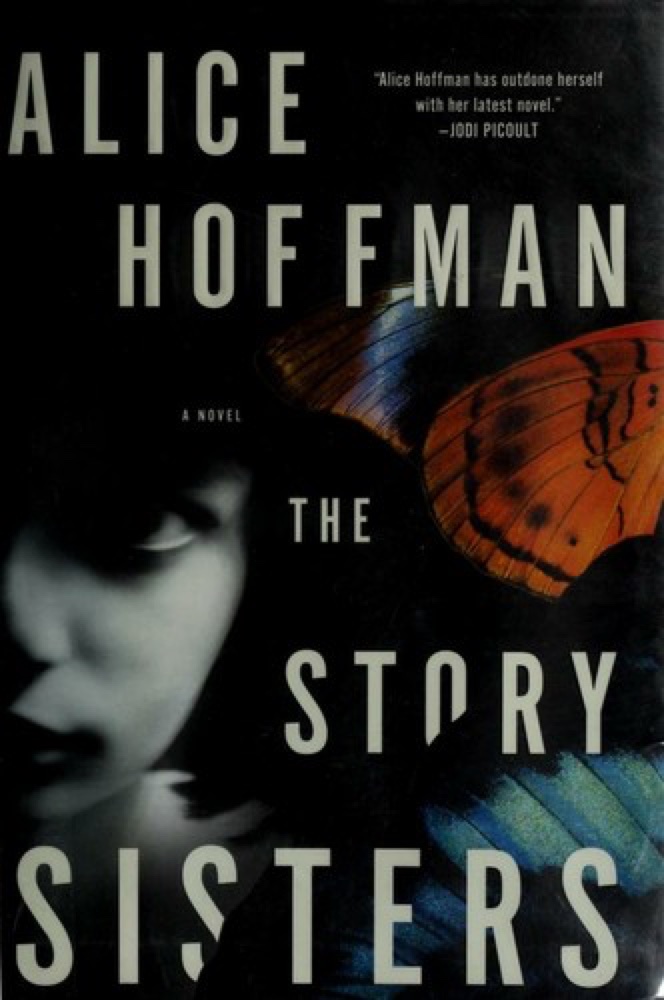 The Story Sisters
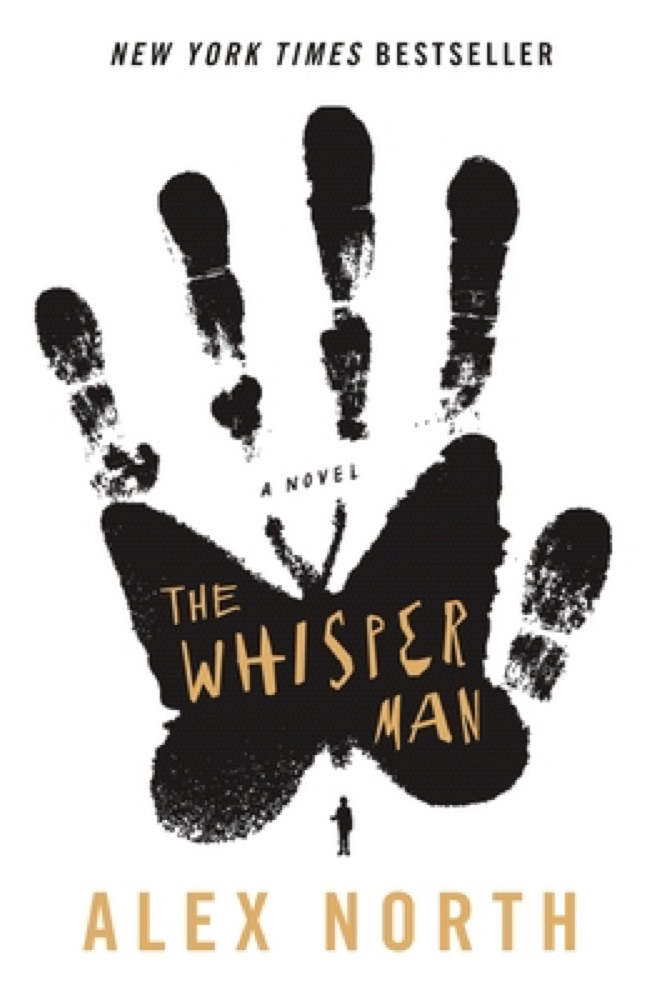 The Whisper Man
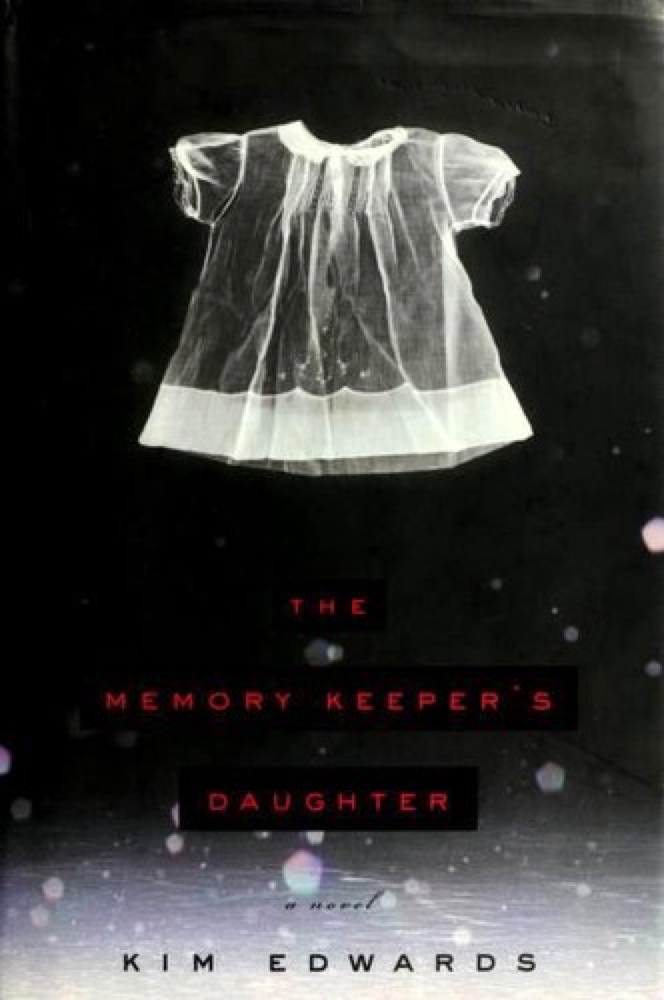 The Memory Keeper's Daughter
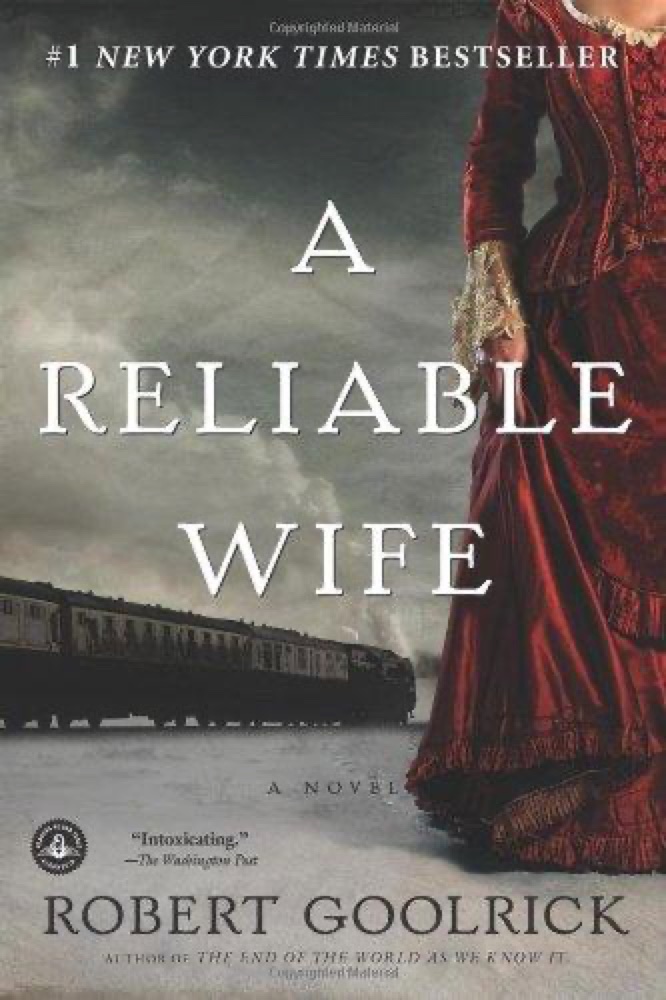 A Reliable Wife
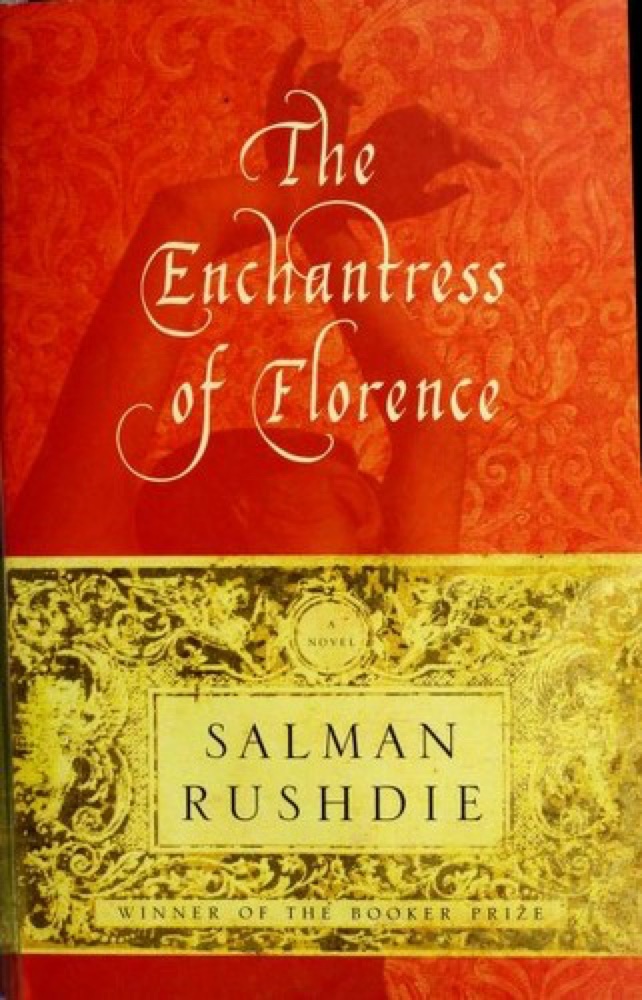 The Enchantress of Florence
 The Story of a New Name
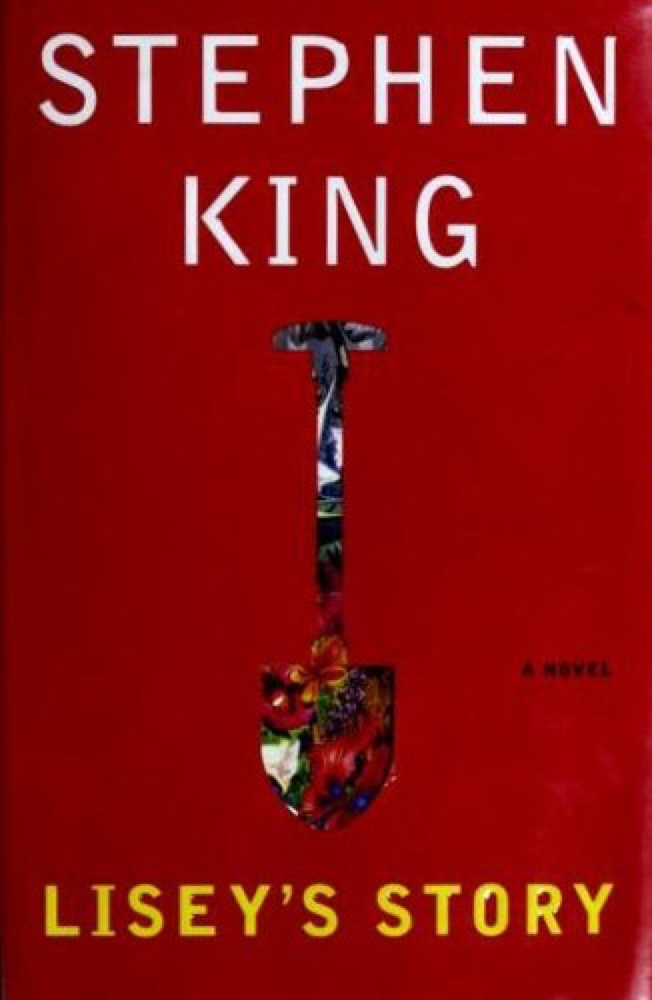 Lisey's Story
 The Storyteller
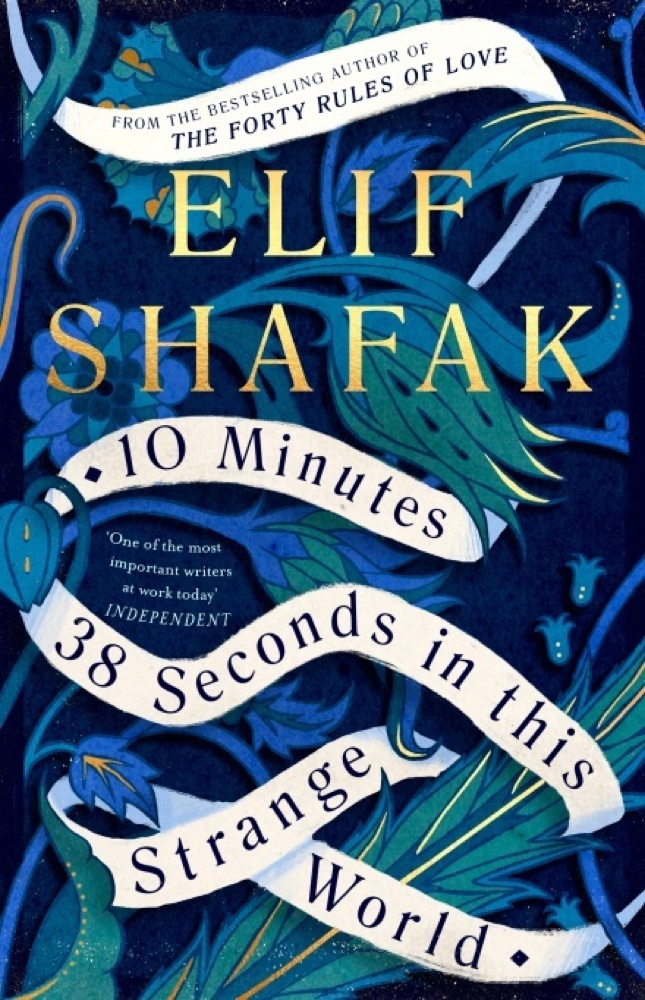 10 Minutes 38 Seconds in This Strange World
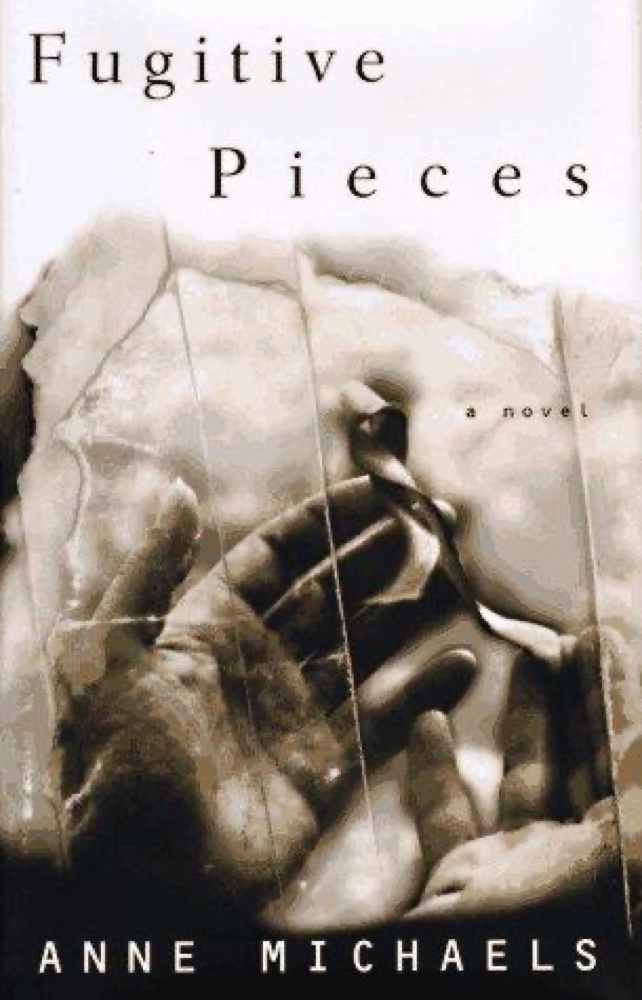 Fugitive Pieces
 Home Fire
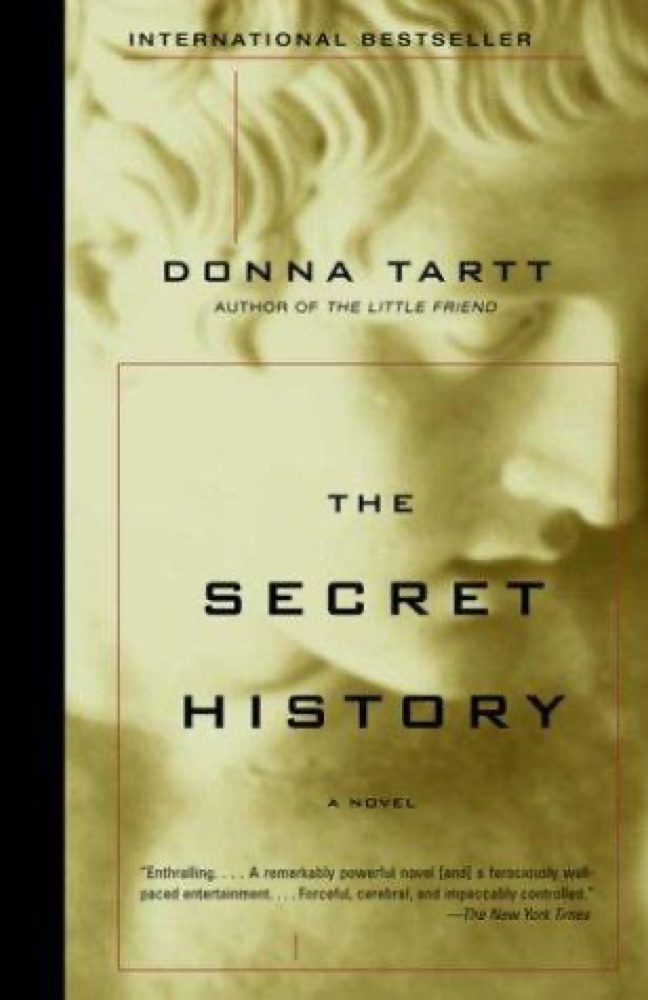 The Secret History
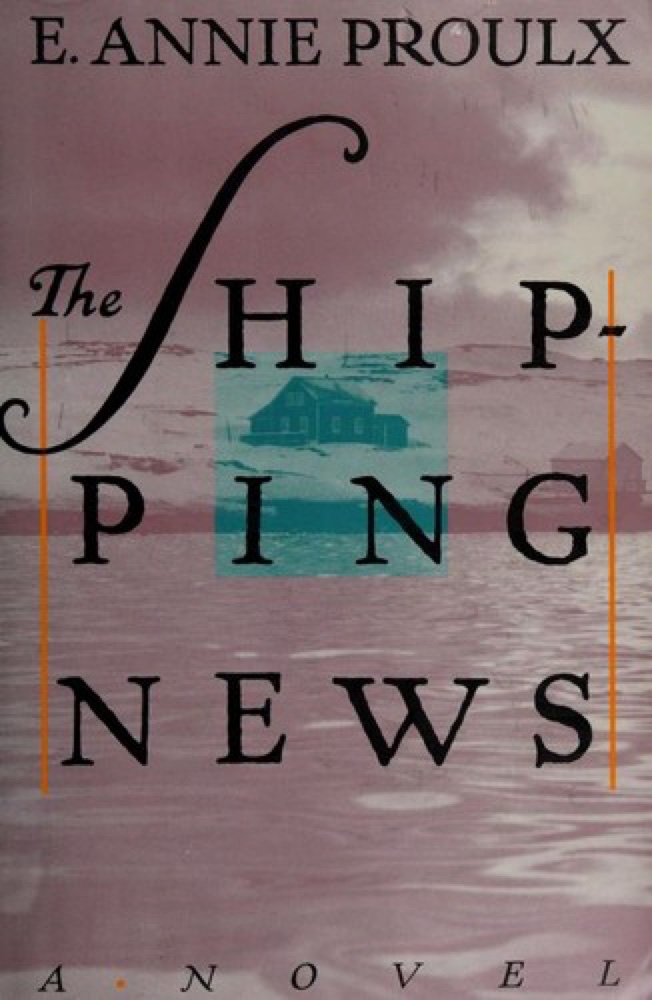 The Shipping News
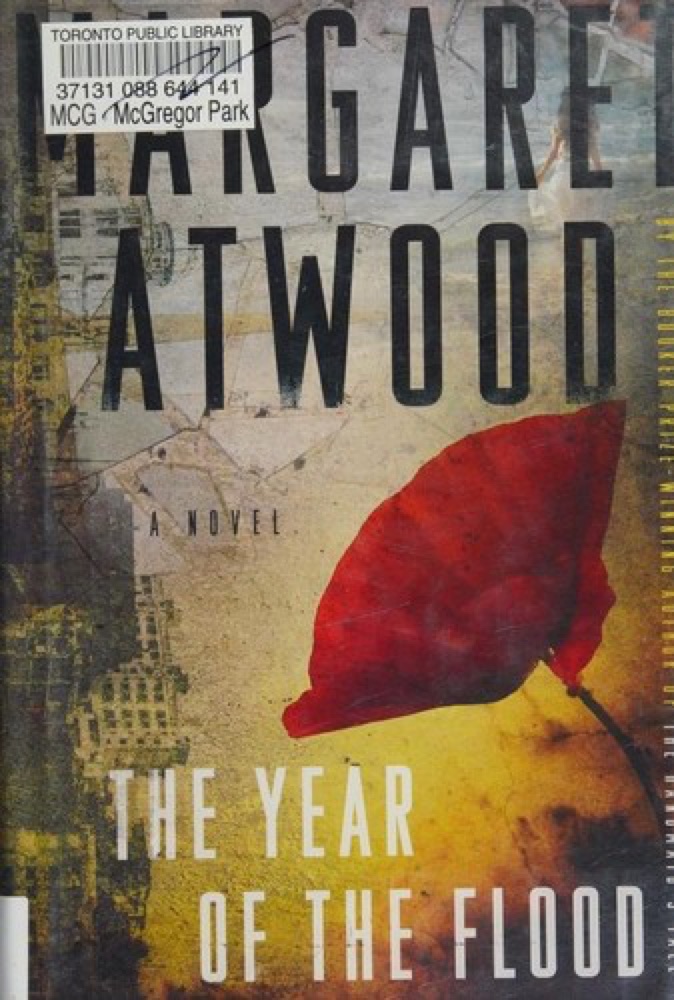 The Year of the Flood
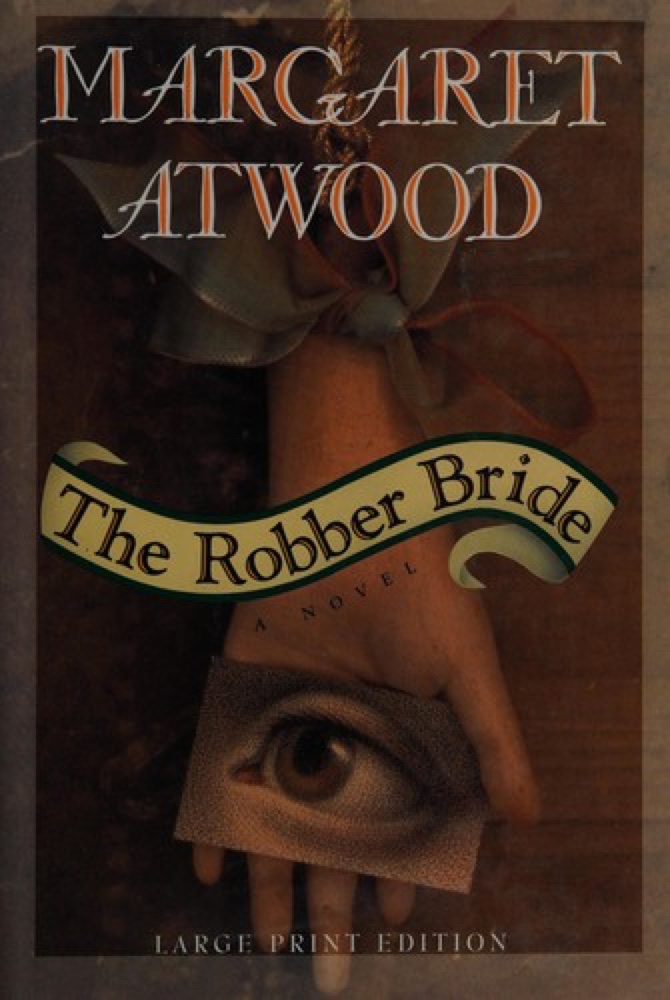 The Robber Bride
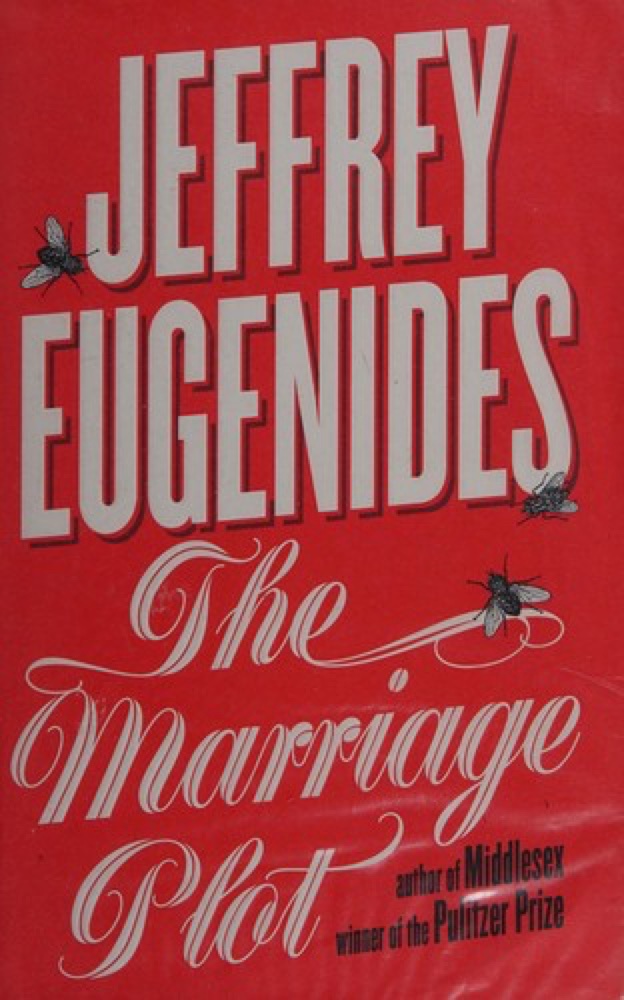 The Marriage Plot
 Rot & Ruin
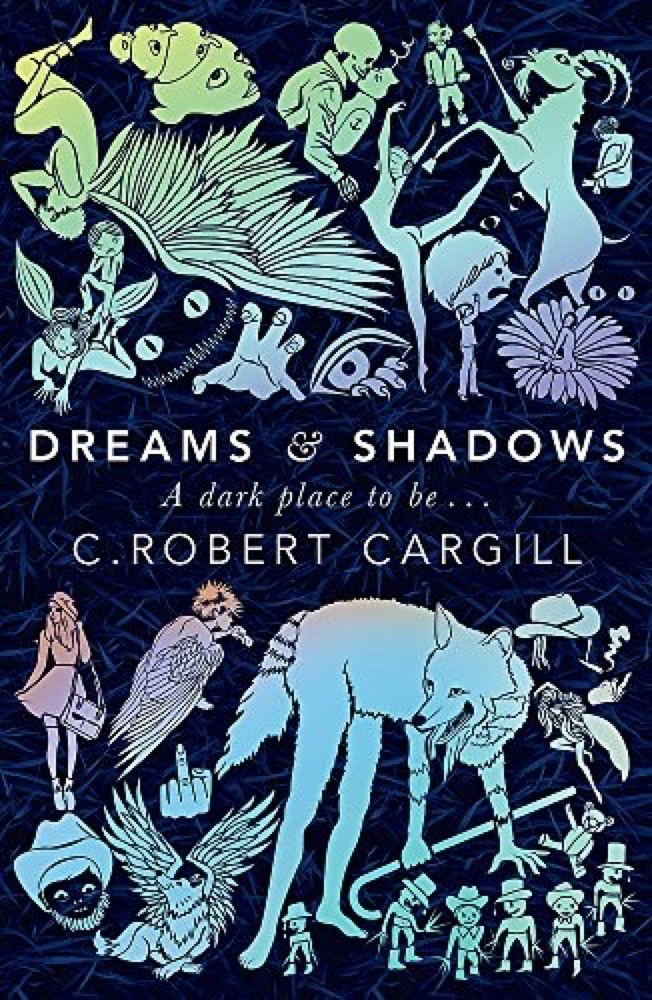 Dreams and Shadows
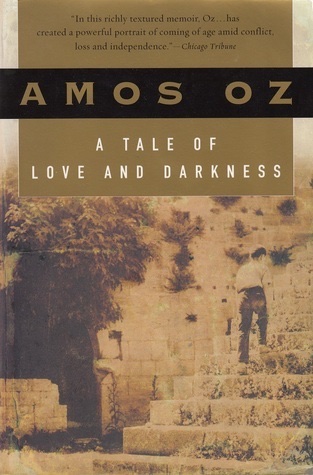 A Tale of Love and Darkness
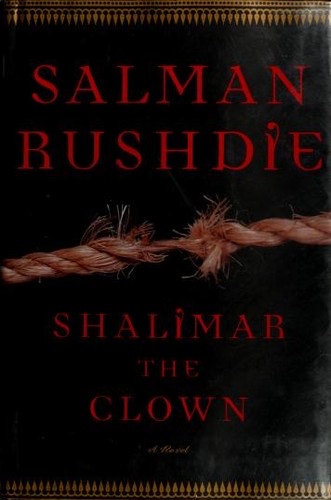 Shalimar the Clown
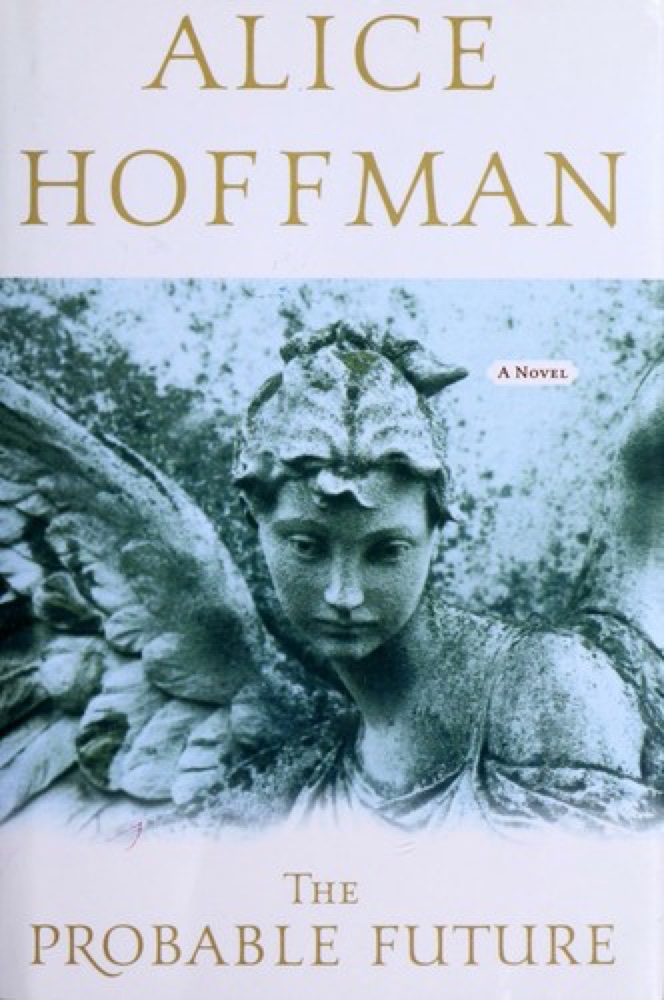 The Probable Future
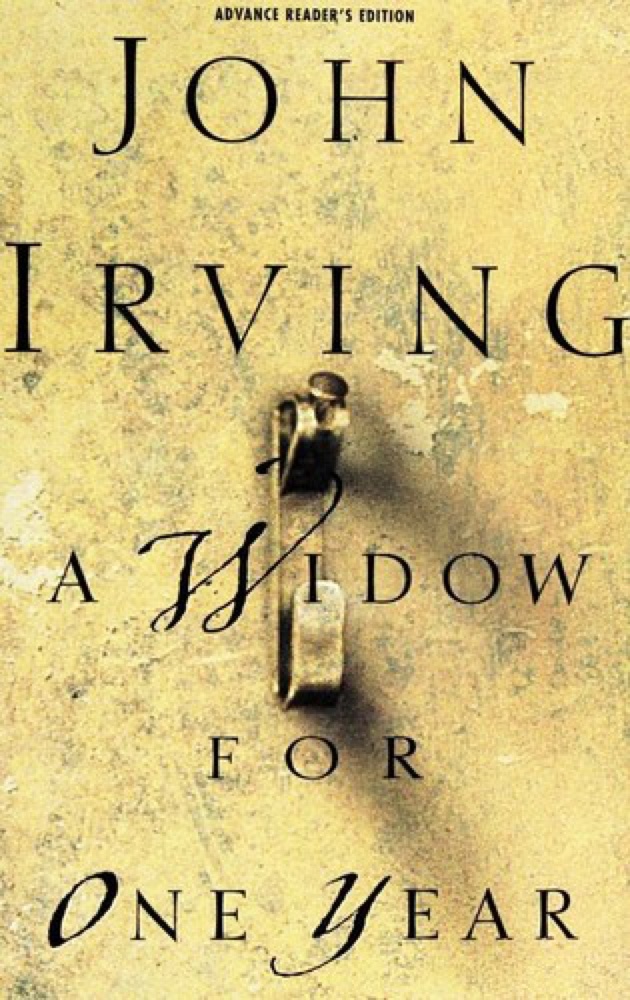 A Widow for One Year
 Angel Falls
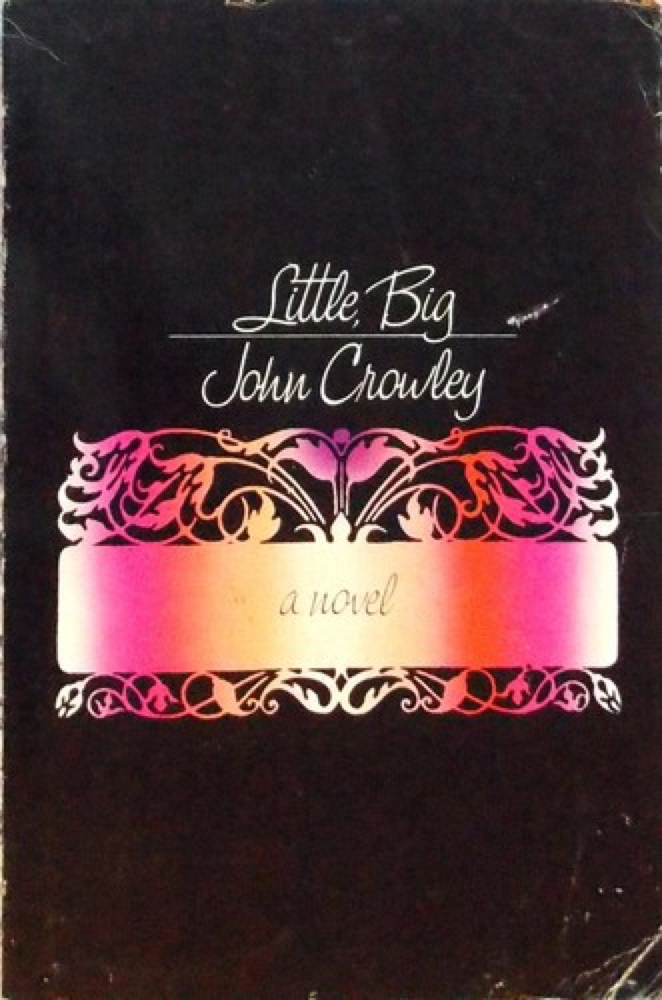 Little, Big
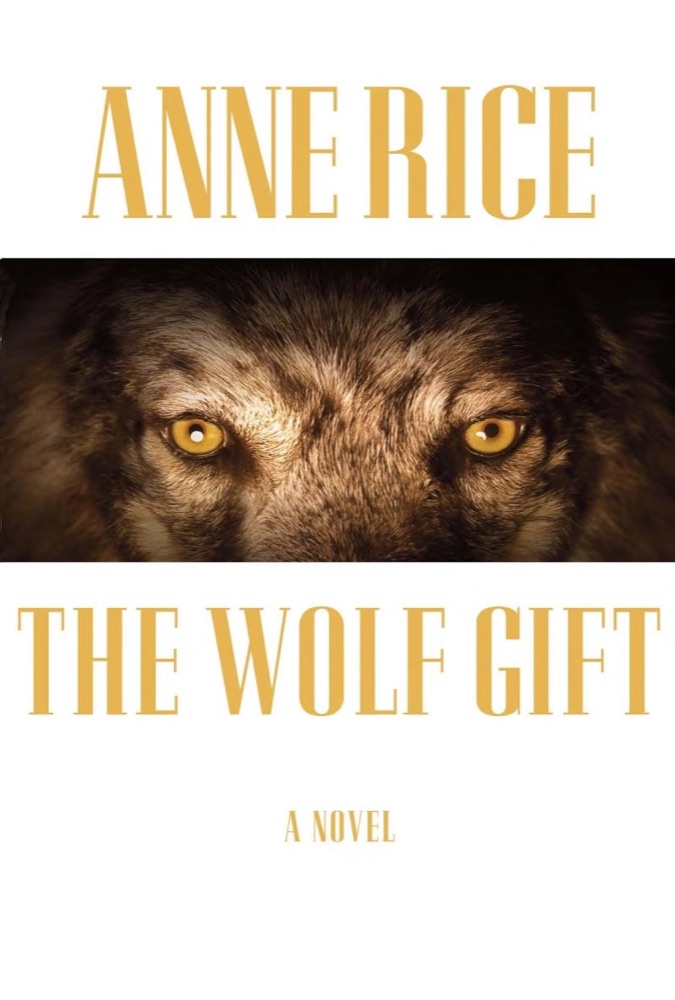 The Wolf Gift
 Acacia: The War with the Mein
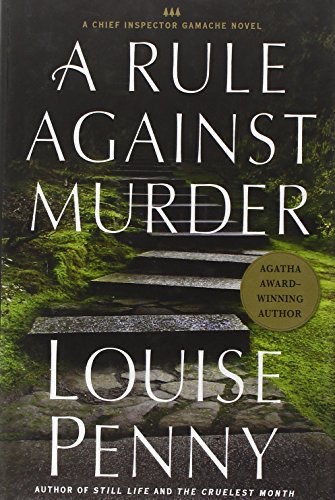 A Rule Against Murder
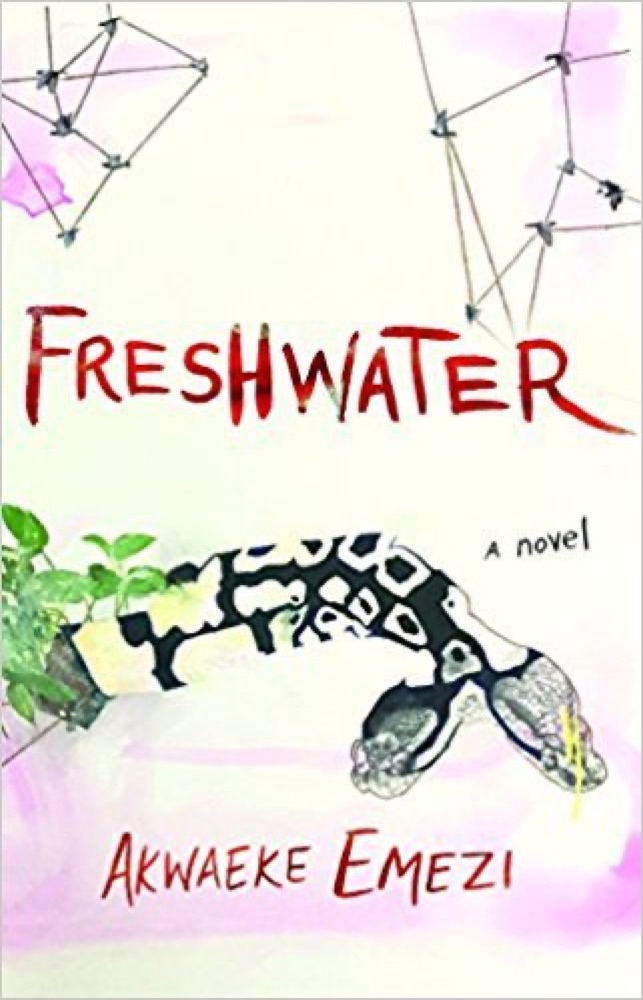 Freshwater
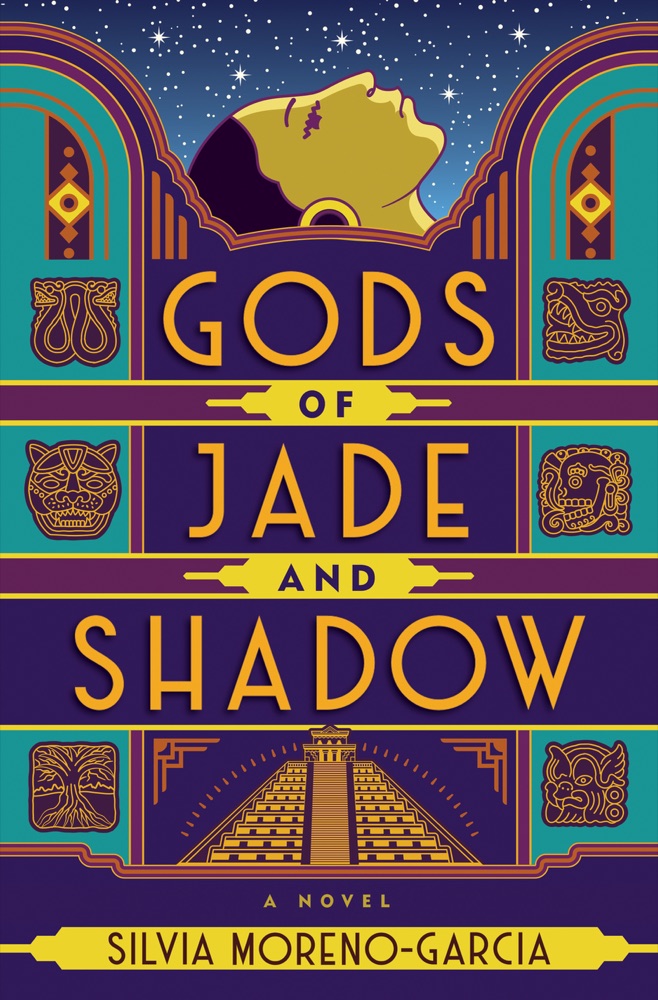 Gods of Jade and Shadow
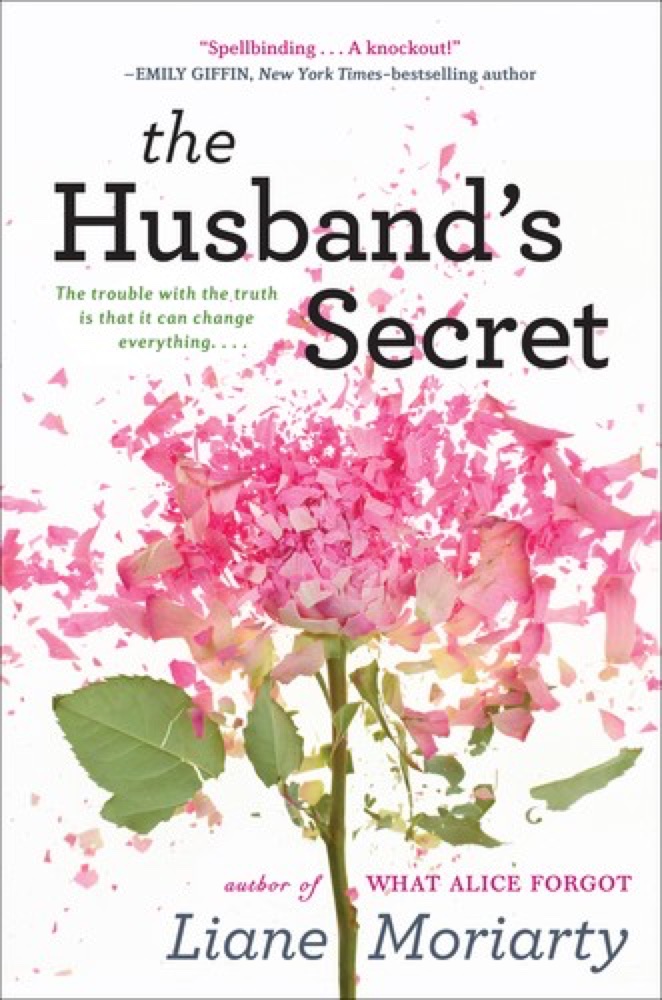 The Husband's Secret
 Perfect
 The Clockmaker's Daughter
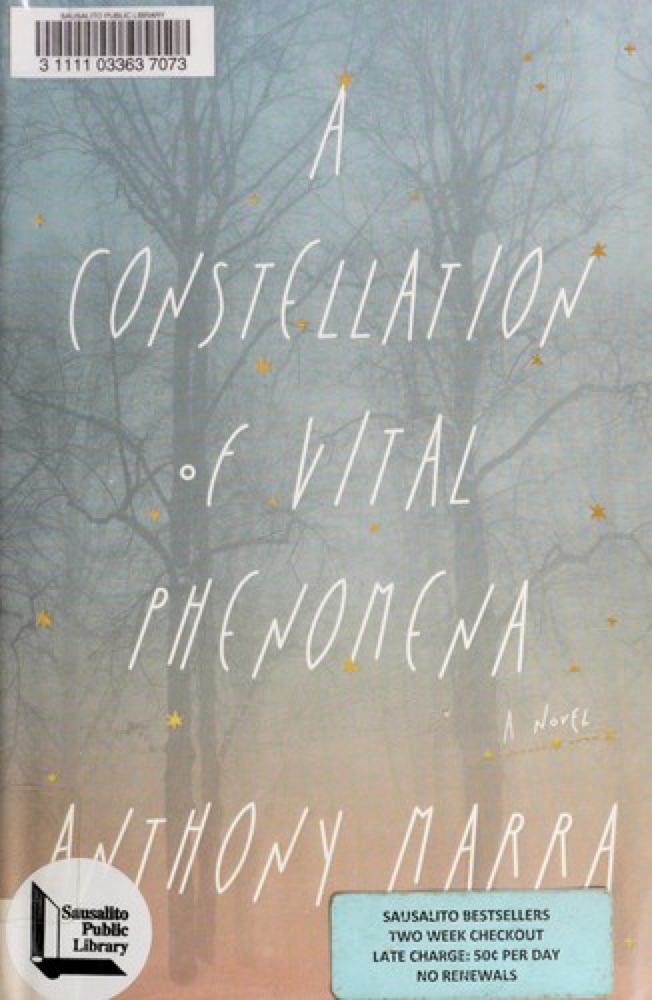 A Constellation of Vital Phenomena
 The Brief History of the Dead
 Wizard and Glass
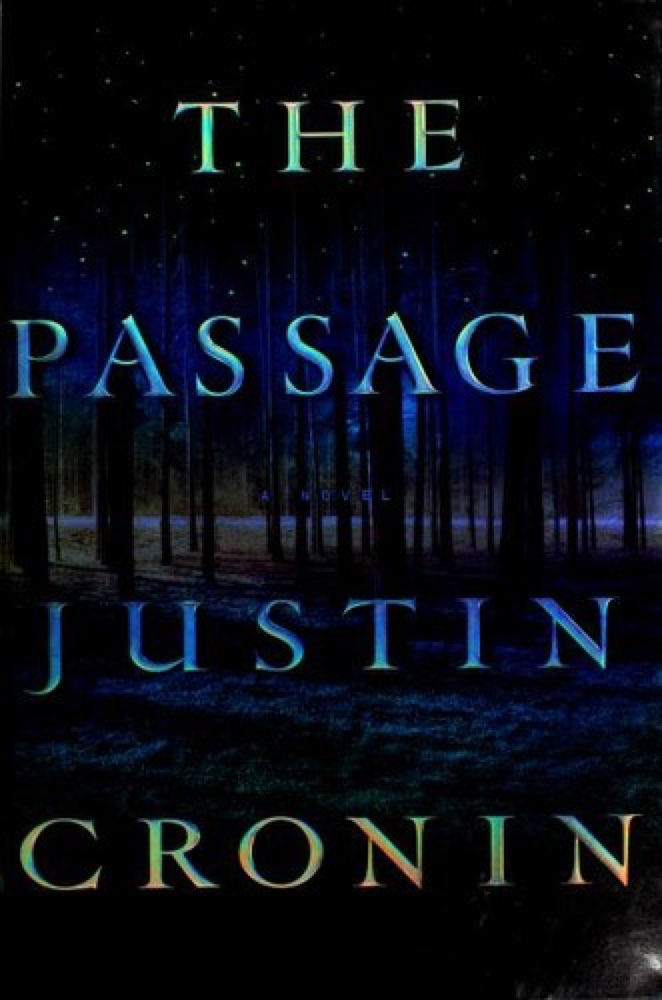 The Passage
 Birds of America
 The Death of the Heart
 Idaho
Idaho
 Embers
 Orlando
 Teardrop
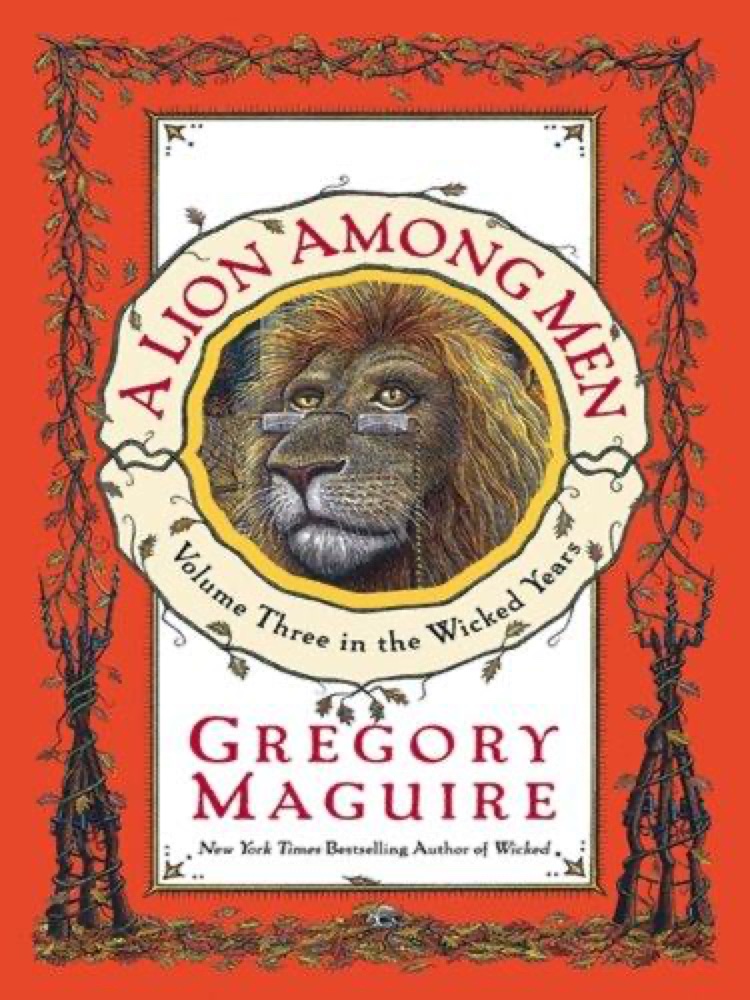 A Lion Among Men
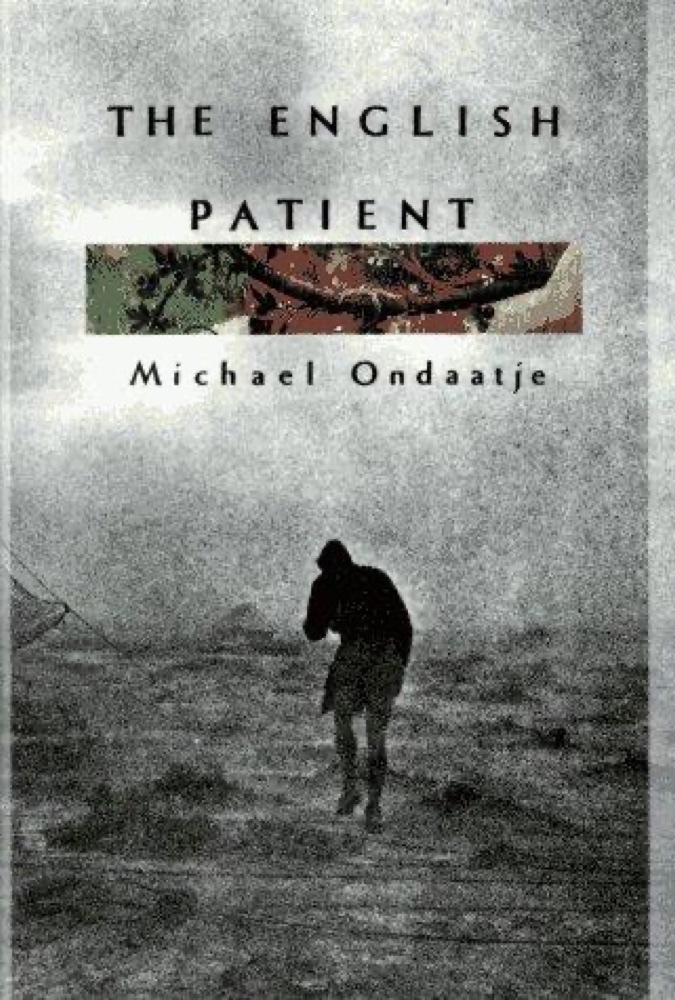 The English Patient
 The Mime Order
 Possession
 The Kite Runner