
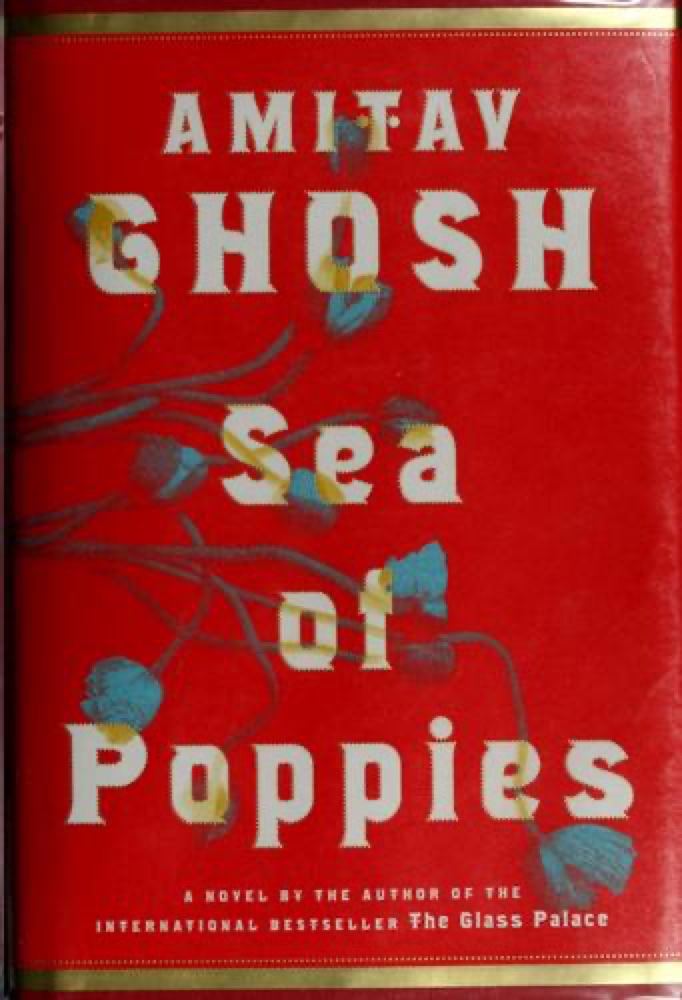
 Sea of Poppies
Quotes from the Book
the possibility of our deliverance lies not in the future but in the past, in a mystery beyond memory.
3
People think that knowing the future can help you prepare for what is to come - but often it only makes you powerless.
3
That the world of today presents all the symptoms of demonic possession.
2
It would seem that the intellectual titans of the Enlightenment had no inkling of what was getting under way. Yet, strangely, all around the earth, ordinary people seem to have sensed the stirring of something momentous. They seemed to have understood that a process had been launched that could lead ultimately to catastrophe: what they didn't allow for was that the story might take a few hundred years to play out. It has fallen to us, centuries later, to bear witness to the last turn of the wheel. And what we are seeing already -' he paused to point a finger in the direction of the distant wildfires - 'should be enough to remind us that the climatic perturbations of the Little Ice Age were trivial compared to what is in store for us now. What our ancestors experienced is but a pale foreshadowing of what the future holds!
2
That happens you know, as you grow older – you can’t tell the dreams from the memories.
2
[On the cities of Venice and Varanasi] Everywhere you look there is evidence of the enchantment of decay, of a kind of beauty that can only be revealed by a long, slow fading.
2
Couldn't it be said that it was in the seventeenth century that we started down the path that has brought us to where we are now? After all, it was then that Londoners began to use coal on a large scale, for heating, which was how our dependence on fossil fuels started. Would your Jacobean playwrights have written as they did if they hadn't had coal fires to warm them? Did they know that an angry beast, which had long lain dormant within the earth, was coming to life? Did Hobbes or Leibniz or any of the other thinkers of the Enlightenment have any understanding of this?
1
I thought of all the hours that i has spent at passport and visa counters, and the stark terror that an immigration officer's frown could still send through me.
1
There are few expressions in the English language that are less attractive to women than 'Rare Book Dealer.
1
Well what can you expect?' I retorted. 'Those people are, as you say, simple and uneducated. Wasn't it Marx who said that peasants are like sacks of potatoes? Is it surprising that their lives are filled with gods and goddesses and demons?' She glanced at me again. 'You really do not care for ordinary people, do you?' The imputation of elitism made me bridle. 'Why you're quite wrong!' I said. 'I consider myself a person of the left. As a student I was a Maoist fellow traveller. I've always stood in solidarity with peasants and workers.' 'Oh yes, certo!' she said, suppressing a giggle. 'I knew many Maoists and fellow travellers in Italy. They had every regard for the bellies and bodies of poor people - but not, I think, for what is in their heads.
1
That there is a strange kinship between Venice and Varanasi has often been noted: both cities are like portals in time; they seem to draw you into lost ways of life. And in both cities, as nowhere else in the world, you become aware of mortality.
I saw now why the angry young men on the boats around us were so afraid of that derelict refugee boat: that tiny vessel represented the overturning of a centuries-old project that had been essential to the shaping of Europe. Beginning with the early days of chattel slavery, the European imperial powers had launched upon the greatest and most cruel experiment in planetary remaking that history has ever known: in the service of commerce they had transported people between continents on an almost unimaginable scale, ultimately changing the demographic profile of the entire planet. But even as they were repopulating other continents they had always tried to preserve the whiteness of their own metropolitan territories in Europe. This entire project had now been upended. The systems and technologies that had made those massive demographic interventions possible – ranging from armaments to the control of information – had now achieved escape velocity: they were no longer under anyone’s control. This was why those angry young men were so afraid of that little blue fishing boat: through the prism of this vessel they could glimpse the unravelling of a centuries-old project that had conferred vast privilege on them in relation to the rest of the world. In their hearts they knew that their privileges could no longer be assured by the people and institutions they had once trusted to provide for them. The world had changed too much, too fast; the systems that were in control now did not obey any human master; they followed their own imperatives, inscrutable as demons.
... there was a land of sugar, where everything was sweet; and also a country made of cloth, and an island of chains.
Sometimes, said Moyna, it seemed as though both land and water were turning against those who lived in the Sunderbans.
it was Manutius who invented italics, introduced the semicolon and gave the comma its distinctive hooked shape. As
Watch on YouTube
About Amitav Ghosh
We have collected 128 quotes from 7 books by Amitav Ghosh on BookQuoters.
More about the author →More by Amitav Ghosh
All books by Amitav Ghosh →

About the book
Alternate cover edition of ASIN B07DNDDFLD
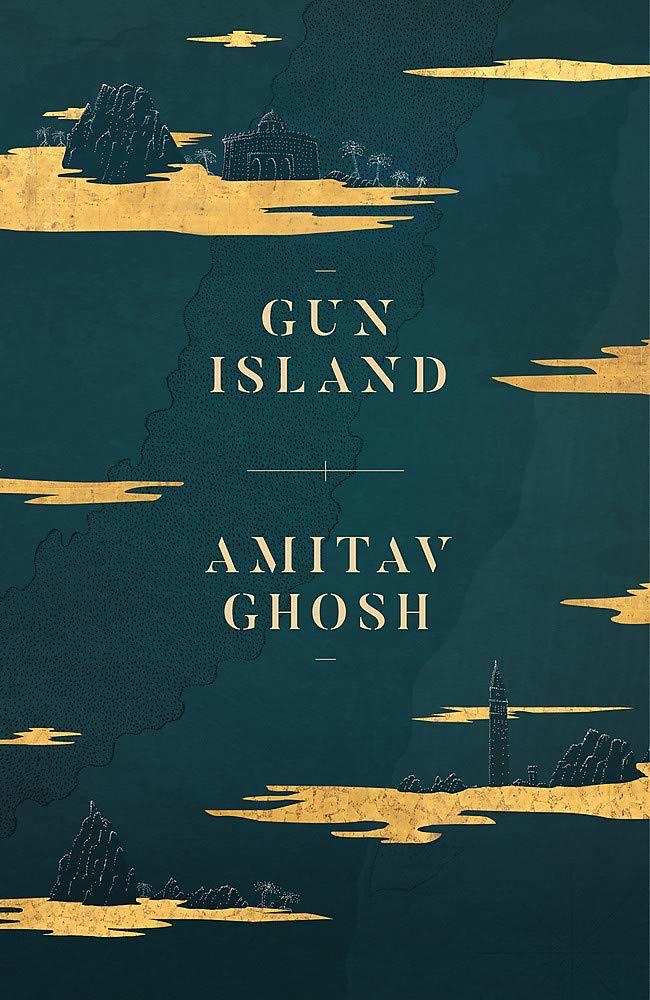
Bundook. Gun. A common word, but one which turns Deen Datta's world upside down.A dealer of rare books, Deen is used to a quiet life spent indoors, but as his once-solid beliefs begin to shift, he is forced to set out on an extraordinary journey; one that takes him from India to Los Angeles and Venice via a tangled route through the memories and experiences of those he meets along the way. There is Piya, a fellow Bengali-American who sets his journey in motion; Tipu, an entrepreneurial young man who opens Deen's eyes to the realities of growing up in today's world; Rafi, with his desperate attempt to help someone in need; and Cinta, an old friend who provides the missing link in the story they are all a part of. It is a journey which will upend everything he thought he knew about himself, about the Bengali legends of his childhood and about
Book details
- First published
- 2019
- Author
- Amitav Ghosh
- Genre
- Fiction
- Goodreads rating
- 3.62 (7k ratings)
The buzz
- The New York TimesReview in The New York Timesprofessional review (via Book Marks)
- The Washington PostReview in The Washington Postprofessional review (via Book Marks)
- The Wall Street JournalReview in The Wall Street Journalprofessional review (via Book Marks)
- The GuardianReview in The Guardianprofessional review (via Book Marks)
- The Times Literary SupplementReview in The Times Literary Supplementprofessional review (via Book Marks)
- The TimesReview in The Timesprofessional review (via Book Marks)
Keep reading
 River of Smoke
 The Bedlam Stacks
 The Enchantress of Florence
 The Day of the Scorpion
 The Cat's Table
 The Hungry Tide
 Cities of the Plain
 The Place of Tides
 Cloud Cuckoo Land
 A Bend in the River
 Songs of Distant Earth
 Victory City
 The Shipping News
 Out of Oz
 The Age of Miracles
 Gould's Book of Fish: A Novel in Twelve Fish
 I Cheerfully Refuse
 The Selected Works of T.S. Spivet
 Too Like the Lightning
 Mason & Dixon
 The Dark Forest
 The Novel Habits of Happiness
 What Strange Paradise
 Thrust
 The Glass Hotel
 The Secret History
 The Angel Esmeralda
 TransAtlantic
 The Years of Rice and Salt
 Flights
 Underworld
 Against the Day
Sea of Poppies
Against the Day
Sea of Poppies
 Orient
 The Moor's Last Sigh
 Sea of Silver Light
 Invisible Cities
 Warlight
 That Hideous Strength
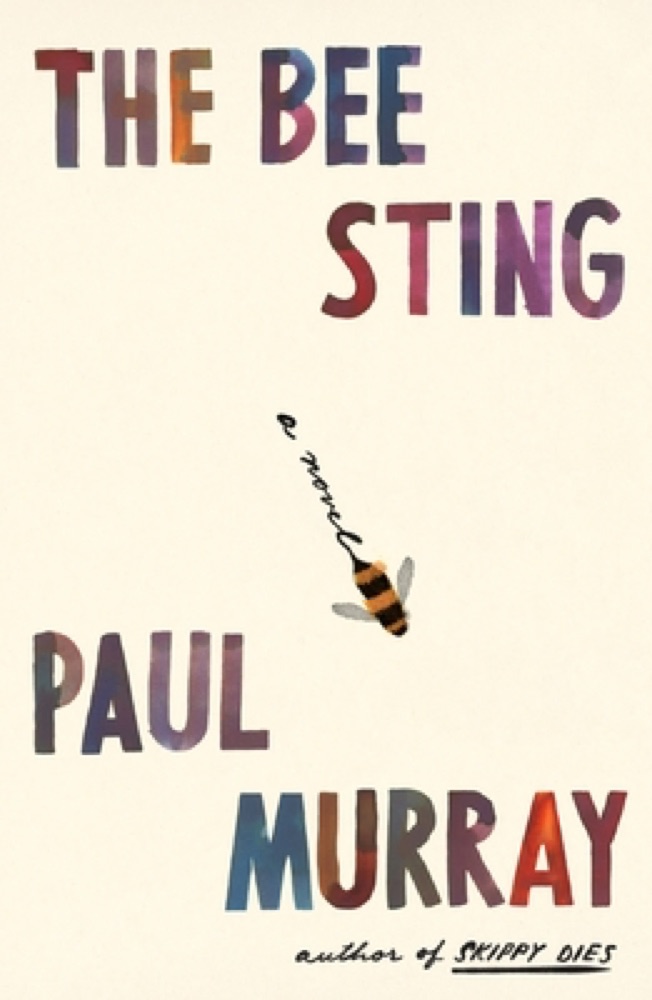 The Bee Sting
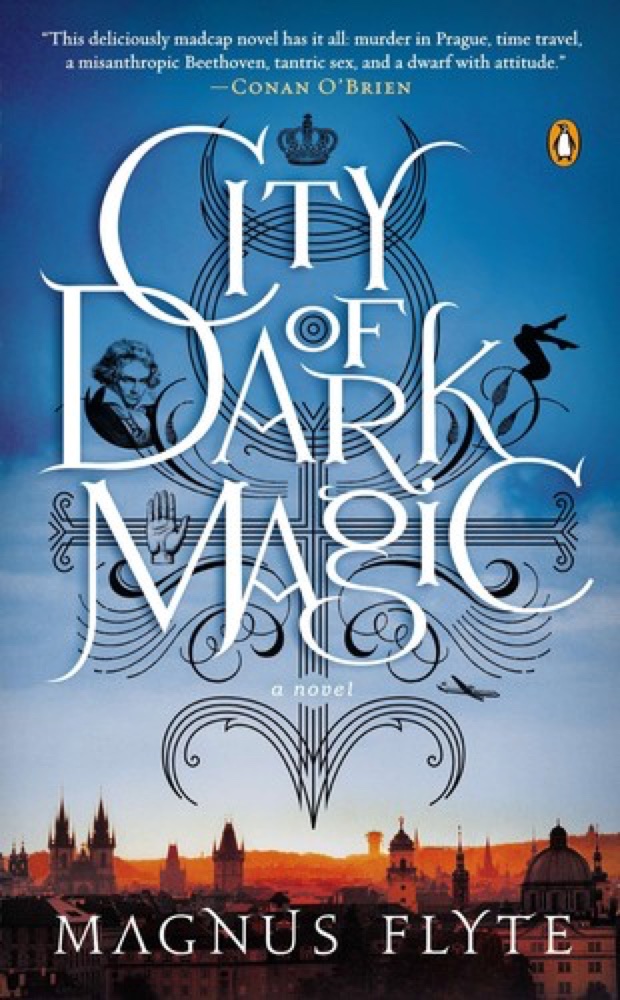 City of Dark Magic
 The Clockmaker's Daughter
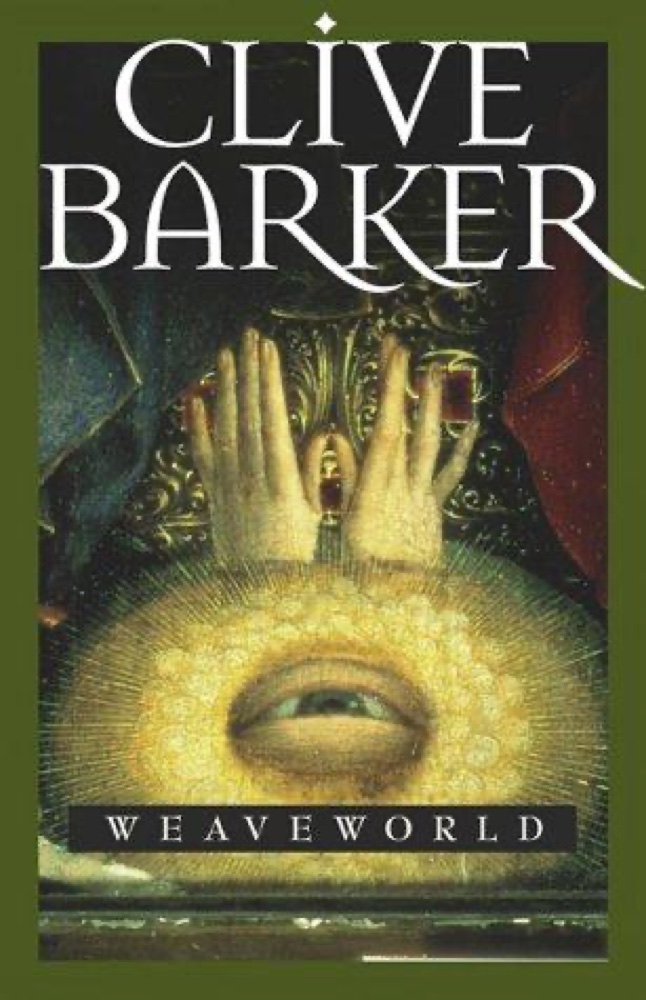 Weaveworld
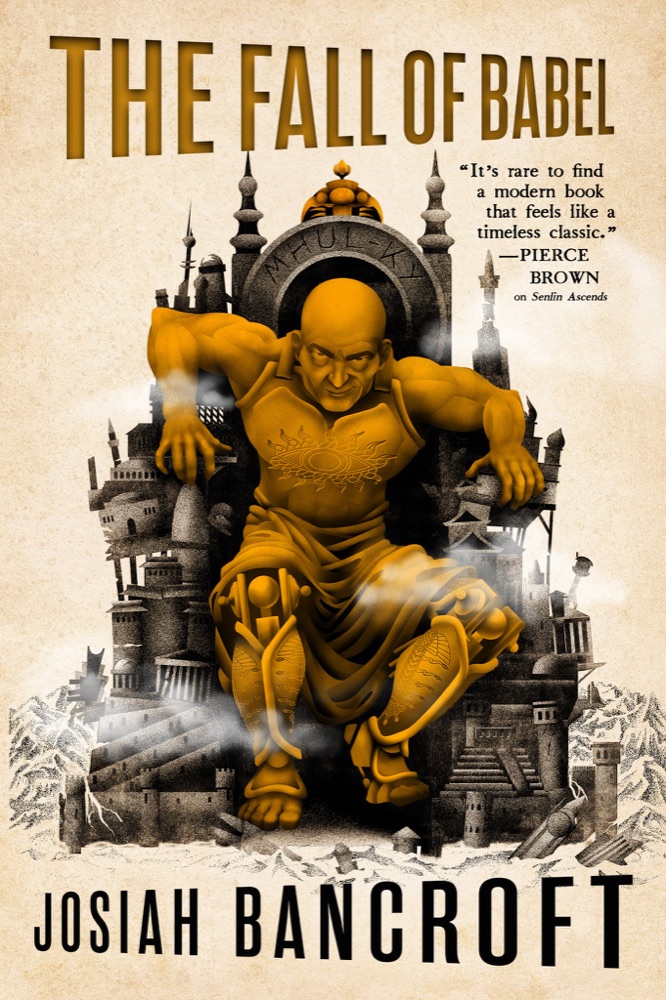 The Fall of Babel
 Brideshead Revisited: The Sacred and Profane Memories of Captain Charles Ryder
 The Last Continent
 Barkskins
 Quicksilver
 State of Wonder
 Collected Fictions
 The Star Fraction
 Arm of the Sphinx
 Authority
 Senlin Ascends
 The World of Yesterday
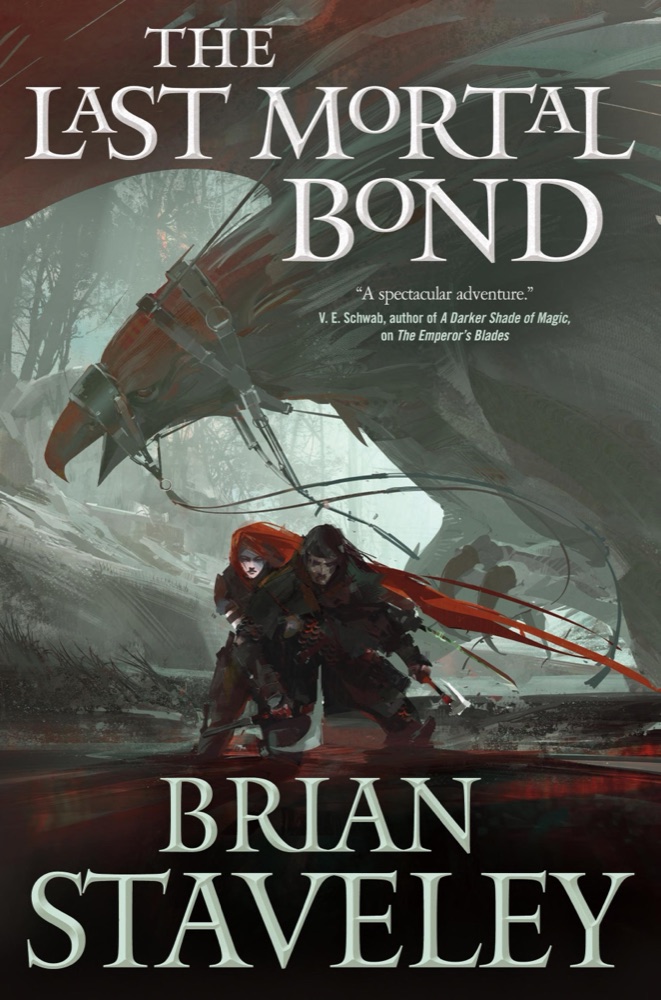 The Last Mortal Bond
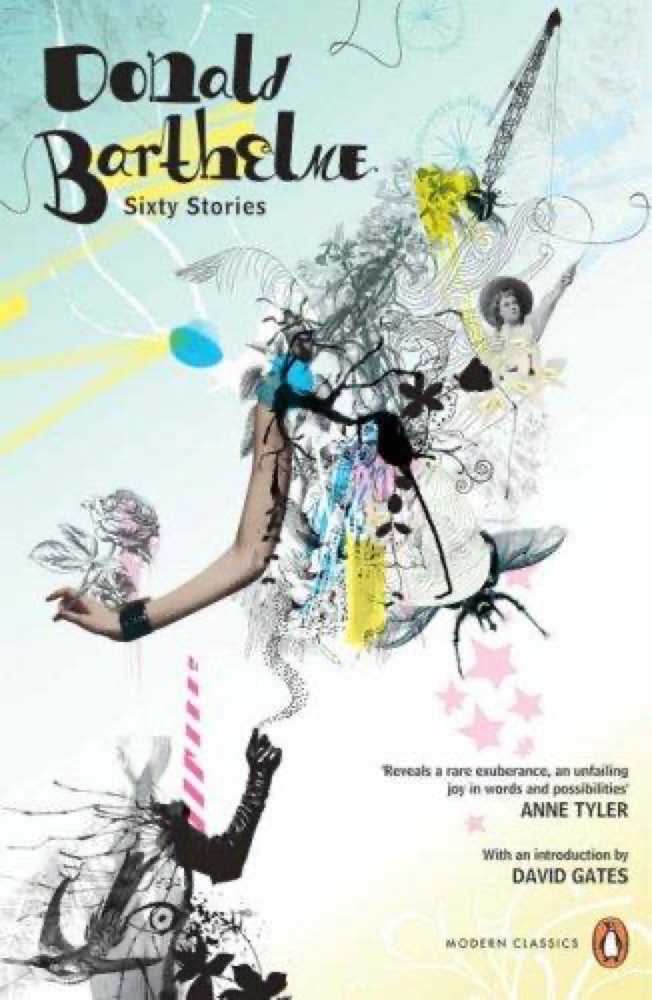 Sixty Stories
 Red Mars
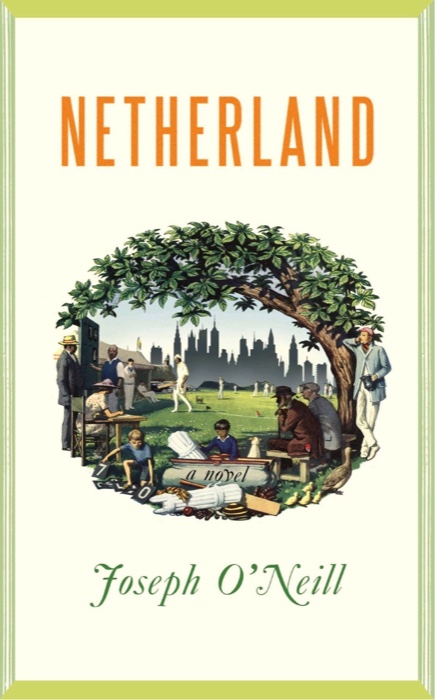 Netherland
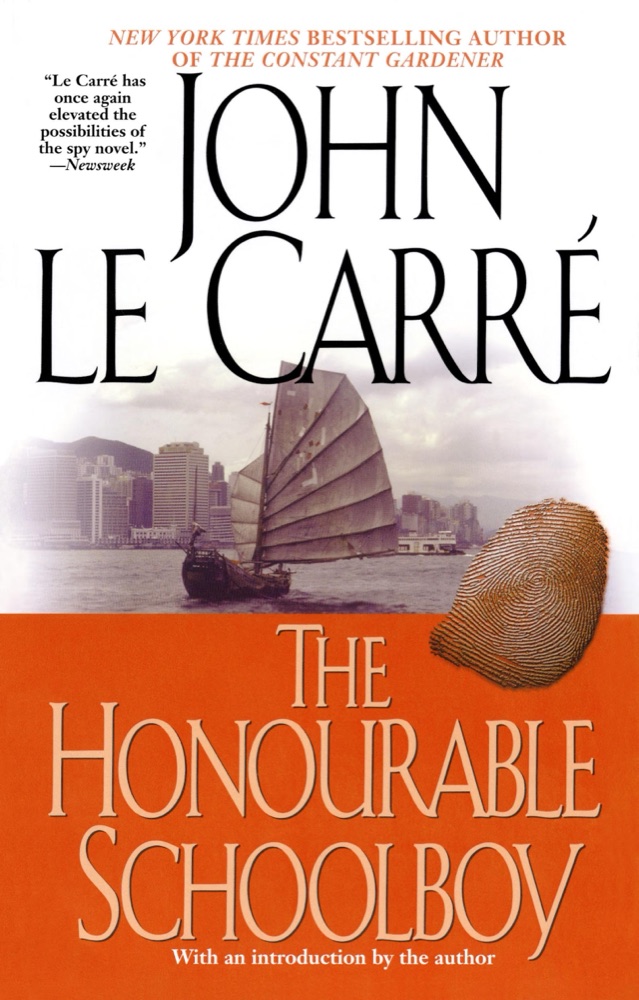 The Honourable Schoolboy