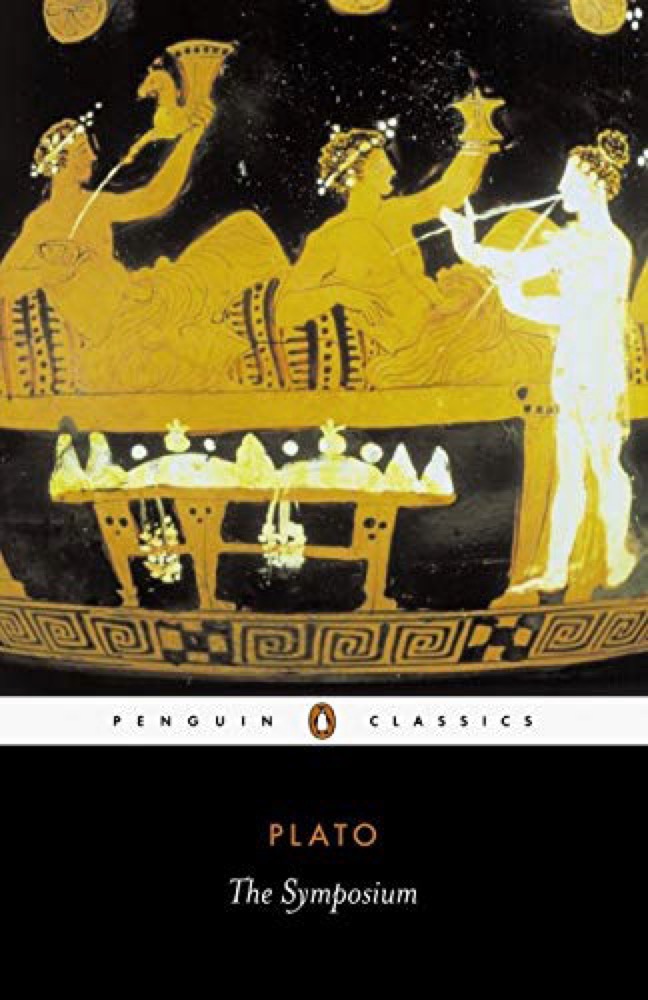
 The Symposium
Quotes from the Book
For this feeling of wonder shows that you are a philosopher, since wonder is the only beginning of philosophy.
200
Man is the measure of all things: of things which are, that they are, and of things which are not, that they are not. ~ Protagoras
13
SOCRATES: What evidence could be appealed to, supposing we were asked at this very moment whether we are asleep or awake? THEAETETUS: Indeed, Socrates, I do not see by what evidence it is to be proved; for the two conditions correspond in every circumstance like exact counterparts.
8
Philosophy starts nowhere else but with wondering.
3
Evils, Theodorus, can never pass away; for there must always remain something which is antagonistic to good. Having no place among the gods in heaven, of necessity they hover around the mortal nature, and this earthly sphere. Wherefore we ought to fly away from earth to heaven as quickly as we can; and to fly away is to become like God, as far as this is possible; and to become like him, is to become holy, just, and wise.
3
Socrates : Then would he not be conceding that his own opinion is false, if he grants that the opinion of those who think he is in error is true? Theodorus : Necessarily. Socrates : But the others do not concede that they are in error, do they? Theodorus : No, they do not. Socrates : And he, in turn, according to his writings, grants that this opinion also is true. Theodorus : Evidently. Socrates : Then all men, beginning with Protagoras, will dispute—or rather, he will grant, after he once concedes that the opinion of the man who holds the opposite view is true—even Protagoras himself, I say, will concede that neither a dog nor any casual man is a measure of anything whatsoever that he has not learned. Is not that the case? Theodorus : Yes. Socrates : Then since the “truth” of Protagoras is disputed by all, it would be true to nobody, neither to anyone else nor to him. [171b-c]
3
But it is not possible, Theodorus, that evil should be destroyed--for there must always be something opposed to the good; nor is it possible that it should have its seat in heaven. But it must inevitably haunt human life, and prowl about this earth. That is why a man should make all haste to escape from earth to heaven; and escape means becoming as like God as possible; and a man becomes like God when he becomes just and pious, with understanding.
3
All that is true of their art of midwifery is true also of mine, but mine differs from theirs in being practised upon men, not women, and in tending their souls in labor, not their bodies. But the greatest thing about my art is this, [150c] that it can test in every way whether the mind of the young man is bringing forth a mere image, an imposture, or a real and genuine offspring. For I have this in common with the midwives: I am sterile in point of wisdom, and the reproach which has often been brought against me, that I question others but make no reply myself about anything, because I have no wisdom in me, is a true reproach; and the reason of it is this: the god compels me to act as midwife, but has never allowed me to bring forth. I am, then, not at all a wise person myself, [150d] nor have I any wise invention, the offspring born of my own soul; but those who associate with me, although at first some of them seem very ignorant, yet, as our acquaintance advances, all of them to whom the god is gracious make wonderful progress, not only in their own opinion, but in that of others as well. And it is clear that they do this, not because they have ever learned anything from me, but because they have found in themselves many fair things and have brought them forth.
1
When an ordinary man thinks that he is going to have a fever, and that this kind of heat is coming on, and another person, who is a physician, thinks the contrary, whose opinion is likely to prove right? Or are they both right?—he will have a heat and fever in his own judgment, and not have a fever in the physician's judgment?
1
For the philosopher is wholly unacquainted with his next-door neighbour; he is ignorant, not only of what he is doing, but he hardly knows whether he is a man or an animal; he is searching into the essence of man, and busy in enquiring what belongs to such a nature to do or suffer different from any other;—I think that you understand me, Theodorus?
1
In the first place, the lords of philosophy have never, from their youth upwards, known their way to the Agora, or the dicastery, or the council, or any other political assembly; they neither see nor hear the laws or decrees, as they are called, of the state written or recited; the eagerness of political societies in the attainment of offices—clubs, and banquets, and revels, and singing-maidens,—do not enter even into their dreams. Whether any event has turned out well or ill in the city, what disgrace may have descended to any one from his ancestors, male or female, are matters of which the philosopher no more knows than he can tell, as they say, how many pints are contained in the ocean. Neither is he conscious of his ignorance. For he does not hold aloof in order that he may gain a reputation; but the truth is, that the outer form of him only is in the city: his mind, disdaining the littlenesses and nothingnesses of human things, is 'flying all abroad' as Pindar says, measuring earth and heaven and the things which are under and on the earth and above the heaven, interrogating the whole nature of each and all in their entirety, but not condescending to anything which is within reach.
1
…why should we not calmly and patiently review our own thoughts, and thoroughly examine and see what these appearances in us really are?
1
L'uomo libero ha sempre tempo a sua disposizione per conversare in pace a suo agio. Egli passerà come faremo noi nel nostro dialogo, da un argomento all'altro; come noi egli lascerà quello vecchio per uno nuovo che lo attiri di più; e non si preoccupa affatto se la discussione andrà per le lunghe, ma solo di conseguire la verità.
1
Watch on YouTube
About Plato
We have collected 265 quotes from 14 books by Plato on BookQuoters.
More about the author →
About the book
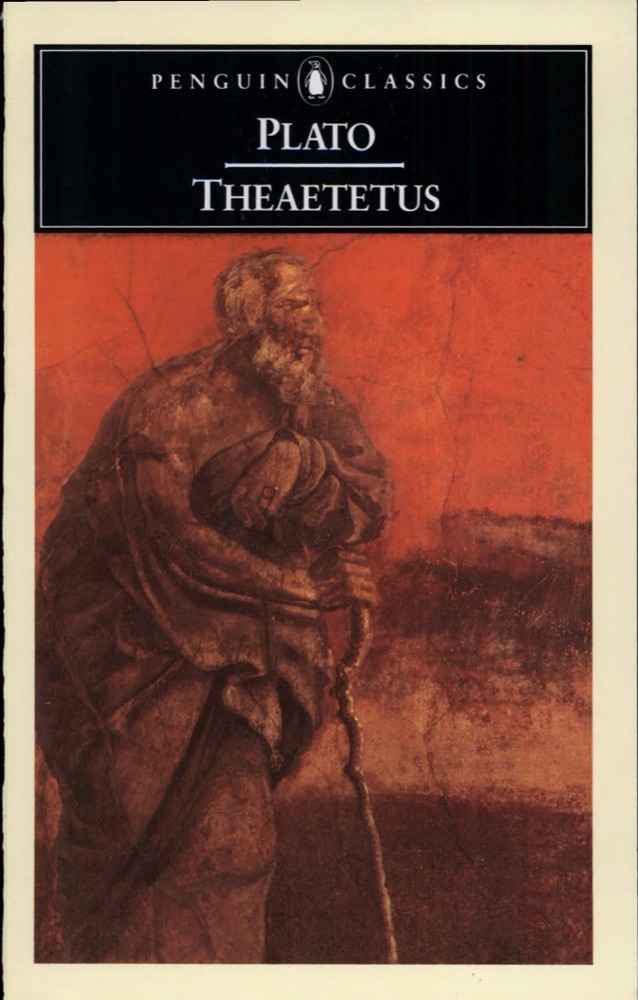
Set immediately prior to the trial and execution of Socrates in 399 BC, Theaetetus shows the great philosopher considering the nature of knowledge itself, in a debate with the geometrician Theodorus and his young follower Theaetetus. Their dialogue covers many questions, such is knowledge purely subjective, composed of the ever-changing flow of impressions we receive from the outside world? Is it better thought of as "true belief"? Or is it, as many modern philosophers argue, "justified true belief," in which the belief is supported by argument or evidence? With skill and eloquence, Socrates guides the debate, drawing out the implications of these theories and subjecting them to merciless and mesmerising criticism. One of the founding works of epistemology, this profound discussion of the problem of knowledge continues to intrigue and inspire.
For more than seventy years, Penguin has be
Book details
- First published
- 1987
- Author
- Plato
- Genre
- Philosophy
- Goodreads rating
- 4.11 (7k ratings)
Keep reading
 Complete Works
 Dialogues Concerning Natural Religion
 An Enquiry Concerning Human Understanding
 Twilight of the Idols/The Anti-Christ
 Discourse on Method and Meditations on First Philosophy
 An Essay Concerning Human Understanding
 Basic Writings of Nietzsche
 Daybreak: Thoughts on the Prejudices of Morality
 Phaedrus
 Critique of Pure Reason
 The Problems of Philosophy
 The Perennial Philosophy
 Summa Theologica
 The Age of Reason
 De Profundis and Other Writings
 Think: A Compelling Introduction to Philosophy
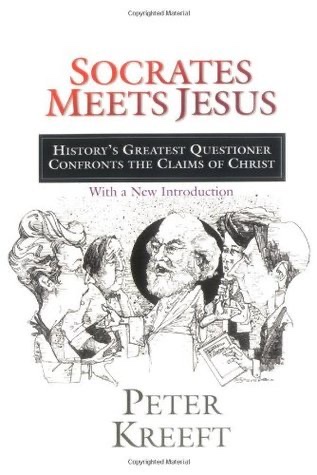 Socrates Meets Jesus: History's Greatest Questioner Confronts the Claims of Christ
 A Treatise of Human Nature
 Pensées
 A History of Western Philosophy
 Orthodoxy
 The Mind of the Maker: Dorothy L. Sayers' Witty Classic on the Trinity, Christianity, and Human Creativity
 The Story of Philosophy: The Lives and Opinions of the World's Greatest Philosophers
 Meditations on First Philosophy
 Sophie's World
 The Dream of Scipio
 The Greek Way
 The Everlasting Man
 The Spinoza Problem
 Heretics
 Metaphysics
 The Island of the Day Before
 Phaedo
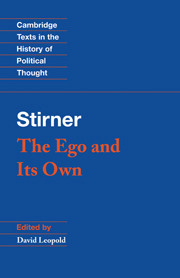 The Ego and Its Own
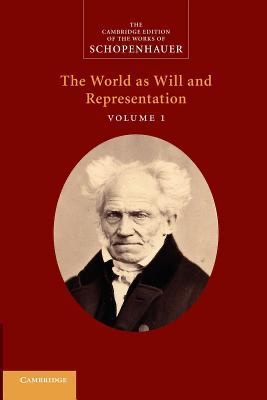 The World as Will and Representation, Vol 1
 The World's Last Night: And Other Essays
 The Art of Always Being Right
 The Ides of March
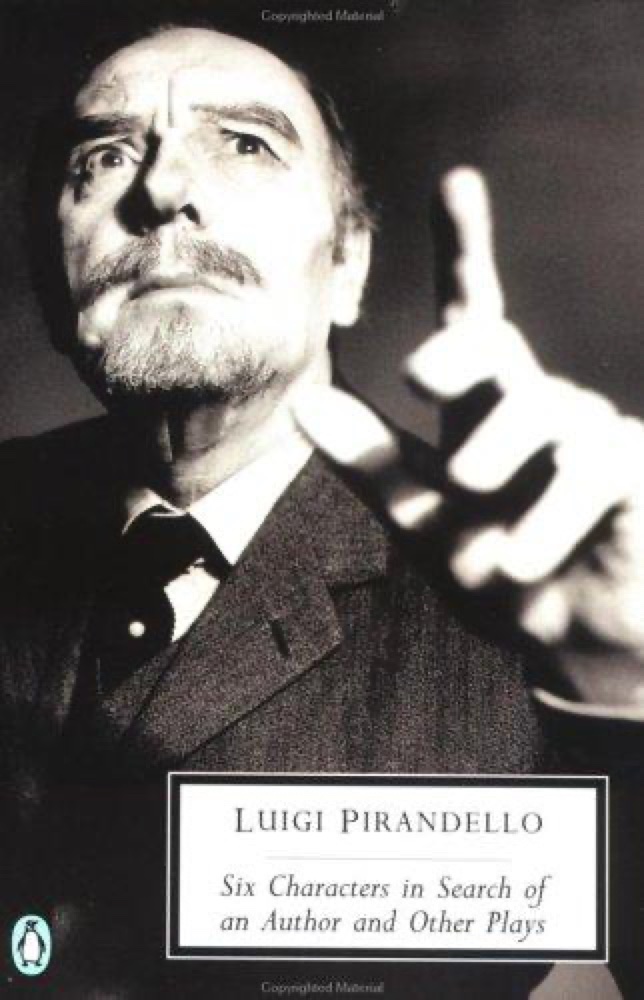 Six Characters in Search of an Author
 Augustus
 The Occult
 A Confession
 Why People Believe Weird Things: Pseudoscience, Superstition, and Other Confusions of Our Time
 Tractatus Logico-Philosophicus
 Galileo
 Irrational Man: A Study in Existential Philosophy
 The Wisdom of Life
 The Essays of Ralph Waldo Emerson
 The Man Without Qualities
 The Ethics of Ambiguity
 Tragic Sense of Life
 On Certainty
 How to Be a Stoic: Using Ancient Philosophy to Live a Modern Life
 The Abolition of Man
 Laurus
 Foucault's Pendulum
 The Schopenhauer Cure
 The Story of My Experiments With Truth
 Truth and Method