 The Burning Land
Quotes from the Book
Take heed, you bear in mind the piety you owe unto your country and unto your fellow countrymen, whose slaughter by the treachery of the Payneham shall be unto your disgrace everlasting. Unless you press hardily forward to defend them. Fight therefore for your country, and if it be that death overtake you, suffer it willingly for your country’s sake. For death itself is victory, and a healing unto the soul.
2
Britain, the best of islands, is situated in the Western Ocean, between France and Ireland.
2
For whosoever seeks to snatch away from another those things that be his own, deserves to lose his own through him who he seeks to wrong.
1
You men that be known from these others by your Christian profession. Take heed, you bear in mind the piety you owe unto your country and unto your fellow countrymen, whose slaughter by the treachery of the Payneham shall be unto your disgrace everlasting. Unless you press hardily forward to defend them. Fight therefore for your country, and if it be that death overtake you, suffer it willingly for your country’s sake. For death itself is victory, and a healing unto the soul. In as much as he that shall have died for his brethren offers himself as a living sacrifice unto God, nor is it doubtful that herein he follows in the footsteps of Christ, who distained not to lay down his own soul for his breatharian. Who therefore amongst you shall be slain in this battle, unto him shall that death be as full penance and absolution of all his sins, if so be he receive it willingly on this way.
1
Woe unto the red dragon, for his extermination draws near; and his caverns shall be occupied of the white dragon that betokens the Saxons whom you have invited here. The red signifies the race of Briton, that shall be oppressed of the white. Therefore, shall the mountains and the valleys thereof be made level plane and the streams of the valley’s shall flow with blood. The rights of religion shall be done away, and the ruin of the churches be made manifest. At last, she that is oppressed shall prevail, and resist the cruelty of them that came from without. For the bore of Cornwall shall bring sucker and shall trample their necks beneath his feet. The islands of the ocean shall be subdued onto his power, and the forest of goal shall he possess. The house of Romulus shall dread the fierceness of his prowess, and doubtful shall be his end.
1
When fatigue finally forced him to pause, he ordered the men who were left to have their hearts torn out and their carcasses burned
1
Roots and branches shall change their places and the oddness of this will pass for a miracle.
When these things were represented to the king, he was mightily pleased, as being very unwilling to part with Hengist; and at last ordered his subjects and the Saxons to meet upon the kalends of May, which were now very near, at the monastery of Ambrius,[63] for the settling of the matters above mentioned.
But Hengist, hearing that Vortimer was dead, raised an army of not less than three hundred thousand men, and fitting out a fleet returned with them to Britain.
Watch on YouTube
About Geoffrey of Monmouth
We have collected 9 quotes from 1 book by Geoffrey of Monmouth on BookQuoters.
More about the author →About the book
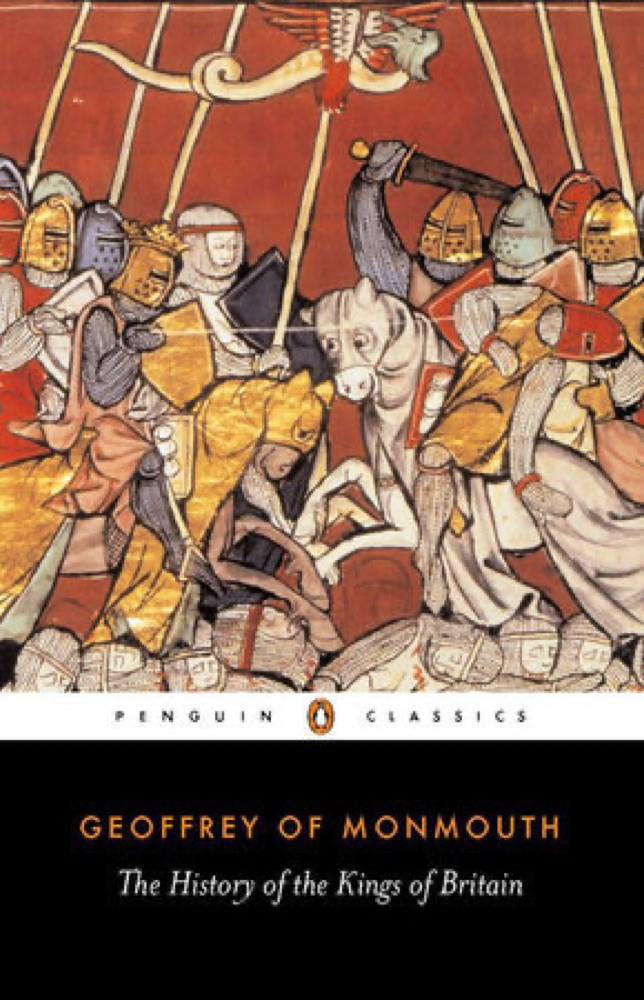
Completed in 1136, The History of the Kings of Britain traces the story of the realm from its supposed foundation by Brutus to the coming of the Saxons some two thousand years later. Vividly portraying legendary and semi-legendary figures such as Lear, Cymbeline, Merlin the magician and the most famous of all British heroes, King Arthur, it is as much myth as it is history and its veracity was questioned by other medieval writers. But Geoffrey of Monmouth's powerful evocation of illustrious men and deeds captured the imagination of subsequent generations, and his influence can be traced through the works of Malory, Shakespeare, Dryden and Tennyson.
Book details
- First published
- 1136
- Author
- Geoffrey of Monmouth
- Genre
- History
- Goodreads rating
- 3.71 (7k ratings)
Keep reading
The Burning Land
 The Last Kingdom
 The Flame Bearer
 Beowulf
 The Histories
 The Ballad of the White Horse
 Le Morte d'Arthur: King Arthur and the Legends of the Round Table
 Henry V
 Fire & Blood
 Ivanhoe
 Saint Peter's Fair
 The Templars: The Rise and Spectacular Fall of God's Holy Warriors
 The World of Ice and Fire: The Untold History of Westeros and the Game of Thrones
 The Last of the Mohicans
 The Persian Expedition
 Devil's Brood
 The Princes of Ireland
 The Mirror & the Light
 The Canterbury Tales
 One Corpse Too Many
 Ruin
Ruin
 The Complete Works
 The Wars of the Roses: The Fall of the Plantagenets and the Rise of the Tudors
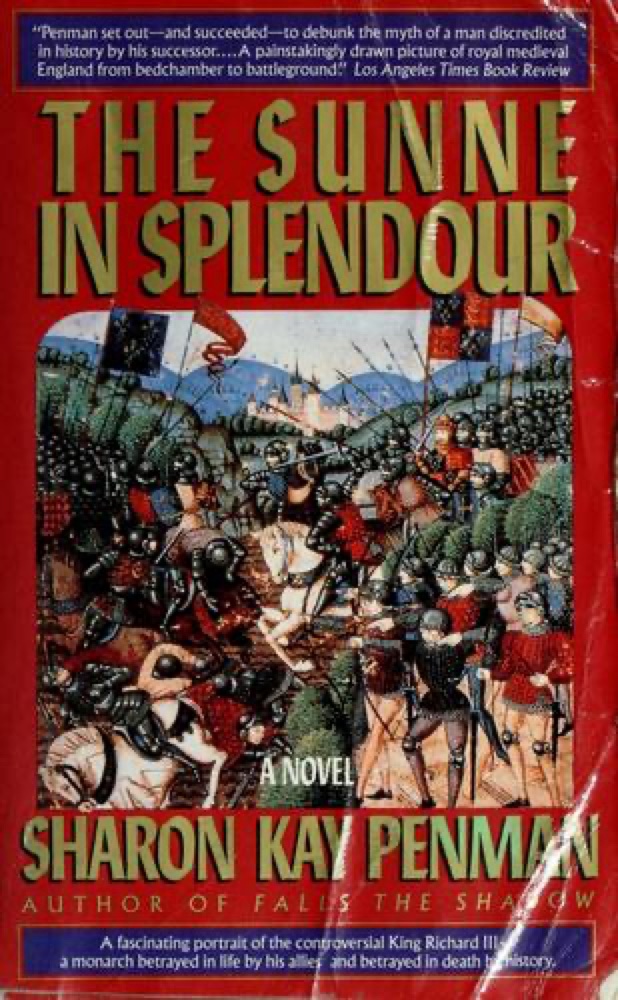 The Sunne in Splendour
 King Henry VI, Part 3
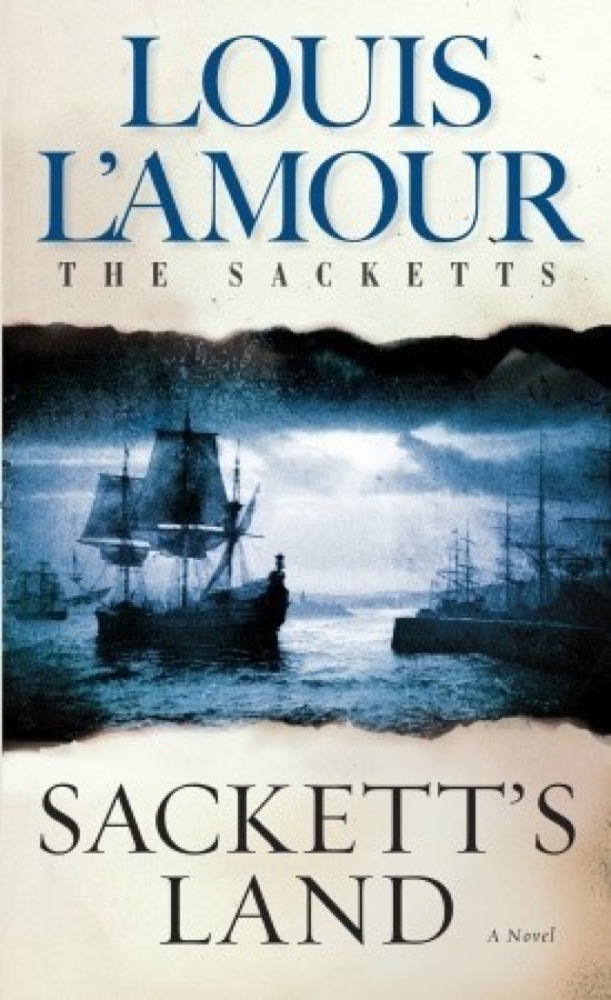 Sackett's Land
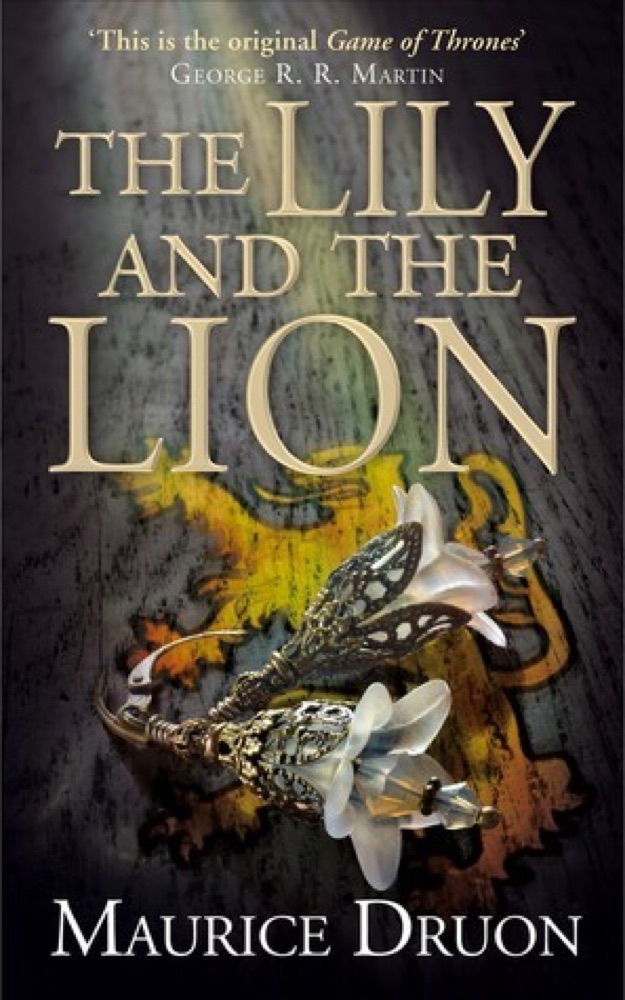 The Lily and The Lion
 The Bright Sword
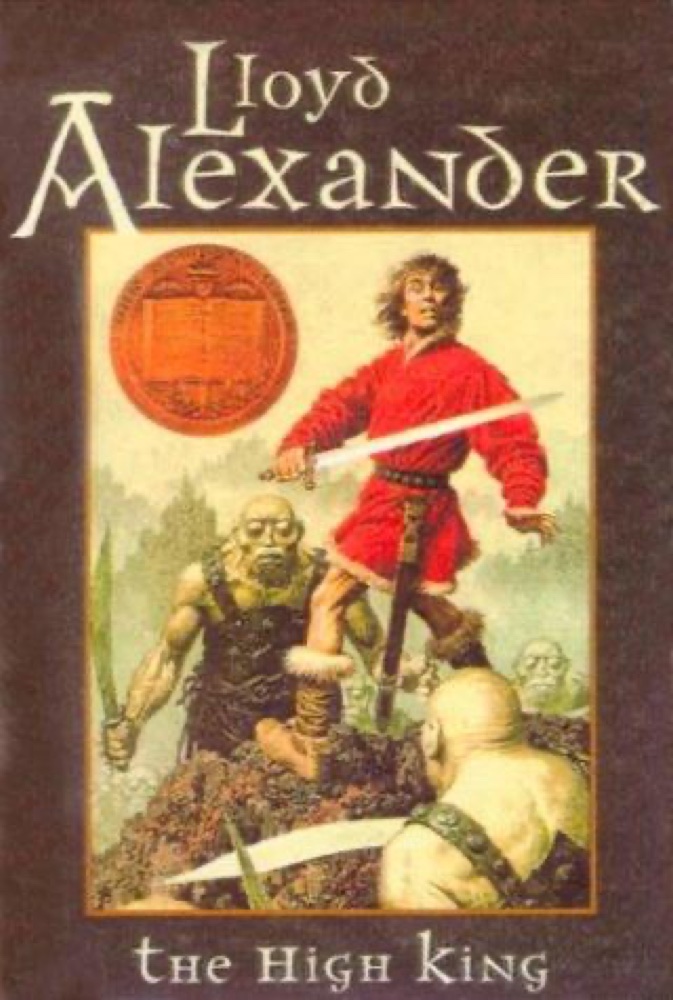 The High King
 Three Kingdoms
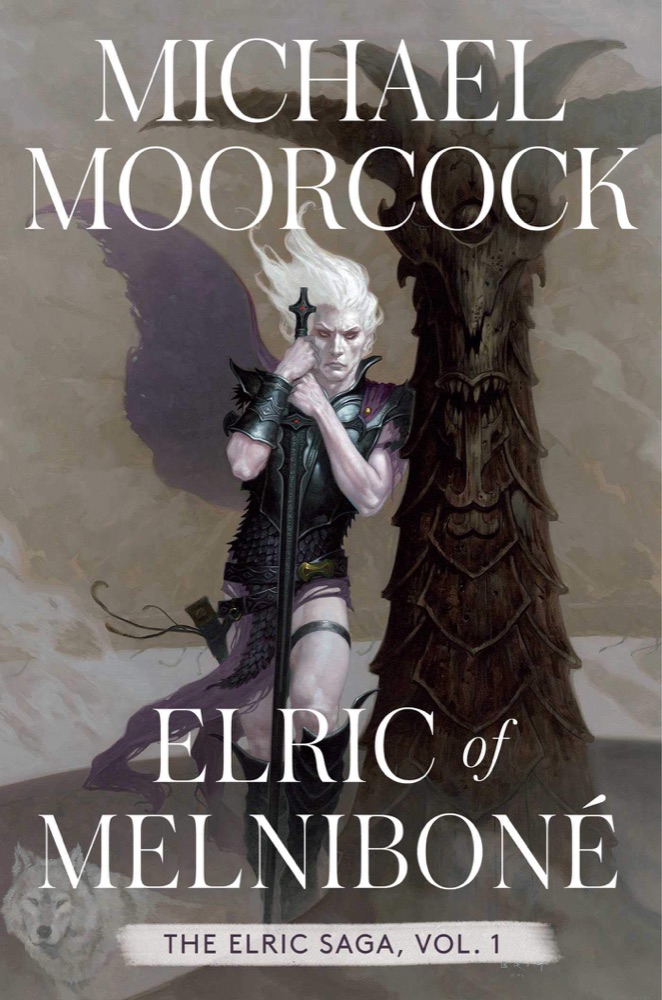 Elric of Melniboné
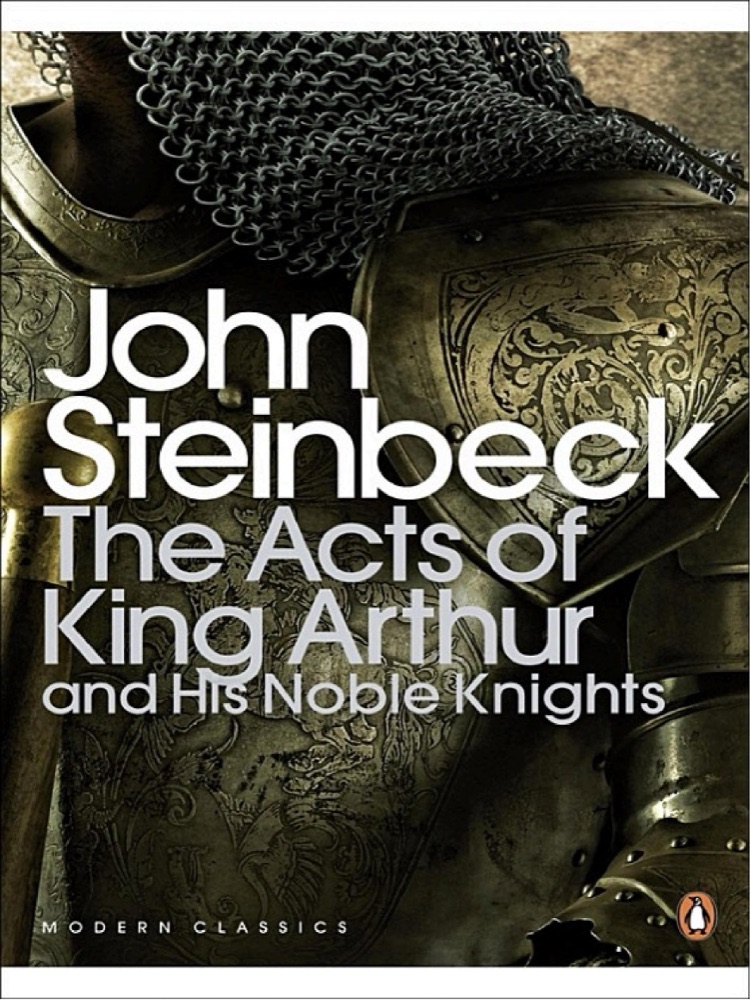 The Acts of King Arthur and His Noble Knights
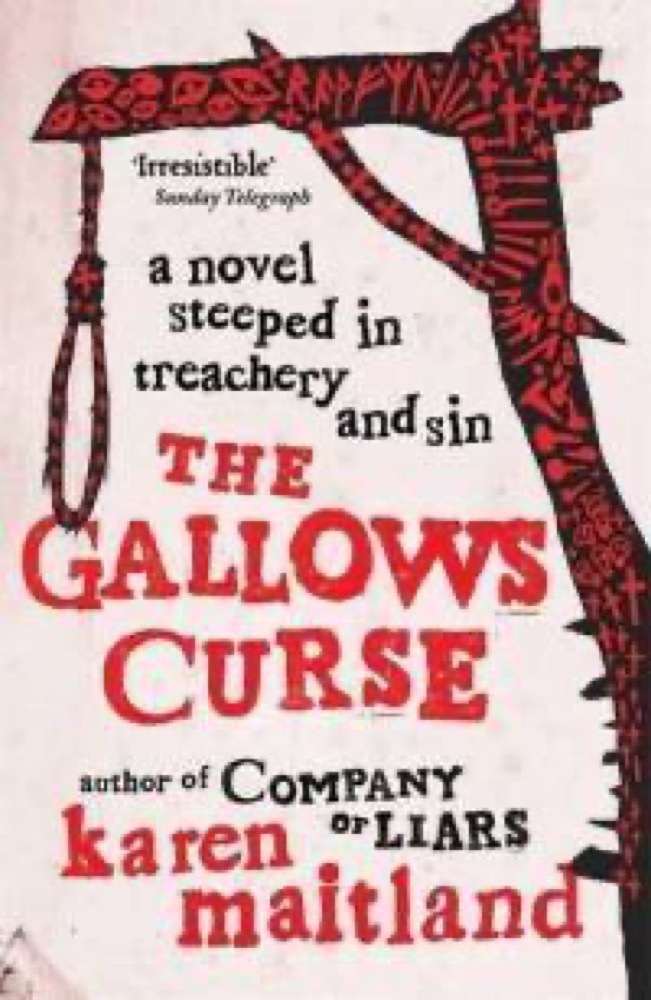 The Gallows Curse
 Edward II
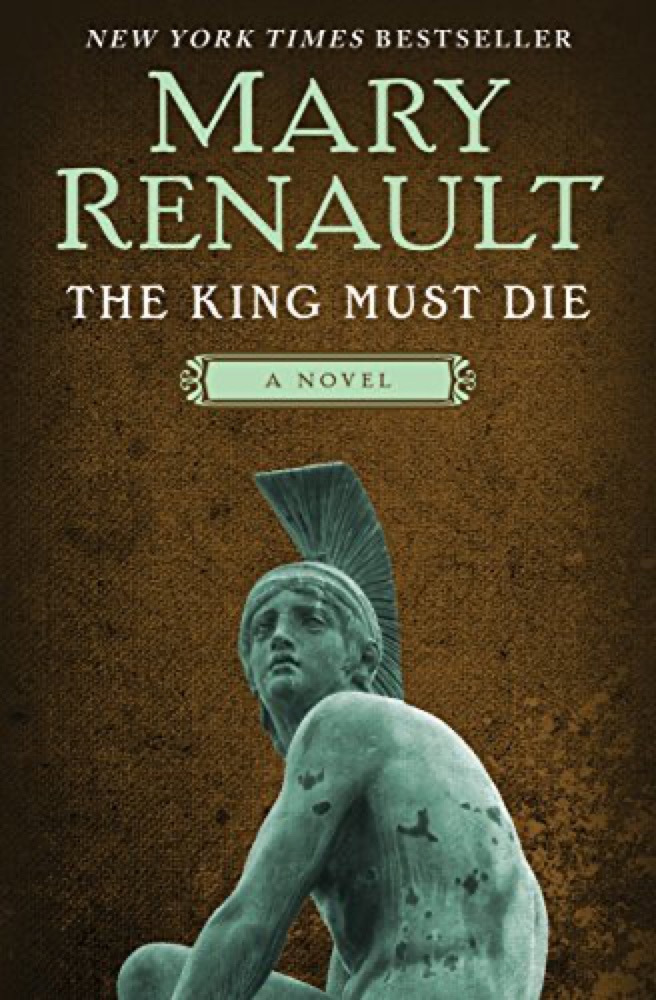 The King Must Die
 1066 and All That: A Memorable History of England
 The Campaigns of Alexander
 The Mabinogion
 The Fires of Heaven
 When Christ and His Saints Slept
 How the Irish Saved Civilization
 Gulliver's Travels
 The Last Battle
 The Faerie Queene
 The Once and Future King
 The Great Hunt
 Ninety-Three
 Bring Up the Bodies
 Fall of Kings
 Of Plymouth Plantation, 1620-1647
 Horus Rising
 The Confusion
 The Eye of the World
 The History of the Church: From Christ to Constantine
 Toll the Hounds
 The Secret Chord
 The Decline and Fall of the Roman Empire
 Arthur
 The Deed of Paksenarrion
 Idylls of the King