
 Essex Dogs
Quotes from the Book
He wasn't an especially charismatic or commanding individual, but what he lacked in personality he emphatically made up for in diligence.
16
If the cycle of violence that had engulfed the English Crown for nearly five decades seemed finally to be coming to an end, it was only because there were so few candidates left to kill.
14
Here was a king who saw his subjects as peers and allies around whom he had growing up rather than semi-alien entities to be suspected and persecuted.
6
He was more than comfortable with the language of imperious persuasion.
6
Then a far more grotesque and insulting marriage was arranged between the twenty-year-old John Woodville and Katherine Neville, Warwick’s aunt and the dowager duchess of Norfolk. Katherine was not only a four-time widow but also about sixty-five years old.
6
As with many tragedies, our story opens in a moment of triumph.
6
Extravagance was a political necessity.
5
In the case of Exeter, York’s superior blood status was explicitly recognized in the first duke of Exeter’s articles of ennoblement. The first duke died in 1447, but his heir, the young Henry Holland, was even more closely tied to York’s family: he was married to York’s daughter Anne, and had been in York’s custody when he was a minor. As recently as 1448 York and the duke of Somerset had been granted lands in joint trusteeship—a sign that there was no division (yet) perceived between those two men.7 Humphrey,
5
The Tudor rose was invented to symbolize the unity that had supposedly been brought about when Henry VII married Edward IV’s daughter Elizabeth of York in 1486, entwining the two warring branches, the houses of Lancaster and York, together.
4
While Edward was accustomed to fighting on foot, Warwick was said by one chronicler to prefer to run with his men into battle before mounting on horseback, “and if he found victory inclined to his side, he charged boldly among them; if otherwise he took care of himself in time and provided for his escape.
4
Much of the outward business of kingship came naturally.
4
Perhaps most surprising of all, the deposed and imprisoned King Henry was not murdered. This had been the fate of the two Plantagenet kings who had lost their crowns before him: Edward II died while in custody at Berkeley Castle in 1327, while Richard II was killed at Pontefract in 1400, the year following his deposition. Ironically, Henry’s survival was perhaps a mark of his uniquely pitiful and ineffectual approach to kingship—for it was much harder to justify killing a man who had done nothing evil or tyrannical, but had earned his fate thanks to his dewy-eyed simplicity. Permitting Henry to remain alive was a bold decision that Edward IV would come to regret. But in 1465 it must have struck the king as a brave and magnanimous act.
4
The Holland family traced their own royal ancestry through Henry IV’s sister Elizabeth. In January 1444 the most senior Holland, John, earl of Huntingdon, was promoted to duke of Exeter, with precedence over all other dukes except for York—another elevation specifically credited to his closeness in blood to the king. John Holland died in August 1447, and his son Henry Holland eventually succeeded to his duchy.
4
Pope Pius II, watching England from afar, would later describe Henry in this phase of his life as “a man more timorous than a woman, utterly devoid of wit or spirit, who left everything in his wife’s hands.
4
hours. The next day, Joan sent another message to the enemy to warn them that this was only the beginning. “You men of England, who have no right in this kingdom of France, the King of Heaven orders and commands you through me, Joan the Pucelle, to abandon your strongholds and go back to your own country,” announced a note fired into the English camp by an archer on May 5. “If not, I will make a war cry that will be remembered forever.
3
He was the only figure able to hold the peace between his uncle
3
The king's "only interest in government was a pious but simpleminded desire for reproachment
3
Eduardo V tenía doce años y había recibido una buena educación. Presumiblemente sabía lo suficiente sobre la historia inglesa y sobre la naturaleza humana como para anticipar su destino. Los reyes depuestos no sobrevivían. [...] Para cuando el calor estival dejo de calcinar los muros encalados de la Torre de Londres, Eduardo, "que tenía tanta dignidad en toda su persona y tanto encanto en su rostro", había desaparecido junto con su hermano pequeño. [...] En noviembre de 1483, la política inglesa actuaba según el supuesto de que nunca volvería a verse a los Príncipes de la Torre con vida.
When the king was healthy, they possessed an animated if ineffectual puppet through whom government could legitimately be carried out by a small group working as his chosen ministers. But
Watch on YouTube
About Dan Jones
We have collected 38 quotes from 3 books by Dan Jones on BookQuoters.
More about the author →More by Dan Jones
About the book
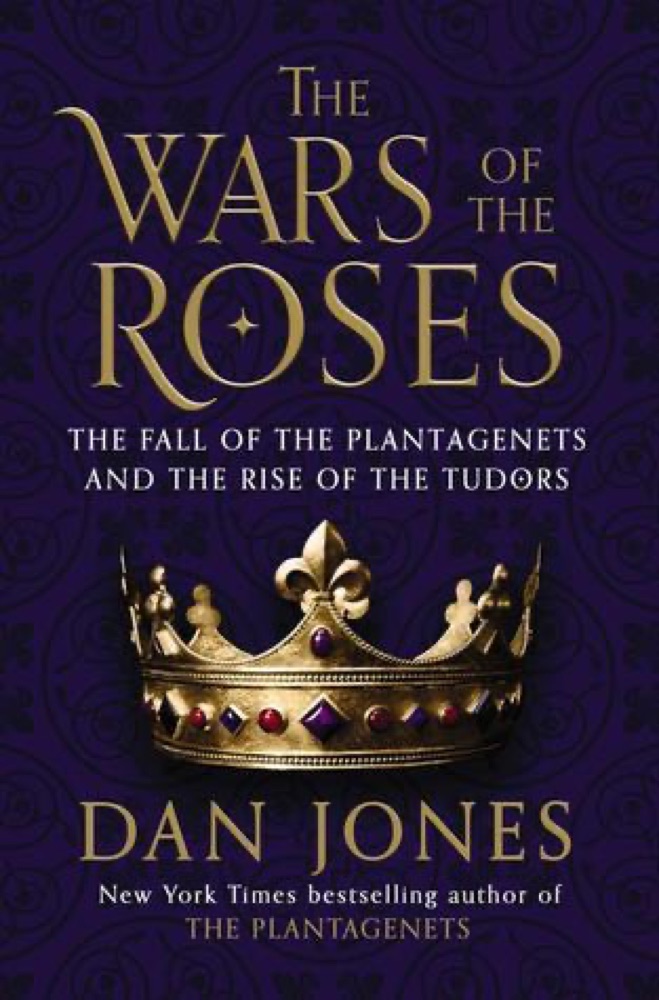
The fifteenth century experienced the longest and bloodiest series of civil wars in British history. The crown of England changed hands violently seven times as the great families of England fought to the death for power, majesty and the right to rule. Dan Jones completes his epic history of medieval England with a new book about the the Wars of the Roses - and describes how the Plantagenets, tore themselves apart and were finally replaced by the Tudors.
With vivid descriptions of the battle of Towton, where 28,000 men died in a single morning, to Bosworth, where the last Plantagenet king was hacked down, this is the real story behind Shakespeare's famous history plays.
Keep reading
 The Sunne in Splendour
 Unruly: The Ridiculous History of England's Kings and Queens
 Devil's Brood
 The Secret Chord
 A Distant Mirror: The Calamitous 14th Century
 The History of the Kings of Britain
 When Christ and His Saints Slept
 The First Salute : View of the American Revolution
 Katherine of Aragon: The True Queen
 Eleanor of Aquitaine: A Life
 The Proud Tower: A Portrait of the World Before the War, 1890-1914
 Dr. Thorne
 Plutarch's Lives
 Precipice
 The Last Kingdom
 Fire & Blood
 The Burning Land
 Mary Queen of Scots
 Saint Peter's Fair
 1066 and All That: A Memorable History of England
 Claudius the God and His Wife Messalina
 Belgravia
 A Connecticut Yankee in King Arthur's Court
 The Fleet Street Murders
 The Last Lion 3: Winston Spencer Churchill: Defender of the Realm, 1940-1965
 The Lily and The Lion
 Lord John And The Hand Of Devils
 Armadale
 The Mirror & the Light
 Legacy
 The Splendid and the Vile: A Saga of Churchill, Family, and Defiance During the Blitz
 King Henry IV, Part 1
 The Fall of the Roman Empire: A New History of Rome and the Barbarians
 Henry V
 Felix Holt: The Radical
 Death Comes to Pemberley
 Thomas Cromwell: The Untold Story of Henry VIII's Most Faithful Servant
 The Disorderly Knights
 The Bonfire of the Vanities
 The First Tycoon: The Epic Life of Cornelius Vanderbilt
 A Taste for Death
 I, Claudius
 A Beautiful Blue Death
 Barchester Towers
 Lords of the North
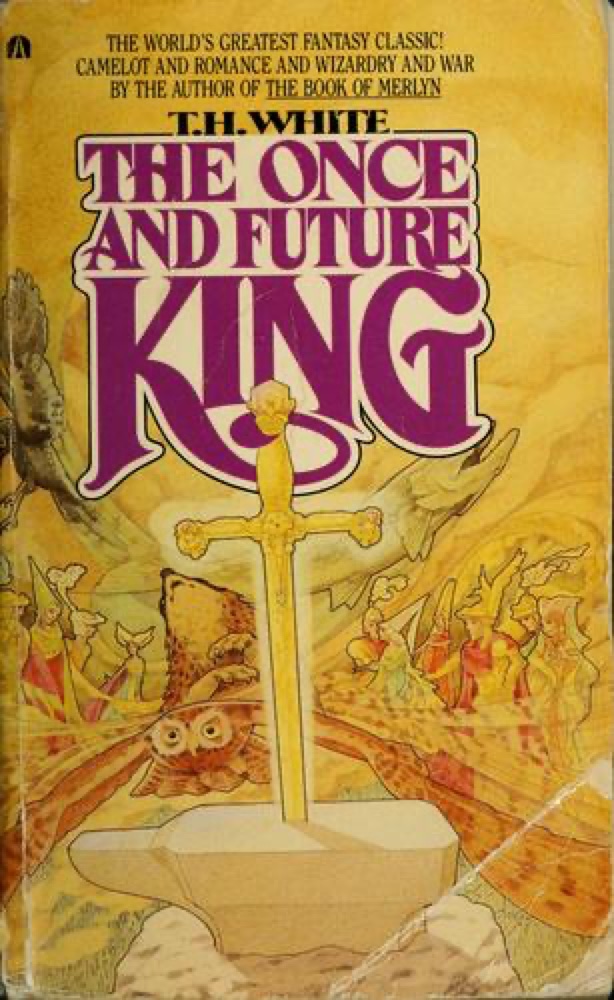 The Once and Future King
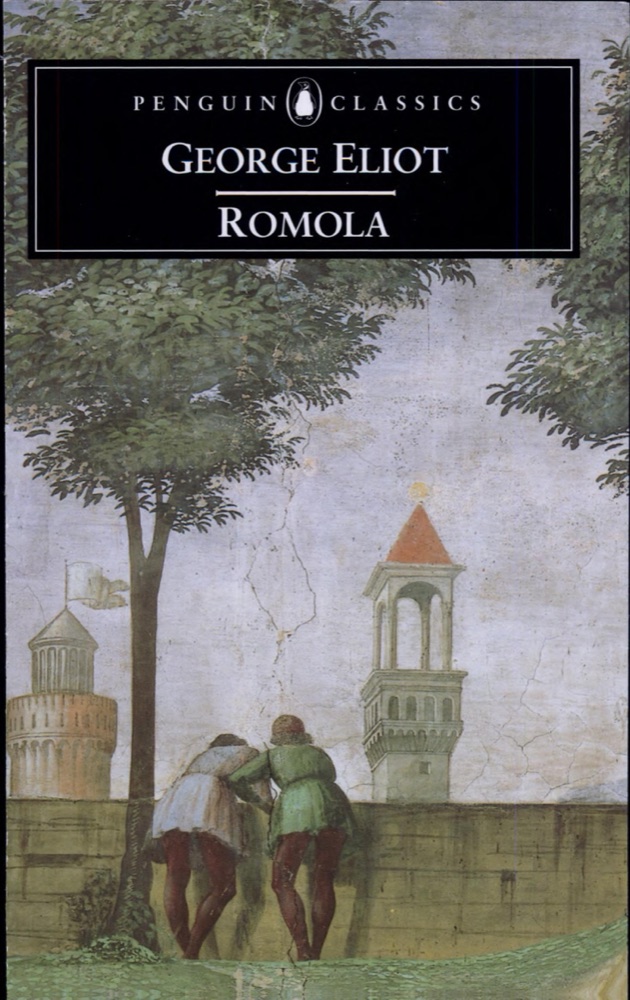 Romola
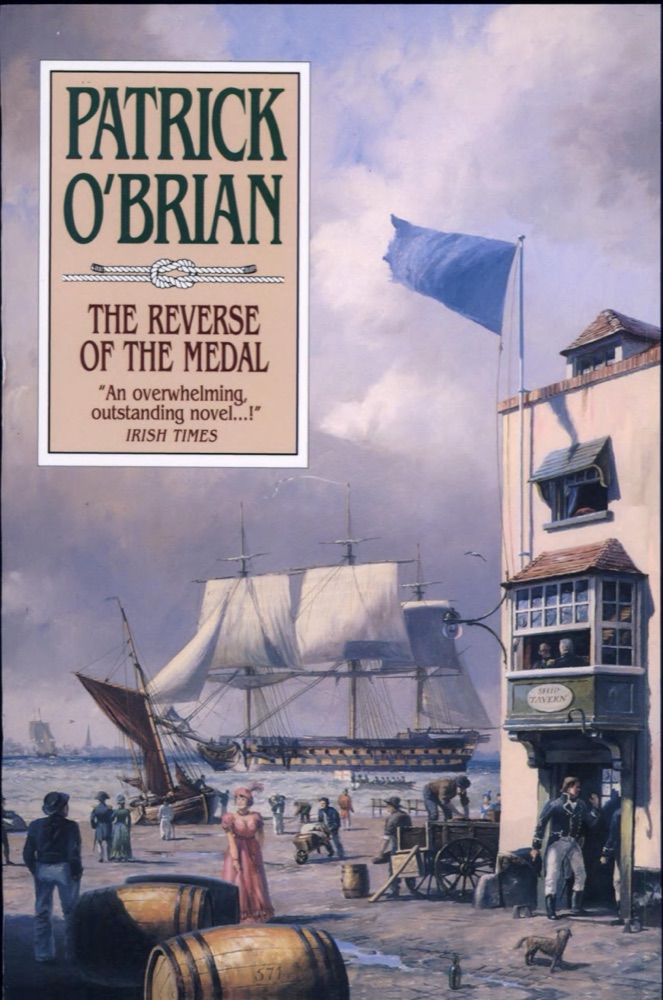 The Reverse of the Medal
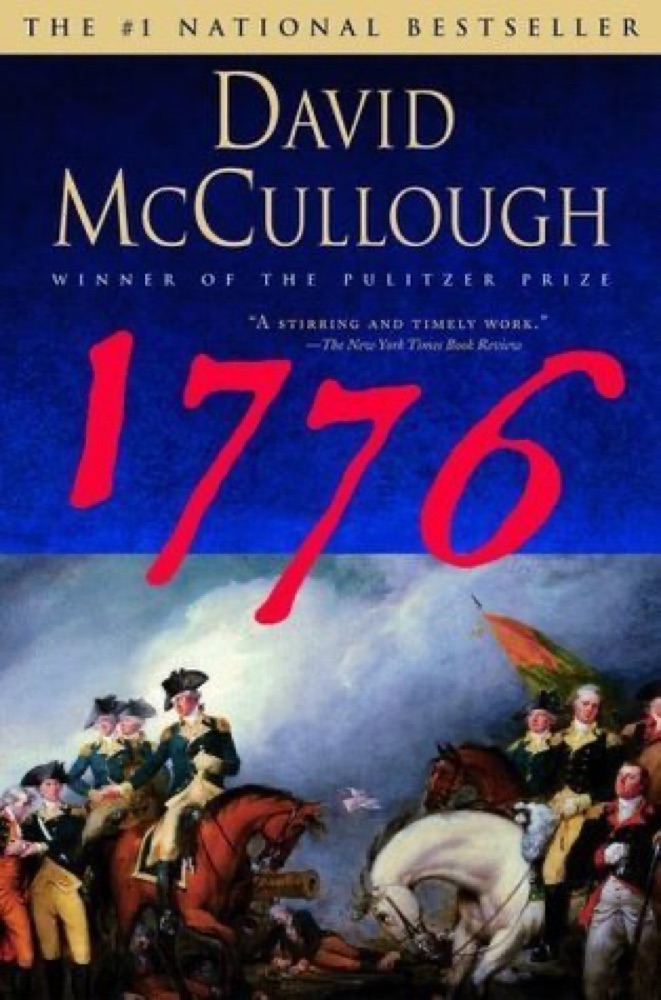 1776
1776
 The Winds of War
 The Churchill Factor: How One Man Made History
 The Hemingses of Monticello: An American Family
 Le Morte d'Arthur: King Arthur and the Legends of the Round Table
 The Grace of Kings
 Nathaniel's Nutmeg: How One Man's Courage Changed the Course of History
 The Complete Saki
 Founding Brothers: The Revolutionary Generation
 The Histories
 The Confusion
 The Warden