 The Man Who Was Thursday
Quotes from the Book
The great Gaels of Ireland are the men that God made mad, For all their wars are merry, and all their songs are sad.
331
The men of the East may spell the stars, And times and triumphs mark, But the men signed of the cross of Christ Go gaily in the dark.
61
Sirs, I am but a nameless man, A rhymester without a home, Yet since I come of the Wessex clay And carry the cross of Rome, I will even answer the mighty earl That asked of Wessex men Why they be meek and monkish folk, And bow to the White Lord's broken yoke; What sign have we save blood and smoke? Here is my answer then. That on you is fallen the shadow, And not upon the Name; That though we scatter and though we fly, And you hang over us like the sky, You are more tired of victory, Than we are tired of shame. That though you hunt the Christian man Like a hare on the hill-side, The hare has still more heart to run Than you have heart to ride. That though all lances split on you, All swords be heaved in vain, We have more lust again to lose Than you to win again. Your lord sits high in the saddle, A broken-hearted king, But our king Alfred, lost from fame, Fallen among foes or bonds of shame, In I know not what mean trade or name, Has still some song to sing. Our monks go robed in rain and snow, But the heart of flame therein, But you go clothed in feasts and flames, When all is ice within; Nor shall all iron dooms make dumb Men wandering ceaselessly, If it be not better to fast for joy Than feast for misery. Nor monkish order only Slides down, as field to fen, All things achieved and chosen pass, As the White Horse fades in the grass, No work of Christian men. Ere the sad gods that made your gods Saw their sad sunrise pass, The White Horse of the White Horse Vale, That you have left to darken and fail, Was cut out of the grass. Therefore your end is on you, Is on you and your kings, Not for a fire in Ely fen, Not that your gods are nine or ten, But because it is only Christian men Guard even heathen things. For our God hath blessed creation, Calling it good. I know What spirit with whom you blindly band Hath blessed destruction with his hand; Yet by God's death the stars shall stand And the small apples grow.
19
I tell you naught for your comfort, Yea, naught for your desire, Save that the sky grows darker yet And the sea rises higher.
17
The men of the east may search the scrolls, For sure fates and fame, But the men that drink the blood of God go singing to their shame.
7
And he set to rhyme his ale-measures, And he sang aloud his laws, Because of the joy of giants, The joy without a cause.
6
And well may God with the serving-folk Cast in His dreadful lot; Is not He too a servant, And is not He forgot? For was not God my gardener And silent like a slave; That opened oaks on the uplands Or thicket in graveyard gave? And was not God my armourer, All patient and unpaid, That sealed my skull as a helmet, And ribs for hauberk made? Did not a great grey servant Of all my sires and me, Build this pavilion of the pines, And herd the fowls and fill the vines, And labour and pass and leave no signs Save mercy and mystery? For God is a great servant, And rose before the day, From some primordial slumber torn; But all we living later born Sleep on, and rise after the morn, And the Lord has gone away. On things half sprung from sleeping, All sleeping suns have shone, They stretch stiff arms, the yawning trees, The beasts blink upon hands and knees, Man is awake and does and sees- But Heaven has done and gone. For who shall guess the good riddle Or speak of the Holiest, Save in faint figures and failing words, Who loves, yet laughs among the swords, Labours, and is at rest? But some see God like Guthrum, Crowned, with a great beard curled, But I see God like a good giant, That, laboring, lifts the world.
5
But out of the mouth of the Mother of God I have seen the truth like fire, This---that the sky grows darker yet And the sea rises higher.
4
People, if you have any prayers, Say prayers for me: And lay me under a Christian stone In that lost land I thought my own, To wait till the holy horn is blown, And all poor men are free.
4
But though I lie on the floor of the world, With the seven sins for rods, I would rather fall with Adam Than rise with all your gods.
3
And the beasts of the earth and the birds looked down, In a wild solemnity, On a stranger sight than a sylph or elf, On one man laughing at himself Under the greenwood tree- The giant laughter of Christian men That roars through a thousand tales, Where greed is an ape and pride is an ass, And Jack's away with his master's lass, And the miser is banged with all his brass, The farmer with all his flails; Tales that tumble and tales that trick, Yet end not all in scorning- Of kings and clowns in a merry plight, And the clock gone wrong and the world gone right, That the mummers sing upon Christmas night And Christmas day in the morning.
3
One instant in a still light, He saw Our Lady then, Her dress was soft as western sky, And she was queen most womanly– But she was queen of men. Over the iron forest He saw Our Lady stand; Her eyes were sad withouten art, And seven swords were in her heart– But one was in her hand
2
For the White Horse knew England When there was none to know; He saw the first oar break or bend, He saw heaven fall and the world end, O God, how long ago.
2
Verily Man shall not taste of victory Till he throws his sword away.
2
I know that weeds shall grow in it Faster than men can burn; And though they scatter now and go, In some far century, sad and slow, I have a vision, and I know The heathen shall return. "They shall not come with warships, They shall not waste with brands, But books be all their eating, And ink be on their hands.
2
Man is a free knight that might betray his Lord.
1
But Mark was come of the glittering towns Where hot white details show, Where man can number and expound, And his faith grew in a hard ground Of doubt and reason and falsehood found, Where no faith else could grow. Belief that grew of all beliefs One moment back was blown And belief that stood on unbelief Stood up iron and alone.
1
The high tide!" King Alfred cried. "The high tide and the turn! As a tide turns on the tall grey seas, See how they waver in the trees, How stray their spears, how knock their knees, How wild their watchfires burn!
1
They shall not come in war-ships, They shall not waste with brands, But books be all their eating, And ink be on their hands. Not with the humour of hunters, Or savage skill in war, But ordering all things with dead words, Strings shall they make of beasts and birds, And wheels of wind and star. They shall come mild as a monkish clerk, With many a scroll and pen, And backward shall ye wonder and gaze, Desiring one of Alfred’s days, When pagans still were men.
Dig for me where I die,' he said, 'If first or last I fall— Dead on the fell at the first charge, Or dead by Wantage wall; Lift not my head from bloody ground, Bear not my body home, For all the earth is Roman earth And I shall die in Rome.
The men of the East may search the scrolls For sure fates and fame, But the men that drink the blood of God Go singing to their shame.
But the men signed of the cross of Christ Go gaily in the dark.
but in any case, it is the chief value of legend to mix up the centuries while preserving the sentiment; to see all ages in a sort of splendid foreshortening. That is the use of tradition: it telescopes history. G.K.C.
The wise men know what wicked things are written on the sky; They trim sad lamps, they touch sad strings, hearing the heavy purple wings, Where the forgotten Seraph kings still plot how God shall die.
Watch on YouTube
About G.K. Chesterton
We have collected 364 quotes from 14 books by G.K. Chesterton on BookQuoters.
More about the author →More by G.K. Chesterton
All books by G.K. Chesterton →
About the book
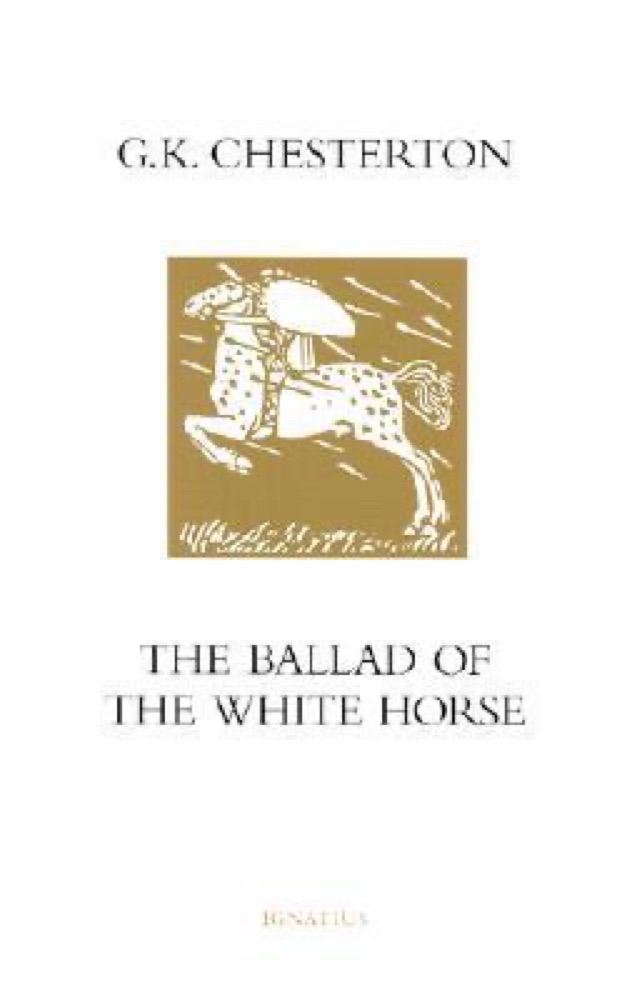
The Ballad of the White Horse is one of the last great epic poems in the English language. On the one hand it describes King Alfred's battle against the Danes in 878. On the other hand it is a timeless allegory about the ongoing battle between Christianity and the forces of nihilistic heathenism. Filled with colorful characters, thrilling battles and mystical visions, it is as lively as it is profound. Chesterton incorporates brilliant imagination, atmosphere, moral concern, chronological continuity, wisdom and fancy. He makes his stanzas reverberate with sound, and hurries his readers into the heart of the battle. This deluxe volume is the definitive edition of the poem. It exactly reproduces the 1928 edition with Robert Austin's beautiful woodcuts, and includes a thorough introduction and wonderful endnotes by Sister Bernadette Sheridan, from her 60 years researching the poem.
Book details
- First published
- 1911
- Author
- G.K. Chesterton
- Genre
- Literature
- Goodreads rating
- 4.26 (2k ratings)
Keep reading
 Beowulf
 The Pale Horseman
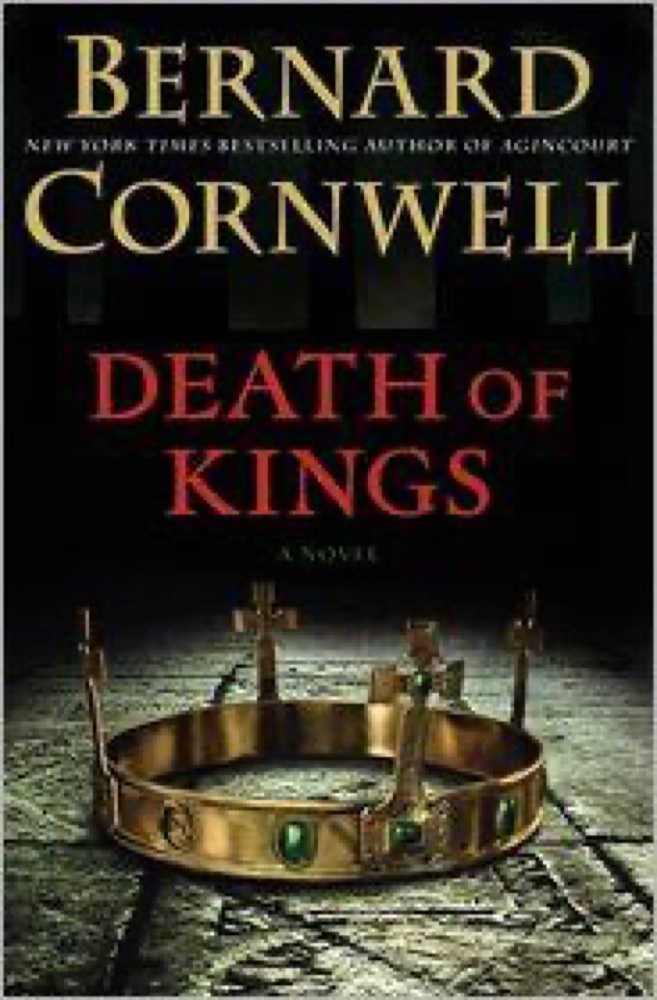 Death of Kings
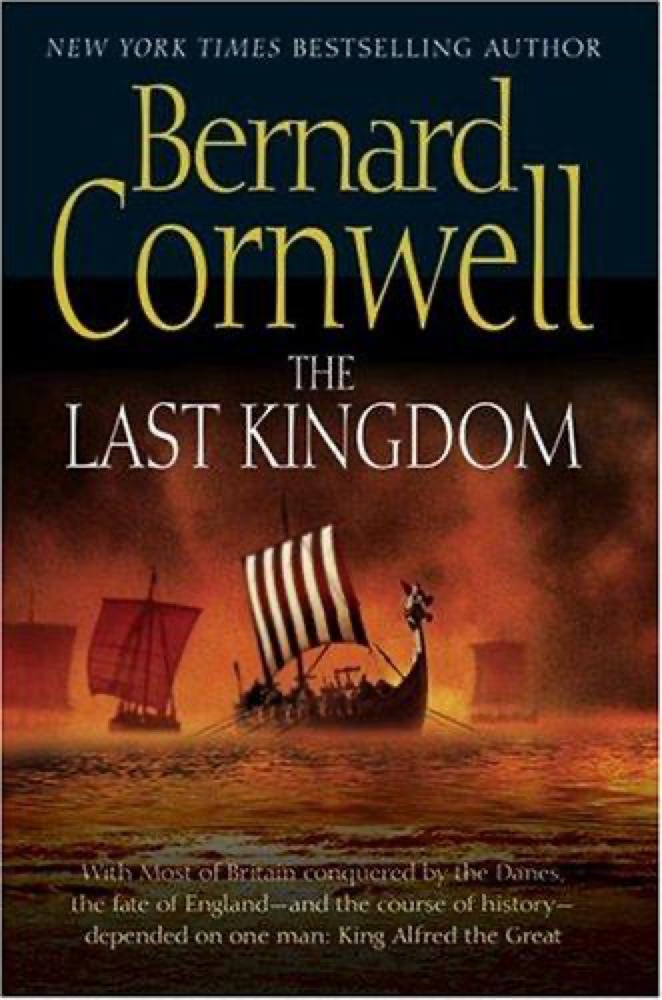 The Last Kingdom
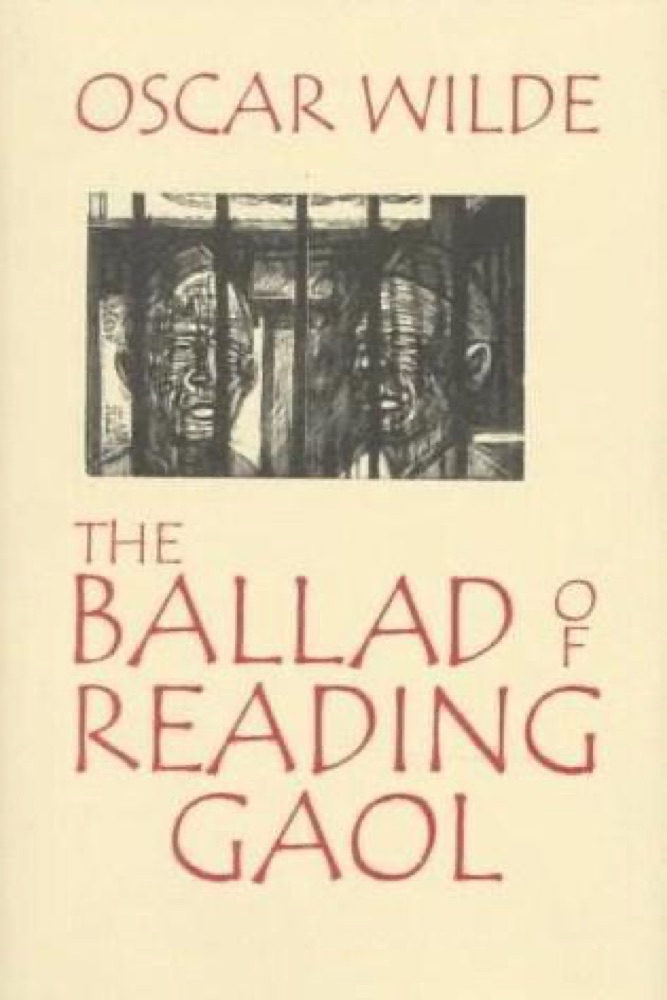 The Ballad of Reading Gaol
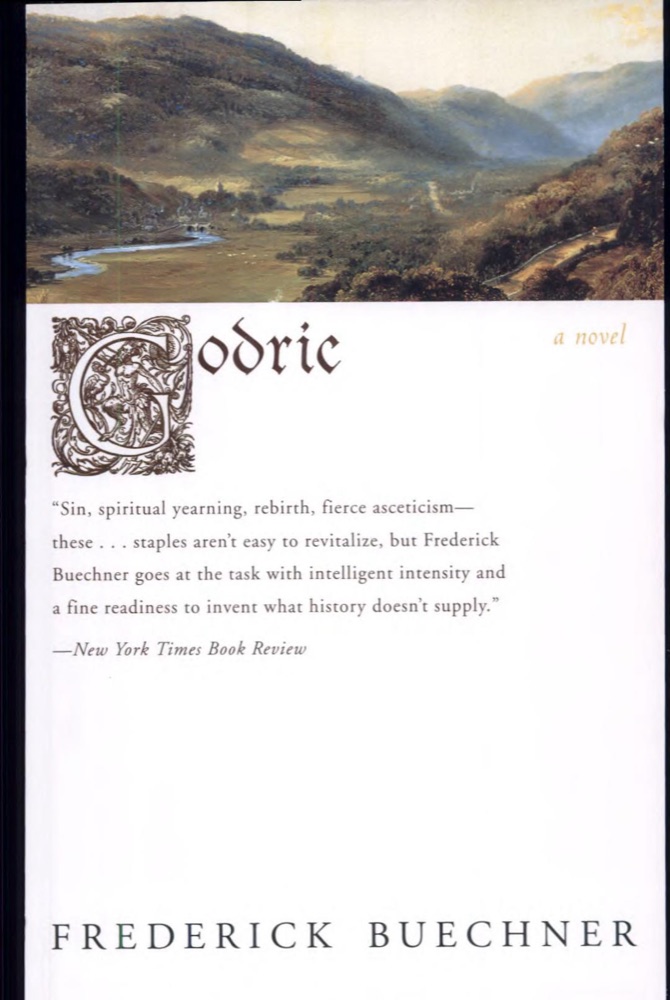 Godric
 The Iliad
 The Canterbury Tales
 Henry IV, Part Two
 The Faerie Queene
 The Return of the King
 Shahnameh: The Persian Book of Kings
 Henry V
 The Complete Works
 The Poetic Edda
 The Last of the Mohicans
 King Solomon's Mines
 Ivanhoe
 The Spanish Tragedy
 The High King
 Elric of Melniboné
 Idylls of the King
 Mythology
 The King Must Die
 Blood Meridian, or the Evening Redness in the West
 Agamemnon
 The Warrior Prophet
 The Celtic Twilight: Faerie and Folklore
 Blood Meridian: Or the Evening Redness in the West
 The Hollow Hills
 Fire & Blood
 The Duchess of Malfi
 Toll the Hounds
 Prometheus Unbound
 The Silmarillion
 The Bright Sword
 The Mirror & the Light
 The Fires of Heaven
 A Shropshire Lad
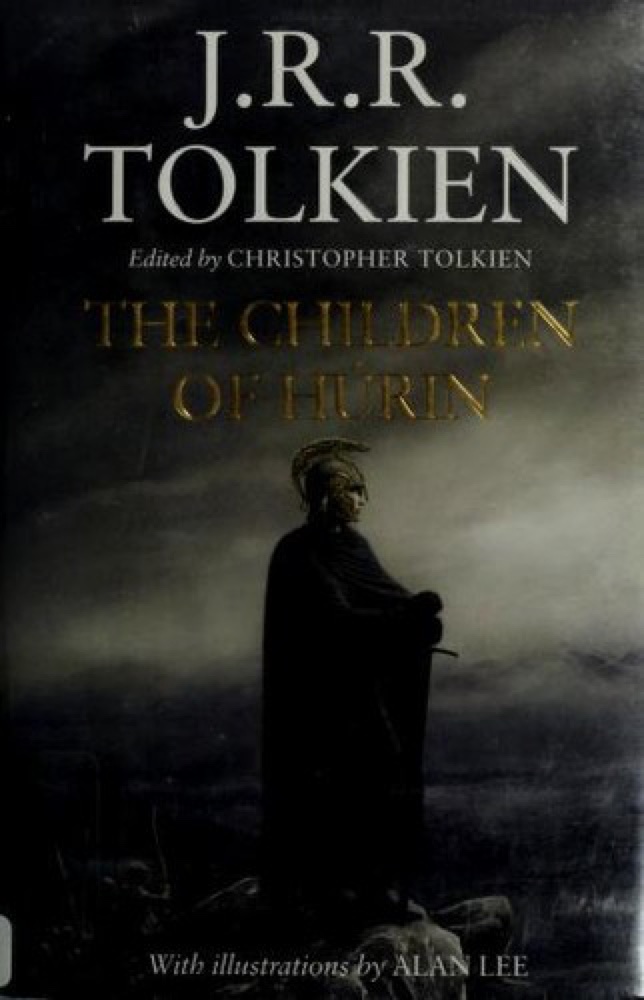 The Children of Húrin
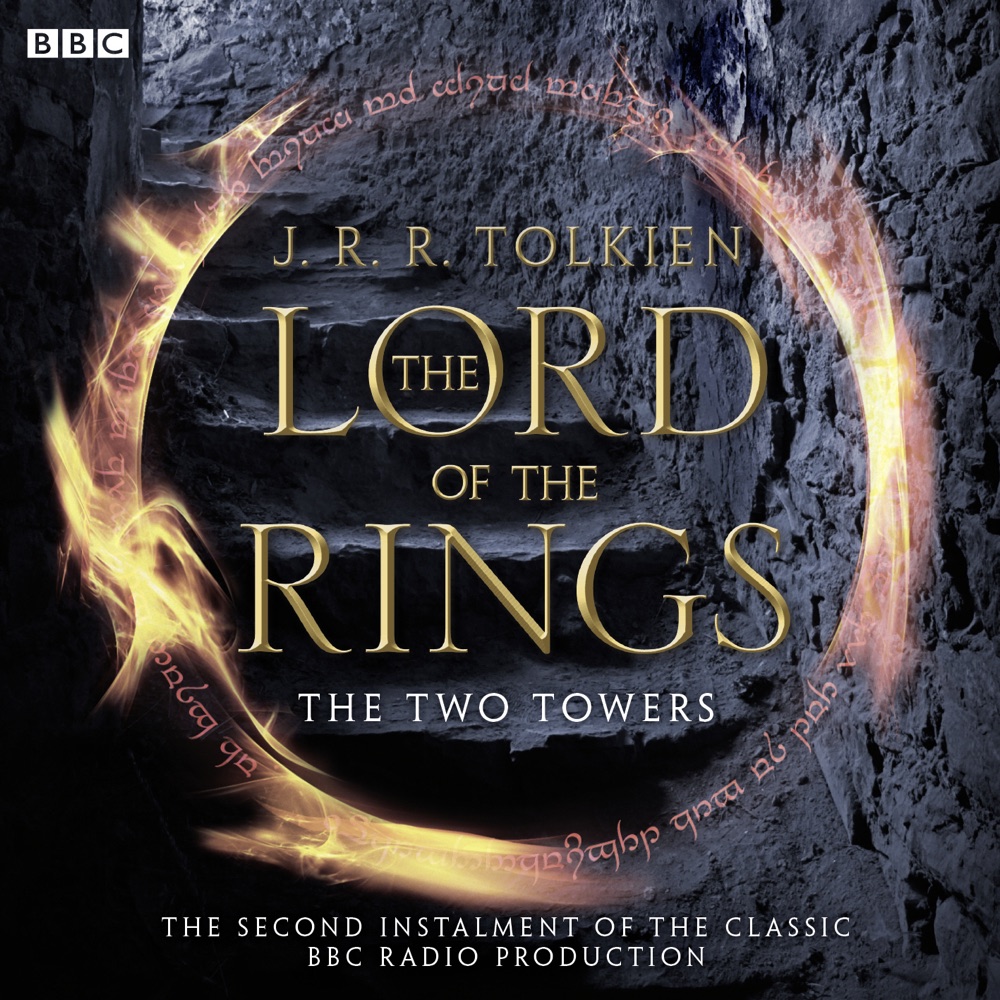 The Lord of the Rings: The Two Towers
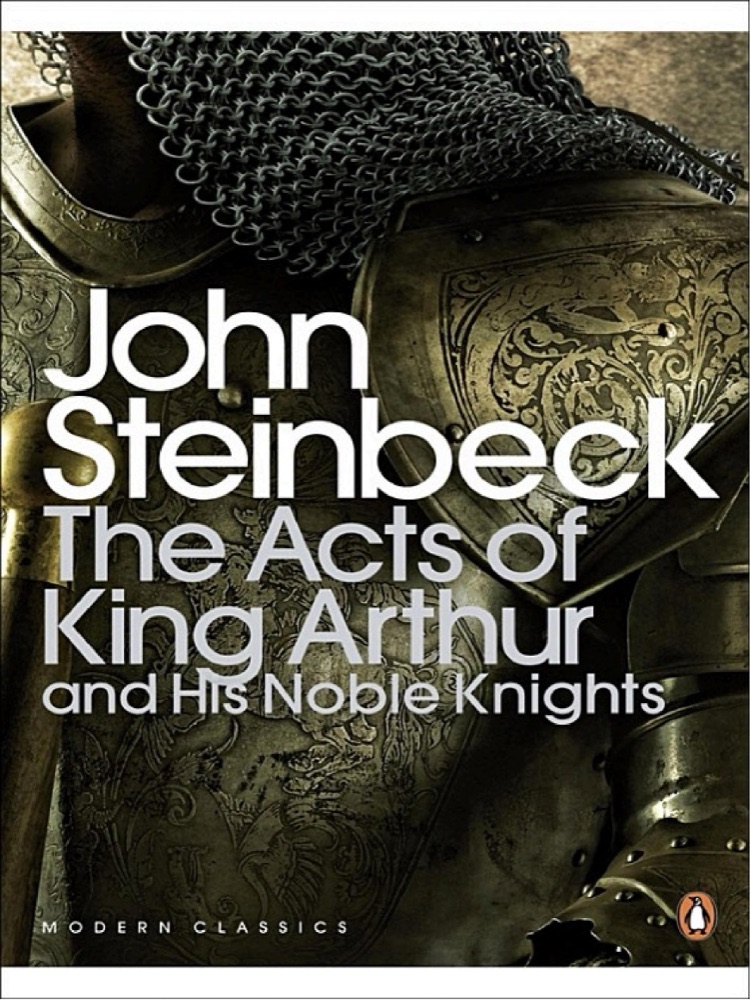 The Acts of King Arthur and His Noble Knights
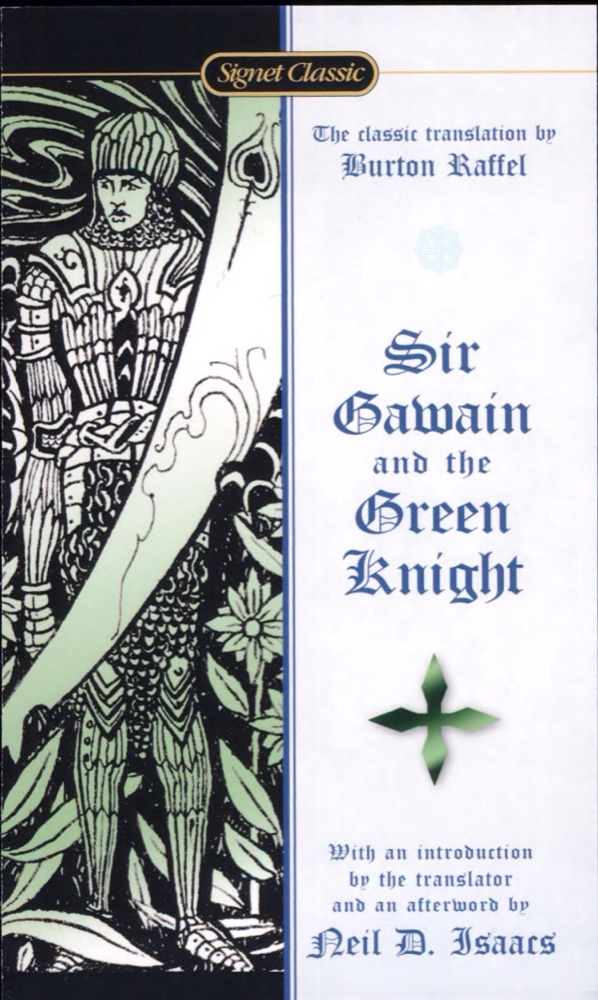 Sir Gawain and the Green Knight
 Fall of Kings
 The Oresteia
 Le Morte d'Arthur: King Arthur and the Legends of the Round Table
 The Eye of the World
 Childe Harold's Pilgrimage
 The Great Hunt
 The History of the Kings of Britain
 House Made of Dawn
 Titus Groan
 The Odyssey
 The Crippled God
 Caleb's Crossing
 Forge of Darkness
 Paradise Lost
 The Last Battle
 Ben-Hur: A Tale of the Christ
 The Histories