
 New York
Quotes from the Book
The English Church, it was claimed, was Catholicism purified and reformed. And what was the nature of this reform? The truth was that nobody, least of all Henry himself, had much idea.
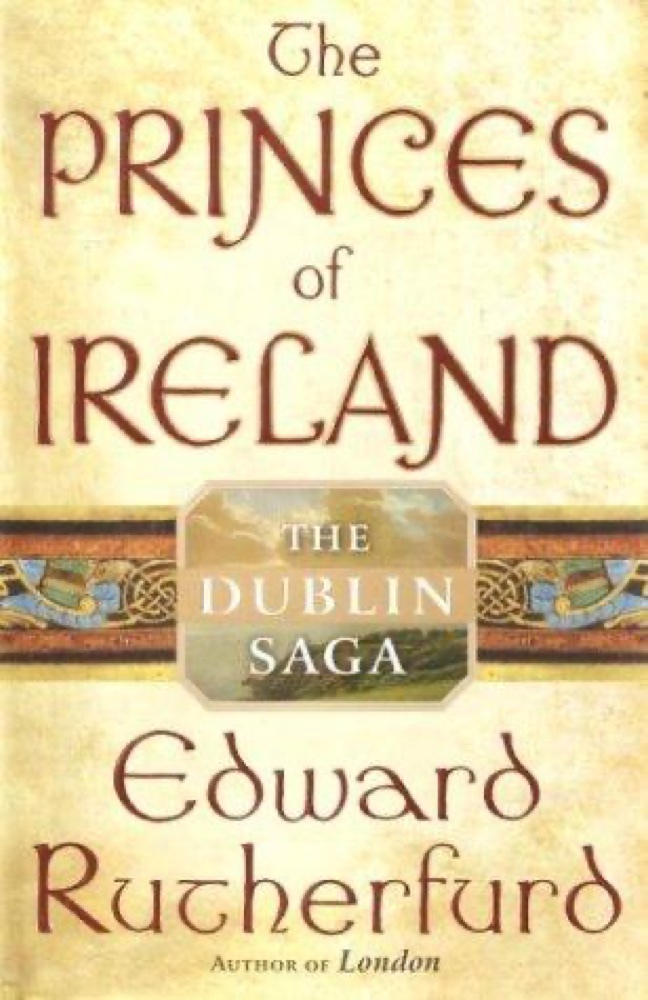
That was the trouble with being too highly born, Finbarr considered. The gods paid too much attention to you. It was ever thus in the Celtic world. Ravens would fly over the house to announce the death of a clan chief, swans would desert the lake. A king’s bad judgement could affect the weather. And if you were a prince, the druids made prophesies about you from before the day you were born; and after that, there was no escape.
The great festival of Lughnasa was held at Carmun once every three years. The site of Carmun was eerie. In a land of wild forest and bog, it was an open grassy space that stretched, green and empty, halfway to the horizon. Lying some distance west of the point where, if you were following it upstream, the Liffey’s course began to retreat eastwards on the way to its source in the Wicklow Mountains, the place was absolutely flat, except for some mounds in which ancestral chiefs were buried. The festival lasted a week. There were areas reserved for food and livestock markets, and another where fine clothes were sold; but the most important quarter was where a large racetrack was laid out on the bare turf.
In recent decades, Ireland in general and Dublin in particular, have been very fortunate in the quality of the historical attention they have received. During the extensive research required to write this book, I have been privileged to work with some of Ireland’s most distinguished scholars, who have generously shared their knowledge with me and corrected my texts. Their kind contributions are mentioned in the Acknowledgements. Thanks to the scholarly work of the last quarter century, there has been a reevaluation of certain aspects of Ireland’s history; and as a result, the story that follows may contain a number of surprises for many readers. I have provided a few additional notes in the Afterword at the end of this volume for those curious to know more.
In less than a month it would be the magical feast of Samhain. Some years this took place at the great ceremonial centre of Tara; other years it was held at other places. At Samhain the excess livestock would be slaughtered, the rest put out on the wasteland and later brought into pens, while the High King and his followers set off on their winter rounds. Until then, however, it was a slow and peaceful time. The harvest was in, the weather still warm. It should, for the High King, have been a time of contentment.
We, the heirs of Saint Patrick, we who kept alive the Christian faith and the writings of ancient Rome when most of the world had sunk under the barbarians, we who gave the Saxons their education are to be taught a lesson in Christianity by the English?
This Plantagenet king comes from the devil.
We have all been robbed of the land we have loved for a thousand years. Do you not see that, Welshman? Can you not imagine his rage? We were not even conquered. We were deceived.
Watch on YouTube
About Edward Rutherfurd
We have collected 63 quotes from 4 books by Edward Rutherfurd on BookQuoters.
More about the author →More by Edward Rutherfurd
Book details
- Author
- Edward Rutherfurd
- Genre
- Historical
- Goodreads rating
- 3.88 (18k ratings) →
Keep reading
 How the Irish Saved Civilization
 Irish Fairy and Folk Tales
 Lords of the North
 Unruly: The Ridiculous History of England's Kings and Queens
 The History of the Kings of Britain
 The World of Ice and Fire: The Untold History of Westeros and the Game of Thrones
 Ireland
 Saxons, Vikings, and Celts: The Genetic Roots of Britain and Ireland
 The Last Kingdom
 The Burning Land
 1066 and All That: A Memorable History of England
 Europe: A History
 The Celtic Twilight: Faerie and Folklore
 The Histories
 Children of Ash and Elm: A History of the Vikings
 The Ballad of the White Horse
 The Bright Sword
 The Confusion
 The Sunne in Splendour
 Le Morte d'Arthur: King Arthur and the Legends of the Round Table
 A Distant Mirror: The Calamitous 14th Century
 The Enchantress of Florence
 Danubia: A Personal History of Habsburg Europe
 The Folklore of Discworld
 The Kingdom by the Sea
 Elric of Melniboné
 The Wars of the Roses: The Fall of the Plantagenets and the Rise of the Tudors
 The Ladies of Grace Adieu and Other Stories
 Beowulf
 Arthur
 London
 A History of the World in 100 Objects
 Morgoth's Ring
 River of Smoke
 The Lily and The Lion
 The Canterbury Tales
 Reaper's Gale
 Saint Joan
 When Christ and His Saints Slept
 The Letters of J.R.R. Tolkien
 The High King
 Saint Peter's Fair
 Devil's Brood
 Fire & Blood
 The Steel Remains
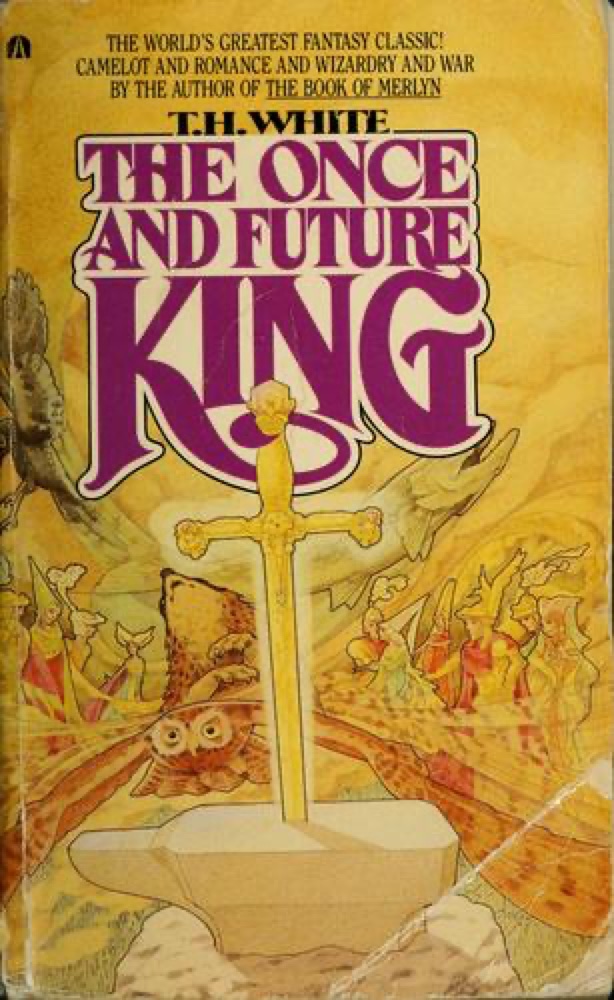 The Once and Future King
 The Hangman's Daughter
 The Complete Works
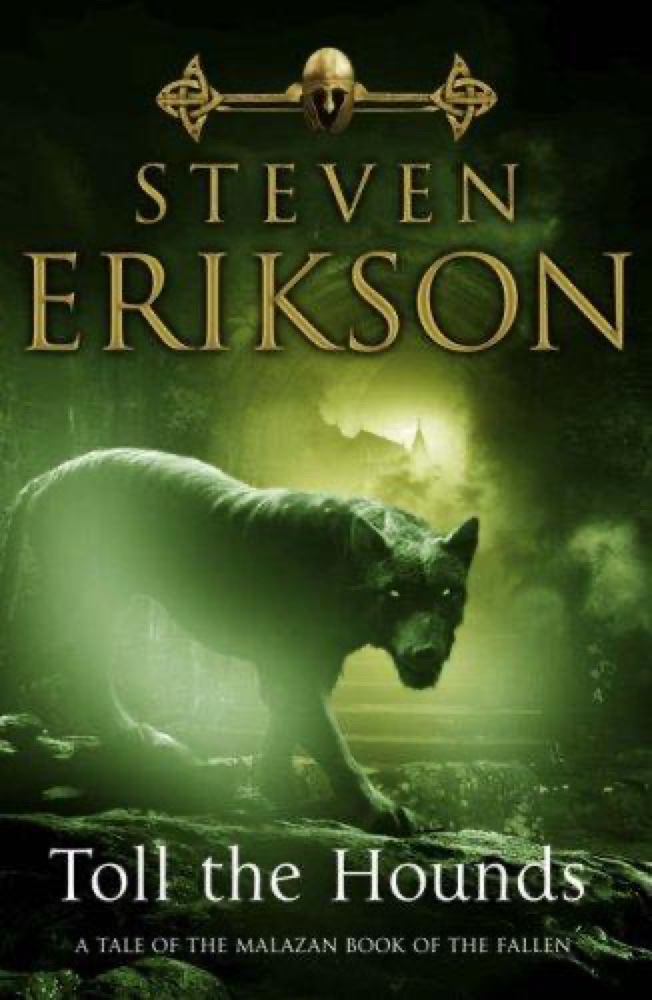 Toll the Hounds
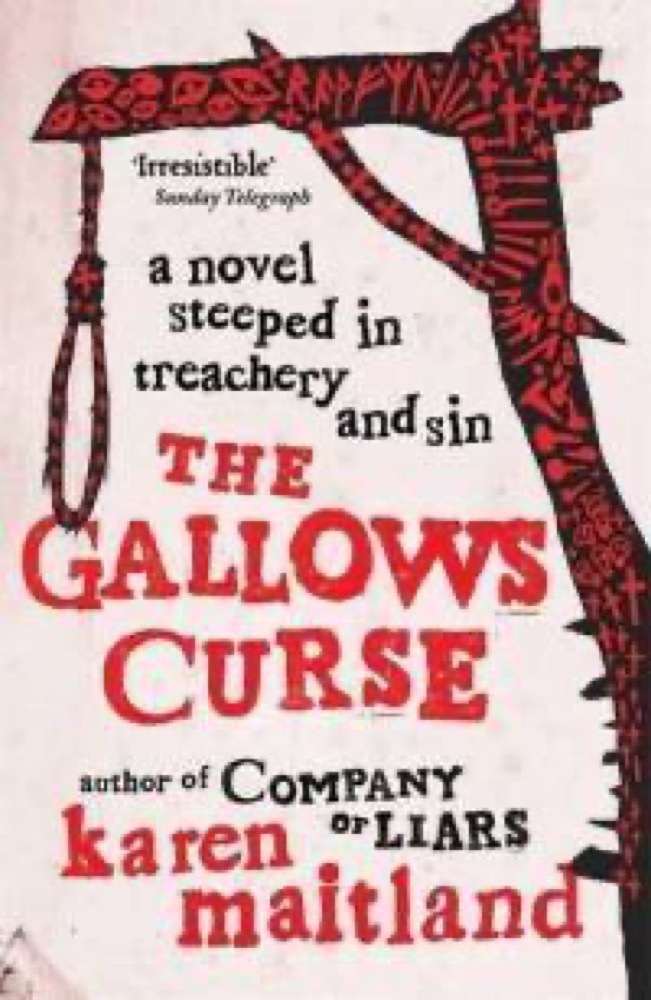 The Gallows Curse
 Midnight Tides
 Sword of Destiny
 The Skull Throne
 The Crusades: The Authoritative History of the War for the Holy Land
 Old God's Time
 The Mirror & the Light
 The Napoleon of Notting Hill
 Chesapeake
 The Norse Myths
 The Everlasting Man