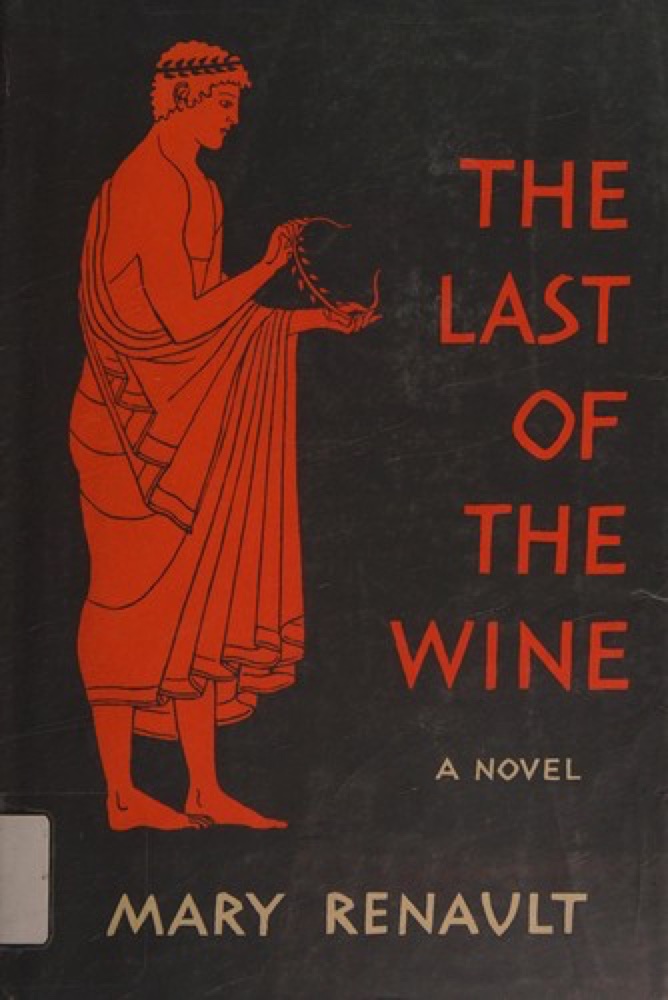
 The Last of the Wine
Quotes from the Book
A man is at his youngest when he thinks he is a man, not yet realizing that his actions must show it.
61
It is not the bloodletting that calls down power. It is the consenting.
9
Men would be as gods, if they had foreknowledge.
8
For I had felt too much and reasoned too little, hearing what I was ready to hear, not what had been said. There
7
There is truth and truth,’ said the priest of Delos. ‘It is true after its kind.
5
I was a king and a king's heir and now I am a slave.
5
Man born of woman cannot outrun his fate. Better then not to question the Immortals, nor when they have spoken to grieve one's heart in vain. A bound is set to our knowing, and wisdom is not to search beyond it. Men are only men.
3
When I rode on to meet the army, I learned a thing one never forgets after: how much easier it is to move the many than the few.
3
May the Mother curse him and all gods below, and may Night's Daughters hunt him down into the ground! And on the hand that sheds his blood let there be a blessing.
3
I looked at the priest. He had turned his face to the moon, which glittered on his open eyes; his body was quiet as the olive tree, or as a snake upon a stone. He seemed like a man who knew earth magic, and would prophesy in the madness of the dance. And then I thought of the great Labyrinth, which had stood a thousand years; and how Minos had said the god’s voice called them no longer. “All things change,” I thought, “except the gods who live for ever.
2
She had closed her eyes, but now she opened them. “Children and men want everything for nothing. Life will have death, and you will not change it.
2
I had never before singled out Apollo for worship. But of course I had always prayed to him before stringing a lyre or a bow; and when I went shooting, I was never mean with his share. He had given me good bags time and again. Though he is very deep, and knows all mysteries, even those of the women, he is a Hellene and a gentleman. Keeping that in mind, it is easier than it seems not to offend him. He does not like tears intruded on his presence, any more than the sun likes rain. Yet he understands grief: bring it to him in a song, and he will take it away.
2
The finished shape of our fate, the line drawn round it. It is the task the gods allot us, and the share of glory they allow; the limits we must not pass; and our appointed end. Moira is all these.
2
I know I thought of many things: of death, and fate, and what the gods want of man; how far a man can move within his moira, or, if all is determined, what makes one strive; and whether one can be a king without a kingdom.
2
We lived in the Bull Court; a city sealed in a palace, and a life sealed in with death. Yet it is a proud city, and a strong fierce life. A man once in it is of it till he dies. So I, who have gray beginning in my beard, still say "it is", as if the Bull Court stood and I might yet go back to it.
2
The man who sleeps on a warning does not deserve one. What wait till tomorrow? I will go today?
2
Her face was too broad, and the mouth not fine enough; but her waist was like a palm tree, and to be unmoved by her breasts a man would need to be dead.
1
If one examines the legend in this light, a well-defined personality emerges. It is that of a light-weight; brave and aggressive, physically tough and quick; highly sexed and rather promiscuous; touchily proud, but with a feeling for the underdog; resembling Alexander in his precocious competence, gift of leadership, and romantic sense of destiny.
1
So I said then, and still say in my heart, when on great days of sacrifice I stand before the gods, offering for the people on the High Citadel, Erechtheus’ sacred stronghold. The great Horse Father who came to my begetting, Earth-Shaker who held me up and spared my people even when he was angry, would never have led me into evil. I saw for my father a little sorrow, and then joy unlooked-for. How could I guess that he would so reproach himself; that he would not even wait till the ship reached harbor, to see if the sail told true?
1
They say the Dark Mother loved him, when he was young, and set a seal upon his lips and showed him her mysteries beneath the earth. He crossed the river of blood, and the river of weeping; but Lethe’s stream he would not drink of, and seven years passed over him like a single day. When the appointed time drew near, for her to let him back to the upper air, she tempted him to speak while he was still in bonds to her; but he would not break the seal of silence, nor taste her apples and her pomegranates that bind a man for ever, because he was vowed to Apollo and the gods of light. So she had to set him free. All the way up to the mouth of her dark cave she followed him, listening to his harp as he sang upon his way, and crying, ‘Look back! Look back!’ But he did not turn till he had stepped forth into the sunlight; and she sank into the earth, weeping for her stolen secrets and lost love. So people say.” When this tale was done, I said, “He did not speak of it. Is it true?” “There is truth and truth,” said the priest of Delos. “It is true after its kind.
1
The priest told me they had had word that the bard was dead. He had perished in his own native land of Thrace, where he served Apollo’s altar. The old religion is very strong there; as a youth he had sung for its rites himself, and the priestesses had been angry when he made Serpent-Slayer a shrine upon the mountain. But after he came back from Eleusis, whether that his great fame had led him into hubris, or he had had a true dream from the god, he went forth to meet the maenads at their winter feast, and tried to calm their madness with his song. Everyone knows the end of it.
1
There was a joy here beyond laughter; and for us who were Hellenes, even though our feet trod Delian soil for the first time, a homecoming beyond tears. As I walked up to the lake and the sacred grove, along the warm sparkling causeway, the sharp white sunlight seemed to wash from me the earth-darkness of Dia, the rotten glow of Crete. All here was lucid, shining, and clear; even the awe of the god, the secret of his mystery, hidden not in shadows but in a light too dazzling for human eyes.
1
The moon made its twinkling pathway on the sea. A dark shade broke it, the little island of Dionysos; I saw the sanctuary roof with its Cretan horns, and one small lighted window. They had left her with a lamp, I thought, lest waking in a strange place she should be afraid. When midnight had passed, and we put out into the strait under the sinking Pleiads, I saw it was still burning. It shone steadfastly until the sea-line hid it, keeping faith with her sleep while I fled away.
1
At last he said to me, “Grieve no longer. Many-formed are the gods; and the end men look for is not the end they bring. So it is here.” He stepped out from the tree, and walked away through the grove. Soon he melted into the fleckered shadows, and I saw him no more.
1
Go in peace, Hellene guest. It is grief to a man to look on mysteries he does not understand. To yield unquestioning, not to know too much; that is the wisdom of the god. She is of our blood; she understands it.” I remembered many things: the bloodied horns of bulls, the voice in the burning Labyrinth. She had told me in our first night she was all Cretan
1
For almost a year I had sat by the Cretan ring, and watched the bull-dance when I was not dancing myself. I had watched the death of Sinis Pinebender, and kept the face of a warrior. But now I turned away and leaned upon an olive tree, and almost threw the heart up from my body. I heaved and shivered in the chill of evening; my teeth chattered, and water poured from my eyes.
1
The ship approached, all bound with green boughs and wreaths; the mast and oar blades and the beak were gilded, the sail was scarlet. Young girls were singing on the deck, playing the tabor and the pipes, and clashing cymbals. Standing in the prow, girt with a fawnskin, crowned with green ivy and young vine-shoots, stood the King. He was very drunk, with wine and with the god; as he waved to the people, I saw a mad gaiety in his shadowed eyes.
1
There was something about him I could put no name to, a daimon in his eyes; not that they wandered, like men’s eyes whose wits are troubled; rather they were too still. Whatever he fixed his gaze on, it was as if he would drain it dry.
1
The Queen sat in her place before the king-column, in a chair of olive-wood inlaid with pearl and silver; her footstool was covered with a sheepskin scarlet-dyed. On a low seat beside her sat a dark young man, with strange shadowed eyes, whom I took to be the King. She rose and came to meet us; a woman of about thirty years, handsome still, and a true Cretan, with dark crimped hair in serpent tresses, breasts heavy but round and firm, and a little waist tightly cinched in with gold. She held out to Ariadne both her hands, and gave her the kiss of welcome.
1
Watch on YouTube
About Mary Renault
We have collected 133 quotes from 6 books by Mary Renault on BookQuoters.
More about the author →More by Mary Renault
All books by Mary Renault →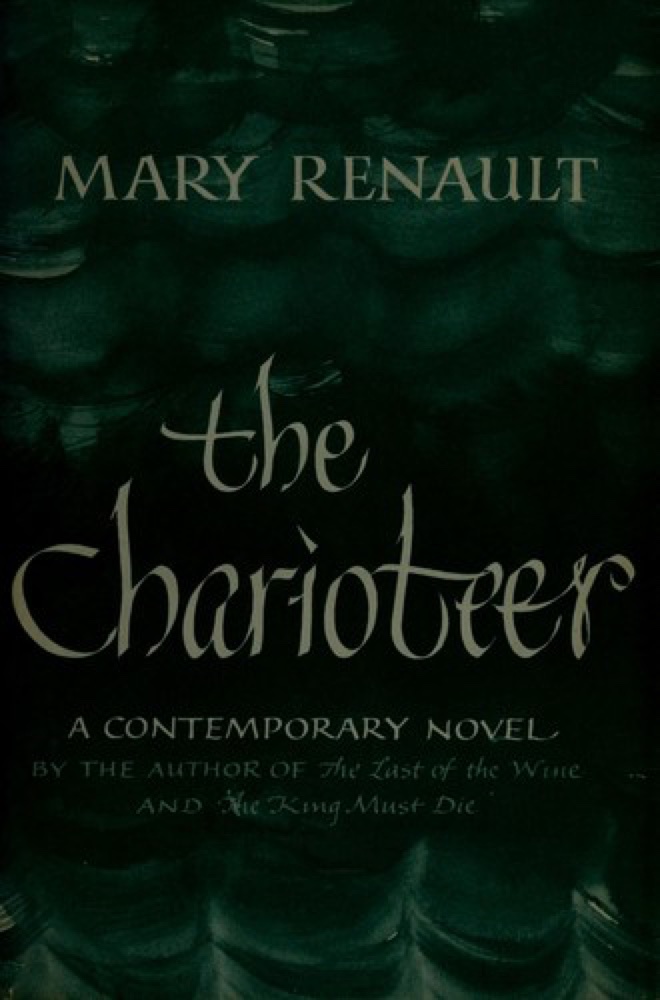
About the book
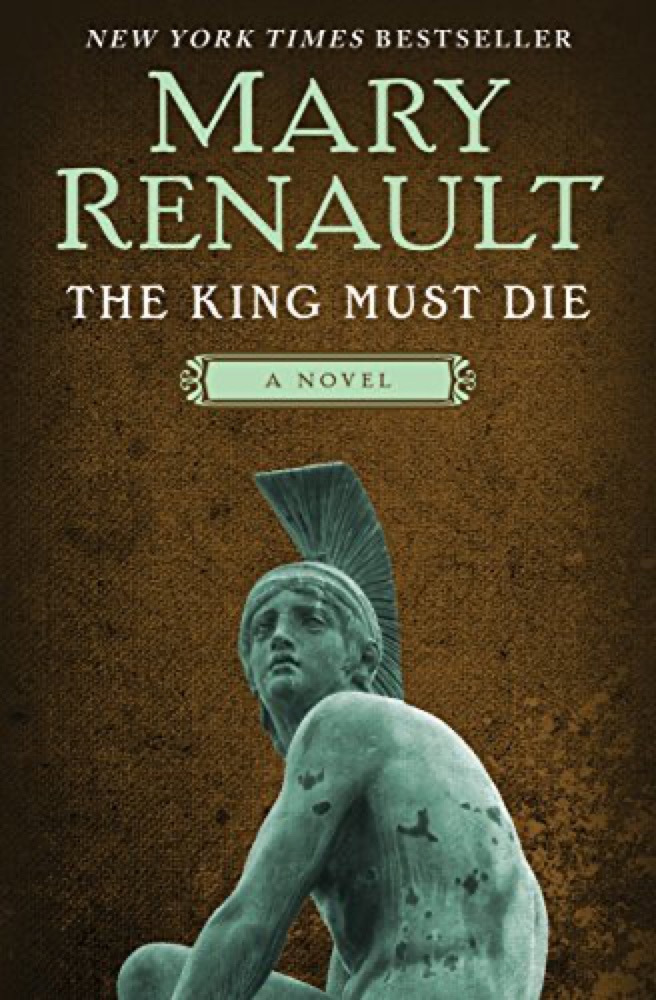
“Mary Renault is a shining light to both historical novelists and their readers. She does not pretend the past is like the present, or that the people of ancient Greece were just like us. She shows us their strangeness; discerning, sure-footed, challenging our values, piquing our curiosity, she leads us through an alien landscape that moves and delights us.” —Hilary MantelIn myth, Theseus was the slayer of the child-devouring Minotaur in Crete. What the founder-hero might have been in real life is another question, brilliantly explored in The King Must Die. Drawing on modern scholarship and archaeological findings at Knossos, Mary Renault’s Theseus is an utterly lifelike figure—a king of immense charisma, whose boundless strivings flow from strength and weakness—but also one steered by implacable prophecy.The story follows Theseus’s adventures from Troizen to Eleusis, where the death in
Book details
- First published
- 1958
- Author
- Mary Renault
- Genre
- Historical
- Goodreads rating
- 3.97 (11k ratings)
Keep reading
 Mythology
 The Hallowed Hunt
 Sword & Citadel
 Ariadne
 The Last Song of Penelope
 Elektra
 The Song of Achilles
 Fire from Heaven
 The Iliad
 The Bull from the Sea
 The Hymn to Dionysus
 A Conspiracy of Kings
 The Secret Chord
 Gardens of the Moon
 The Persian Boy
 The Great Hunt
 Age of Myth
 The Winter King
 The Tombs of Atuan
 The Memoirs of Cleopatra
 The Warrior Prophet
 A Thousand Nights
 Sunbringer
 Toll the Hounds
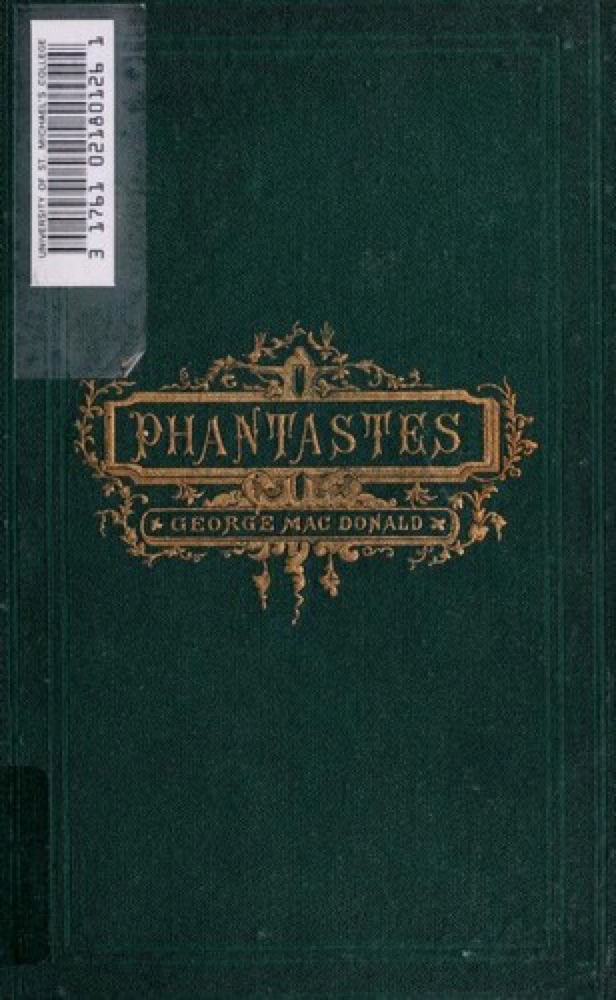 Phantastes
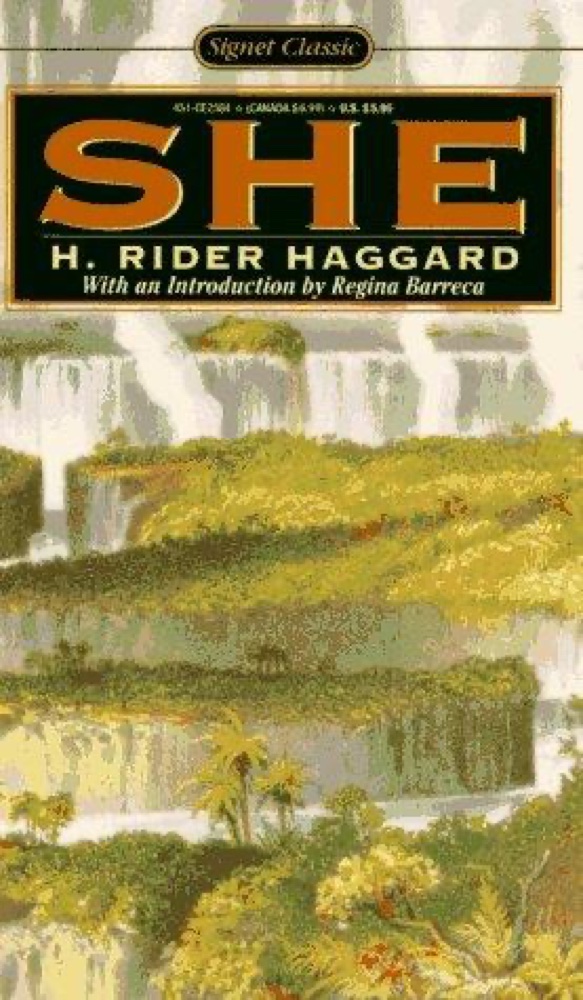 She
She
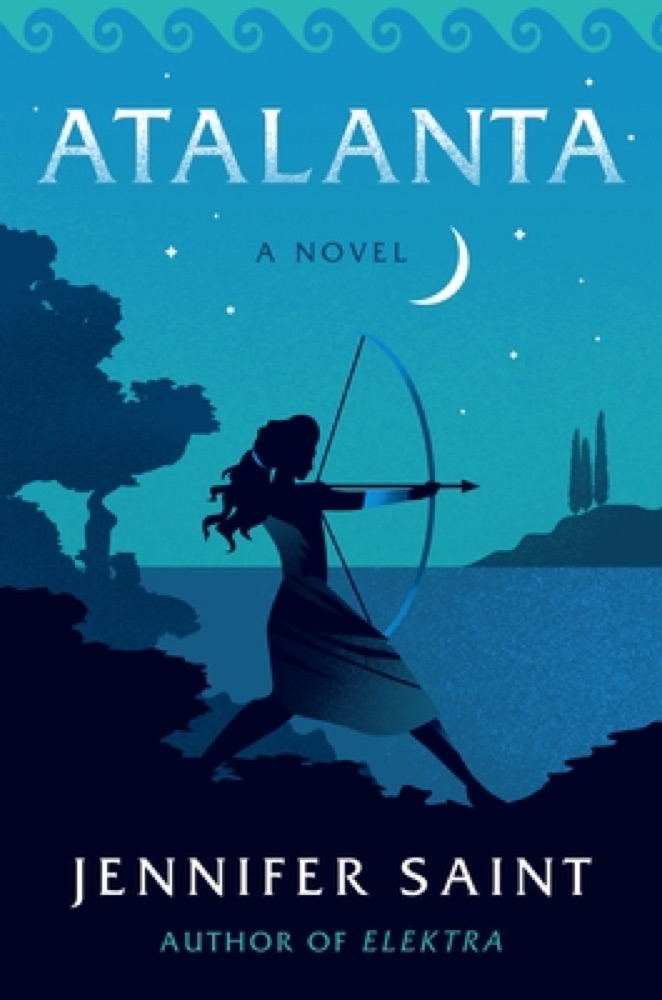 Atalanta
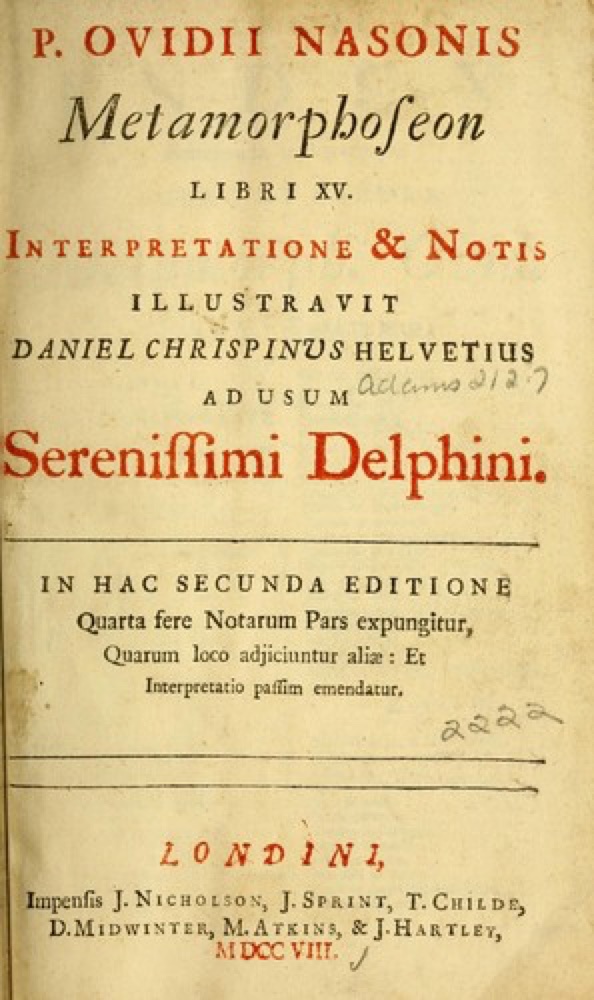 Metamorphoses
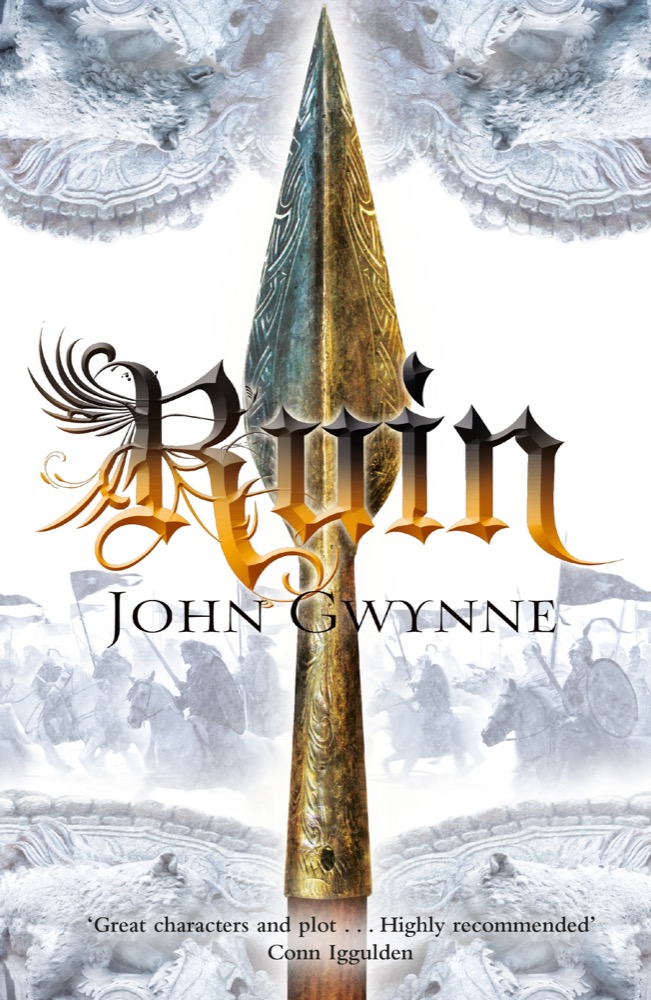 Ruin
Ruin
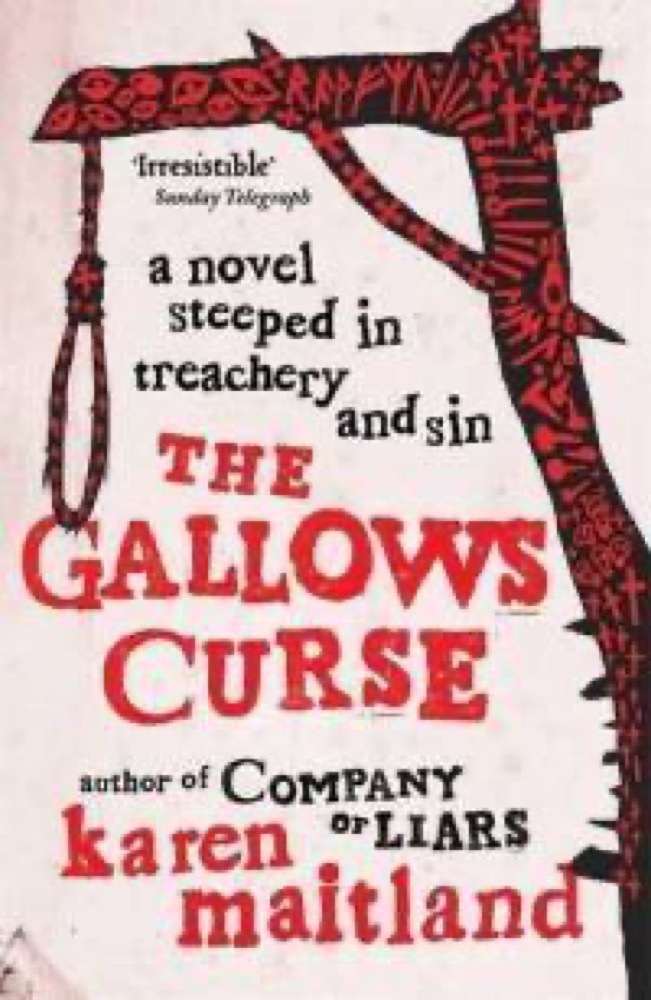 The Gallows Curse
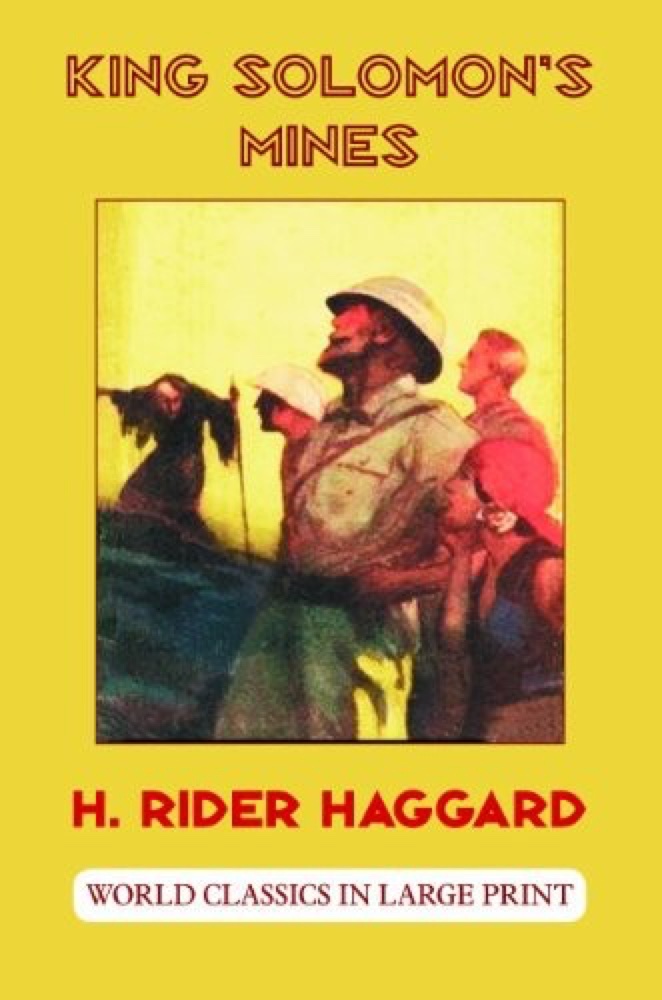 King Solomon's Mines
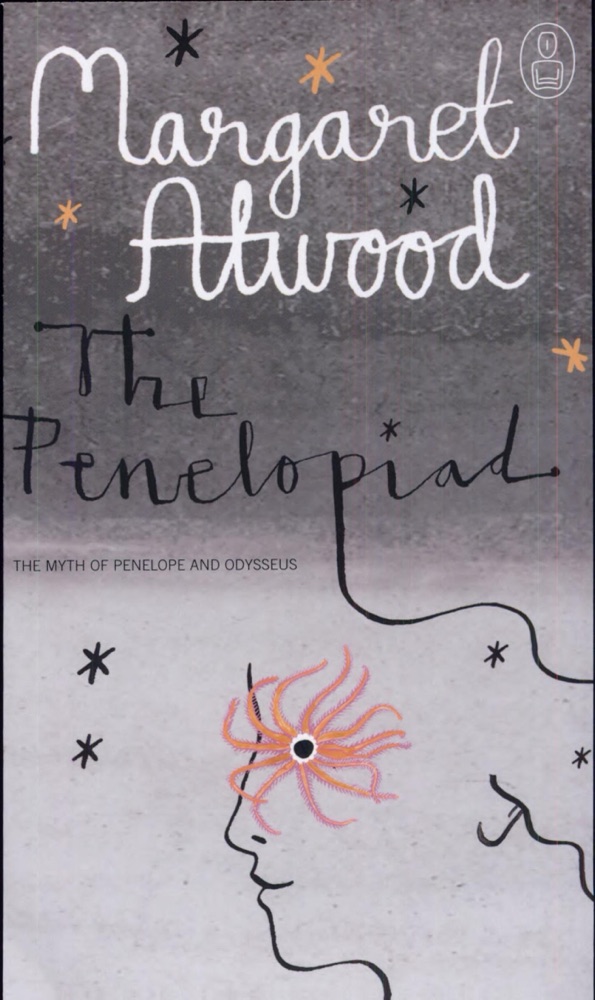 The Penelopiad
 Death of Kings
 Gods of Jade and Shadow
 The Dragon Reborn
 Caleb's Crossing
 House of Chains
 The Pale Horseman
 Assassin's Quest
 When Christ and His Saints Slept
 Agamemnon
 The Enchantress of Florence
 Shadow & Claw
 Faithbreaker
 The Isle of Blood
 The Oresteia
 The Odyssey
 The Silence of the Girls
 North! or Be Eaten
 Keturah and Lord Death
 Beowulf
 Fall of Kings
 The Spear Cuts Through Water
 Lapvona
 The Epic of Gilgamesh
 The Heretic's Daughter
 The Return of the King
 Lavinia
 The Mirror & the Light
 The High King