 Troilus and Criseyde
Quotes from the Book
If gold rusts, what then can iron do?
No empty handed man can lure a bird
Then you compared a woman's love to Hell, To barren land where water will not dwell, And you compared it to a quenchless fire, The more it burns the more is its desire To burn up everything that burnt can be. You say that just as worms destroy a tree A wife destroys her husband and contrives, As husbands know, the ruin of their lives.
Purity in body and heart May please some--as for me, I make no boast. For, as you know, no master of a household Has all of his utensils made of gold; Some are wood, and yet they are of use.
And gladly wolde he lerne, and gladly teche.
Love will not be constrain'd by mastery. When mast'ry comes, the god of love anon Beateth his wings, and, farewell, he is gone. Love is a thing as any spirit free.
Yet do not miss the moral, my good men. For Saint Paul says that all that’s written well Is written down some useful truth to tell. Then take the wheat and let the chaff lie still.
But Christ's lore and his apostles twelve, He taught and first he followed it himself.
And high above, depicted in a tower, Sat Conquest, robed in majesty and power, Under a sword that swung above his head, Sharp-edged and hanging by a subtle thread.
High on a stag the Goddess held her seat, And there were little hounds about her feet; Below her feet there was a sickle moon, Waxing it seemed, but would be waning soon. Her statue bore a mantle of bright green, Her hand a bow with arrows cased and keen; Her eyes were lowered, gazing as she rode Down to where Pluto has his dark abode.
But for to telle yow al hir beautee, It lyth nat in my tonge, n'yn my konnyng; I dar nat undertake so heigh a thyng. Myn Englissh eek is insufficient. It moste been a rethor excellent That koude his colours longynge for that art, If he sholde hire discryven every part. I am noon swich, I moot speke as I kan.
Youre tale anoyeth al this compaignye. Swich talkyng is nat worth a boterflye,
By God," quod he, "for pleynly, at a word, Thy drasty rymyng is nat worth a toord!
Whan that Aprill with his shoures soote The droghte of March hath perced to the roote, And bathed every veyne in switch licour Of which vertu engendred is the flour; Whan Zephirus eek with his sweete breeth Inspired hath in every holt and heeth The tendre croppes, and the yonge sonne Hath in the Ram his half cours yronne, And smale foweles maken melodye, That slepen al the nyght with open ye (So Priketh hem Nature in hir corages), Thanne longen folk to goon on pilgrimages, And palmeres for to seken straunge strondes, To ferne halwes, kowthe in sondry londes; And specially from every shires ende Of Engelond to Caunterbury they wende, The hooly blisful martir for to seke, That hem hath holpen whan that they were seeke
Her statue, glorious in majesty, Stood naked, floating on a vasty sea, And from the navel down there were a mass Of green and glittering waves as bright as glass. In her right hand a cithern carried she And on her head, most beautiful to see, A garland of fresh roses, while above There circles round her many a flickering dove.
Youth may outrun the old, but not outwit.
He who repeats a tale after a man, Is bound to say, as nearly as he can, Each single word, if he remembers it, However rudely spoken or unfit, Or else the tale he tells will be untrue, The things invented and the phrases new.
Be nat wrooth, my lord, though that I pleye. Ful ofte in game a sooth I have herd seye!
There are no footnotes or endnotes in this translation. If any explanations or clarifications are required, they are embedded in the body of the text, so as not to interrupt the flow of the words. After all, as Noel Coward once famously remarked, “Having to read a footnote resembles having to go downstairs to answer the door while in the midst of making love.
The man who has no wife is no cuckold.
Ye sey right sooth; this Monk he clappeth lowde. He spak how Fortune covered with a clowde I noot nevere what; and als of a tragedie Right now ye herde, and pardee, no remedie It is for to biwaille ne compleyne That that is doon, and als it is a peyne, As ye han seyd, to heere of hevynesse. Sire Monk, namoore of this, so God yow blesse! Youre tale anoyeth al this compaignye. Swich talkyng is nat worth a boterflye,
O woman’s counsel is so often cold! A woman’s counsel brought us first to woe, Made Adam out of Paradise to go Where he had been so merry, so well at ease.
Then the Miller fell off his horse.
Three years went by in happiness and health; He bore himself so well in peace and war That there was no one Theseus valued more.
Who shall give a lover any law?’ Love is a greater law, by my troth, than any law written by mortal man.
Jesús de Sirach afirma: «Quien tiene el corazón alegre y contento se conserva vigoroso a través de los años, pero un corazón entristecido reseca los huesos».
But of no nombre mencioun made he, Of bigamye, or of octogamye33. Why sholde men thanne speke of it vileinye34?
Did you know?
- The Canterbury Tales was written in Middle English, at a time when much English literary and courtly writing was still done in French or Latin.
- The work is unfinished, breaking off far short of Chaucer's apparent plan for each pilgrim to tell multiple tales on the journey to and from Canterbury.
- The pilgrims gather at the Tabard Inn in Southwark and travel to the shrine of Saint Thomas Becket at Canterbury Cathedral.
- The Host, Harry Bailly, proposes the storytelling contest and serves as judge, with the winner to be decided on the best "sentence and moost solaas."
- The tales survive in numerous manuscripts, and William Caxton produced early printed editions in the late fifteenth century.
About Geoffrey Chaucer
Geoffrey Chaucer (c. 1343-1400) was an English poet, author, and civil servant, widely regarded as the greatest English poet of the Middle Ages. He is best known for The Canterbury Tales and is often called the father of English literature for helping legitimize the literary use of Middle English.
More about the author →More by Geoffrey Chaucer
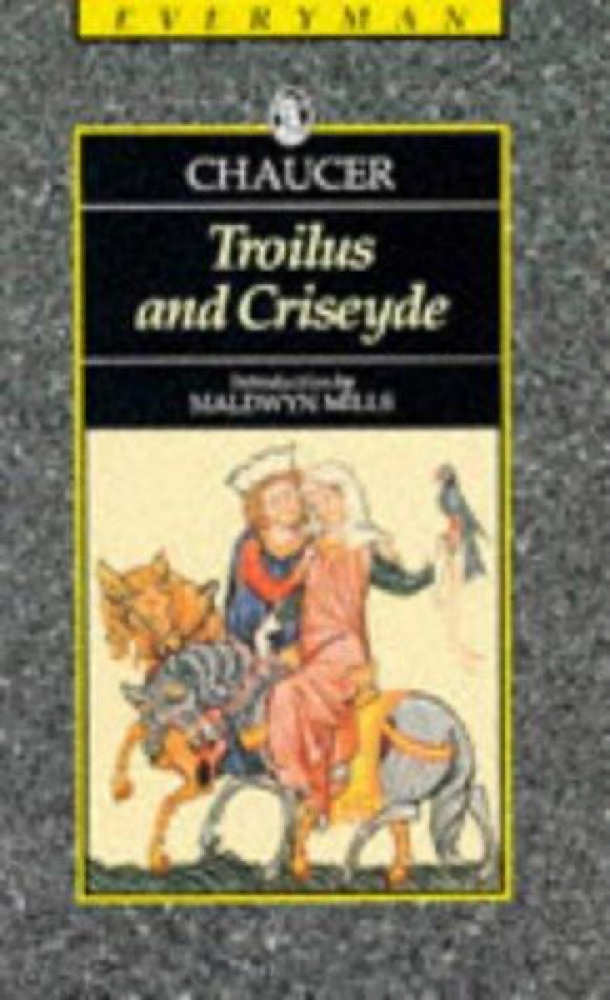
Troilus and Criseyde
About the book
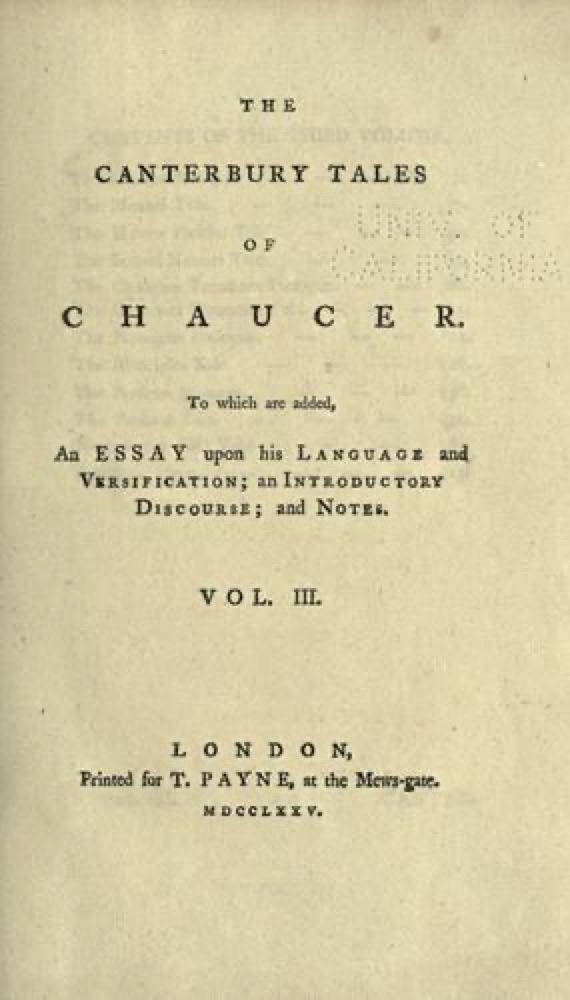
"The Canterbury Tales" is Geoffrey Chaucer's late-fourteenth-century masterwork, a collection of stories written in Middle English between roughly 1387 and 1400 and left unfinished at his death. The work is built around a frame narrative: a company of pilgrims gathers at the Tabard Inn in Southwark before setting off to visit the shrine of Saint Thomas Becket at Canterbury Cathedral. Their host, Harry Bailly, proposes a storytelling contest in which each traveler tells tales along the way, with the teller of the best story judged on "sentence" and "solaas" winning a free meal on the group's return.
Across its roughly two dozen surviving tales, the book ranges widely in tone and genre, from courtly romance and pious legend to bawdy comedy and biting satire. The pilgrims themselves span the medieval social order, and figures such as the Knight, the Miller, the Wife of Bath, the Pardoner, and the Prioress become vivid portraits of their estates. Chaucer uses their voices to probe themes of social class, marriage, religious hypocrisy, gender, and the tension between worldly desire and moral or spiritual ideals.
The Canterbury Tales is regarded as one of the paramount works of English literature and helped establish English, rather than French or Latin, as a literary language. Its lively characterization, formal variety, and frame structure influenced generations of writers, and its opening lines remain among the most recognizable in the English canon. The work survives in numerous manuscripts, and its incomplete state has left scholars debating the intended order and scope of Chaucer's ambitious plan.
Key characters
- The Host (Harry Bailly)Innkeeper who proposes and judges the storytelling contest
- The KnightNoble pilgrim who tells the first tale, a courtly romance
- The Wife of BathMuch-married woman whose prologue and tale explore marriage and female authority
- The MillerDrunken, coarse pilgrim who tells a bawdy comic tale
- The PardonerCorrupt seller of indulgences whose tale condemns greed
- The PrioressGenteel nun who tells a pious religious tale
Book details
- Author
- Geoffrey Chaucer
- Genre
- Classics
- Goodreads rating
- 3.53 (241k ratings) →
- First line
- “Whan that Aprill, with his shoures soote”
Keep reading
 The Complete Works
 Don Juan
 Love's Labour's Lost
 Bring Up the Bodies
 The Satyricon
 King Henry IV, Part 1
 The Pale Horseman
 The Odyssey
 The Faerie Queene
 The History of Tom Jones, a Foundling
 Don Quixote
 The Arabian Nights
 The Great Hunt
 Armadale
 The Fires of Heaven
 Sword & Citadel
 Beowulf
 Ivanhoe
 The Pickwick Papers
 Hard Times
 Our Mutual Friend
 King Solomon's Mines
 The Enchantress of Florence
 Legend
 A Connecticut Yankee in King Arthur's Court
 The Warrior Prophet
 The High King
 The Spanish Tragedy
 The Book of Mirdad: The Strange Story of a Monastery Which Was Once Called the Ark
 Ben-Hur: A Tale of the Christ
 Faust
Faust
 The Virginian
 The Winter King
 Paladin of Souls
 Checkmate
 The Grace of Kings
 The Confusion
 Mythology
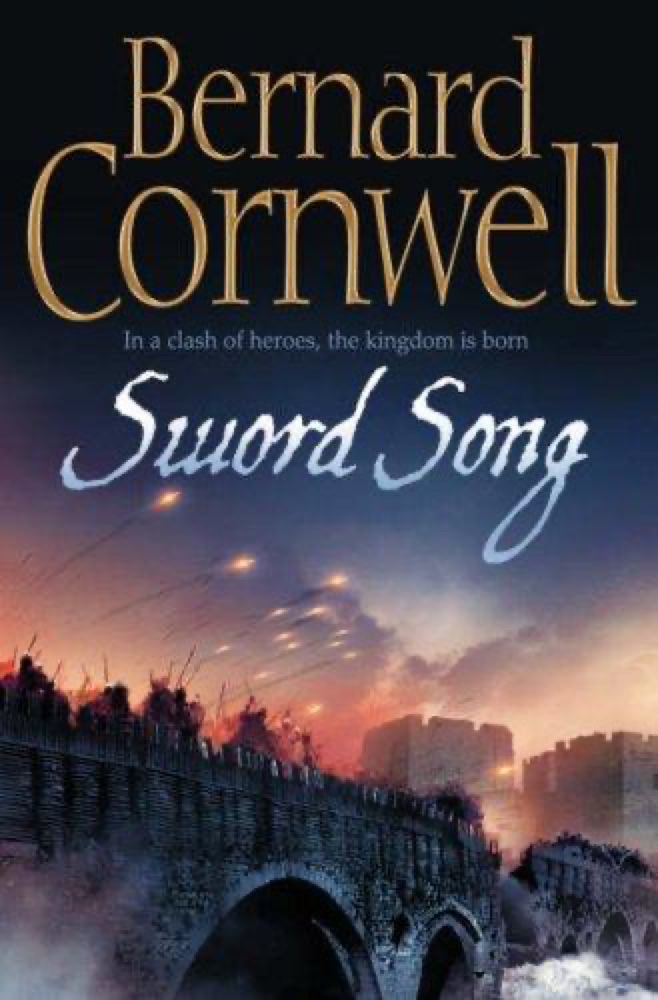 Sword Song
 The Dragonbone Chair
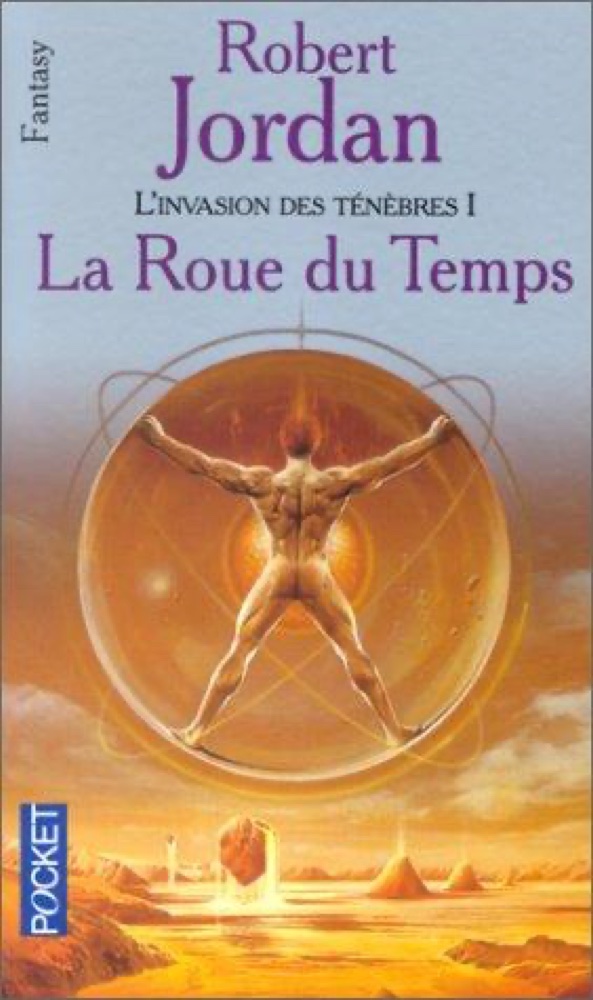 The Eye of the World
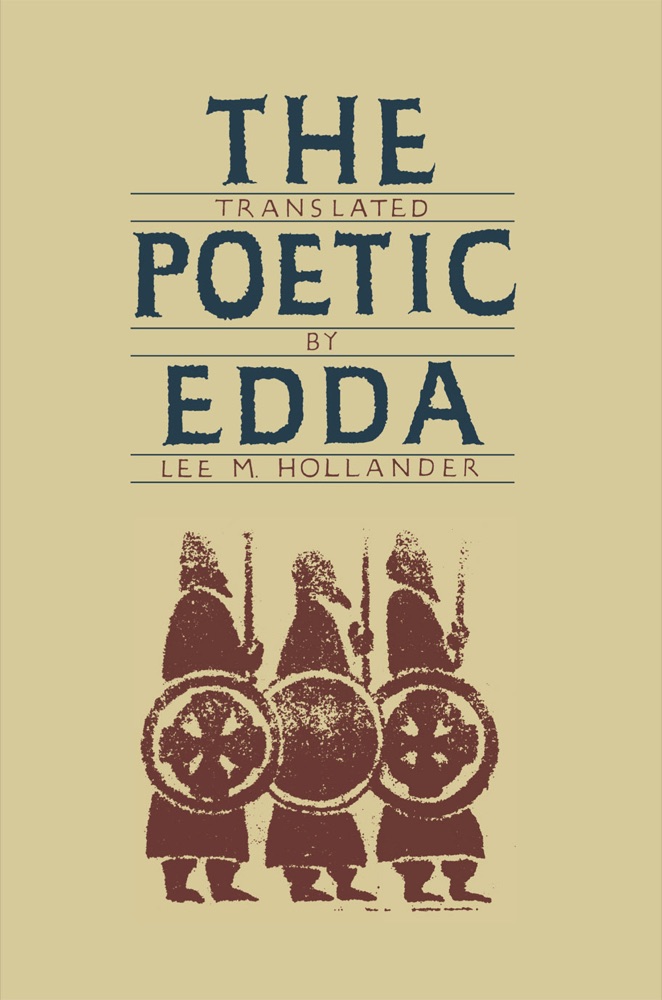 The Poetic Edda
 Lord of Light
 Toll the Hounds
 The Ladies of Grace Adieu and Other Stories
 The Curse of Chalion
 The Ramayana: A Shortened Modern Prose Version of the Indian Epic
 Twenty Years After
 Assassin's Quest
 The Once and Future King
 The Man Who Was Thursday
 When Christ and His Saints Slept
 Framley Parsonage
 Aesop's Fables
 At Swim-Two-Birds
 The Pilgrim's Progress
 Perelandra
 Complete Poems
 Cuckold
 The Pillars of the Earth