
 Holy Bible: ESV Bible
Quotes from the Book
Since thou wilt not remain here, chieftain, thou shalt receive the boon whatsoever thy tongue may name, as far as the wind dries, and the rain moistens, and the sun revolves, and the sea encircles, and the earth extends; save only my ship; and my mantle; and Caledvwlch, my sword; and Rhongomyant, my lance; and Wynebgwrthucher, my shield; and Carnwenhau, my dagger; and Gwenhwyvar, my wife
So they took the blossoms of the oak, and the blossoms of the broom, and the blossoms of the meadow-sweet, and produced from them a maiden, the fairest and most graceful that man ever saw. And they baptized her, and gave her the name of Blodeuwedd.
often dost thou utter that with thy tongue which thou wouldst not make good with thy deeds.
And then Gwalchmai said, ‘No one should distract an ordained knight from his thoughts in a discourteous way, for perhaps he has either suffered a loss or he is thinking about the woman he loves best.
At that time Math son of Mathonwy could not live unless his feet were in the lap of a virgin, except when the turmoil of war prevented him.
So they declared a new emperor. And he sent a threatening letter to Maxen. However, it was not so much a letter as ‘If you come and if you ever come to Rome!’ That letter and the news came to Maxen in Caerllion. And from there he sent a letter to the man who claimed to be emperor of Rome. There was in that letter, too, nothing but ‘If I go to Rome, and if I go!
Watch on YouTube
About Unknown
We have collected 3744 quotes from 245 books by Unknown on BookQuoters.
More about the author →More by Unknown
Holy Bible: ESV Bible
 Holy Bible, NKJV
 The New Oxford Annotated Bible: New Revised Standard Version
 Hagakure: The Book of the Samurai
Book details
- Author
- Unknown
- Genre
- Classics
- Goodreads rating
- 3.92 (9k ratings) →
Keep reading
 The Canterbury Tales
 Le Morte d'Arthur: King Arthur and the Legends of the Round Table
 The Empty Throne
 Beowulf
 The Pale Horseman
 Lords of the North
 Fire & Blood
 The Faerie Queene
 The Hero and the Crown
 King Henry IV, Part 1
 Idylls of the King
 Sir Gawain and the Green Knight
 Ivanhoe
 The Sunne in Splendour
 A Knight of the Seven Kingdoms
 The Poetic Edda
 A Dance with Dragons
 The Hallowed Hunt
 Devil's Brood
 The Mists of Avalon
 The Return of the King
 The Great Hunt
 Windwitch
 Paladin of Souls
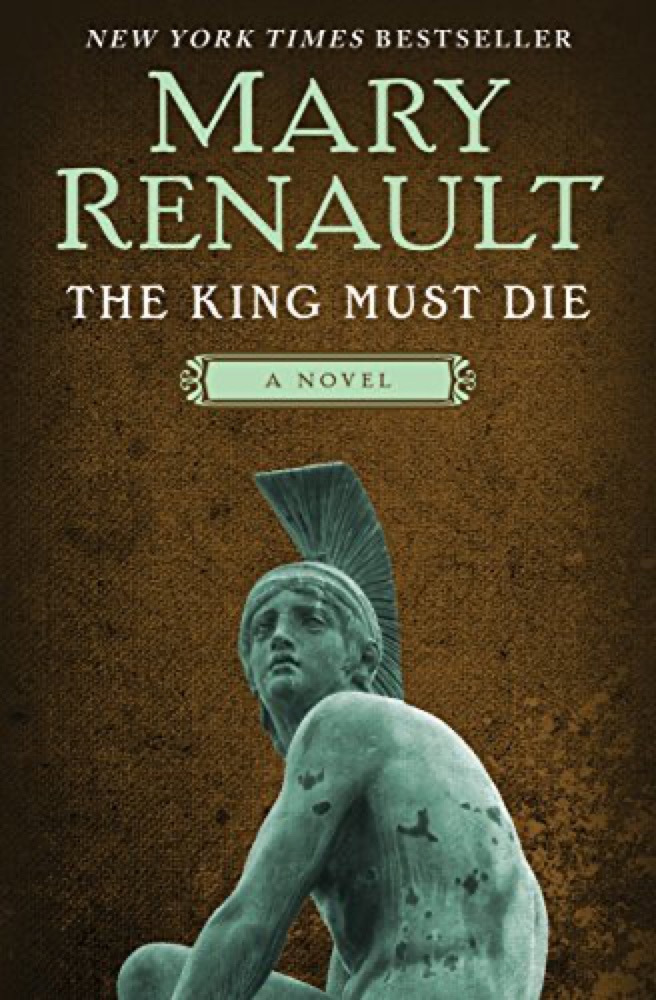 The King Must Die
 King Henry VI, Part 3
 The Ballad of the White Horse
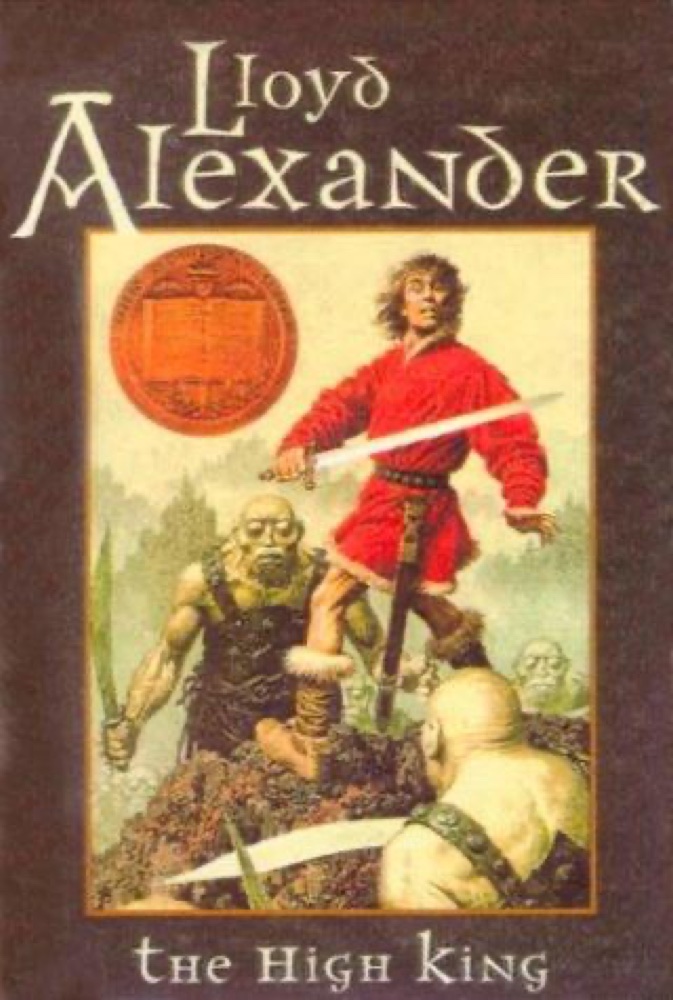 The High King
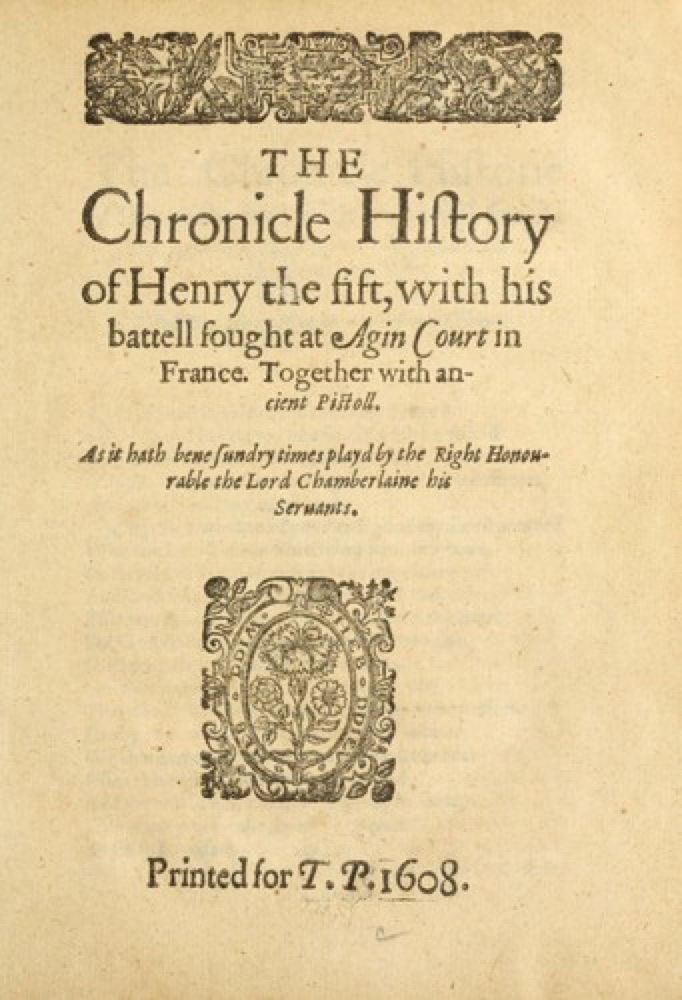 Henry V
 Saint Peter's Fair
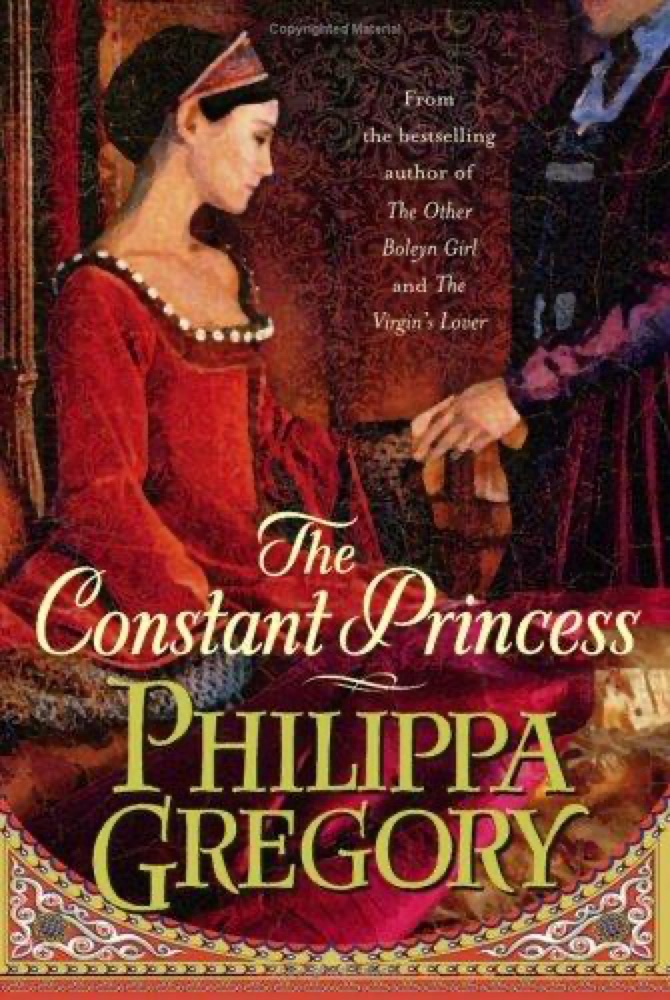 The Constant Princess
 The History of the Kings of Britain
 Castle of Wizardry
 The Fires of Heaven
 One Corpse Too Many
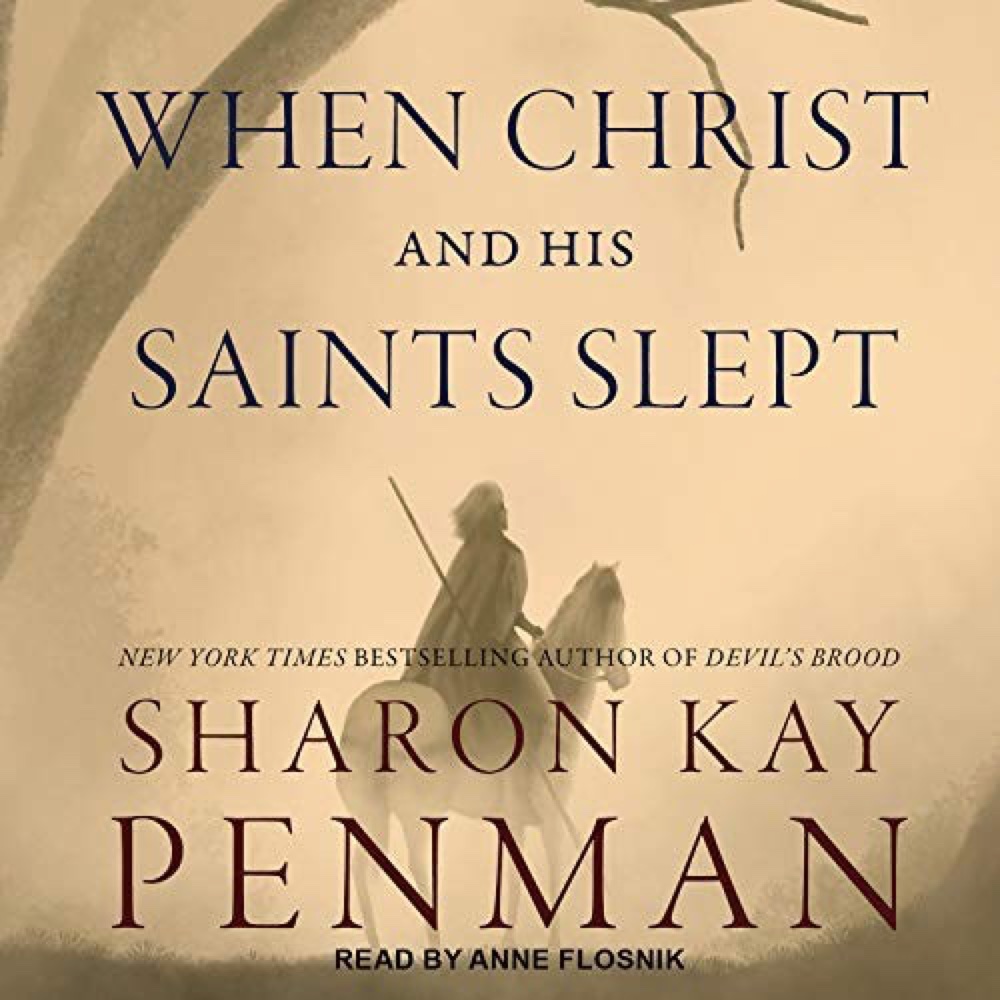 When Christ and His Saints Slept
 Quintana of Charyn
 Finnikin of the Rock
 The Disorderly Knights
 The Warrior Prophet
 Mythology
 Sword of Destiny
 Grimm's Complete Fairy Tales
 Njal's Saga
 The Children of Húrin
 The Gallows Curse
 A Crown of Swords
 The Bright Sword
 The Black Cauldron
 The Acts of King Arthur and His Noble Knights
 The Silmarillion
 Blood of Elves
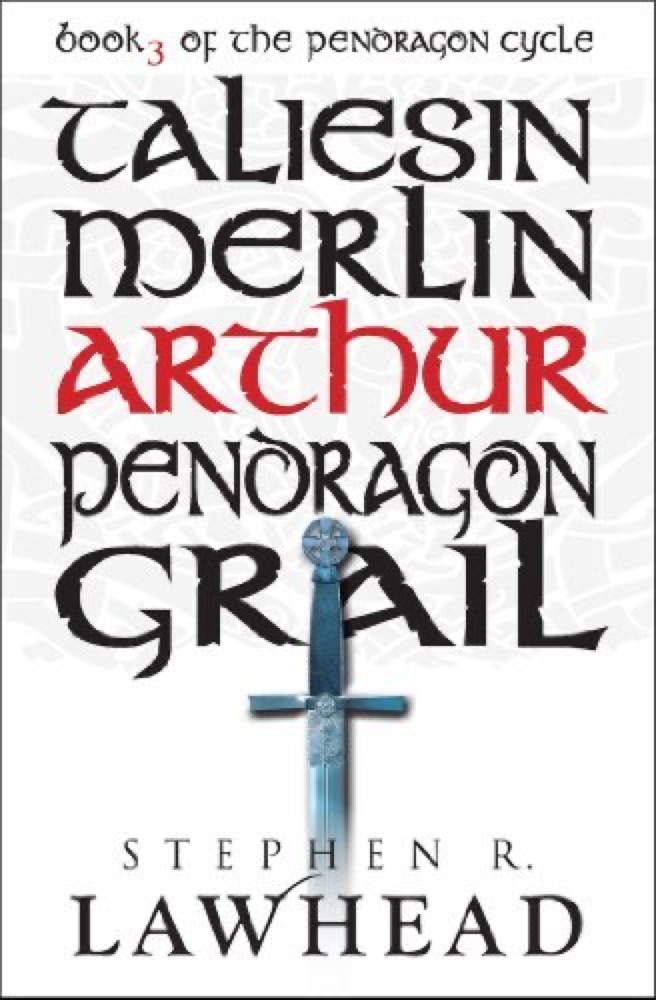 Arthur
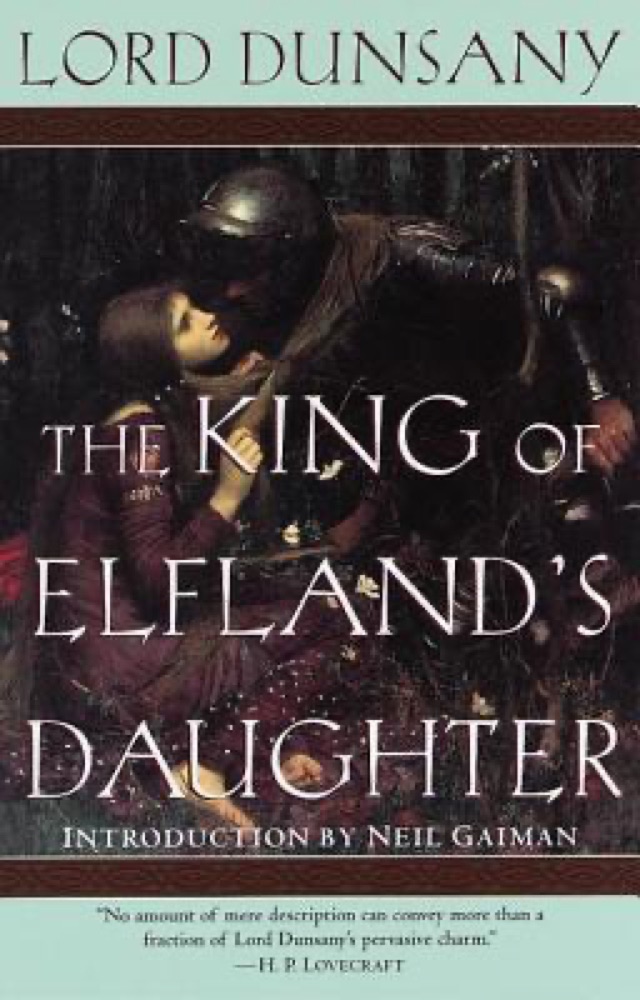 The King of Elfland's Daughter
 The Romance of Tristan and Iseult
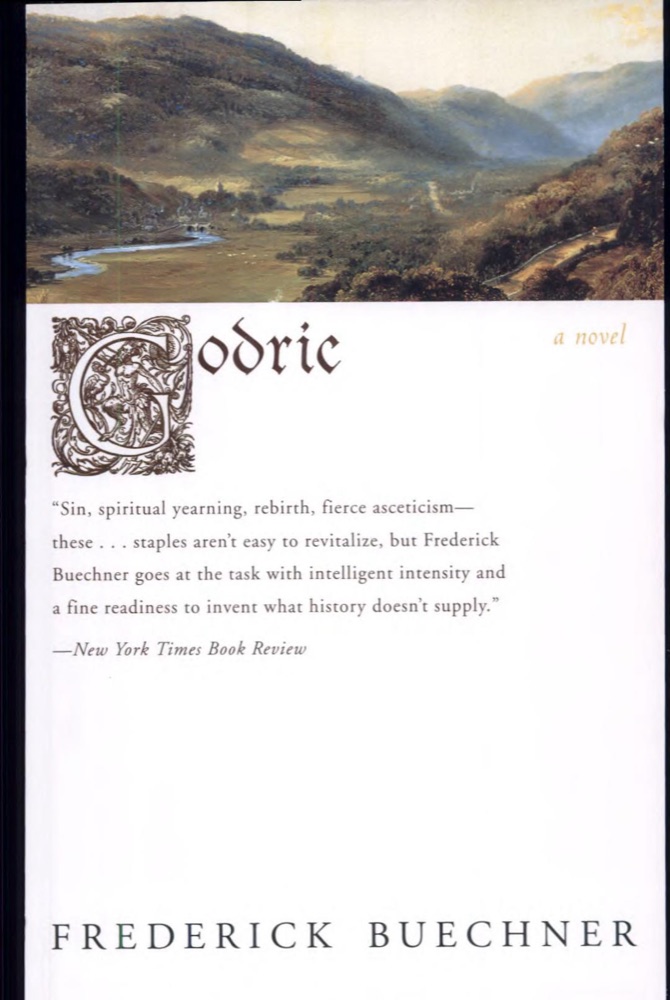 Godric
 The Blacktongue Thief
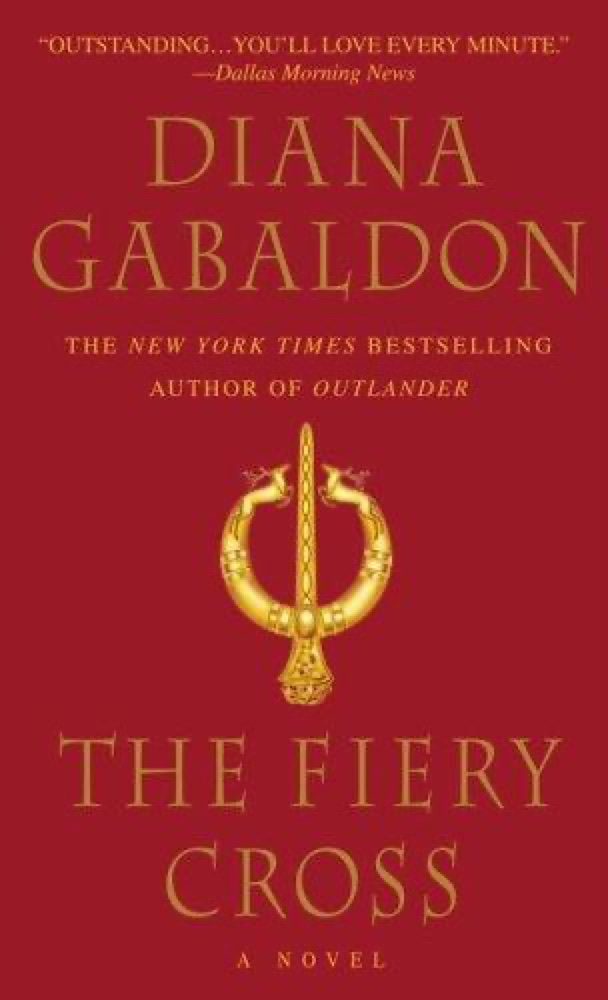 The Fiery Cross
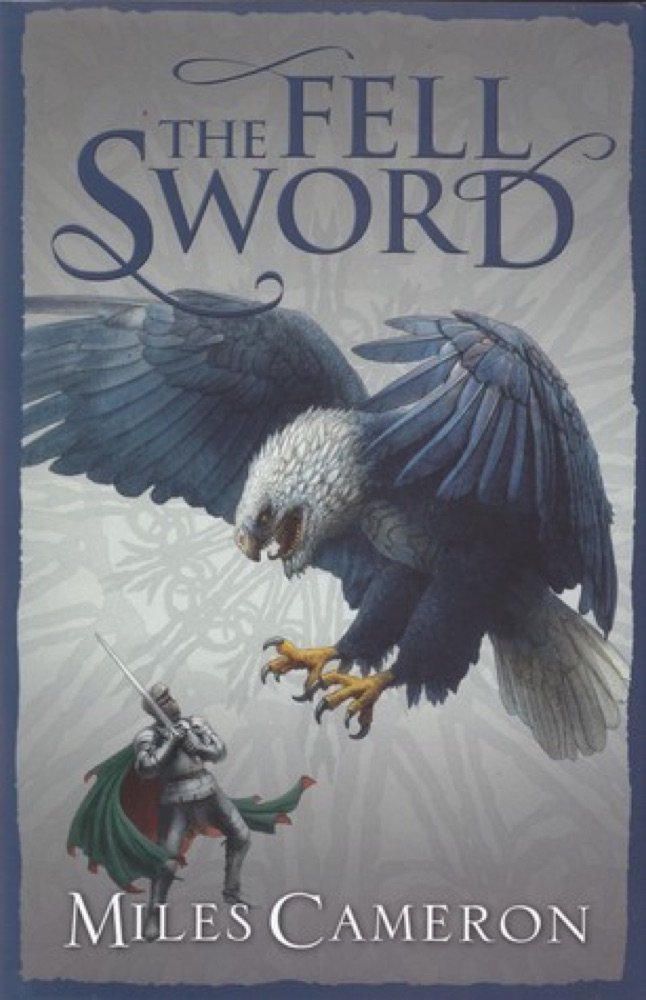 The Fell Sword
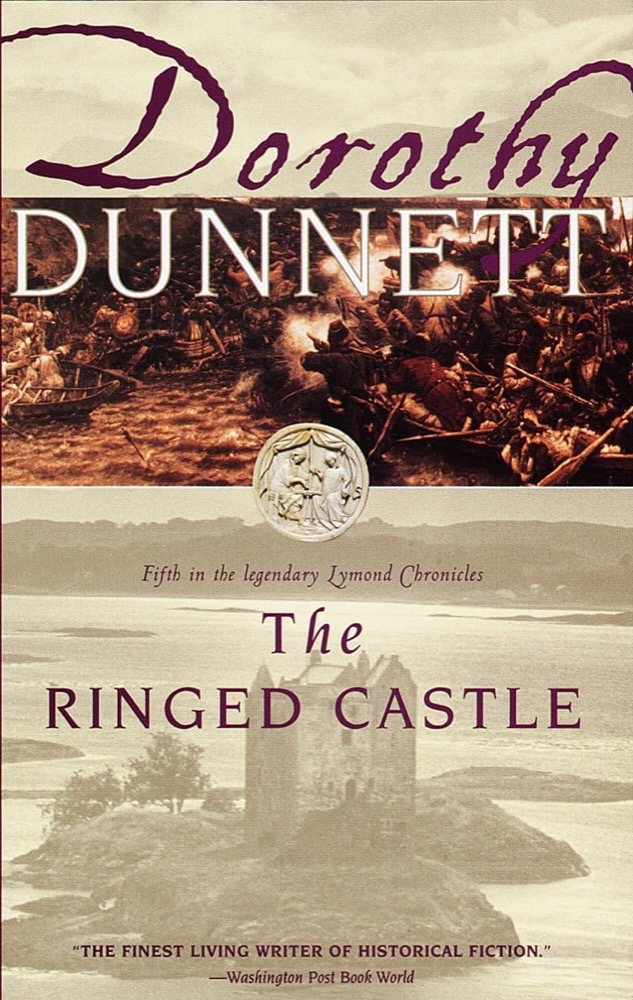 The Ringed Castle