
 Year of Wonders
Quotes from the Book
the greatest cruelty of madness is the power it has to blot out a person.
9
It is one thing to know what is to come. It is another thing to confront it.
3
He gave himself fully to the penitent life, fasting, praying, confessing his wickedness and execrating himself in public. He became a better man in the small matters of his days, an even better, wiser king in the great matters of state.
3
When the madness came, he would be like a man staggering along the rim of the abyss – which was his rage – and when the edge gave way or he missed his step, he might clutch at anyone within reach and drag that person with him over the precipice.
3
I knew that the Name was still with him, animating his soul, even as his body failed.
2
The common soldiers did not blame him for his excessive grief. They knew him. They knew his flaws. Indeed, I think they loved him all the more because he was flawed, as they were, and did not hide his passionate, blemished nature.
2
In the heir's world, where everything was available, the unattainable had a wild allure.
2
I ceased to serve a king and began, instead, to serve a kingdom.
2
I understood that I was being shown the future: shards of what would come to be. Often, I cried out for the pain of it. But other times, I was comforted, because I saw, for an instant, the pattern of the whole.
2
One did not need to penetrate David's secret counsels or insinuate a man in his bodyguard. All one needed was a pair of years and access to the royal precincts. Just to eavesdrop upon his singing was to develop an accurate idea of his state of mind.
2
As wars dwindled to skirmishes and our strength grew, so David was able to spend less time with military commanders and more with the engineers and overseers who were fanning out throughout the land, digging cisterns, making roads, fortifying, connecting, and generally making a nation out of our scattered people.
2
Men raised in a culture of blood revenge do not change in a day.
2
He is able to put aside personal feelings and see the broad strokes. Experience counts in these things.
2
The wiles of a veteran turned the younger man's own gift of speed against him.
2
Being a father, having an heir, seem to add an extra dimension to David. He had always been of vivid, animating presence in any room he entered. But now he would come from visiting the boy crackling with even greater energy and force. He had been engaged listener, ready to learn what any man might have to offer in discussion, but now there was an additional depth to his questions, a more far-reaching vision behind his decisions. He thought now beyond the span of years, and into a future that glistened ahead into centuries. It's one thing, I suppose, to have a prophet tell you that you will found a dynasty. Now, it seemed, he allowed himself to truly believe it.
2
And he exercised uncommon tact with his men, meeting them where they stood, rather than demanding that they always be the ones accommodating themselves. I have learned over time that this quality is rare in any man, even more so in a leader.
2
He said that the music—its order and precision—helped him find the patterns in things—the way through the confusion of events and opinions to direction, to order, and beyond, to inspiration.
2
By the time the seasons turned through four more reapings, he had been crowned king of Yudah. By the time I was counted a man, he had added the crown of the kingdom of Israel
2
can see what others cannot see, but sometimes I miss what is apparent to the dimmest simpleton.
1
I looked at Batsheva and suddenly felt as I had throughout that long night after I'd returned from Beit Lehem, when I sat up waiting for some stillborn vision. I knew now why I felt so ill that night. All through that vigil, he had been raping her. And I had let myself call it a seduction. As I looked at her now, I was shamed by my own thoughts. In a way, I, too, had violated her.
1
It was the first time I saw the pearly moon rise over these walls, where the rough-hewn siege ladders leaned all askew in the aftermath of the battle, some rungs splintered under the rush of the ascent. David stood on the ramparts, his arms outstretched on either side of him, the blood and dirt of the fighting crusted on his skin. The night wind lifted his sweat-dampened hair. His face was smeared with grime and flecked with blood, but it was radiant. He turned to me, smiling. 'Here, it begins,' he said.
1
I pushed the thought away. Doubt was like rot. Excise it at the first speckling, the first stain, the first faint stench of decay. But then—I suppose because my mind was on the wine—I thought of that other kind of rot, the soft gray fungus that sometimes afflicts the late grape harvest if the air turns unexpectedly moist. That rot causes the grapes to yield up a heavy, viscous juice of stupendously rich flavor. The wine pressed from such grapes was the best of all. Maybe doubt was like that sometimes. Maybe it, too, could yield rich fruit. Perhaps, then, it was right to doubt. Perhaps I had a right to doubt.
1
All women’s lives are like that, I told myself, as I climbed the stair that led to the better-appointed rooms of the king’s house. Which of them ever is mistress of her own destiny? Highborn or peasant, it makes no difference. At least David hadn’t had her flogged or killed, as another king might have done. But now that I had heard the tale of her life in her own words, my heart ached for her.
1
Another general would have let them go and been glad of it. But he saw that if they secured that high ground they might regroup and come at us again, this time with their archers positioned to advantage. So he called us to ranks with a curdling cry. I glimpsed his face through the crowd of men. It was bloodied, dirt-streaked, avid. Then he turned, fist to the sky, and sprinted. He set the pace for the fleetest of his runners, youths who could give him a decade. Even uphill, he seemed to fly over the loose stones that slid out from underfoot and left me skidding and swearing. I fell behind, and lost sight of him. Others—younger men, better fighters—overtook me, swarming to him, compelled by his courage. When I finally glimpsed him again, he was above me on a long, slender ridge, in the thick of fierce fighting. Trying to narrow the distance between us, I lost my footing entirely on the uncertain ground. I slipped. Metal, leather and flesh scraped against rough limestone that bit like snaggleteeth. I could not control my fall until I planted my foot into something that gave softly under my weight. The man had been attempting to crawl away, dragging himself with his remaining hand while a slime of blood pulsed from the stump of his sword arm. My boot, mashing his neck flat into stone, had put an end to that. When I lifted my foot, the man gave a wet gargle, and was still. I scraped the mess off my boot onto the nearest rock and went on. When I reached the ridge, the king was making an end of another fighter. He was up close, eye to eye. His sword had entered just above the man’s groin. He drew it upward, in a long, slow, arcing slash. As he pulled the blade back—slick, dripping—long tubes of bowel came tumbling after. I could see the dying man’s eyes, wide with horror, his hands gripping for his guts, trying to push them back into the gaping hole in his belly. The king’s own eyes were blank—all the warmth swallowed by the black stain of widening pupils. David reached out an arm and pushed the man hard in the chest. He fell backward off the narrow ledge and rolled down the slope, his entrails unfurling after him like a glossy ribband. I was engaged myself then, by a bullnecked spearman who required all my flagging strength. He was bigger than me, but clumsy, and I used his size against him, so that as I feinted one way, he lunged with his spear, overbalanced and fell right onto the dagger that I held close and short at my side. I felt the metal grating against the bone of his rib, and then I mustered enough force to thrust the tip sharply upward, the blade’s full length inside him, in the direction of his heart. I felt the warm wetness of his insides closing about my fist. It was intimate as a rape.
1
But the stories that grow up around a king are strong vines with a fierce grip. They pull life from whatever surfaces they cling to, while the roots, maybe, wither and rot until you cannot find the place from which the seed of the vine has truly sprung. That was my task: to uncover those earliest roots. And he had directed me to the seedbed.
1
And he’d grown as a cactus grows, bitter and prickly and tough enough to survive what came his way.
1
man will silence the voice of his conscience when it suits him to commit sin. But
1
Eved hamalek. The servant of the king.
1
But as I have resolved to set down a full account here, so I must begin with an honest accounting of myself. That morning, I was afraid.
1
It's remarkable how very many things there are that a king may not do.
1
Watch on YouTube
About Geraldine Brooks
We have collected 178 quotes from 6 books by Geraldine Brooks on BookQuoters.
More about the author →More by Geraldine Brooks
All books by Geraldine Brooks →
About the book
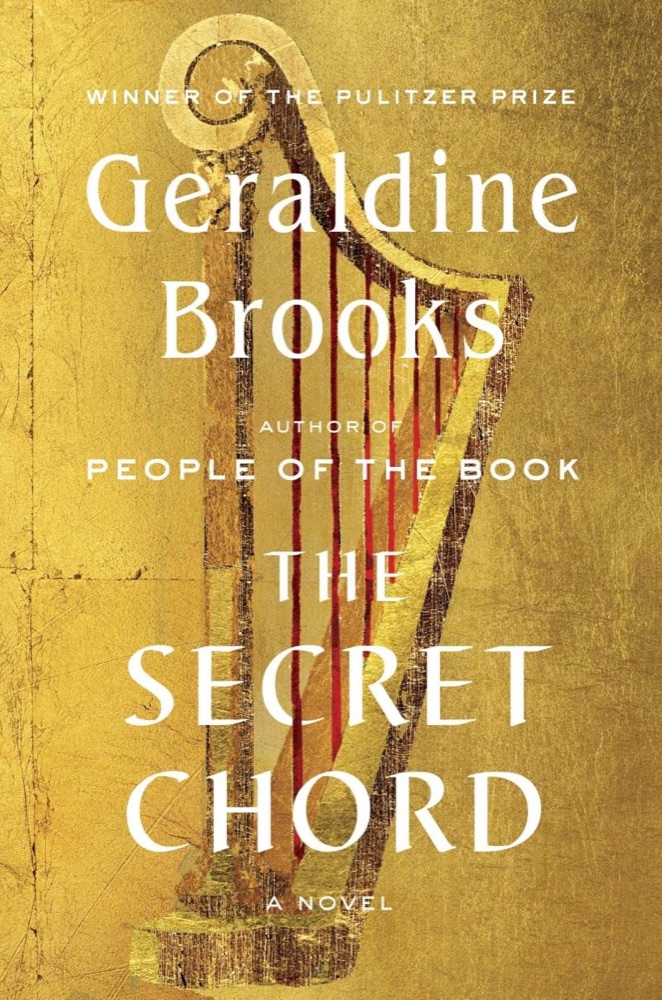
Peeling away the myth to bring the Old Testament's King David to life in Second Iron Age Israel, Brooks traces the arc of his journey from obscurity to fame, from shepherd to soldier, from hero to traitor, from beloved king to murderous despot and into his remorseful and diminished dotage.The Secret Chord provides new context for some of the best-known episodes of David’s life while also focusing on others, even more remarkable and emotionally intense, that have been neglected. We see David through the eyes of those who love him or fear him—from the prophet Natan, voice of his conscience, to his wives Mikhal, Avigail, and Batsheva, and finally to Solomon, the late-born son who redeems his Lear-like old age. Brooks has an uncanny ability to hear and transform characters from history, and this beautifully written, unvarnished saga of faith, desire, family, ambition, betrayal, and power wi
Book details
- First published
- 2015
- Author
- Geraldine Brooks
- Genre
- Historical
- Goodreads rating
- 3.69 (23k ratings)
The buzz
- The New York TimesReview in The New York Timesprofessional review (via Book Marks)
- The Washington PostReview in The Washington Postprofessional review (via Book Marks)
- The Wall Street JournalReview in The Wall Street Journalprofessional review (via Book Marks)
- The GuardianReview in The Guardianprofessional review (via Book Marks)
- NPRReview in NPRprofessional review (via Book Marks)
- The Boston GlobeReview in The Boston Globeprofessional review (via Book Marks)
Keep reading
 The Eyes of the Dragon
 The High King
 The King Must Die
 The Prophets
 New Spring
 The Given Day
 Sackett's Land
 Falls the Shadow
 The Grace of Kings
 The Warrior Prophet
 March
March
 The Pillars of the Earth
 Acacia: The War with the Mein
 Royal Assassin
 The Sweetness of Water
 Messenger
 Lord Jim
 Victory
 The Mirror & the Light
 The Damnation Game
 The Odyssey
 The Hallowed Hunt
 The Persian Boy
 I Am David
 The Brutal Telling
 The Last Kingdom
 The Way of Kings
 The Ministry of Fear
 Ruin
Ruin
 Kidnapped
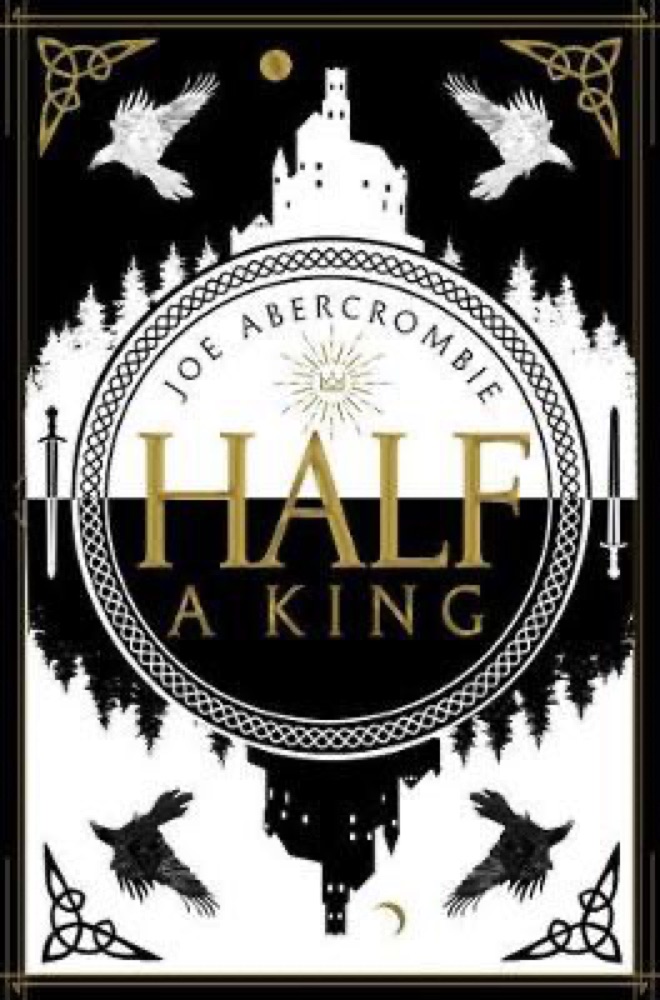 Half a King
 A Conspiracy of Kings
 The Son
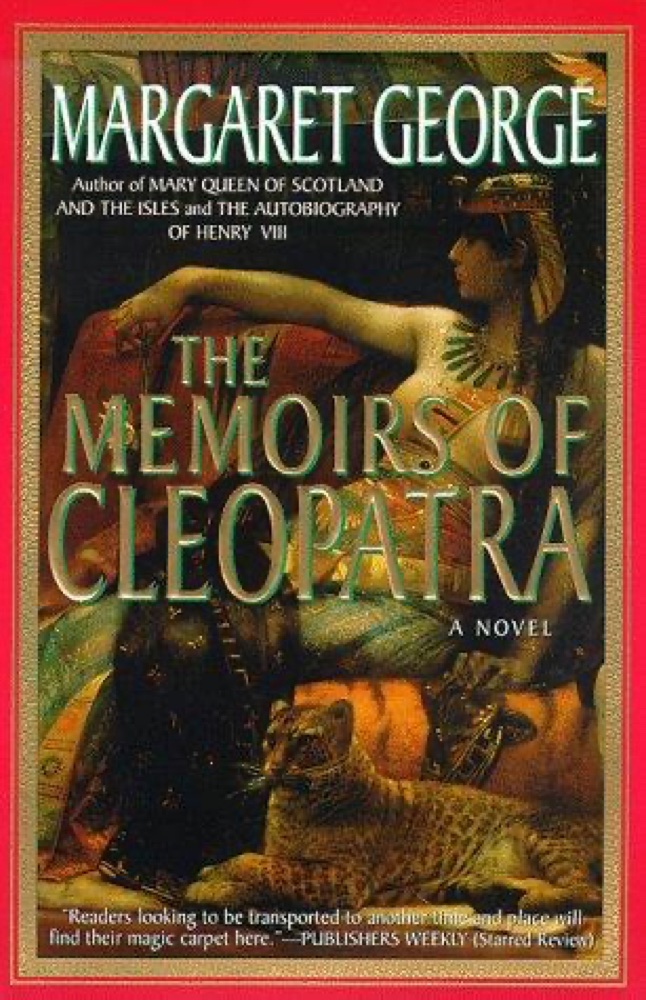 The Memoirs of Cleopatra
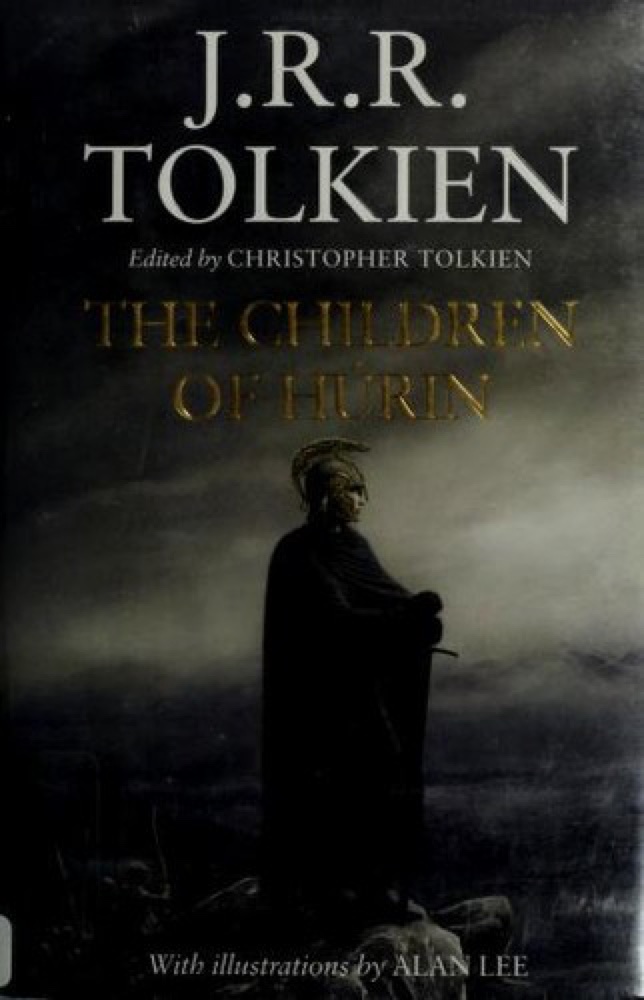 The Children of Húrin
 Towers of Midnight
 The Bright Sword
 The Dragon Reborn
 King Solomon's Mines
 Redemption in Indigo
 The Wolf in Winter
 When Christ and His Saints Slept
 The Blood Mirror
 North! or Be Eaten
 Knots and Crosses
 Go Tell It on the Mountain
 King of Thorns
 The Once and Future King
 The White Luck Warrior
 The Prince and the Pauper
 The Pearl
 Caleb's Crossing
 Khan: Empire of Silver
 Perelandra
 The Well of Ascension
 Hard Times
 The Whisper Man
 Kim
Kim
 The Hour I First Believed
 The Enchantress of Florence