
 The Winter King
Quotes from the Book
Destiny is all, Ravn liked to tell me, destiny is everything. He would even say it in English, “Wyrd biõ ful ãræd.
King Edmund of East Anglia is now remembered as a saint, as one of those blessed souls who live forever in the shadow of God. Or so the priests tell me. In heaven, they say, the saints occupy a privileged place, living on the high platform of God’s great hall where they spend their time singing God’s praises. Forever. Just singing. Beocca always told me that it would be an ecstatic existence, but to me it seems very dull. The Danes reckon their dead warriors are carried to Valhalla, the corpse hall of Odin, where they spend their days fighting and their nights feasting and swiving, and I dare not tell the priests that this seems a far better way to endure the afterlife than singing to the sound of golden harps. I once asked a bishop whether there were any women in heaven. “Of course there are, my lord,” he answered, happy that I was taking an interest in doctrine. “Many of the most blessed saints are women.” “I mean women we can hump, bishop.” He said he would pray for me. Perhaps he did.
The preachers tell us that pride is a great sin, but the preachers are wrong. Pride makes a man, it drives him, it is the shield wall around his reputation... Men die, they said, but reputation does not die.
A leader leads,” Ragnar said, “and you can’t ask men to risk death if you’re not willing to risk it yourself.
What happens to you, Uhtred, is what you make happen. You will grow, you will learn the sword, you will learn the way of the shield wall, you will learn the oar, you will give honor to the gods, and then you will use what you have learned to make your life good or bad.
All those separate people were a part of my life, strings strung on the frame of Uhtred, and though they were separate they affected one another and together they would make the music of my life.
Laughter in battle. That was what Ragnar had taught me, to take joy from the fight.
You will not fight in the shield wall,” my father said. “No, Father.” “Only men can stand in the shield wall,” he said, “but you will watch, you will learn, and you will discover that the most dangerous stroke is not the sword or ax that you can see, but the one you cannot see, the blade that comes beneath the shields to bite your ankles.
Our ancestors,” he went on after a while, “took this land. They took it and made it and held it. We do not give up what our ancestors gave us. They came across the sea and they fought here, and they built here and they’re buried here. This is our land, mixed with our blood, strengthened with our bone. Ours!” He was angry, but he was often angry. He glowered at me, as if wondering whether I was strong enough to hold this land of Northumbria that our ancestors had won with sword and spear and blood and slaughter.
Only the gods tell him what to do, and you should beware of men who take their orders from the gods.
The poets, when they speak of war, talk of the shield wall, they talk of the spears and arrows flying, of the blade beating on the shield, of the heroes who fall and the spoils of the victors, but I was to discover that war was really about food. About feeding men and horses. About finding food. The army that eats wins.
We are all lonely and all seek a hand to hold in the darkness. It is not the harp, but the hand that plays it.
Start your killers young, before their consciences are grown. Start them young and they will be lethal.
Were the Romans Christians?” I asked him, remembering my curiosity at the Roman farm. “Not always,” Ravn said. “They had their own gods once, but they gave them up to become Christians and after that they knew nothing but defeat.
Arrows of insight have to be winged by the feathers of speculation.
I had the arrogant confidence of a man born to battle. I am Uhtred, son of Uhtred, son of another Uhtred, and we had not held Bebbanburg and its lands by whimpering at altars. We are warriors.
I liked those tales. They were better than my stepmother’s stories of Cuthbert’s miracles. Christians, it seemed to me, were forever weeping and I did not think Woden’s worshippers cried much.
I was screaming and hitting at him, but he thought it all so very funny, and he draped me belly down on the saddle in front of him and then he spurred into the chaos to continue the killing. And that was how I met Ragnar, Ragnar the Fearless, my brother’s killer, and the man whose head was supposed to grace a pole on Bebbanburg’s ramparts, Earl Ragnar.
These word-stringers make nothing, grow nothing, kill no enemies, catch no fish, and raise no cattle. They just take silver in exchange for words, which are free anyway. It is a clever trick, but in truth they are about as much use as priests.
There is a thing called the blood feud. All societies have them, even the West Saxons have them, despite their vaunted piety. Kill a member of my family and I shall kill one of yours, and so it goes on, generation after generation or until one family is all dead, and Kjartan had just wished a blood feud on himself. I did not know how, I did not know where, I could not know when, but I would revenge Ragnar. I swore it that night.
And next morning, as my stepmother wept on the ramparts of the High Gate, and under a blue, clean sky, we rode to war. Two hundred and fifty men went south, following our banner of the wolf’s head. That was in the year 867, and it was the first time I ever went to war. And I have never ceased.
I had learned to hide my soul, or perhaps I was confused. Northumbrian or Dane? Which was I? What did I want to be?
It was an unsettling thought, that somehow we were sliding back into the smoky dark and that never again would man make something so perfect as this small building.
I had no idea what I was speaking of, but only knew I must sound confident. Fear might work on a man, but confidence fights against fear. Odda
Forward now. Forward to battle slaughter. Beware the man who loves battle. Ravn had told me that only one man in three or perhaps one man in four is a real warrior and the rest are reluctant fighters, but I was to learn that only one man in twenty is a lover of battle. Such men were the most dangerous, the most skillful, the ones who reaped the souls, and the ones to fear. I was such a one, and that day, beside the river where the blood flowed into the rising tide, and beside the burning boats, I let Serpent-Breath sing her song of death. I remember little except a rage, an exultation, a massacre. This was the moment the skalds celebrate, the heart of the battle that leads to victory, and the courage had gone from those Danes in a heartbeat.
An army, I learned in time, needs a head. It needs one man to lead it, but give an army two leaders and you halve its strength.
War is fought in mystery. The truth can take days to travel, and ahead of truth flies rumor, and it is ever hard to know what is really happening, and the art of it is to pluck the clean bone of fact from the rotting flesh of fear and lies.
There’s war between the gods, Uhtred, war between the Christian god and our gods, and when there is war in Asgard the gods make us fight for them on earth.
Watch on YouTube
About Bernard Cornwell
We have collected 309 quotes from 16 books by Bernard Cornwell on BookQuoters.
More about the author →More by Bernard Cornwell
All books by Bernard Cornwell →
Book details
- Author
- Bernard Cornwell
- Genre
- Fiction
- Goodreads rating
- 4.27 (115k ratings) →
Keep reading
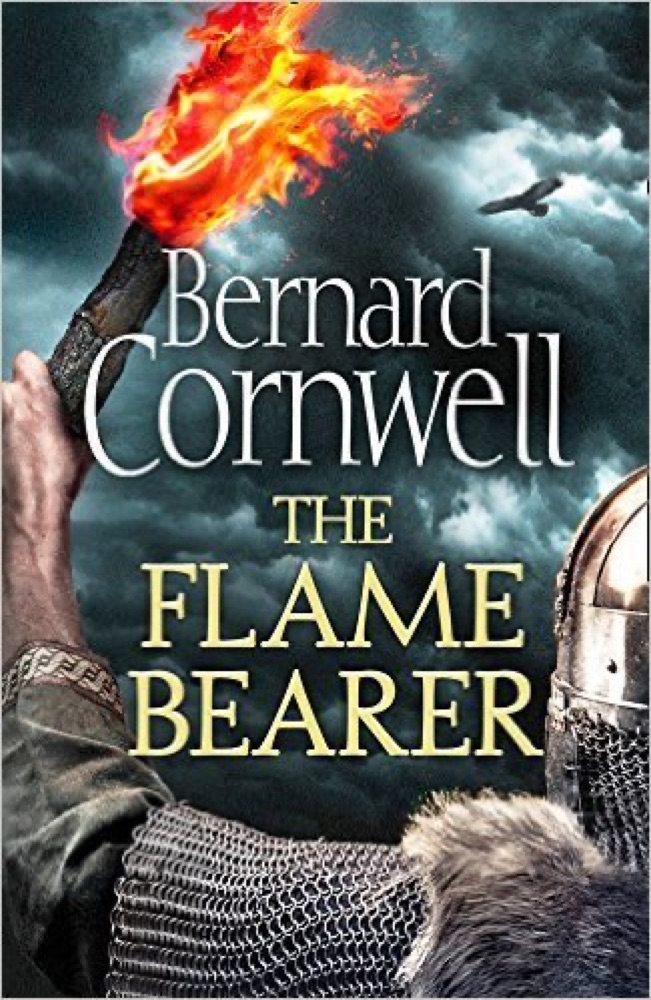 The Flame Bearer
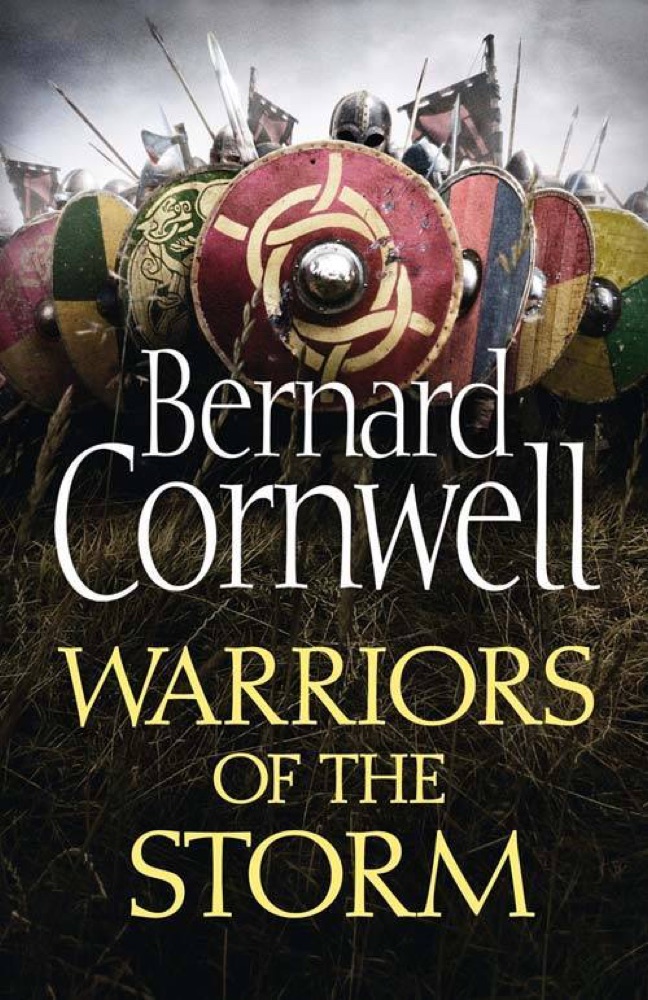 Warriors of the Storm
 Lords of the North
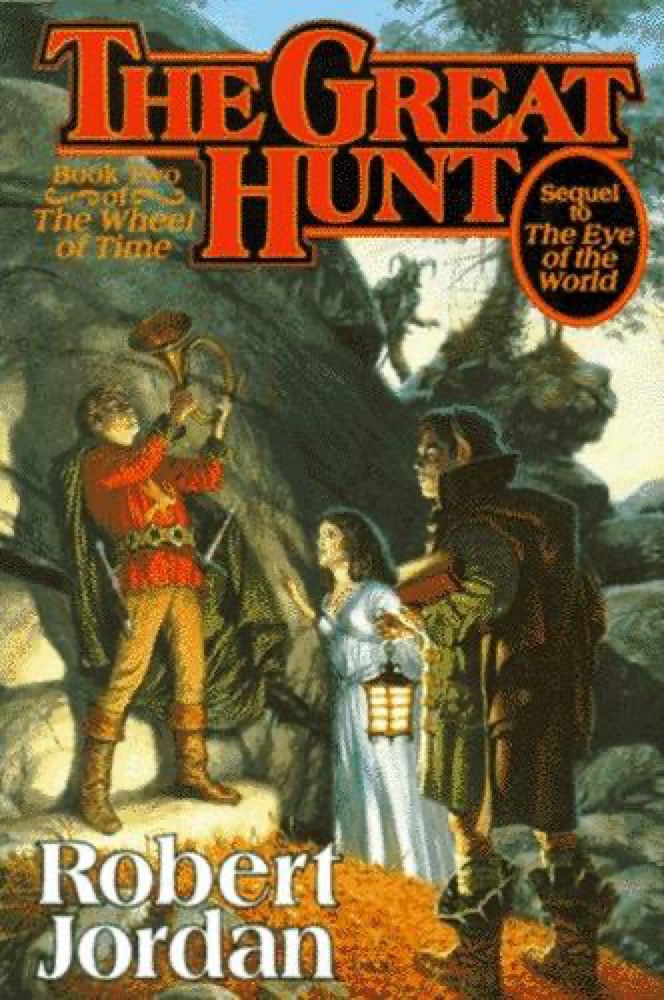 The Great Hunt
 Beowulf
 The Way of Kings
 A Clash of Kings
 The Steel Remains
 Sword & Citadel
 Fire & Blood
 The Fires of Heaven
 The Crippled God
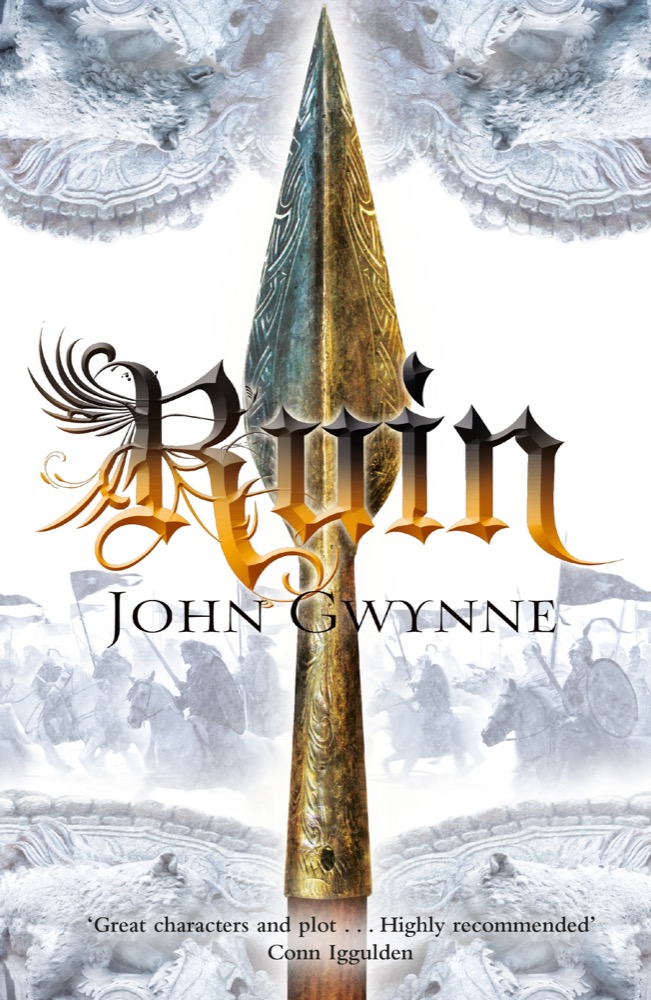 Ruin
Ruin
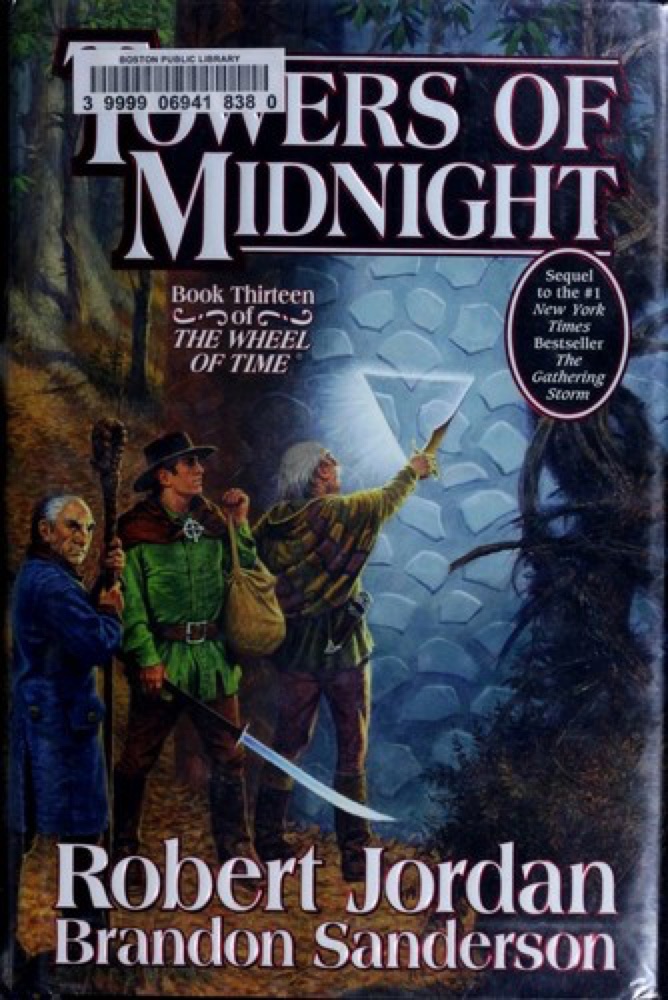 Towers of Midnight
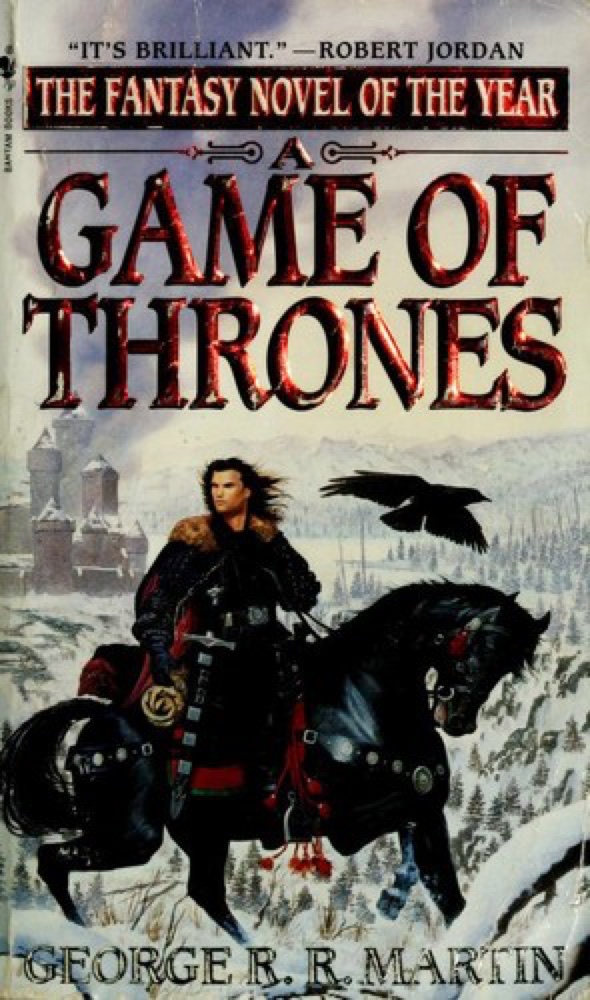 A Game of Thrones
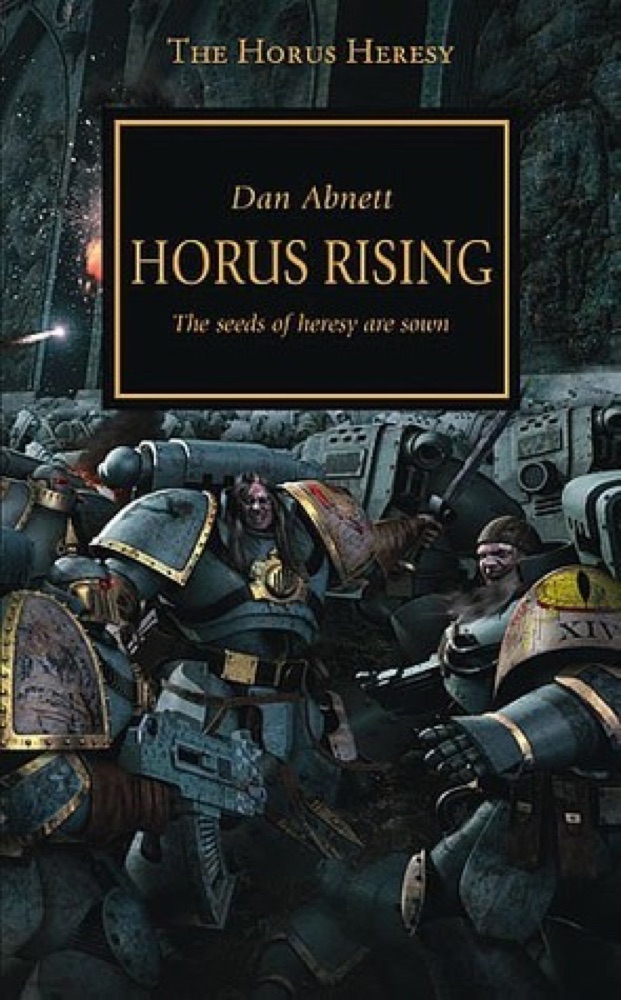 Horus Rising
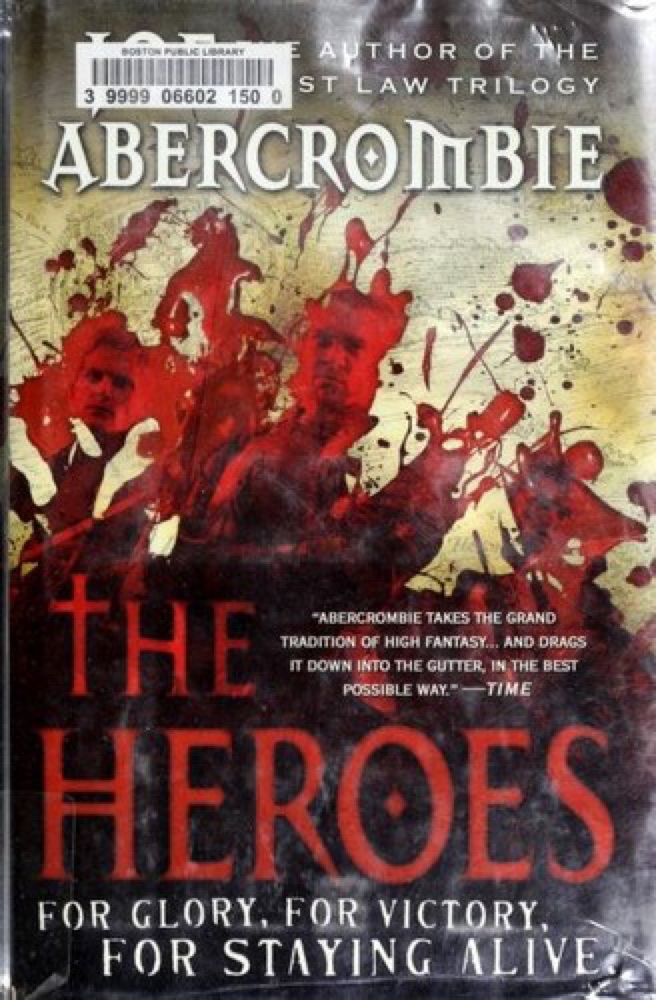 The Heroes
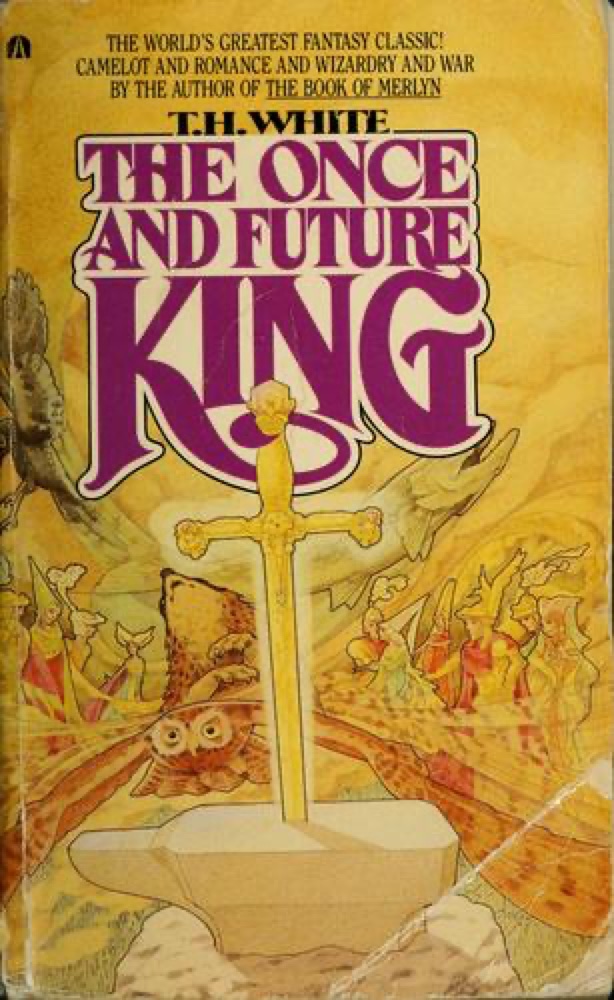 The Once and Future King
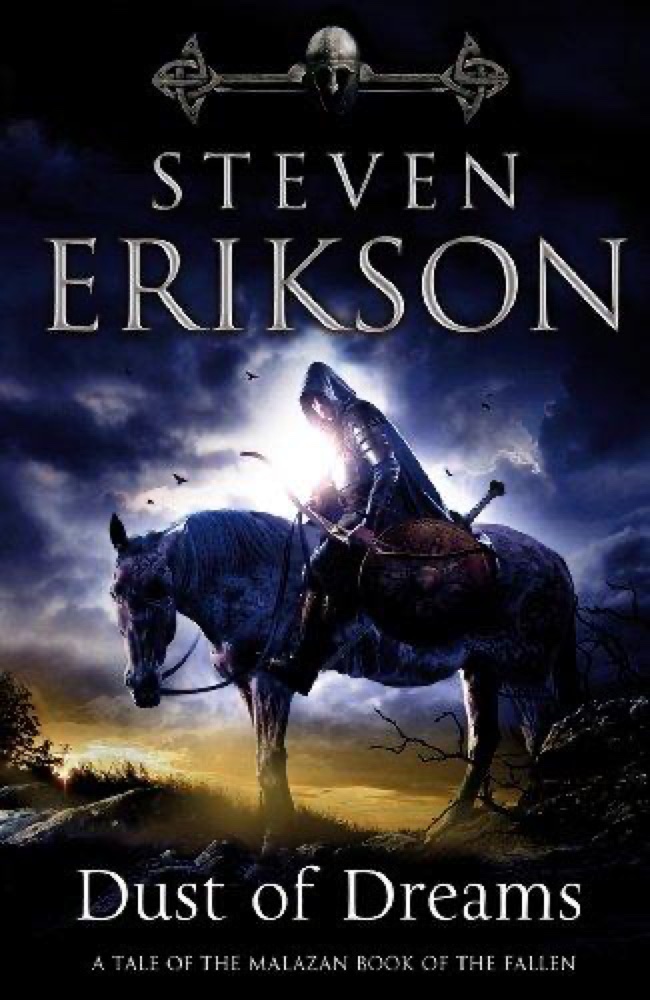 Dust of Dreams
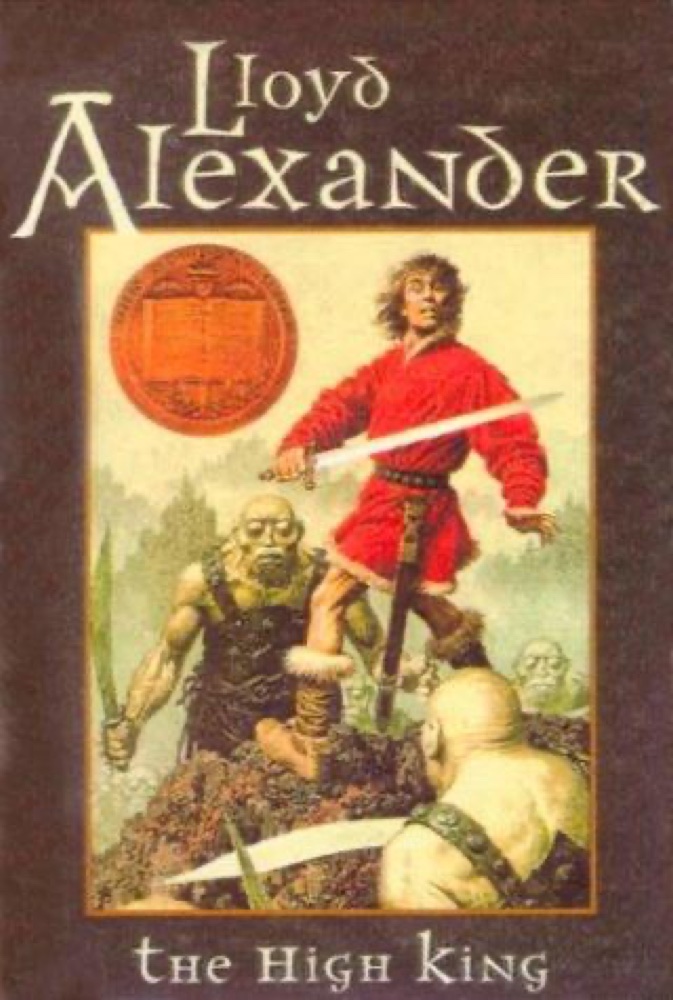 The High King
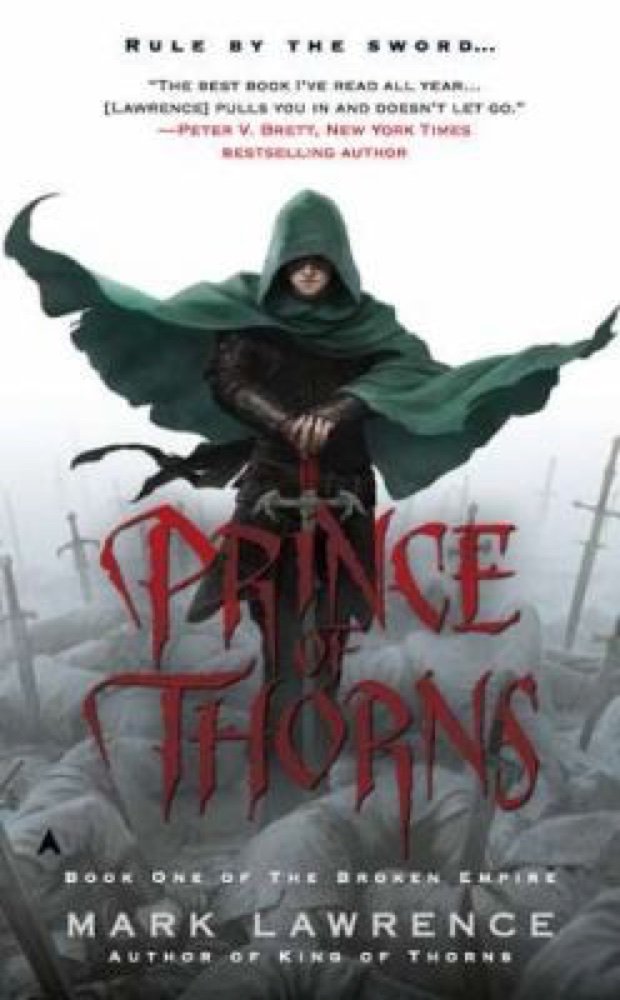 Prince of Thorns
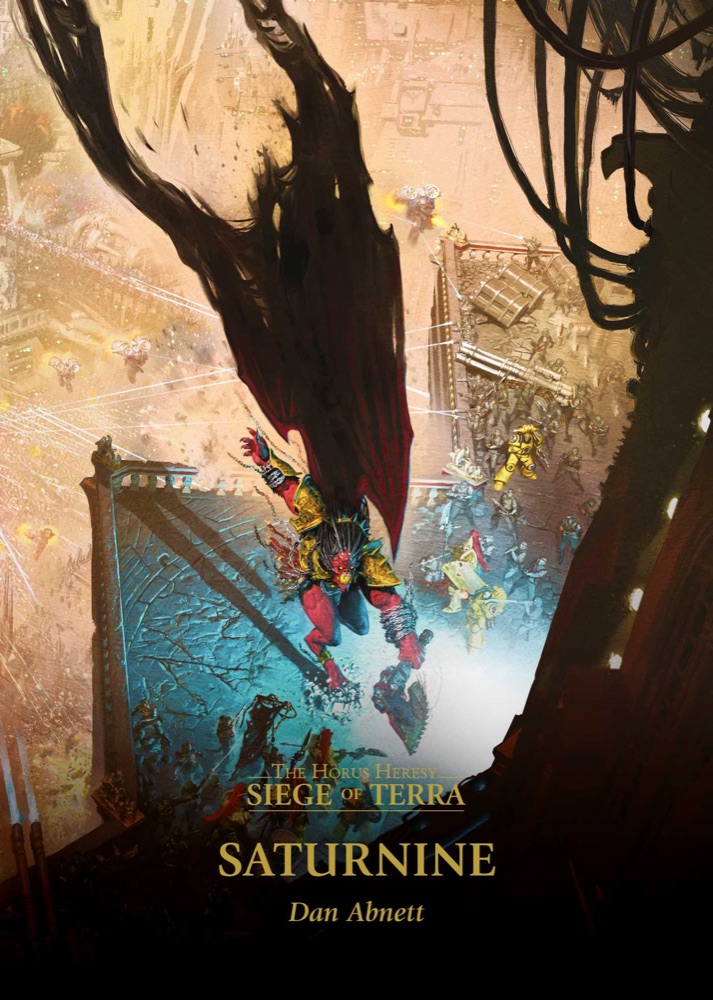 Saturnine
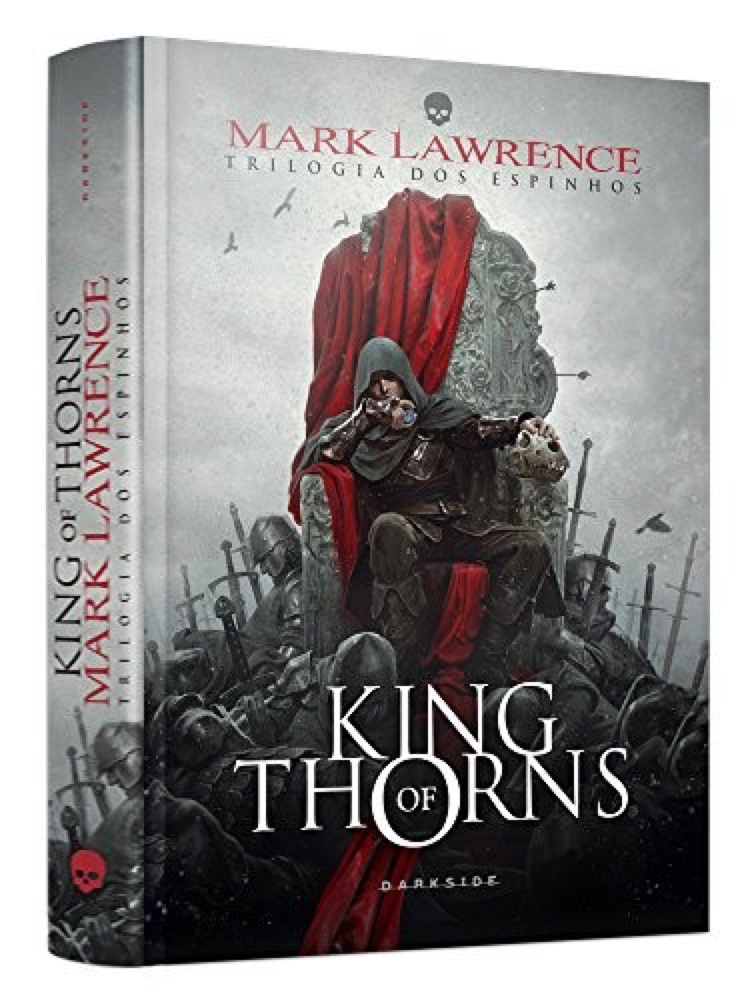 King of Thorns
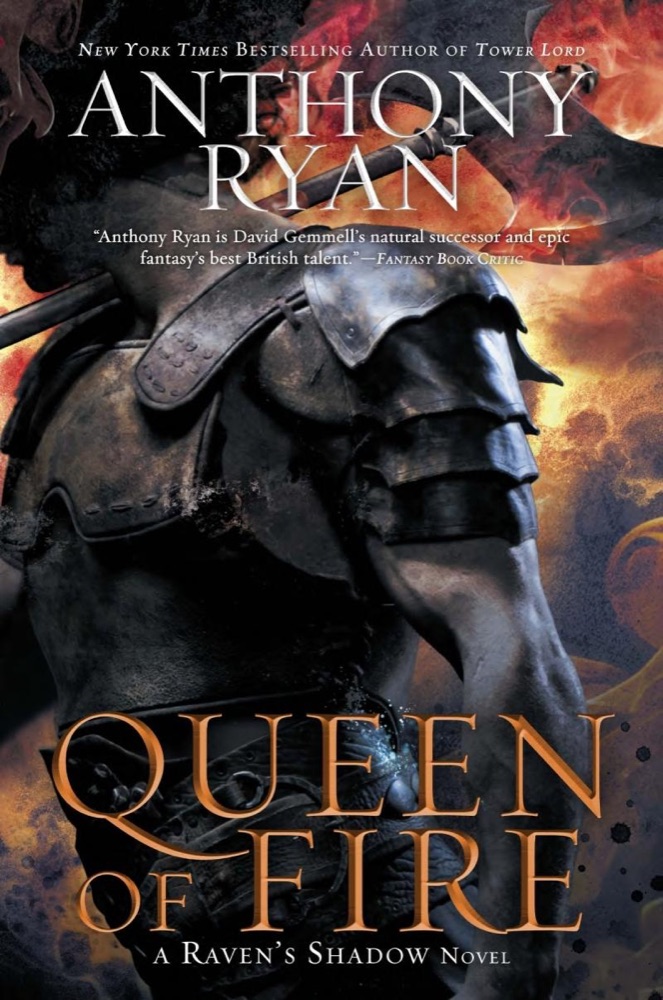 Queen of Fire
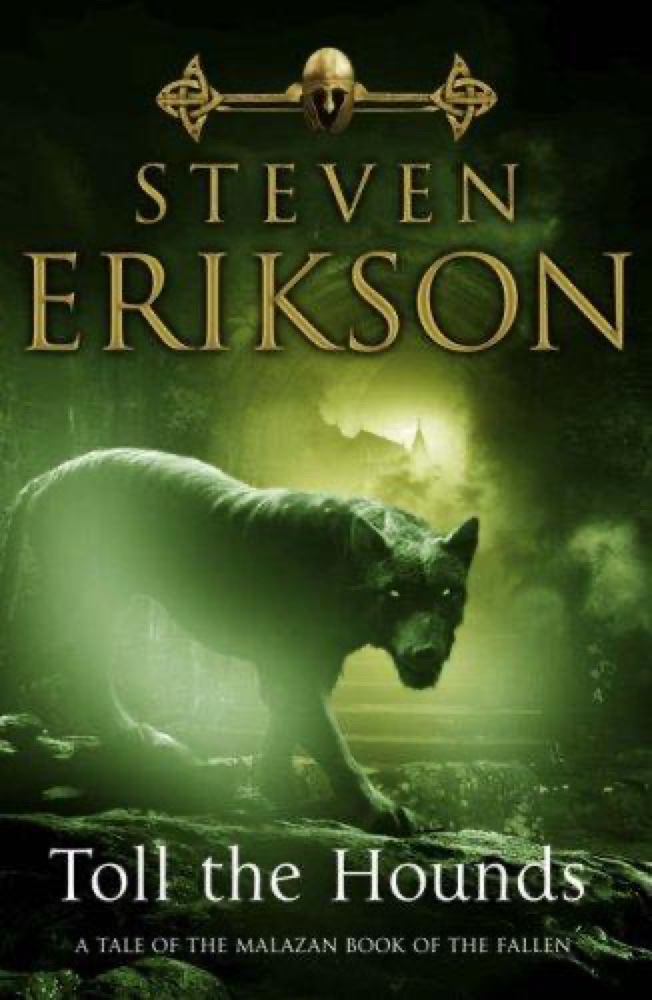 Toll the Hounds
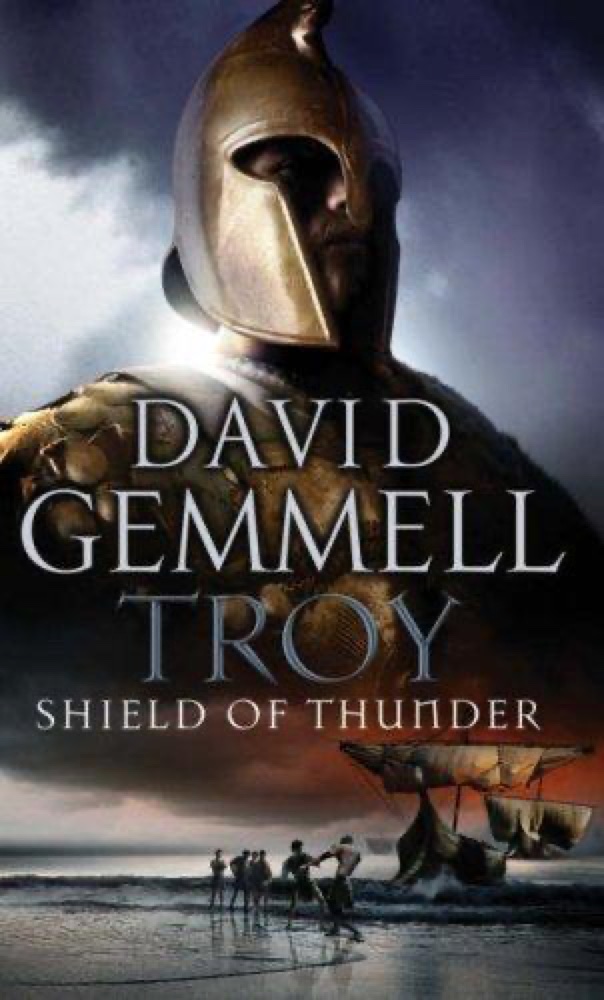 Fall of Kings
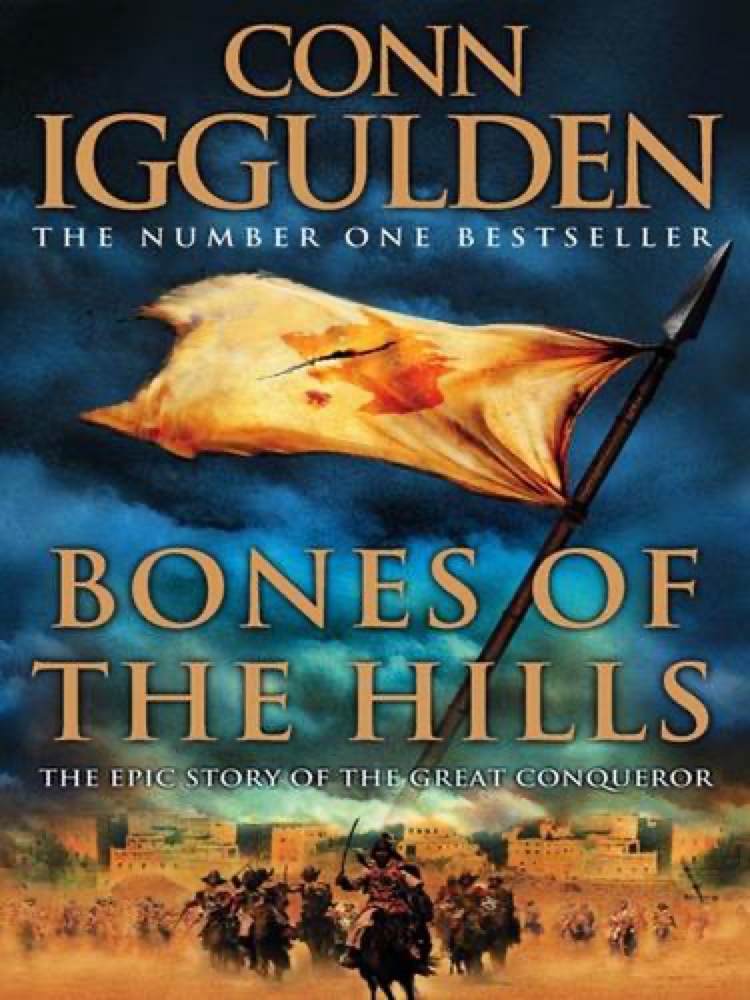 Bones of the Hills
 The Blacktongue Thief
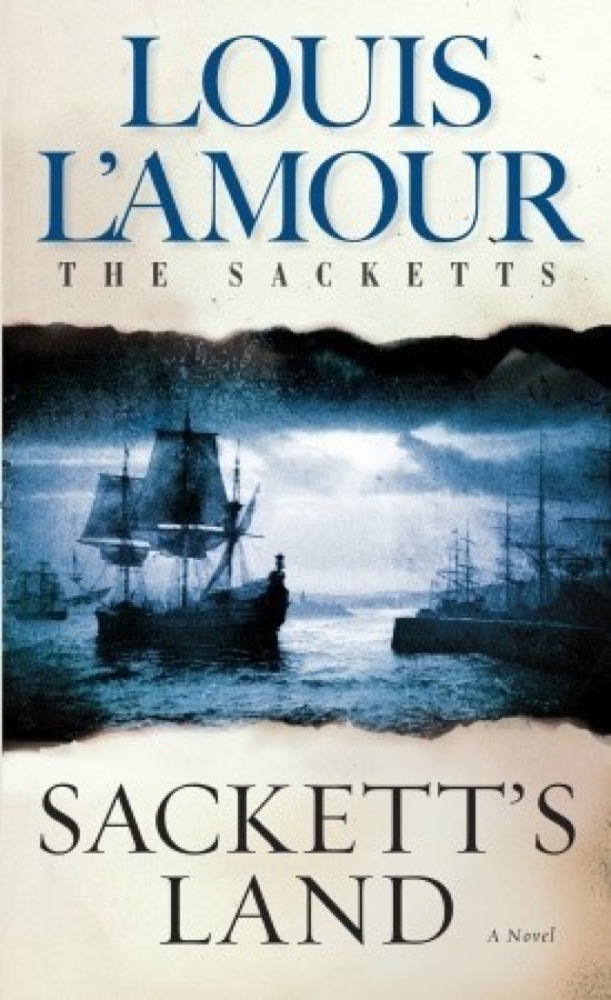 Sackett's Land
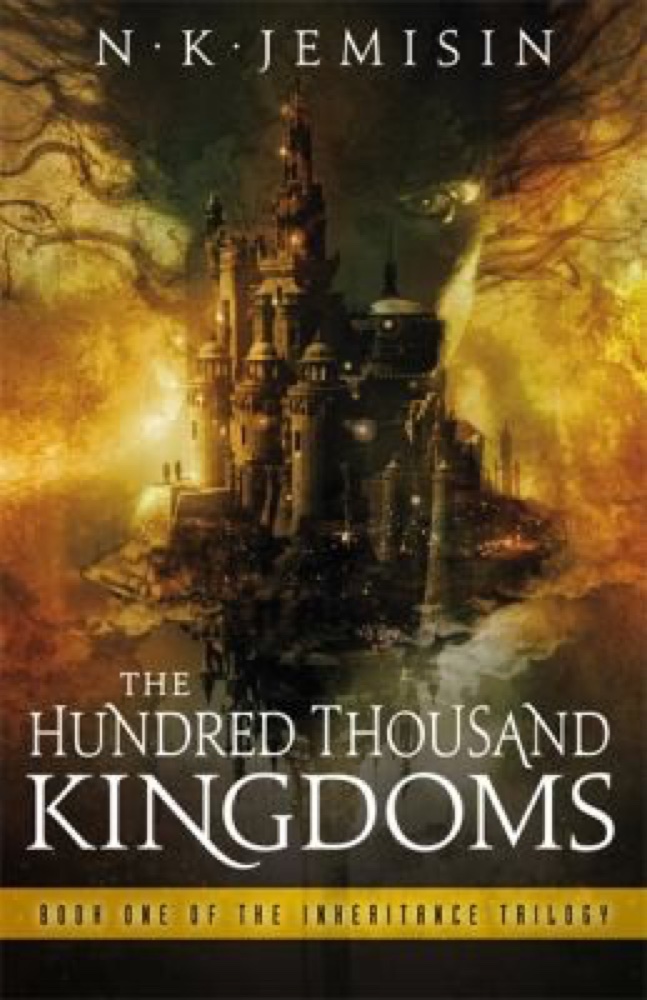 The Hundred Thousand Kingdoms
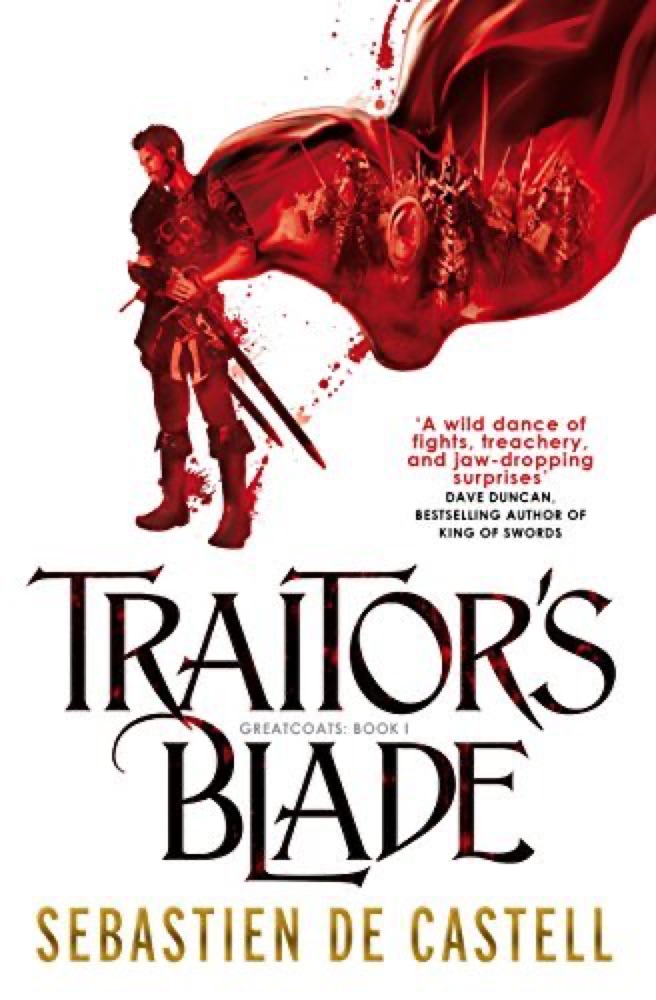 Traitor's Blade
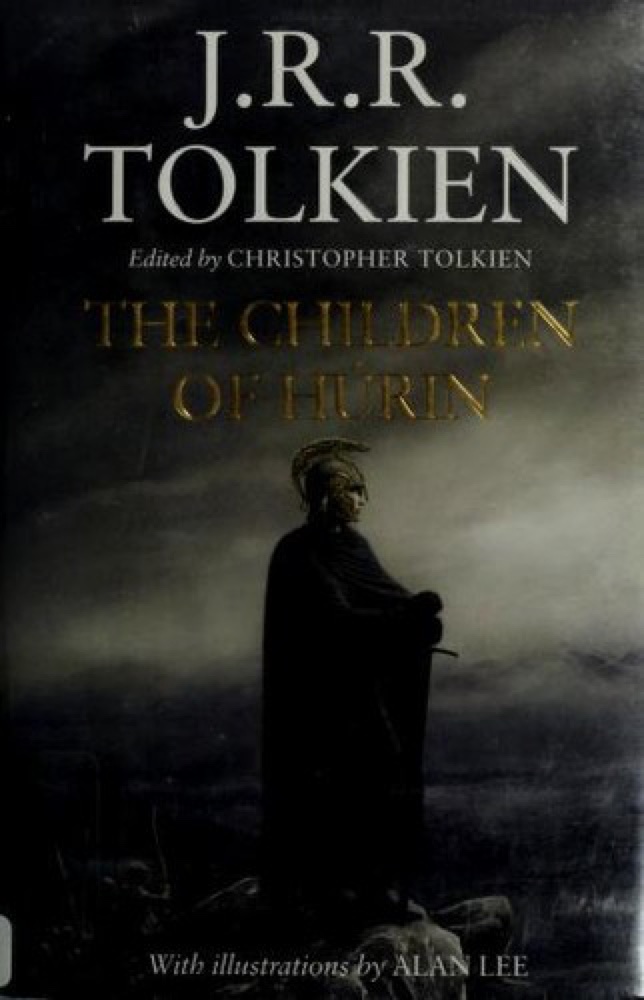 The Children of Húrin
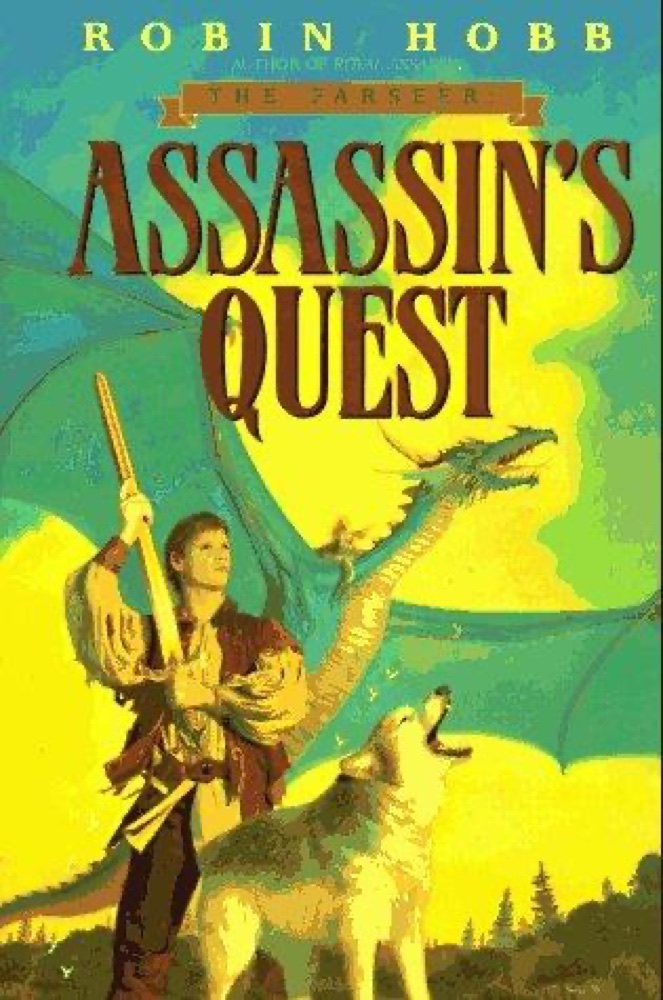 Assassin's Quest
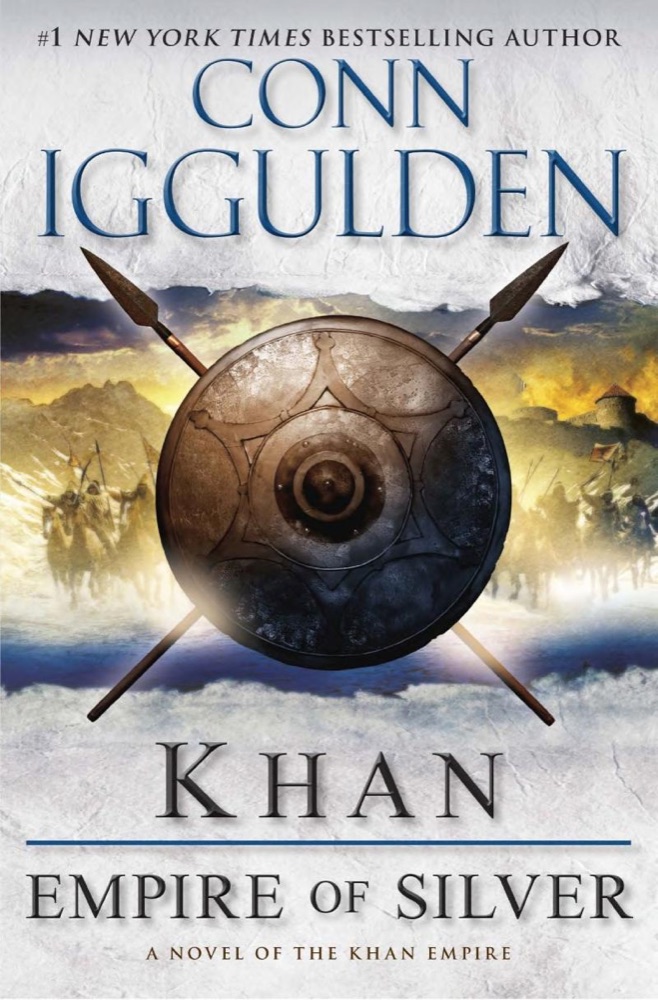 Khan: Empire of Silver
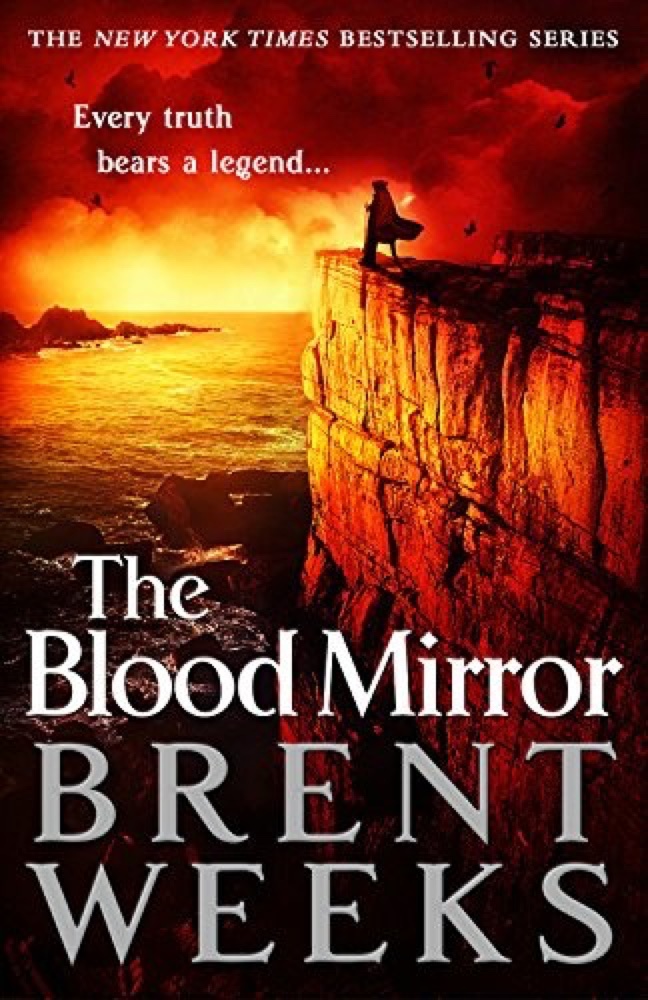 The Blood Mirror
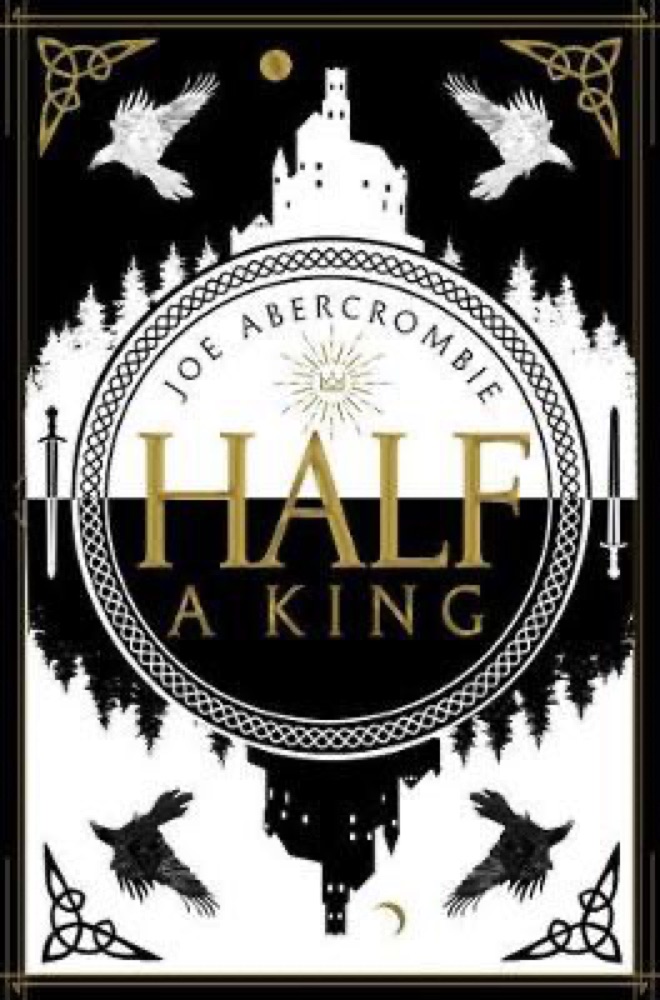 Half a King
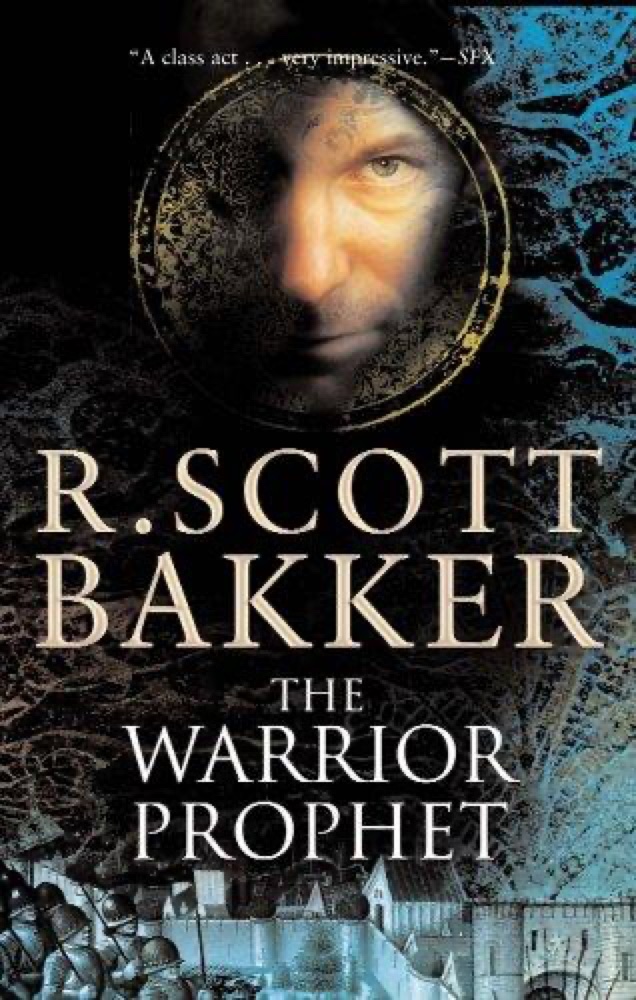 The Warrior Prophet
 The Wars
 Inheritance
 Blood Song
 The Gospel of Loki
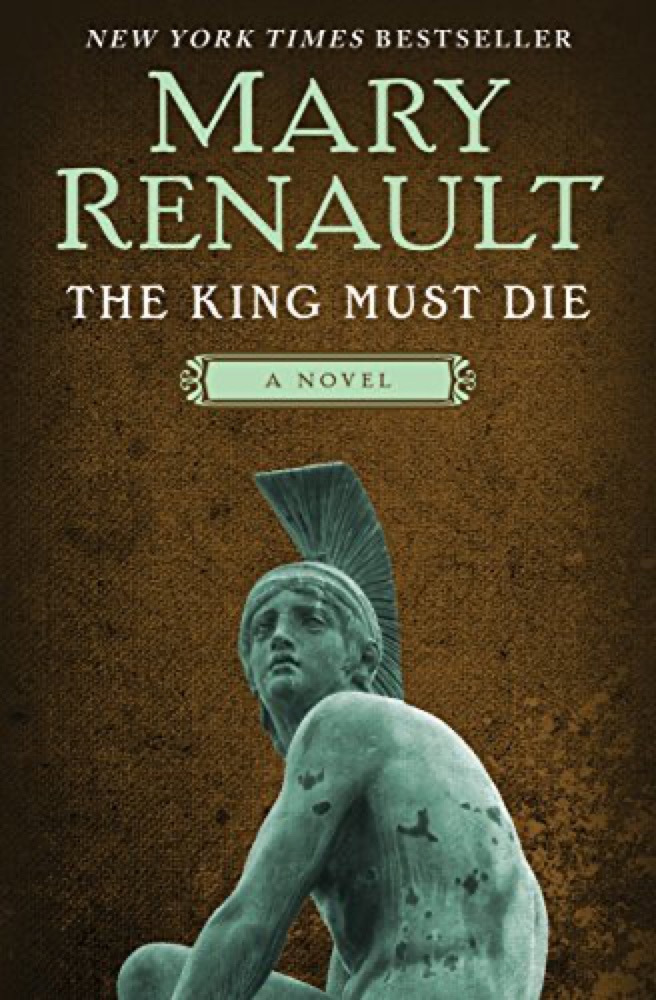 The King Must Die
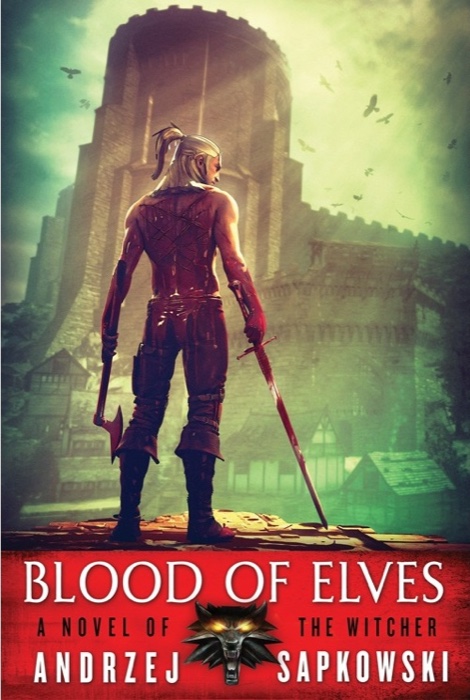 Blood of Elves
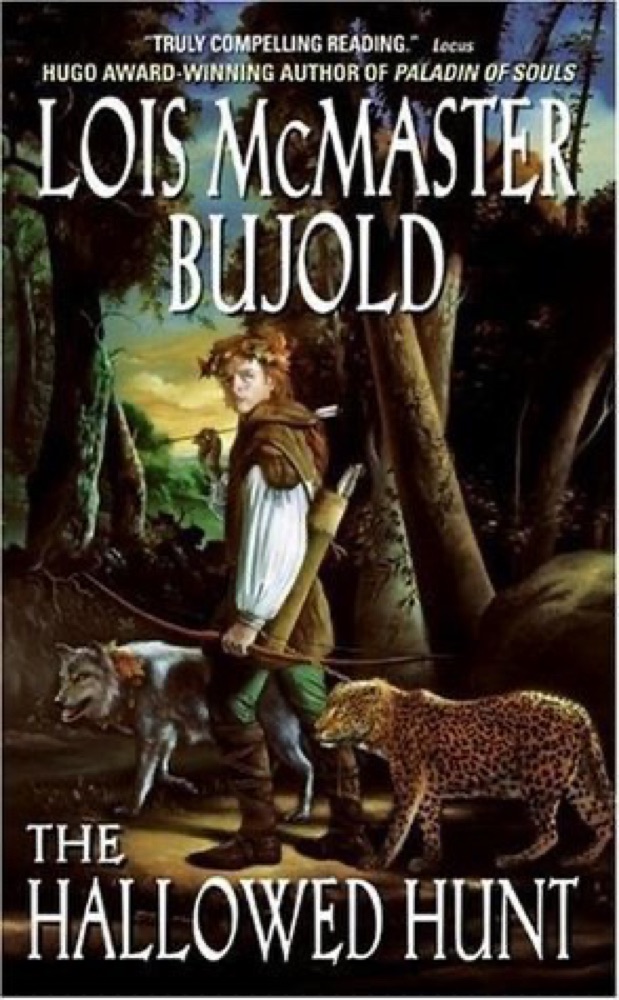 The Hallowed Hunt
 The Two Towers
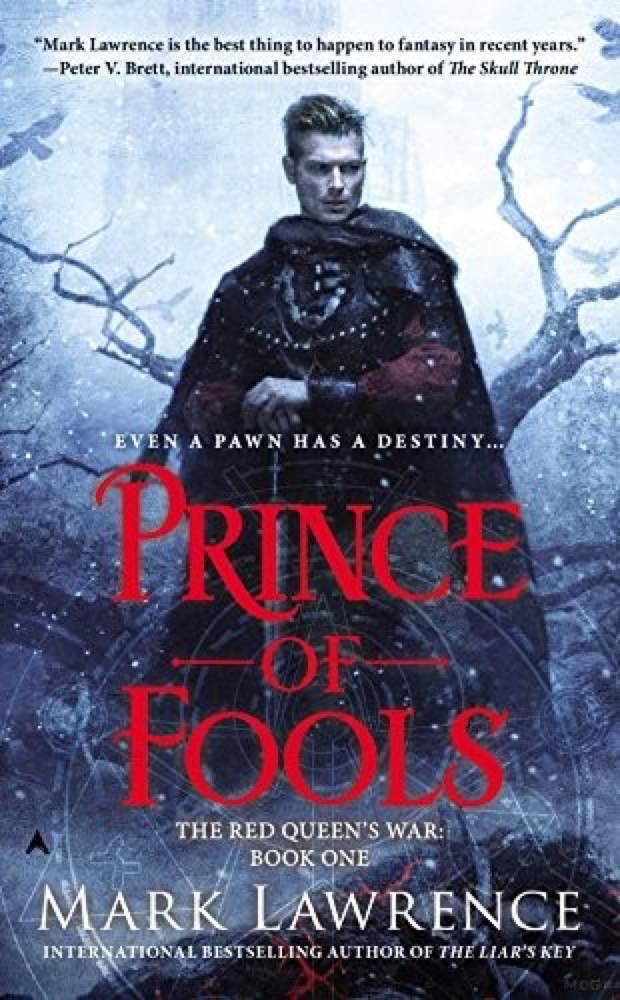 Prince of Fools
 The Return of the King
 The Deed of Paksenarrion
 The Blade Itself
 Spiderlight
 Sunbringer
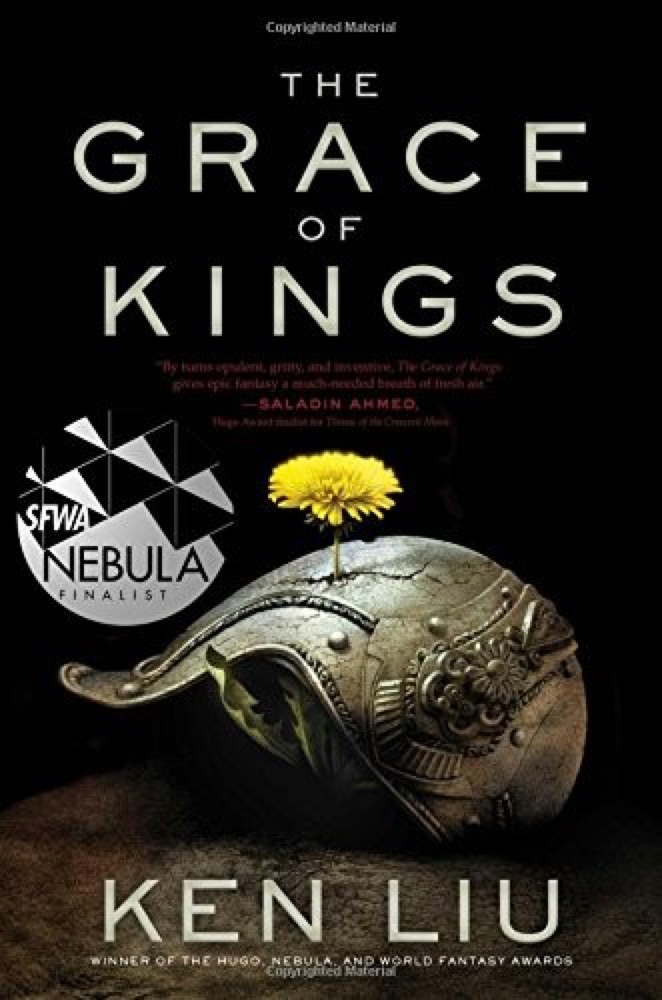 The Grace of Kings
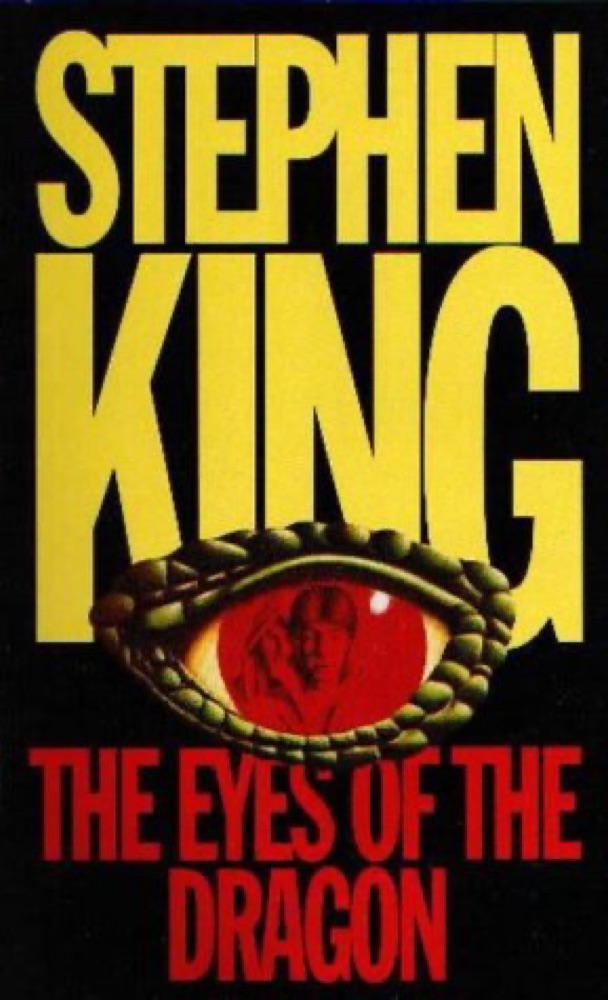 The Eyes of the Dragon
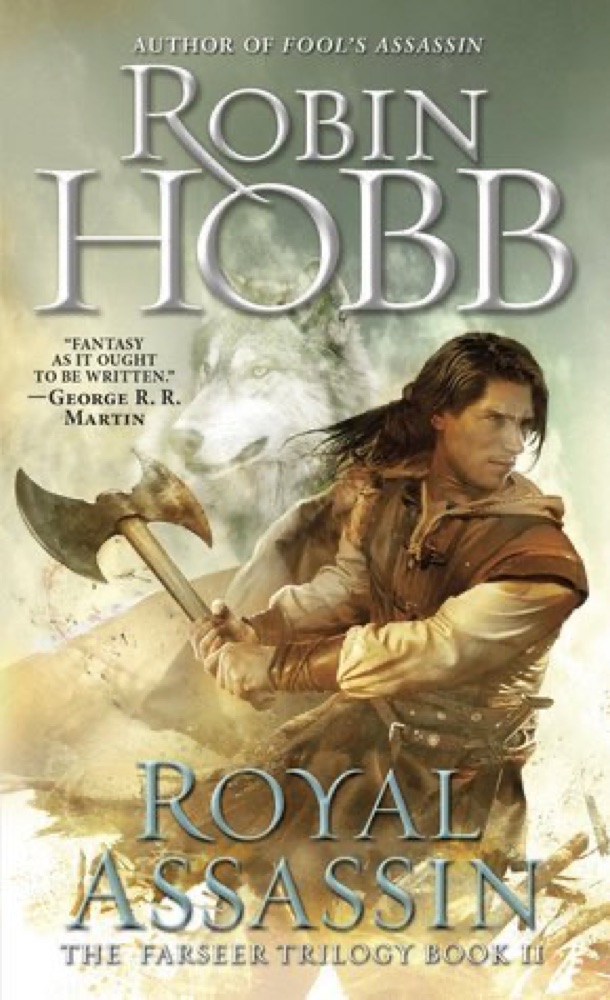 Royal Assassin
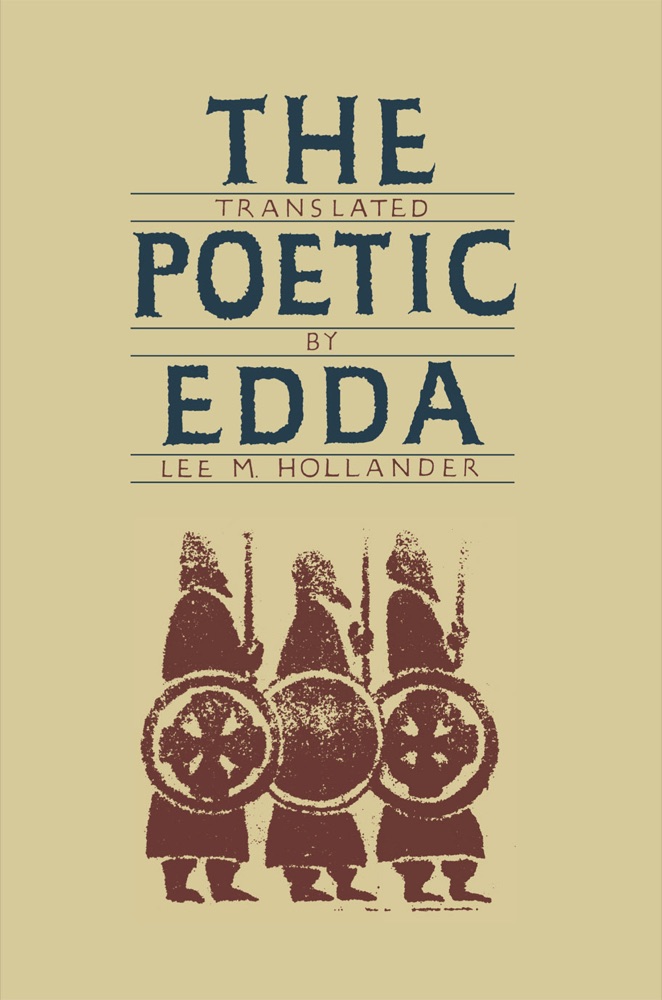 The Poetic Edda
 The Acts of King Arthur and His Noble Knights
 The Warrior Heir
 A Song to Drown Rivers
 Realm Breaker
 Elantris