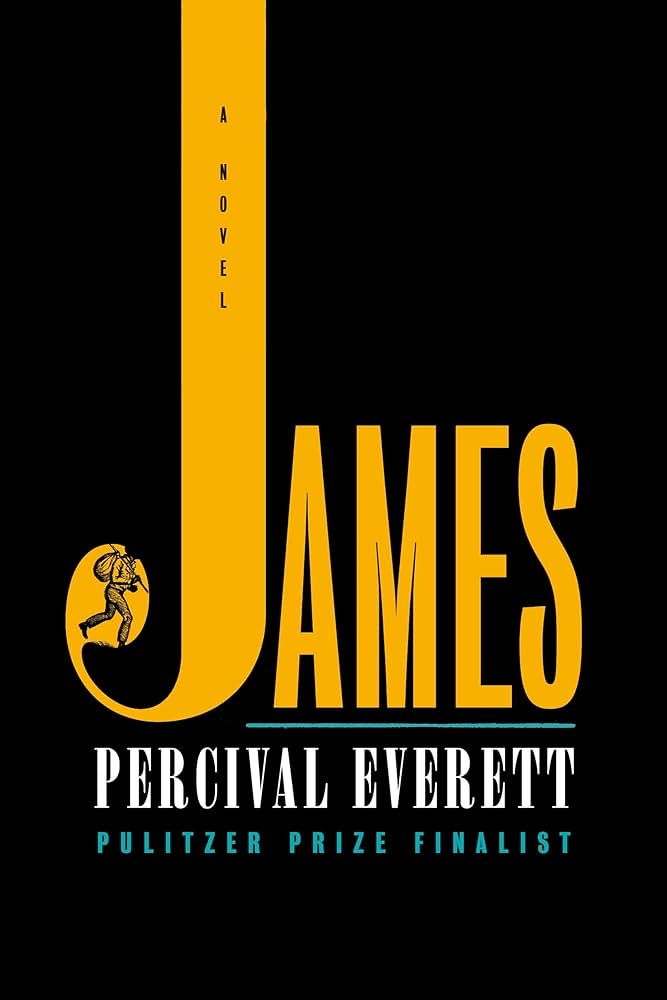
 James
James
Quotes from the Book
Read. Always read. No one can take that away from you.
74
Why are people so fucked up?” I asked “Maybe you do need college, Poiter,” Everett said. “You want to know why people are so fucked up? Son, that’s about the only question I can answer with even a small measure of authority. It’s because they’re people. People, my friend, are worse than anybody.
9
It’s a bitch, ain’t it? The things we assume.
4
I was, in life, to be a gambler, a risk taker, a swashbuckler, a knight. I accepted, then and there, my place in this world. I was a fighter of windmills. I was a chaser of whales.
4
Like most people I am smarter than some, dumber than others, skinnier than most, and fatter than a few, but none was ever more confused than I was. I flew with confusion always parallel to me, and a whole internal chase at my rear. The one matter that was not confusing to me, but seemed to escape all the others, was the fact that the only thing that was certain to become obsolete, would necessarily become wearied and worn, was the truth. I knew this in spite of the truth that I had had little truck with the truth in my life. It was not that I considered myself a resident in a den of lies, but rather that my history was shrouded and diced and soaking wet with hysteria and contradiction. Contradictions or no, my trajectory through life, though different from most, was, nonetheless, a trajectory.
3
She stared at the television. “Why is it that after all the bullets have bounced off Superman’s chest, he then ducks when the villain throws the empty gun at him?
2
These were sad people, and for the world I wanted to think of them as decent. Perhaps they were decent enough, but the place made them so offensive to me that all who lived there became there.
1
She had to know, and I’m certain she did, that even the simple matter of dark skin would be a cause of consternation for her parents. I came to imagine them as Ward and June Cleaver. I recalled my mother happening upon me watching that television show one afternoon. It launched her into such a fit of hysteria that I was afraid she might become pregnant again. “How dare they put that propaganda on the television?” my mother barked. “But of course that’s what the box is for, isn’t it? Here is my black son sitting here in his black neighborhood watching some bucktoothed little rat and his washed-out, anally stabbed Nazi-Christian parents.” “There’s a brother, too,” I said, being six or so and not really understanding the tirade. “Oh, a brother, too. I see him there, an older lily white acorn fallen so close to the tree. Turn that crap off. No, leave it on. Study the problem, Not Sidney. Soak it in.” With that she marched off to make cookies.
1
don’t imagine that you have limitations.” “Don’t I?” “I’m sure you do, but don’t imagine it.
She wasn’t exactly kissing my ass and she wasn’t exactly flirting with me, but with a little shove she’d have shit on her nose and I’d have a date.
The examination: 1) Imagine a radical and formidable contextualism that derives from a hypostatization of language and that it anticipates a liquefied language, a language that exists only in its mode of streaming. How is a speaker to avoid the pull into the whirl of its nonoriented stream of language? 2) Is the I one's body? Is fantasy the specular image? And what does this have to do with the Borromean knot? In other words, why is there no symptom too big for its britches? 3) How might it feel to burn with missionary zeal? Don't be shy in your answer. We students looked at each other with varying degrees of confusion, panic, and anger. And like idiots, we set to work. At least they did. I read the questions over and over and after the number 1 and 2 on my paper I wrote, I don't know. After the number 3 I wrote, Awful, then added, damn it.
Ted looked at Everett’s face. “Percival Everett. Didn’t you write a book called Erasure ?” Everett nodded. “I didn’t like it,” Ted said. “Nor I,” Everett said. “I didn’t like writing it, and I didn’t like it when I was done with it.” “Well, actually, I loved the novel in the novel. I thought that story was real gripping. You know, true to life.” “I’ve heard that.
Why should I remain in college?" "You've got me," he said without a pause. "That's the best you can do?" I said. "How much money do you have?" "More than I know what to do with," I said, honestly. Everett sighed. I could hear him lighting his cigar. "I suppose you could remain in school for the sex. I here there's a lot of it. Or not." "What about an education?" "Hell, you can read. You know where the library is.
Watch on YouTube
About Percival Everett
We have collected 102 quotes from 5 books by Percival Everett on BookQuoters.
More about the author →More by Percival Everett
About the book
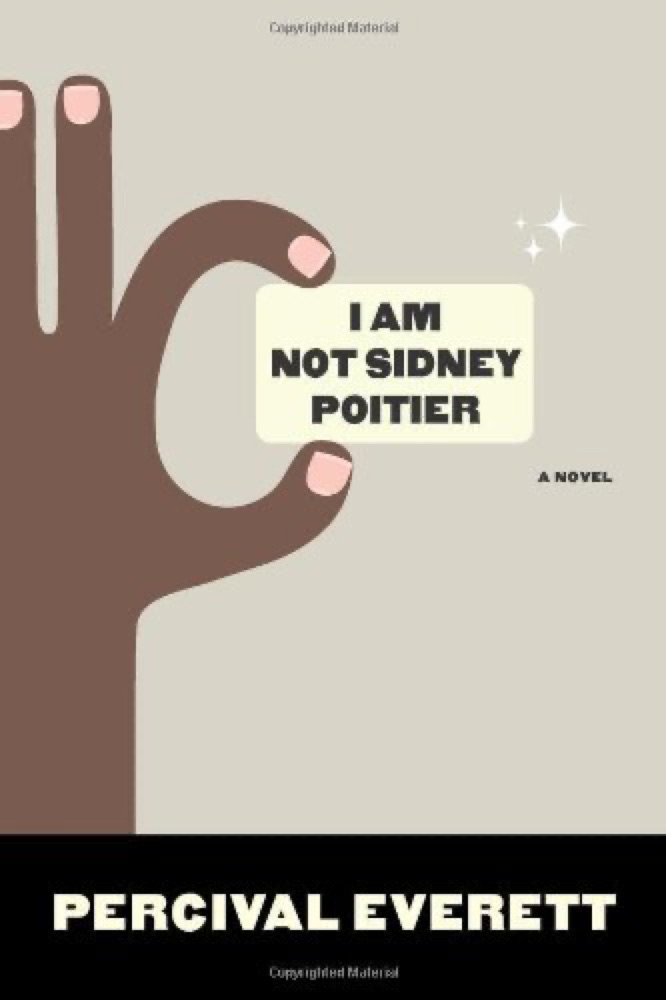
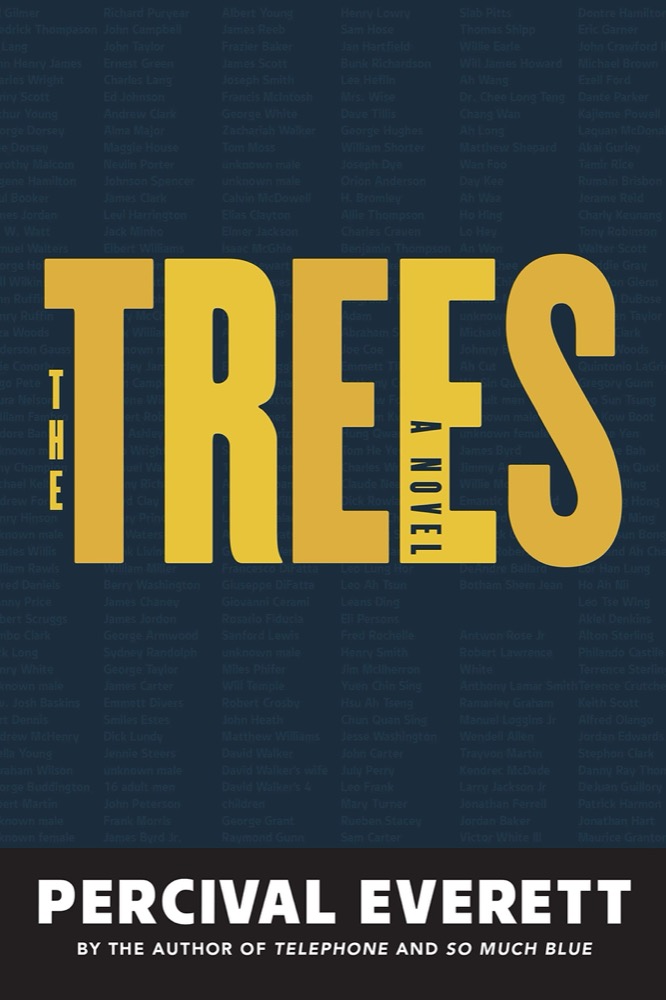
An irresistible comic novel from the master storyteller Percival Everett, and an irreverent take on race, class, and identity in AmericaI was, in life, to be a gambler, a risk-taker, a swashbuckler, a knight. I accepted, then and there, my place in the world. I was a fighter of windmills. I was a chaser of whales. I was Not Sidney Poitier.Not Sidney Poitier is an amiable young man in an absurd country. The sudden death of his mother orphans him at age eleven, leaving him with an unfortunate name, an uncanny resemblance to the famous actor, and, perhaps more fortunate, a staggering number of shares in the Turner Broadcasting Corporation.Percival Everett’s hilarious new novel follows Not Sidney’s tumultuous life, as the social hierarchy scrambles to balance his skin color with his fabulous wealth. Maturing under the less-than watchful eye of his adopted foster father, Ted Turner, Not gets
Book details
- First published
- 2009
- Author
- Percival Everett
- Genre
- Fiction
- Goodreads rating
- 4.00 (7k ratings)
Keep reading
 Erasure
 Jailbird
 The Manticore
 Tell No One
James
Tell No One
James
 Darkfever
 Cold Days
 Struck by Lightning: The Carson Philips Journal
 The Hour I First Believed
 The Liar
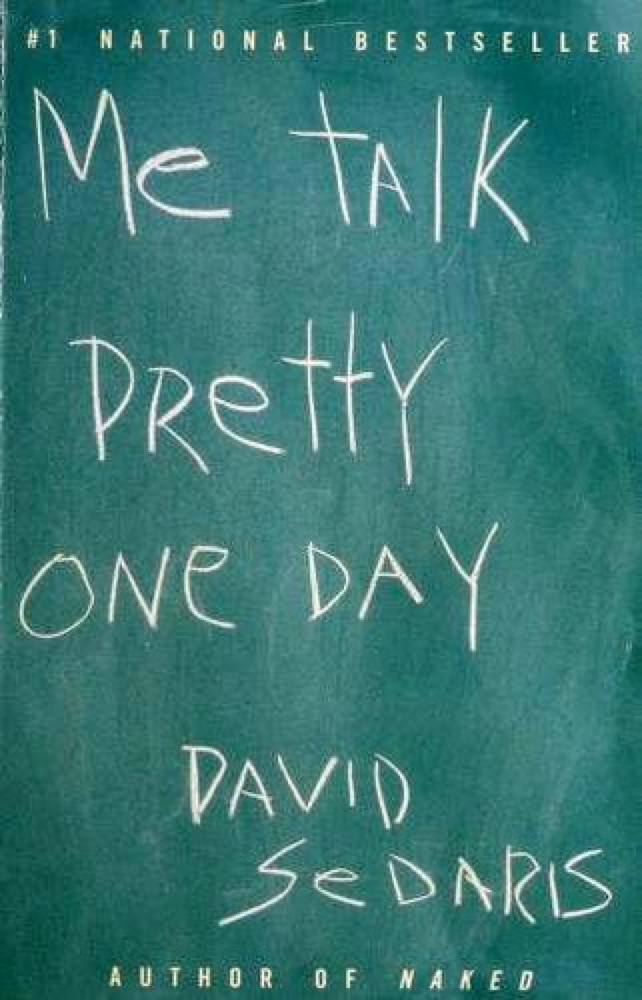 Me Talk Pretty One Day
 Take the Cannoli
 Where Am I Now?
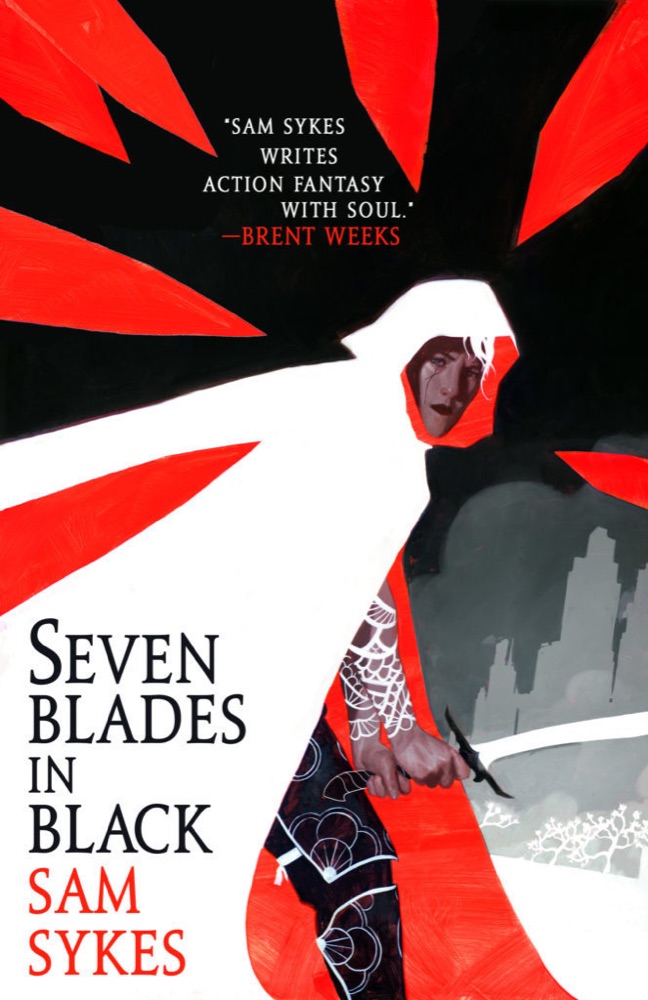 Seven Blades in Black
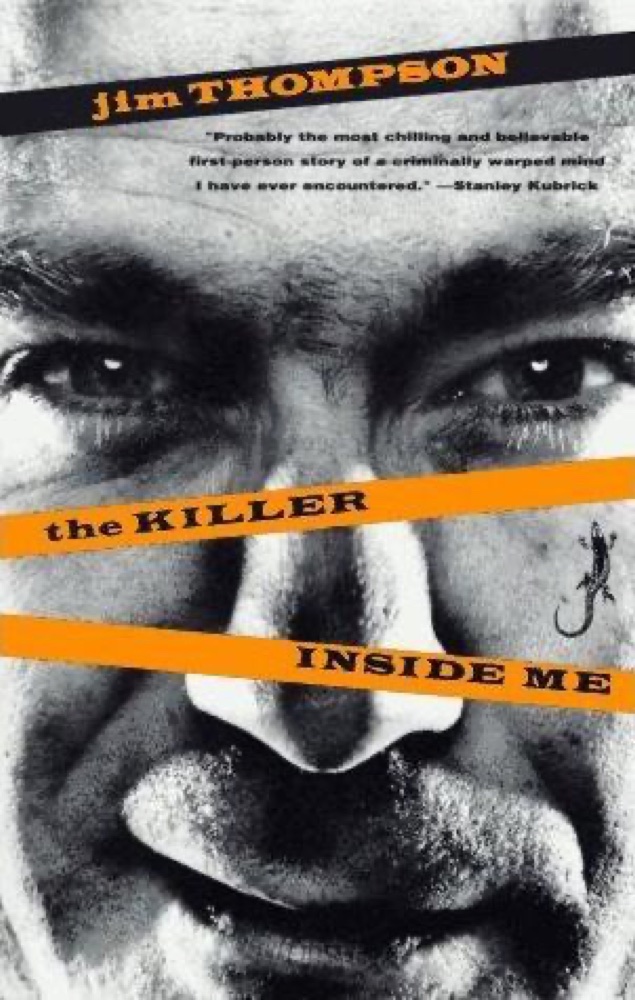 The Killer Inside Me
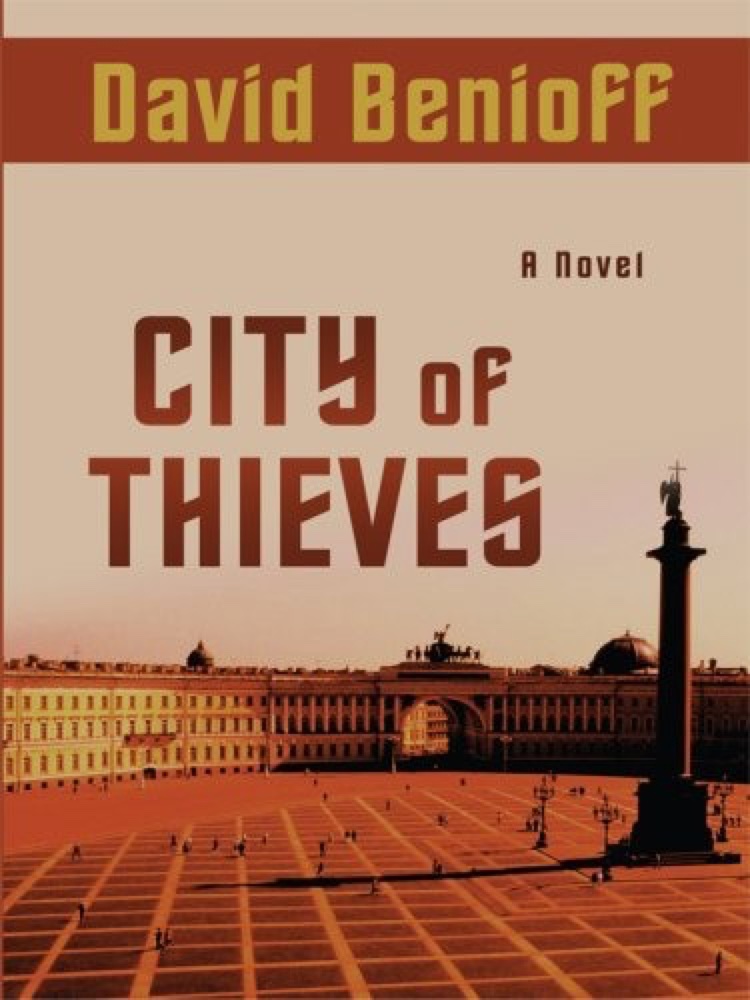 City of Thieves
 The Basic Eight
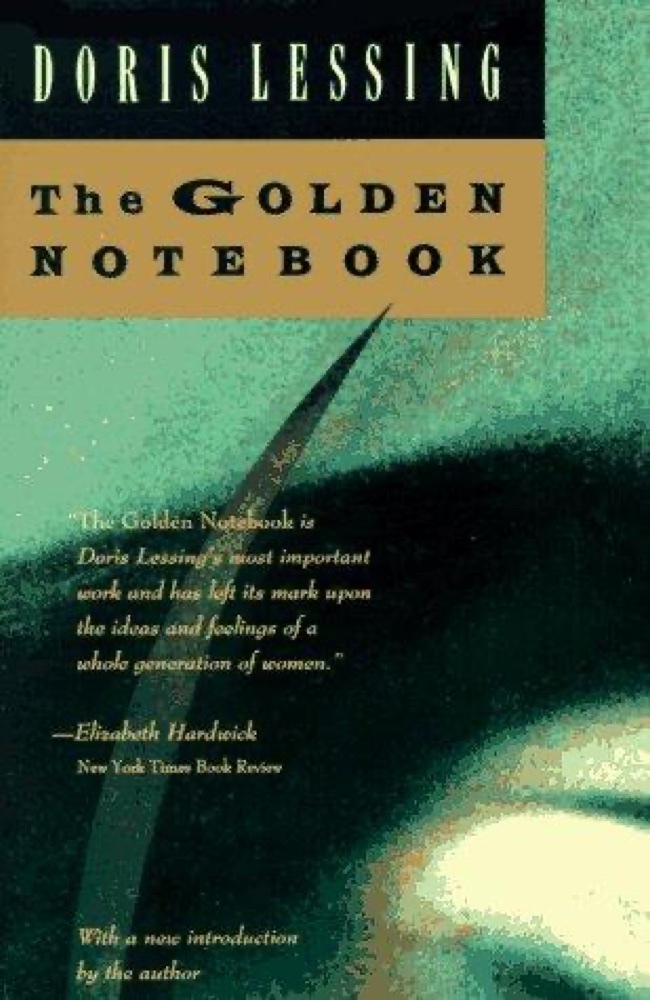 The Golden Notebook
 My Booky Wook
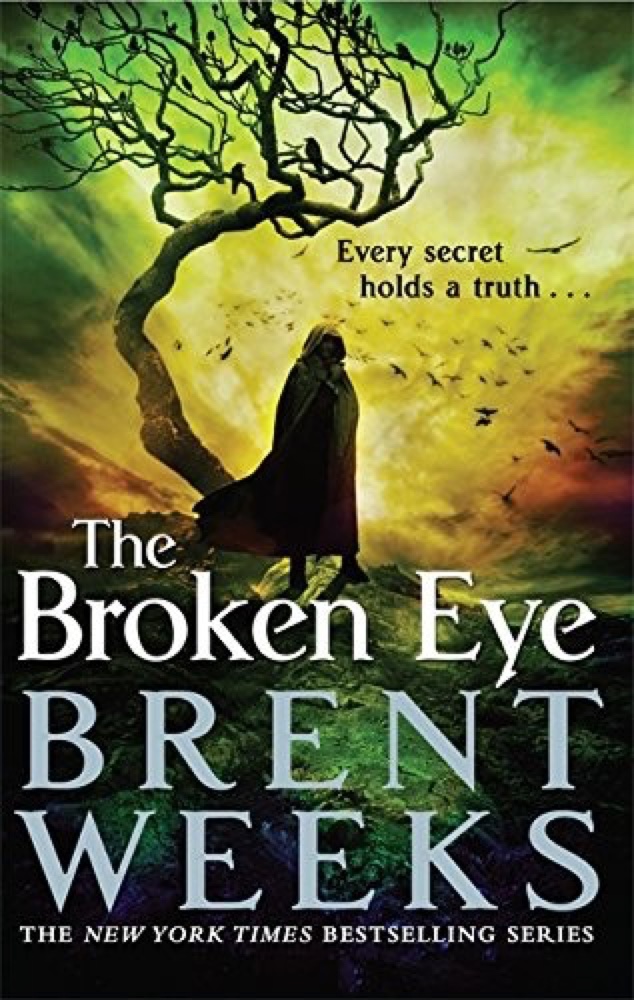 The Broken Eye
 Generation X: Tales for an Accelerated Culture
 Hollywood
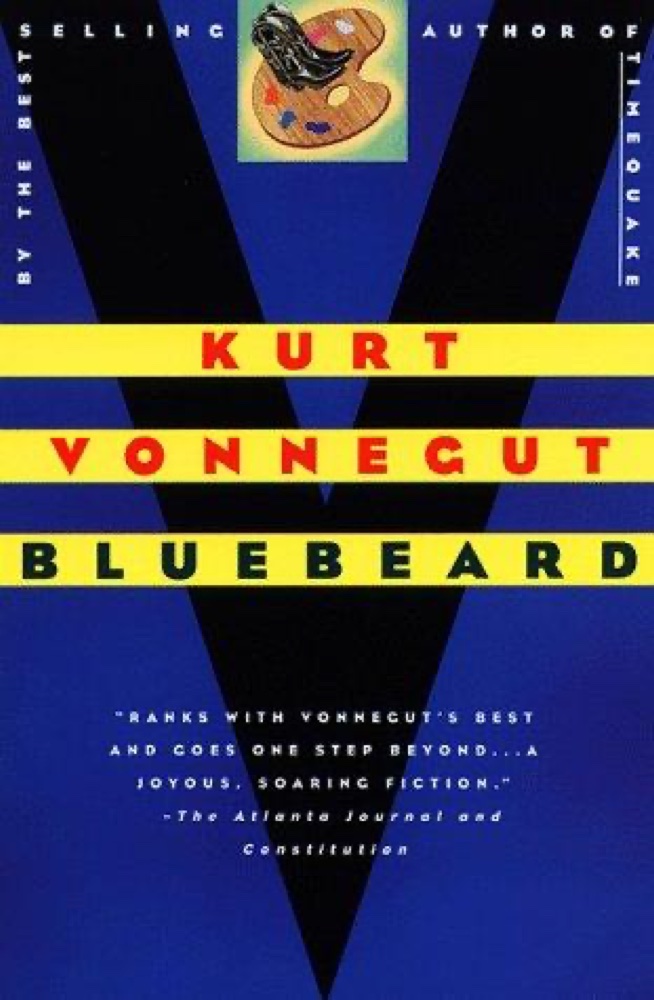 Bluebeard
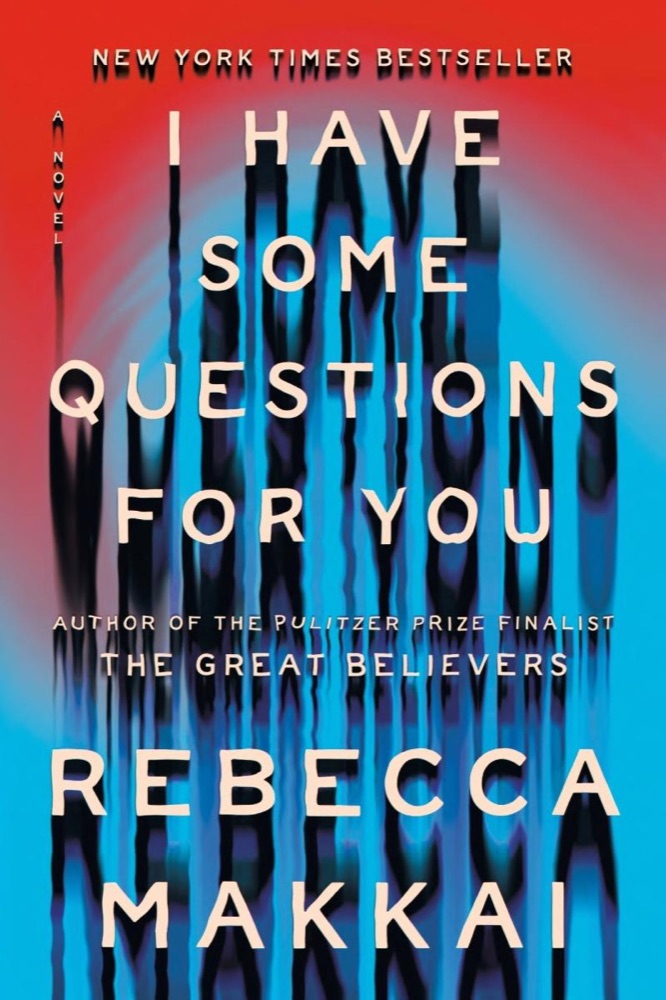 I Have Some Questions for You
 Sleepwalk With Me and Other Painfully True Stories
 The Counterlife
 The Lightning Thief
 The Beginning of Everything
 The Tender Bar
 Sixty Stories
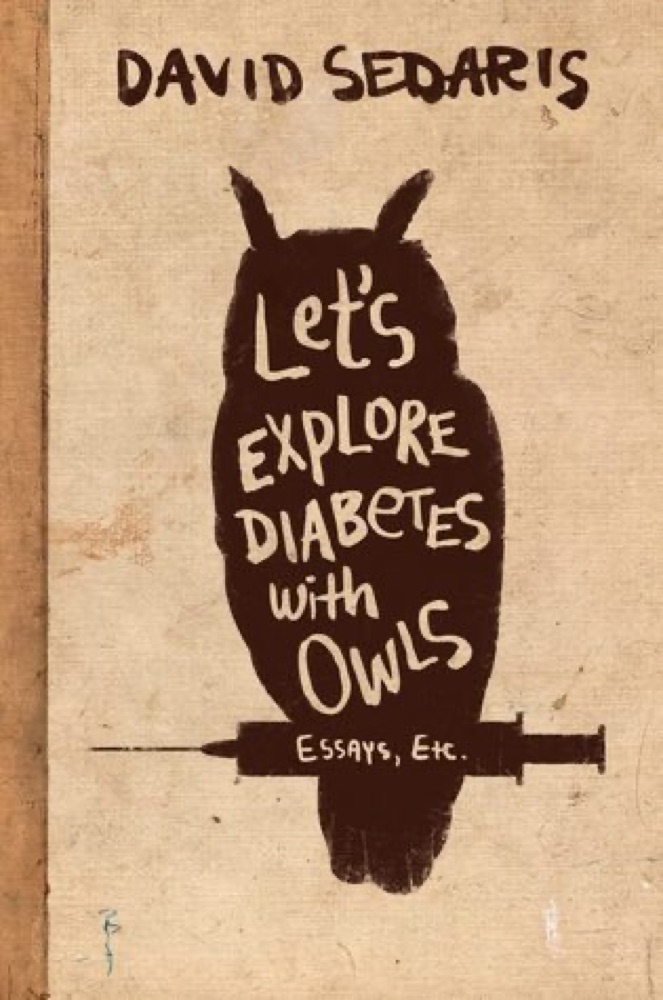 Let's Explore Diabetes with Owls
 The Bachman Books
 The Dud Avocado
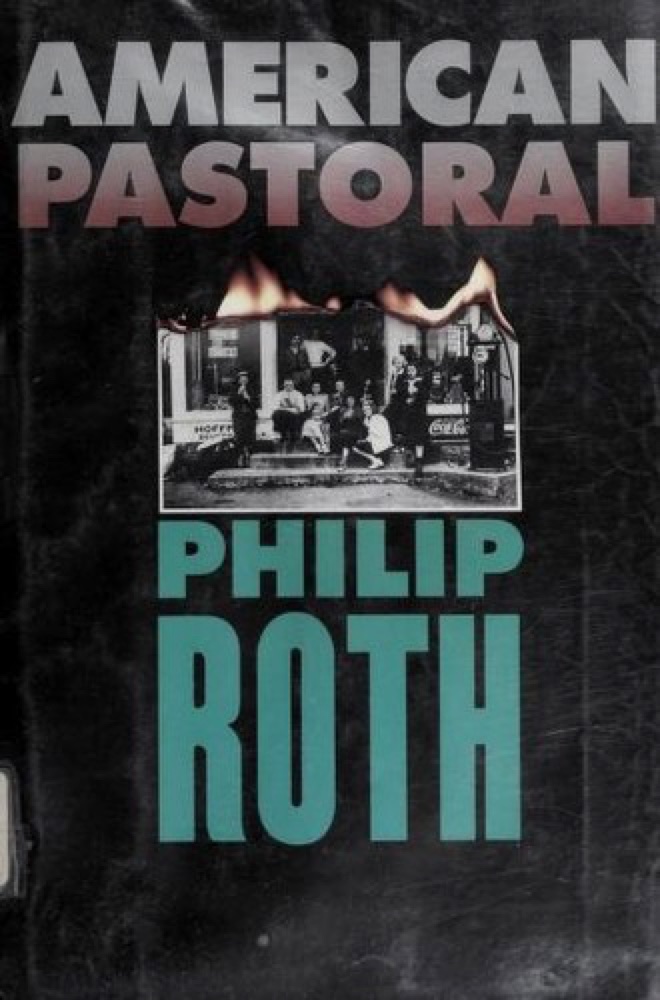 American Pastoral
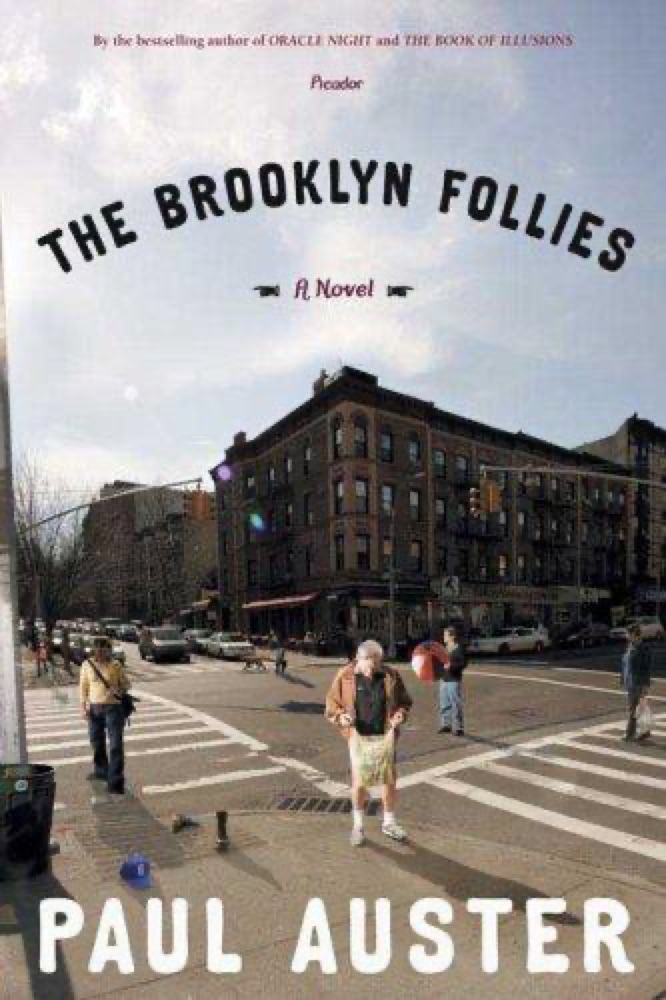 The Brooklyn Follies
 Straight Man
 Sigh, Gone: A Misfit's Memoir of Great Books, Punk Rock, and the Fight to Fit In
 The Family Upstairs
 Brain Droppings
 Mean
Mean
 Giving Up the Ghost
 Gliff
Gliff
 Cytonic
 Apathy and Other Small Victories
 The Idiot
 The Case for Jamie
 The Story of a New Name
 The Fine Art of Truth or Dare
 Hitch-22: A Memoir
 Milkman
 Gerald's Game
 Coyote Blue
 Ava: My Story
 Flappers and Philosophers
 Side Jobs: Stories from the Dresden Files
 Assassin's Quest
 Firefight
 The Sportswriter