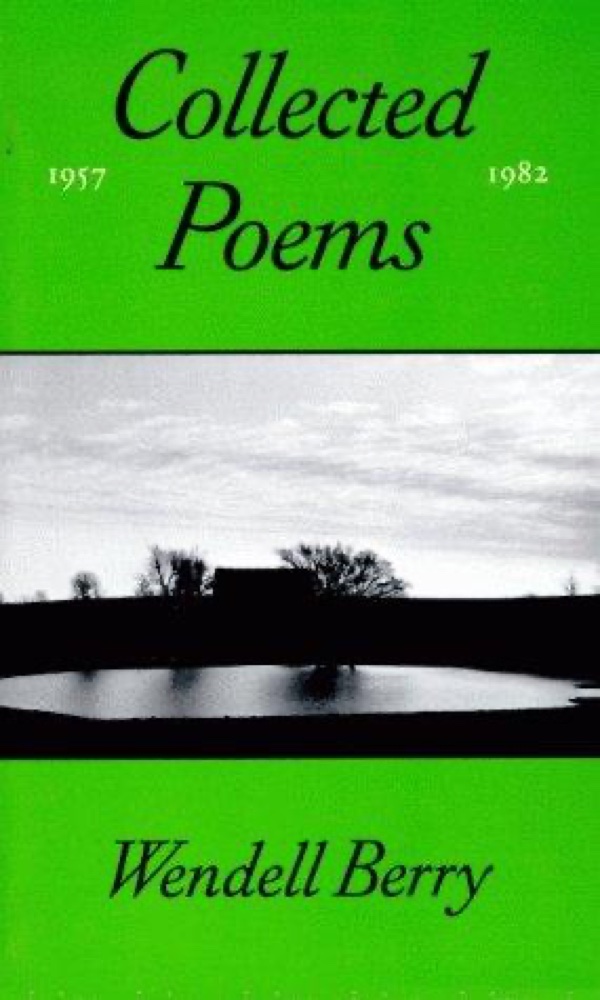
 The Collected Poems, 1957-1982
Quotes from the Book
Lovers must not, like usurers, live for themselves alone. They must finally turn from their gaze at one another back toward the community. If they had only themselves to consider, lovers would not need to marry, but they must think of others and of other things. They say their vows to the community as much as to one another, and the community gathers around them to hear and to wish them well, on their behalf and its own. It gathers around them because it understands how necessary, how joyful, and how fearful this joining is. These lovers, pledging themselves to one another "until death," are giving themselves away, and they are joined by this as no law or contract could join them. Lovers, then, "die" into their union with one another as a soul "dies" into its union with God. And so here, at the very heart of community life, we find not something to sell as in the public market but this momentous giving. If the community cannot protect this giving, it can protect nothing...
136
As I understand it, I am being paid only for my work in arranging the words; my property is that arrangement. The thoughts in this book, on the contrary, are not mine. They came freely to me, and I give them freely away. I have no "intellectual property," and I think that all claimants to such property are theives.
48
The most alarming sign of the state of our society now is that our leaders have the courage to sacrifice the lives of young people in war but have not the courage to tell us that we must be less greedy and less wasteful.
7
The conventional public opposition of 'liberal' and 'conservative' is, here as elsewhere, perfectly useless. The 'conservatives' promote the family as a sort of public icon, but they will not promote the economic integrity of the household or the community, which are the mainstays of family life. Under the sponsorship of 'conservative' presidencies, the economy of the modern household, which once required the father to work away from home - a development that was bad enough - now requires the mother to work away from home, as well. And this development has the wholehearted endorsement of 'liberals,' who see the mother thus forced to spend her days away from her home and children as 'liberated' - though nobody has yet seen the fathers thus forced away as 'liberated.' Some feminists are thus in the curious position of opposing the mistreatment of women and yet advocating their participation in an economy in which everything is mistreated.
5
I do have an interest in this book, which is for sale. (If you have bought it, dear reader, I thank you. If you have borrowed it, I honor your frugality. If you have stolen it, may it add to your confusion.)
2
The real improvements then must come, to a considerable extent, from the local communities themselves. We need local revision of our methods of land use and production. We need to study and work together to reduce scale, reduce overhead, reduce industrial dependencies; we need to market and process local products locally; we need to bring local economies into harmony with local ecosystems so that we can live and work with pleasure in the same places indefinitely; we need to substitute ourselves, our neighborhoods, our local resources, for expensive imported goods and services; we need to increase cooperation among all local economic entities: households, farms, factories, banks, consumers, and suppliers. If. we are serious about reducing government and the burdens of government, then we need to do so by returning economic self-determination to the people. And we must not do this by inviting destructive industries to provide "jobs" to the community; we must do it by fostering economic democracy. For example, as much as possible the food that is consumed locally ought to be locally produced on small farms, and then processed in small, non- polluting plants that are locally owned. We must do everything possible to provide to ordinary citizens the opportunity to own a small, usable share of the country. In that way, we will put local capital to work locally, not to exploit and destroy the land but to use it well. This is not work just for the privileged, the well-positioned, the wealthy, and the powerful. It is work for everybody. I acknowledge that to advocate such reforms is to advocate a kind of secession-not a secession of armed violence but a quiet secession by which people find the practical means and the strength of spirit to remove themselves from an economy that is exploiting and destroying their homeland. The great, greedy, indifferent national and international economy is killing rural America, just as it is killing America's cities--it is killing our country. Experience has shown that there is no use in appealing to this economy for mercy toward the earth or toward any human community. All true patriots must find ways of opposing it. --1991
1
There should be no relenting in our efforts to influence politics and politicians. But in the name of honesty and sanity we must recognize the limits of politics.
1
If we credit the Bible’s description of the relationship between Creator and Creation, then we cannot deny the spiritual importance of our economic life. Then we must see how religious issues lead to issues of economy and how issues of economy lead to issues of art. By “art” I mean all the ways by which humans make the things they need. If we understand that no artist—no maker—can work except by reworking the works of Creation, then we see that by our work we reveal what we think of the works of God.
The idea that we live in something called 'the environment', for instance, is utterly preposterous. The word came into use because of the pretentiousness of learned experts who were embarrassed by the religious associations with 'Creation' and who thought 'world' too mundane. But 'environment' means that which surrounds or encircles us; it means a world separate from ourselves, outside us. The real state of things, of course, is far more complex and intimate and interesting than that. The world that environs us, that is around us, is also within us. We are made of it; we eat, drink and breath it; it is bone of our bones and flesh of our flesh. It is also Creation, a holy mystery, made for and to some extent by creatures, some but by not means all of whom are humans ... None of this intimacy and responsibility is conveyed by the word 'environment.
The Luddites ... asserted the precedence of community needs over technological innovation and monetary profit; ... The victory of industrialism over Luddism was overwhelming and unconditional; it was undoubtedly the most complete, significant, and lasting victory of modern times. ... To this day, if you say you would be willing to forbid, restrict, or reduce the use of technological devices in order to protect the community -- or to protect the good health of nature on which the community depends -- you will be calle4d a Luddite, and it will not be a compliment. ... Technological determinism has triumphed.
Watch on YouTube
About Wendell Berry
We have collected 189 quotes from 9 books by Wendell Berry on BookQuoters.
More about the author →More by Wendell Berry
All books by Wendell Berry →
About the book
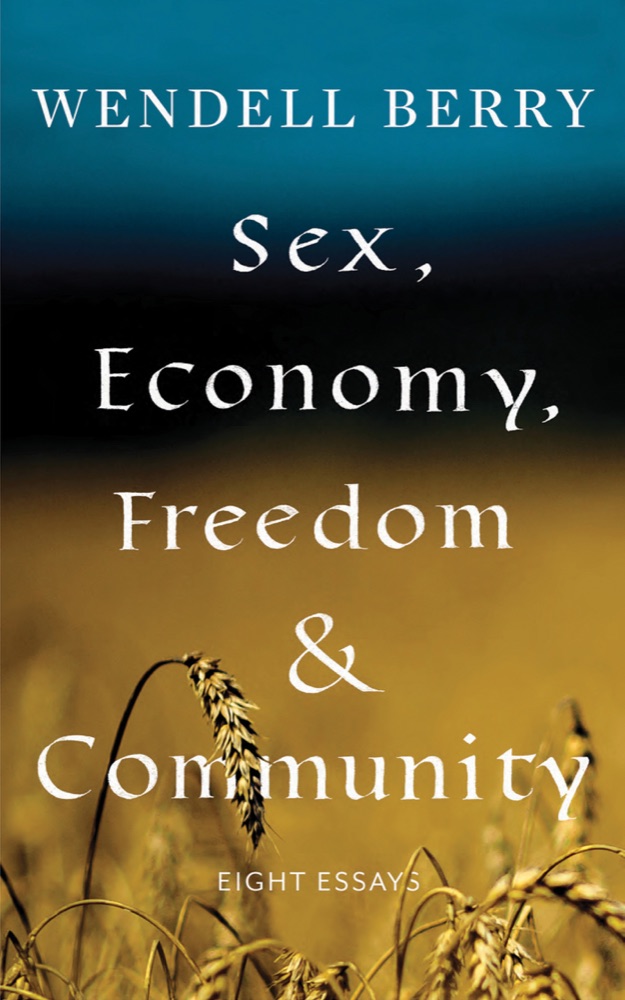
"Read [him] with pencil in hand, make notes, and hope that somehow our country and the world will soon come to see the truth that is told here." —The New York Times Book Review In this collection of essays, first published in 1993, Wendell Berry continues his work as one of America's most necessary social commentators. With wisdom and clear, ringing prose, he tackles head-on some of the most difficult problems confronting us near the end of the twentieth century––problems we still face today. Berry elucidates connections between sexual brutality and economic brutality, and the role of art and free speech. He forcefully addresses America's unabashed pursuit of self-liberation, which he says is "still the strongest force now operating in our society." As individuals turn away from their community, they conform to a "rootless and placeless monoculture of commercial expectations and products
Book details
- First published
- 1993
- Author
- Wendell Berry
- Genre
- Nonfiction
- Goodreads rating
- 4.27 (2k ratings)
Keep reading
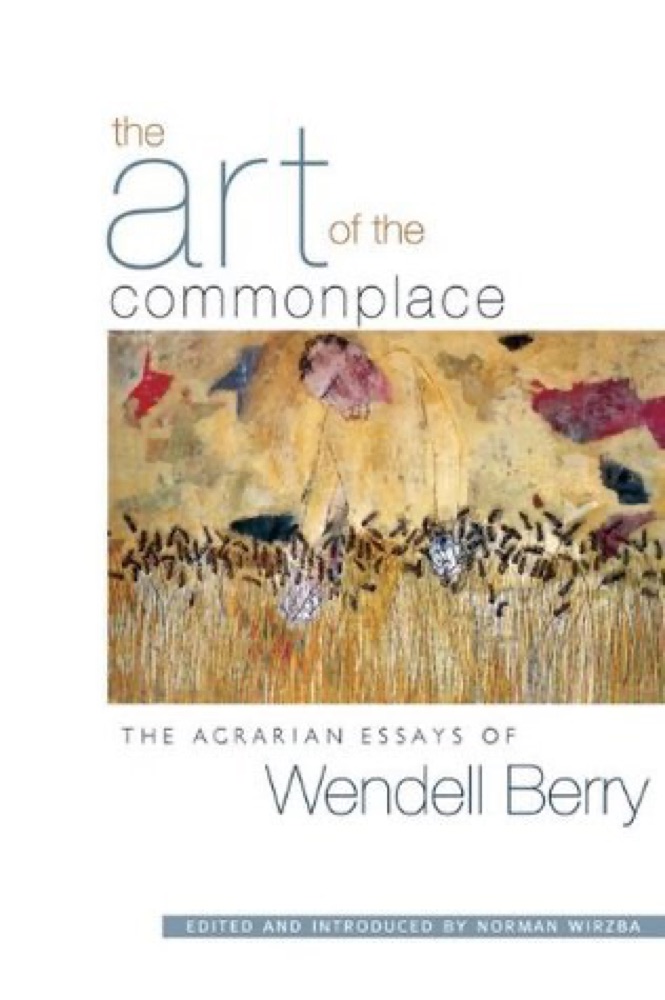 The Art of the Commonplace: The Agrarian Essays
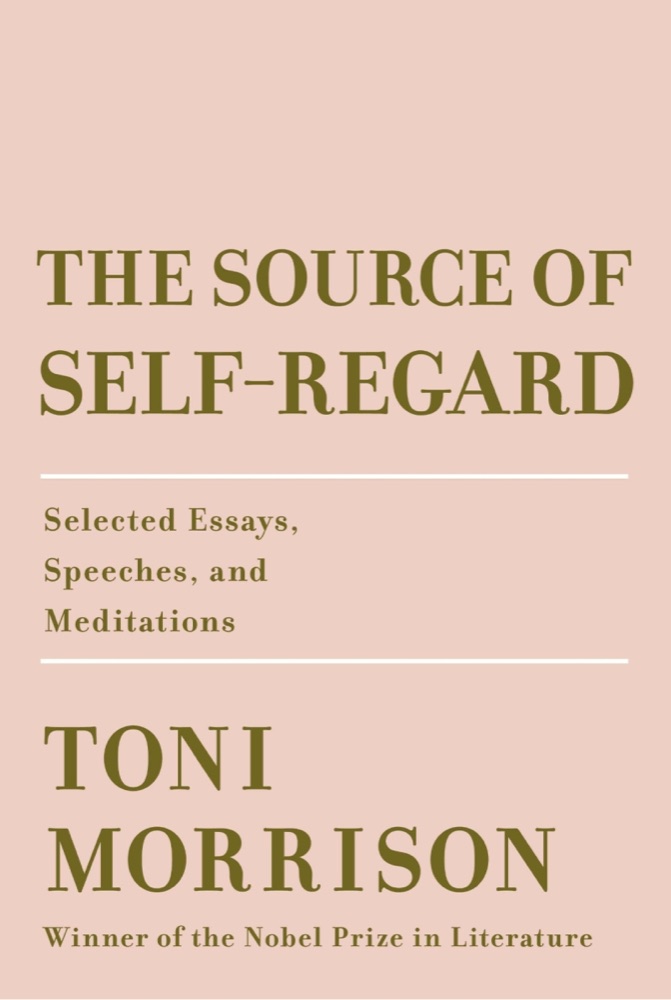 The Source of Self-Regard: Selected Essays, Speeches, and Meditations
 The World-Ending Fire: The Essential Wendell Berry
 Walden Two
 Endgame, Vol. 1: The Problem of Civilization
 Bringing it to the Table: On Farming and Food
 In Praise of Idleness and Other Essays
 When I Was a Child I Read Books
 The Culture of Make Believe
 Ill Fares the Land
 Talking to My Daughter About the Economy: or, How Capitalism Works—and How It Fails
 The World's Last Night: And Other Essays
 Sacred Economics: Money, Gift, and Society in the Age of Transition
 Civil Disobedience and Other Essays
 The Coming Insurrection
 How Should We Then Live? The Rise and Decline of Western Thought and Culture
 Power Systems: Conversations on Global Democratic Uprisings and the New Challenges to U.S. Empire
 Capitalism: The Unknown Ideal
 Human Action: A Treatise on Economics
 What's Wrong with the World
 The Constitution of Liberty
 Anarchy, State, and Utopia
 Chomsky On Anarchism
 The Soul of Man Under Socialism
 United: Thoughts on Finding Common Ground and Advancing the Common Good
 The Accursed Share: An Essay on General Economy, Volume I: Consumption
 Revolution
 Small Is Beautiful: Economics as if People Mattered
 Glenn Beck's Common Sense: The Case Against an Out-of-Control Government, Inspired by Thomas Paine
 Let Us Dream: The Path to a Better Future
 The Road to Serfdom
 Democracy in America
 Justice: What's the Right Thing to Do?
 A Language Older Than Words
 The Audacity of Hope: Thoughts on Reclaiming the American Dream
 Letters and Papers from Prison
 First As Tragedy, Then As Farce
 Consider the Lobster and Other Essays
 Brave New World Revisited
 On Fire: The Case for the Green New Deal
 Empire of Illusion: The End of Literacy and the Triumph of Spectacle
 The Dispossessed
 A People's History of the United States
 Life Without Principle
 Reflections on the Revolution in France
 Behold a Pale Horse
 From Dawn to Decadence: 500 Years of Western Cultural Life, 1500 to the Present
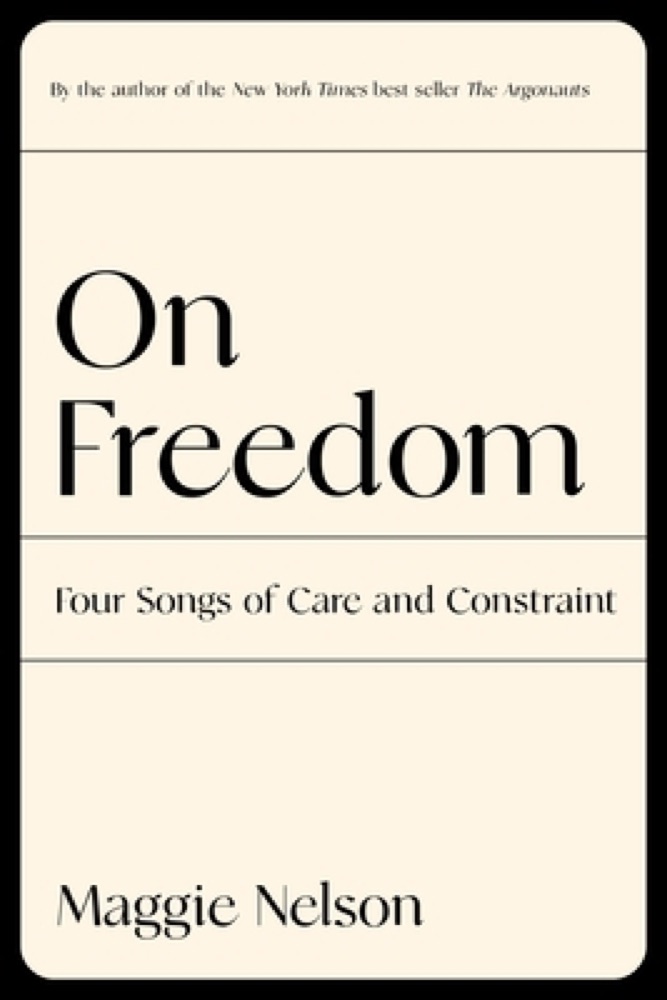 On Freedom: Four Songs of Care and Constraint
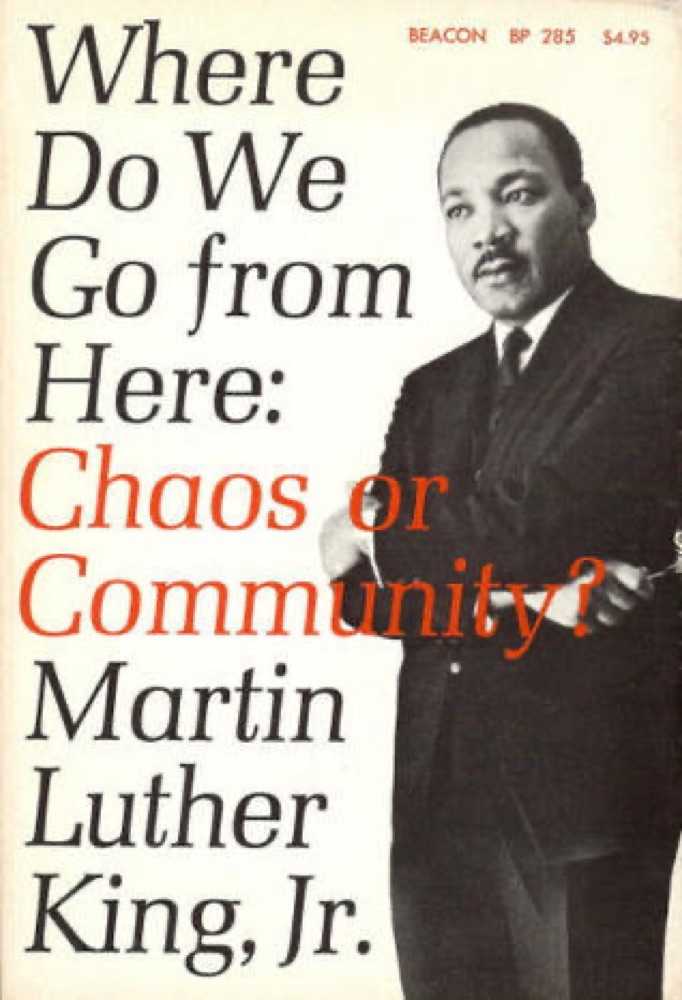 Where Do We Go from Here: Chaos or Community?
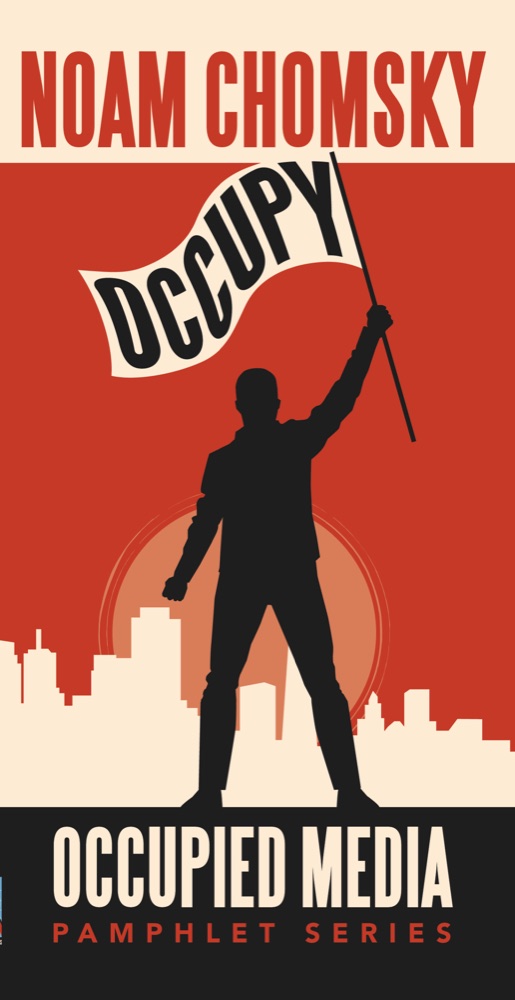 Occupy
 Freedom
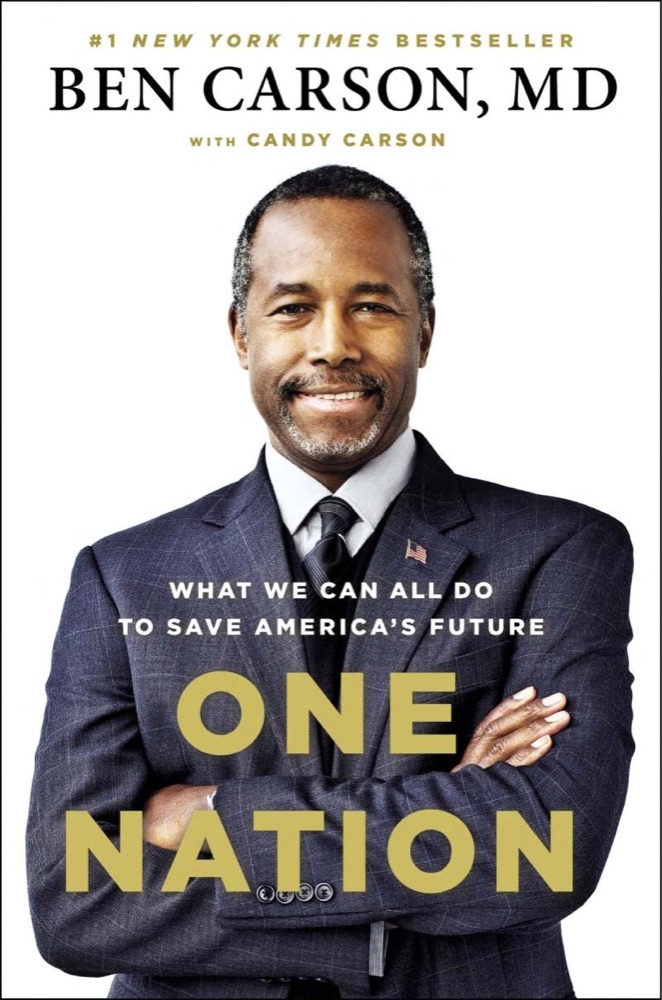 One Nation: What We Can All Do to Save America's Future
 The Vanishing American Adult: Our Coming-of-Age Crisis—and How to Rebuild a Culture of Self-Reliance
 Debt: The First 5,000 Years
 Across That Bridge: A Vision for Change and the Future of America
 Burning Questions: Essays and Occasional Pieces, 2004 to 2021
 The View From Flyover Country: Essays by Sarah Kendzior
 The Autobiography of Eleanor Roosevelt
 After Virtue
 Free to Choose: A Personal Statement