 The Collected Poems, 1957-1982
Quotes from the Book
Nobody can discover the world for somebody else. Only when we discover it for ourselves does it become common ground and a common bond and we cease to be alone.
289
And I told him that a man's life is always dealing with permanence - that the most dangerous kind of irresponsibility is to think of your doings as temporary. That, anyhow, is what I've tried to keep before myself. What you do on the earth, the earth makes permanent.
9
Rest in peace'. That's not the way these accounts are kept. We don't rest in peace. The life of a good man who has died belongs to the people who cared about him, and ought to, and maybe itself is as much comfort as ought to be asked or offered. And surely the talk of a reunion in Heaven is thin comfort to people who need each other here as much as we do. I ain't saying I don't believe there's a Heaven. I surely hope there is. That surely would pay off a lot of mortgages. But I do say it ain't easy to believe. And even while I hope for it, I've got to admit I'd rather go to Port William.
6
A man gets used to pain, he thinks. He learns it. It gets familiar to him, a part of what his life is and feels like. And what good does it do him? It teaches him to make light of the pains that are less, and to respect those that are greater. It teaches him what he can stand. And what good does that do him? He needs to know what he can stand because the chances are he will have to stand as much as he is able. That is what is ahead of him, to suffer and to stand it. And so is there virtue in standing it? Maybe. Surely. But there are limits too, and suffering kills...And that - what it takes to kill a man, what his limit is - is his mystery. The mystery of his death becomes the mystery of his life.
3
These are the last remainders of Jayber's ideals. He holds to them against the possibility that life will mean nothing and be worth nothing. He is a despairing believer in these things, knowing that everything fails. The ideal rides ahead of the real, renewing beyond it, perishing in it unreachable, surely, but made new over and over again just by hope and by the passage of time; what has not yet failed remains possible. And the ideal, remaining undiminished and perfect, out of reach, makes possible a judgment of failure, and a just grief and sympathy
2
Without boat or a light, what could he do to save Annie if she should, by whatever miracle it might be, answer him? And he damns himself, with a willingness that startles him, for turning the boat loose, for having taken no precaution to keep the matches dry. Taking the matches out of his pocket, he finds that the heads are either already gone, or they crumble as soon as he touches them to see if they are there. But he continues to take the dead sticks out of his pocket one at a time and to stand them upright inside the sweatband of his hat. It is though his mind, which like his body has begun to work apart from his will, is gambling that absurdity will be more bearable than reasonableness.
2
It is just the truth. And a man who is depending on the truth to console him is sometimes in a hell of a fix. To
1
He has come into a wakefulness as quiet as sleep.
1
He nearly always seems steady, reined pretty tight. But it's no trouble to look at him now and see that it has been a long time since he has been at rest in himself.
1
It has been a long time since he went to work early in the morning. Though he did not think he had
Amazing how I’ve got so I depend on my thoughts. I can take one I like and just about wear the hair off of it between supper and bedtime.
Old Jack finishes eating and pushes back his plate. Mrs. Hendrick gets up and hustles around the table
When we've lost it all, we've had what we lost...From the day he was born, I knew he would die. That was how I loved him, partly. I'd brought him into the world that would give him things to love, and take them away...when he did disappear from us the way he did, I was familiar with the pain. I'd had it in me all his life." A tone of weeping has come into her voice. "But I don't believe that when his death is subtracted from his life it leaves nothing...What it leaves is his life. How could I turn away from it now any more than I could when he was a little child, and not love it and be glad of it, just because death is in it?
There comes to Mat the sense of a lost and dead past. A past perfect, without even the force of a memory and though he resists the thought, fearing it would sadden him, it does not sadden him. There in the presence of the woods in the sounds of the water, the leaves falling, he does not fell the loss of what is past. He feels the great restfulness of that place. Its casual, perfect order. It is the restfulness of a place where the merest or the most improbable accident is made a necessity and a part of a design, where death can only give into life.
...All friends and comfortable with each other have ceased to talk, each occupied in that wide quiet with his own thoughts.
He pushes the doors open and calls the sheep, standing back out of the way as they come in and crowd to the troughs. He stays there a while, looking over the field, making sure that none has been left out. He feels growing in him now, in spite of all, a familiar and precious calm. The flock is in the barn, well fed, safe from dogs and the cold, warmly bedded. They will be there safe until morning. If not today, on most of the winter days of his life this completeness has filled his mind.
In the preacher's words the Heavenly City has risen up, surmounting their lives, the house, the town -- the final hope, in which all the riddles and ends of the world are gathered, illuminated, and bound. This is the preacher's hope, and he has moved to it alone, outside the claims of time and sorrow, by the motion of desire which he calls faith. In it, having invoked it and raised it up, he is free of the world. But it is this hope -- this last simplifying rest-giving movement of the mind -- Mat realizes he is not free, and never has been. He is doomed to hope in the world, in the bonds of his own love. He is doomed to take every chance and desperate hope of hope between him and death, Virgil's, Margaret's, his. His hope of Heaven must be the hope of a man bound to the world that his life is not ultimately futile or ultimately meaningless, a hope more burdening than despair.
Watch on YouTube
About Wendell Berry
We have collected 189 quotes from 9 books by Wendell Berry on BookQuoters.
More about the author →More by Wendell Berry
All books by Wendell Berry →About the book
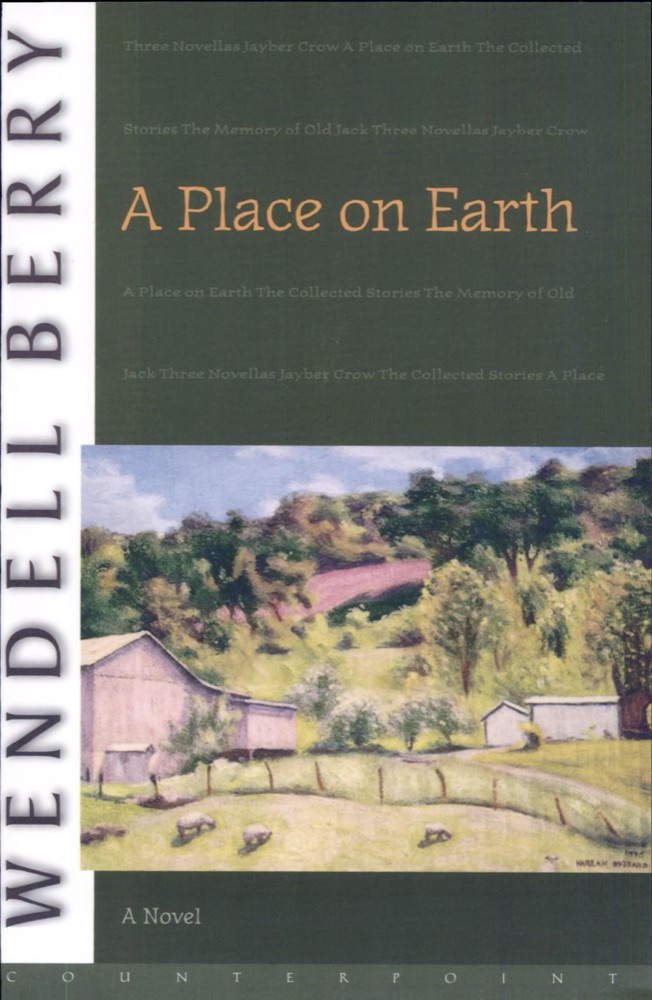
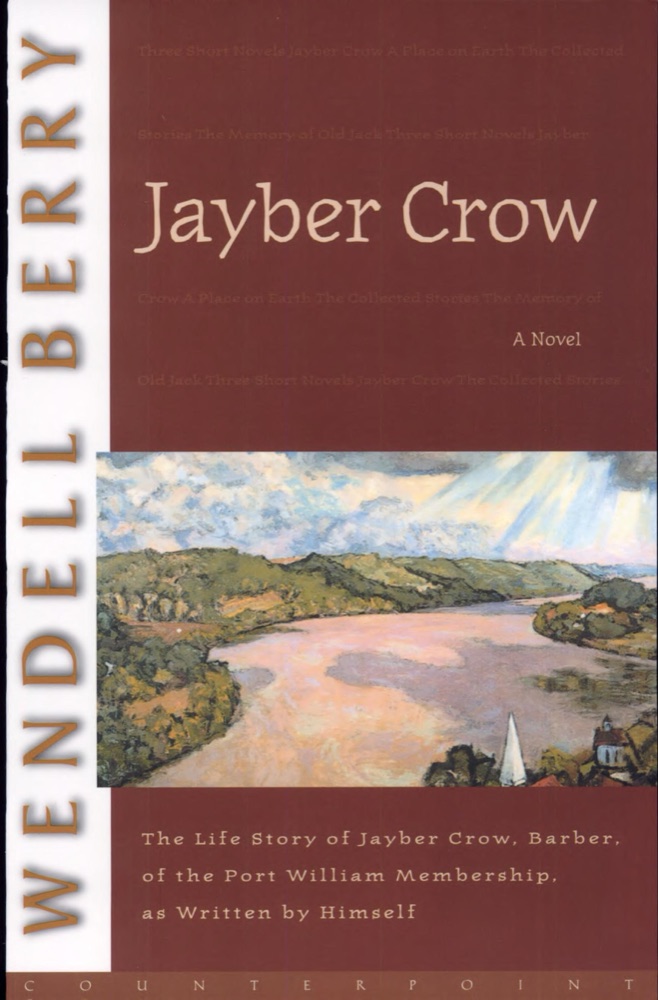
Published in 1967, we return to Port William during the Second World War to revisit Jayber Crow, the barber, Uncle Stanley, the gravedigger, Jarrat and Burley, the sharecroppers, and Brother Preston, the preacher, as well as Mat Feltner, his wife Margaret, and his daughter-in-law Hannah, whose son will be born after news comes that Hannah’s husband Virgil is missing. "The earth is the genius of our life,” Wendell Berry writes here. “The final questions and their answers lie serenely coupled in it."
Book details
- First published
- 1966
- Author
- Wendell Berry
- Genre
- Fiction
- Goodreads rating
- 4.33 (4k ratings)
Keep reading
 The Professor's House
 You Can't Go Home Again
 My Friends
 Jayber Crow
 Remembering
 The High Mountains of Portugal
 The Memory of Old Jack: A Novel
 Independent People
 Light in August
 Spring Snow
 Earth Abides
 Absalom, Absalom!
 A Sport and a Pastime
 One of Ours
 West with the Night
 Cold Mountain
 A Death in the Family
 An Echo in the Bone
 The Known World
 So Long, See You Tomorrow
 The Crossing
 Everyman
 The Third Policeman
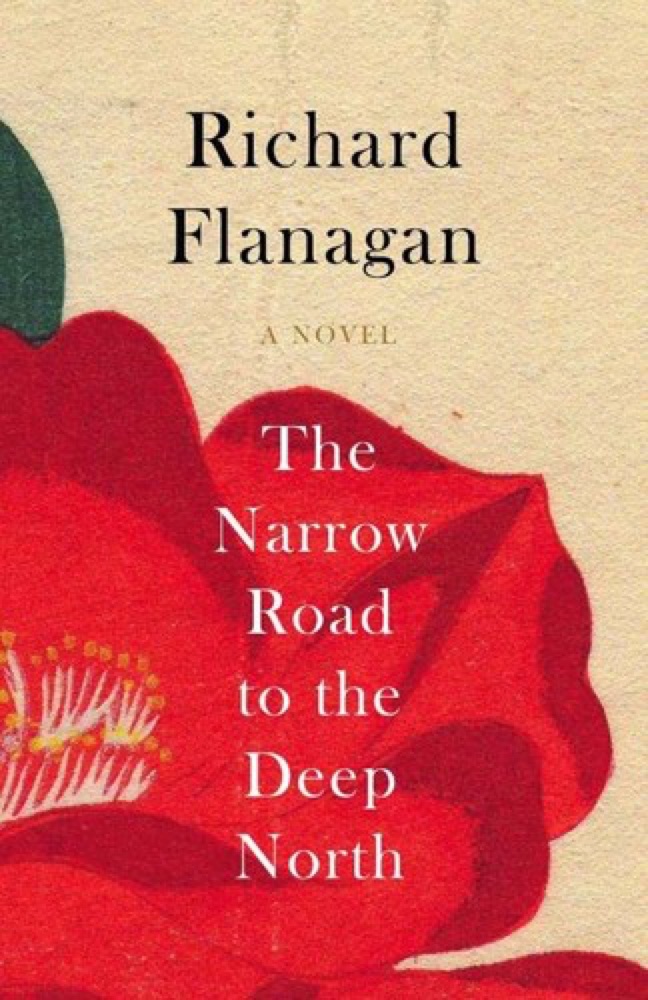 The Narrow Road to the Deep North
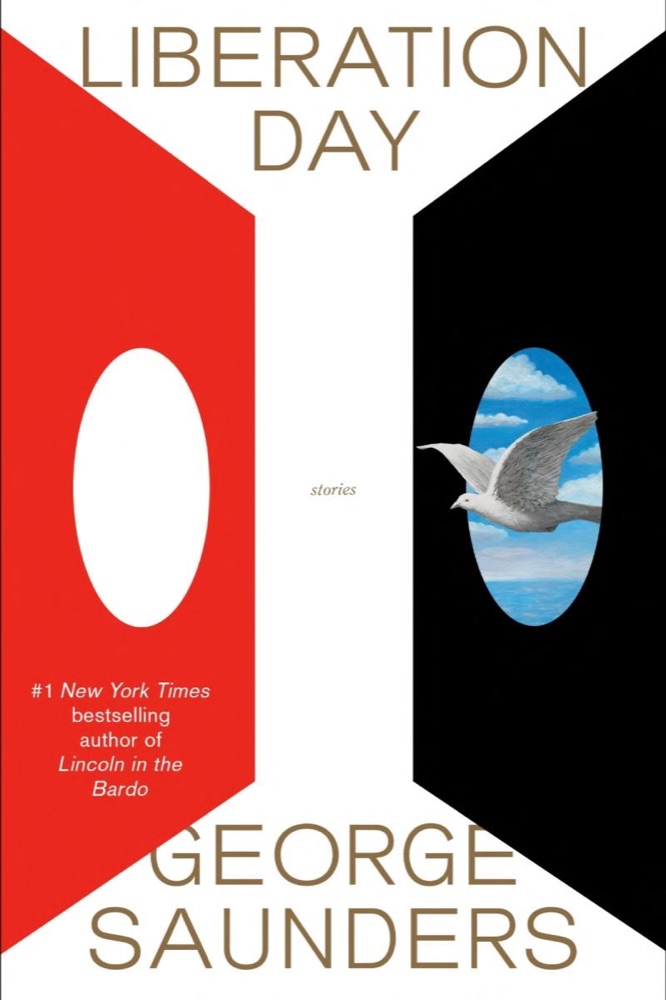 Liberation Day
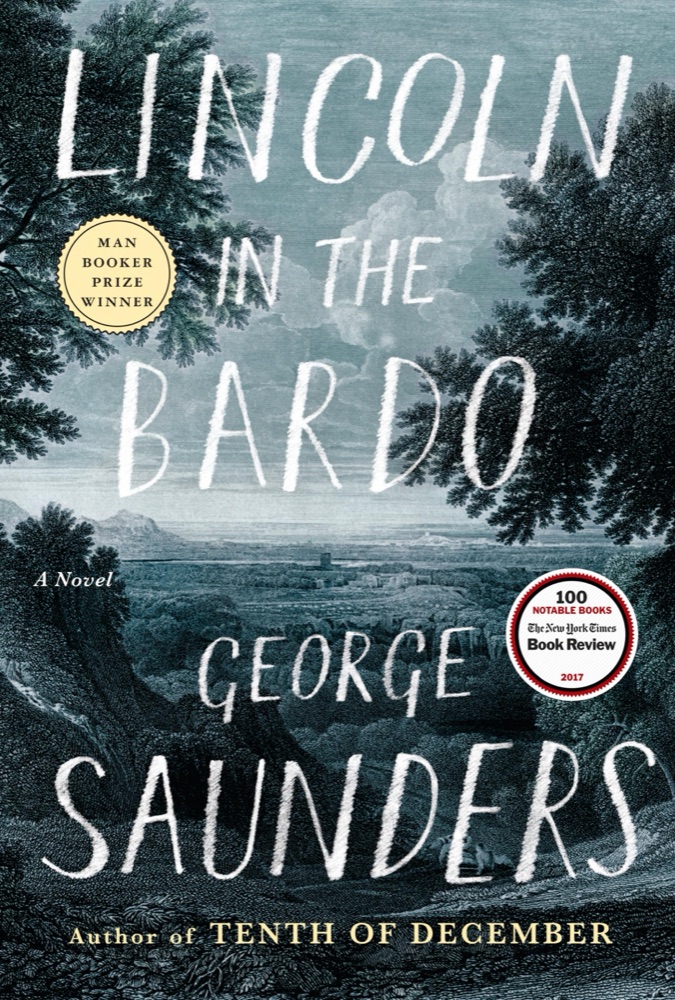 Lincoln in the Bardo
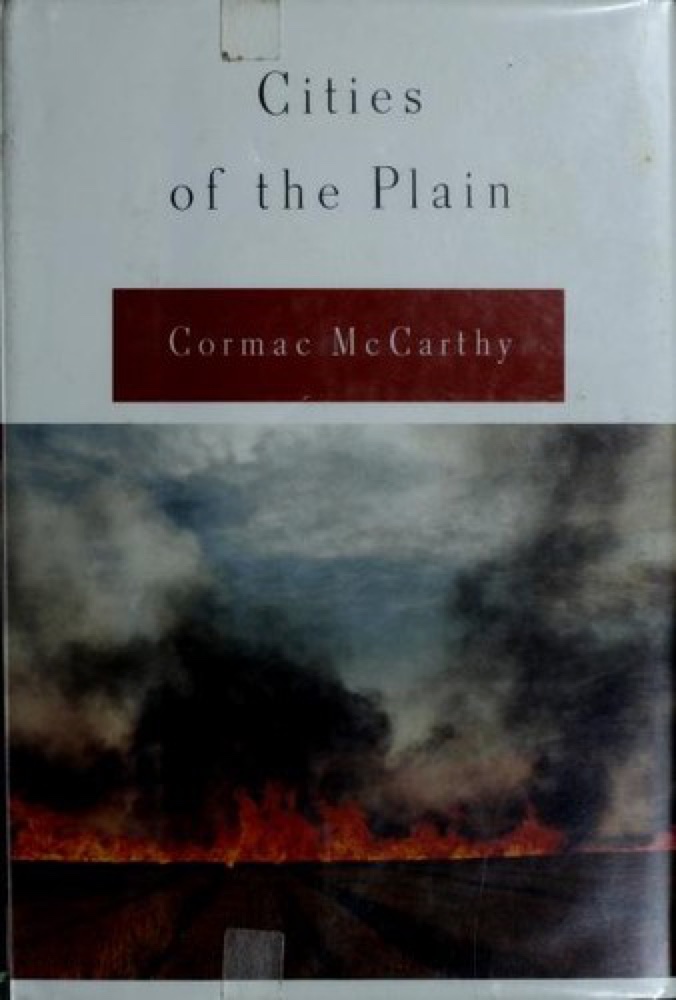 Cities of the Plain
 All the King's Men
 A Single Man
 The Illustrated Man
 A Burnt-Out Case
 Arcadia
 This Is Happiness
 Sometimes a Great Notion
 The Lincoln Highway
 The Great Mistake
 Light Years
 The Morning Star
 Perfect
 Angle of Repose
 Simply Love
 Essays of E.B. White
 Uncle Tom's Cabin
 To Paradise
 Baumgartner
 Where Things Come Back
 Norwegian by Night
 Saturday
 The Infinities
 The Quick and the Dead
 Men Without Women
 Chances Are...
 A Soldier of the Great War
 The Sparrow
 Imagine Me Gone
 Miss Lonelyhearts
 The Wild Palms
 Christmas Holiday
 Birdsong
 The Quiet Game