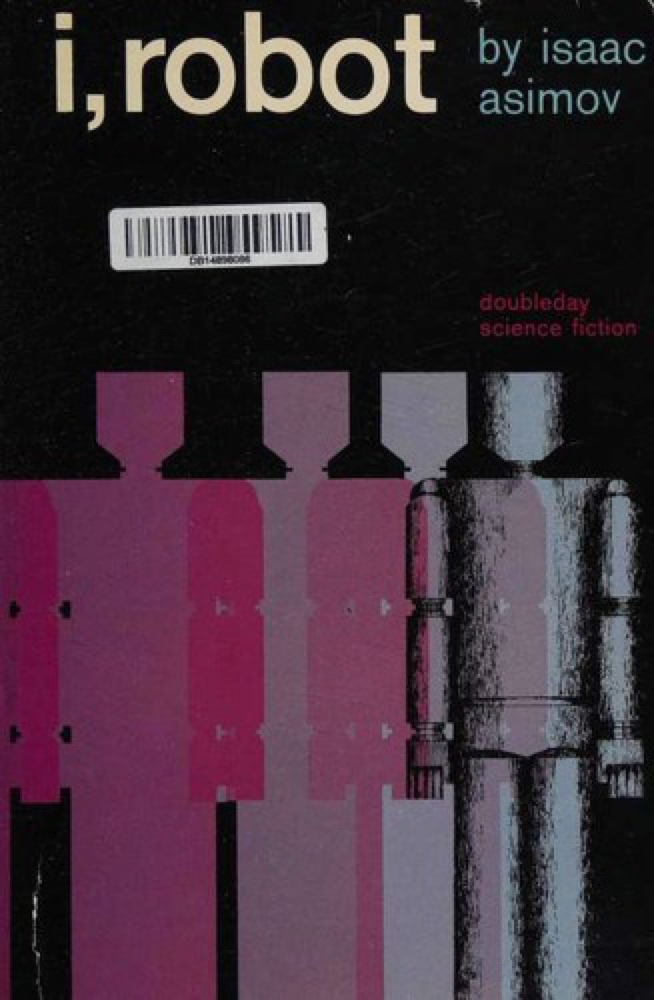
 I, Robot
Quotes from the Book
In a properly automated and educated world, then, machines may prove to be the true humanizing influence. It may be that machines will do the work that makes life possible and that human beings will do all the other things that make life pleasant and worthwhile
59
Feminine intuition? Is that what you wanted the robot for? You men. Faced with a woman reaching a correct conclusion and unable to accept the fact that she is your equal or superior in intelligence, you invent something called feminine intuition.
33
After all, all devices have their dangers. The discovery of speech introduced communication—and lies. The discovery of fire introduced cooking—and arson. The discovery of the compass improved navigation—and destroyed civilizations in Mexico and Peru. The automobile is marvelously useful—and kills Americans by the tens of thousands each year. Medical advances have saved lives by the millions—and intensified the population explosion.
19
Surely, if we take on thinking partners––or, at the least, thinking servants––in the form of machines, we will be more comfortable with them, and will relate to them more easily, if they are shaped like humans. It will be easier to be friends with human-shaped robots than with specialized machines of unrecognizable shape. And I sometimes think that, in the desperate straits of humanity today, we would be grateful to have nonhuman friends, even if they are only the friends we build ourselves.
6
The real point of the matter is that what we call a 'wrong datum' is one which is inconsistent with all other known data. It is our only criterion for right and wrong.
5
You can't understand human motivation. You can only understand your damned machines because you're a machine yourself, with skin on.
3
The day of the week on which the tour took place was known to all workers. All devices in its path ought to have been carefully neutralized or locked, since it was unreasonable to expect human beings to withstand the temptation to handle knobs, keys, handles and pushbuttons.
3
She's qualified all right. She understands robots like a sister—comes from hating human beings so much, I think.
3
Asimov’s Three Laws of Robotics,” and here they are: 1. A robot may not injure a human being, or, through inaction, allow a human being to come to harm. 2. A robot must obey the orders given it by human beings except where such orders would conflict with the First Law. 3. A robot must protect its own existence as long as such protection does not conflict with the First or Second Law.
2
Rabbi Loew of sixteenth-century Prague. He is supposed to have formed an artificial human being—a robot—out of clay, just as God had formed Adam out of clay. A clay object, however much it might resemble a human being, is “an unformed substance” (the Hebrew word for it is “golem”), since it lacks the attributes of life. Rabbi Loew, however, gave his golem the attributes of life by making use of the sacred name of God, and set the robot to work protecting the lives of Jews against their persecutors.
2
It seems to me that only someone who wishes for freedom can be free. I wish for freedom.
1
era RG-32 la elección lógica; de hecho, la única. No fue difícil explicarle de algún modo lo que necesitábamos. Archie (era costumbre llamar a un robot por alguna perversión vulgar de su número de serie)
«Las Tres Leyes de la Robótica de Asimov» y son las siguientes: 1. Un robot no puede hacer daño a un ser humano, o, por medio de la inacción, permitir que un ser humano sea lesionado. 2. Un robot debe obedecer las órdenes recibidas por los seres humanos, excepto si estas órdenes entrasen en conflicto con la Primera Ley. 3. Un robot debe proteger su propia existencia en la medida en que esta protección no sea incompatible con la Primera y la Segunda Ley.
en mi cuarta historia de robot, El círculo vicioso, que apareció en el número de marzo de 1942 de Astounding Science Fiction. En este ejemplar, en la página 100, hacia la tercera parte de la primera columna (no tengo más remedio que recordarlo), uno de mis personajes le dice al otro: «Ahora, escucha, vamos a empezar con las Tres Reglas Fundamentales de la Robótica.»
Capek lamó a estos seres humanos artificiales «robots», que era una palabra checa para «trabajadores forzados» o «esclavos». De hecho, las siglas del título de la obra proceden de «Robots Universales de Rossum», el nombre de la compañía del héroe.
nadie utilizó la palabra «robot» hasta 1920 (casualmente el año en que yo nací). Aquel año, un dramaturgo checo, Karel Capek, escribió la obra R.U.R., sobre un inglés, Rossum, que fabricaba seres humanos artificiales en cantidad. Éstos estaban destinados a realizar las labores arduas de la Tierra, de forma que los seres humanos reales pudiesen vivir placentera y confortablemente sus vidas.
«hay ciertas cosas que la Humanidad no está destinada a conocer»,
En los mitos griegos, estaba el titán, o Prometeo, que suministró el fuego (y por consiguiente tecnología) a los seres humanos y por ello fue terriblemente castigado por el enfurecido Zeus, que era el dios jefe.
Watch on YouTube
About Isaac Asimov
We have collected 398 quotes from 23 books by Isaac Asimov on BookQuoters.
More about the author →More by Isaac Asimov
All books by Isaac Asimov →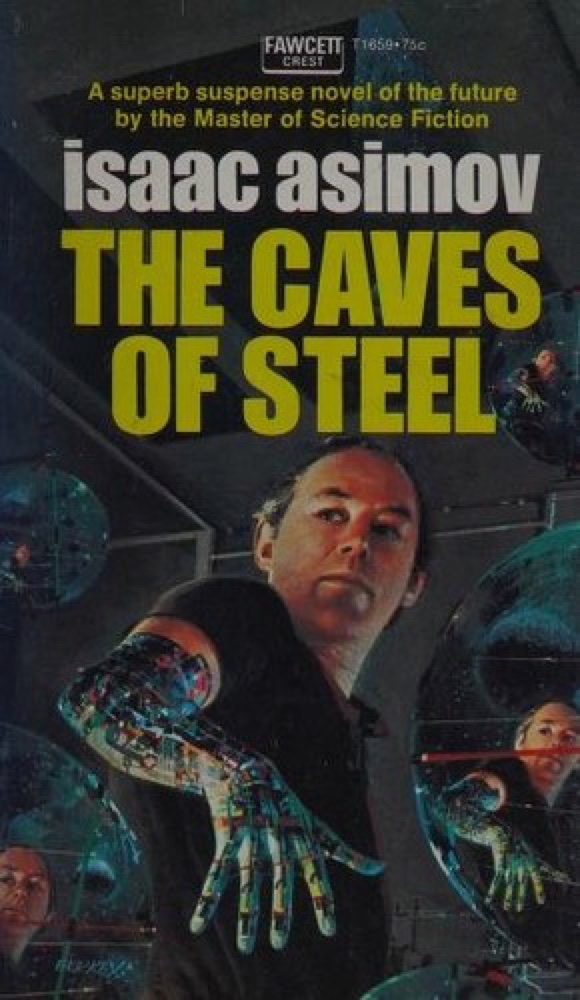
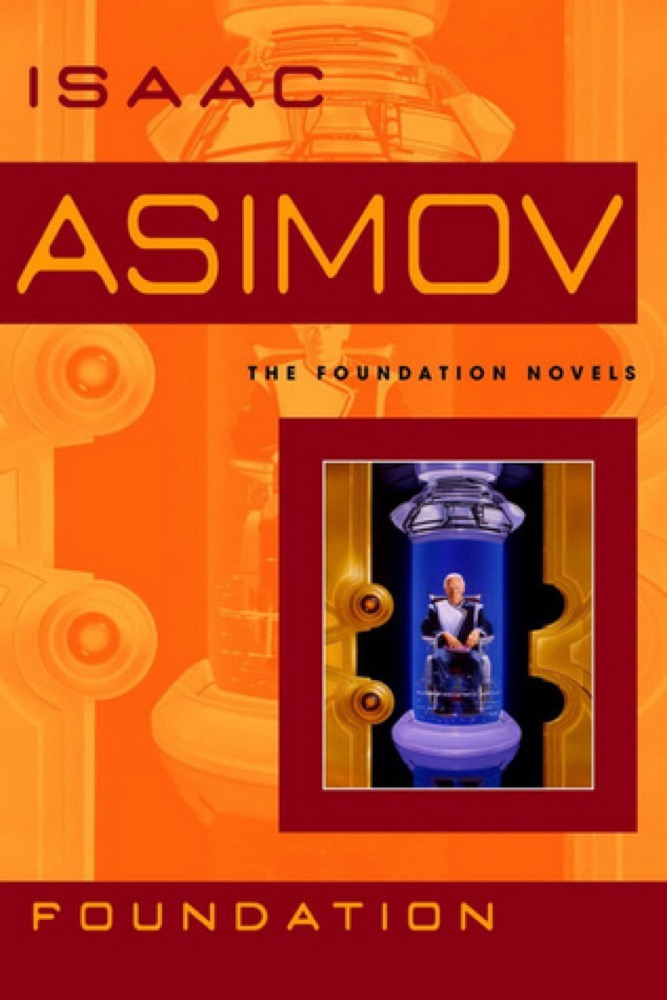
About the book
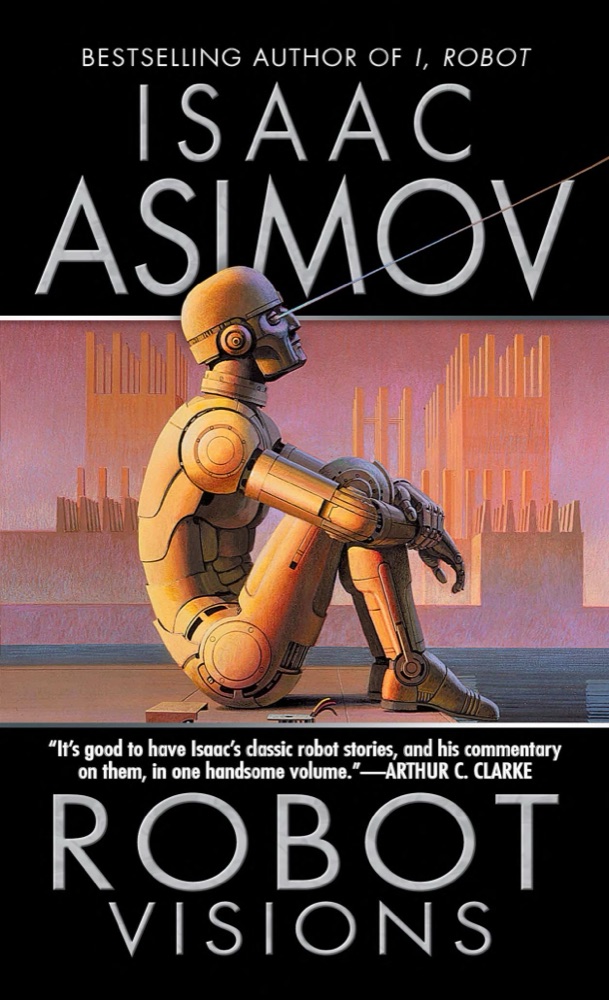
From Isaac Asimov, the Hugo Award-winning Grand Master of Science Fiction whose name is synonymous with the science of robotics, comes five decades of robot visions: thirty-four landmark stories and essays—including three rare tales—gathered together in one volume.
Meet all of Asimov’s most famous creations including: Robbie, the very first robot that his imagination brought to life; Susan Calvin, the original robot psychologist; Stephen Byerley, the humanoid robot; and the famous human/robot detective team of Lije Bailey and R. Daneel Olivaw, who have appeared in such bestselling novels as The Robots of Dawn and Robots and Empire.
Let the master himself guide you through the key moments in the fictional history of robot-human relations—from the most primitive computers and mobile machines to the first robot to become a man. (back cover)
Contents:
Robot Visions • cover and
Book details
- First published
- 1990
- Author
- Isaac Asimov
- Genre
- Science Fiction
- Goodreads rating
- 4.23 (12k ratings)
Keep reading
I, Robot
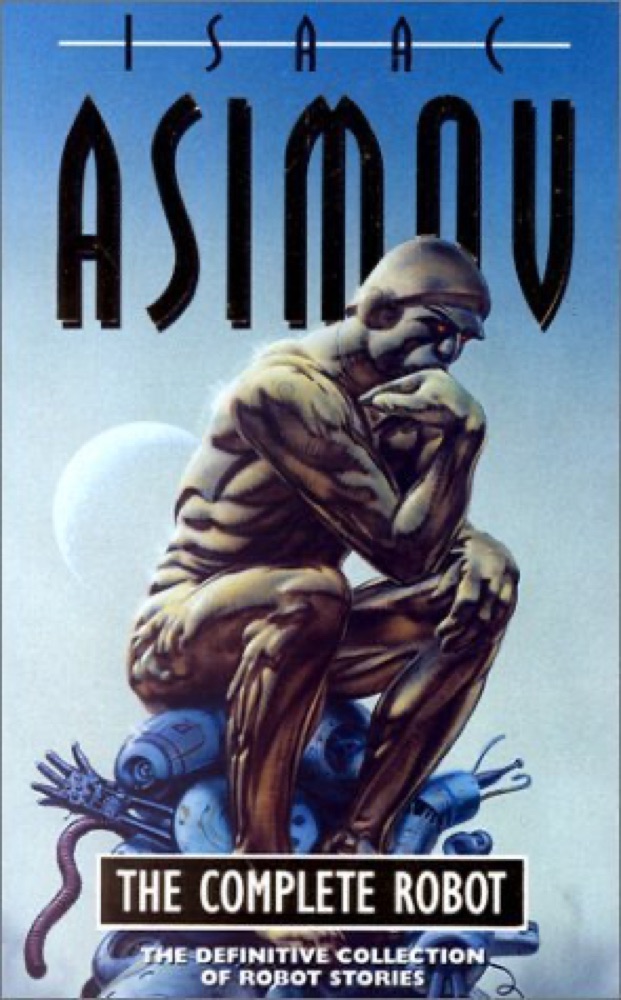 The Complete Robot
 Service Model
 The Butlerian Jihad
 The Futurological Congress: From the Memoirs of Ijon Tichy
 The Naked Sun
 R.U.R.
 Machinehood
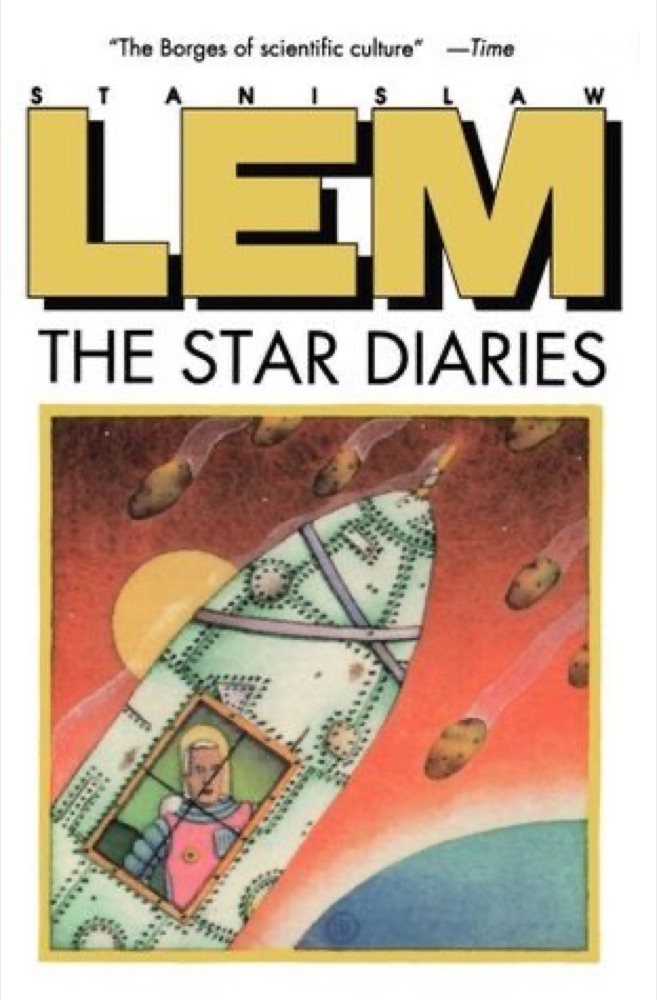 The Star Diaries
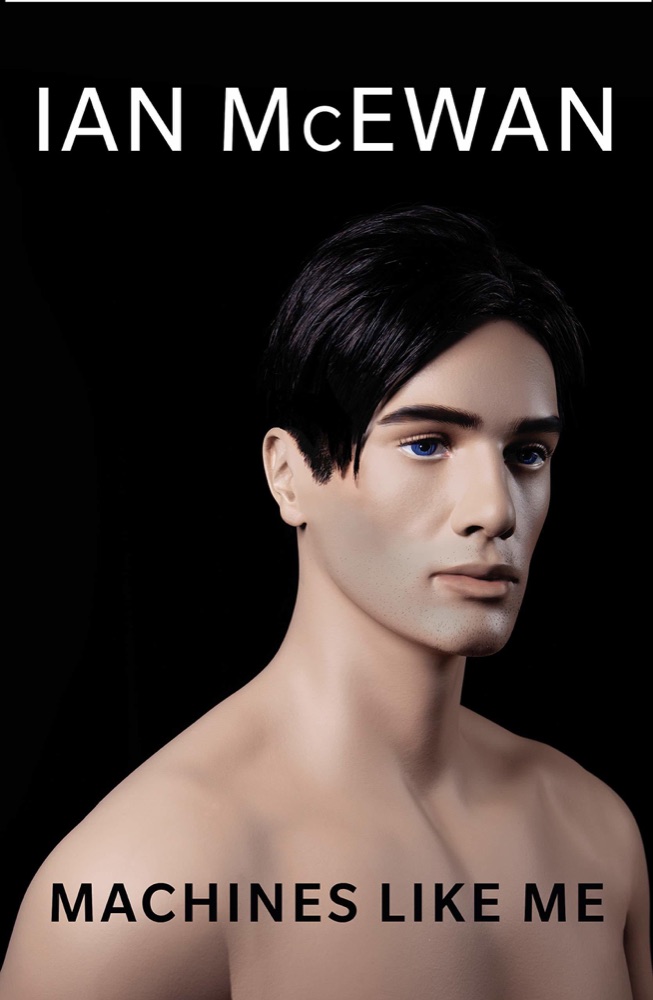 Machines like Me
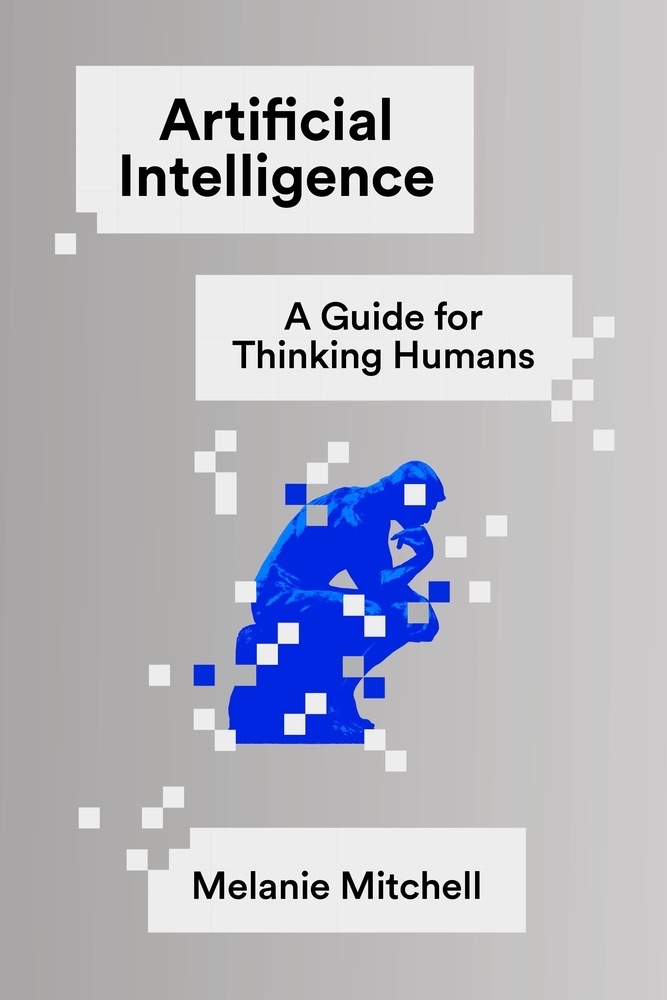 Artificial Intelligence: A Guide for Thinking Humans
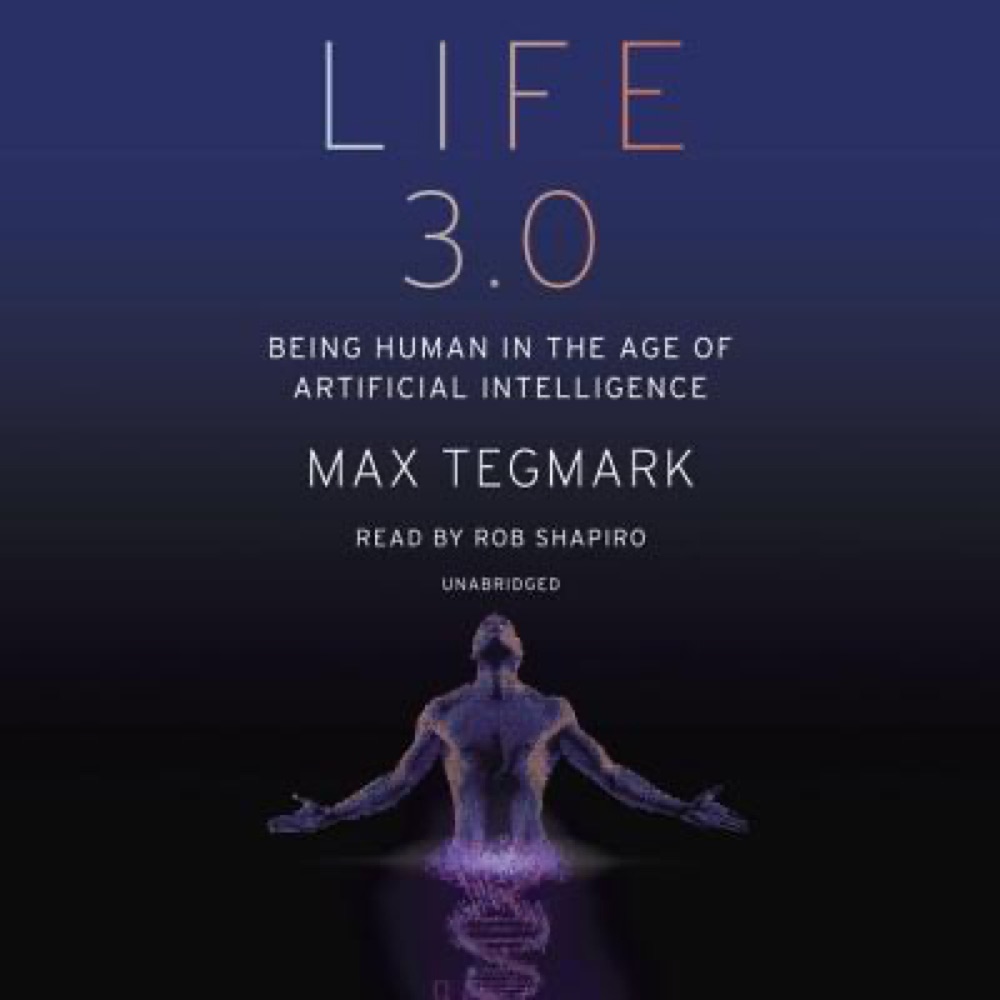 Life 3.0: Being Human in the Age of Artificial Intelligence
 Brave New World / Brave New World Revisited
 The Machine Crusade
 The Most Human Human: What Talking with Computers Teaches Us About What It Means to Be Alive
 The Mountain in the Sea
 God and the State
 Redemption Ark
 Galileo
 To Be a Machine : Adventures Among Cyborgs, Utopians, Hackers, and the Futurists Solving the Modest Problem of Death
 House Corrino
 Ways of Being: Animals, Plants, Machines: The Search for a Planetary Intelligence
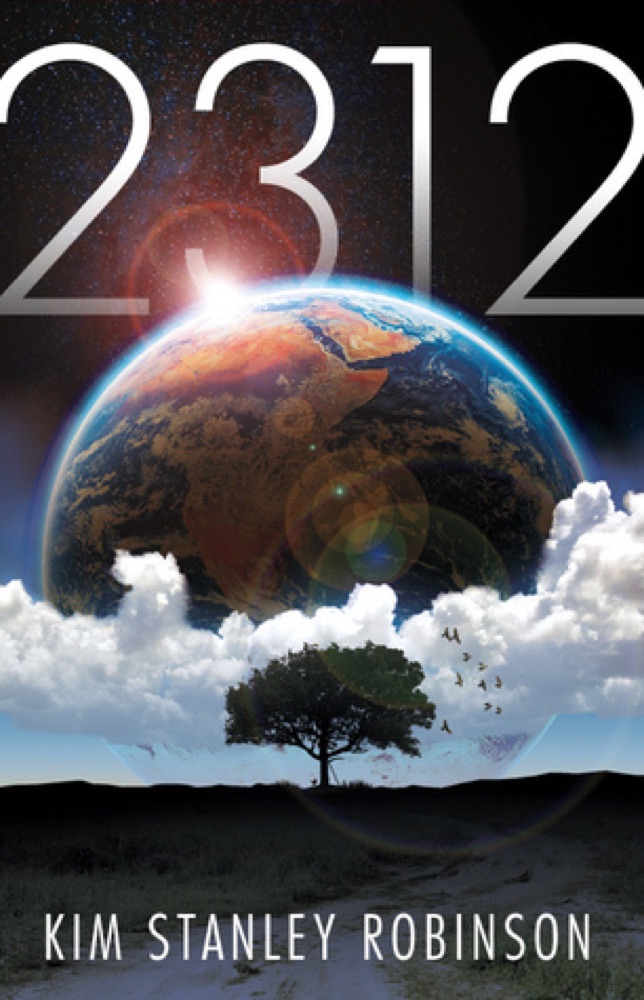 2312
2312
 Without Feathers
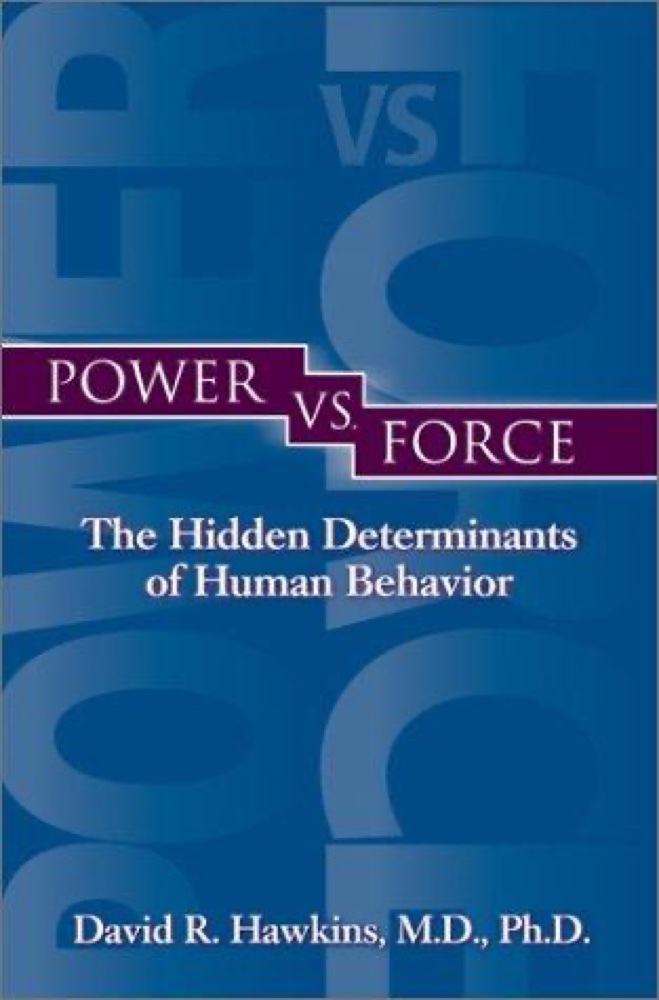 Power vs. Force
 Ficciones
 The Invention of Morel
 Next
Next
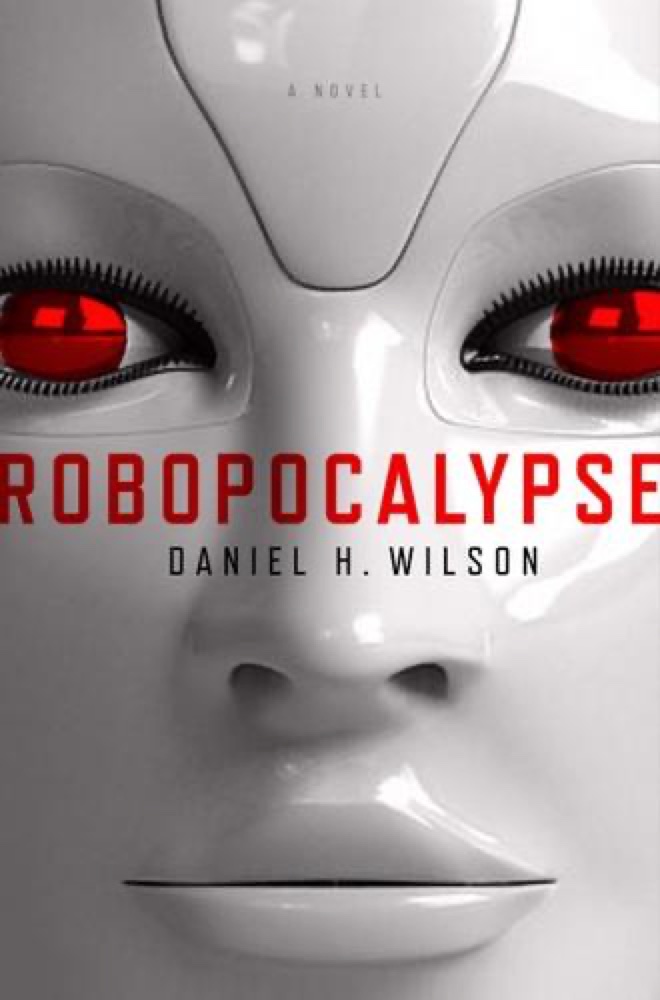 Robopocalypse
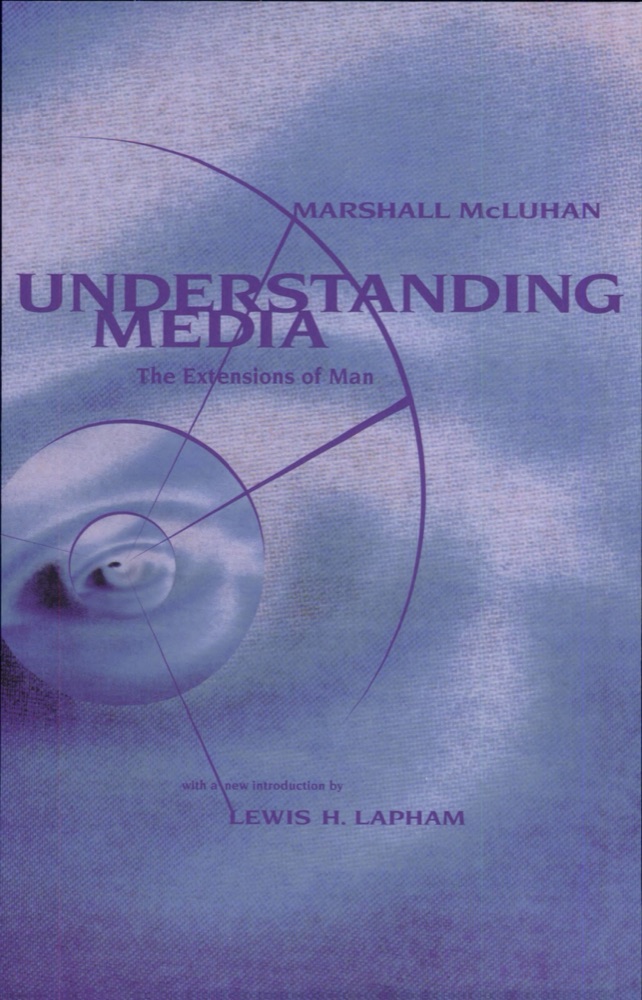 Understanding Media: The Extensions of Man
 The Singularity is Near: When Humans Transcend Biology
 Co-Intelligence: Living and Working with AI
 Seven Surrenders
 Heretics of Dune
 Sea of Rust
 Elizabeth Costello
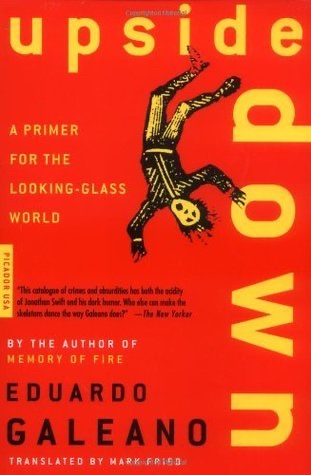 Upside Down: A Primer for the Looking-Glass World
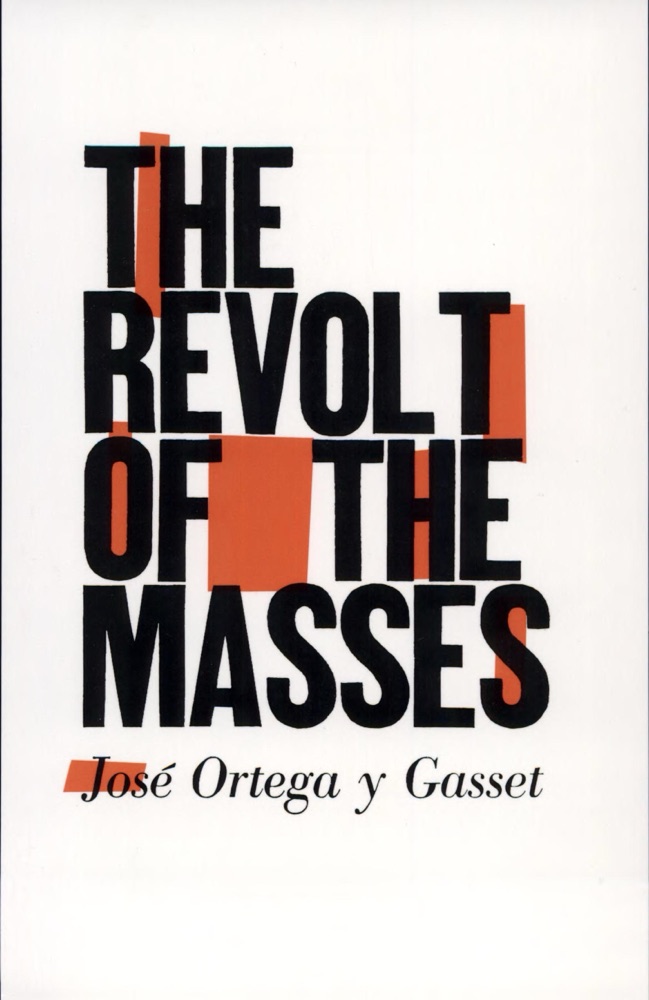 The Revolt of the Masses
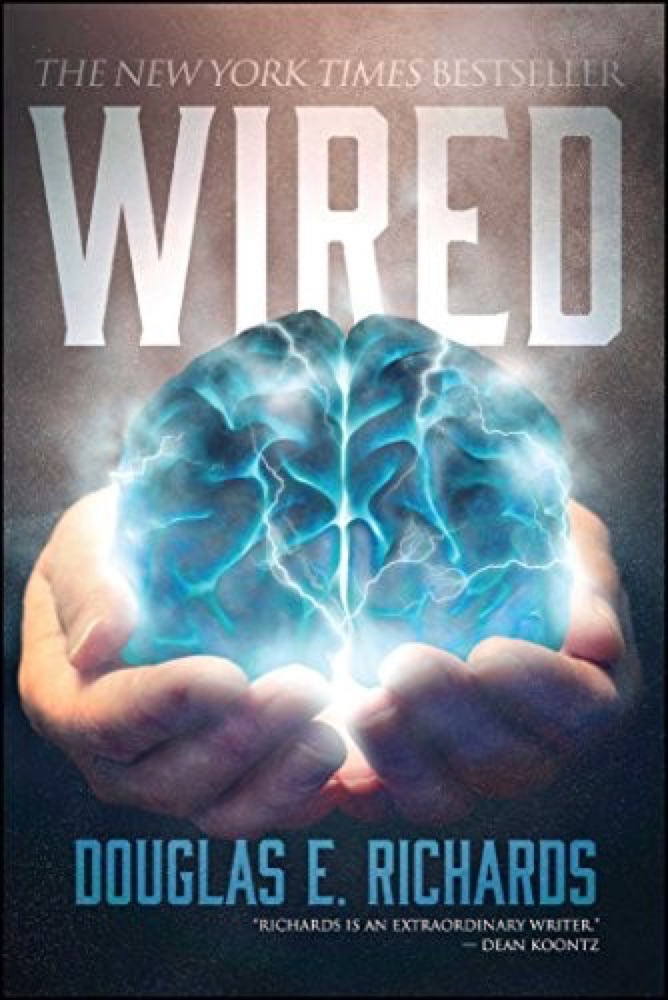 Wired
Wired
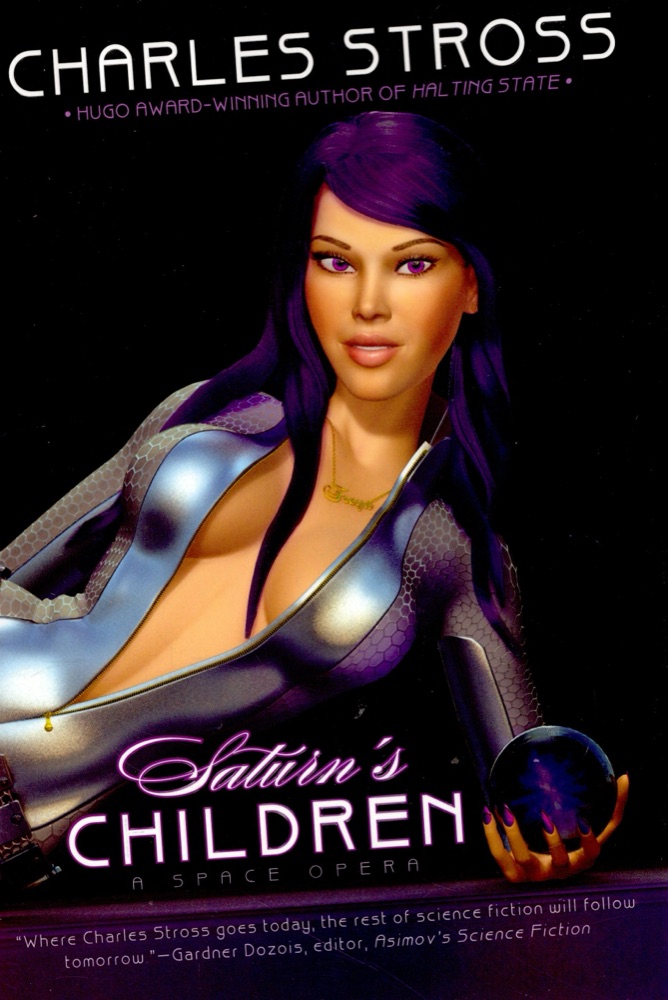 Saturn's Children
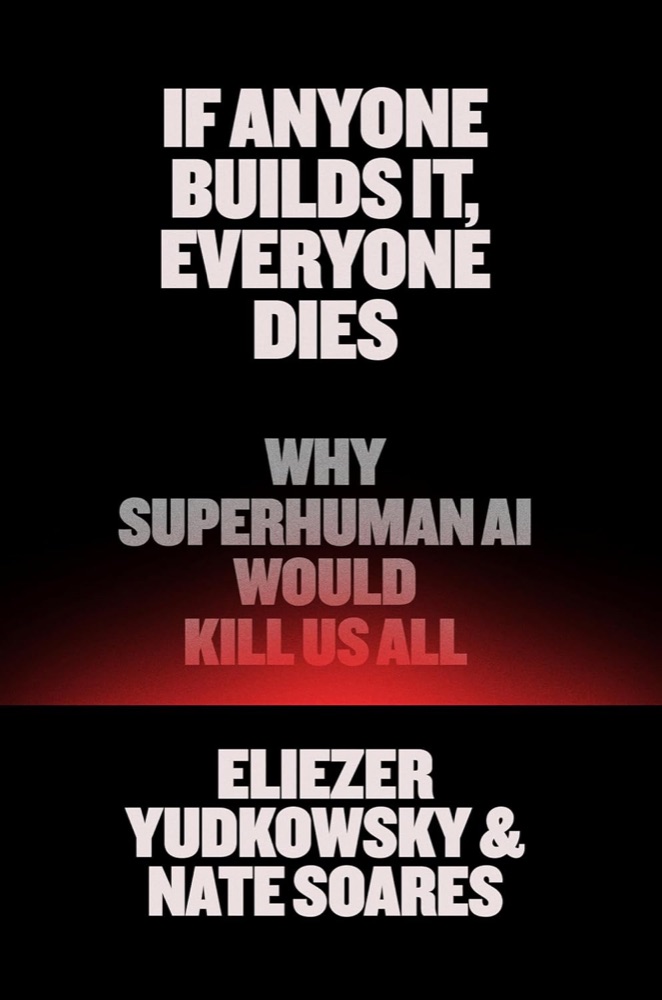 If Anyone Builds It, Everyone Dies: Why Superhuman AI Would Kill Us All
 On the Steel Breeze
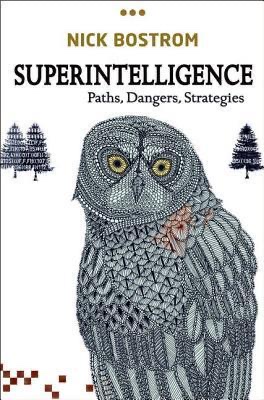 Superintelligence: Paths, Dangers, Strategies
 Psychology and Religion
 Whose Story Is This? Old Conflicts, New Chapters
 Doctor Glas
 The Man Who Counted: A Collection of Mathematical Adventures
 Brass Man
 Physics of the Future: How Science Will Shape Human Destiny and Our Daily Lives by the Year 2100
 Roadside Picnic
 Phaedo
 Gnomon
 Perhaps the Stars
 The Mote in God's Eye
 The Aleph and Other Stories
 Nasty, Brutish, and Short: Adventures in Philosophy with My Kids
 Blindsight
 Billions & Billions: Thoughts on Life and Death at the Brink of the Millennium
 Machine Man
 Foundation and Empire