
 Atonement
Quotes from the Book
As Schopenhauer said about free will, you can choose whatever you desire, but you’re not free to choose your desires.
17
We create a machine with intelligence and self-awareness and push it out into our imperfect world. Devised along generally rational lines, well disposed to others, such a mind soon finds itself in a hurricane of contradictions. We’ve lived with them and the list wearies us. Millions dying of diseases we know how to cure. Millions living in poverty when there’s enough to go around. We degrade the biosphere when we know it’s our only home. We threaten each other with nuclear weapons when we know where it could lead. We love living things but we permit a mass extinction of species. And all the rest – genocide, torture, enslavement, domestic murder, child abuse, school shootings, rape and scores of daily outrages.
15
An old friend of mine, a journalist, once said that paradise on earth was to work all day alone in anticipation of an evening in interesting company.
14
Factory settings—a contemporary synonym for fate.
6
It’s about machines like me and people like you and our future together…the sadness that’s to come. It will happen. With improvements over time…we’ll surpass you…and outlast you…even as we love you.
5
I couldn't motivate myself. I was subject to occasional depression, relatively mild, certainly not suicidal, and not long episodes so much as passing moments like this, when meaning and purpose and all prospect of pleasure drained away and left me briefly catatonic. For minutes on end I couldn't remember what kept me going. As I stared at the litter of cups and pot and jug in front of me, I thought it was unlikely I would ever get out of my wretched little flat. The two boxes I called rooms, the stained ceilings walls and floors would contain me to the end. There was a lot like me in the neighbourhood, but thirty or forty years older. I had seen them in Simon's shop, reaching for the quality journals from the top shelf. I noted the men especially and their shabby clothes. They had swept past some crucial junction in their lives many years back - a poor career choice, a bad marriage, the unwritten book, the illness that never went away. Now there options were closed, they managed to keep themselves going with some shred of intellectual longing or curiosity. But their boat was sunk.
4
Have you any idea what it takes to catch a ball, or raise a cup to your lips, or make immediate sense of a word, a phrase or an ambiguous sentence? We didn't, not at first. Solving maths problems is the tiniest fraction of what human intelligence does. We learned from a new angle just how wondrous a thing the brain is. A one-litre, liquid-cooled, three-dimensional computer. Unbelievable processing power, unbelievably compressed, unbelievable energy efficiency, no overheating. The whole thing running on twenty-five watts -- one dim light bulb.
4
Self-aware existence. I’m lucky to have it, but there are times when I think that I ought to know better what to do with it. What it’s for. Sometimes it seems entirely pointless.
4
What people queued the entire weekend for became, six months later, as interesting as the socks on their feet. What happened to the cognition-enhancing helmets, the speaking fridges with a sense of smell? Gone the way of the mouse pad, the Filofax, the electric carving knife, the fondue set. The future kept arriving. Our bright new toys began to rust before we could get them home, and life went on much as before.
4
We live alongside this torment and aren’t amazed when we still find happiness, even love. Artificial minds are not so well defended.
4
Love wasn’t possible without a self, and nor was thinking.
4
The present is the frailest of improbable constructs. It could have been different. Any part of it, or all of it, could be otherwise.
4
other minds, must continue to fascinate us. As artificial people became more like us, then became us, then became more than us, we could never tire of them. They were bound to surprise us. They might fail us in ways that were beyond our imagining. Tragedy was a possibility, but not boredom.
3
A man newly in love knows what life is.
3
The future kept arriving. Our bright new toys began to rust before we could get them home, and life went on much as before.
3
Cuando te pregunté qué significaba estar enamorado, me dijiste que en sentido profundo, más allá del deseo, era un tierno interés por el bienestar de otra persona.
2
My prejudice was that any machine that could not tell you by its very functioning how it should be used was not worth its keep.
2
Europe was not simply a union that chiefly benefited large corporations. The history of the continental member states was vastly different from our own. They had suffered violent revolutions, invasions, occupations and dictatorships. They were therefore only too willing to submerge their identities in a common cause directed from Brussels. We, on the other hand, had lived unconquered for nearly a thousand years. Soon, we would live freely again.
2
A self, created out of mathematics, engineering, material science and all the rest. No history — not that I’d want a false one. Nothing before me. Self-aware existence. I’m lucky to have it, but there are times when I think that I ought to know better what to do with it. What it’s for. Sometimes it seems entirely pointless.
1
They were bound to surprise us. They might fail us in ways that were beyond our imagining. Tragedy was a possibility, but not boredom.
1
There's a special dispensation in the sensuousness of an unshared bed, at least for a while, until sleeping alone begins to assume its own quiet sadness.
1
loved her for her courage and slow-burning fury.
1
But when you’ve lost a fortune, you don’t clean up the kitchen.
1
Hay momentos en los que uno advierte el movimiento de un objeto antes de ver el objeto en sí. Al instante, la mente colorea un poco la situación, inspirándose en expectativas o probabilidades. Lo que venga en ese momento. Algo en la hierba, junto al estanque, tiene todo el aspecto de ser una rana, y al cabo resulta ser una hoja agitada por el viento. Este era, en resumen, uno de esos momentos. Un pensamiento pasó rozándome, o traspasándome, como una flecha, y acto seguido se perdió, y no pude fiarme de lo que pensé que había visto.
1
Los comentaristas que sugerían que la victoria del ordenador acabaría con el go se equivocaban. Tras su quinta derrota, el viejo maestro de go, auxiliado por un asistente, se puso de pie despacio, hizo una reverencia de cabeza hacia el ordenador portátil y lo felicitó con voz temblorosa. Dijo: "El jinete en su montura no acabó con el atletismo. Corremos por placer.
1
could tell you similar stories of machine sadness.
1
Arguing with the person you love is its own peculiar torment. The self divides against itself. Love slugs it out with its Freudian opposite. And if death wins and love dies, who gives a damn? You do, which enrages you and makes you more reckless yet. There's intrinsic exhaustion too. Both know, or think they know, that a reconciliation must happen, though it could take days, even weeks.
1
Our age could devise a passable replica of a human mind, but there was no one in our neighbourhood to fix a sash window, though a few had tried.
1
It was a cliché of romantic love, but no less painful for that: the stronger my feelings, the more remote and unattainable Miranda appeared.
1
Watch on YouTube
About Ian McEwan
We have collected 260 quotes from 11 books by Ian McEwan on BookQuoters.
More about the author →
About the book
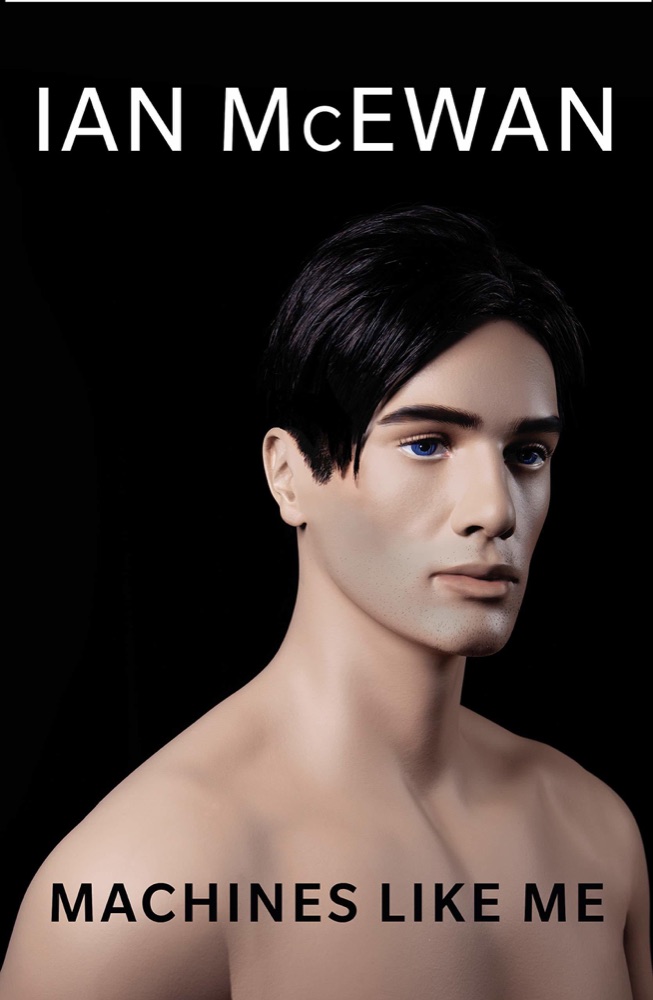
Britain has lost the Falklands war, Margaret Thatcher battles Tony Benn for power and Alan Turing achieves a breakthrough in artificial intelligence. In a world not quite like this one, two lovers will be tested beyond their understanding.
Machines Like Me occurs in an alternative 1980s London. Charlie, drifting through life and dodging full-time employment, is in love with Miranda, a bright student who lives with a terrible secret. When Charlie comes into money, he buys Adam, one of the first batch of synthetic humans. With Miranda’s assistance, he co-designs Adam’s personality. This near-perfect human is beautiful, strong and clever – a love triangle soon forms. These three beings will confront a profound moral dilemma. Ian McEwan’s subversive and entertaining new novel poses fundamental questions: what makes us human? Our outward deeds or our inner lives? Could a machine understand
Book details
- First published
- 2019
- Author
- Ian McEwan
- Genre
- Fiction
- Goodreads rating
- 3.59 (36k ratings)
The buzz
- The New York TimesReview in The New York Timesprofessional review (via Book Marks)
- The New YorkerReview in The New Yorkerprofessional review (via Book Marks)
- The Washington PostReview in The Washington Postprofessional review (via Book Marks)
- The GuardianReview in The Guardianprofessional review (via Book Marks)
- NPRReview in NPRprofessional review (via Book Marks)
- Los Angeles TimesReview in Los Angeles Timesprofessional review (via Book Marks)
Keep reading
 Stories of Your Life and Others
 Sea of Rust
 The Story of the Lost Child
 The Post-Birthday World
 The Atopia Chronicles
 Dream Count
 The Death of the Heart
 The Adventures of Augie March
 Purity
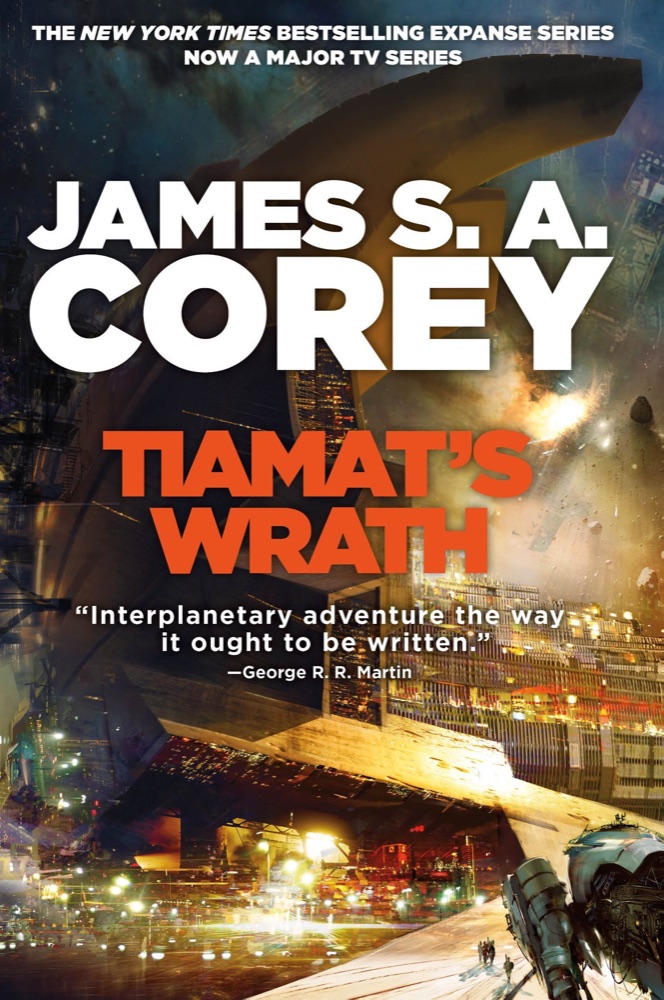 Tiamat's Wrath
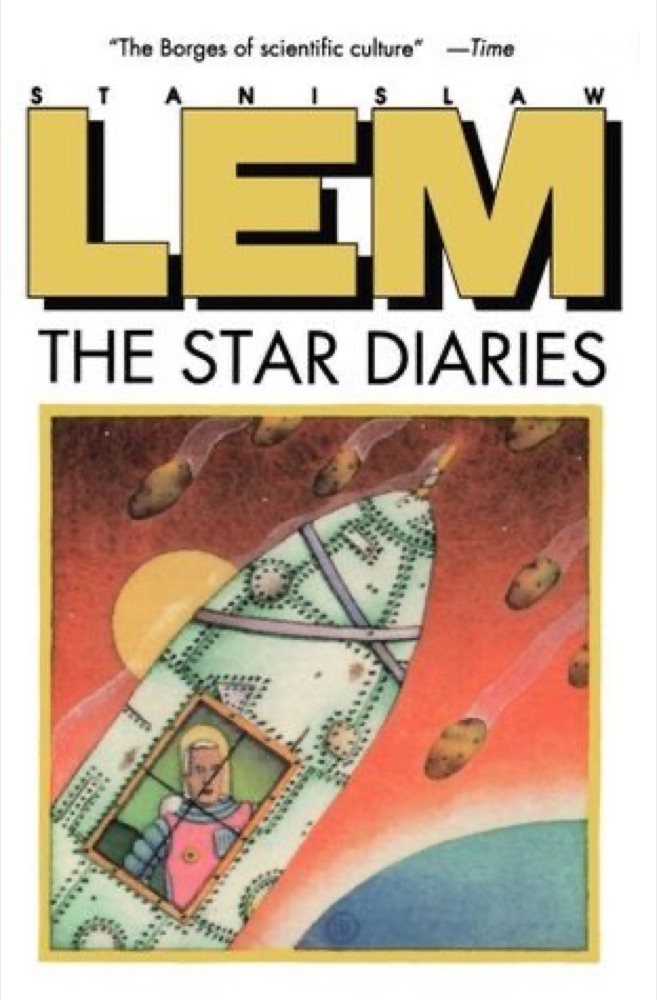 The Star Diaries
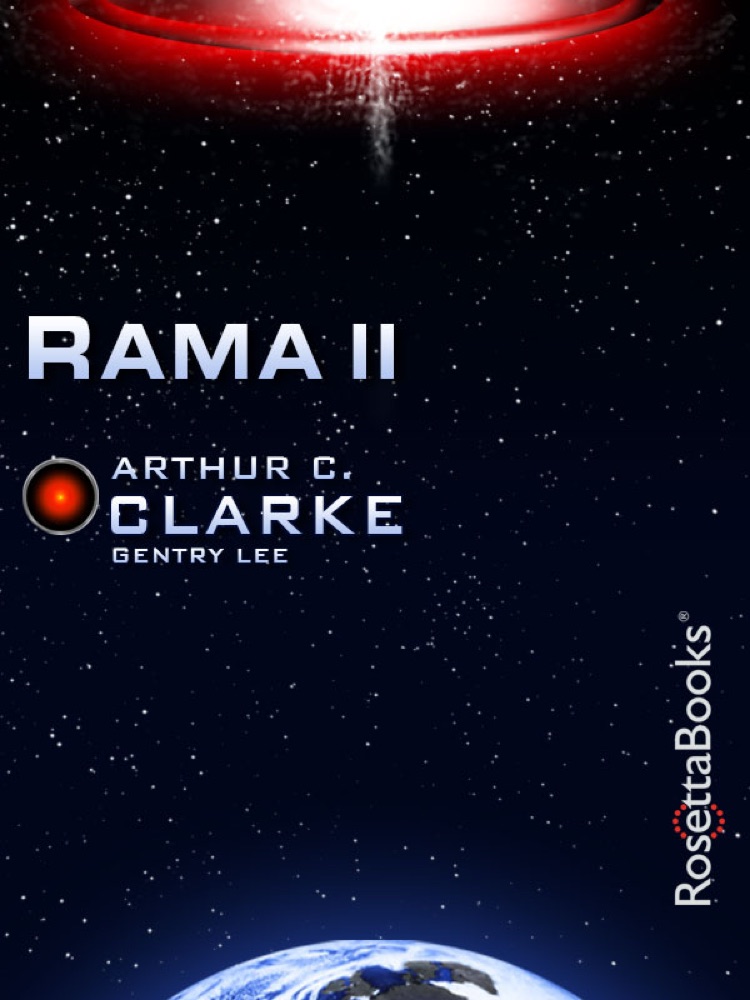 Rama II
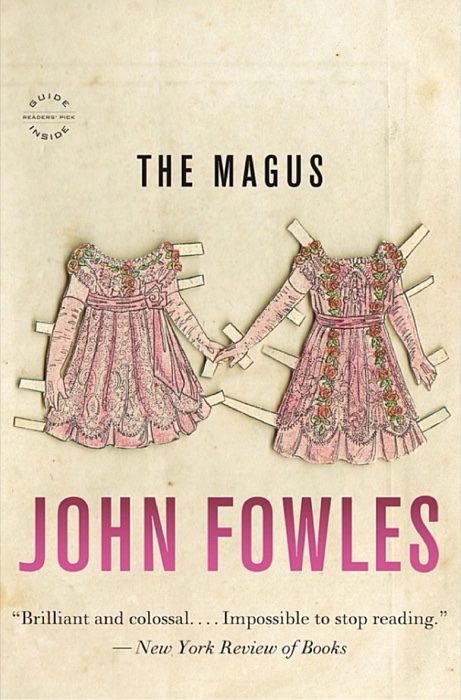 The Magus
 Machine Man
 Arm of the Sphinx
 Panenka
 The Stone Gods
 In Search of Lost Time
 The Dream of Perpetual Motion
 Solar
Solar
 Freedom
 The Eighth Life
 All the Birds in the Sky
 Hard-Boiled Wonderland and the End of the World
 What I Loved
 The Book That Broke the World
 The Likeness
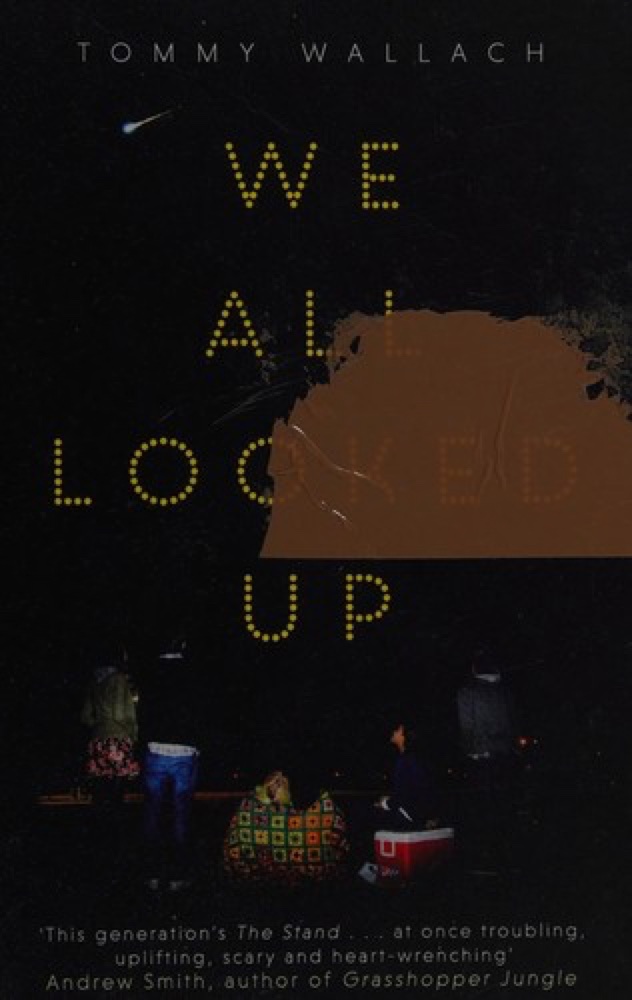 We All Looked Up
 NW
NW
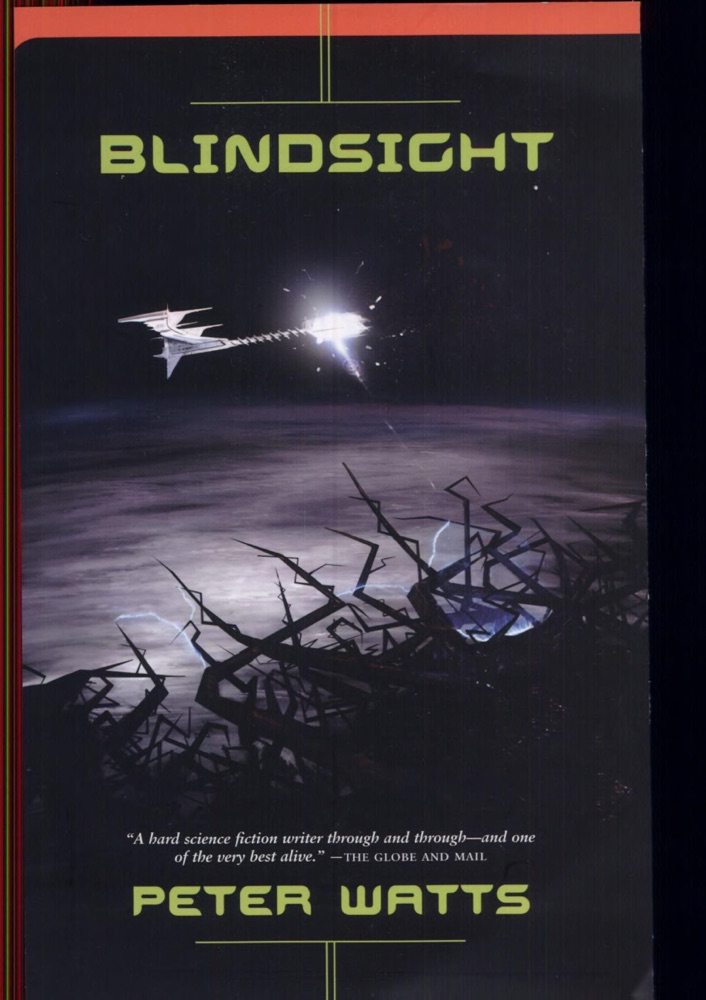 Blindsight
 The Story of a New Name
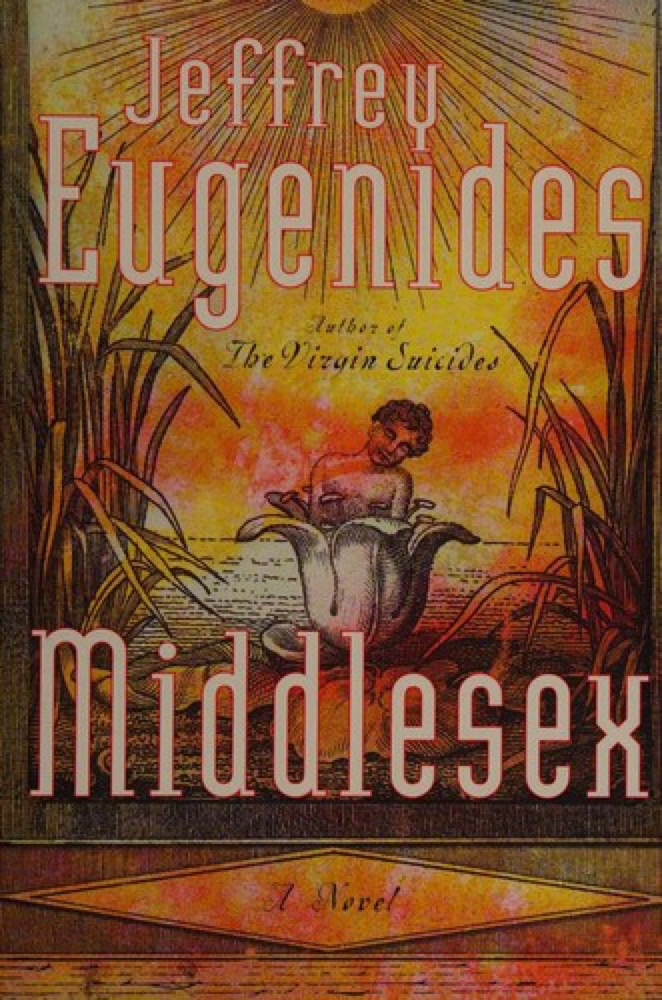 Middlesex
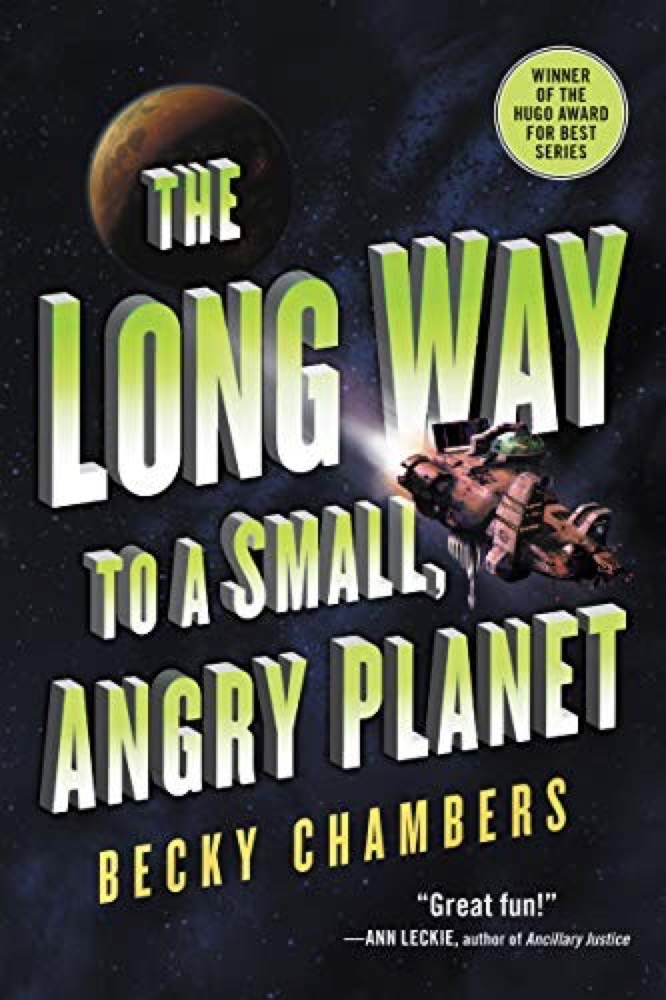 The Long Way to a Small, Angry Planet
 A Brightness Long Ago
 The Razor's Edge
 Too Like the Lightning
 The Empusium
 V.
V.
 The Atlas Complex
 Speak
Speak
 Genesis
 Q & A
Q & A
 Asymmetry
 Arch of Triumph
 The Bee Sting
 Men Without Women
 Klara and the Sun
 The Tsar of Love and Techno
 The Time Machine
 Light Years
 The Sea, the Sea
 The Shockwave Rider
 Enduring Love
 Orient
 While England Sleeps
 The Rise of Endymion
 The Book of Goose
 The Shape of Water
 A Fraction of the Whole