

 Our Lady of the Flowers
Quotes from the Book
She was happy, and perfectly in line with the tradition of those women they used to call "ruined," "fallen," feckless, bitches in heat, ravished dolls, sweet sluts, instant princesses, hot numbers, great lays, succulent morsels, everybody's darlings...
57
Added to the moral solitude of the murderer comes the solitude of the artist, which can acknowledge no authority, save that of another artist.
31
The rims of his eyelids were burning. A blow received straightens a man up and makes the body move forward, to return that blow, or a punch-to jump, to get a hard-on, to dance: to be alive. But a blow received may also cause you to bend over, to shake, to fall down, to die. When we see life, we call it beautiful. When we see death, we call it ugly. But it is more beautiful still to see oneself living at great speed, right up to the moment of death. Detectives, poets, domestic servants and priests rely on abjection. From it, they draw their power. It circulates in their veins. It nourishes them.
17
And he was apprehensive that some light, emanating from within his body, or from his true consciousness, might not be illuminating him, might not, in some way from inside the scaly carapace, give off a reflection of that true form and make him visible to men, who would then have to hunt him down.
4
Humility can only be born out of humiliation
4
The severe and at times almost condemning glance - a glance that seems to pass judgment - with which the homosexual appraises every good-looking young man he may encounter, is in reality a quick but intense meditation on his own loneliness
3
From dawn on the sea was constructing its own architecture of hulks, masts and rigging, under the still sleep-blurred eyes of the men chained together in pairs.
1
Watch on YouTube
About Jean Genet
We have collected 73 quotes from 5 books by Jean Genet on BookQuoters.
More about the author →More by Jean Genet


About the book
Querelle of Brest was first published anonymously in 1947 and limited to 460 numbered copies. It is set in the midst of the port town of Brest, where sailors and the sea are associated with murder. Its protagonist, Georges Querelle, is a bisexual thief, prostitute, and serial killer who manipulates and kills his lovers for thrills and profit. The novel formed the basis for Rainer Werner Fassbinder's last film, Querelle (1982)
Book details
- First published
- 1947
- Author
- Jean Genet
- Genre
- Fiction
- Goodreads rating
- 3.93 (3k ratings)
Keep reading
 Death in Venice
 The Luminaries
 The House of the Seven Gables
 The Sailor Who Fell from Grace with the Sea
 The Vampyre
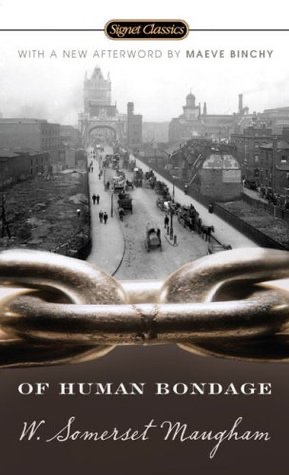 Of Human Bondage
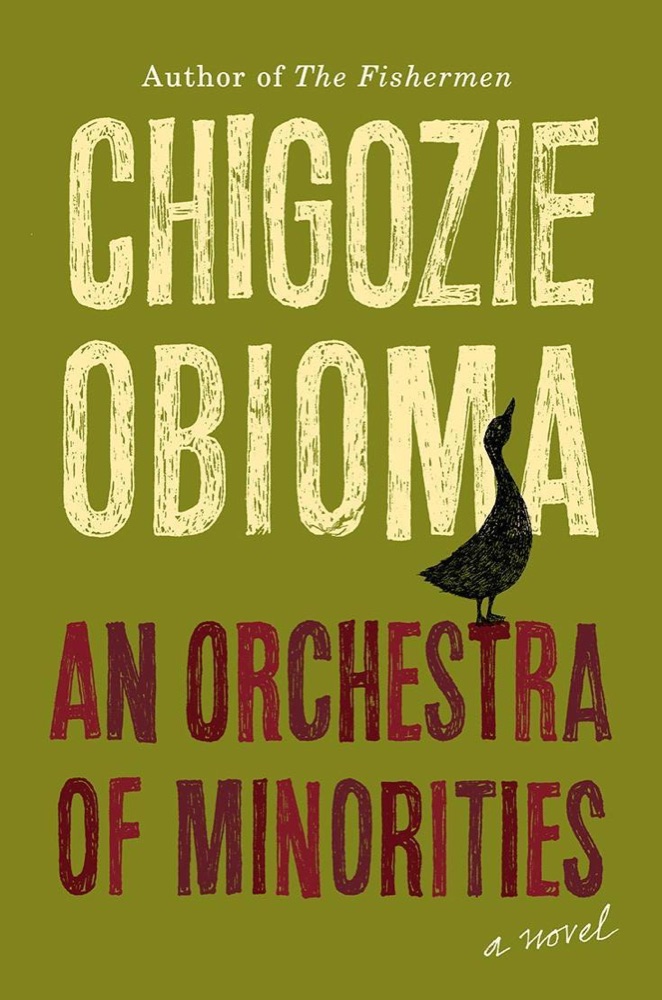 An Orchestra of Minorities
 The Guermantes Way
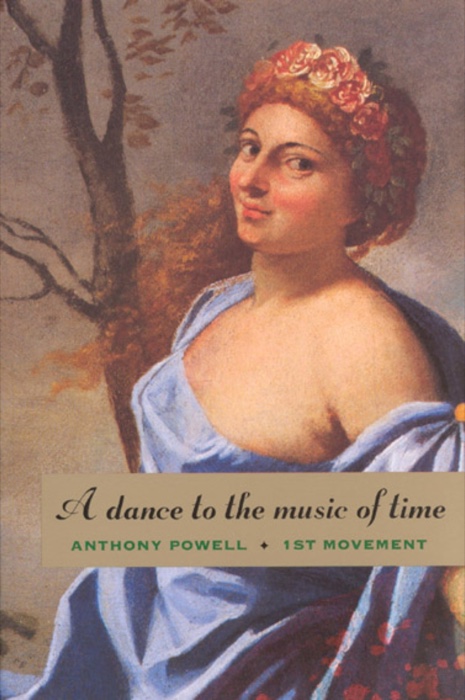 A Dance to the Music of Time: 1st Movement
 Against Nature
 The Hunchback of Notre-Dame
 The Nigger of the Narcissus
 The Bloody Chamber and Other Stories
 The Ministry of Fear
 Delta of Venus
 The Thief's Journal
 Career of Evil
 The Bridge of San Luis Rey
 Runaway Horses
 The Warrior Prophet
 Laura
Laura
 Death in Venice and Other Tales
 Fall of Light
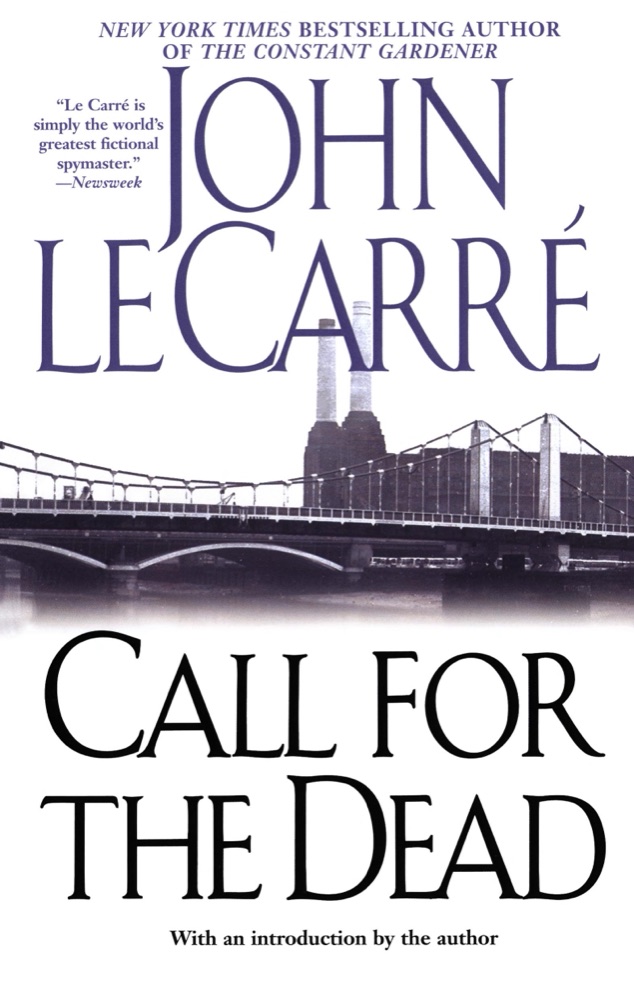 Call for the Dead
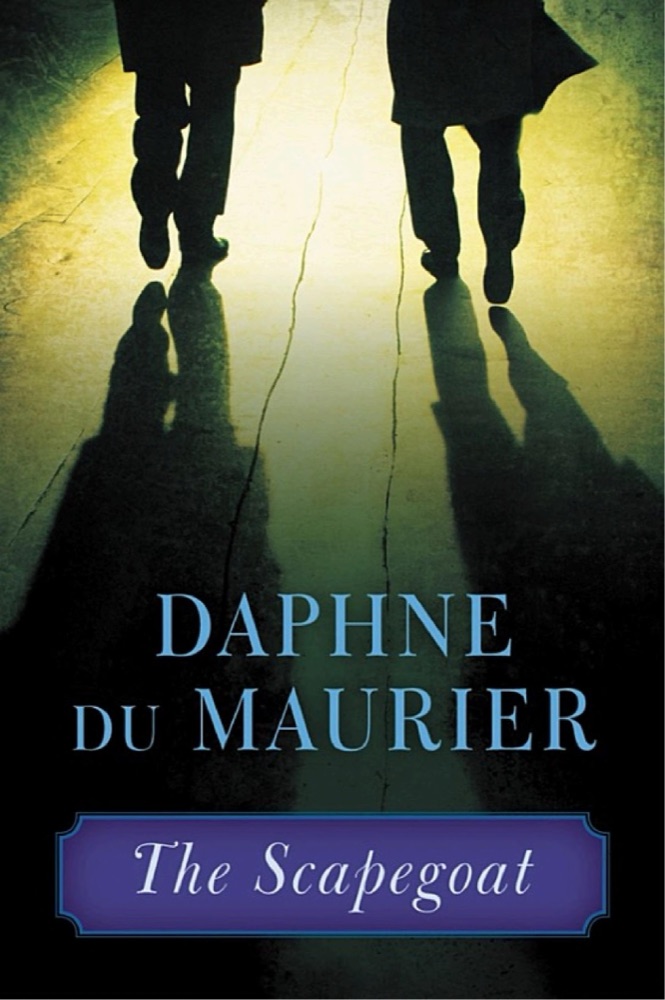 The Scapegoat
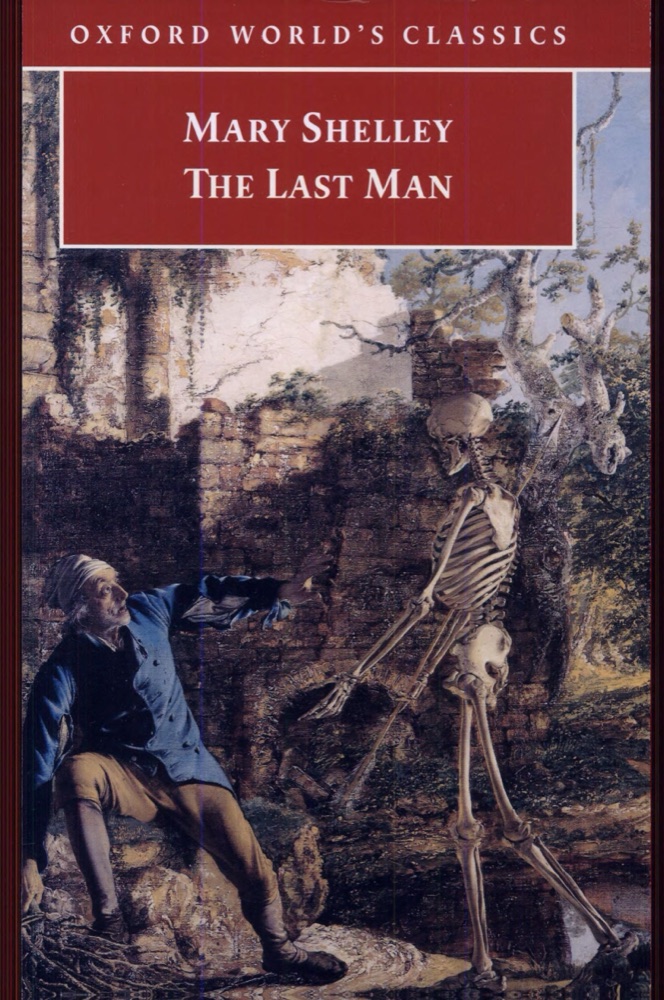 The Last Man
 The Cuckoo's Calling
 The Scarlet Pimpernel
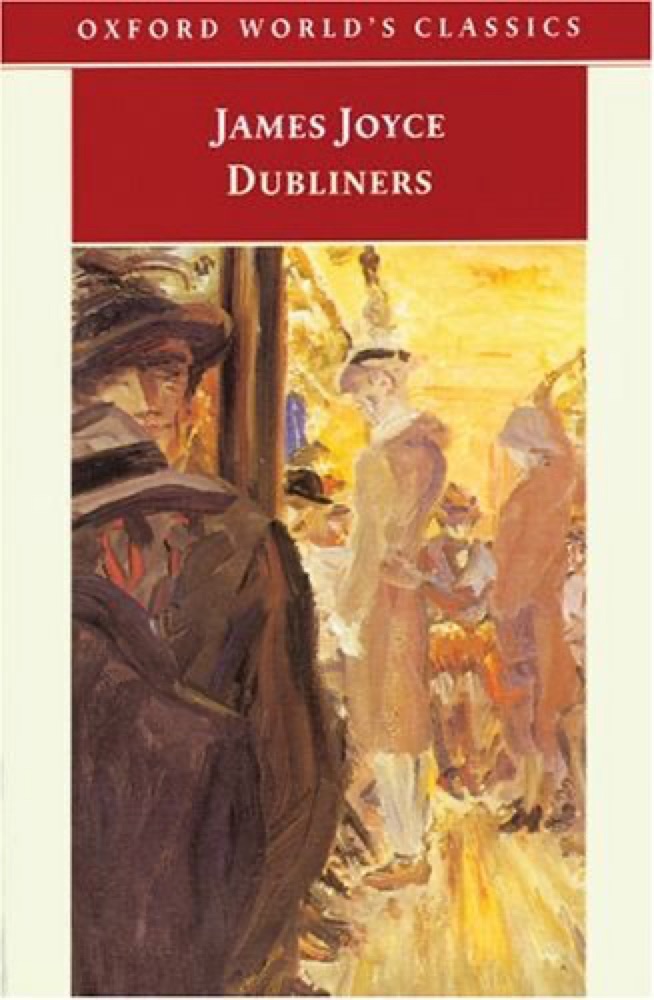 Dubliners
 The Prince of Tides
 A Spy in the House of Love
 Lord Jim
 The Scarlet Letter
 In the Shadow of Young Girls in Flower
 Dead Souls
 Romola
 The Naked and the Dead
 The Bluest Eye
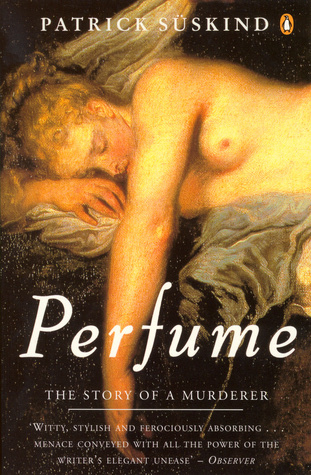 Perfume: The Story of a Murderer
 The Sorrows of Satan; or, The Strange Experience of One Geoffrey Tempest, Millionaire
 The Damnation Game
 The Brutal Telling
 Strangers on a Train
 Orlando
 In the Penal Colony
 Nights at the Circus
 The Shadow of the Torturer
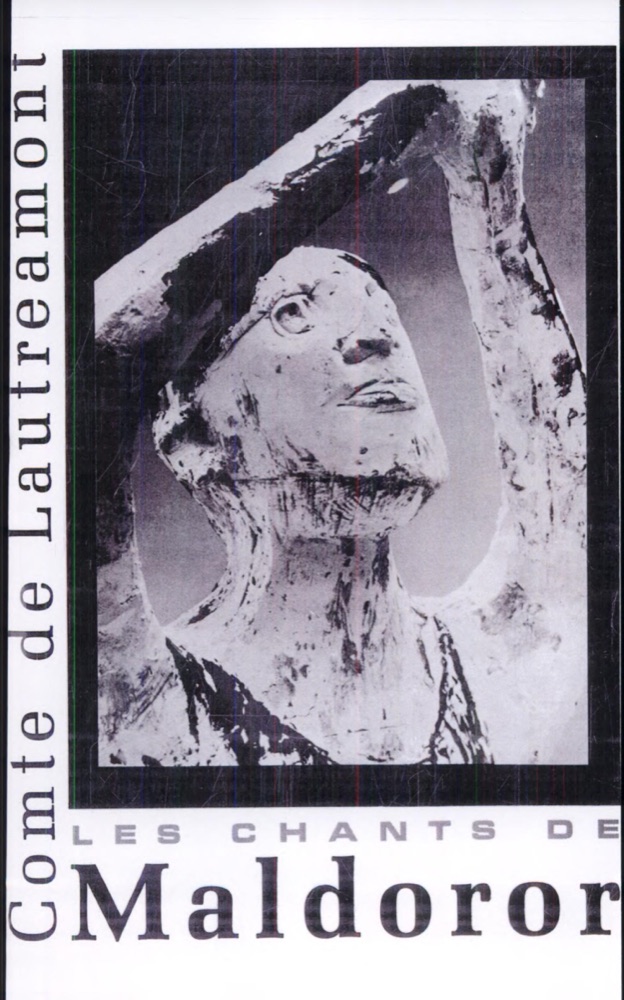 Les Chants de Maldoror
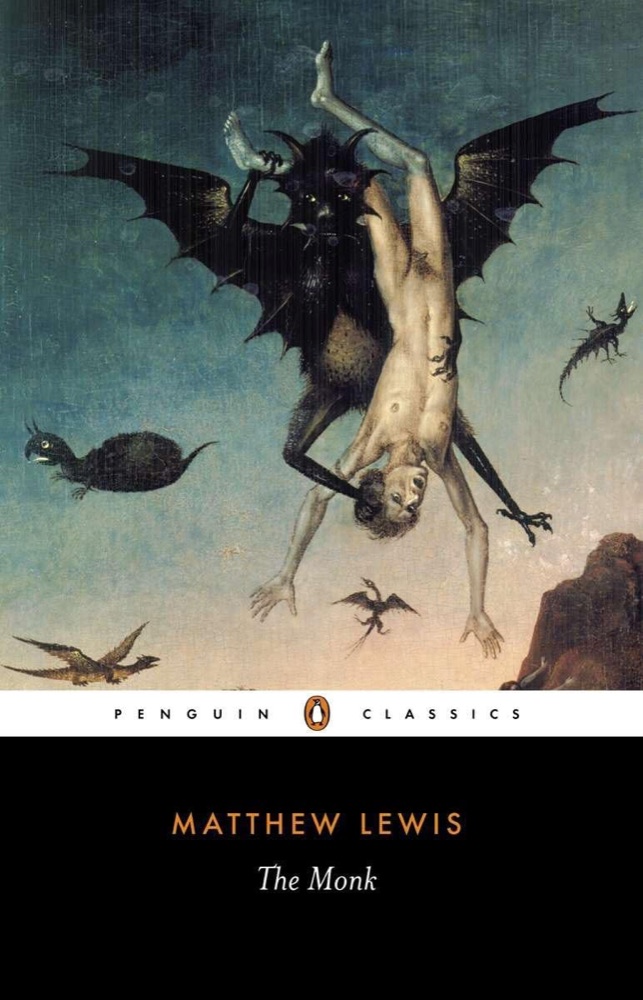 The Monk
 Minima Moralia: Reflections on a Damaged Life
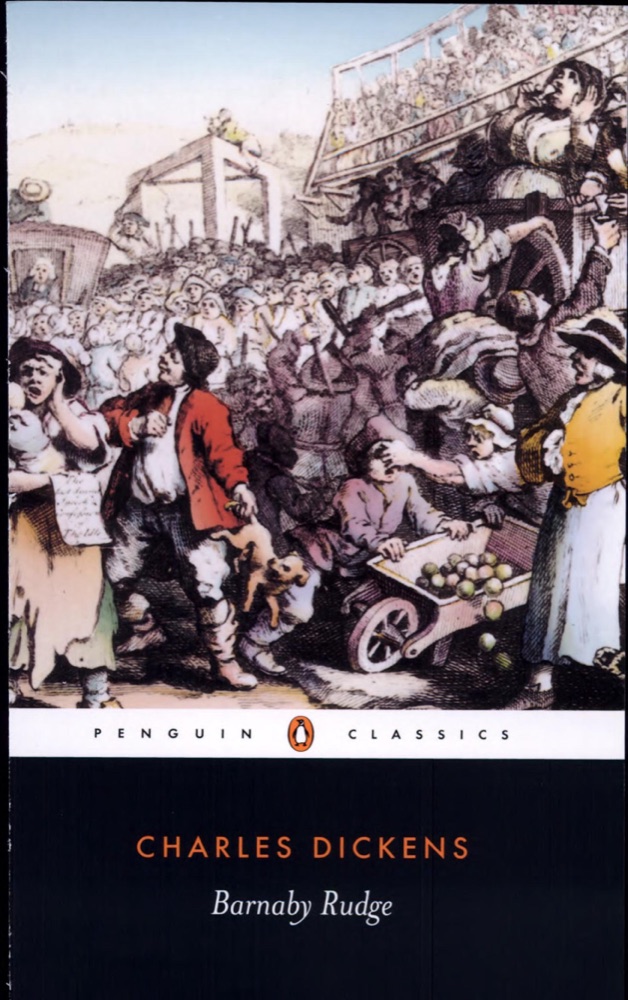 Barnaby Rudge
 The Agony and the Ecstasy
 Victory
 The Lifted Veil
 Light in August
 The Amazing Adventures of Kavalier & Clay
 Tuesday Nights in 1980
 The House of the Dead
 The Grace of Kings
 Oscar and Lucinda