
 The Metamorphosis
Quotes from the Book
You've seen yourself how difficult the writing is to decipher with your eyes, but our man deciphers it with his wounds.
29
Many questions were troubling the explorer, but at the sight of the prisoner he asked only: "Does he know his sentence?" "No," said the officer, eager to go on with his exposition, but the explorer interrupted him: "He doesn't know the sentence that has been passed on him?" "No," said the officer again, pausing a moment as if to let the explorer elaborate his question, and then said: "There would be no point in telling him. He'll learn it on his body.
18
Guilt is never to be doubted.
11
Enlightenment comes to even the dimmest. It begins around the eyes, and it spreads outward from there- a sight that might tempt one to lie down under the harrow oneself.
9
It's always questionable to intervene decisively in strange circumstances.
7
Cascar una nuez no es realmente un arte, y en consecuencia nadie se atrevería a congregar un auditorio para entretenerle cascando nueces. Pero si lo hace y logra su propósito, entonces ya no se trata meramente de cascar nueces. O tal vez se trate meramente de cascar nueces, pero entonces descubrimos que nos hemos despreocupado totalmente de dicho arte porque lo dominábamos demasiado, y este nuevo cascador de nueces nos muestra por primera vez la esencia real del arte, al punto de que podría convenirle, para un mayor efecto, ser un poco menos hábil en cascar nueces que la mayoría de nosotros.
5
Enlightenment comes to the most dull-witted. It begins around the eyes. From there it radiates.
3
Well, anyway- then came the sixth hour! It was not possible to grant every request to watch from close-up. In his wisdom, the commandant decreed that children should be given first priority. By virtue of my office, of courser, I was always nearby; often I was squatting there with a small child in either arm. How we drank in the transfigured look on the sufferer's face, how we bathed our cheeks in the warmth of that justice- achieved at long last and fading quickly. What times those were, my comrade!
3
At this point, almost against his will, he looked at the face of the corpse. It was as it had been in his life. He could discover no sign of the promised transfiguration. What all the others had found in the machine, the Officer had not. His lips were pressed firmly together, his eyes were open and looked as they had when he was alive, his gaze was calm and convinced. The tip of a large iron needle had gone through his forehead.
2
How could a man not be sickened when the felt in his mouth had been gnawed and drooled on by more than a hundred men as they lay dying?
2
But the condemned man looked so submissively doglike that it seemed as if he might have been allowed to run free on the slopes and would only need to be whistled for when the execution was due to begin.
2
He wanted to push against the feet while the other two men grabbed the head at the opposite end so that the officer could be eased off the needles. But the two men could not make up their minds to come over; the prisoner even turned away. The traveler had to go over and violently shove them toward the officer’s head. In so doing, he reluctantly saw the face of the corpse. It was as it had been in life; no sign of the promised redemption was perceptible; the officer has not found what all the others had found in the machine. His lips were squeezed tight, his eyes were open, with the same expression as in life, his gaze was calm and convinced, the point of the large iron spike had passed through his forehead.
1
And thus it happens that the reader, the closer he comes to the novel's end, the more he wishes he were back in the summer with which it begins, and finally, instead of following the hero onto the cliffs of suicide, joyfully turns back to that summer, content to stay there forever.
There has never been a time in which I have been convinced from within myself that I am alive. You see, I have only such a fugitive awareness of things around me that I always feel they were once real and are now fleeting away. I have a constant longing, my dear sir, to catch a glimpse of things as they may have been before they show themselves to me. I feel that then they were calm and beautiful. It must be so, for I often hear people talking about them as though they were.
Watch on YouTube
About Franz Kafka
We have collected 289 quotes from 15 books by Franz Kafka on BookQuoters.
More about the author →More by Franz Kafka
All books by Franz Kafka →

About the book
The Penal Colony: Stories and Short Pieces is a collection of short stories and recollections by Franz Kafka, with additional writings by Max Brod. First published in 1948 by Schocken Books, this volume includes all the works Kafka intended for publication, and published during his lifetime (the only exception in The Stoker which serves as a first chapter for the novel Amerika). It also includes critical pieces by Kafka, "The First Long Train Journey" by Kafka and Brod (which was initially intended to be the first chapter of a book), and an Epilogue by Brod. This collection was translated by Willa and Edwin Muir.
Book details
- First published
- 1918
- Author
- Franz Kafka
- Genre
- Classics
- Goodreads rating
- 3.92 (35k ratings)
Keep reading
 The Ministry of Fear
 The Brutal Telling
 The Third Policeman
 A Burnt-Out Case
 Strangers on a Train
 If This Is a Man / The Truce
 Invitation to a Beheading
 The Naked and the Dead
 Call for the Dead
 Knots and Crosses
 The Tunnel
 I Am Legend and Other Stories
 The Beast in the Jungle
 The Corrections
 Proces
 The First Circle
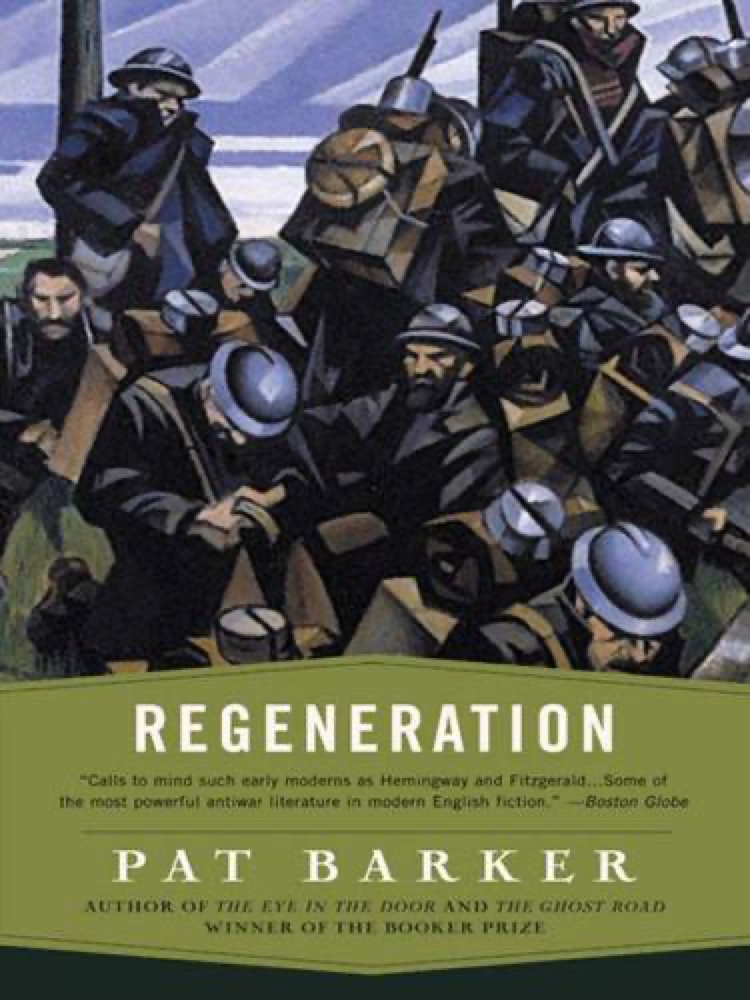 Regeneration
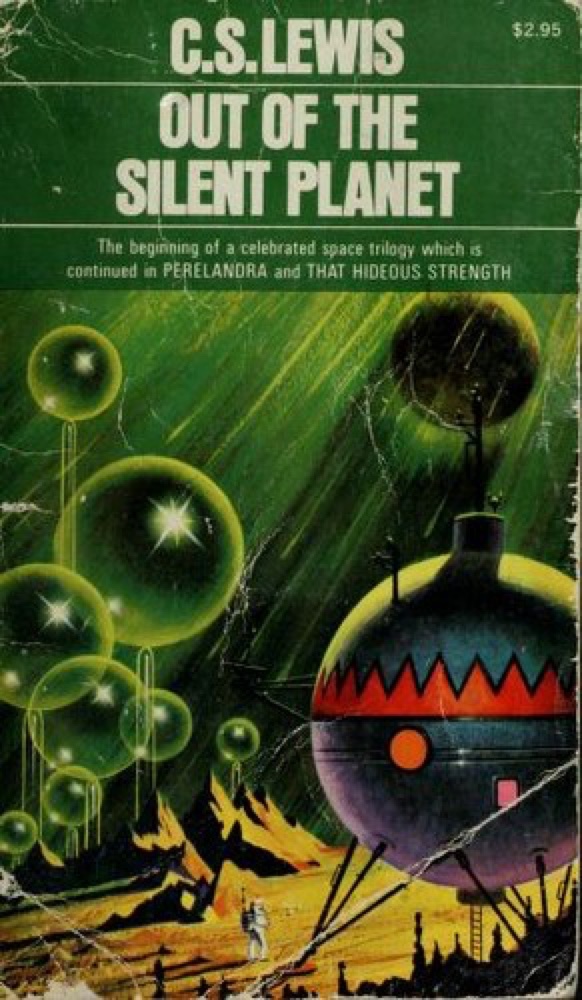 Out of the Silent Planet
 The Mask of Dimitrios
 Another Country
 The Burning Soul
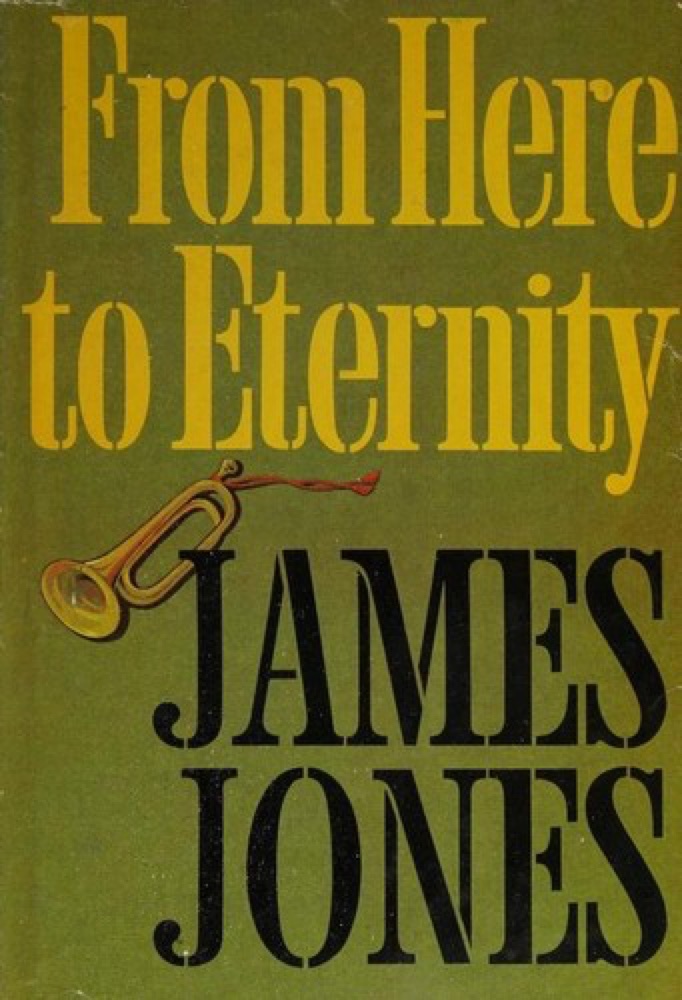 From Here to Eternity
 Victory
 A Rule Against Murder
 Under the Volcano
 Authority
 The Untouchable
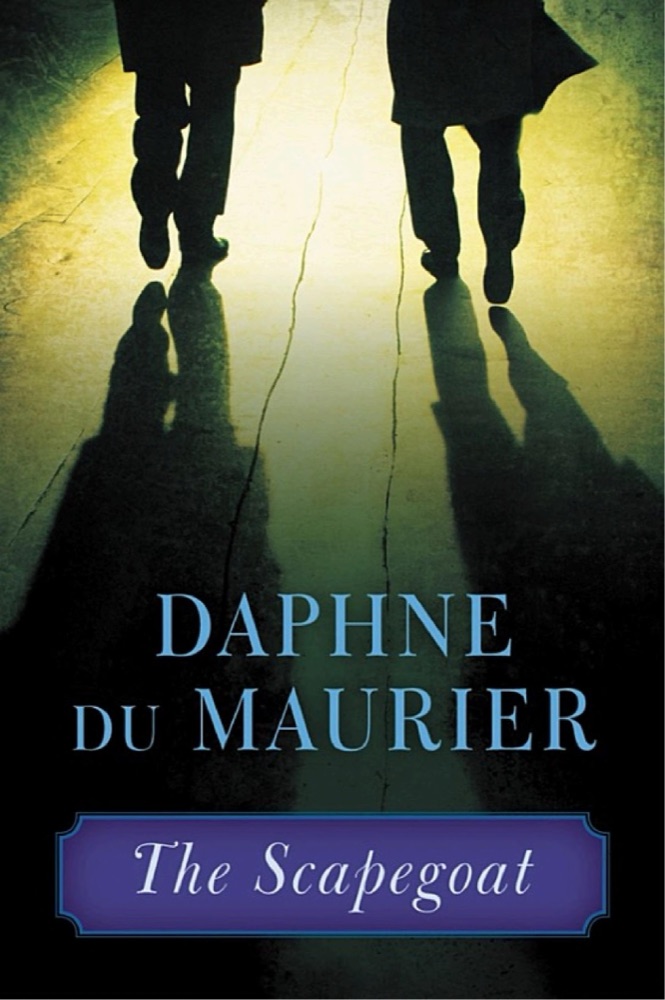 The Scapegoat
 Seven Who Were Hanged
 The Death of Ivan Ilych and Other Stories
 Washington Black
 Selected Stories
 The House of the Dead
 The Tiger in the Smoke
 Shooting an Elephant
 Selected Stories of Anton Chekhov
 The Damnation Game
 Absalom, Absalom!
 Pnin
Pnin
 Crime and Punishment
 The Honourable Schoolboy
 The Red Badge of Courage
 The Gulag Archipelago 1918-1956
 Ship of Fools
 Dead Souls
 A Scanner Darkly
 Red Dragon
 The Glass Palace
 The Death of Ivan Ilych
 Shadow & Claw
 The Black Ice
 Darkness at Noon
 The Fear Institute
 The Man Who Lived Underground
 The Man in the High Castle
 The Heart of the Matter
 The Sailor Who Fell from Grace with the Sea
 All the Pretty Horses
 The Scarlet Gospels
 The Fall of Babel