
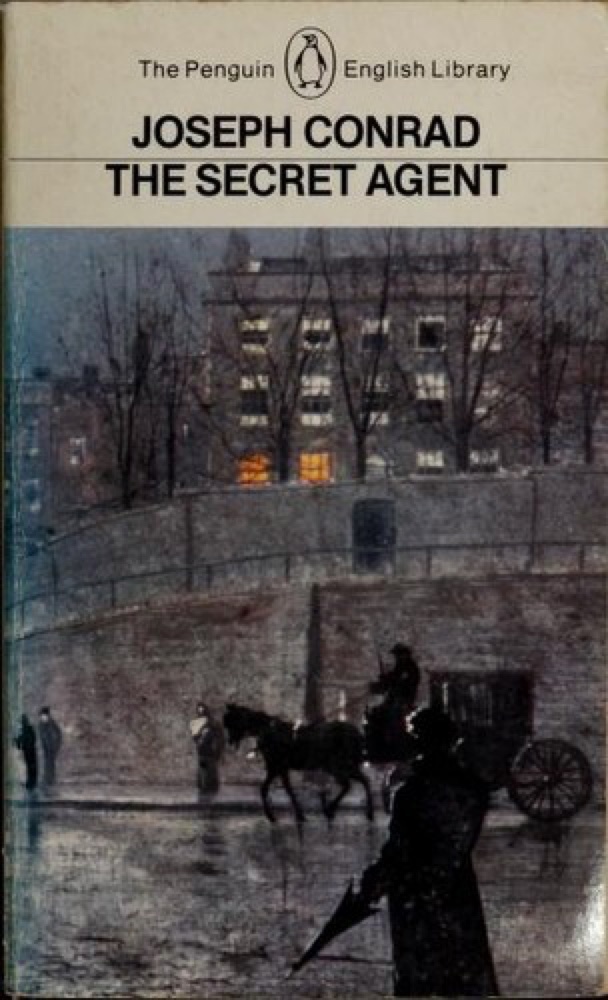
 The Secret Agent
Quotes from the Book
But the artist appeals to that part of our being which is not dependent on wisdom; to that in us which is a gift and not an acquisition— and, therefore, more permanently enduring. He speaks to our capacity for delight and wonder, to the sense of mystery surrounding our lives; to our sense of pity, and beauty, and pain; to the latent feeling of fellowship with all creation— and to the subtle but invincible conviction of solidarity that knits together the loneliness of innumerable hearts, to the solidarity in dreams, in joy, in sorrow, in aspirations, in illusions, in hope, in fear, which binds men to each other, which binds together all humanity— the dead to the living and the living to the unborn.
The man who can't do most things and won't do the rest
the artist descends within himself, and in that lonely region of stress and strife, if he be deserving and fortunate, he finds the terms of his appeal. His appeal is made to our less obvious capacities: to that part of our nature which, because of the warlike conditions of existence, is necessarily kept out of sight within the more resisting and hard qualities … His appeal is less loud, more profound, less distinct, more stirring—and sooner forgotten. Yet its effect endures forever ... the artist appeals to that part of our being which is not dependent on wisdom: to that in us which is a gift and not an acquisition—and, therefore, more permanently enduring.
He seemed to hasten the retreat of departing light by his very presence; the setting sun dipped sharply, as though fleeing before our nigger; a black mist emanated from him; a subtle and dismal influence; a something cold and gloomy that floated out and settled on all the faces like a mourning veil. The circle broke up. The joy of laughter died on stiffened lips.
A work that aspires, however humbly, to the condition of art should carry its justification in every line.
To snatch in a moment of courage, from the remorseless rush of time, a passing phase of life, is only the beginning of the task. The task approached in tenderness and faith is to hold up unquestioningly, without choice and without fear, the rescued fragment before all eyes in the light of a sincere mood. It is to show its vibration, its color, its form; and through its movement, its form, and its color, reveal the substance of its truth— disclose its inspiring secret: the stress and passion within the core of each convincing moment.
But sometimes, by the deserving and the fortunate, even that task is accomplished. And when it is accomplished— behold!— all the truth of life is there: a moment of vision, a sigh, a smile— and the return to an eternal rest.
And when it is accomplished—behold!—all the truth of life is there: a moment of vision, a sigh, a smile—and the return to an eternal rest.
Is there a spot on earth where such a man is unknown, an ominous survival testifying to the eternal fitness of lies and impudence?
Let the earth and the sea each have its own.
He had found the secret of keeping for ever on the run the fundamental imbecility of mankind; he had the secret of life, that confounded dying man, and he made himself master of every moment of our existence.
His picturesque and filthy loquacity flowed like a troubled stream from a poisoned source.
He looked upon the immortal sea with the awakened and groping perception of its heartless might; he saw it unchanged, black and foaming under the eternal scrutiny of the stars; he heard its impatient voice calling for him out of a pitiless vastness full of unrest, turmoil, and of terror. He looked afar upon it, and he saw an immensity tortured and blind, moaning and furious, that claimed all the days of his tenacious life, and, when life was over, would claim the worn-out body of its slave...
a stone image shed a miraculous tear of compassion over the incertitudes of life and death....
She left a lingering smudge of smoke on the sky, and two vanishing trails of foam on the water.
the artist appeals to that part of our being which is not dependent on wisdom; to that in us which is a gift and not an acquisition—and, therefore, more permanently enduring. He speaks to our capacity for delight and wonder, to the sense of mystery surrounding our lives; to our sense of pity, and beauty, and pain; to the latent feeling of fellowship with all creation—and to the subtle but invincible conviction of solidarity that knits together the loneliness of innumerable hearts, to the solidarity in dreams, in joy, in sorrow, in aspirations, in illusions, in hope, in fear, which binds men to each other, which binds together all humanity—the dead to the living and the living to the unborn.
On men reprieved by its disdainful mercy, the immortal sea confers in its justice the full privilege of desired unrest.
The double row of berths yawned black, like graves tenanted by uneasy corpses.
He was absurd to the point of inspiration.
Așa cum se legănau pe pietrele albe, în mijlocul mulțimii grăbite și zgomotoase, păreau niște ființe dintr-o altă specie - o specie pierdută, singuratică, lipsită de memorie și osândită să piară; niște naufragiați, niște naufragiați nesăbuiți, veseli și nebuni, care petrec în toiul furtunii, pe muchea lunecoasă a unei stânci perfide.
N-am smuls noi, oare, navigând laolaltă pe marea nemuritoare, un sens vieților noastre păcătoase? Adio, fraților! Ați fost niște mateloți destoinici. La fel de destoinici ca oricare dintre cei care-au izbit vreodată, urlând, în pânzele zbuciumate ale arborelui mare; sau care, legănându-se pe vergi, invizibili în noapte, au răspuns chiuind la chiotele furtunii.
But at the corner I stopped to take my last look at the crew of the Narcissus. They were swaying irresolute and noisy on the broad flagstones before the Mint. They were bound for the Black Horse, where men, in fur caps with brutal faces and in shirt sleeves, dispense out of varnished barrels the illusions of strength, mirth, happiness; the illusion of splendor and poetry of life, to the paid-off crews of southern-going ships.
Watch on YouTube
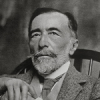
About Joseph Conrad
We have collected 225 quotes from 10 books by Joseph Conrad on BookQuoters.
More about the author →More by Joseph Conrad
All books by Joseph Conrad →
Book details
- Author
- Joseph Conrad
- Genre
- Classics
- Goodreads rating
- 3.66 (3k ratings) →
Keep reading
 The Sailor Who Fell from Grace with the Sea
 The Man Who Laughs
 The Agony and the Ecstasy
 Miss Lonelyhearts
 Melmoth the Wanderer
 The Enchantress of Florence
 Victory
 The Last Man
 Dead Souls
 Death in Venice and Other Tales
 A Portrait of the Artist as a Young Man
 Ulysses
 Death in Venice
 The Hunchback of Notre-Dame
 Lord Jim
 The House of the Seven Gables
 Phantastes
 Ben-Hur: A Tale of the Christ
 Prometheus Unbound
 Uncle Tom's Cabin
 Selected Poems
 The Stories of Vladimir Nabokov
 Moby-Dick
 Nostromo
 The Collected Tales of Nikolai Gogol
 The Warrior Prophet
 The Signature of All Things
 Against Nature
 The Divine Comedy
 The Collected Poems
 Allan Quatermain
 Forge of Darkness
 Purgatorio
 All the Pretty Horses
 Lud-in-the-Mist
 The Leopard
 The Odyssey
 Romola
 Runaway Horses
 Les Chants de Maldoror
 The Prince of Tides
 Wind, Sand and Stars
 The Thousand Autumns of Jacob de Zoet
 Little Dorrit
 The Heart of the Matter
 Absalom, Absalom!
 Complete Poems
 The Bridge of San Luis Rey
 The Complete Stories and Poems
 Silas Marner
 Lord Foul's Bane
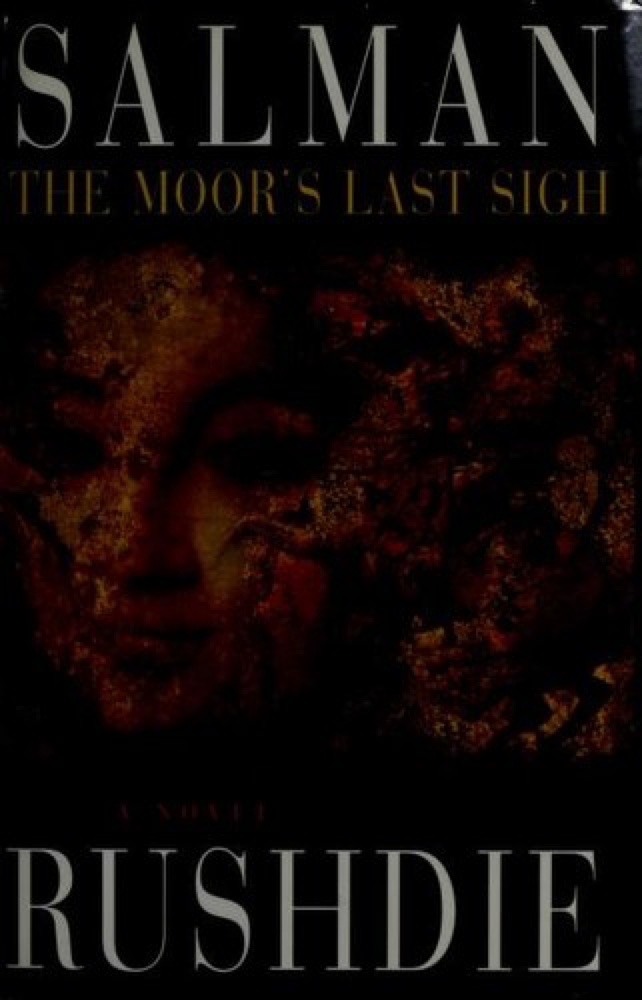 The Moor's Last Sigh
 Pierre: or, the Ambiguities
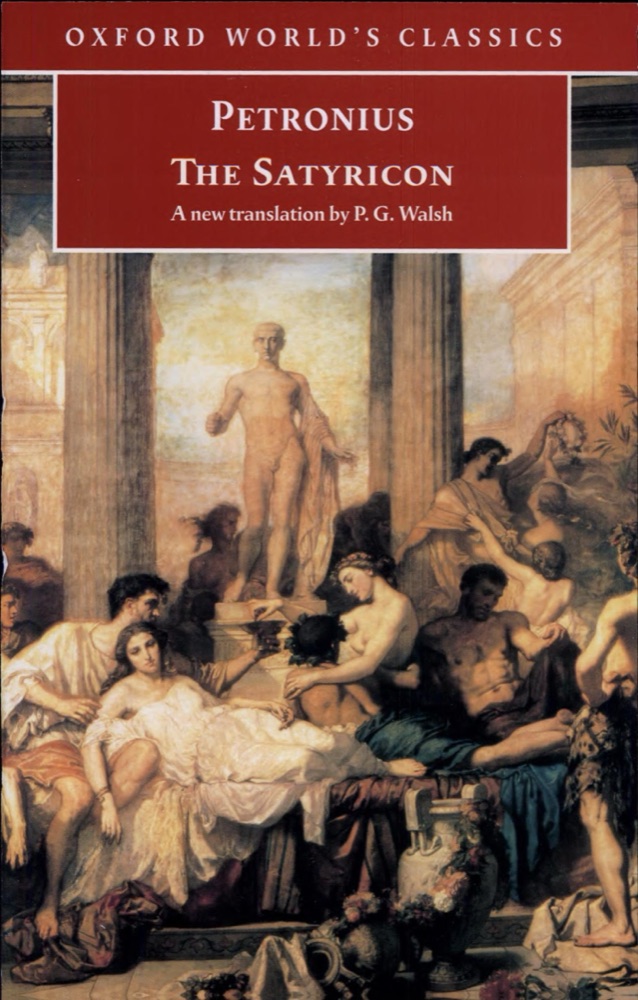 The Satyricon
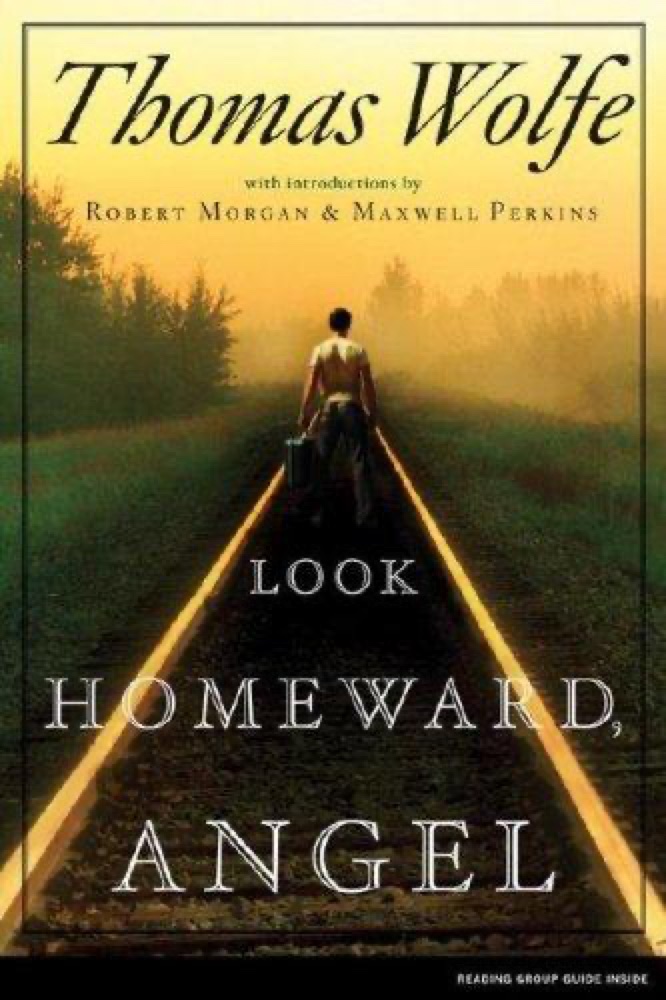 Look Homeward, Angel
 Orlando
 The Complete Works
 She
She
 Zuleika Dobson
 The Thousandfold Thought