
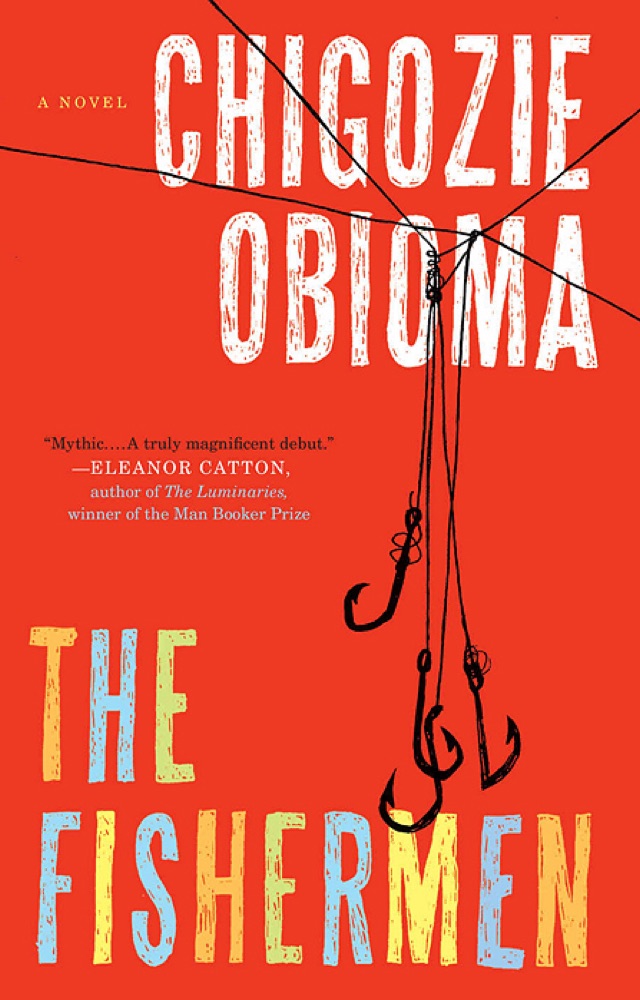
 The Fishermen
Quotes from the Book
Indeed, hatred is a vandalism of the human heart.
4
Even in his most extroverted moment, a man is concealed from others. For he cannot be fully known.
4
They were the minorities of this world whose only recourse was to join this universal orchestra in which all there was to do was cry and wail.
3
He cannot be fully seen by those who look at him, nor can he be fully touched by those who embrace him.
3
silence is often a fortress into which a broken man retreats, for it is here that he communes with his mind,
3
The daily life of lovers often begins to share resemblances, so that, in time, each day becomes indistinguishable from the one that came before it. The lovers carry each other's words in their hearts when apart and when together; they laugh; they talk; they make love; they argue; they eat; they tend to poultry together; they watch television and dream about a future together. This way, time slips and memories accrue until their union becomes the sum of all the words they have said to each other, their laughter, their love-making, their arguments, their eating, their work with the poultry, and all the things they have done together. When that are not with each other, night becomes to them an undesirable thing. They despair at the masking of the sun and wait eagerly for the night, this cosmic sheet that has separated them from their beloved, to pass in fervent haste.
2
The true being of a man is hidden behind the wall of flesh and blood from the eyes of everyone else, including his own.
2
Time is not a living creature that can listen to pleas, nor is it a man who can delay.
2
All the peace that had returned after his father finished mourning his wife for many years vanished at once. Grief returned like an army of old ants crawling into familiar holes in the soft earth of his father’s life.....
1
For the truth remains that more can also be more, and that less is often inevitably less.
1
Guardian spirits of mankind, have we thought about the powers that passion creates in human beings? Have we considered why a man could run through a field of fire to get to a woman he loves? Have we thought about the impact of love on the body of lovers? Have we considered the symmetry of its power? Have we considered what poetry incites in their souls, and the impress of endearments on a softened heart?
1
as night fell, he gave in to the dark thoughts.
1
The mind of a man is a field in a wild forest on which something, no matter how small, must graze.
The worst thing adversity can do to someone is to make them become someone who they are not. This, the person had warned, was the ultimate defeat.
He knew nothing about the Ndali who was engulfed in flames
Akataka, it is a common phenomenon among mankind to attempt to flip precedence: to try to bring that which has gone forward back. But it always, always fails.
He -- himself a man of much sorrow -- knew that despair was the disease of the soul, able to destroy an already battered life.
The river has a distinct place in the mythologies of the people because in their universe, water is supreme. They know that all rivers are maternal and therefore capable of birthing things.
Egbunu, I must say that it wasn’t that he responded this way to every woman’s voice, but her voice sounded strangely familiar to him. Although he did not know it, I knew that it reminded him of his mother. At once he saw a plump, swarthy woman who looked his age. She was sweating in the hot sun, and the sweat shimmered along her legs. She carried a tray filled with groundnuts on her head. She was one of the poor—the class of people who had been created by the new civilization. In the time of the old fathers only the lazy, indolent, infirm, or accursed lacked, but now most people did. Go into the streets, into the heart of any market in Alaigbo, and you’ll find toiling men, men whose hands are as hard as stones and whose clothes are drenched in sweat, living in abject poverty. When the White Man came, he brought good things. When they saw the car, the children of the fathers cried out in amusement. The bridges? “Oh, how wonderful!” they said. “Isn’t this one of the wonders of the world?” they said of the radio. Instead of simply neglecting the civilization of their blessed fathers, they destroyed it. They rushed to the cities—Lagos, Port Harcourt, Enugu, Kano—only to find that the good things were in short supply. “Where are the cars for us?” they asked at the gates of these cities. “Only a few have them!” “What about the good jobs, the ones whose workers sit under air conditioners and wear long ties?” “Ah, they are only for those who have studied for years in a university, and even then, you’d still have to compete with the multitude of others with the same qualifications.” So, dejected, the children of the fathers turned back and returned. But to where? To the ruins of the structure they had destroyed. So they live on the bare minimum, and this is why you see people like this woman who walk the length and breadth of the city hawking groundnuts.
Loneliness is the violent dog that barks interminably through the long night of grief.
Chukwu, as I said before, this kind of fear-induced rumination often occurs when people have been made self-conscious by the presence of others whom they hold in high esteem. They assess themselves by focusing on how others would perceive them. In such situations, there may be no limit to the self-defeating thoughts that may form in the person’s mind, which—no matter how unfounded—may consume them in the end.
He had joined many others ….all who have been chained and beaten, whose lands have been plundered, whose civilizations have been destroyed, who have been silenced, raped, shamed, killed. With all these people , he’d come to share a common fate, they were the minorities of this world whose only recourse was to join the universal orchestra in which all there was to do was cry and wail.
often leaving him with a crushing envy for a version of himself that never was.
He wept for the dreams washed down the pit of life.
for days he thrashed about like an injured worm in the mud of despair.
men do not often give deep thoughts to the things they do every day,
the fathers of old say that without light, a person cannot sprout shadows. This woman came as a strange, sudden light that caused shadows to spring from everything else.
By that time, already, his life as he once knew it had separated from him like an ill-fated shadow hewn from its bearer and thrown over the cliff into a bottomless pit of oblivion, and even through all these years, he could still hear its dark voice screaming as it continued its fall.
Watch on YouTube
About Chigozie Obioma
We have collected 53 quotes from 2 books by Chigozie Obioma on BookQuoters.
More about the author →More by Chigozie Obioma
The Fishermen
About the book
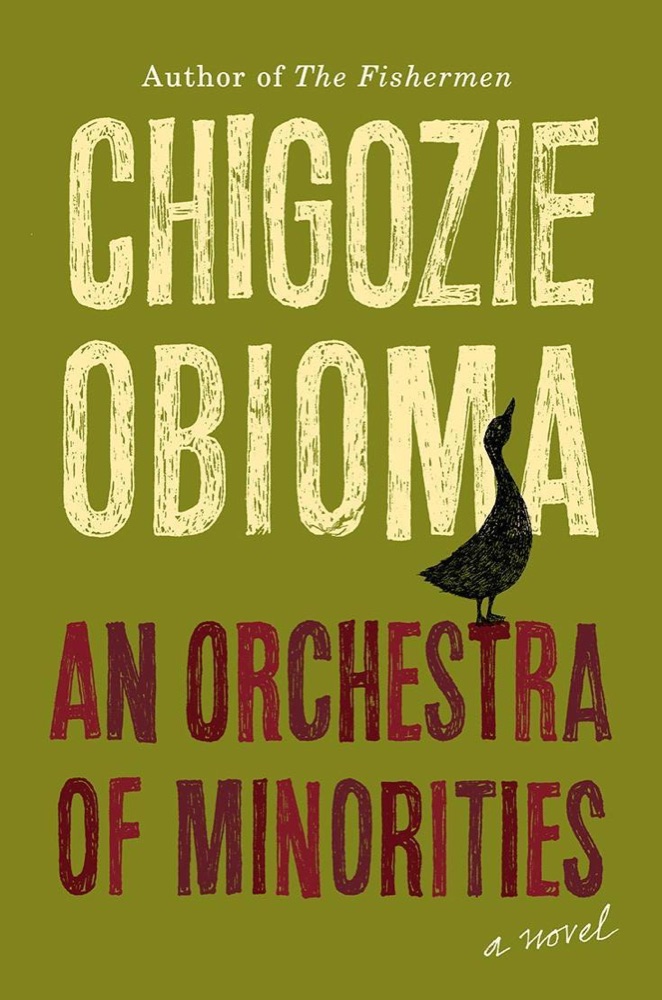
A contemporary twist on the Odyssey, An Orchestra of Minorities is narrated by the chi, or spirit of a young poultry farmer named Chinonso. His life is set off course when he sees a woman who is about to jump off a bridge. Horrified by her recklessness, he hurls two of his prized chickens off the bridge. The woman, Ndali, is stopped in her tracks.
Chinonso and Ndali fall in love but she is from an educated and wealthy family. When her family objects to the union on the grounds that he is not her social equal, he sells most of his possessions to attend college in Cyprus. But when he arrives in Cyprus, he discovers that he has been utterly duped by the young Nigerian who has made the arrangements for him. Penniless, homeless, we watch as he gets further and further away from his dream and from home.
Book details
- First published
- 2019
- Author
- Chigozie Obioma
- Genre
- Fiction
- Goodreads rating
- 3.70 (7k ratings)
The buzz
- The New York TimesReview in The New York Timesprofessional review (via Book Marks)
- The Wall Street JournalReview in The Wall Street Journalprofessional review (via Book Marks)
- The GuardianReview in The Guardianprofessional review (via Book Marks)
- The AtlanticReview in The Atlanticprofessional review (via Book Marks)
- The TimesReview in The Timesprofessional review (via Book Marks)
- The Boston GlobeReview in The Boston Globeprofessional review (via Book Marks)
Keep reading
 The Sailor Who Fell from Grace with the Sea
 The Man Who Laughs
 The Luminaries
 Lord Foul's Bane
 Fall of Light
 The Life of a Stupid Man
 The Heart Is a Lonely Hunter
 The Warrior Prophet
 Dead Souls
 Heart of Darkness
 The Damnation Game
 The Thousandfold Thought
 Lord Jim
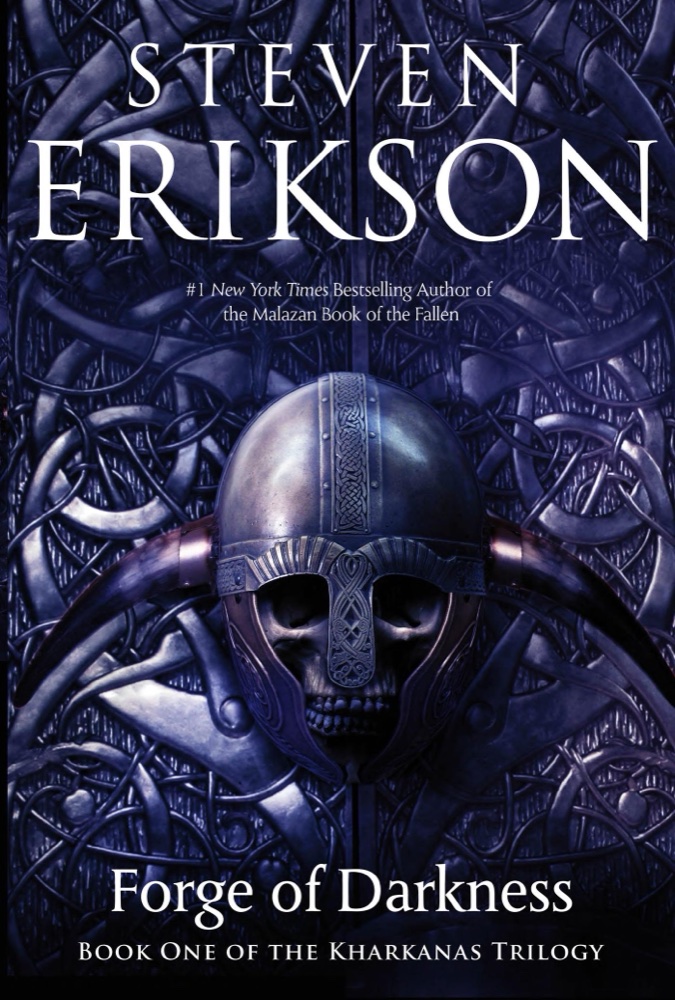 Forge of Darkness
 Uncle Tom's Cabin
 The Burning Soul
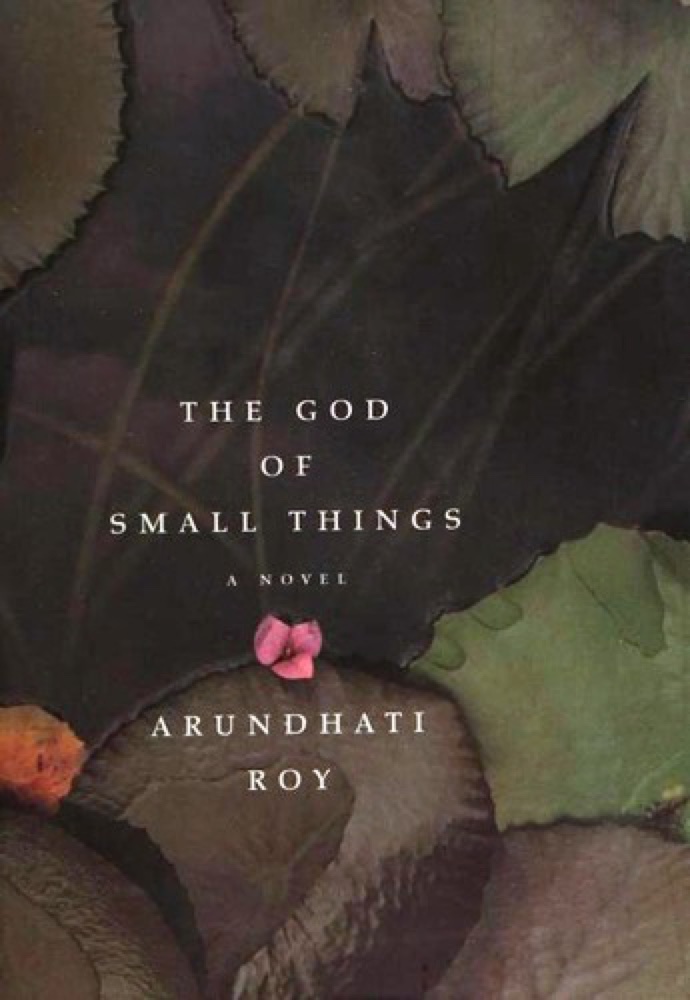 The God of Small Things
 Crime and Punishment
 Miss Lonelyhearts
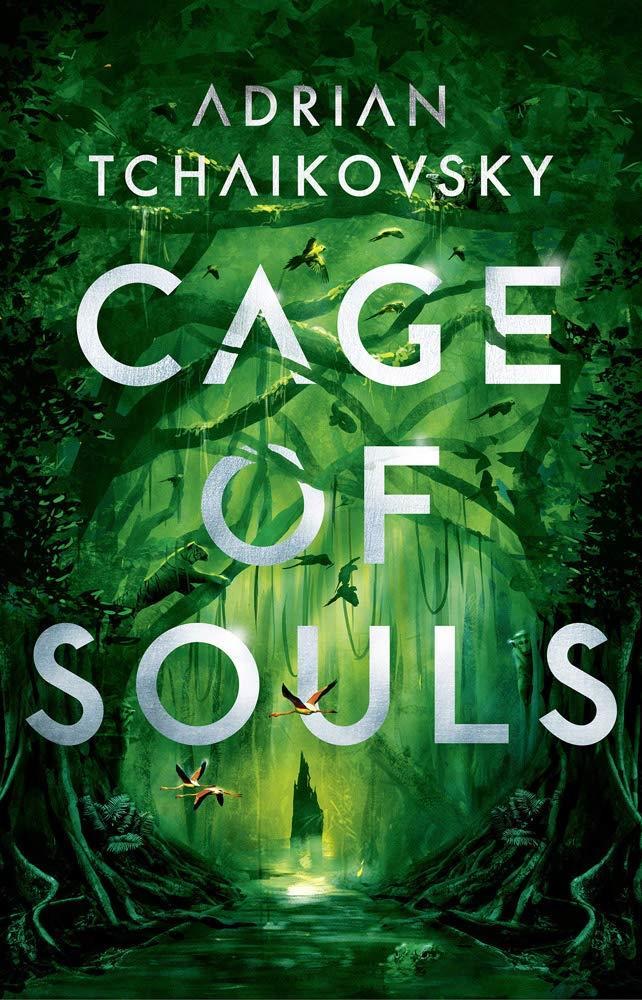 Cage of Souls
 Light in August
 The Enchantress of Florence
The Fishermen
The Enchantress of Florence
The Fishermen
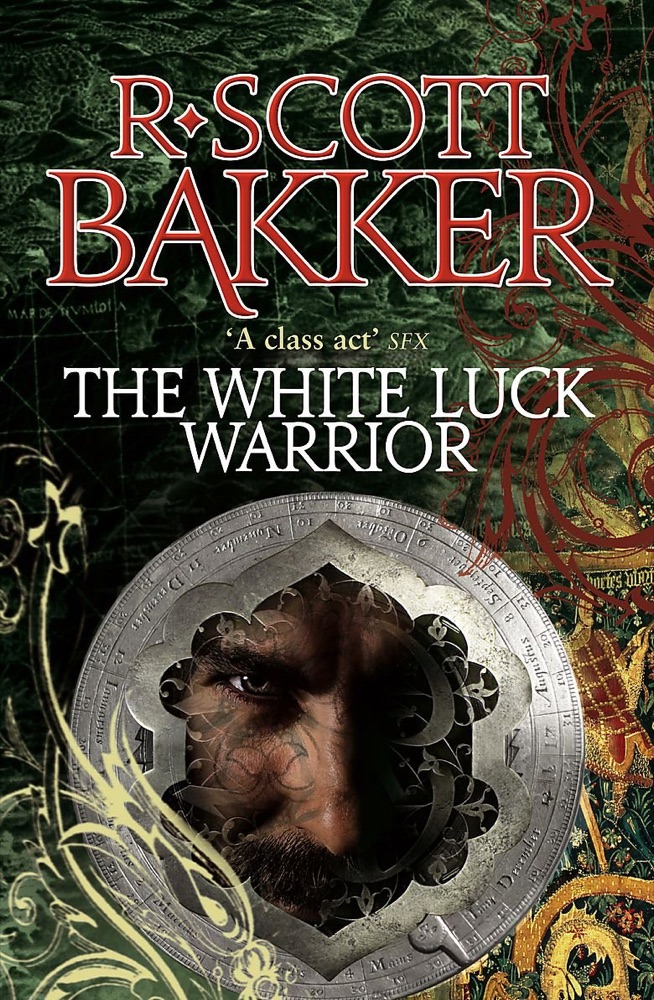 The White Luck Warrior
 The Prophets
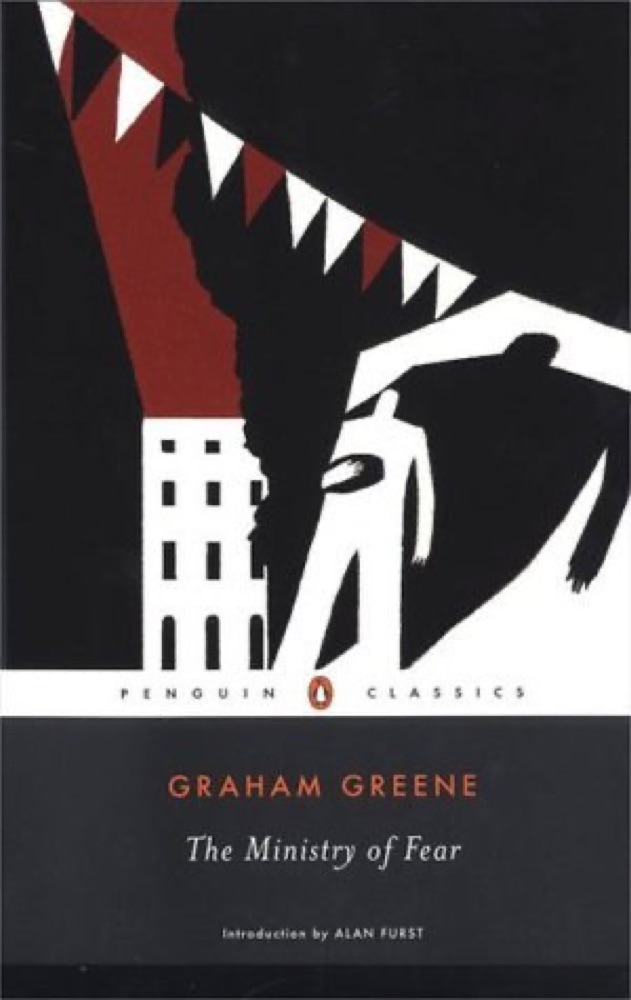 The Ministry of Fear
 Gargoyles
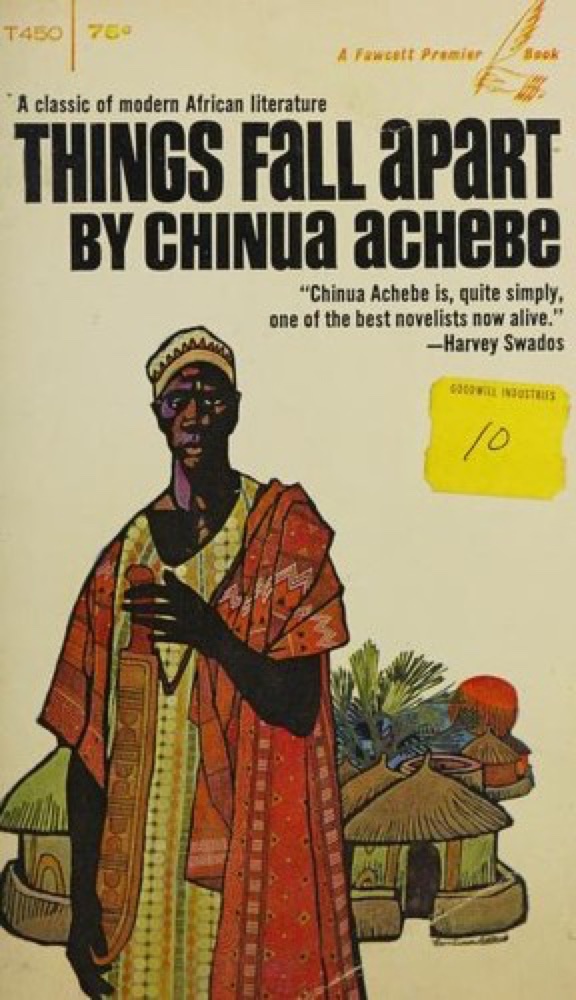 Things Fall Apart
 The Story of the Lost Child
 The Association of Small Bombs
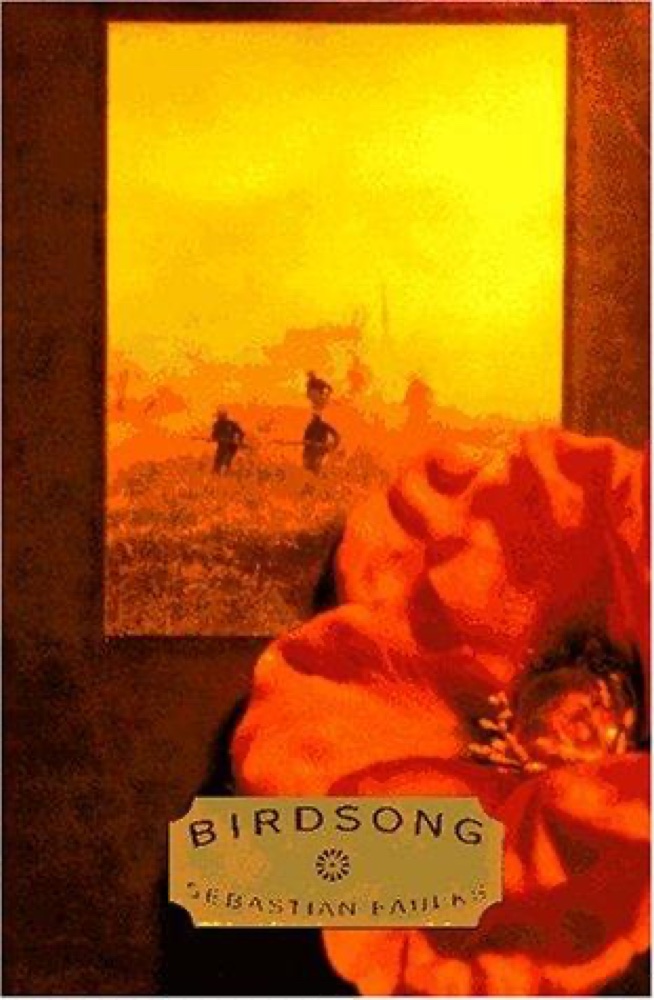 Birdsong
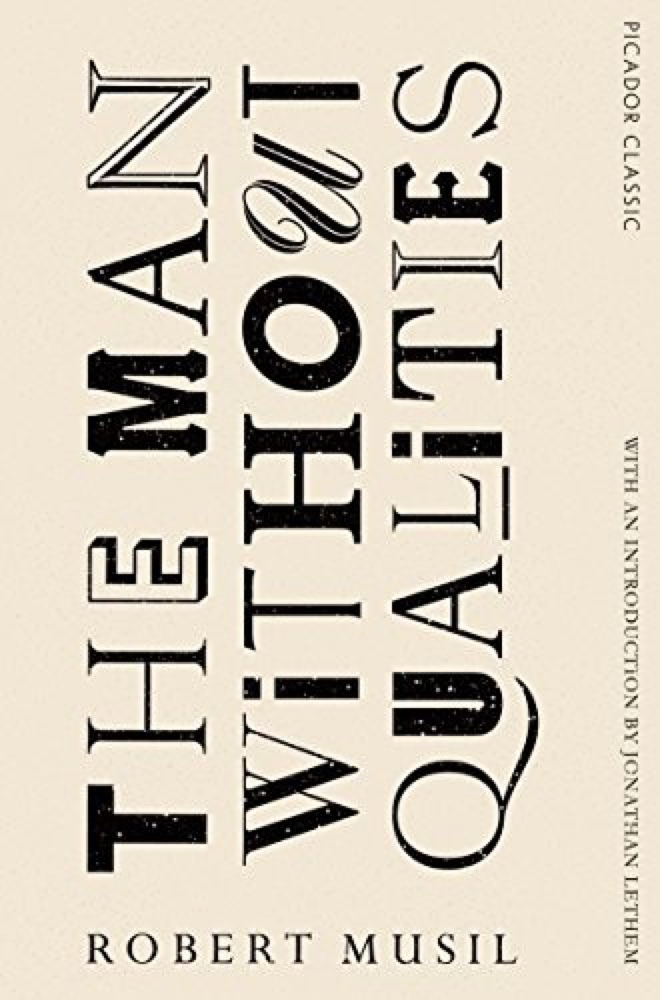 The Man Without Qualities
 The Empusium
 The First Man
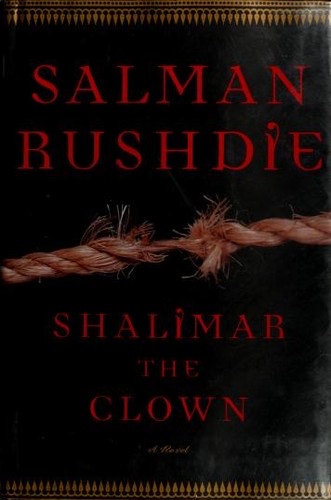 Shalimar the Clown
 The Hunchback of Notre-Dame
 The Religion
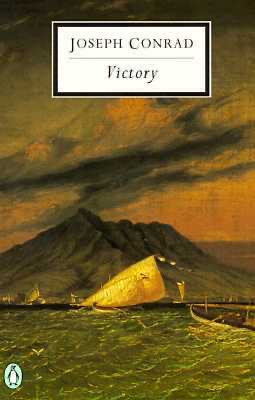 Victory
 The Narrow Road to the Deep North
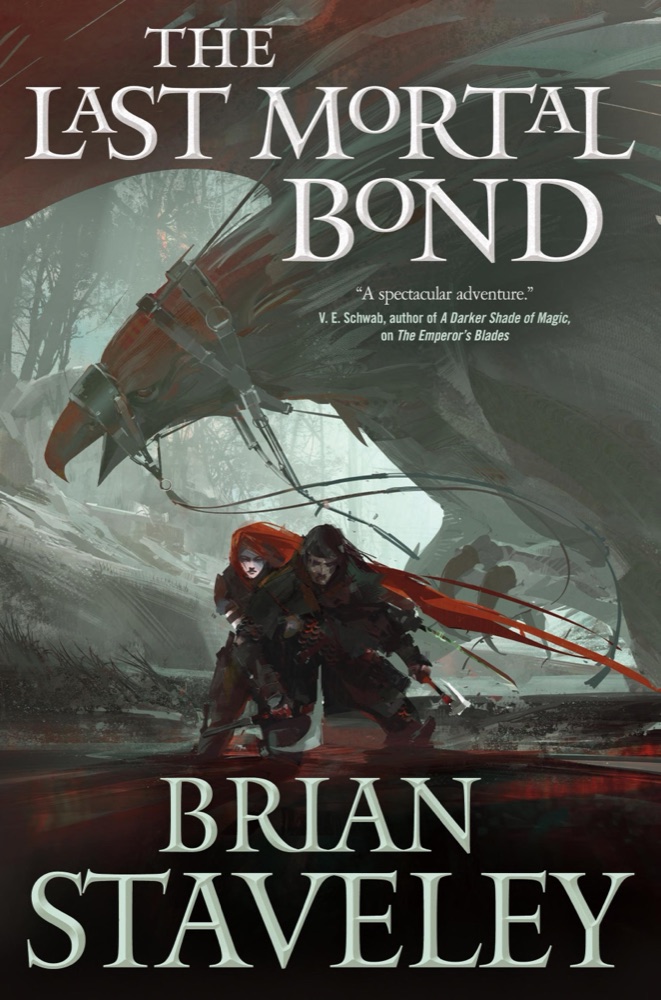 The Last Mortal Bond
 The House of the Dead
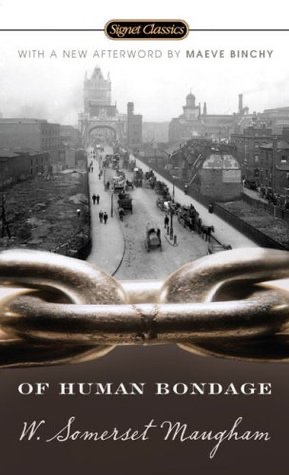 Of Human Bondage
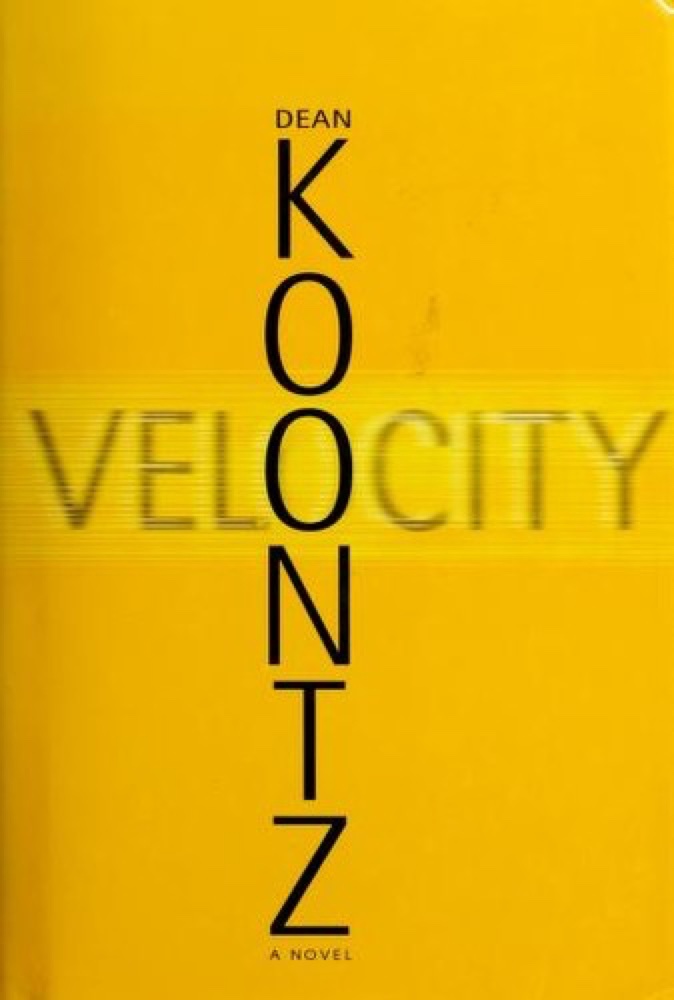 Velocity
 The Inheritance of Loss
 Fathers and Sons
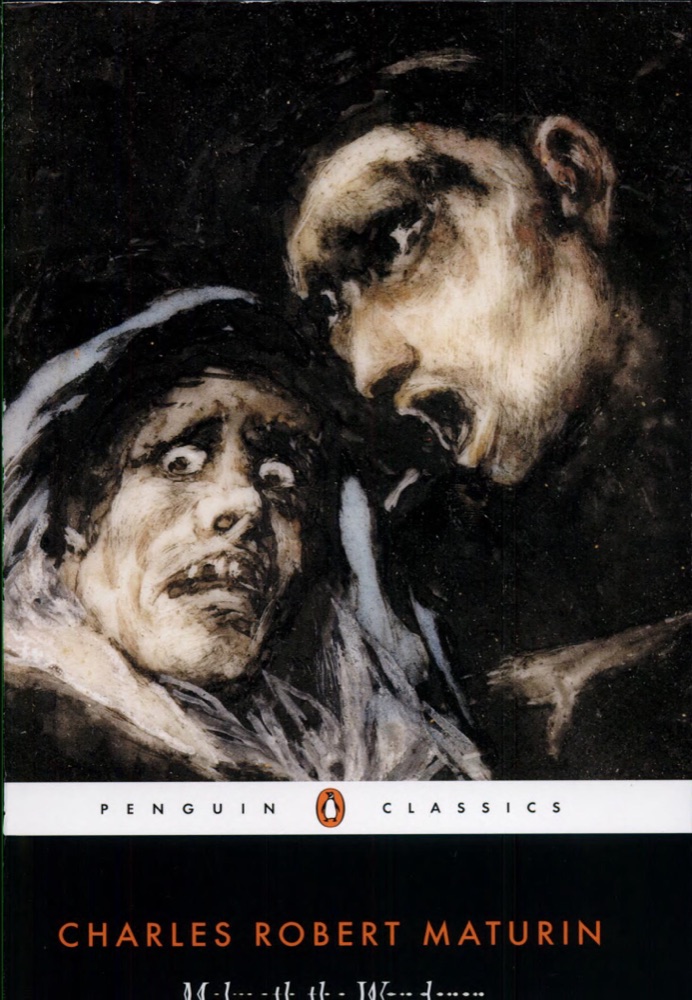 Melmoth the Wanderer
 Black Leopard, Red Wolf
 Thirst for Love
 Silas Marner
 The Man in the Iron Mask
 The Untouchable
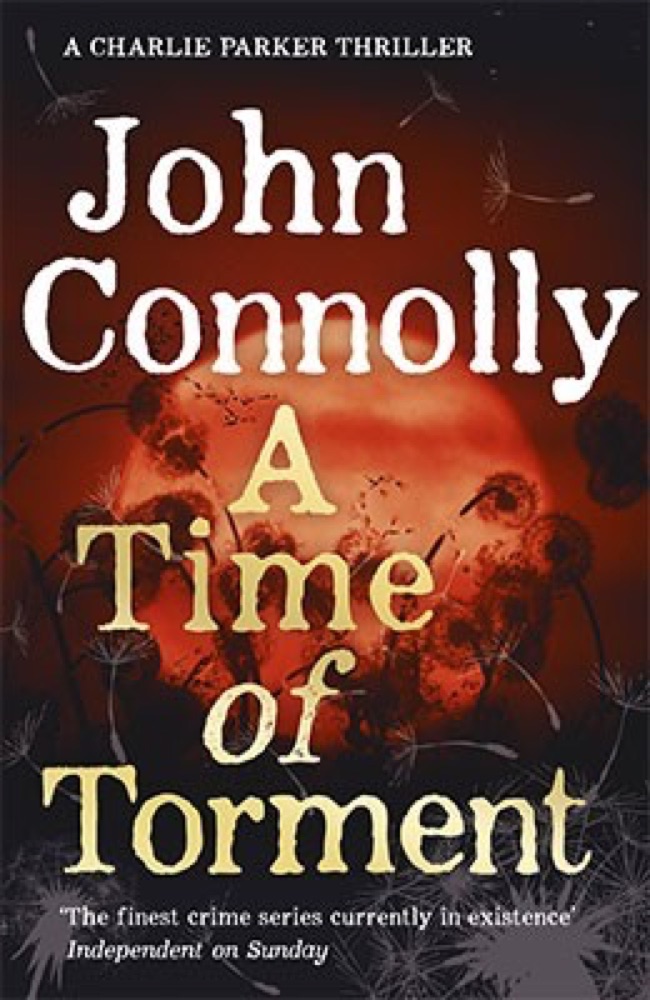 A Time of Torment
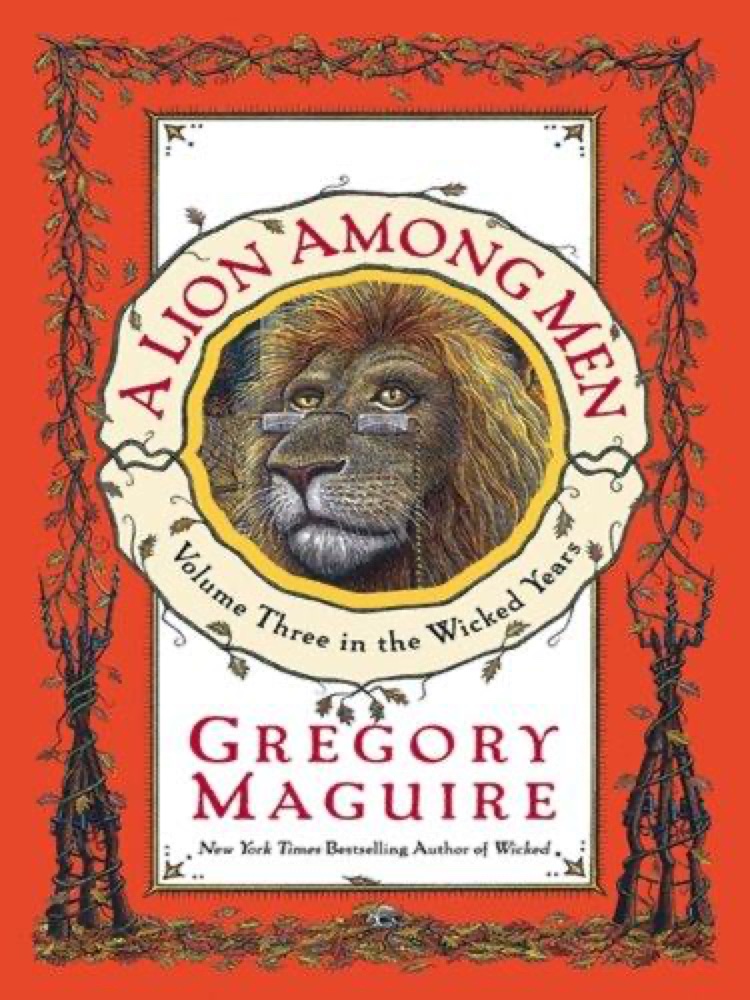 A Lion Among Men
 All the Pretty Horses
 Birds Without Wings
 In Search of Lost Time
 Runaway Horses
 Barnaby Rudge
 Selected Stories
 The Whisper Man