
 The Pigeon
Quotes from the Book
He succeeded in being considered totally uninteresting. People left him alone. And that was all he wanted.
...talent means nothing, while experience, acquired in humility and with hard work, means everything.
Odors have a power of persuasion stronger than that of words, appearances, emotions, or will. The persuasive power of an odor cannot be fended off, it enters into us like breath into our lungs, it fills us up, imbues us totally. There is no remedy for it.
…in that moment, as he saw and smelled how irresistible its effect was and how with lightning speed it spread and made captives of the people all around him—in that moment his whole disgust for humankind rose up again within him and completely soured his triumph, so that he felt not only no joy, but not even the least bit of satisfaction. What he had always longed for—that other people should love him—became at the moment of his achievement unbearable, because he did not love them himself, he hated them. And suddenly he knew that he had never found gratification in love, but always only in hatred—in hating and in being hated.
He possessed the power. He held it in his hand. A power stronger than the power of money or the power of terror or the power of death: the invincible power to command the love of mankind. There was only one thing that power could not do: it could not make him able to smell himself.
For people could close their eyes to greatness, to horrors, to beauty, and their ears to melodies or deceiving words. But they couldn't escape scent. For scent was a brother of breath. Together with breath it entered human beings, who couldn't defend themselves against it, not if they wanted to live. And scent entered into their very core, went directly to their hearts, and decided for good and all between affection and contempt, disgust and lust, love and hate. He who ruled scent ruled the hearts of men.
Not a visible enthusiasm but a hidden one, an excitement burning with a cold flame.
He who ruled scent ruled the hearts of men.
People left him alone. And that was all he wanted.
She was indeed a girl of exquisite beauty. She was one of those languid women made of dark honey smooth and sweet and terribly sticky.
He had withdrawn solely for his own personal pleasure, only to be near to himself. No longer distracted by anything external, he basked in his own existence and found it splendid.
There was only one thing the perfume could not do. It could not turn him into a person who could love and be loved like everyone else. So, to hell with it he thought. To hell with the world. With the perfume. With himself
When they finally did dare it, at first with stolen glances and then candid ones, they had to smile. They were uncommonly proud. For the first time they had done something out of Love.
We are familiar with people who seek out solitude: penitents, failures, saints, or prophets. They retreat to deserts, preferably, where they live on locusts and honey. Others, however, live in caves or cells on remote islands; some-more spectacularly-squat in cages mounted high atop poles swaying in the breeze. They do this to be nearer God. Their solitude is a self-moritification by which they do penance. They act in the belief that they are living a life pleasing to God. Or they wait months, years, for their solitude to be broken by some divine message that they hope then speedily to broadcast among mankind. Grenouille's case was nothing of the sort. There was not the least notion of God in his head. He was not doing penance or wating for some supernatural inspiration. He had withdrawn solely for his own pleasure, only to be near to himself. No longer distracted by anything external, he basked in his own existence and found it splendid. He lay in his stony crypt like his own corpse, hardly breathing, his heart hardly beating-and yet lived as intensively and dissolutely as ever a rake lived in the wide world outside.
He decided in favor of life out of sheer spite and malice.
He had preserved the best part of her and made it his own: the principle of her scent.
He realized that all his life he had been a nobody to everyone. What he now felt was the fear of his own oblivion. It was as though he did not exist.
And suddenly solitude fell across his heart like a dusty reflection. He closed his eyes. The dark doors within him opened and he entered. The next performance in the theater of Grenouille's soul was beginning.
This scent had a freshness, but not the freshness of limes or pomegranates, not the freshness of myrrh or cinnamon bark or curly mint or birch or camphor or pine needles, not that of a May rain or a frosty wind or of well water... and at the same time it had warmth, but not as bergamot, cypress, or musk has, or jasmine or daffodils, not as rosewood has or iris... This scent was a blend of both, of evanescence and substance, not a blend, but a unity, although slight and frail as well, and yet solid and sustaining, like a piece of thin, shimmering silk... and yet again not like silk, but like pastry soaked in honey-sweet milk - and try as he would he couldn't fit those two together: milk and silk! This scent was inconceivable, indescribable, could not be categorized in any way - it really ought not to exist at all. And yet there it was as plain and splendid as day.
It was good, really, that this external world still existed, if only as a place of refuge.
Moonlight knew no colors and traced the contours of the terrain only very softly. It covered the land a dirty gray, strangling life all night long. This world molded in lead, where nothing moved but the wind that fell sometimes like a shadow over the gray forests, and where nothing lived but the scent of the naked earth, was the only world he accepted, for it was much like the world of his soul.
And because people are stupid and use their noses only for blowing, but believe absolutely anything they see with their eyes, they will say it is because this is a girl with beauty and grace and charm.
He had escaped the abhorrent taint! He was truly completely alone! He was the only human being in the world!
Porque los hombres podían cerrar los ojos ante la grandeza, ante el horror, ante la belleza, y cerrar los oídos a las melodías o las palabras seductoras, pero no podían sustraerse al perfume. Porque el perfume era hermano del aliento. Con él se introducía en los hombres y si éstos querían vivir, tenían que respirarlo. Y una vez en su interior, el perfume iba directo al corazón y allí decidía de modo categórico entre inclinación y desprecio, aversión y atracción, amor y odio. Quien dominaba los olores, dominaba el corazón de los hombres.
Did you know?
- The novel was originally published in German in 1985 as "Das Parfum: Die Geschichte eines Mörders".
- It has been translated into dozens of languages and has sold more than 20 million copies worldwide.
- The English translation was made by John E. Woods and published by Alfred A. Knopf in 1986.
- The 2006 film adaptation was directed by Tom Tykwer.
- The protagonist Grenouille has an extraordinary sense of smell yet possesses no bodily scent of his own.
- The story inspired the songs "Scentless Apprentice" by Nirvana and "Du riechst so gut" by Rammstein.
About Patrick Süskind
Patrick Süskind (born 26 March 1949 in Ambach, Bavaria) is a German writer and screenwriter best known for the novel Perfume (1985). Famously reclusive, he divides his time between Munich and France, rarely grants interviews, and has published few photographs of himself.
More about the author →More by Patrick Süskind
The Pigeon
About the book
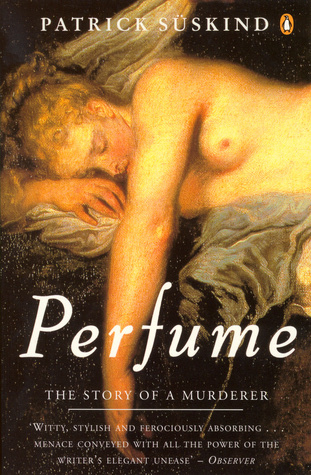
"Perfume: The Story of a Murderer" is a historical novel by the German writer Patrick Süskind, first published in German as "Das Parfum" in 1985. Set in eighteenth-century France, it follows Jean-Baptiste Grenouille, an orphan born in the reeking heart of Paris who possesses an extraordinary, almost supernatural sense of smell yet has no personal scent of his own. Apprenticed to the aging perfumer Giuseppe Baldini and later drawn to the fragrance workshops of Grasse, Grenouille becomes obsessed with capturing and preserving the ultimate human scent, a fixation that leads him to murder.
At its core the novel is a study of obsession, isolation, and the power of scent to move human beings beyond reason. Süskind renders the smells of the period in dense, sensuous prose, using Grenouille's genius and monstrousness to probe questions of identity, love, and the longing to be recognized by others. The book blends the trappings of the historical thriller with allegory and dark fable, and its scentless antihero has been read as an emblem of alienation and the hunger for connection.
"Perfume" became one of the most successful German novels of the twentieth century, translated into dozens of languages with worldwide sales in the tens of millions. It won the World Fantasy Award for Best Novel in 1987 and helped make the reclusive Süskind an international literary figure. In 2006 it was adapted into a feature film directed by Tom Tykwer, cementing the story's place in popular culture.
Key characters
- Jean-Baptiste GrenouilleScentless orphan with a prodigious sense of smell who becomes a murderer
- Giuseppe BaldiniAging Parisian perfumer who employs and teaches Grenouille
- Laure RichisRed-haired young woman whose scent becomes Grenouille's ultimate obsession
- Marquis de La Taillade-EspinasseNobleman and pseudoscientific theorist who takes an interest in Grenouille
Book details
- First published
- 1985
- Reading time
- 5 hours
- Author
- Patrick Süskind
- Genre
- Mystery
- Goodreads rating
- 4.04 (575k ratings) →
- First line
- “In eighteenth-century France there lived a man who was one of the most gifted and abominable personages in an era that knew no lack of gifted and abominable personages.”
Movie & TV adaptations
- IMDb
Keep reading
 Victory
 The Damnation Game
 Gormenghast
 The Scapegoat
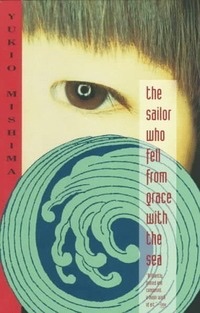 The Sailor Who Fell from Grace with the Sea
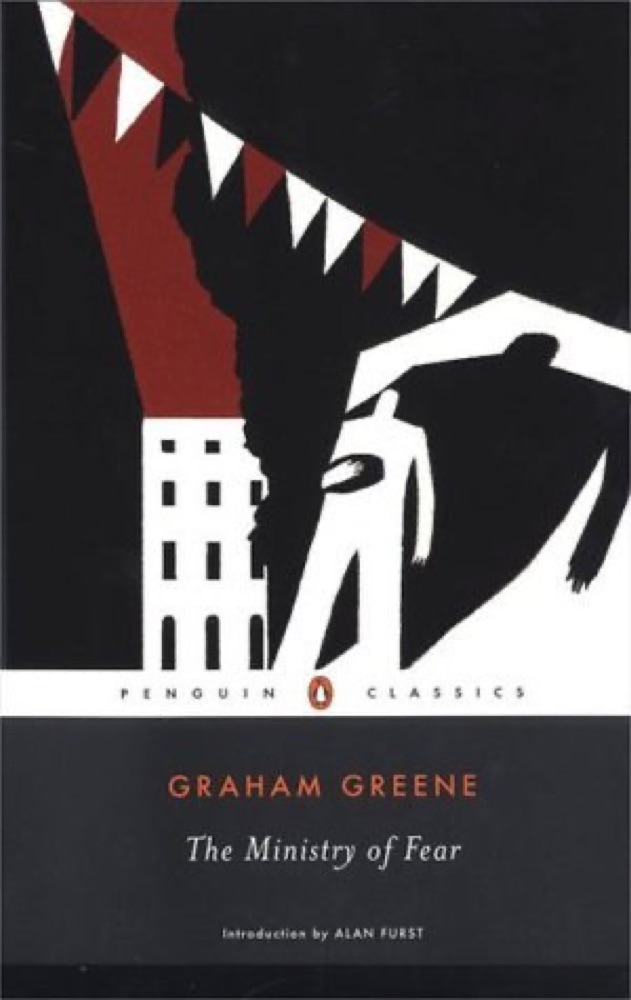 The Ministry of Fear
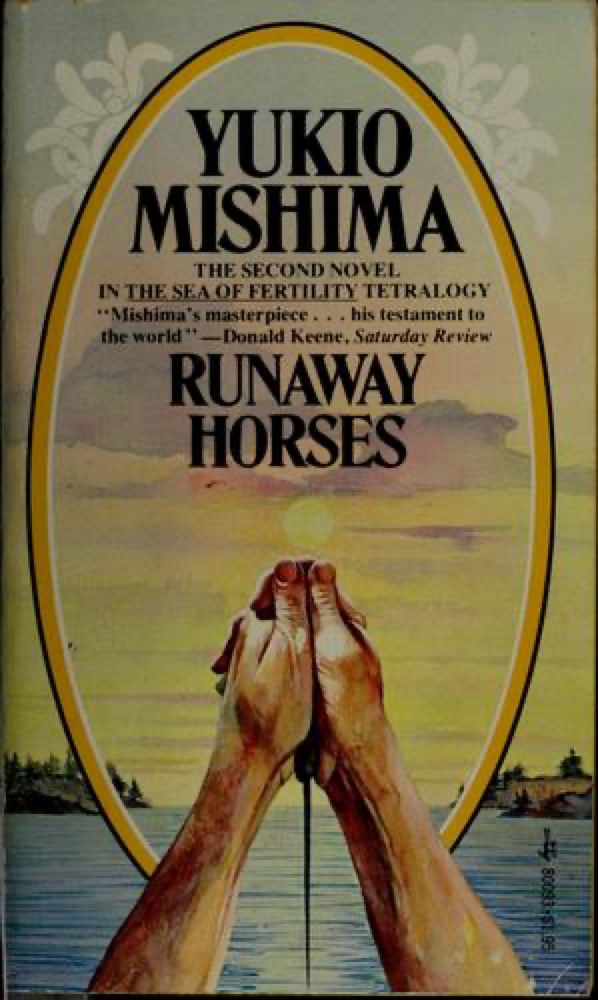 Runaway Horses
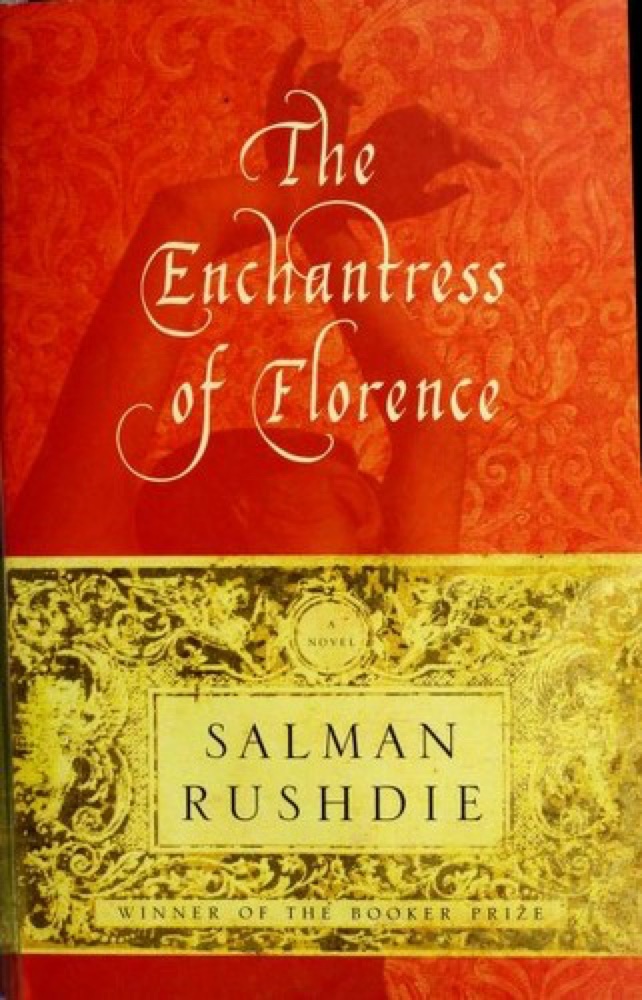 The Enchantress of Florence
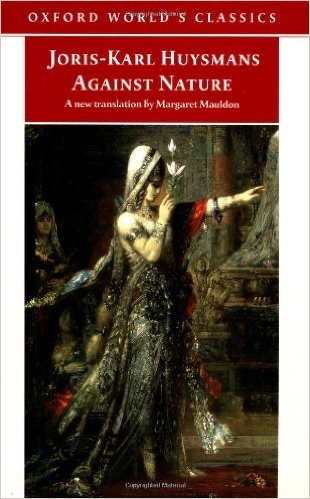 Against Nature
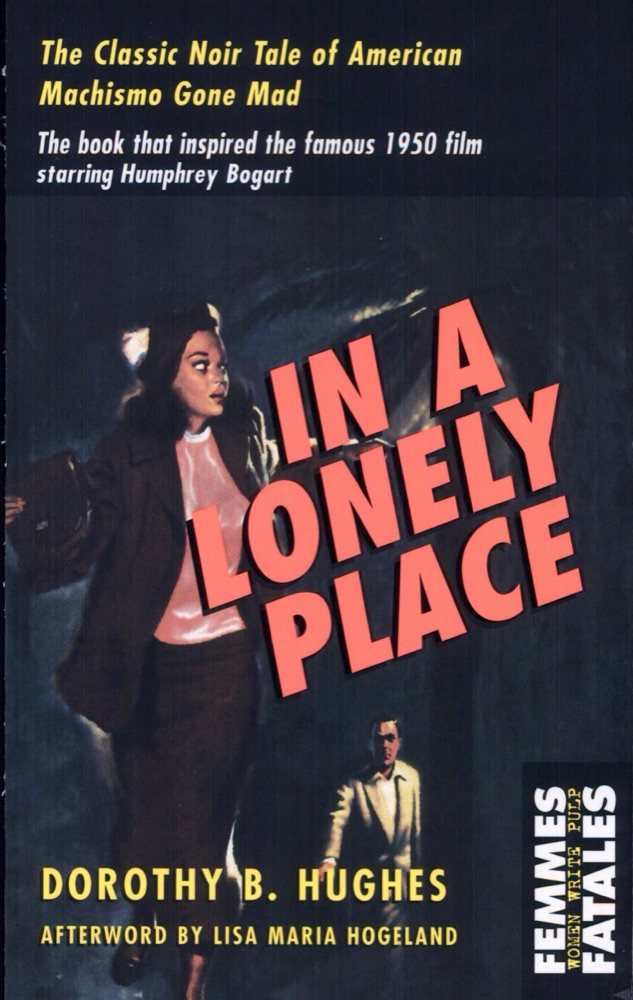 In a Lonely Place
 The Bluest Eye
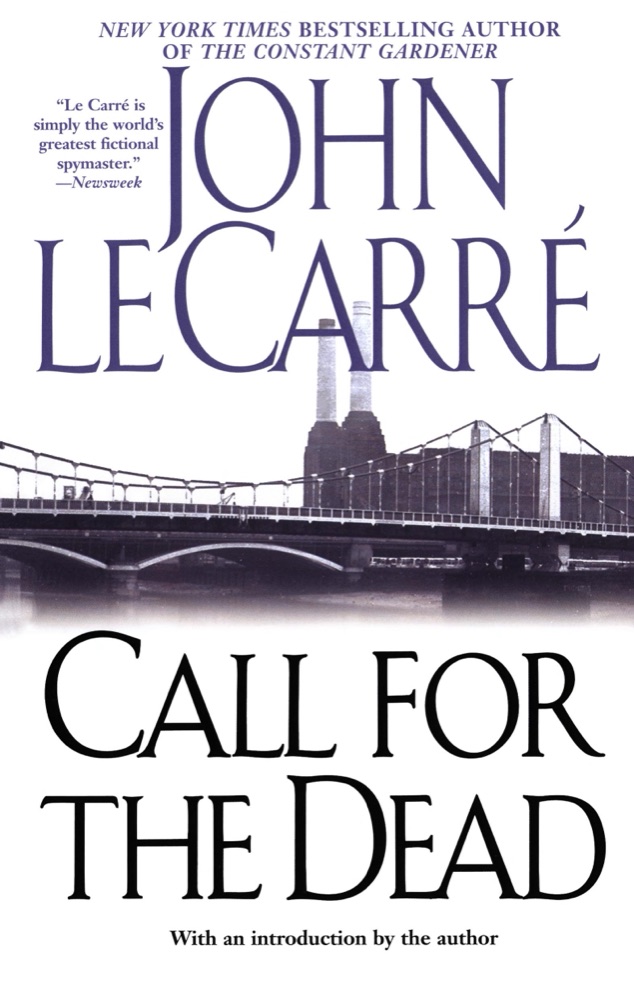 Call for the Dead
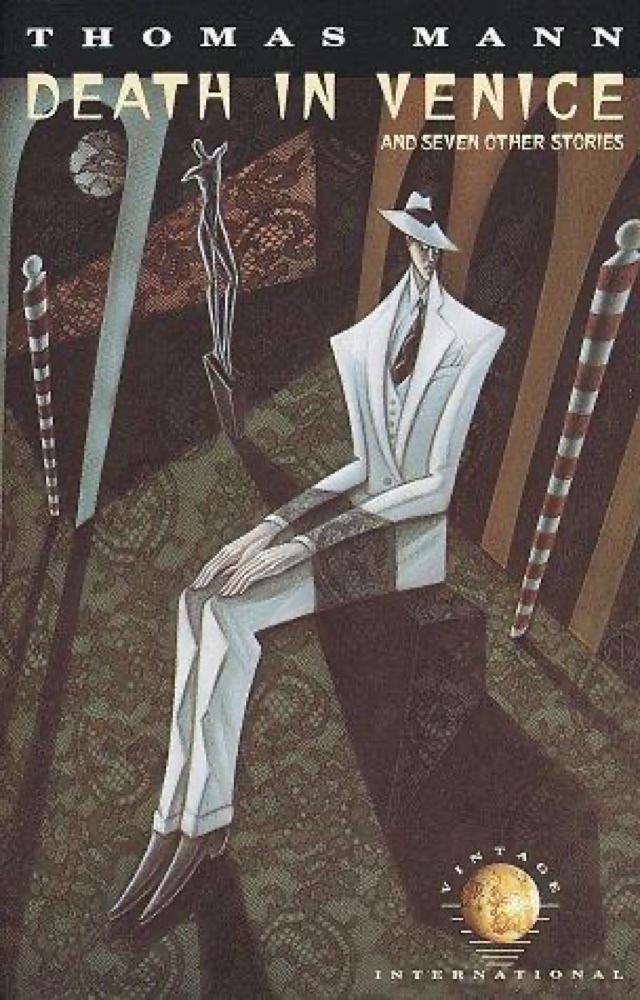 Death in Venice
 Of Human Bondage
 Sons and Lovers
 The Hunchback of Notre-Dame
 Strangers on a Train
 Dubliners
 Laura
Laura
 Delta of Venus
 The Great Santini
 The Hellbound Heart
 White Fang
 Miss Lonelyhearts
 The Brutal Telling
 The Heart Is a Lonely Hunter
 The First Man
 The Collected Tales of Nikolai Gogol
 The Prophets
 The Dean's Watch
 The Leopard
 The Narrow Road to the Deep North
 Snow Falling on Cedars
 The Burning Soul
 Green Dolphin Street
 Truly, Madly, Deeply
 The Nigger of the Narcissus
 Tuesday Nights in 1980
 Martin Eden
 Mythology
 Lord Foul's Bane
 Acacia: The War with the Mein
 The Bloody Chamber and Other Stories
 The Prince of Tides
 Lord Jim
 Imajica
 The Power and the Glory
 The Last Man
 The Man Without Qualities
 Another Country
 Atonement
 The Man Who Laughs
 A Spy in the House of Love
 An Orchestra of Minorities
 The Heart of the Matter
 The Human Stain
 The Magus
 Arch of Triumph
 Tar Baby
 The Luminaries