 Dubliners
Quotes from the Book
He thought, in fine, that the dreams of poets were the realities of life.
16
his character was dreadfully vicious, for that the possession of irresistible powers of seduction, rendered his licentious habits more dangerous to society.
15
all those upon whom it was bestowed, inevitably found that there was a curse upon it, for they were all either led to the scaffold, or sunk to the lowest and the most abject misery.
7
In many parts of Greece it is considered as a sort of punishment after death, for some heinous crime committed whilst in existence, that the deceased is not only doomed to vampyrise, but compelled to confine his infernal visitations solely to those beings he loved most while upon earth—those to whom he was bound by ties of kindred and affection.—A supposition alluded to in the "Giaour.
6
To do good in secret, and shun the world's applause, is the surest testimony of a virtuous heart and self-approving conscience.
4
His lordship seemed quite changed; he no longer appeared that apathetic being who had so astonished Aubrey; but as soon as his convalescence began to rapid, he again gradually retired into the same state of mind, and Aubrey perceived no difference from the former man, except that at times he was surprised to meet his gaze intently upon him, with a smile of malicious exultation playing upon his lips: he knew not why, but his smile haunted him.
4
he had required, to enhance his gratification, that his victim, the partner of his guilt, should be hurled from the pinnacle of unsullied virtue, down to the lowest abyss of infamy and degradation:
4
But why attempt to describe charms which all feel, but none can appreciate?
3
IT happened that in the midst of the dissipations attendant upon a London winter, there appeared at the various parties of the leaders of the ton a nobleman, more remarkable for his singularities, than his rank.
3
Those who felt this sensation of awe, could not explain whence it arose: some attributed it to the dead grey eye, which, fixing upon the object's face, did not seem to penetrate, and at one glance to pierce through to the inward workings of the heart; but fell upon the cheek with a leaden ray that weighed upon the skin it could not pass.
2
save that her eyes spoke too much mind for any one to think she could belong to those who had no souls.
2
A litter was quickly formed, and Aubrey was laid by the side of her who had lately been to him the object of so many bright and fairy visions, now fallen with the flower of life that had died within her. He knew not what his thoughts were--his mind was benumbed and seemed to shun reflection, and take refuge in vacancy--he held almost unconsciously in his hand a naked dagger of a particular construction, which had been found in the hut.
2
Lord Ruthven in his carriage, and amidst the various wild and rich scenes of nature, was always the same: his eye spoke less than his lip; and though Aubrey was near the object of his curiosity, he obtained no greater gratification from it than the constant excitement of vainly wishing to break that mystery, which to his exalted imagination began to assume the appearance of something supernatural.
2
His dress became neglected, and he wandered, as often exposed to the noon-day sun as to the midnight damps. He was no longer to be recognized; at first he returned with the evening to the house; but at last he laid him down to rest wherever fatigue overtook him. His sister, anxious for his safety, employed people to follow him; but they were soon distanced by him who fled from a pursuer swifter than any - from thought.
2
...[T]hose now in the grave... once held her in their arms as their hope and the hope of their house...
1
His oath startled him;—was he then to allow this monster to roam, bearing ruin upon his breath, amidst all he held dear, and not avert its progress?
1
still he found himself more and more attached to the almost fairy form before him.
1
She detailed to him the traditional appearance of these monsters, and his horror was increased, by hearing a pretty accurate description of Lord Ruthven;
1
would paint, to him in all the glowing colours of youthful memory, the marriage pomp she remembered viewing in her infancy;
1
«El lobo se vestía con piel de cordero y el rebaño consentía el engaño.»
1
He watched him; and the very impossibility of forming an idea of the character of a man entirely absorbed in himself, who gave few other signs of his observation of external objects, than the tacit assent to their existence, implied by the avoidance of their contact: allowing his imagination to picture every thing that flattered its propensity to extravagant ideas, he soon formed this object into the hero of a romance, and determined to observe the offspring of his fancy, rather than the person before him.
1
Watch on YouTube
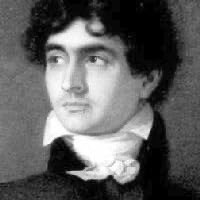
About John William Polidori
We have collected 21 quotes from 1 book by John William Polidori on BookQuoters.
More about the author →About the book
This classic vampire story has inspired generations of authors, from Bram Stoker to Charlaine Harris. A young English gentleman of means, Aubrey is immediately intrigued by Lord Ruthven, the mysterious newcomer among society’s elite. His unknown origin and curious behavior tantalizes Aubrey’s imagination. But the young man soon discovers a sinister character hidden behind his new friend’s glamorous facade. When the two are set upon by bandits while traveling together in Europe, Ruthven is fatally injured. Before drawing his last breath, he makes the odd request that Aubrey keep his death and crimes secret for a year and a day. But when Ruthven resurfaces in London—making overtures toward Aubrey’s sister—Aubrey realizes this immortal fiend is a vampyre. John William Polidori’s The Vampyre is both a classic tale of gothic horror and the progenitor of the modern romantic vampire myth th
Book details
- First published
- 1819
- Author
- John William Polidori
- Genre
- Classics
- Goodreads rating
- 3.32 (18k ratings)
Keep reading
Dubliners
 Dragonwyck
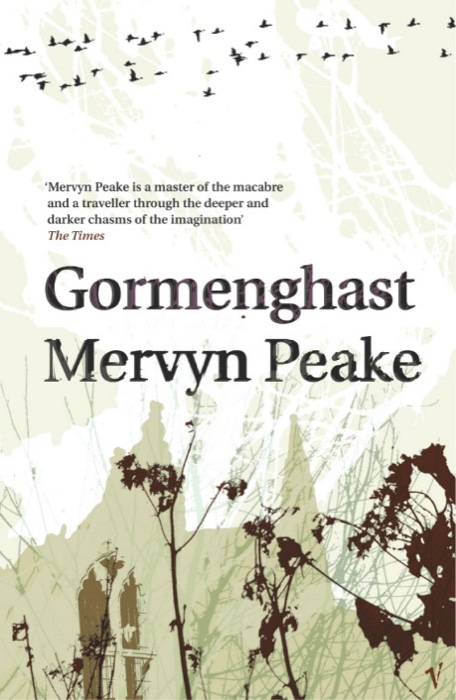 Gormenghast
 Zuleika Dobson
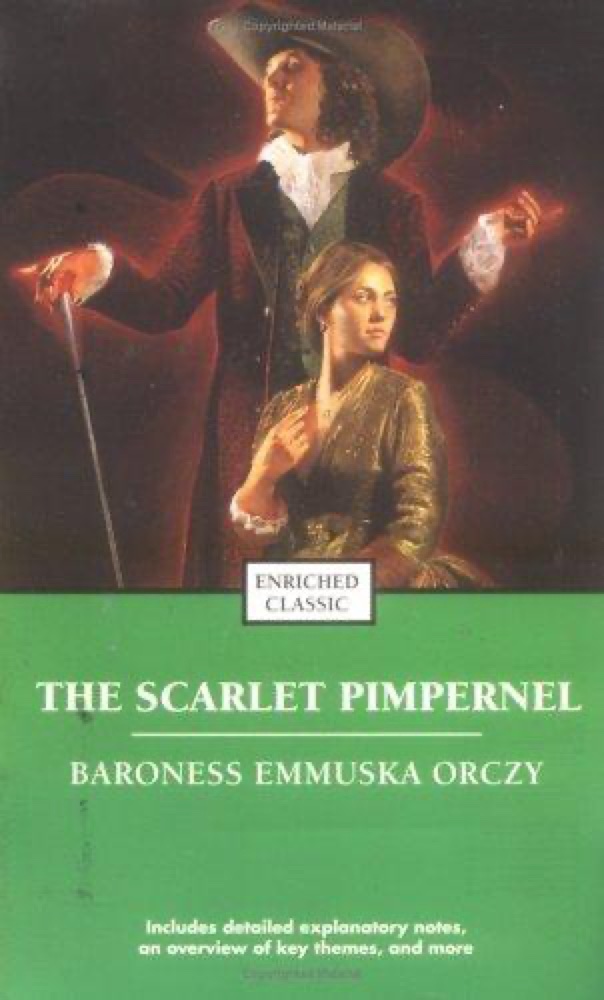 The Scarlet Pimpernel
 The Wings of the Dove
 Little Dorrit
 The Mysteries of Udolpho
 The Ministry of Fear
 A Dance to the Music of Time: 1st Movement
 The Hunchback of Notre-Dame
 The House of the Seven Gables
 The Mayor of Casterbridge
 Melmoth the Wanderer
 The Bloody Chamber and Other Stories
 Romola
 The Bridge of San Luis Rey
 The Cuckoo's Calling
 The Beast in the Jungle
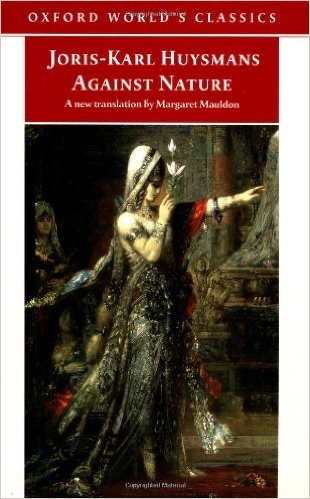 Against Nature
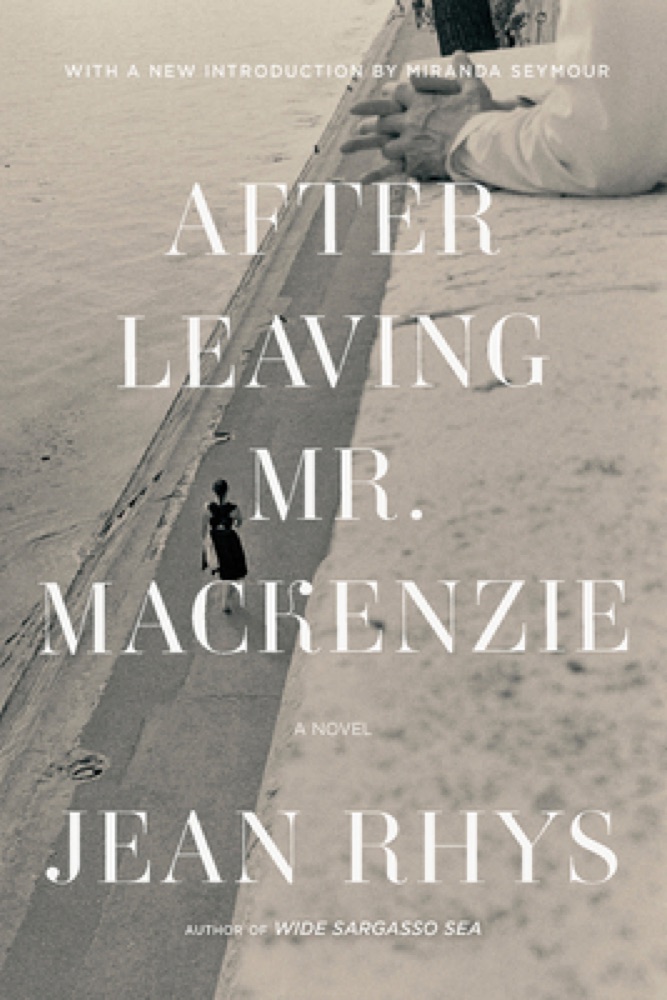 After Leaving Mr. Mackenzie
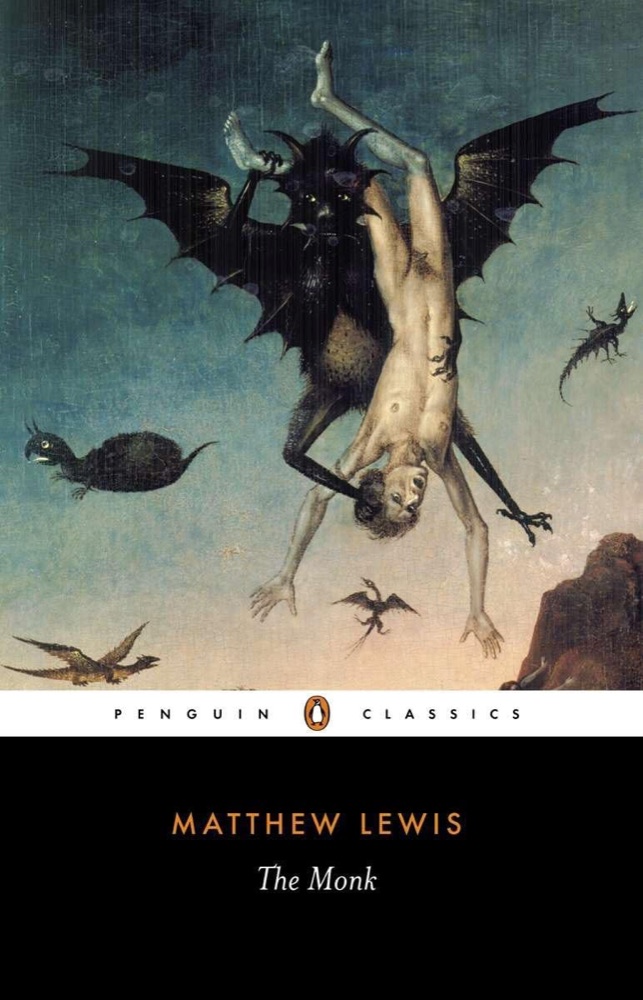 The Monk
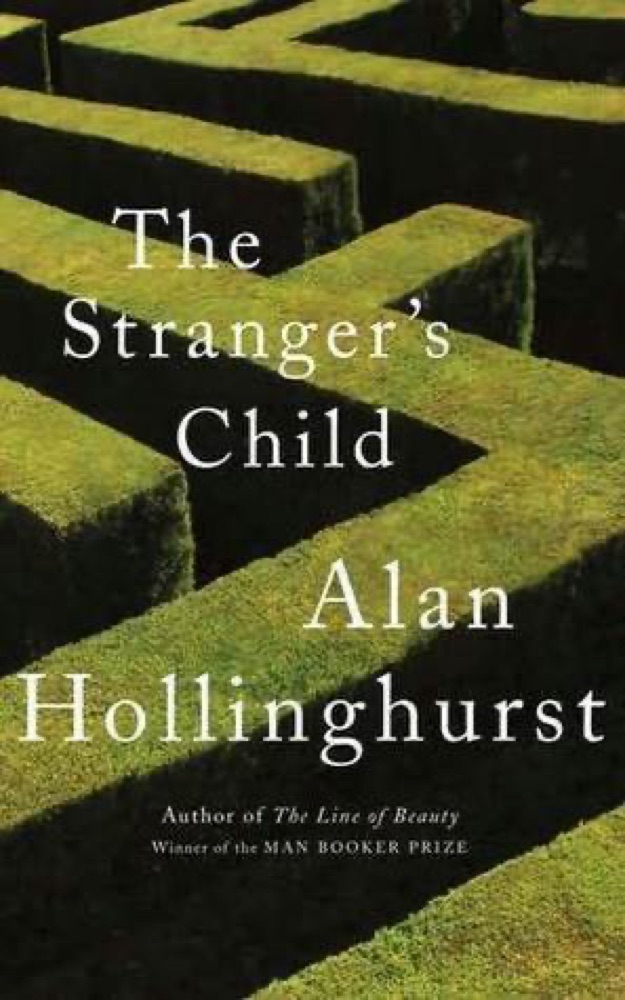 The Stranger's Child
 The Golden Bowl
 Career of Evil
 The Lifted Veil
 The Scarlet Letter
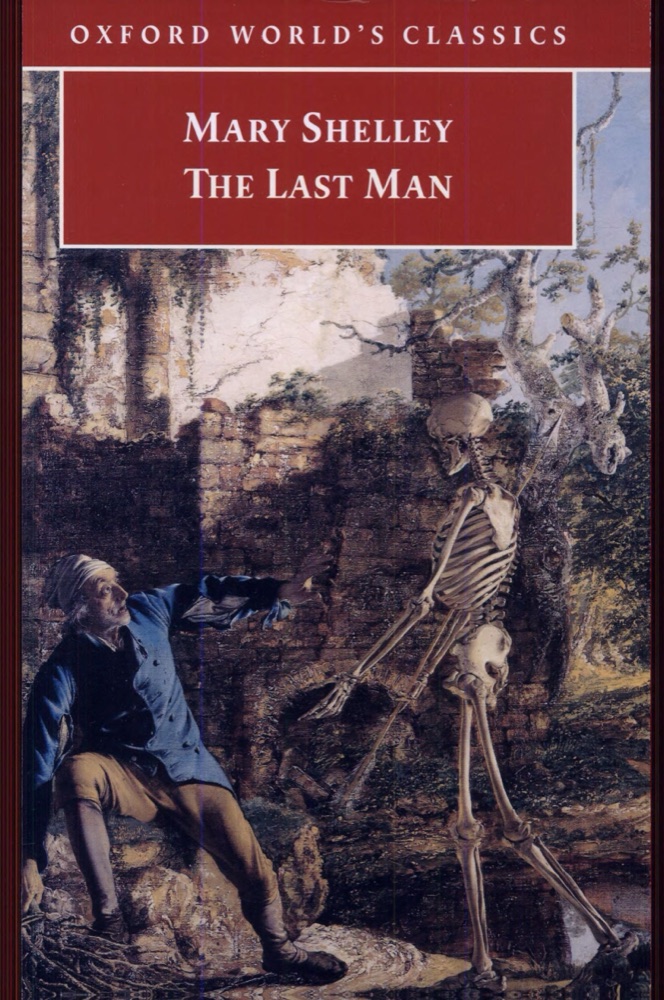 The Last Man
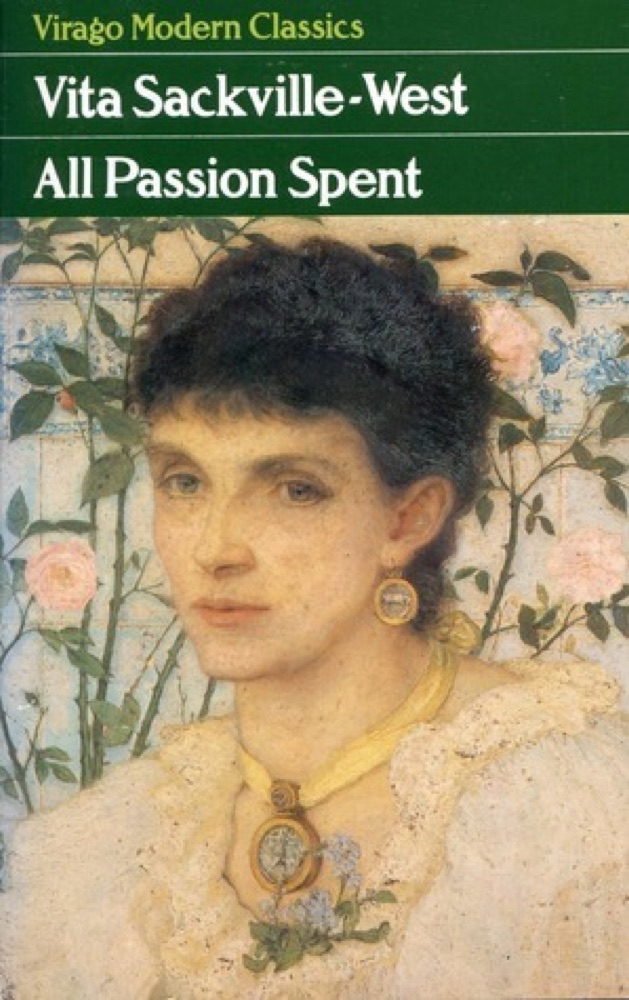 All Passion Spent
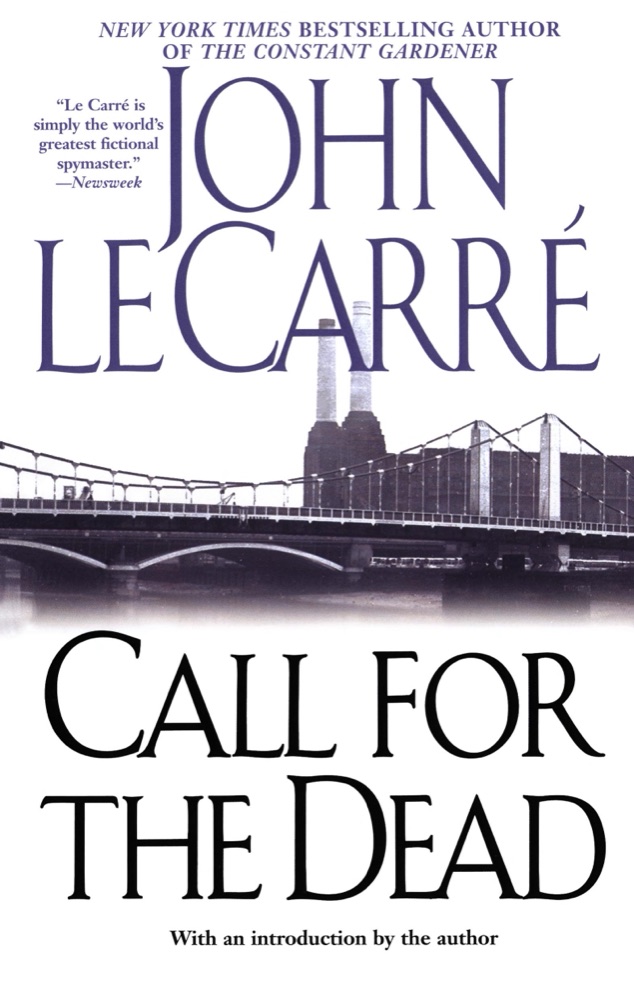 Call for the Dead
 The Gormenghast Novels
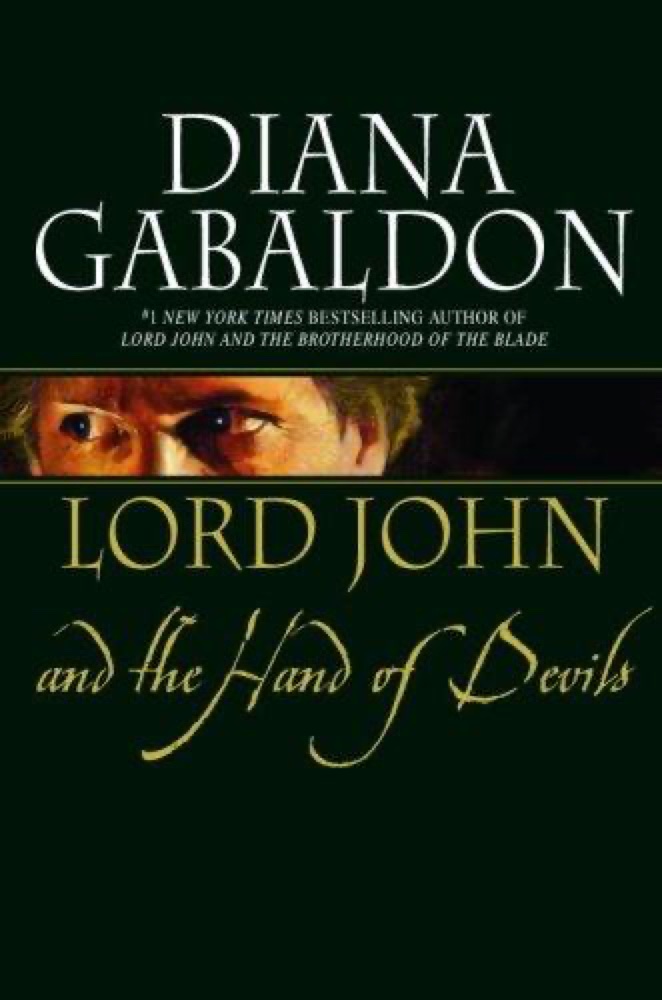 Lord John And The Hand Of Devils
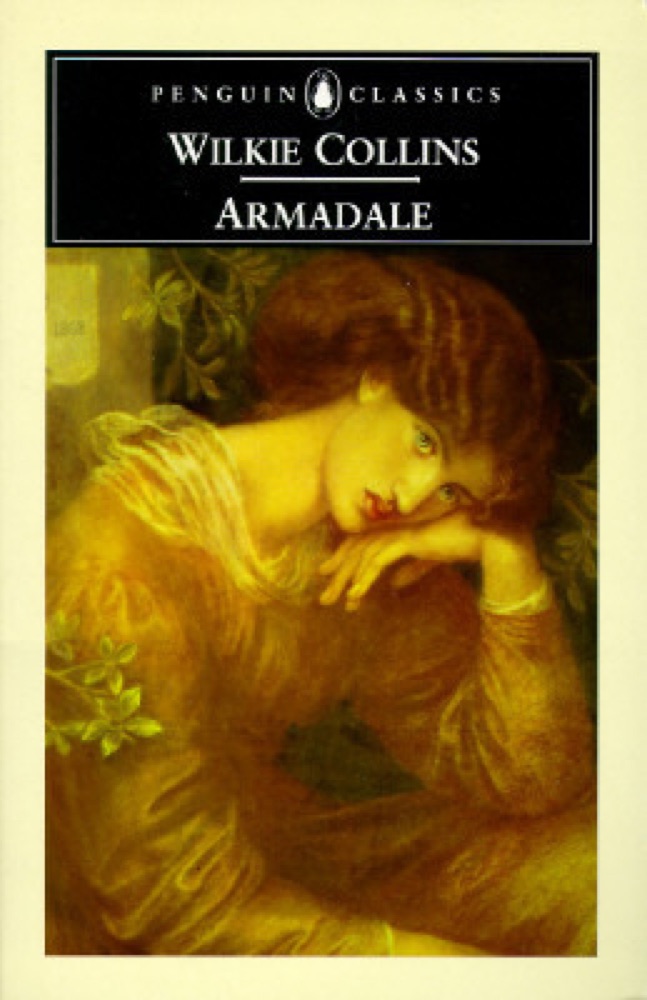 Armadale
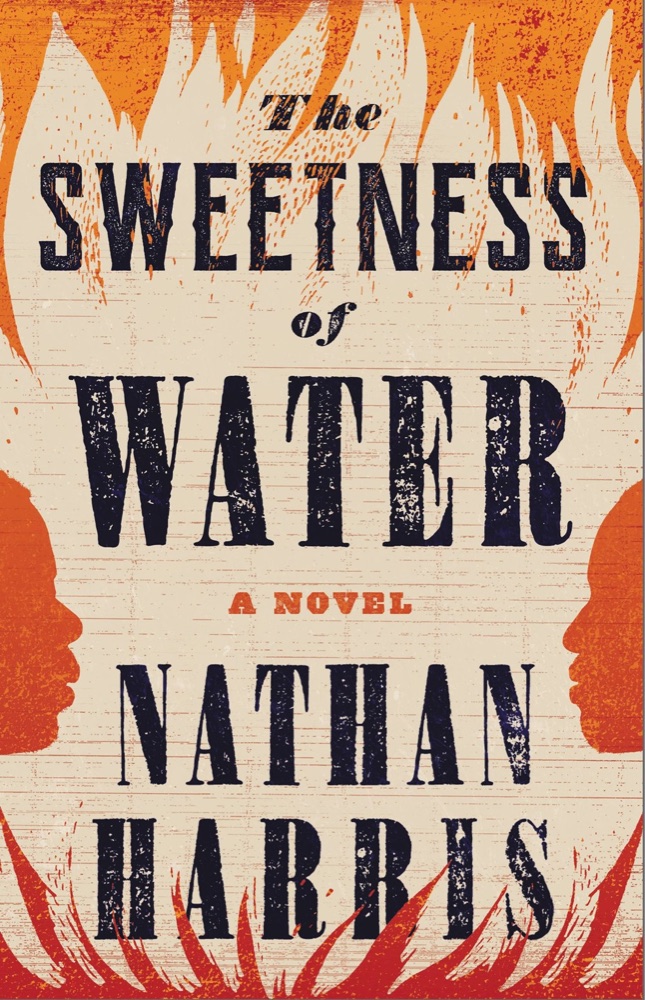 The Sweetness of Water
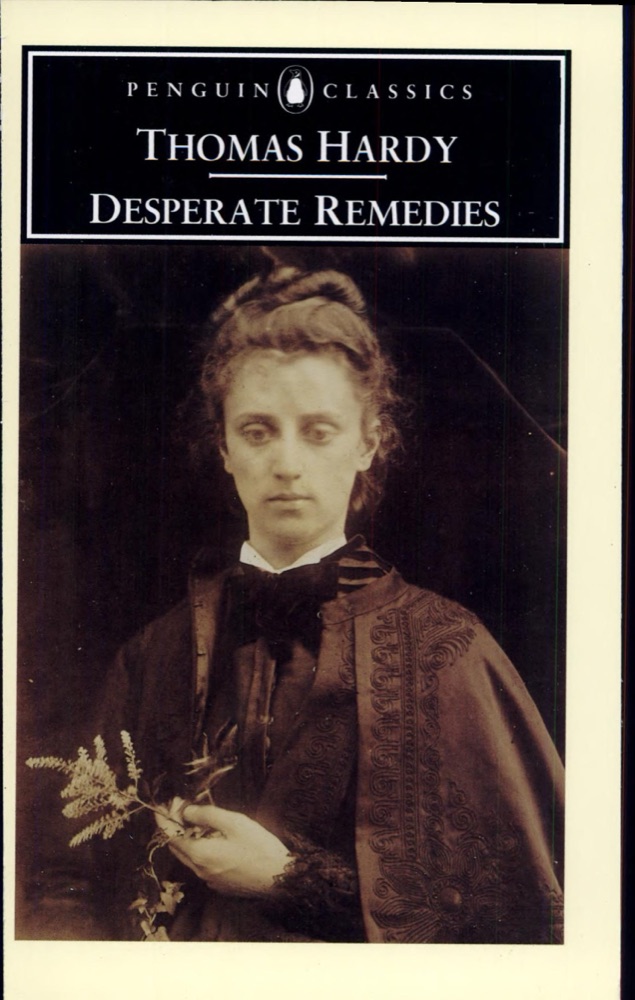 Desperate Remedies
 The Amazing Adventures of Kavalier & Clay
 The Damnation Game
 Ethan Frome
 The Beast Within
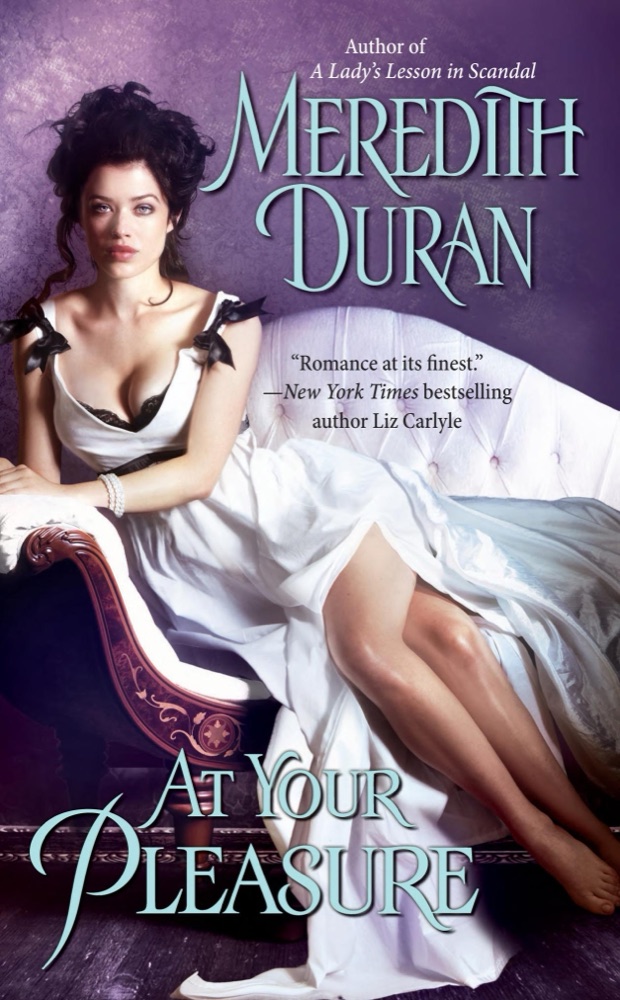 At Your Pleasure
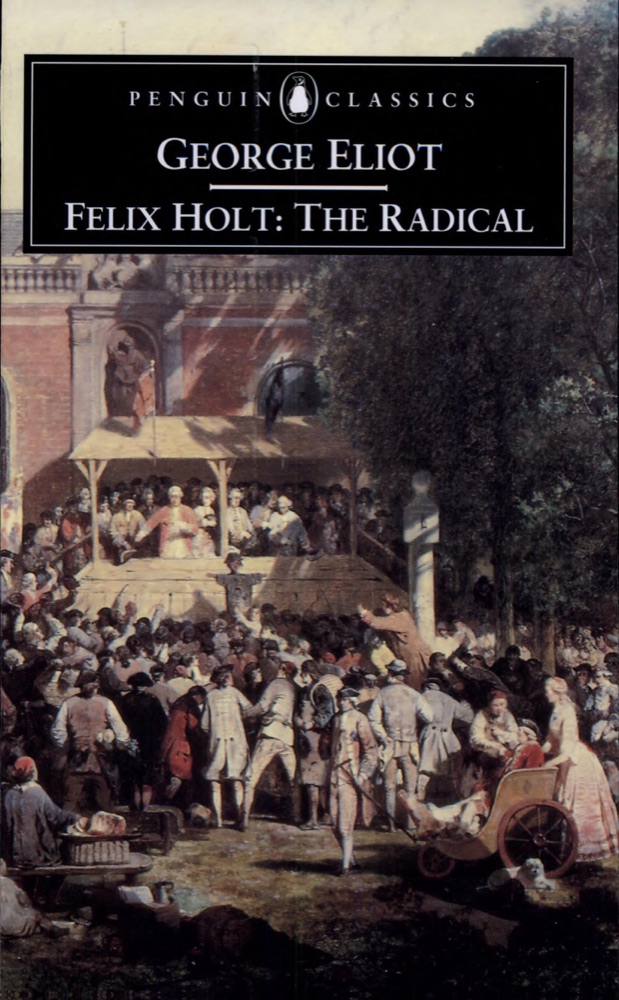 Felix Holt: The Radical
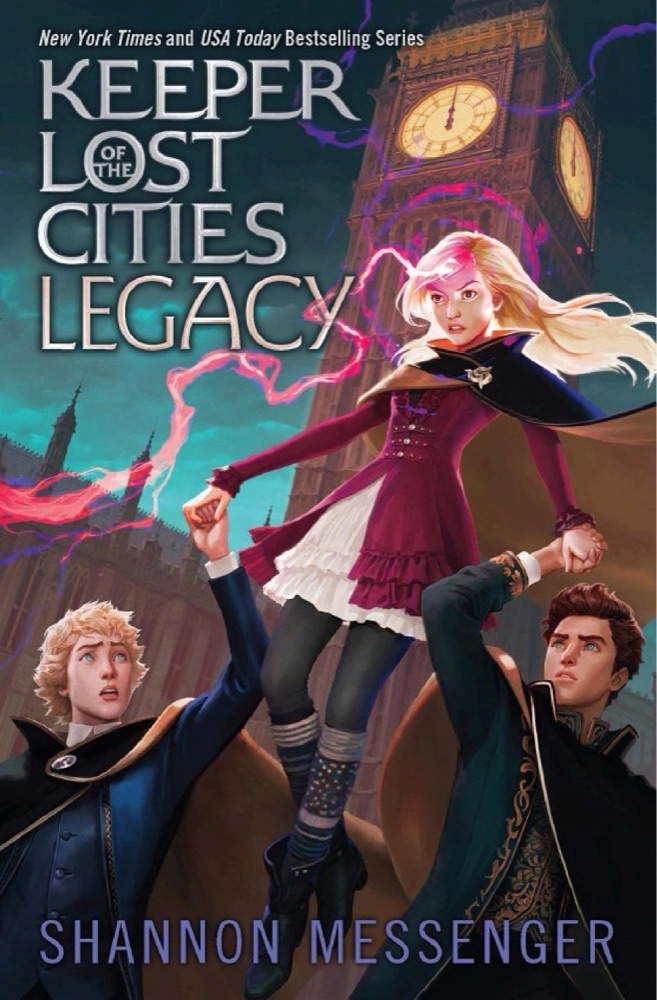 Legacy
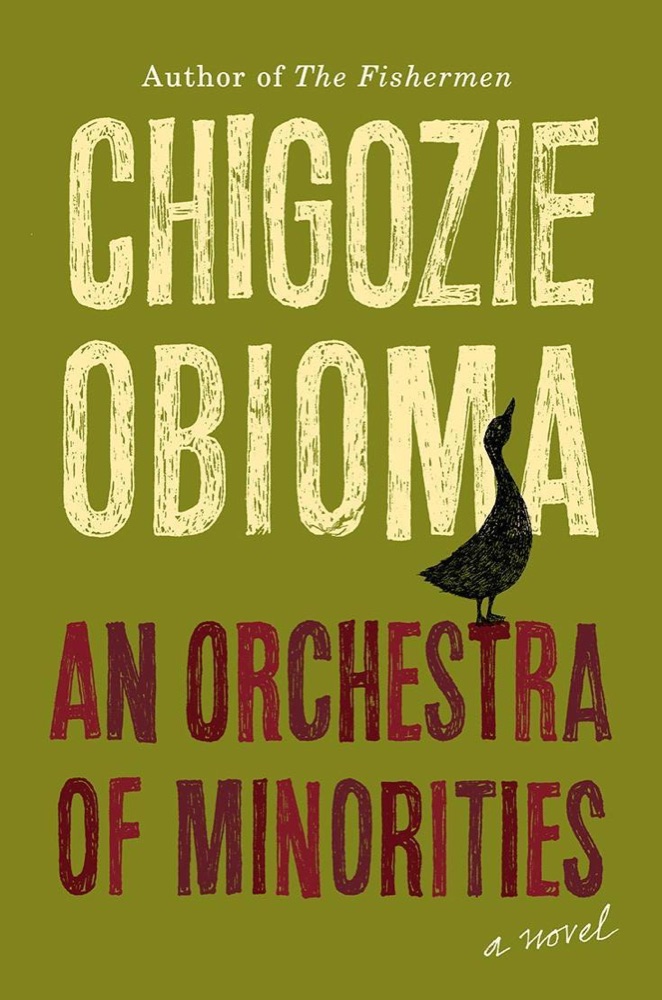 An Orchestra of Minorities
 Devil's Brood
 The Luminaries
 The Custom of the Country
 Uncle Silas
 The Death of Ivan Ilych and Other Stories
 Oliver Twist
 The Dead
 Fool Me Twice
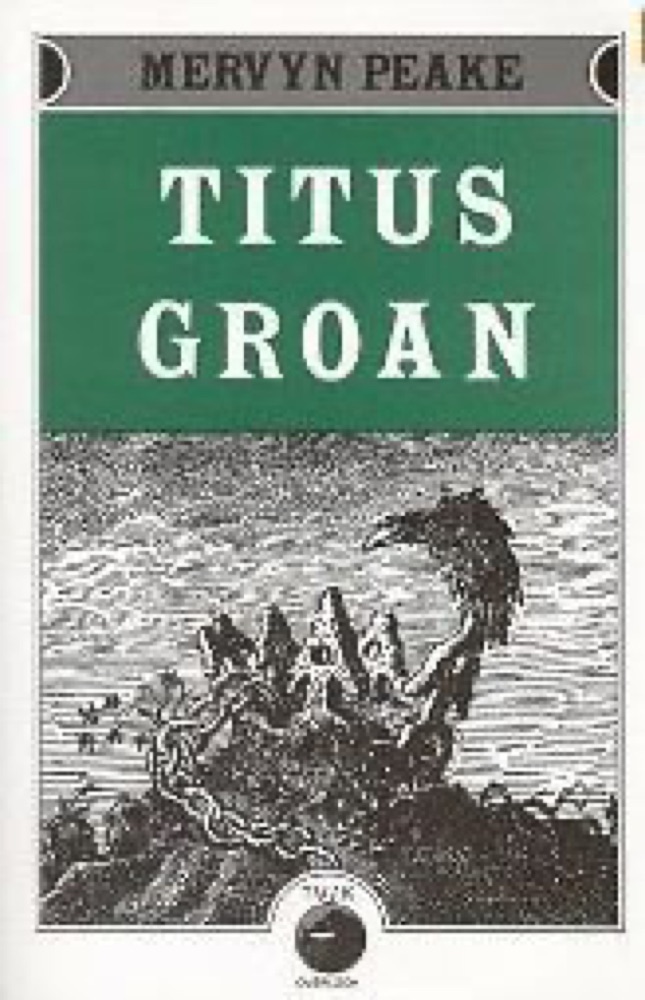 Titus Groan
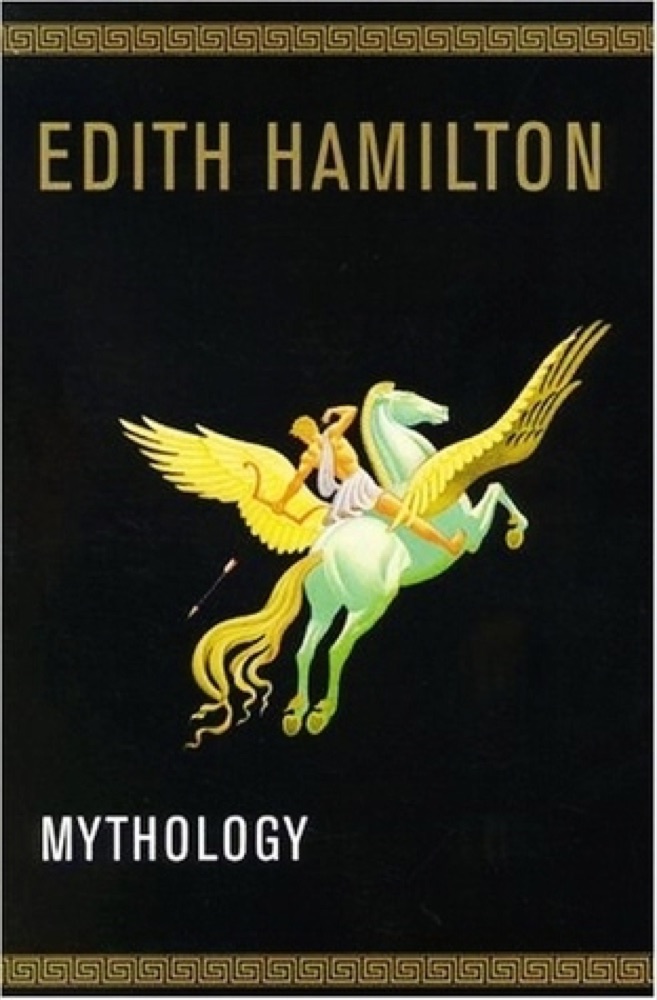 Mythology
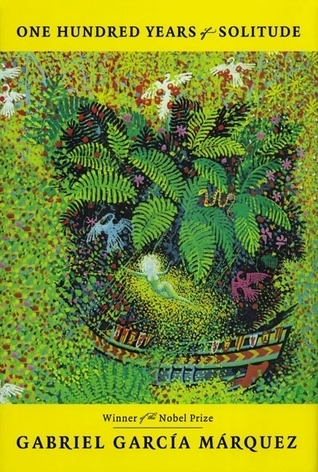 One Hundred Years of Solitude
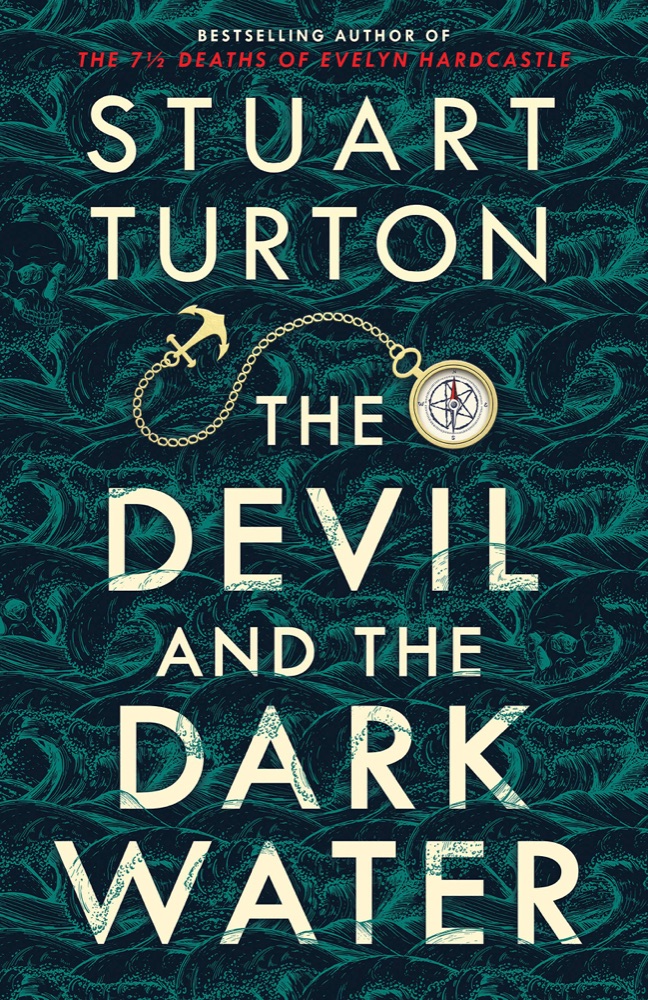 The Devil and the Dark Water
 Dombey and Son
 Lethal White
 A Skinful of Shadows
 When Christ and His Saints Slept
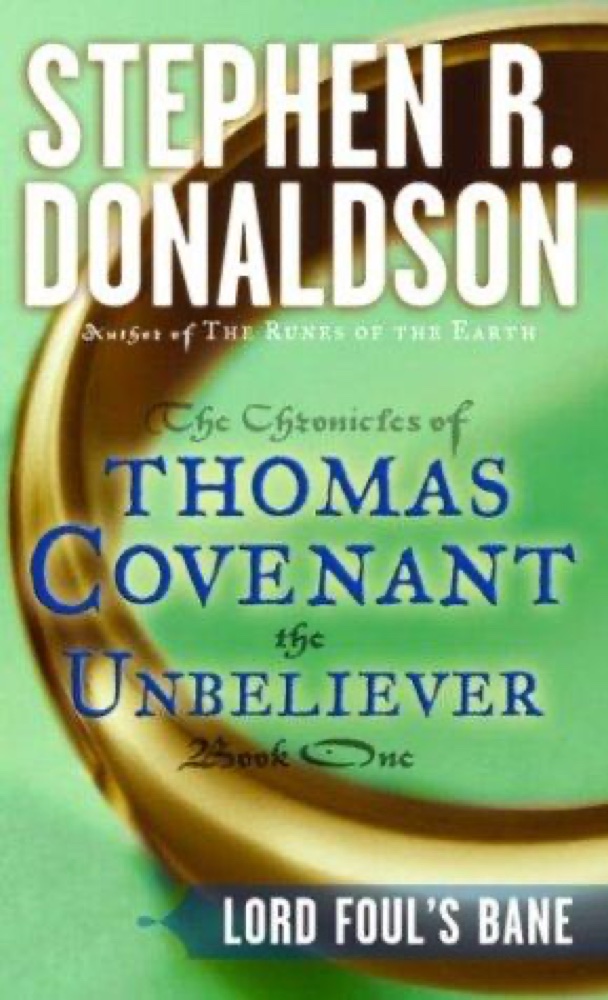 Lord Foul's Bane