
 The Handmaid's Tale
Quotes from the Book
Why do men want to kill the bodies of other men? Women don't want to kill the bodies of other women, by and large. As far as we know. Here are some traditional reasons: Loot. Territory. Lust for power. Hormones. Adrenaline high. Rage. God. Flag. Honor. Righteous anger. Revenge. Oppression. Slavery. Starvation. Defense of one's life. Love; or, a desire to protect the women and children. From what? From the bodies of other men. What men are most afraid of is not lions, not snakes, not the dark, not women. Not any more. What men are most afraid of is the body of another man. Men's bodies are the most dangerous thing on earth.
22
Imagine a famine. Now imagine a piece of bread. Both of these things are real but you happen to be in the same room with only one of them. Put yourself into a different room, that’s what the mind is for.
19
She talks with wolves, without knowing what sort of beasts they are: Where have you been all my life? they ask. Where have I been all my life? she replies.
15
By now you must have guessed: I come from another planet. But I will never say to you, Take me to your leaders. Even I - unused to your ways though I am - would never make that mistake. We ourselves have such beings among us, made of cogs, pieces of paper, small disks of shiny metal, scraps of coloured cloth. I do not need to encounter more of them. Instead I will say, Take me to your trees. Take me to your breakfasts, your sunsets, your bad dreams, your shoes, your nouns. Take me to your fingers; take me to your deaths. These are worth it. These are what I have come for.
14
But we still find the world astounding, we can't get enough of it; even as it shrivels, even as its many lights flicker and are extinguished (the tigers, the leopard frogs, the plunging dolphin flukes), flicker and are extinguished, by us, by us, we gaze and gaze. Where do you draw the line, between love and greed? We never did know, we always wanted more. We want to take it all in, for one last time, we want to eat the world with our eyes.
14
If the stock market exists, so must previous lives.
7
The question about the page is: what is beneath it? It seems to have only two dimensions, you can pick it up and turn it over and the back is the same as the front. Nothing, you say, disappointed. But you were looking in the wrong place, you were looking on the back instead of beneath. Beneath the page is another story. Beneath the page is a story. Beneath the page is everything that has ever happened, most of which you would rather not hear about. The page is not a pool but a skin, a skin is there to hold in and it can feel you touching it. Did you really think it would just lie there and do nothing? Touch the page at your peril: it is you who are blank and innocent, not the page. Nevertheless you want to know, nothing will stop you. You touch the page, it's as if you've drawn a knife across it, the page has been hurt now, a sinuous wound opens, a thin incision. Darkness wells through.
7
Just remember this, when the scream at last has ended and you've turned on the lights: by the rules of the game, I must always lie.
4
Today I speak to my bones as I would speak to a dog. I want to go up the stairs, I tell them. Up, up, up, with one leg dragging. Is the ache deep in the bones, this elusive pain? Does that mean it will rain? Good bones, good bones, I coax, wondering how to reward them; if they will sit up for me, beg, roll over, do one more trick, once more. There. We're at the top. Good bones! Good bones! Keep on going.
4
WHAT WE WANT of course is the same old story. The trees pushing out their leaves, fluttering them, shucking them off, the water thrashing around in the oceans, the tweedling of the birds, the unfurling of the slugs, the worms vacuuming dirt. The zinnias and their pungent slow explosion. We want it all to go on and go on again, the same thing each year, monotonous and amazing, just as if we were still behaving ourselves, living in tents, raising sheep, slitting their throats for God’s benefit, refusing to invent plastics. For unbelief and bathrooms you pay a price. If apples were the Devil’s only bait we’d still be able to call our souls our own, but then the prick threw indoor plumbing into the bargain and we were doomed. Now we use up a lot of paper telling one another how to conserve paper, and the sea fills up with killer coffee cups, and we worry about the sun and its ambivalent rays.
3
In the gap between desire and enactment, noun and verb, intention and infliction, want and have, compassion begins.
3
What do I want? I want you to talk about normal things. No I don’t. I want you to look me in the eye and say, I know you’re dying.
3
The bad bones have been bad, so they are better left unsaid. They are better left unsaying. But they were never happy, they always wanted more, they were always hungry. They can smell the words, the words coming out of your mouth all warm and yeasty. They want some words of their own. They’ll be back.
2
But we still find the world astounding, we can’t get enough of it; even as it shrivels, even as its many lights flicker and are extinguished (the tigers, the leopard frogs, the plunging dolphin flukes), flicker and are extinguished, by us, by us, we gaze and gaze. Where do you draw the line, between love and greed? We never did know, we always wanted more. We want to take it all in, for one last time, we want to eat the world with our eyes. Better than the mouth, my darling. Better than the mouth.
2
When will it all cave in? The sky, I mean; our networks; our intricate pretensions. We were too good at what we did, at being fruitful, at multiplying, and now there’s too much breathing. We eat dangerous foods, our shit glows in the dark, the cells of our bodies turn on us like sharks. Every system is self-limiting. Will we solve ourselves as the rats do? With war, with plagues, with mass starvation? These thoughts come with breakfast, like the juice from murdered fruits. Your depression, my friend, is the revenge of the oranges.
2
What I miss is what she’d say. What she would have said.
2
I can see it in your eyes. If it weren’t for this I would have stopped trying long ago, to communicate with you in this halfway language which is so difficult for both of us, which exhausts the throat and fills the mouth with sand; if it weren’t for this I would have gone away, gone back. It’s this knowledge of death, which we share, where we overlap. Death is our common ground. Together, on it, we can walk forward. By now you must have guessed: I come from another planet. But I will never say to you, take me to your leaders. Even I – unused to your ways though I am – would never make that mistake. We ourselves have such beings among us, made of cogs, pieces of paper, small disks of shiny metal, scraps of coloured cloth. I do not need to encounter more of them. Instead I will say, take me to your trees. Take me to your breakfasts, your sunsets, your bad dreams, your shoes, your nouns. Take me to your fingers; take me to your deaths. These are worth it. These are what I have come for.
2
So instead she’s sitting remembering how much she can no longer remember, of who she used to be, who she thought she would turn into when she grew up.
2
Angels come in two kinds: the others, and those who fell. The angel of suicide is one of those who fell, down through the atmosphere to the earth’s surface. Or did she jump? With her you have to ask.
2
If you ask a human being what makes his flesh creep more, a bat or a bomb, he will say the bat. It is difficult to experience loathing for something merely metal, however ominous. We save these sensations for those with skin and flesh: a skin, a flesh, unlike our own.
2
She said gently that she wished he would talk more about his feelings. He said that if she had his feelings, she wouldn’t want to talk about them either. This intrigued her. She was now more in love with him and more curious than ever.
2
What men are most afraid of is not lions, not snakes, not the dark, not women. Not any more. What men are most afraid of is the body of another man. Men’s bodies are the most dangerous things on earth.
2
Let’s face it, she’s our inspiration! The Muse as fluffball! And the inspiration of men, as well! Why else were the sagas of heroes, of their godlike strength and superhuman exploits, ever composed, if not for the admiration of women thought stupid enough to believe them? Where did five hundred years of love lyrics come from, not to mention those plaintive imploring songs, all musical whines and groans? Aimed straight at women stupid enough to find them seductive! When lovely woman stoops or bungles her way into folly, pleading her good intentions, her wish to please, and is taken advantage of, especially by somebody famous, if stupid or smart enough, she gets caught, just as in classic novels, and makes her way into the tabloids, confused and tearful, and from there straight into our hearts. We forgive you! we cry. We understand! Now do it some more!
2
Ah the Eternal Stupid Woman! How we enjoy hearing about her: as she listens to the con-artist yarns of the plausible snake, and ends up eating the free sample of the apple from the Tree of Knowledge: thus giving birth to Theology; or as she opens the tricky gift box containing all human evils, but is stupid enough to believe that Hope will be some kind of a solace.
2
No stories! No stories! Imagine a world without stories! But that’s exactly what you would have, if all the women were wise. The Wise Virgins keep their lamps trimmed and filled with oil, and the bridegroom arrives, in the proper way, knocking at the front door, in time for his dinner; no fuss, no muss, and also no story at all. What can be told about the Wise Virgins, such bloodless paragons? They bite their tongues, they watch their smart mouths, they sew their own clothing, they achieve professional recognition, they do every right thing without effort. Somehow they are insupportable: they have no narrative vices: their wise smiles are too knowing, too knowing about us and our stupidities. We suspect them of having mean hearts. They are far too clever, not for their own good but for ours.
2
But all my love ever came to was a bad end. Red-hot shoes, barrels studded with nails. That’s what it feels like, unrequited love. She had a baby, too. I was never allowed. Everything you ever wanted, I wanted also.
2
They said, the pack of them, I will not serve. The angel of suicide is one of those: a rebellious waitress. Rebellion, that’s what she has to offer, to you, when you see her beckoning to you from outside the window, fifty storeys up, or the edge of the bridge, or holding something out to you, some emblem of release, soft chemical, quick metal. Wings, of course. You wouldn’t believe a thing she said if it weren’t for the wings.
1
God is the good in people, she would say, from time to time. Like vitamins in milk? I’d ask. So if everyone died that would be the end of God? No, she would say. I don’t know. I need a cigarette. Don’t make me dizzy.
1
But when I reach the entrance to the cave, it is sealed over. It’s blocked in. Who can have done this? I vibrate my wings, sniffing blind as a dazzled moth over the hard surface. In a short time the sun will rise like a balloon on fire and I will be blasted with its glare, shrivelled to a few small bones. Whoever said that light was life and darkness nothing? For some of us, the mythologies are different.
1
Watch on YouTube
About Margaret Atwood
We have collected 719 quotes from 27 books by Margaret Atwood on BookQuoters.
More about the author →More by Margaret Atwood
All books by Margaret Atwood →
About the book
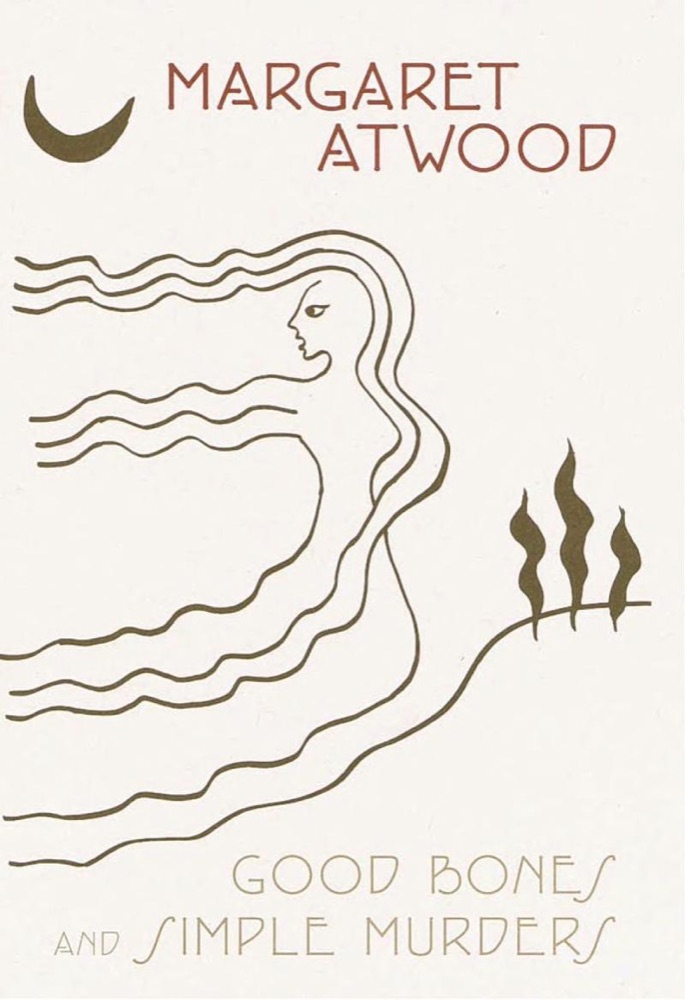
In this collection of short works that defy easy categorization, Margaret Atwood displays the trademark wit and virtuosity of her brilliant novels, stories, and poetry. Gertrude offers Hamlet a piece of her mind; we discover the truth about the Little Red Hen; a reincarnated bat explains how Bram Stoker got "Dracula" all wrong; and Atwood reveals the five methods of making a man (such as the "Traditional Method": "Take some dust off the ground. Form. Breathe into the nostrils the breath of life. Simple, but effective!") There are parables, monologues, prose poems, condensed science fiction, reconfigured fairy tales, and other miniature masterpieces--punctuated with charming illustrations by the author. A must for her fans, and a wonderful gift for all who savor the art of exquisite prose, Good Bones And Simple Murders marks the first time these writings have been available in a trade edi
Book details
- First published
- 1994
- Author
- Margaret Atwood
- Genre
- Fiction
- Goodreads rating
- 3.87 (3k ratings)
Keep reading
 Morning in the Burned House: Poems
 Fifty Beasts to Break Your Heart: And Other Stories
 Plainwater: Essays and Poetry
 Sexus
Sexus
 The Sandman: Endless Nights
 The Stone Gods
 The Blind Assassin
 Sign Here
 Old Babes in the Wood: Stories
 Nutshell
 The Burning World
 Drive Your Plow Over the Bones of the Dead
 Split Tooth
 Art and Lies
 Sword & Citadel
 How We Are Hungry
 Moravagine
 Something Wicked This Way Comes
 Liberation Day
 The Friend
 I, Lucifer
 A History of the World in 10½ Chapters
 Monday or Tuesday
 The Women's Room
 Girl with Curious Hair
 The Impossible Lives of Greta Wells
 Future Home of the Living God
 Parade
 The Manticore
 The Enchanted
 Fragile Things: Short Fictions and Wonders
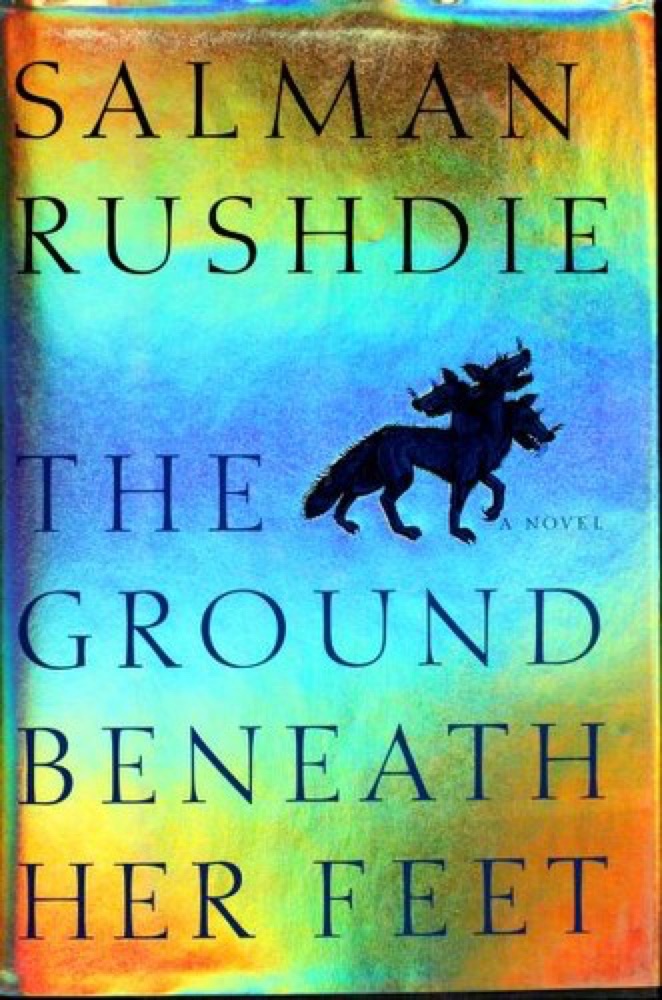 The Ground Beneath Her Feet
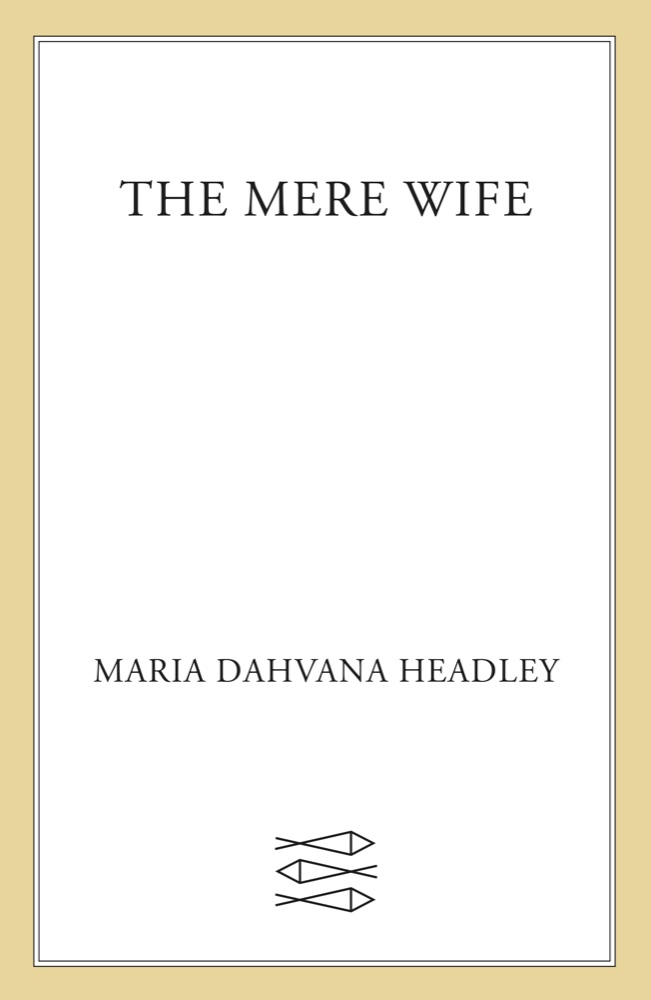 The Mere Wife
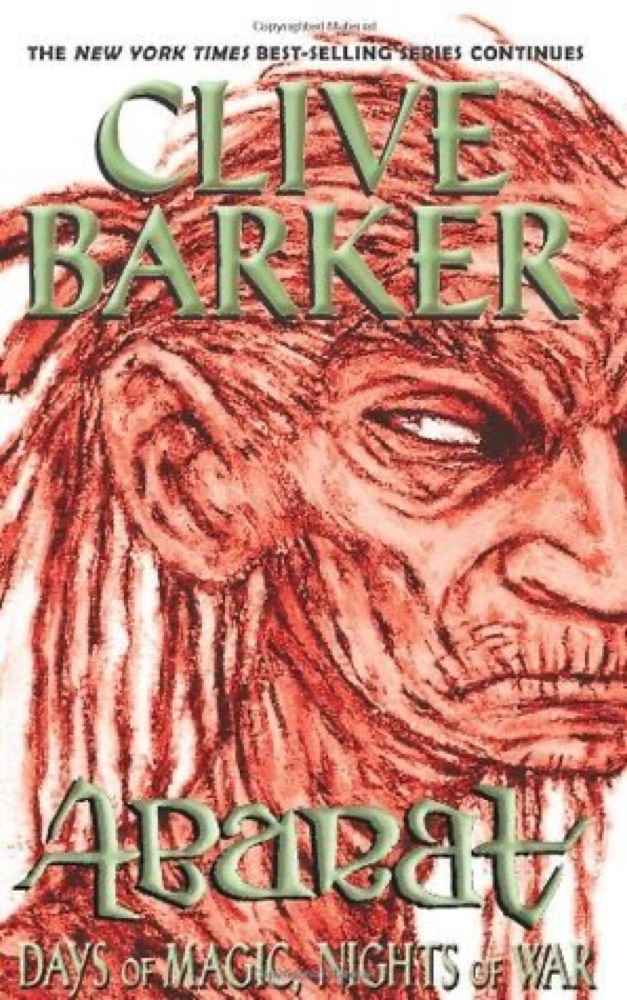 Abarat
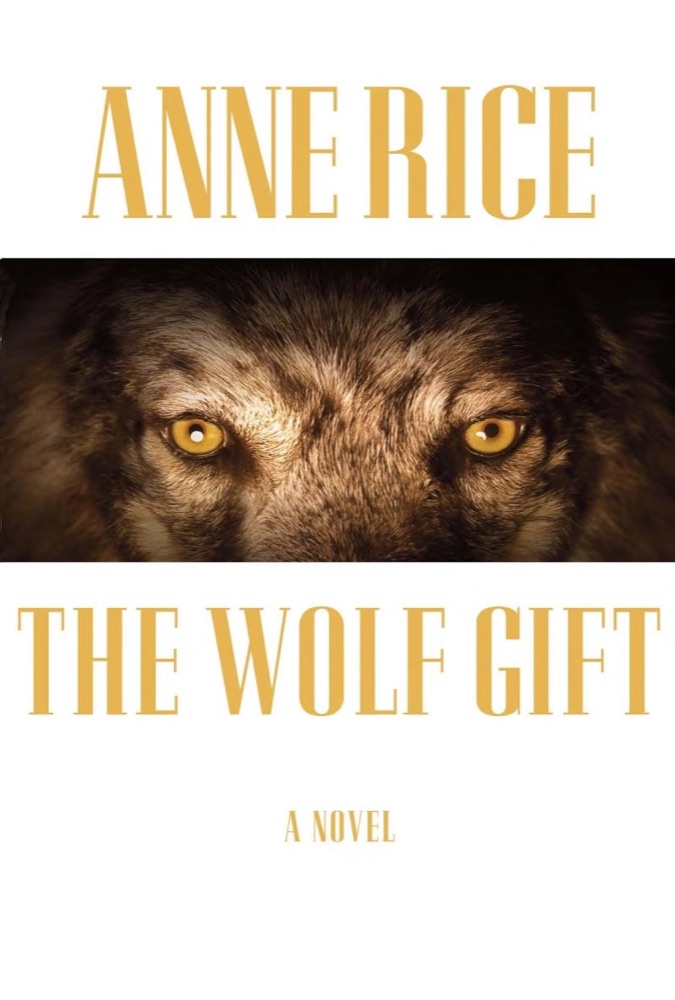 The Wolf Gift
 The Secret History
 The Queen of the Damned
 Women Who Run With the Wolves
 Sexing the Cherry
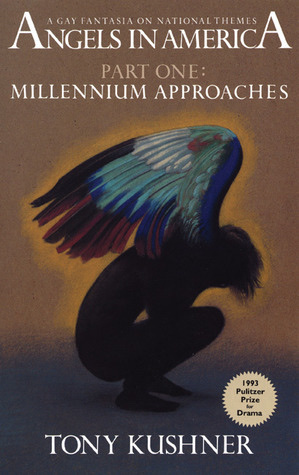 Millennium Approaches
 Now Is the Time to Open Your Heart
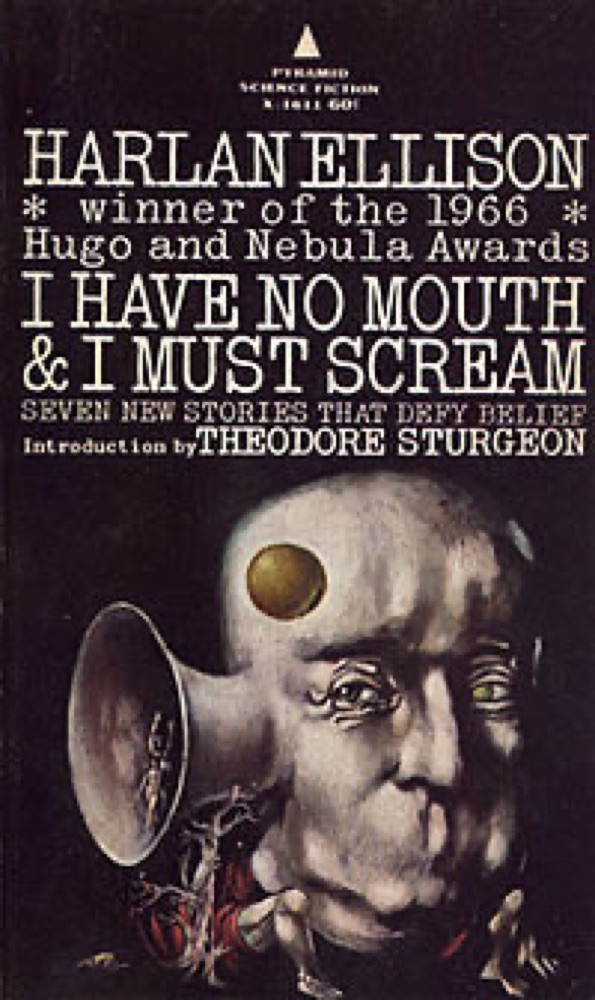 I Have No Mouth & I Must Scream
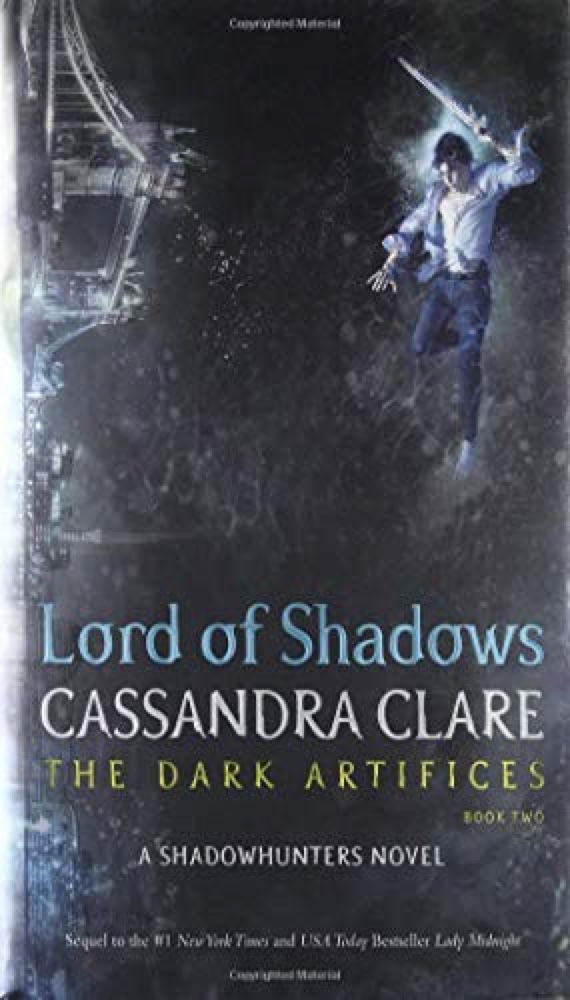 Lord of Shadows
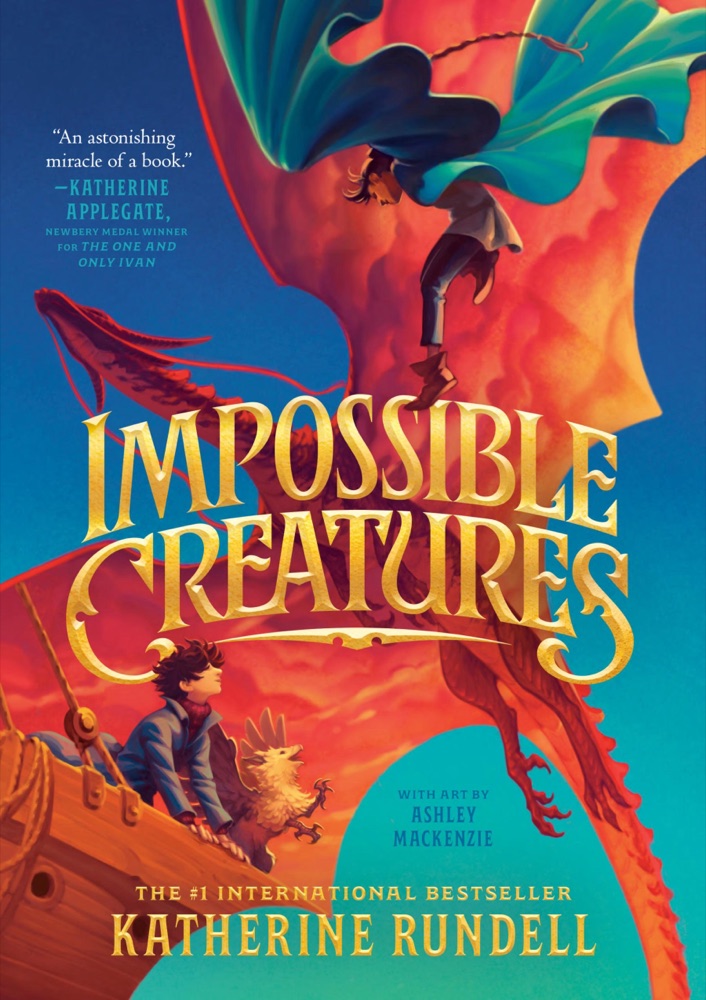 Impossible Creatures
 The Kindly Ones
 Hannibal
 Tropic of Cancer
 Arm of the Sphinx
 We the Living
 Identity
 Radiance
 When Women Were Dragons
 Rosewater
 Maeve Fly
 The Goldfinch
 Anthropology of an American Girl
 Her Body and Other Parties
 By Grand Central Station I Sat Down and Wept
 The Tale of the Body Thief
 The Seven Moons of Maali Almeida