
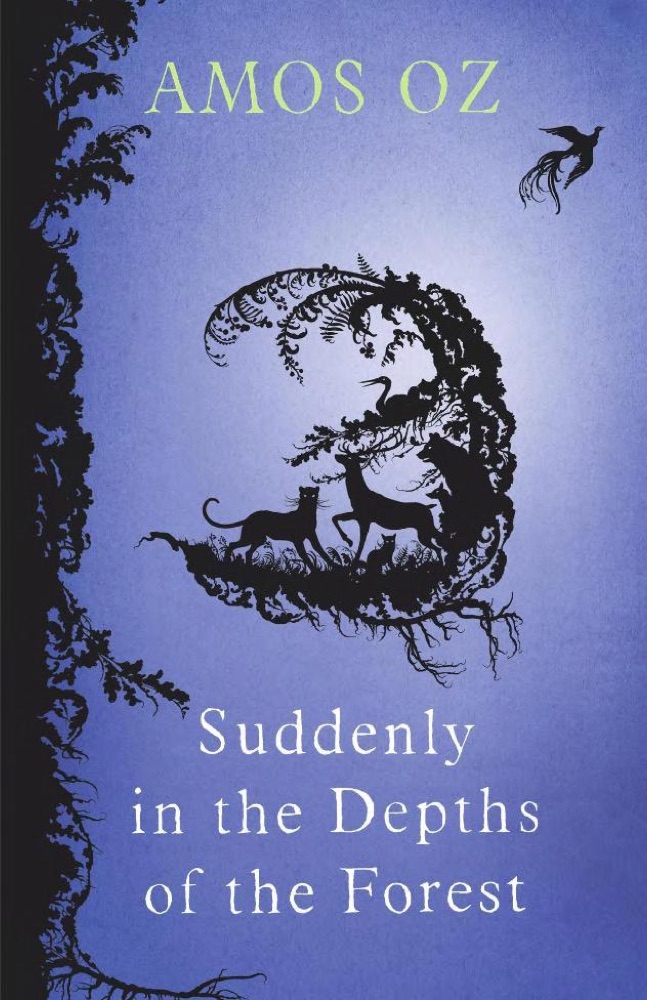
 Suddenly in the Depths of the Forest
Quotes from the Book
There are lots of women who are attracted to tyrannical men. Like moths to a flame. And there are some women who do not need a hero or even a stormy lover but a friend. Just remember that when you grow up. Steer clear of the tryant lovers, and try to locate the ones who are looking for a man as a friend, not because they are feeling empty themselves but because they enjoy making you full too. And remember that friendship between a woman and a man is something much more precious and rare than love: love is actually something quite gross and even clumsy compared to friendship. Friendship includes a measure of sensitivity, attentiveness, generosity, and a finely tuned sense of moderation.
If you steal from one book you are condemned as a plagiarist, but if you steal from ten books you are considered a scholar, and if you steal from thirty or forty books, a distinguished scholar.
When I was little, my ambition was to grow up to be a book. Not a writer. People can be killed like ants. Writers are not hard to kill either. But not books: however systematically you try to destroy them, there is always a chance that a copy will survive and continue to enjoy a shelf-life in some corner on an out-of-the-way library somehwere in Reykjavik, Valladolid or Vancouver.
… that sour blend of loneliness and lust for recognition, shyness and extravagance, deep insecurity and self-intoxicated egomania, that drives poets and writers out of their rooms to seek each other out, to rub shoulders with one another, bully, joke, condescend, feel each other, lay a hand on a shoulder or an arm round a waist, to chat and argue with little nudges, to spy a little, sniff out what is cooking in other pots, flatter, disagree, collude, be right, take offence, apologise, make amends, avoid each other, and seek each other’s company again.
Love is a curious mixture of opposites, a blend of extreme selfishness and total devotion. A paradox! Besides which, love, everybody is always talking about love, love, but love isn't something you choose, you catch it like a disease, you get trapped in it, like a disaster.
Facts have a tendency to obscure the truth.
There is no freedom about this: the world gives, and you just take what you're given, with no opportunity to choose.
while it was true that books could change with the years just as much as people could, the difference was that whereas people would always drop you when they could no longer get any advantage or pleasure or interest or at least a good feeling from you, a book would never abandon you. Naturally you sometimes dropped them, maybe for several years, or even forever. But they, even if you betrayed them, would never turn their backs on you: they would go on waiting for you silently and humbly on their shelf. They would wait for ten years. They wouldn't complain. One night, when you suddenly needed a book, even at three in the morning, even if it was a book you had abandoned and erased from your heart for years and years, it would never disappoint you, it would come down from its shelf and keep you company in your moment of need. It would not try to get its own back or make excuses or ask itself if it was worth its while or if you deserved it or if you still suited each other, it would come at once as soon as you asked. A book would never let you down.
The whole of reality was just a vain attempt to imitate the world of words.
I now believe that all journeys are ridiculous: the only journey from which you don't always come back empty-handed is the journey inside yourself.
And remember that friendship between a woman and a man is something much more precious and rare than love: love is actually something quite gross and even clumsy compared to friendship. Friendship includes a measure of sensitivity, attentiveness, generosity, and a finely tuned sense of moderation.
Feelings are just a fire in a field of stubble: it burns for a moment, and then all that’s left is soot and ashes. Do you know what the main thing is—the thing a woman should look for in her man? She should look for a quality that’s not at all exciting but that’s rarer than gold: decency.
there are places in the world where real life is still happening, far away from here, in a pre-Hitler Europe, where hundreds of lights are lit every evening, ladies and gentlemen gather to drink coffee with cream in oak-panelled rooms, or sit comfortably in splendid coffee-houses under gilt chandeliers, stroll arm in arm to the opera or the ballet, observe from close-up the lives of great artists, passionate love affairs, broken hearts, the painter’s girlfriend falling in love with his best friend the composer, and going out at midnight bareheaded in the rain to stand alone on the ancient bridge whose reflection trembles in the river. *
If you have no more tears left to weep, then don’t weep. Laugh.
But there's also an upside-down sort of happiness, a black happiness, that comes from doing evil to others.
The very word ‘disappears’ implies that the universe is, so to speak, finite, and that it is possible to leave it. But no-o-othing” (he deliberately drew the word out) “can ever leave the universe. And nothing can enter it. Not a single speck of dust can appear or disappear. Matter is transformed into energy, and energy into matter,
Kad sam bio dijete, nadao sam se da ću kad odrastem postati knjiga. Ne književnik, nego knjiga. Ljude se može pobiti kao mrave, pa ni književnike nije teško ubiti. Ali za knjigu, čak i ako je sustavno unište, postoji šansa da se neki primjerak spasio i da će nastaviti živjeti na polici, živjeti nijemim životom na nekoj od zaboravljenih polica u nekoj zabačenoj knjižnici, u Rejkjaviku, Valladolidu ili Vancouveru.
And in fact that selfsame strange urge I had when I was small - the desire to grant a second chance to something that could never have one - is still one of the urges that set me going today whenever I sit down to write a story.
assemble and disperse, everything changes and is transformed, but no-o-othing can ever change from being to not-being. Not even the tiniest hair growing on the tail of some virus. The concept of infinity is indeed open, infinitely open, but at the same time it is also closed and hermetically sealed. Nothing leaves and nothing enters.
everything, every speck of dust, every drop of water continue to exist eternally, albeit in different forms, except for my soul?
once you have lifted your foot, do not be in a hurry to put it down again: who can tell what menacing nest of vipers you might step on.
only a woman has the power to choose whether or not to bestow.
after two thousand years we've established a state so as to have someone to steal from.
I could imagine his sorrow. My father had a sensual relationship with his books. He loved feeling them, stroking them, sniffing them. He took a physical pleasure in books: he could not stop himself, he had to reach out and touch them, even other people's books. And books then really were sexier than books today: they were good to sniff and stroke and fondle. There were books with gold writing on fragrant, slightly rough leather bindings, that gave you gooseflesh when you touched them, as though you were groping something private and inaccessible, something that seemed to tremble at your touch. And there were other books that were bound in cloth-covered cardboard, stuck with a glue that had a wonderful smell. Every book had its own private, provocative scent. Sometimes the cloth came away from the cardboard, like a saucy skirt, and it was hard to resist the temptation to peep into the dark space between body and clothing and sniff those dizzying smells. Father would generally return
To be honest, I was sometimes even jealous of those starving children in India, because nobody ever told them to finish up everything on their plate.
About Amos Oz
Amos Oz (born Amos Klausner) was an Israeli writer, novelist, journalist, and intellectual, and a professor of literature at Ben-Gurion University. Regarded as Israel's most famous living author, his work was published in 42 languages and earned honours including France's Legion of Honour, the Goethe Prize, and the Israel Prize. Since 1967 he was a prominent advocate of a two-state solution to the Israeli-Palestinian conflict.
More about the author →More by Amos Oz
Suddenly in the Depths of the Forest
About the book
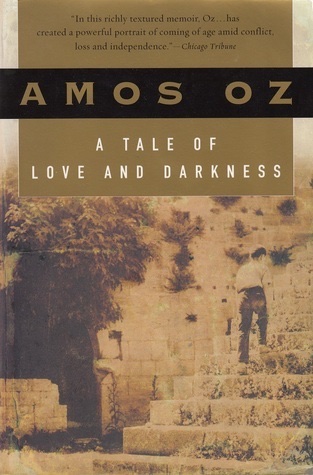
A Tale of Love and Darkness is a memoir by the Israeli writer Amos Oz, first published in Hebrew in 2002 and translated into English by Nicholas de Lange in 2004. Told in a non-linear fashion, it chronicles Oz's childhood in Jerusalem during the last years of Mandatory Palestine and the early years of the State of Israel, weaving his family's account with tales of their Eastern European roots. At its center is his mother, Fania, whose severe depression led her to take her own life by an overdose of sleeping pills in January 1952, when Oz was a boy. The book documents much of his early life, including events and a family history he had previously never discussed, and follows him from a book-crowded Jerusalem apartment to his teenage years on Kibbutz Hulda, where he changed his name from Klausner and separated himself from his father.
The love and darkness of the title refer to his mother and the pain of losing her, and the memoir is largely an effort to describe Oz's feelings for her and to explore why she killed herself. It is at once a family saga and a self-portrait of a writer, a social history embedded within an autobiography that doubles as a portrait of Israel's birth and early years. Alongside grief, the book renders a hyperliterate world of scholars, poets, and reformers, and traces Oz's own political evolution from a young militant into a peace advocate, a trajectory that parallels the young nation's.
The English translation was praised for preserving Oz's discursive style and love of wordplay, and the book became, in The Guardian's account, the biggest-selling literary work in Israeli history, with over a million copies sold and translations into 28 languages. Reviewers called it a masterful double memoir, a sophisticated and searing memorial, and one of the funniest, most tragic, and most touching of books. It won several honours including the 2005 JQ Wingate Prize and the Koret Jewish Book Award, and in 2015 was adapted into a film directed by and starring Natalie Portman as Oz's mother.
Book details
- Author
- Amos Oz
- Genre
- Literature
- Goodreads rating
- 4.23 (13k ratings) →
Keep reading
 The Shadow of the Wind
 Embers
 The Picture of Dorian Gray
 The Story of the Lost Child
 House of Leaves
 Nutshell
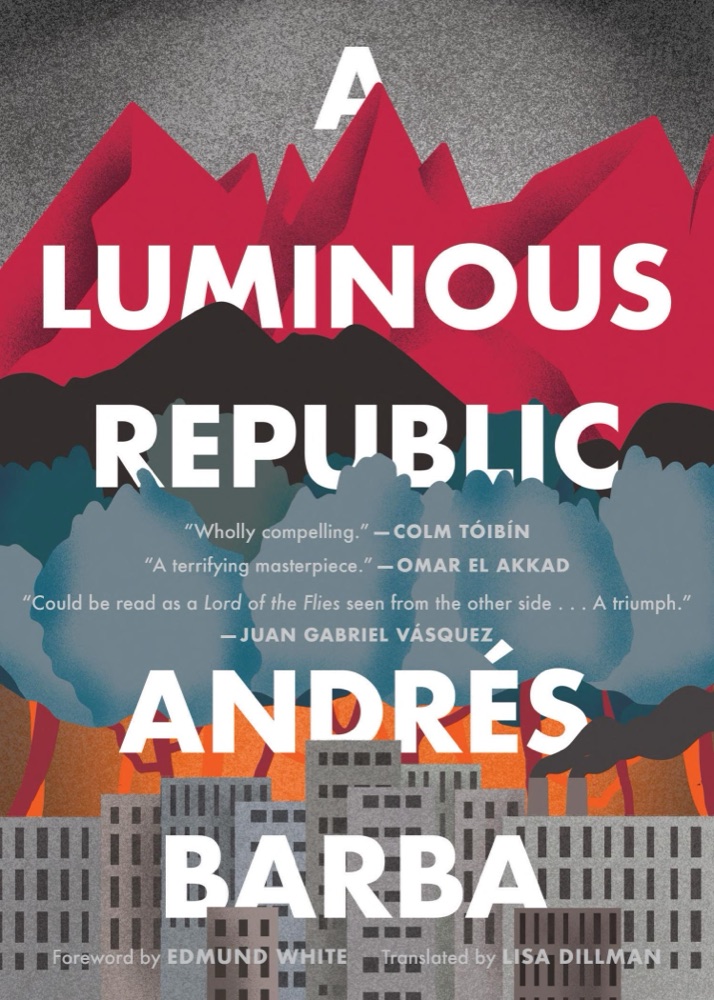 A Luminous Republic
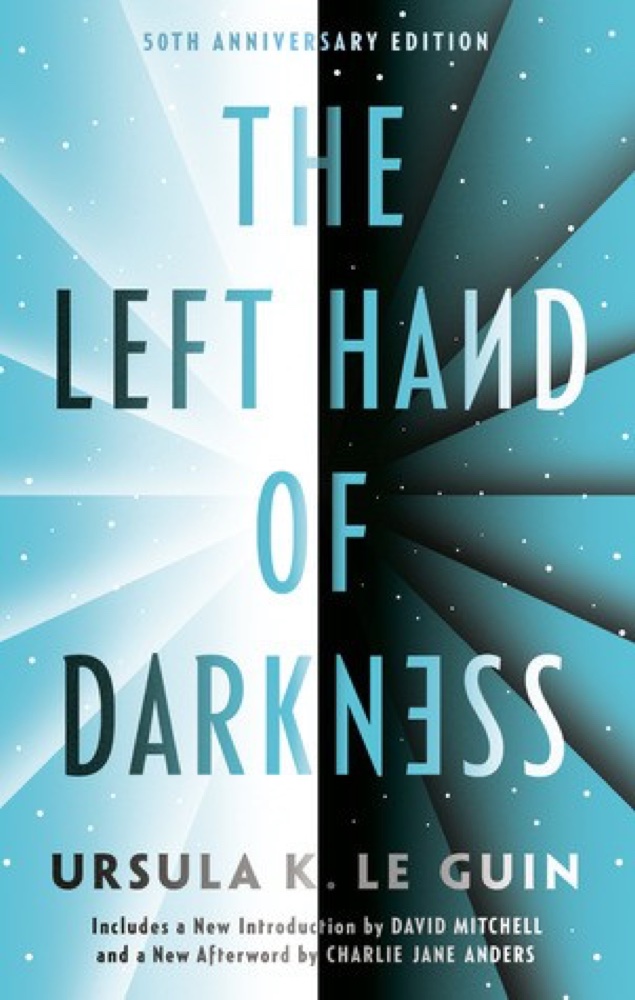 The Left Hand of Darkness
 The Bone Clocks
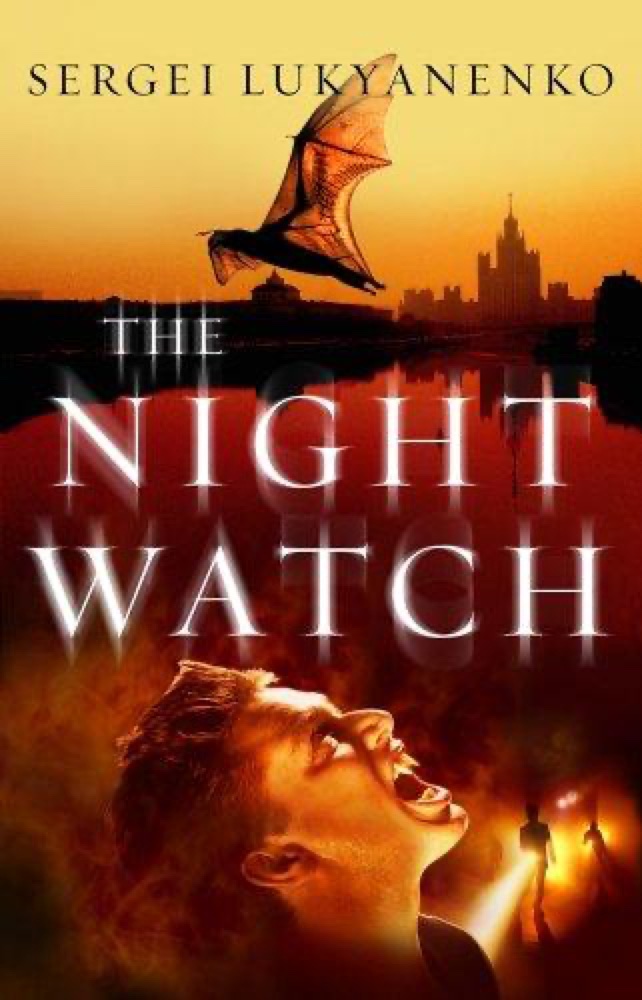 Night Watch
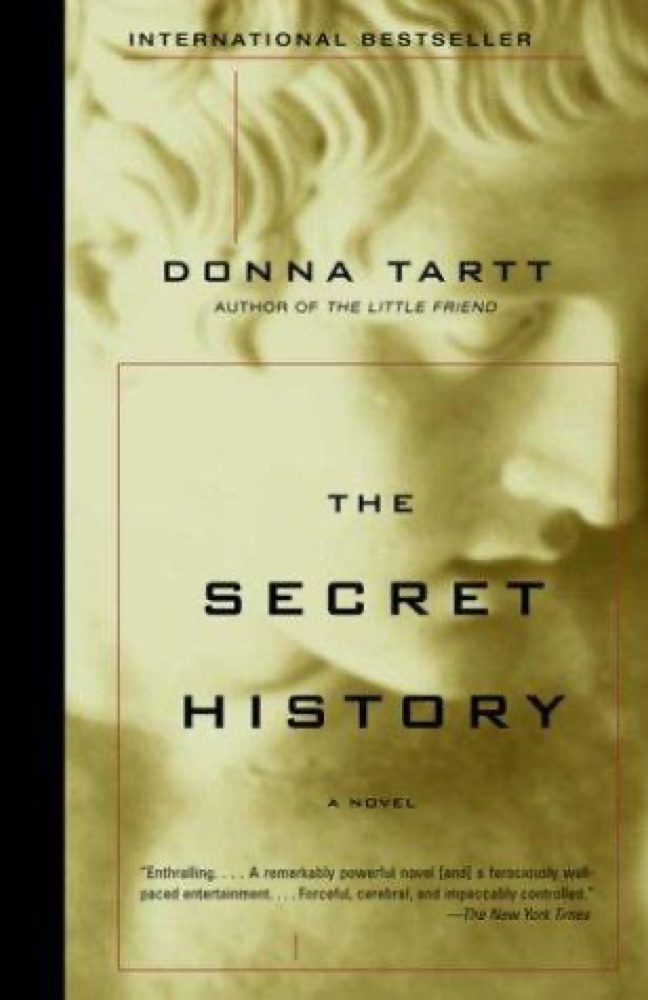 The Secret History
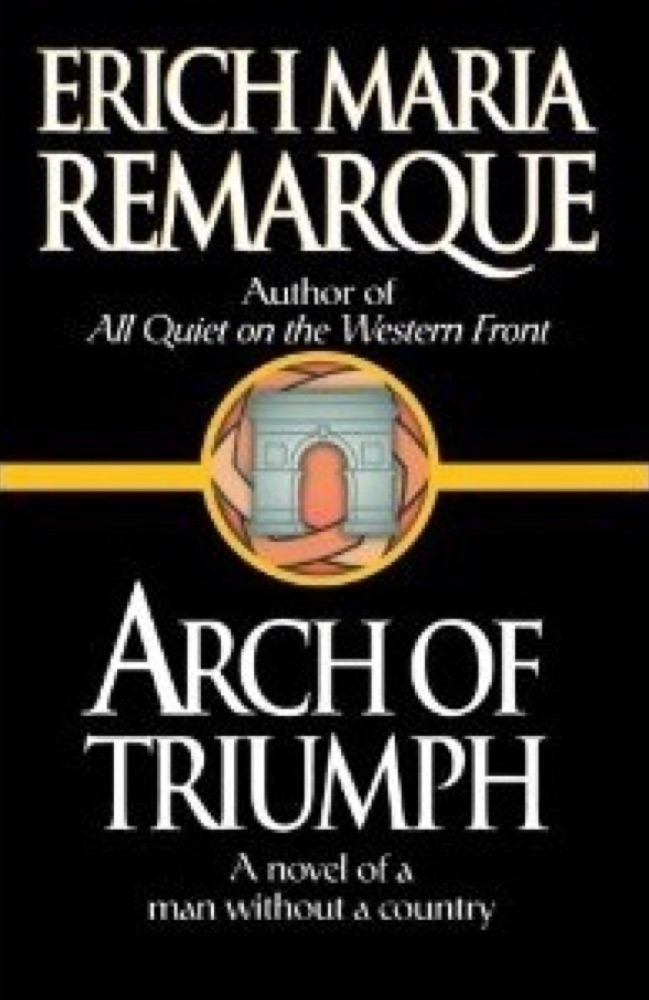 Arch of Triumph
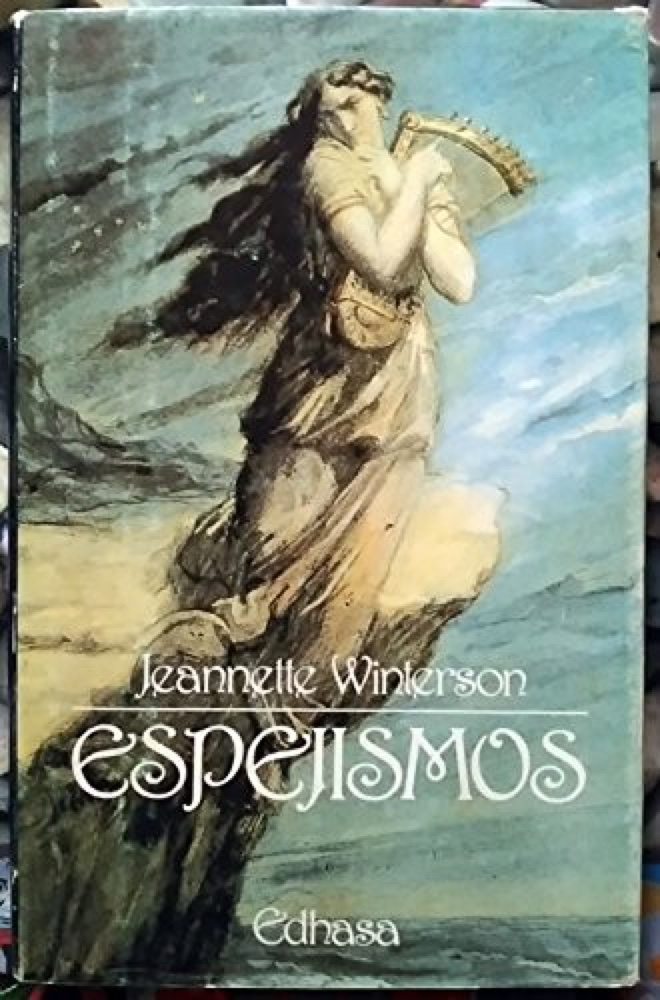 Sexing the Cherry
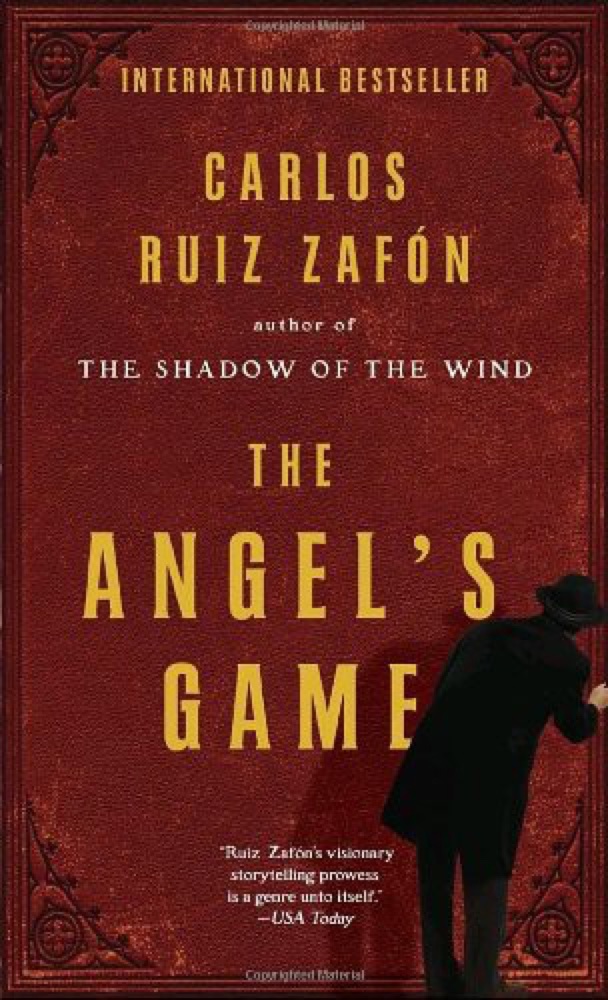 The Angel's Game
 The Sea, the Sea
 East of Eden
 The Summer Without Men
 Complete Works of Oscar Wilde
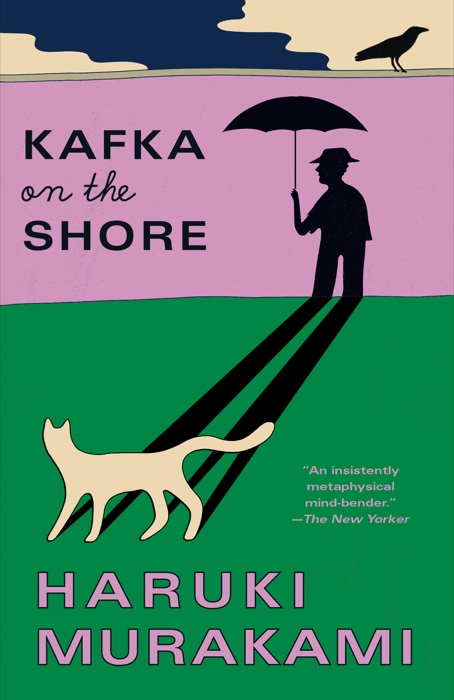 Kafka on the Shore
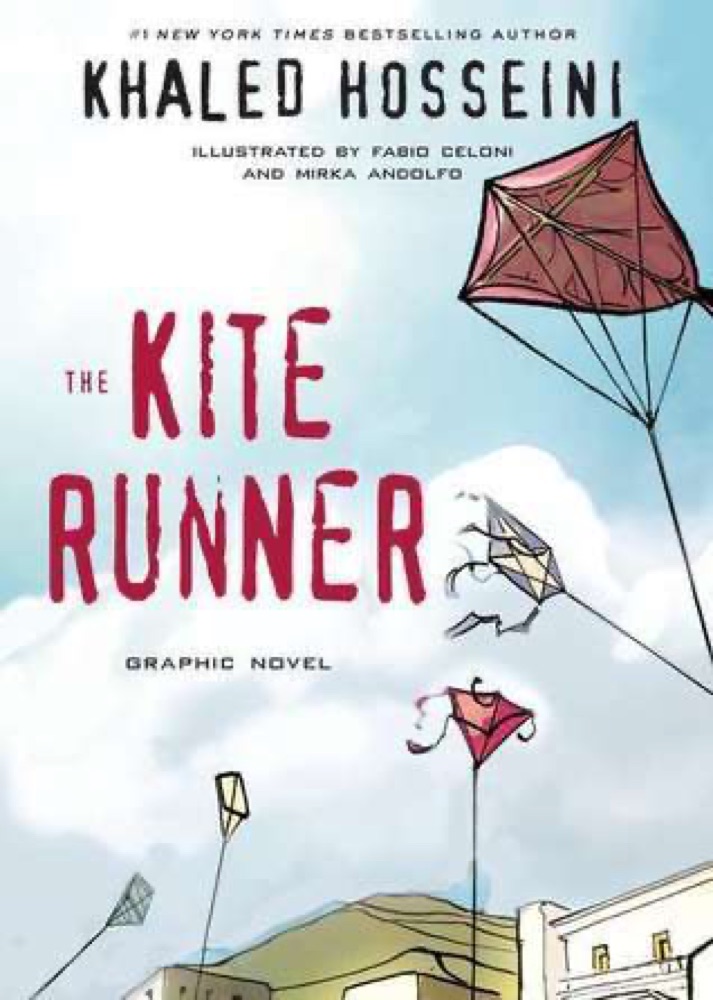 The Kite Runner
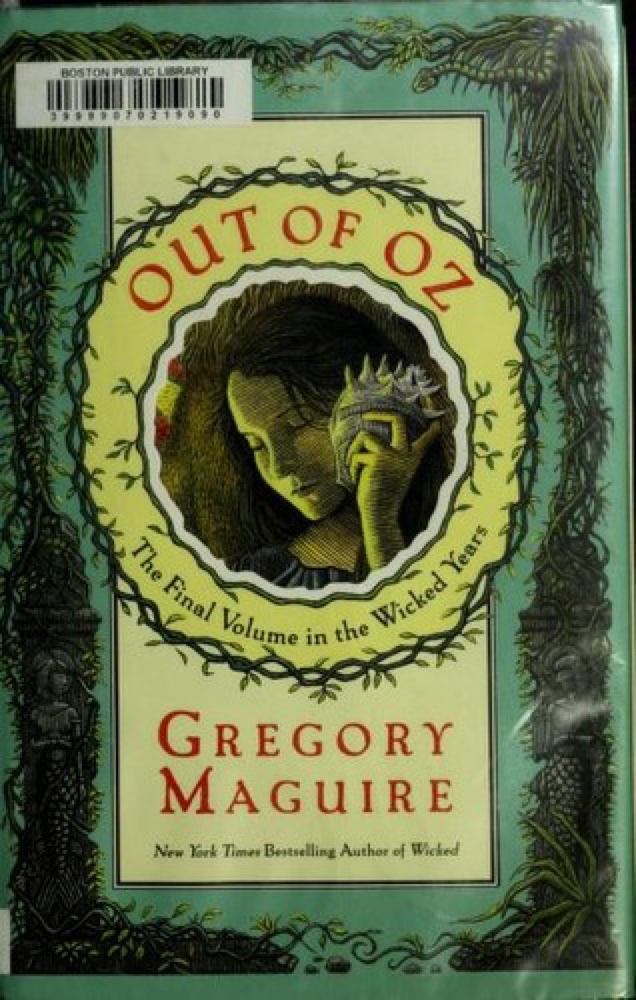 Out of Oz
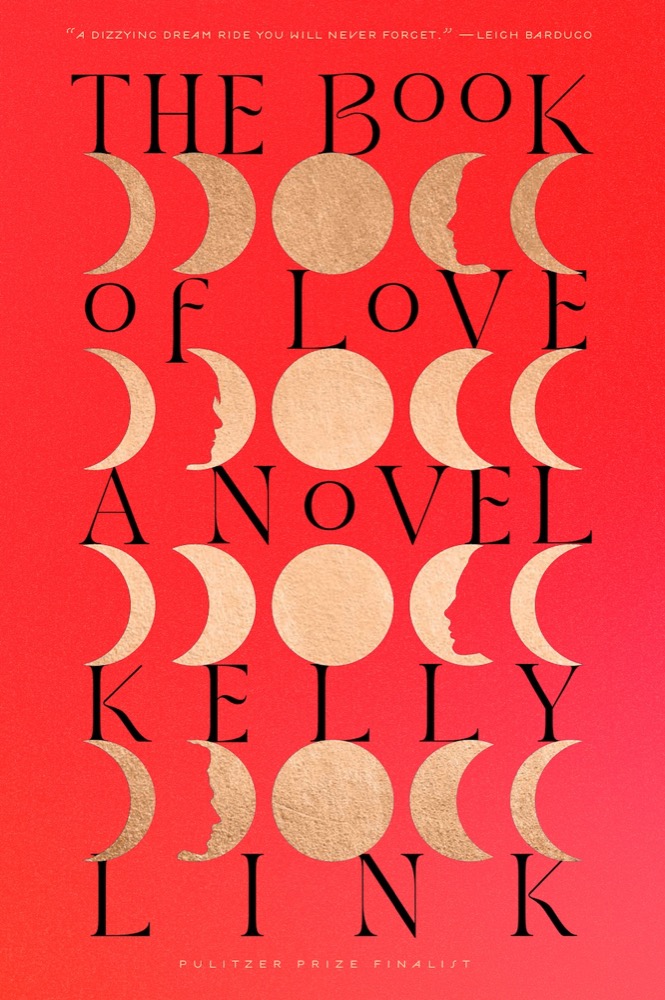 The Book of Love
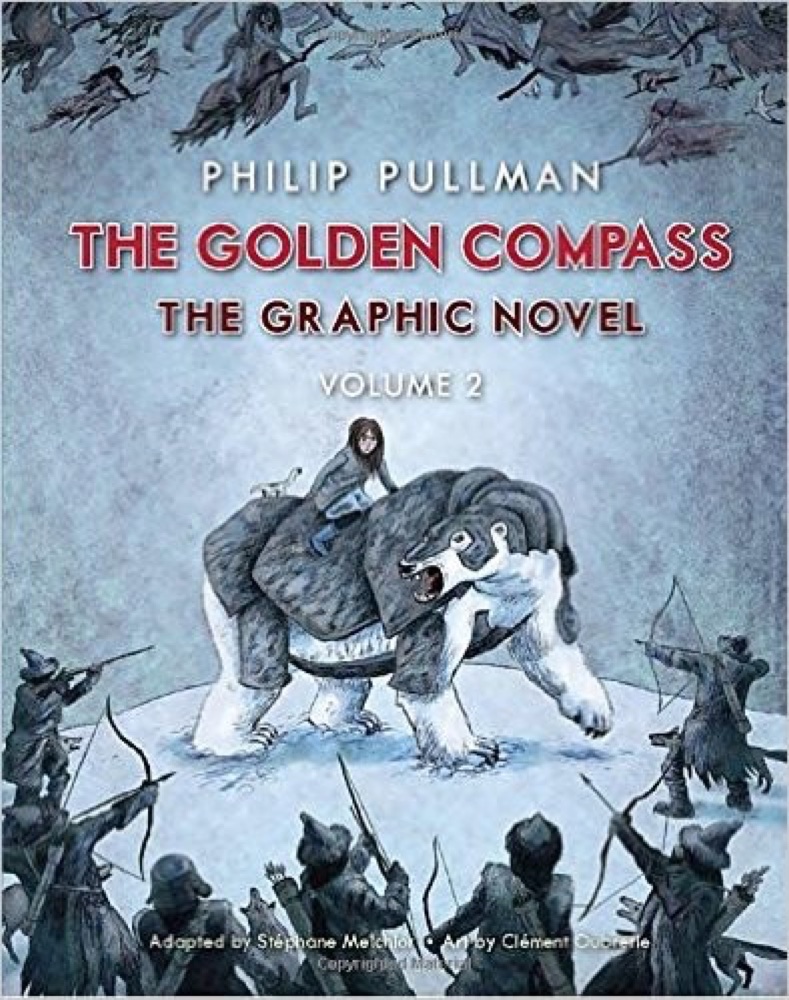 The Golden Compass
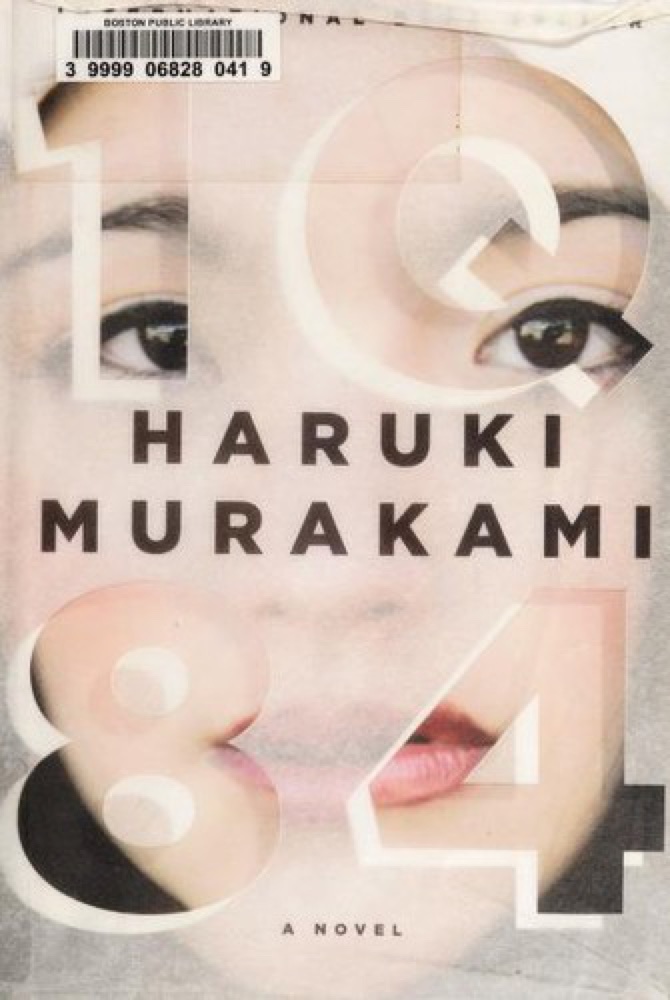 1Q84
1Q84
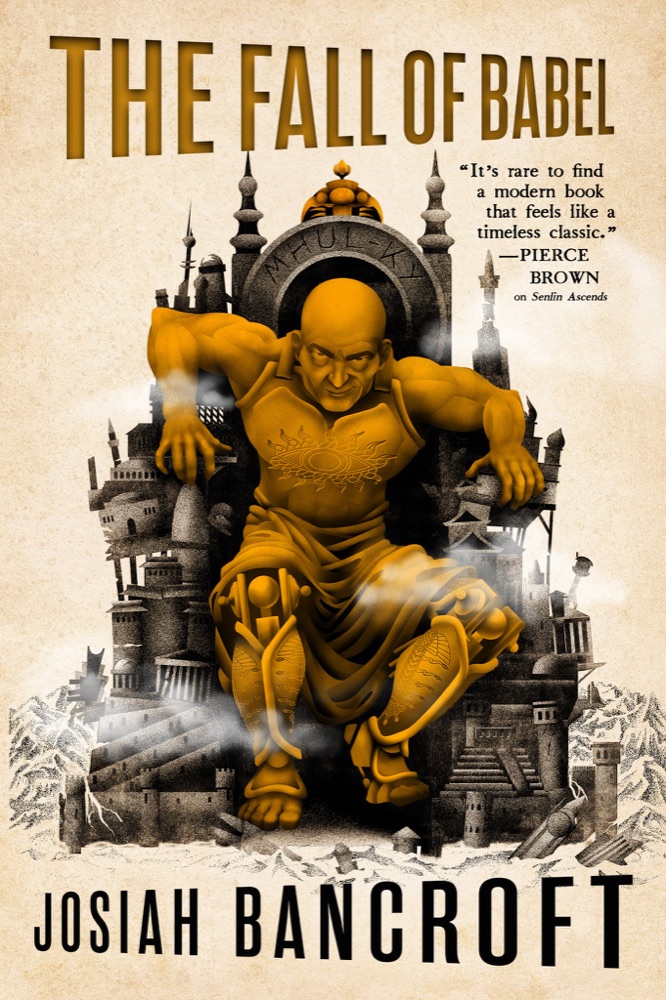 The Fall of Babel
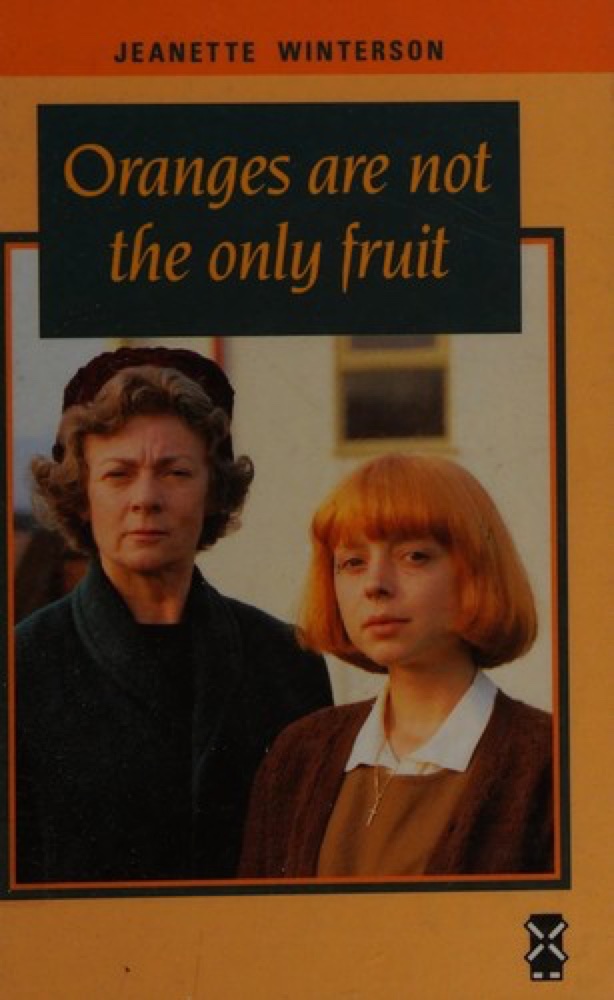 Oranges Are Not the Only Fruit
 The Atlas Complex
 The Passion
 A Discovery of Witches
 Arm of the Sphinx
 The Death of the Heart
 Dreams and Shadows
 In Search of Lost Time
 Innocence
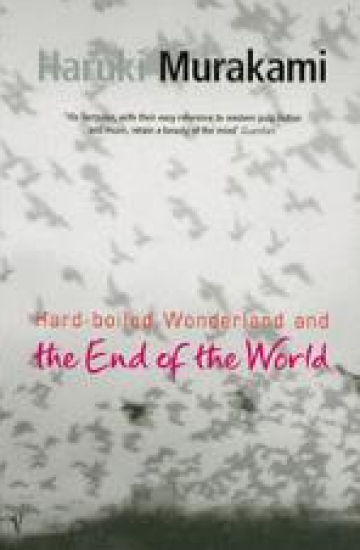 Hard-Boiled Wonderland and the End of the World
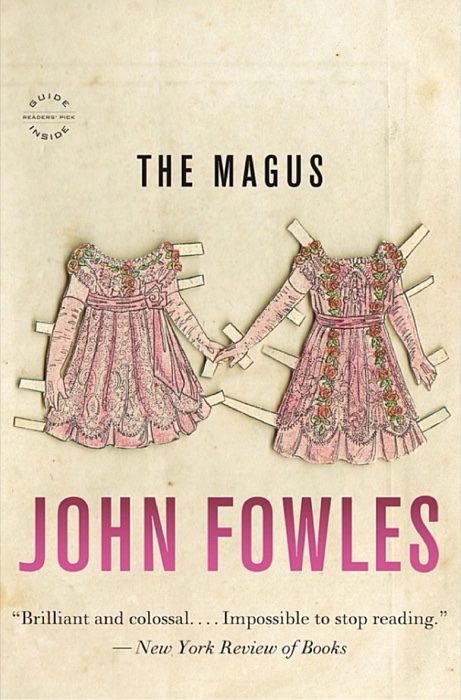 The Magus
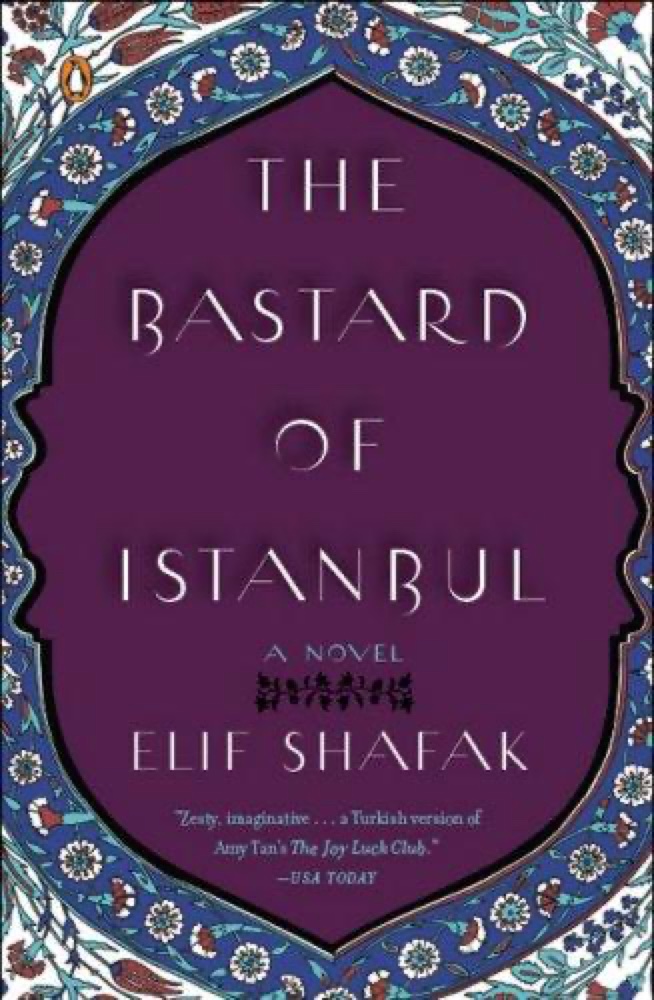 The Bastard of Istanbul
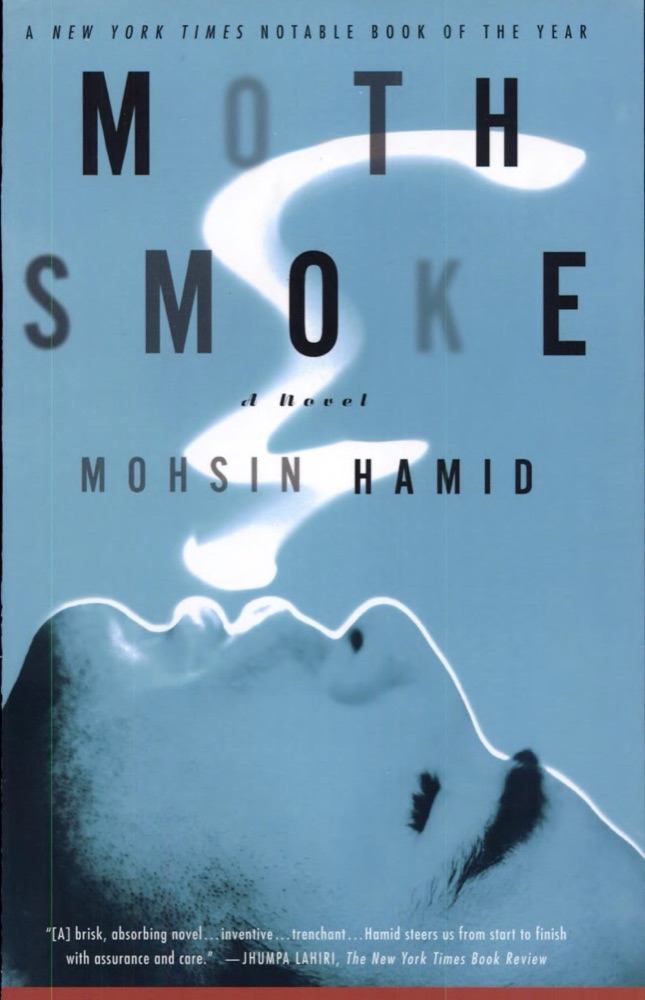 Moth Smoke
 Possession
 Shantaram
 Practical Magic
 Library of Souls
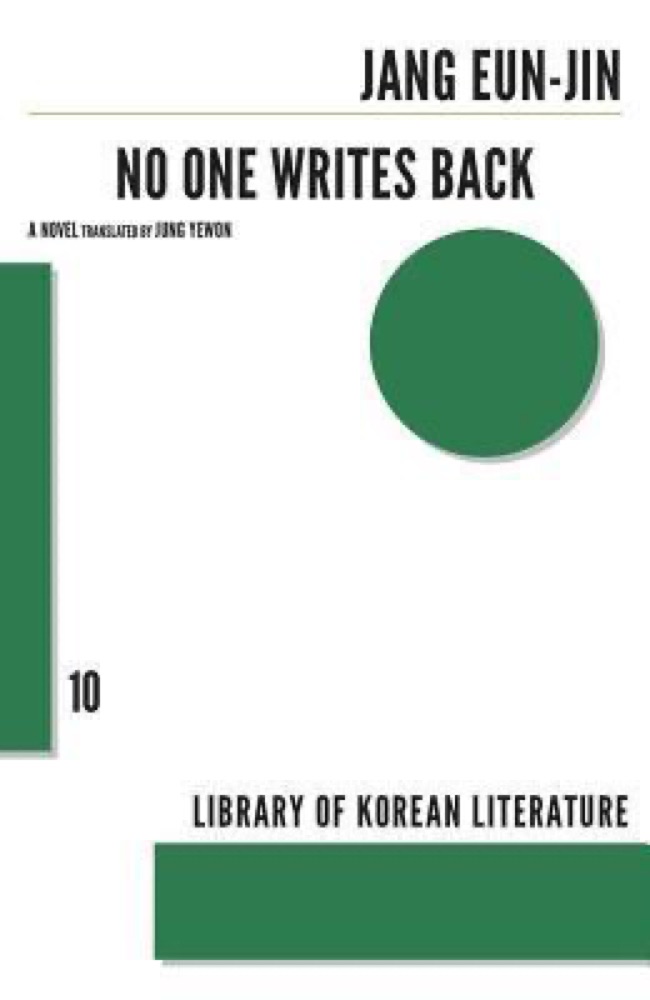 No One Writes Back
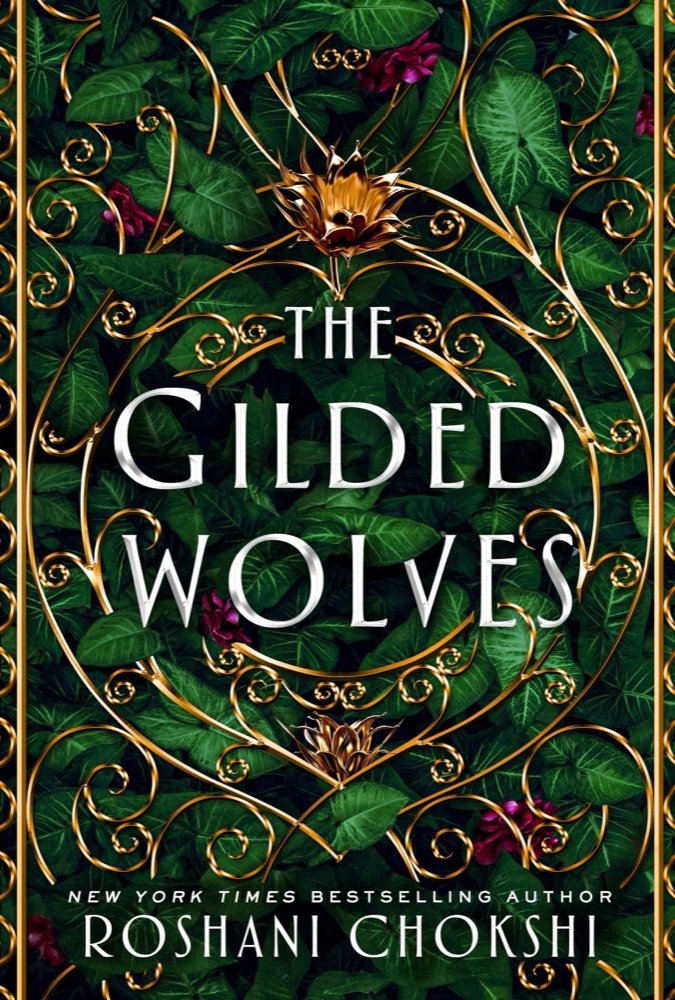 The Gilded Wolves
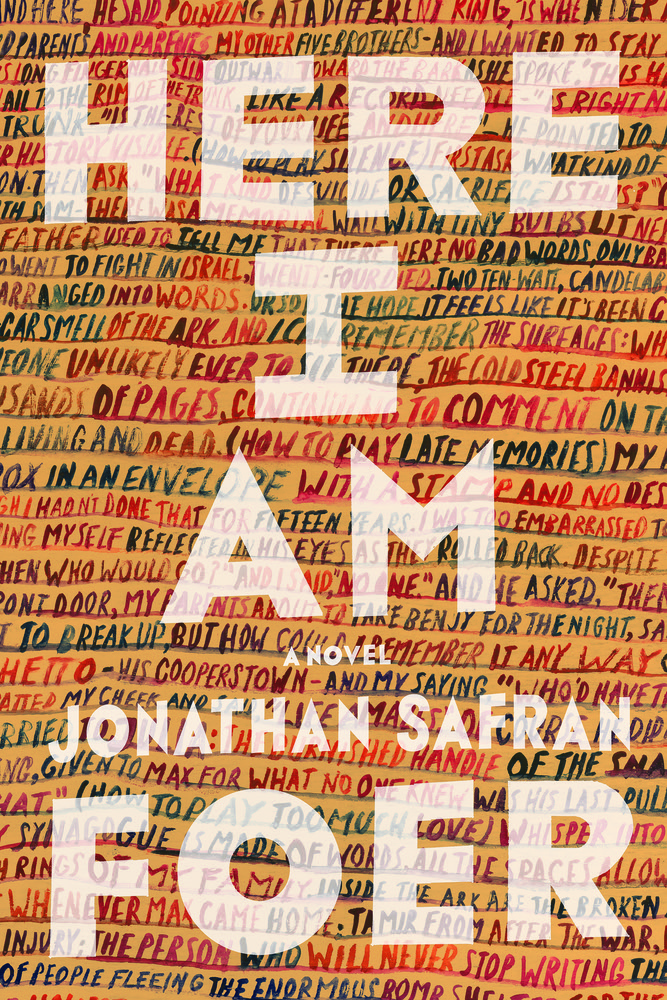 Here I Am
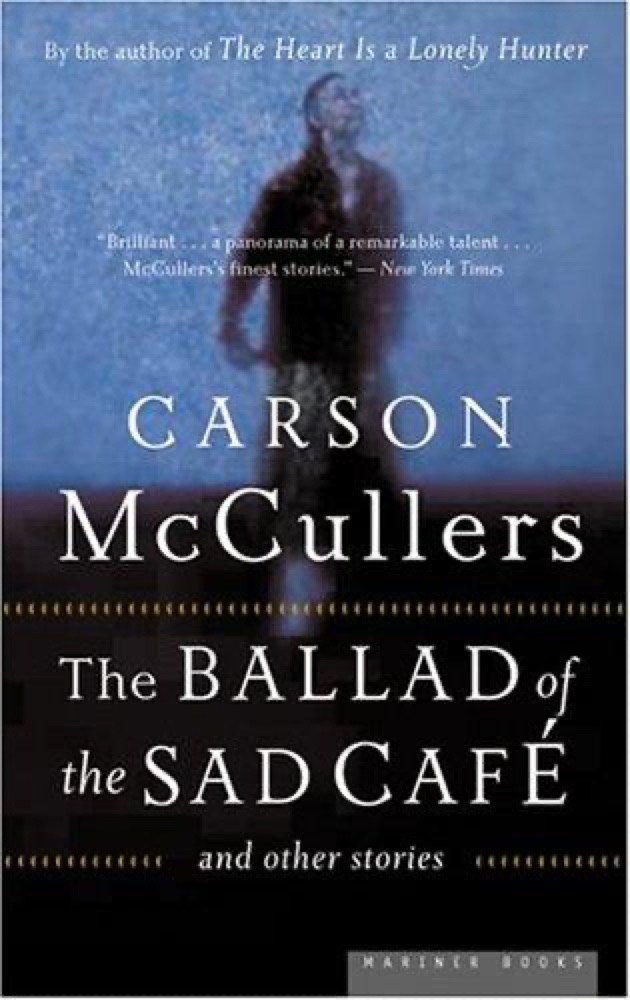 The Ballad of the Sad Café and Other Stories
 Smoke and Mirrors: Short Fiction and Illusions
 All the King's Men
 The Book of Laughter and Forgetting
 The Rule of Four
 Something Wicked This Way Comes
 The Jewel in the Crown
 Fairy Tale
 The Neverending Story
 Lady Chatterley's Lover
 The Volcano Lover: A Romance
 You Like It Darker
 A Room with a View
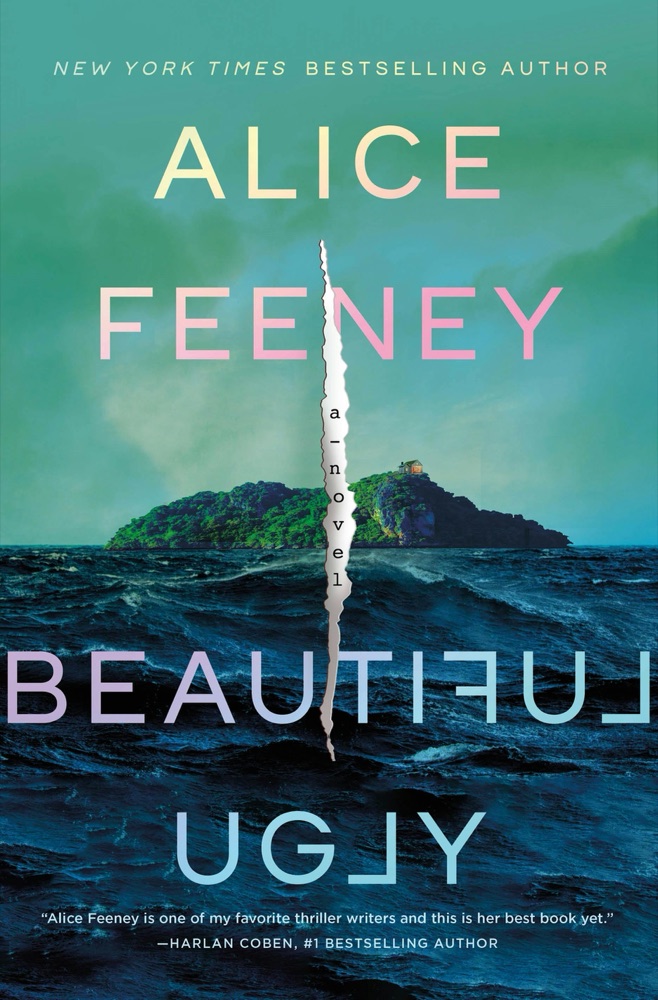 Beautiful Ugly
 The Tsar of Love and Techno