
 Othello
Quotes from the Book
Doubt thou the stars are fire; Doubt that the sun doth move; Doubt truth to be a liar; But never doubt I love.
This above all: to thine own self be true, And it must follow, as the night the day, Thou canst not then be false to any man.
There is nothing either good or bad, but thinking makes it so.
There are more things in Heaven and Earth, Horatio, than are dreamt of in your philosophy.
Though this be madness, yet there is method in't.
Brevity is the soul of wit.
Listen to many, speak to a few.
One may smile, and smile, and be a villain.
Conscience doth make cowards of us all.
My words fly up, my thoughts remain below: Words without thoughts never to heaven go.
This above all: to thine own self be true.
Now cracks a noble heart. Good-night, sweet prince; And flights of angels sing thee to thy rest.
When sorrows come, they come not single spies. But in battalions!
Lord Polonius: What do you read, my lord? Hamlet: Words, words, words. Lord Polonius: What is the matter, my lord? Hamlet: Between who? Lord Polonius: I mean, the matter that you read, my lord.
God hath given you one face, and you make yourself another.
Madness in great ones must not unwatched go.
What a piece of work is a man! How noble in reason! how infinite in faculty! in form, in moving, how express and admirable! in action how like an angel! in apprehension how like a god! the beauty of the world! the paragon of animals! And yet, to me, what is this quintessence of dust?
I must be cruel only to be kind; Thus bad begins, and worse remains behind.
If we are true to ourselves, we can not be false to anyone.
I loved Ophelia. Forty thousand brothers could not, with all their quantity of love, make up my sum.
Something is rotten in the state of Denmark.
So full of artless jealousy is guilt, It spills itself in fearing to be spilt.
To be honest, as this world goes, is to be one man picked out of ten thousand.
I am but mad north-north-west. When the wind is southerly, I know a hawk from a handsaw.
Did you know?
- Hamlet is Shakespeare's longest play.
- It was written around 1599 to 1601.
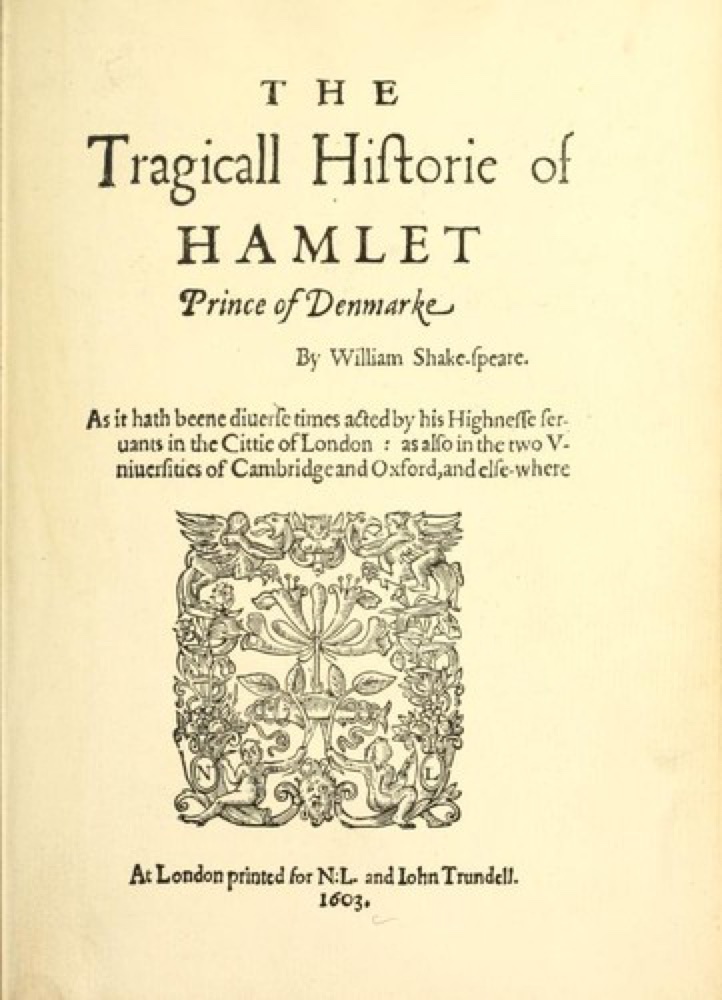
- The play survives in three distinct early versions: the First Quarto (1603), the Second Quarto (1604/1605), and the First Folio (1623).
- Its soliloquy beginning "To be, or not to be" is among the most quoted passages in English literature.
- The play's opening line, spoken by the sentinel Bernardo, is the question "Who's there?"
- Hamlet is set at the royal castle of Elsinore in Denmark.
About William Shakespeare
William Shakespeare (c. 1564-1616) was an English playwright, poet, and actor, born in Stratford-upon-Avon and widely regarded as the greatest writer in the English language. He worked in London with the theatrical companies the Lord Chamberlain's Men and later the King's Men.
More about the author →More by William Shakespeare
All books by William Shakespeare →
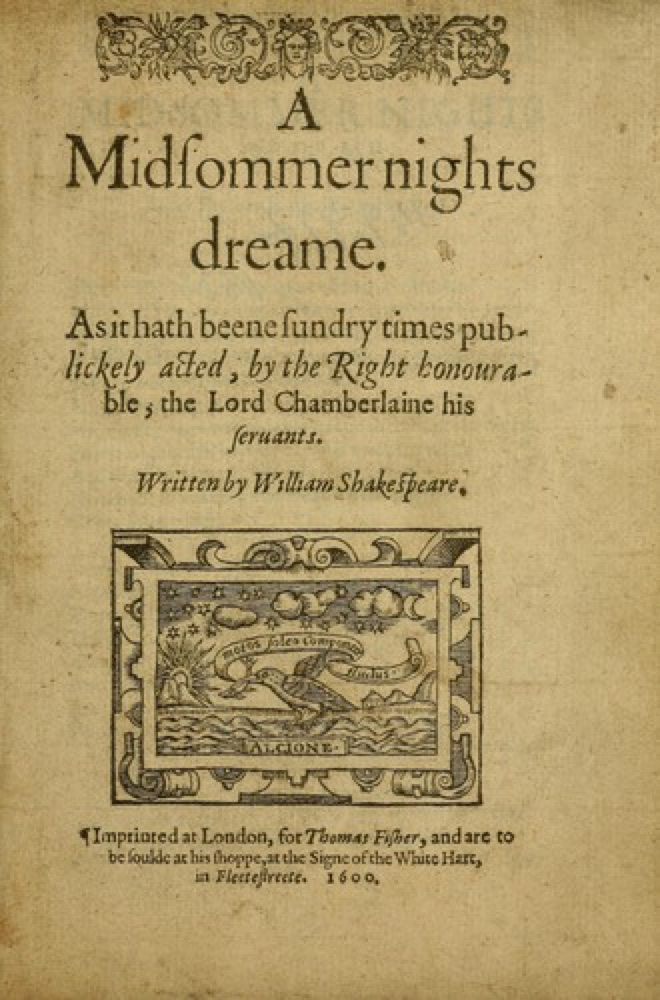
About the book
Hamlet, or The Tragedy of Hamlet, Prince of Denmark, is a tragedy written by William Shakespeare around 1599 to 1601 and his longest play. Set at the royal castle of Elsinore in Denmark, it follows Prince Hamlet after the ghost of his dead father appears and reveals that he was murdered by his own brother, Claudius, who has since seized the throne and married Hamlet's widowed mother, Gertrude. Charged to avenge the murder, Hamlet feigns madness while he tests the ghost's claim and circles toward a reckoning with his uncle.
The play is preoccupied with revenge, mortality, madness, and the gap between appearance and reality. Hamlet's introspective delays and his famous soliloquies, above all "To be, or not to be," turn the revenge plot into a searching meditation on action, doubt, and death. The intrigues of the court, the surveillance among its characters, and the entangled fates of Ophelia, Polonius, and Laertes give the tragedy its dense, unsparing shape.
Hamlet is among the most influential and most frequently performed works in Western literature, and it survives in three distinct early texts: the First Quarto of 1603, the Second Quarto of 1604/1605, and the First Folio of 1623, each containing lines the others lack. Its language, characters, and questions have permeated theatre, film, and everyday speech, and the role of Hamlet remains one of the most coveted and demanding in the dramatic repertoire.
Key characters
- HamletPrince of Denmark, charged by his father's ghost to avenge his murder
- ClaudiusHamlet's uncle, who murdered the king and seized the throne
- GertrudeHamlet's mother, now married to Claudius
- OpheliaDaughter of Polonius, caught between her love for Hamlet and her family
- PoloniusChief counsellor to the king
- LaertesOphelia's brother, who seeks vengeance of his own
- HoratioHamlet's loyal friend and confidant
Book details
- First published
- 1603
- Author
- William Shakespeare
- Genre
- Classics
- Goodreads rating
- 4.03 (1.1M ratings) →
- First line
- “Who's there?”
Movie & TV adaptations
- IMDb
- IMDb
If you liked this, read…
- 1MacbethAnother Shakespearean tragedy of murder, guilt, and a mind unravelling
- 2Rosencrantz and Guildenstern Are DeadTom Stoppard's play retells Hamlet from the perspective of two minor courtiers
- 3The OresteiaAeschylus's foundational Greek cycle centered on a son and the cycle of blood vengeance
Keep reading
 Faust
Faust
 King Lear
 Antigone
 Don Quixote
 Twelfth Night
 Measure for Measure
 Lord Jim
 Don Juan
 The Complete Essays
 Dracula
 Oedipus Rex
 Moby-Dick
 Lilith
 Medea
Medea
 The Oedipus Cycle: Oedipus Rex/Oedipus at Colonus/Antigone
 Beyond Good and Evil
 The Odyssey
 Daniel Deronda
 Uncle Tom's Cabin
 Crime and Punishment
 Les Misérables
 Villette
 Mansfield Park
 Ulysses
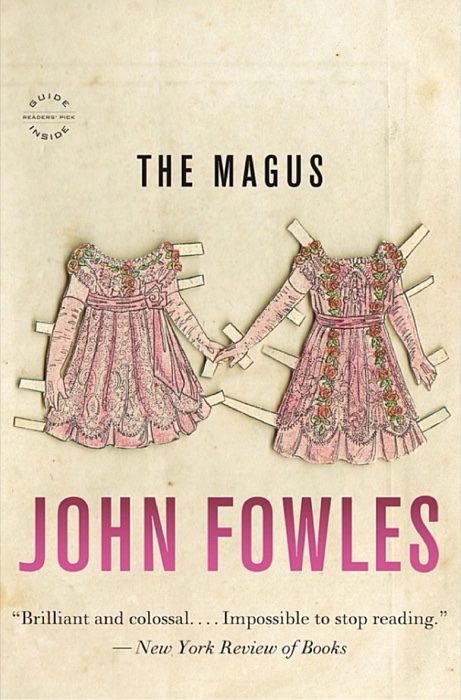 The Magus
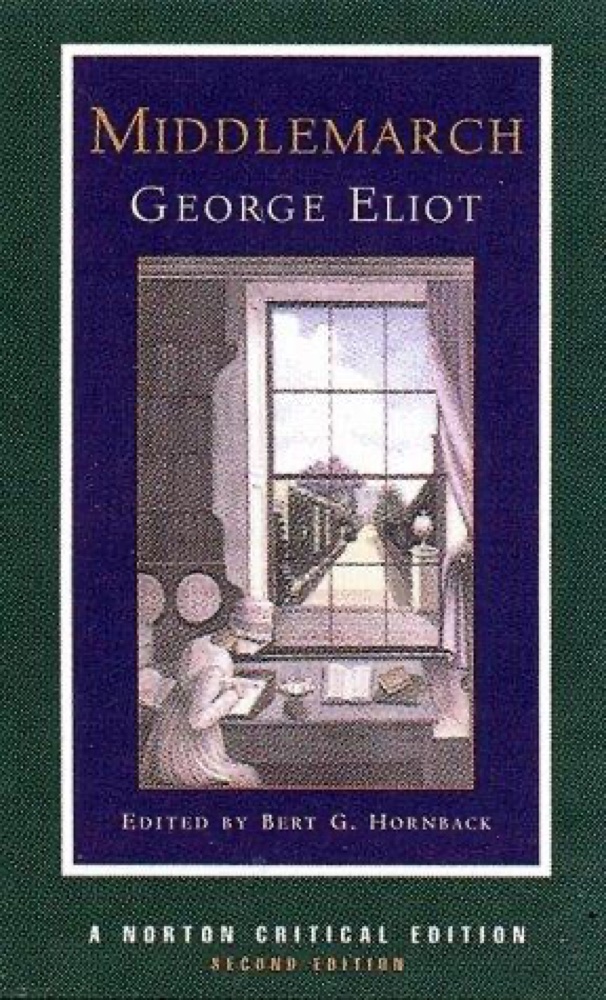 Middlemarch
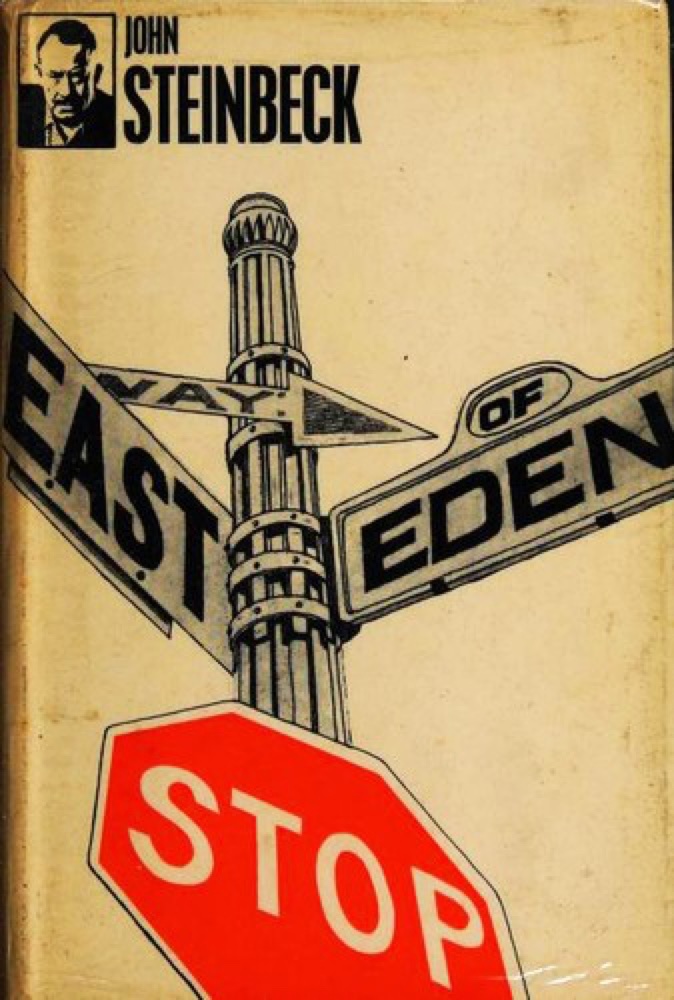 East of Eden
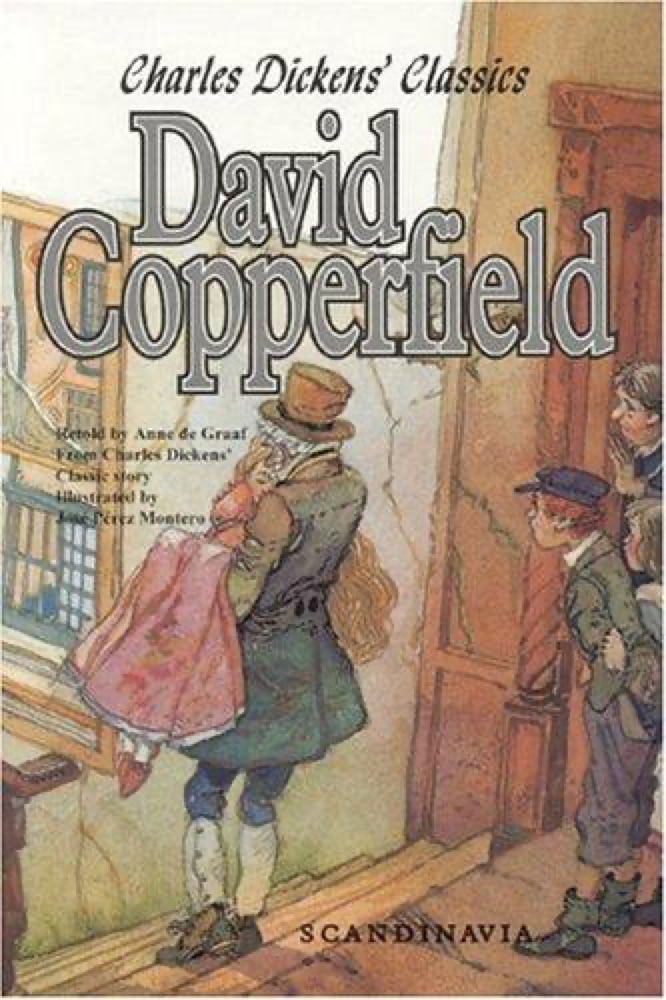 David Copperfield
 The Man Who Laughs
 A Room with a View
 Great Expectations
 Nicholas Nickleby
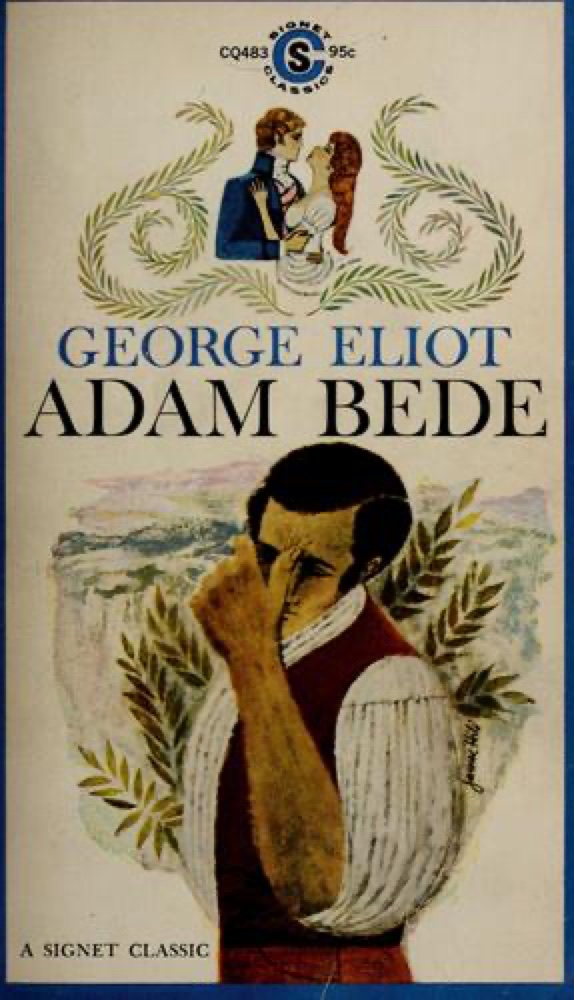 Adam Bede
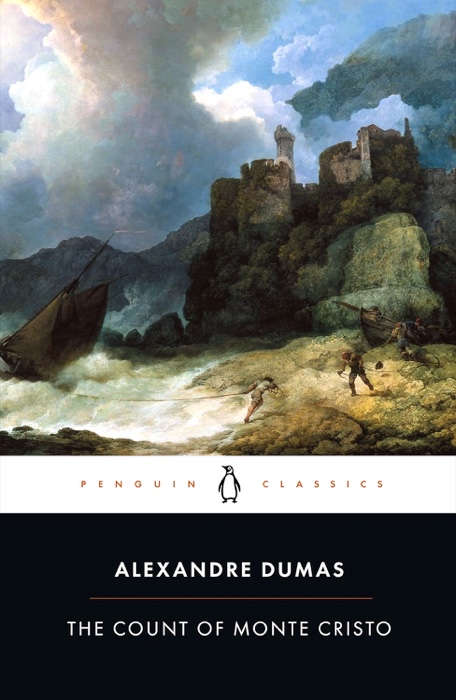 The Count of Monte Cristo
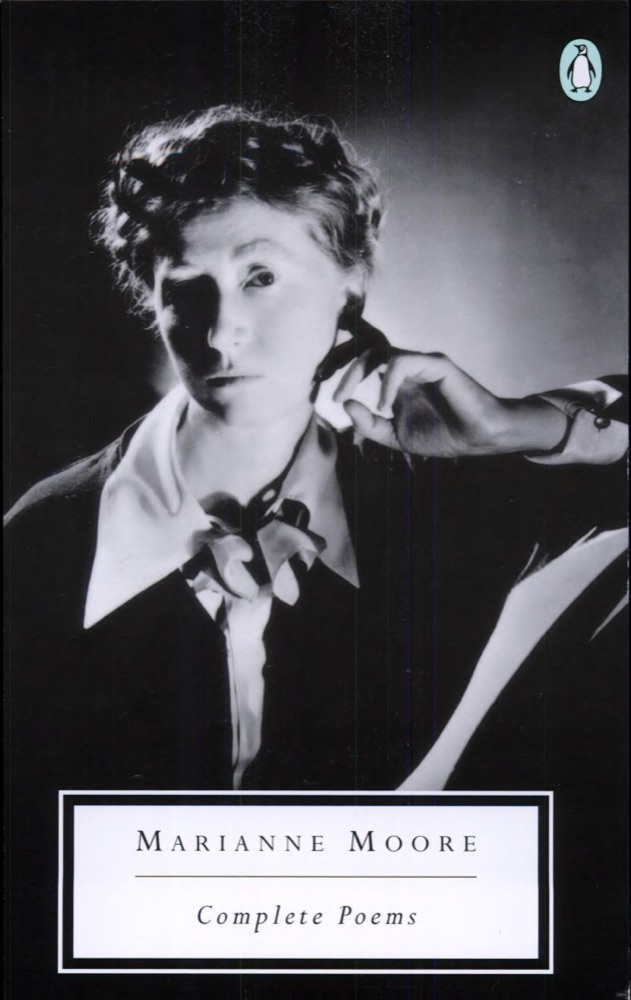 Complete Poems
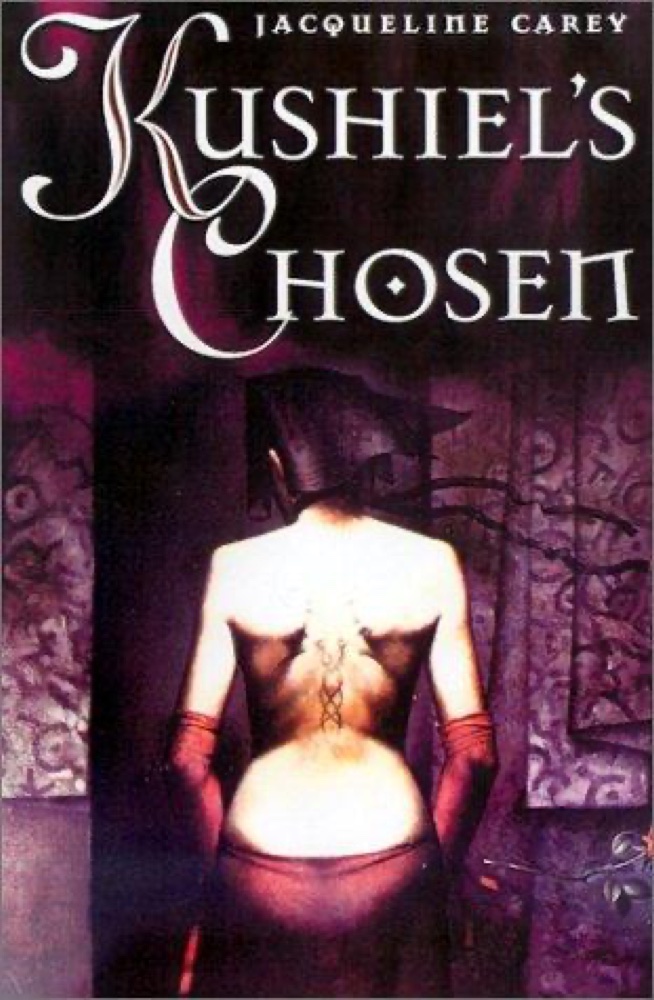 Kushiel's Chosen
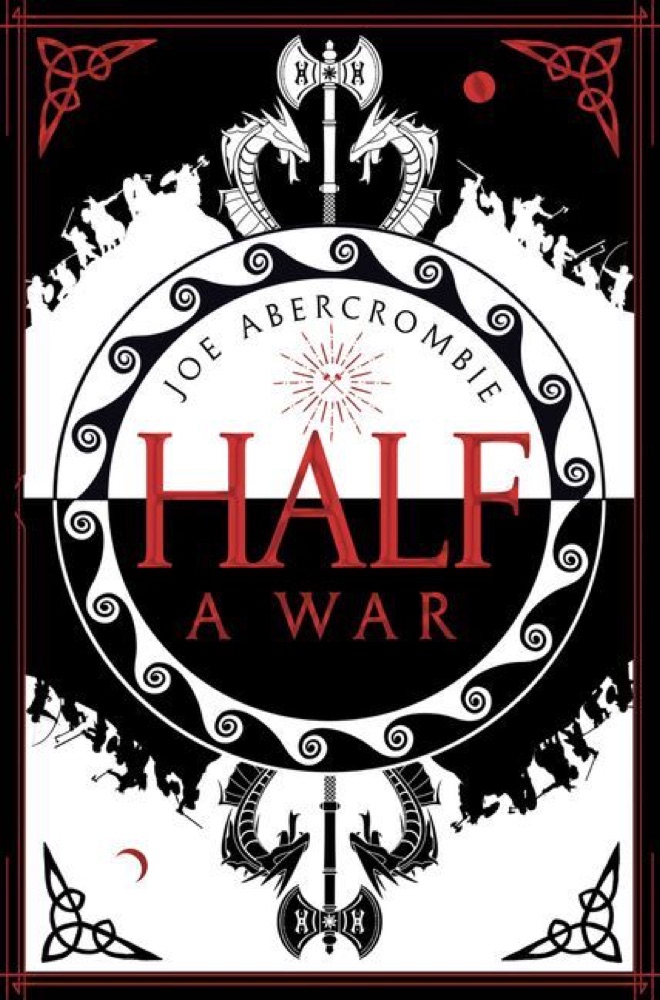 Half a War
 Vanity Fair
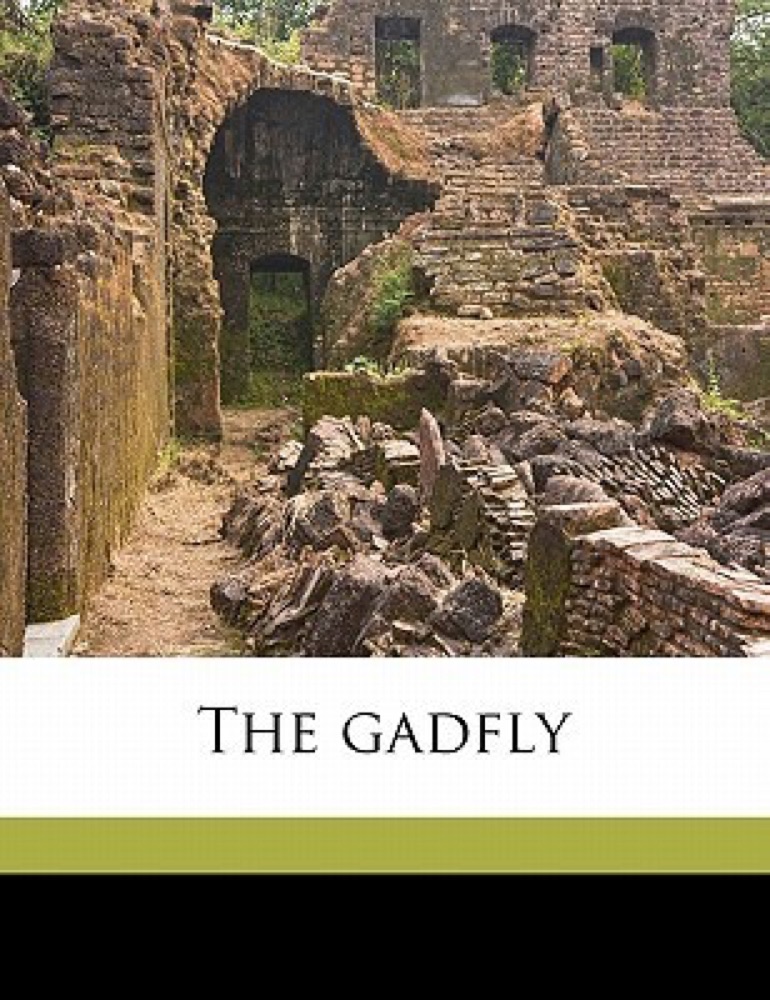 The Gadfly
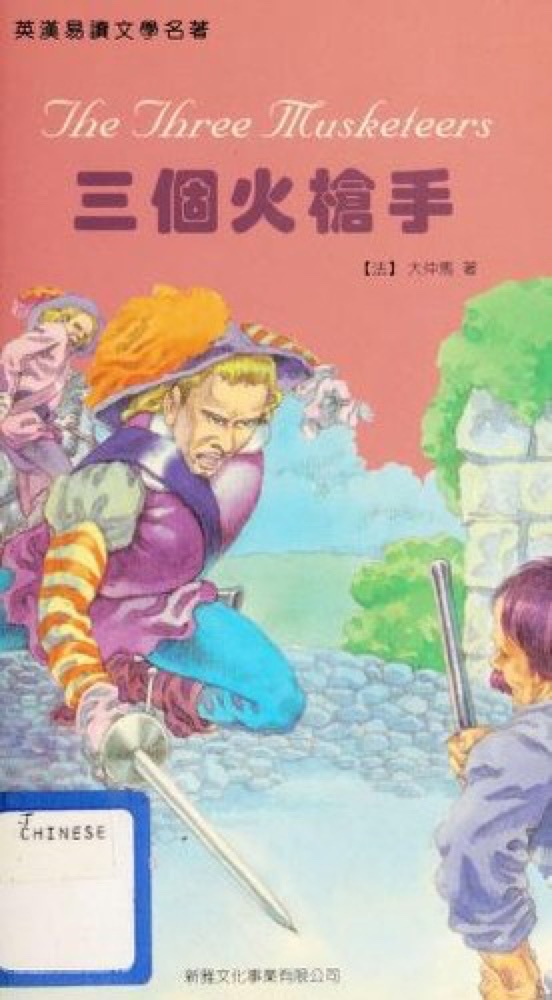 The Three Musketeers
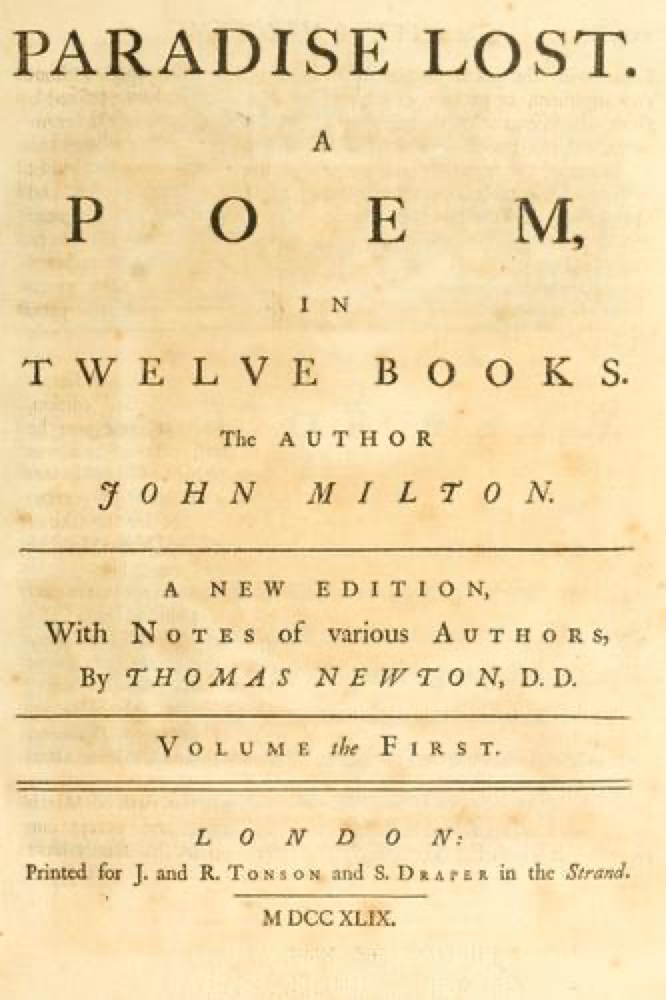 Paradise Lost
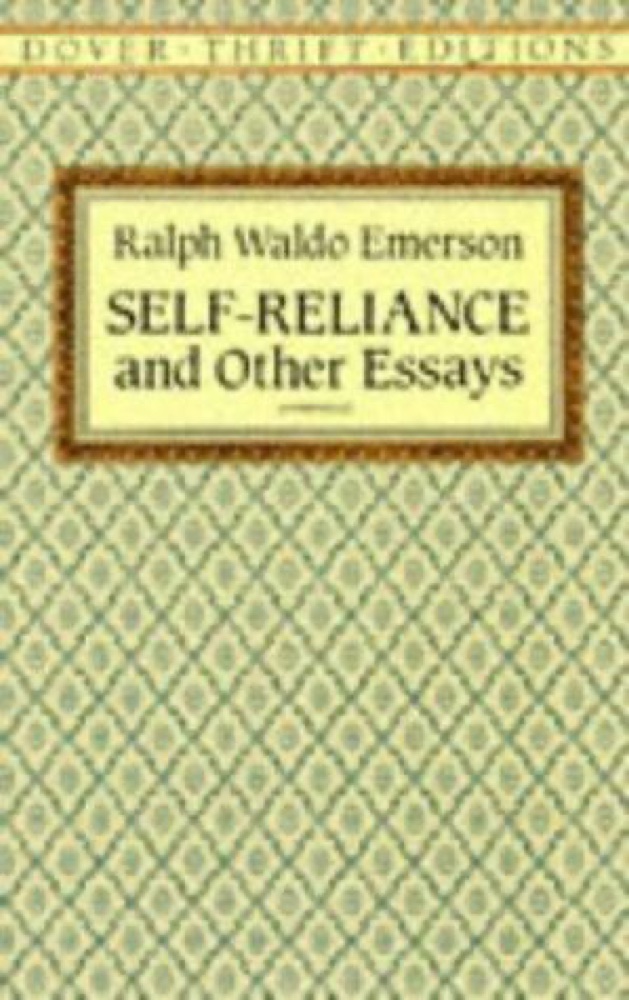 Self-Reliance and Other Essays
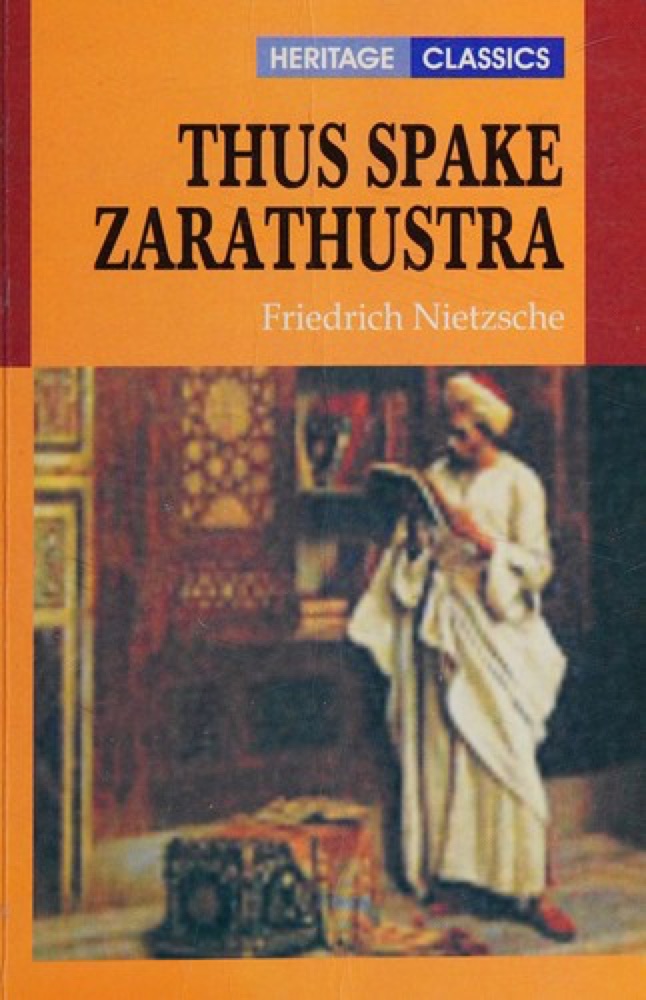 Thus Spake Zarathustra
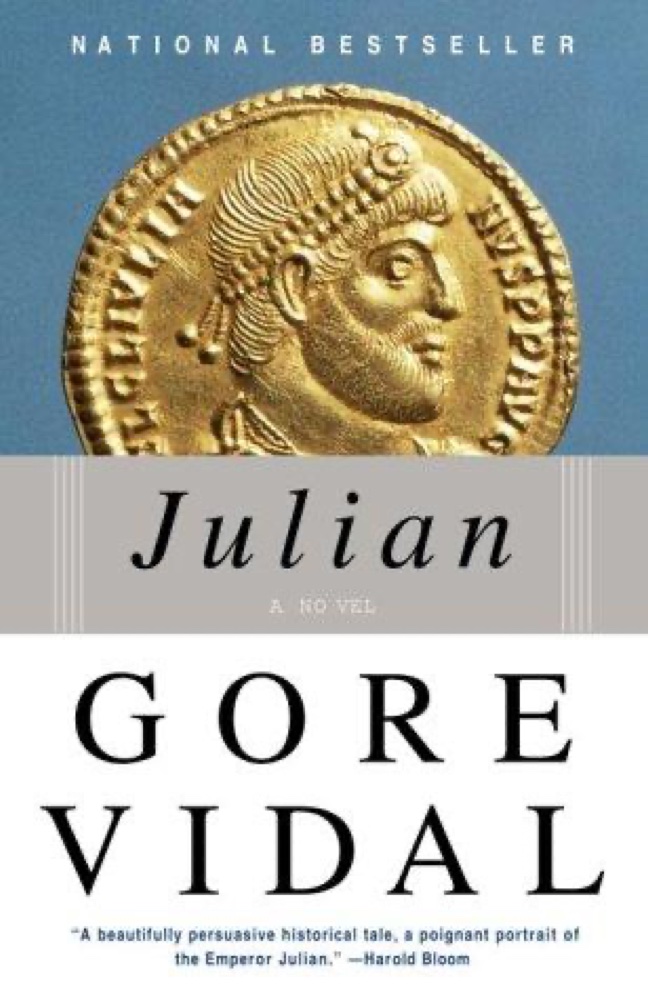 Julian
 Shirley
 Anna Karenina
 Dark Age
 The Broken Eye
 Stranger in a Strange Land
 The Mime Order
 Mother Night
 Son of a Witch
 Dead Souls
 Golden Fool
 The Red and the Black
 The Sweet Far Thing
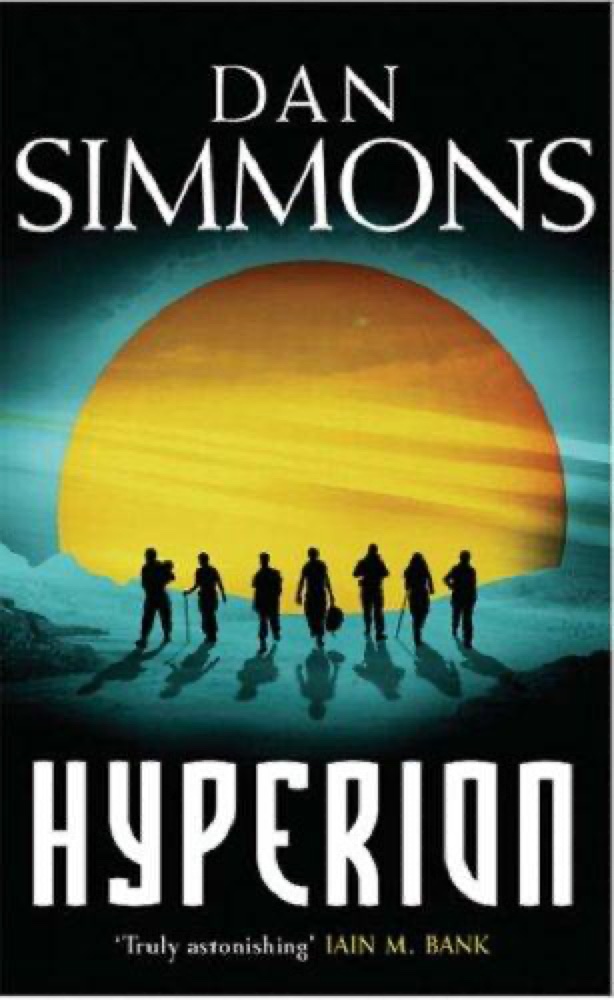 Hyperion
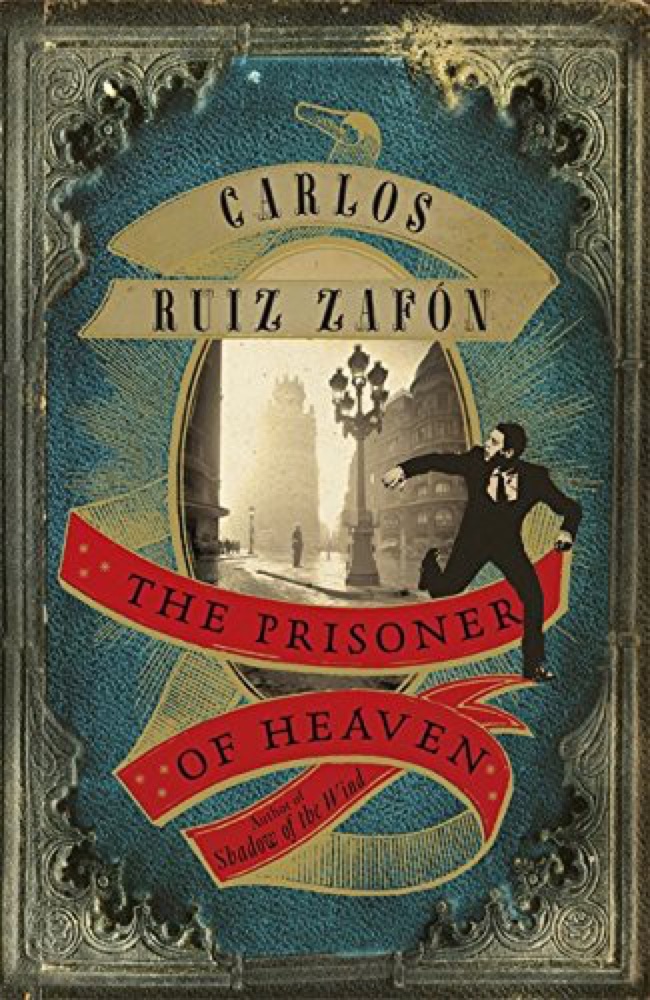 The Prisoner of Heaven
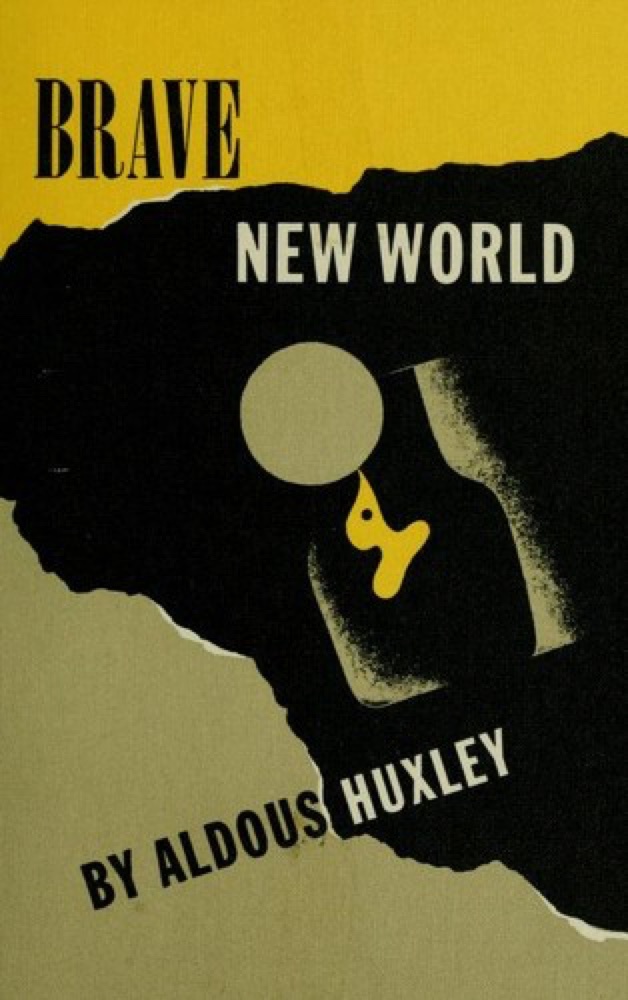 Brave New World
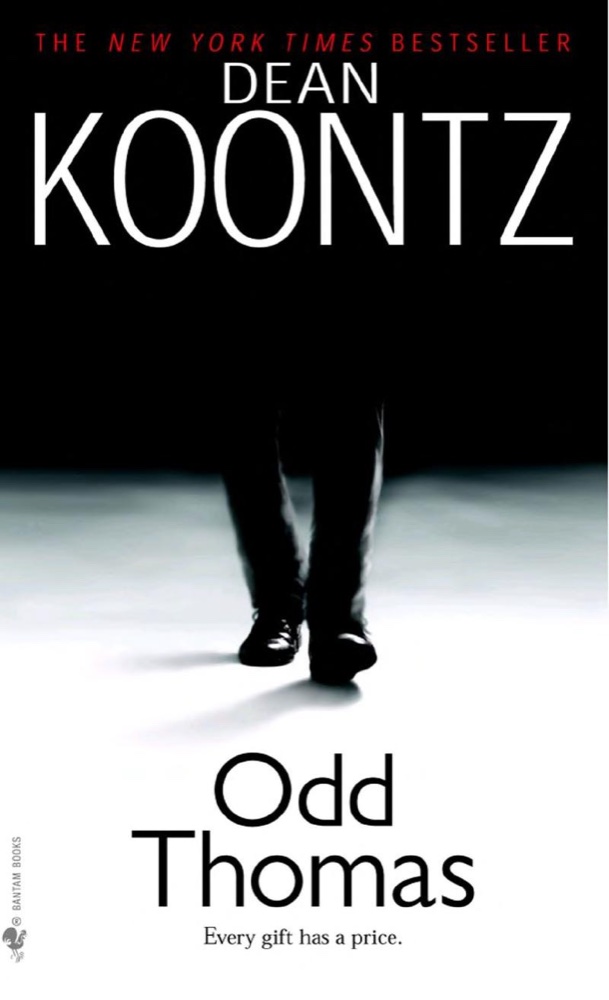 Odd Thomas