
 Othello
Quotes from the Book
By the pricking of my thumbs, Something wicked this way comes.
To-morrow, and to-morrow, and to-morrow, Creeps in this petty pace from day to day, To the last syllable of recorded time; And all our yesterdays have lighted fools The way to dusty death. Out, out, brief candle! Life's but a walking shadow, a poor player, That struts and frets his hour upon the stage, And then is heard no more. It is a tale Told by an idiot, full of sound and fury, Signifying nothing.
Stars, hide your fires; Let not light see my black and deep desires.
Double, double, toil and trouble; Fire burn, and cauldron bubble!
Give sorrow words; the grief that does not speak knits up the o-er wrought heart and bids it break.
Life ... is a tale Told by an idiot, full of sound and fury, Signifying nothing.
Look like the innocent flower, But be the serpent under it.
...Who could refrain, That had a heart to love, and in that heart Courage to make love known?
Out, out, brief candle! Life's but a walking shadow, a poor player that struts and frets his hour upon the stage and is heard no more. It is a tale told by an idiot, full of sound and fury, signifying nothing.
False face must hide what the false heart doth know.
I dare do all that may become a man; Who dares do more, is none
Fair is foul, and foul is fair, hover through fog and filthy air.
Where shall we three meet again in thunder, lightning, or in rain? When the hurlyburly 's done, when the battle 's lost and won
Come what come may, time and the hour run through the roughest day.
Things without all remedy should be without regard: what's done is done.
Come, you spirits That tend on mortal thoughts! Unsex me here, And fill me from the crown to the toe top full Of direst cruelty; make thick my blood, Stop up the access and passage to remorse, That no compunctious visitings of nature Shake my fell purpose, nor keep peace between The effect and it! Come to my woman’s breasts, And take my milk for gall, you murdering ministers, Wherever in your sightless substances You wait on nature’s mischief! Come, thick night, And pall thee in the dunnest smoke of hell, That my keen knife see not the wound it makes, Nor Heaven peep through the blanket of the dark, To cry "Hold, hold!
All causes shall give way: I am in blood Stepp’d in so far that, should I wade no more, Returning were as tedious as go o’er.
O, full of scorpions is my mind!
Out, out brief candle, life is but a walking shadow...a tale told by an idiot, full of sound and fury, signifying nothing.
it provokes the desire, but it takes away the performance
My hands are of your color, but I shame to wear a heart so white.
Macbeth: How does your patient, doctor? Doctor: Not so sick, my lord, as she is troubled with thick-coming fancies that keep her from rest. Macbeth: Cure her of that! Canst thou not minister to a mind diseased, pluck from the memory a rooted sorrow, raze out the written troubles of the brain, and with some sweet oblivious antidote cleanse the stuffed bosom of that perilous stuff which weighs upon her heart. Doctor: Therein the patient must minister to himself.
So fair and foul a day I have not seen.
The love that follows us sometime is our trouble, which still we thank as love.
I have no spur To prick the sides of my intent, but only Vaulting ambition, which o'erleaps itself And falls on the other.
Angels are bright still, though the brightest fell. Though all things foul would wear the brows of grace, Yet Grace must still look so.
Did you know?
- Macbeth is Shakespeare's shortest tragedy, more than a thousand lines shorter than Othello and King Lear.
- The only source text for the play is the First Folio of 1623, as no earlier quarto survives.
- Scholars believe the play was written around 1606, in the aftermath of the Gunpowder Plot of 1605.
- Theatre superstition holds it unlucky to say the title inside a theatre, so actors call it 'the Scottish play.'
- Shakespeare drew on Scottish history following James VI of Scotland's accession to the English throne as James I in 1603.
About William Shakespeare
William Shakespeare (1564-1616) was an English playwright, poet, and actor, widely regarded as the greatest writer in the English language. He wrote some of the most enduring plays in world literature, including his major tragedies Hamlet, Othello, King Lear, and Macbeth.
More about the author →More by William Shakespeare
All books by William Shakespeare →
About the book
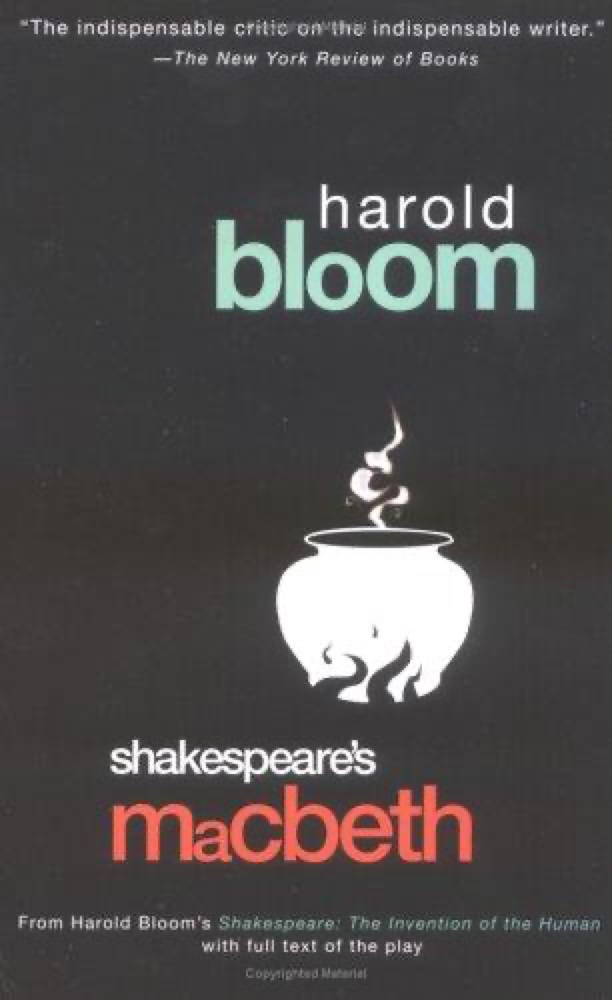
Macbeth is a tragedy by William Shakespeare, believed to have been written around 1606 and first printed in the First Folio of 1623. It dramatizes the story of a Scottish general who, after three witches prophesy that he will become King of Scotland, is consumed by ambition and, spurred on by his wife, murders King Duncan to seize the throne.
As king, Macbeth is racked by guilt and paranoia and commits further murders to secure his power, becoming an increasingly tyrannical ruler. The play explores ambition as a destructive tragic flaw, the psychology of guilt, the inversion of moral and natural order, and questions of fate versus free will, all set against a bleak vision of political violence and power.
Macbeth is Shakespeare's shortest tragedy and one of his most frequently staged and adapted works. It has drawn many renowned actors to its title roles and has been carried into film, television, opera, and other media, while the theatrical superstition around naming it aloud gave rise to its nickname, 'the Scottish play.'
Key characters
- MacbethScottish general, Thane of Glamis and later Cawdor, who murders his way to the throne
- Lady MacbethMacbeth's wife and later queen, who goads him toward murder
- BanquoMacbeth's friend and a general in Duncan's army
- King DuncanKing of Scotland, murdered by Macbeth
- MacduffThane of Fife who opposes Macbeth
- MalcolmDuncan's elder son and heir
- The Three WitchesMysterious women who prophesy Macbeth's fate
Book details
- First published
- 1623
- Length
- 256 pages
- Reading time
- 2 hours
- Author
- William Shakespeare
- Genre
- Classics
- Goodreads rating
- 3.89 (1M ratings) →
- First line
- “When shall we three meet again? In thunder, lightning, or in rain?”
Movie & TV adaptations
- IMDb
- IMDb
- IMDb
- IMDb
- IMDb
Keep reading
 King Lear
 Richard III
 The Comedy of Errors
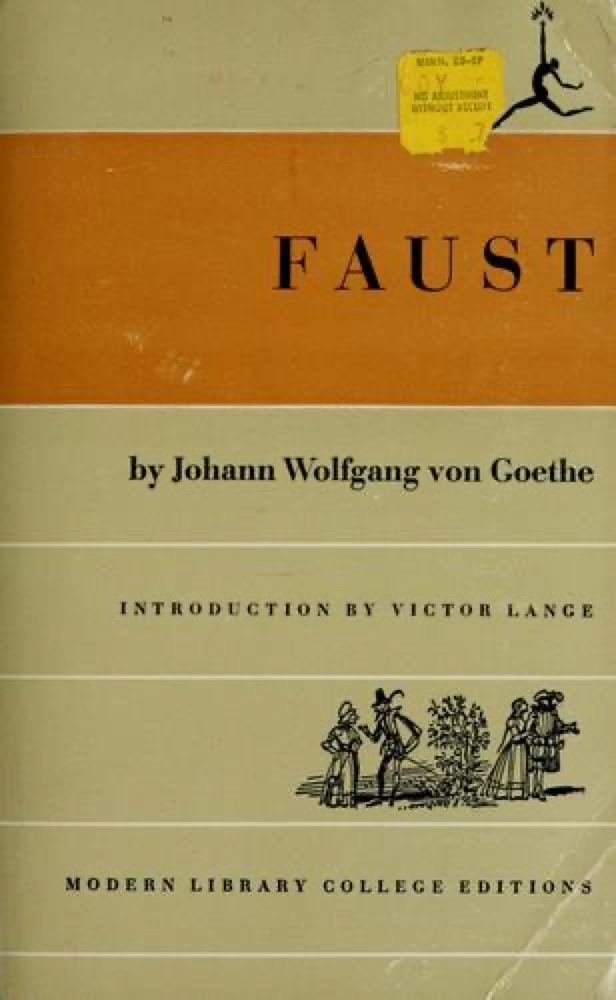 Faust
Faust
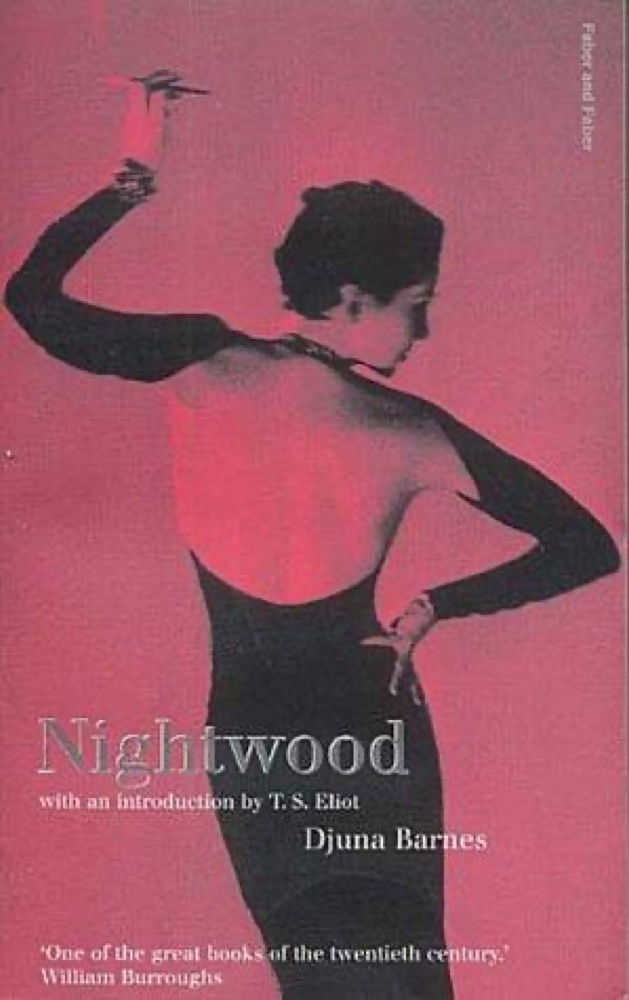 Nightwood
 Lord Jim
 Don Juan
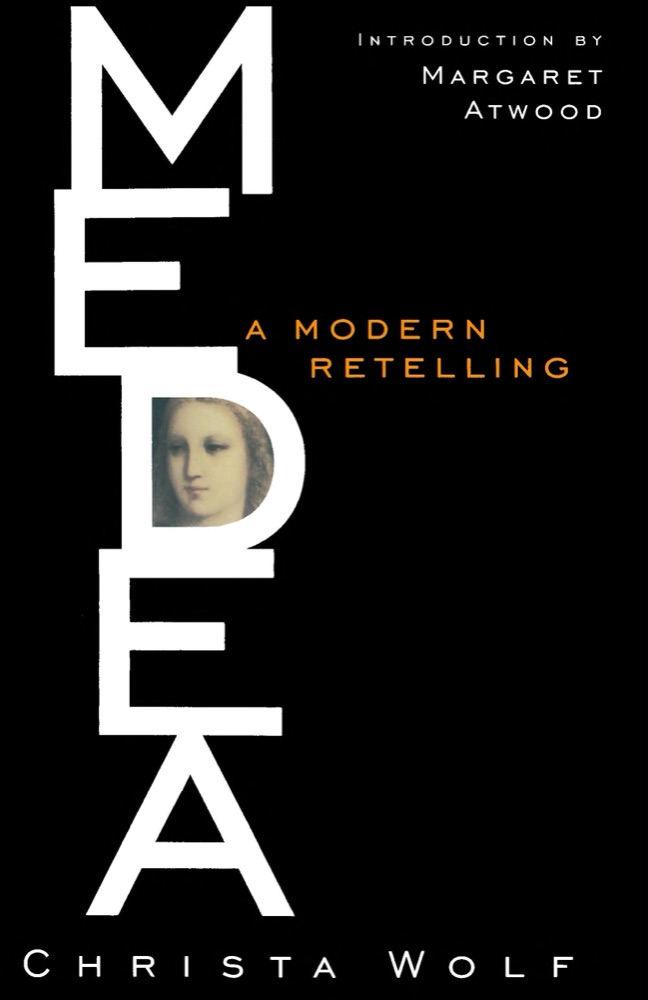 Medea
Medea
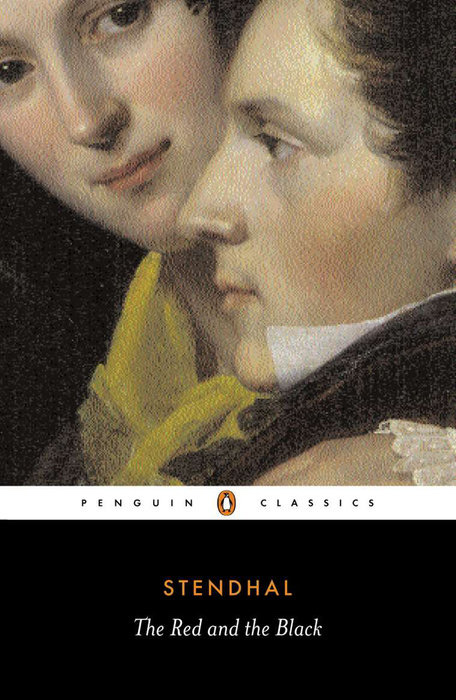 The Red and the Black
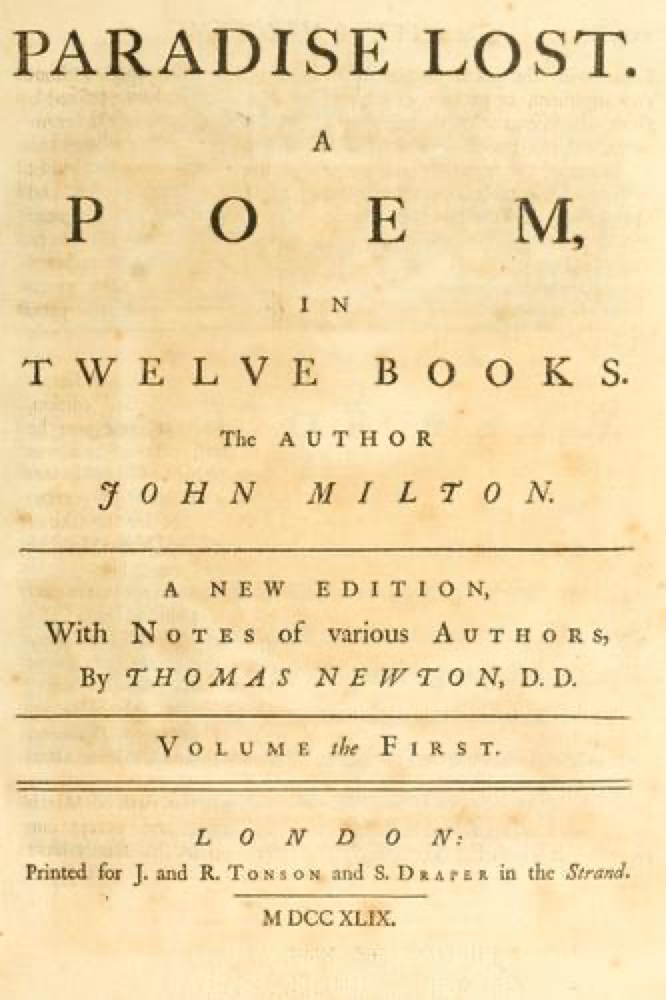 Paradise Lost
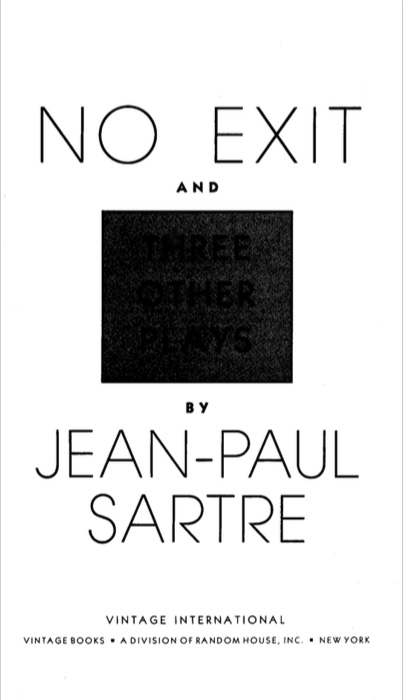 No Exit and Three Other Plays
 The Oedipus Cycle: Oedipus Rex/Oedipus at Colonus/Antigone
 Moby-Dick
 Sheever's Journal, Diary of a Poison Master
 Uncle Tom's Cabin
 Shirley
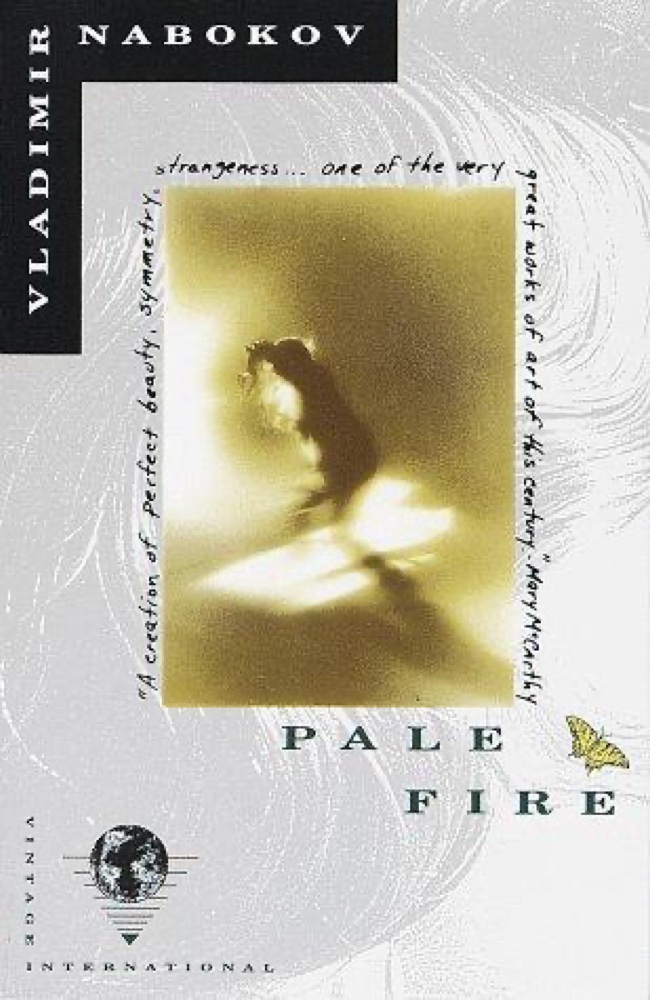 Pale Fire
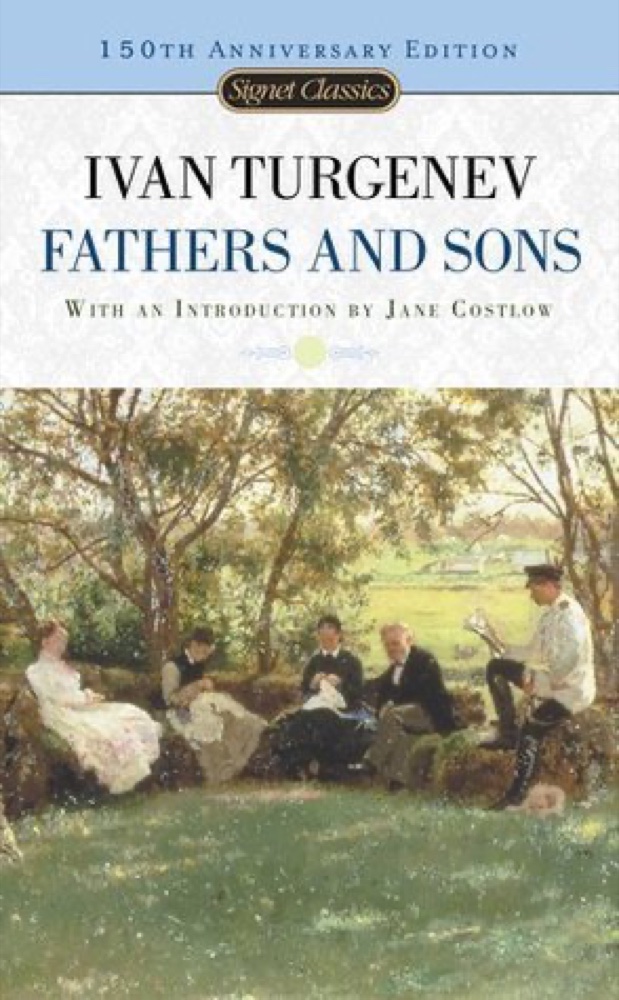 Fathers and Sons
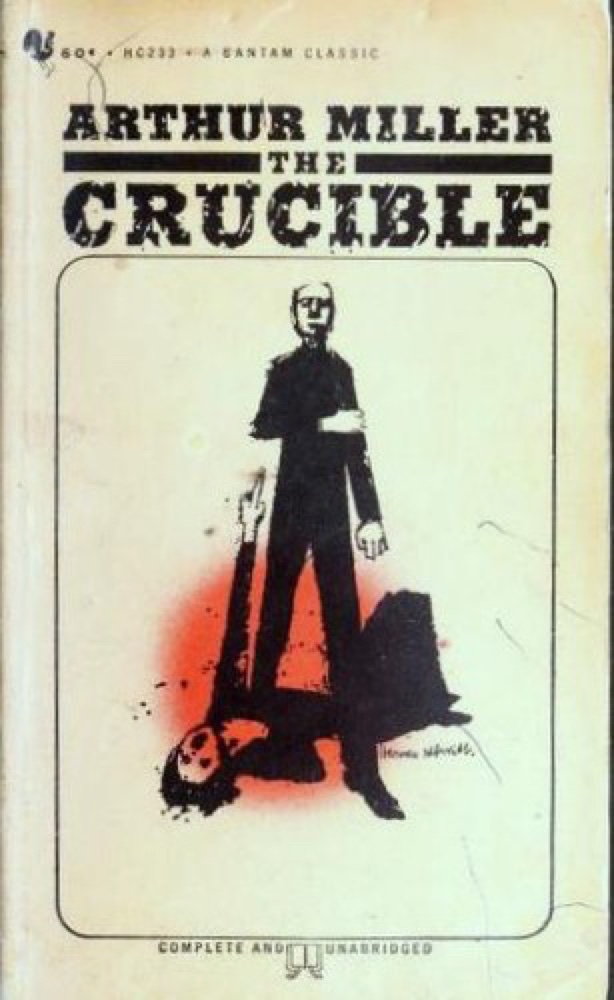 The Crucible
 The Complete Stories and Poems
 Dhalgren
 The Spanish Tragedy
 Ulysses
 Daniel Deronda
 Les Fleurs du Mal
 The Blight of Muirwood
 Oedipus Rex
 The Fires of Heaven
 Brute: Poems
 The Dream Songs
 Red Queen
 Emperor of Thorns
 Titus Groan
 The Oresteia
 The Duchess of Malfi
 Dracula
 Don Quixote
 Toll the Hounds
 Agamemnon
 Crime and Punishment
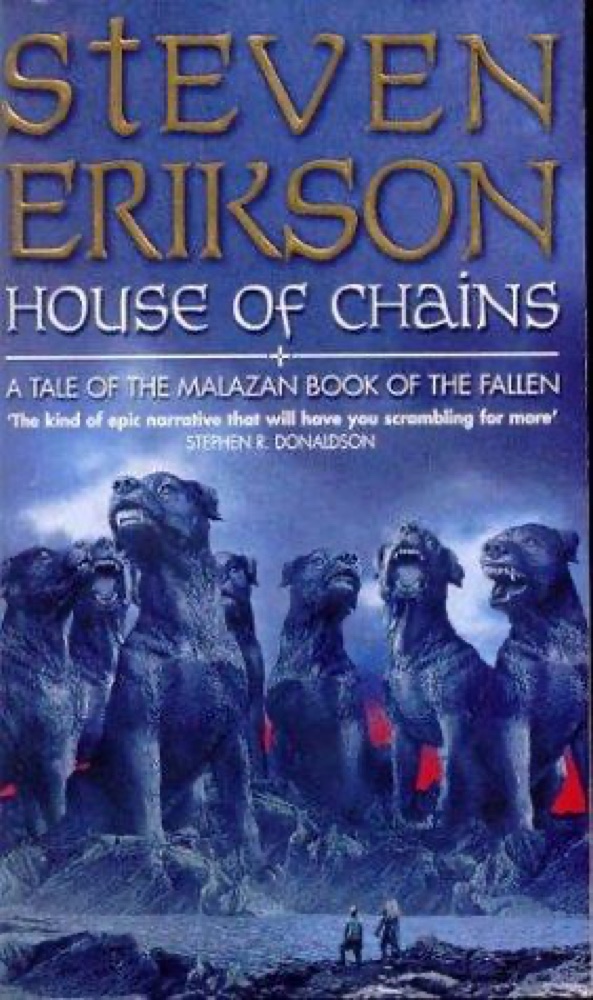 House of Chains
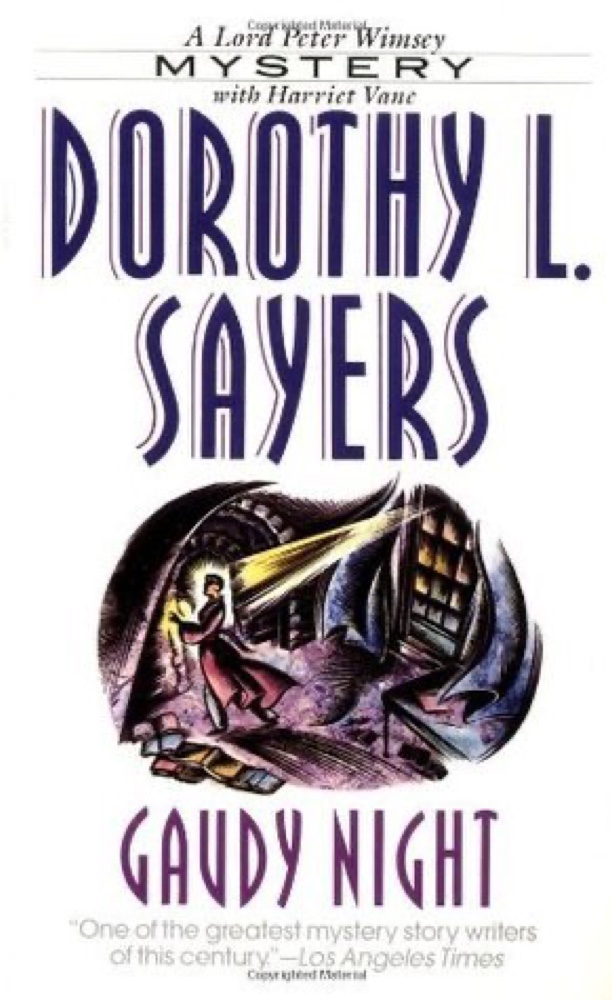 Gaudy Night
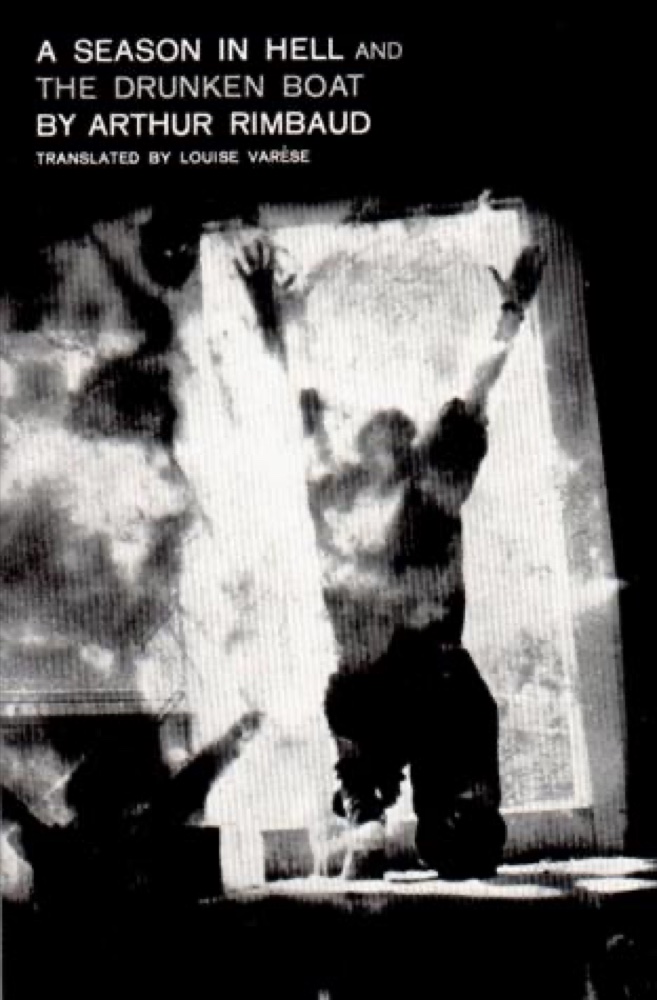 A Season in Hell/The Drunken Boat
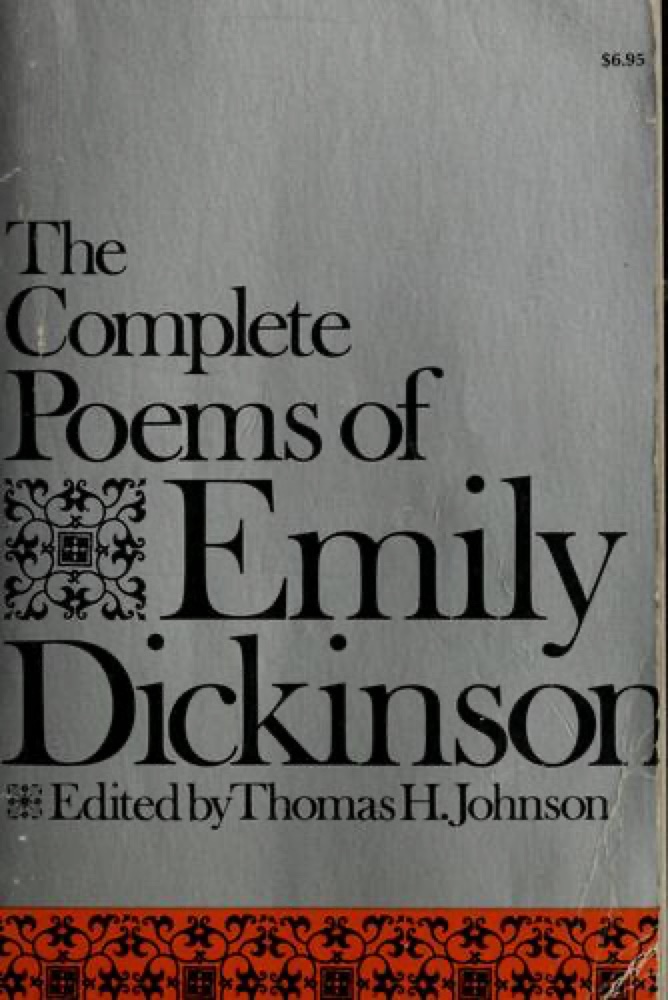 The Complete Poems of Emily Dickinson
 The Vampire Lestat
 Light in August
 At Swim-Two-Birds
 Jude the Obscure
 Play the Piano Drunk Like a Percussion Instrument Until the Fingers Begin to Bleed a Bit
 Surrender
 The White Devil
 Red Sister
 The Satyricon
 Paladin of Souls
 The Weight of Words
 The Complete Poems 1927-1979
 Ivanhoe
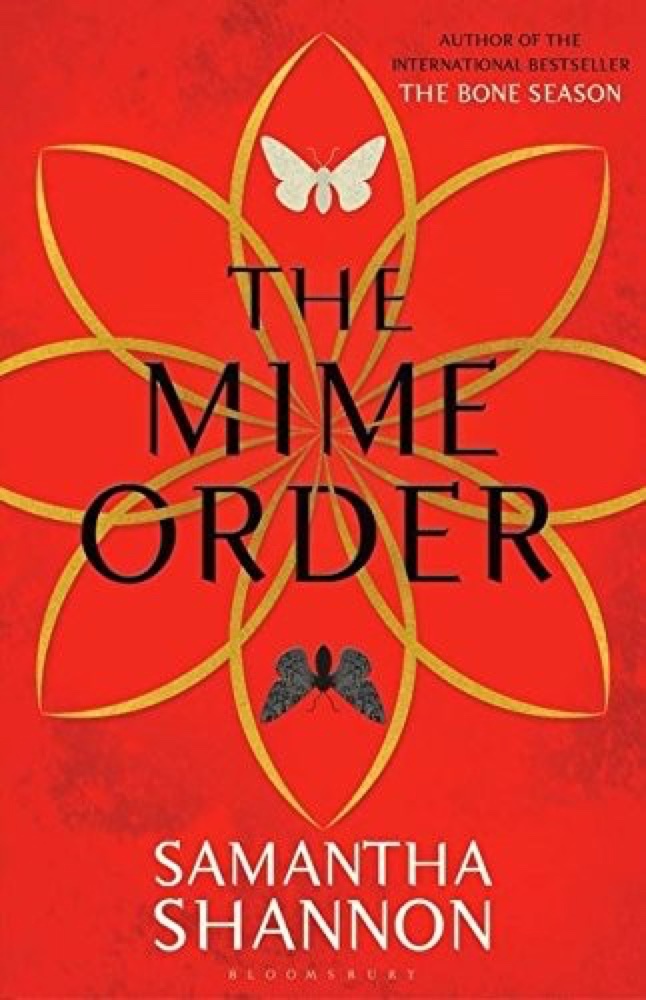 The Mime Order
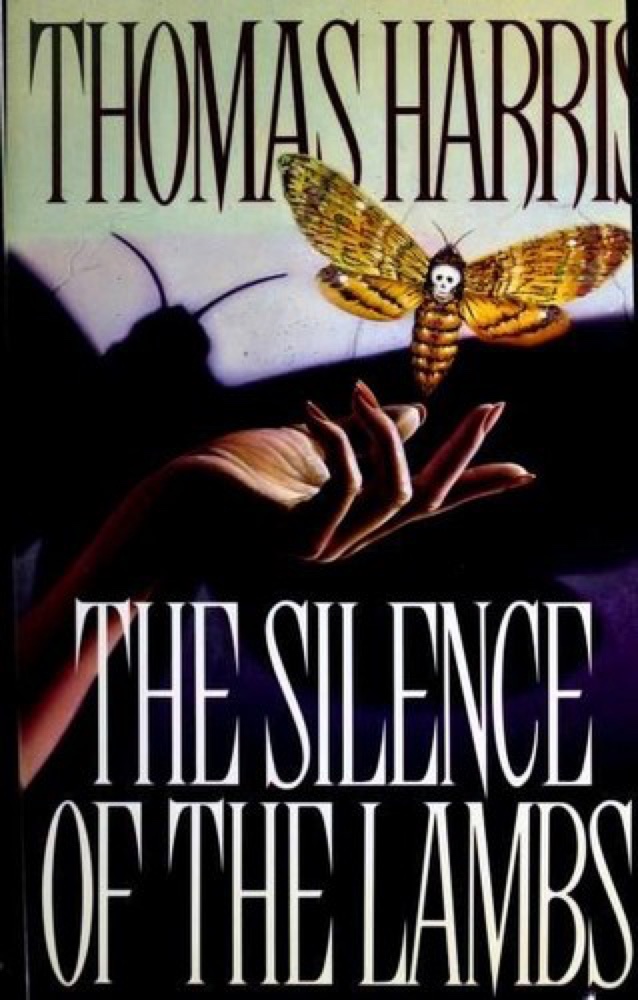 The Silence of the Lambs
 The Man Who Laughs