
 The Name of the Wind
Quotes from the Book
I walked past Malison, up Lower Main to Main and across the road. I didn’t need to look to know he was behind me. I entered Royal Wood, went a short way along a path and waited. It was cool and dim beneath the trees. When Malison entered the Wood, I continued eastward. I wanted to place his body in hallowed ground. He was born a Mearan. The least I could do was send him to Loric. The distance between us closed until he was on my heels. He chose to come, I told myself, as if that lessened the crime I planned. He chose what I have to offer. We were almost to the cemetery before he asked where we were going. I answered with another question. “Do you like living in the High Lord’s kitchens?” He, of course, replied, “No.” “Well, we’re going to a better place.” When we reached the edge of the Wood, I pushed aside a branch to see the Temple of Loric and Calec’s cottage. No smoke was coming from the chimney, and I assumed the old man was yet abed. His pony was grazing in the field of graves. The sun hid behind a bank of clouds. Malison moved beside me. “It’s a graveyard.” “Are you afraid of ghosts?” I asked. “My father’s a ghost,” he whispered. I asked if he wanted to learn how to throw a knife. He said, “Yes,” as I knew he would. He untucked his shirt, withdrew the knife he had stolen and gave it to me. It was a thick-bladed, single-edged knife, better suited for dicing celery than slitting a young throat. But it would serve my purpose. That I also knew. I’d spent all night projecting how the morning would unfold and, except for indulging in the tea, it had happened as I had imagined. Damut kissed her son farewell. Malison followed me of his own free will. Without fear, he placed the instrument of his death into my hand. We were at the appointed place, at the appointed time. The stolen knife was warm from the heat of his body. I had only to use it. Yet I hesitated, and again prayed for Sythene to show me a different path. “Aren’t you going to show me?” Malison prompted, as if to echo my prayer.
2.2k
This evening I spied her in the back orchard. I decided to sacrifice one of my better old shirts and carried it out to her. The weather’s been warm of late. Buds on the apple trees are ready to burst. Usually by this time of the year, at that time of day, the back orchard is full of screaming children. Damut’s boys were the only two. They were on the terrace below her, running through the slanted sunlight, chasing each other around tree trunks. She stood above them, like a merlin watching rabbits play.
939
Which is the greater sin? To care too much? Or too little?
938
Gossip is like thread wound over a spindle of truth, changing its shape.
934
Whither be the heart of Justice? Lo, in stone, child. Lo, in stone. Whither be the heart of Justice? Lo, tis fast in stone.
932
It does little good to regret a choice. So often people say, “If only I had known,” implying they would’ve acted differently in a given situation. It is true that desires of the moment can blind one’s sight of the future. Revenge is not as sweet as the adage claims. Yet who could pass a chance to taste it? And if the chance were allowed to slip by, would the fool regret his lack of action?
930
Buying loyalty can be as effective as fear when one’s rival is poorer than oneself.
920
The early women rise before I do. Their lamps splinter the gloom of the kitchens. They chatter in whispers as they brew tea for the cooks. Windows are open to counter the heat of the ovens. Outside, the sky is as black as my soul.
904
This world would be a pleasant place if people didn’t inhabit it.
894
If one does not react to gossip, the informer hushes more quickly.
891
Mead. O sweet elixir, Ye bless the lips and steal the wits.
889
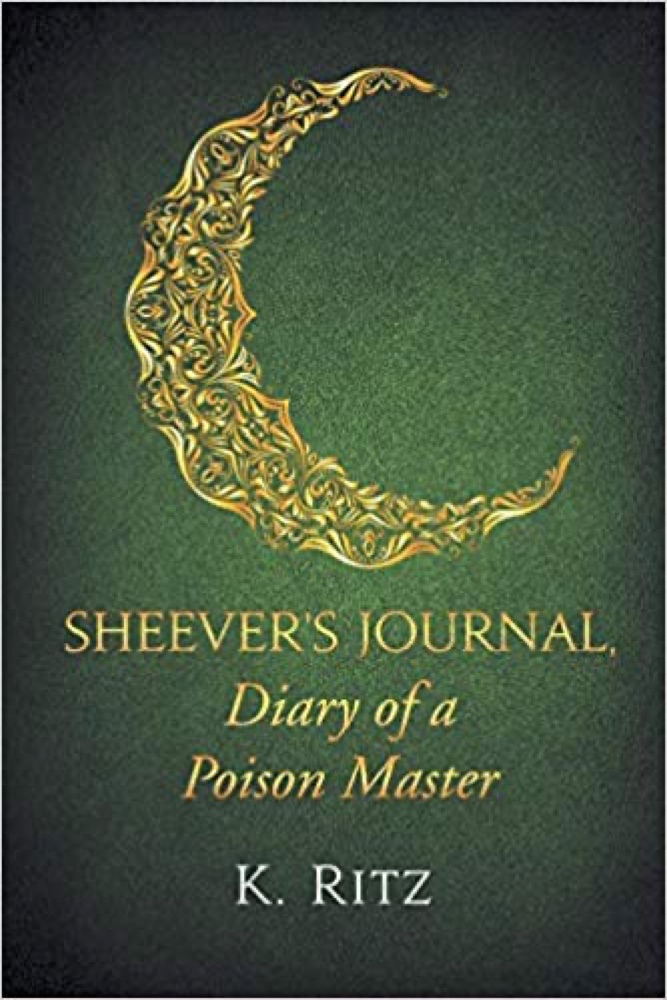
Snake Street is an area I should avoid. Yet that night I was drawn there as surely as if I had an appointment. The Snake House is shabby on the outside to hide the wealth within. Everyone knows of the wealth, but facades, like the park’s wall, must be maintained. A lantern hung from the porch eaves. A sign, written in Utte, read ‘Kinship of the Serpent’. I stared at that sign, at that porch, at the door with its twisted handle, and wondered what the people inside would do if I entered. Would they remember me? Greet me as Kin? Or drive me out and curse me for faking my death? Worse, would they expect me to redon the life I’ve shed? Staring at that sign, I pissed in the street like the Mearan savage I’ve become. As I started to leave, I saw a woman sitting in the gutter. Her lamp attracted me. A memsa’s lamp, three tiny flames to signify the Holy Trinity of Faith, Purity, and Knowledge. The woman wasn’t a memsa. Her young face was bruised and a gash on her throat had bloodied her clothing. Had she not been calmly assessing me, I would have believed the wound to be mortal. I offered her a copper. She refused, “I take naught for naught,” and began to remove trinkets from a cloth bag, displaying them for sale. Her Utte accent had been enough to earn my coin. But to assuage her pride I commented on each of her worthless treasures, fighting the urge to speak Utte. (I spoke Universal with the accent of an upper class Mearan though I wondered if she had seen me wetting the cobblestones like a shameless commoner.) After she had arranged her wares, she looked up at me. “What do you desire, O Noble Born?” I laughed, certain now that she had seen my act in front of the Snake House and, letting my accent match the coarseness of my dress, I again offered the copper. “Nay, Noble One. You must choose.” She lifted a strand of red beads. “These to adorn your lady’s bosom?” I shook my head. I wanted her lamp. But to steal the light from this woman ... I couldn’t ask for it. She reached into her bag once more and withdrew a book, leather-bound, the pages gilded on the edges. “Be this worthy of desire, Noble Born?” I stood stunned a moment, then touched the crescent stamped into the leather and asked if she’d stolen the book. She denied it. I’ve had the Training; she spoke truth. Yet how could she have come by a book bearing the Royal Seal of the Haesyl Line? I opened it. The pages were blank. “Take it,” she urged. “Record your deeds for study. Lo, the steps of your life mark the journey of your soul.” I told her I couldn’t afford the book, but she smiled as if poverty were a blessing and said, “The price be one copper. Tis a wee price for salvation, Noble One.” So I bought this journal. I hide it under my mattress. When I lie awake at night, I feel the journal beneath my back and think of the woman who sold it to me. Damn her. She plagues my soul. I promised to return the next night, but I didn’t. I promised to record my deeds. But I can’t. The price is too high.
874
How can one man emit such noise by simply breathing?
57
My tongue learned me. Pity yours didn’t learn to be quiet.
56
I was trying to be someone else.
56
Sunset painted the sky. Royal Wood, clad in spring green, rustled in a breeze. A fine evening for a stroll.
55
Pity is her latest tool and she’s honed it to a fine edge.
55
Damn her. She plagues my soul.
55
Stupid or no, Father, you’re dead – and I’m not.
55
And we’ll plant more next year!
55
Burdened with my sins, I may be able to crawl toward the light, but it shall take an eternity.
55
I don’t want to believe it. I try not to. Yet tonight as I pen these words, I know Pheto is as real as my hands.
55
I loathe these people. I loathe this place.
55
Caring without caring,” is how my mother explained it. Thus a memsa can judge anyone – friend or stranger – and remain fair. They care without caring
55
I envy him for it, sure he’s dreaming of Cassie.
54
When will I learn to stop toying with other people’s lives?
54
The price be one copper. Tis a wee price for salvation, Noble One.
54
Watch on YouTube
About K. Ritz
We have collected 27 quotes from 1 book by K. Ritz on BookQuoters.
More about the author →About the book
Synopsis: For five years Me’acca Mysuth Sheever has lived among his “sworn enemies,” pretending to be one of them. One night he buys a journal, its pages blank. The woman who sells him the journal extracts his promise to record his deeds for study. “Lo, the steps of your life mark the journey of your soul.” To expose his prior life, however, would be akin to suicide, for Sheever is a man brimming with secrets. He begins the journal cautiously, describing the area where he works as a cook, and the people he’s forced to endure. Hints of his past emerge as he also records day-to-day events. As the journal evolves, he finds himself more entangled than he ever wanted to be in the lives around him, and more sympathetic to people he wanted to hate. Memories haunt him, and he struggles to maintain a grip on his sanity as he prays for – and fears – the signal that his years in exile have ended an
Keep reading
The Name of the Wind
 She Who Waits
 The 7½ Deaths of Evelyn Hardcastle
 The Witching Hour
 Burial Rites
 The Poisonwood Bible
 Prince of Thorns
 Chime
Chime
 Glint
Glint
 House of Chains
 What Time the Sexton's Spade Doth Rust
 Assassin's Quest
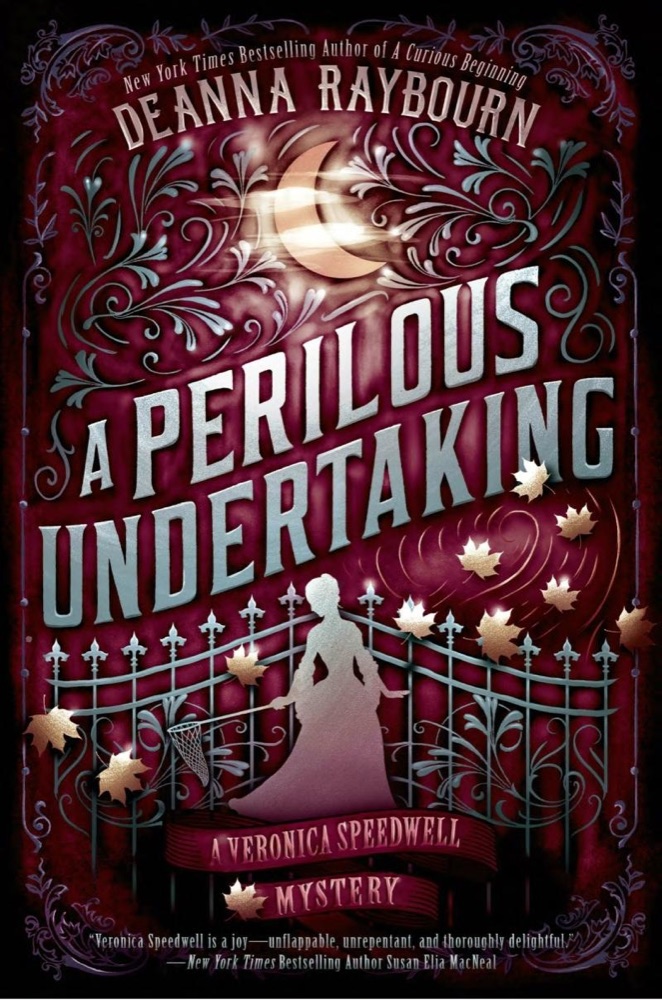 A Perilous Undertaking
 Nightwood
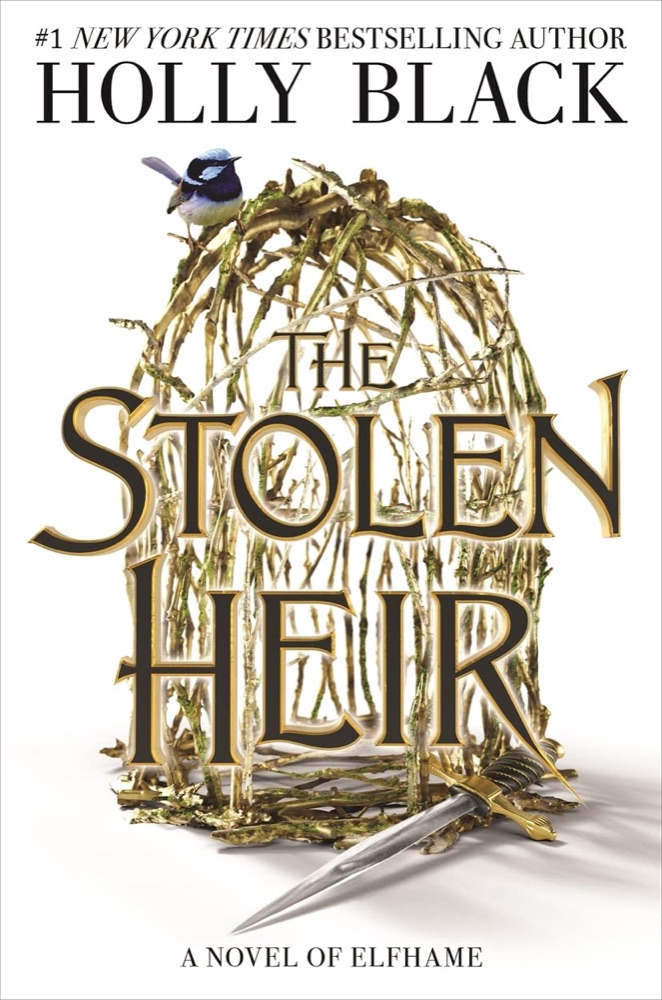 The Stolen Heir
 Light in August
 Moth Smoke
 The Burning World
 Fool's Errand
 In the Night Garden
 Dark Age
 The Cruel Prince
 Shirley
 The Blight of Muirwood
 The Blood Mirror
 The Wheel of Osheim
 The Moonstone
 The Complete Poems
 The Daughters' War
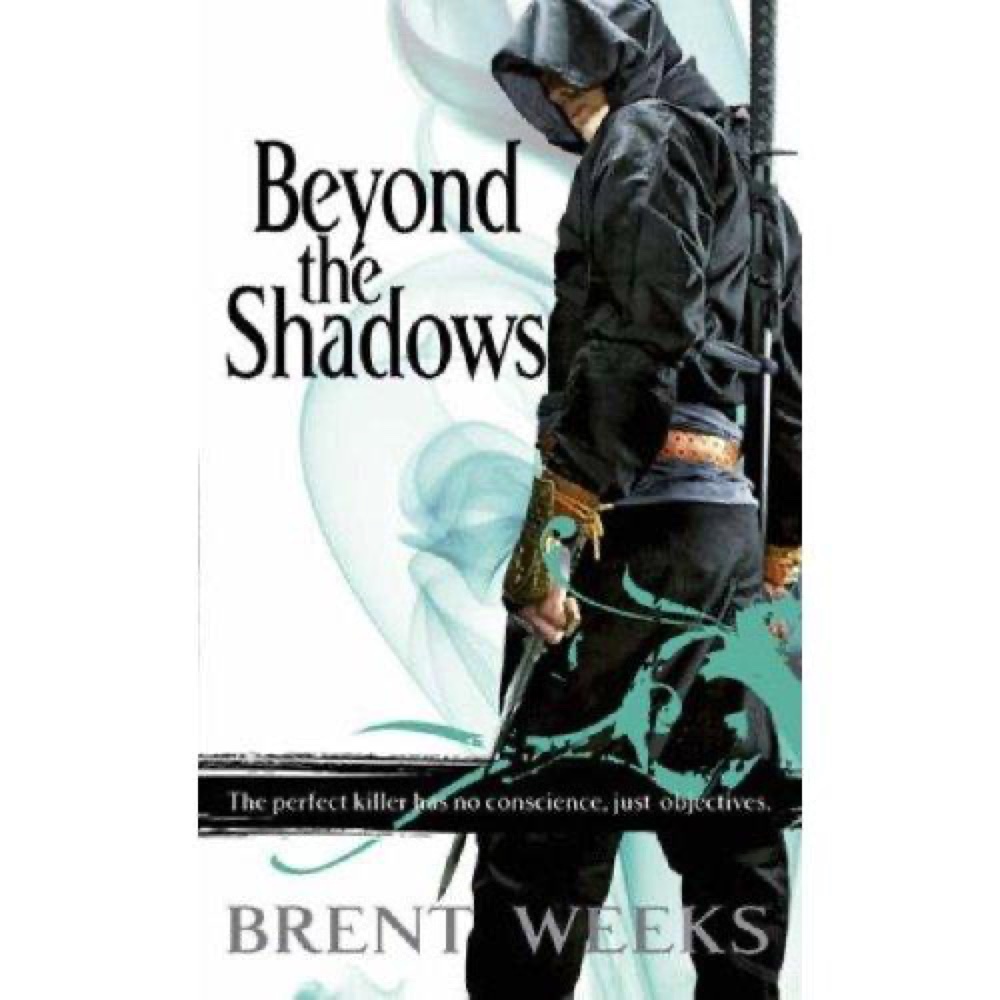 Beyond the Shadows
 The Blind Assassin
 Seraphina
 No Exit and Three Other Plays
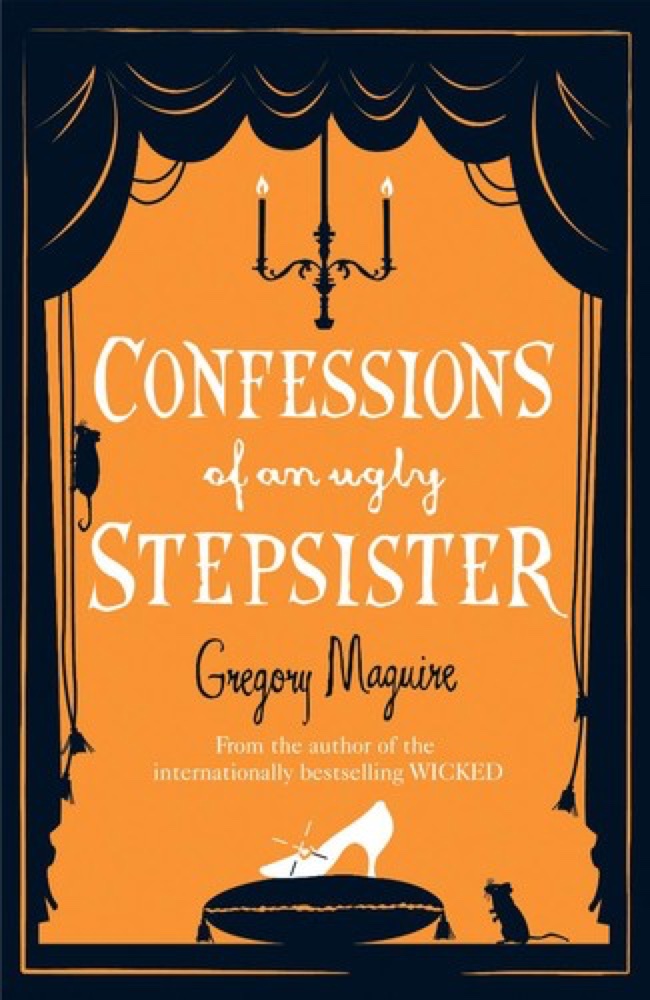 Confessions of an Ugly Stepsister
 The Fall of Babel
 Assassin's Apprentice
 The Liar's Key
 The Mime Order
 Son of a Witch
 Chocolat
 Faust
Faust
 The Invasion of the Tearling
 The Fires of Heaven
 A Great and Terrible Beauty
 Red Queen
 The Blacktongue Thief
 Senlin Ascends
 The Hod King
 The Sweet Far Thing
 Empire of the Vampire
 The Untouchable
 A Tempest of Tea
 Odd Hours
 His Dark Materials
 The Raven Scholar
 Lit
Lit
 Hemlock & Silver
 Book of a Thousand Days
 The Shadow Rising
 Morning Star