
 Death of a Salesman
Quotes from the Book
Until an hour before the Devil fell, God thought him beautiful in Heaven.
Because it is my name! Because I cannot have another in my life! Because I lie and sign myself to lies! Because I am not worth the dust on the feet of them that hang! How may I live without my name? I have given you my soul; leave me my name!
I speak my own sins; I cannot judge another. I have no tongue for it.
Life, woman, life is God's most precious gift; no principle, however glorious, may justify the taking of it.
You are pulling down heaven and raising up a whore
It is rare for people to be asked the question which puts them squarely in front of themselves
A child's spirit is like a child, you can never catch it by running after it; you must stand still, and, for love, it will soon itself come back.
We are what we always were in Salem, but now the little crazy children are jangling the keys of the kingdom, and common vengeance writes the law!
Let either of you breathe a word, or the edge of a word, about the other things, and I will come to you in the black of some terrible night and I will bring a pointy reckoning that will shudder you. And you know I can do it; I saw Indians smash my dear parents' heads on the pillow next to mine, and I have seen some reddish work done at night, and I can make you wish you had never seen the sun go down! - Abigail
Peace. It is a providence, and no great change; we are only what we always were, but naked now.
I cannot sleep for dreaming; I cannot dream but I wake and walk about the house as though I'd find you comin' through the door.
Great stones they lay upon his chest until he plead aye or nay. They say he give them but two words. "More weight," he says. And died.
Sex, sin, and the Devil were early linked.
it's the proper morning to fly into Hell.
The Devil is precise; the marks of his presence are definite as stone...
I may think of you softly from time to time. But I’ll cut off my hand before I ever reach for you again.
PROCTOR, his mind wild, breathless: I say--I say--God is dead!
A fire, a fire is burning! I hear the boot of Lucifer, I see his filthy face! And it is my face, and yours, Danforth! For them that quail to bring men out of ignorance, as I have quailed, and as you quail now when you know in all your black hearts that this be fraud – God damns our kind especially, and we will burn, we will burn together!
What work you do! It's strange work for a Christian girl to hang old women!
There is prodigious fear in seeking loose spirits
we are only what we always were
Proctor: I am only wondering how I may prove what she told me, Elizabeth. If the girl's a saint now, I think it is not easy to prove she's fraud, and the town gone so silly. She told it to me in a room alone- I have no proof for it. Elizabeth: You were alone with her? Proctor: (stubbornly) For a moment alone, aye. Elizabeth: Why, then, it is not as you told me. Proctor: (his anger rising) For a moment, I say. The others come in soon after. Elizabeth: (as if she has lost all faith in him) Do as you wish then. (she turns) Proctor: Woman. (she turns to him) I'll not have your suspicion any more. Elizabeth: (a little loftily) I have no- Proctor: I'll not have it! Elizabeth: Then let you not earn it. Proctor: Now look you- Elizabeth: I see what I see, John.
Pontius Pilate! God will not let you clean your hands of this!
HALE, with a tasty love of intellectual pursuit
Did you know?
- The play dramatizes the real Salem witch trials of 1692-1693 in colonial Massachusetts.
- Arthur Miller wrote it as an allegory for McCarthyism and the anti-communist persecutions of the 1950s.
- It premiered on January 22, 1953, at the Martin Beck Theatre in New York City.
- It won the 1953 Tony Award for Best Play.
- Miller was himself later subpoenaed by the House Un-American Activities Committee and convicted of contempt of Congress.
- Robert Ward's opera based on the play won the Pulitzer Prize for Music in 1962.
About Arthur Miller
Arthur Asher Miller (1915-2005) was an American playwright and essayist best known for "Death of a Salesman," "The Crucible," and "A View from the Bridge." He was subpoenaed by the House Un-American Activities Committee in 1956 and convicted of contempt of Congress in 1957, a conviction later overturned.
More about the author →More by Arthur Miller

About the book
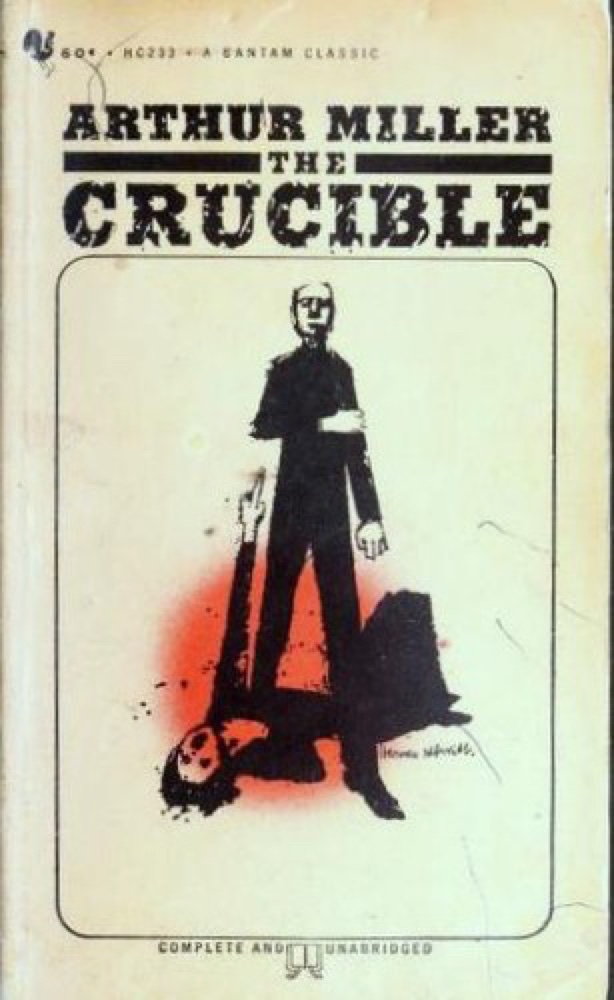
"The Crucible" is a 1953 play by the American playwright Arthur Miller that dramatizes the Salem witch trials of 1692-1693 in the Province of Massachusetts Bay. When a group of young girls is caught dancing in the woods and then begins exhibiting strange afflictions, accusations of witchcraft ripple through the Puritan town. Abigail Williams, seeking to displace Elizabeth Proctor after an affair with Elizabeth's husband John, manipulates the other girls into falsely accusing their neighbors, and mass hysteria overtakes the community as the court sends the accused to the gallows.
At its center stands John Proctor, a farmer who struggles to expose the deception even as the trials consume the town. The play explores guilt and integrity, the destructive power of fear and reputation, and the way ordinary people are swept into collective panic. Miller wrote it as an allegory for McCarthyism and the persecution of suspected communists during the Cold War; he was himself later subpoenaed by the House Un-American Activities Committee and convicted of contempt of Congress for refusing to name others, a conviction later overturned.
Premiering on Broadway in January 1953, "The Crucible" won the Tony Award for Best Play and has become one of the most frequently staged and studied works of American theater. Its portrayal of scapegoating, moral courage, and institutional persecution has kept it continually relevant, and it remains a staple of school curricula and a touchstone whenever public life turns to accusation and hysteria.
Key characters
- John ProctorA local farmer who tries to stop the trials and defend his integrity
- Abigail WilliamsReverend Parris's niece who drives the false accusations out of jealousy
- Elizabeth ProctorJohn's wife, accused of witchcraft
- Reverend John HaleA witchcraft investigator who becomes disillusioned with the trials
- Deputy Governor Thomas DanforthThe stern chief judge presiding over the court
- Reverend Samuel ParrisThe town's minister whose household sparks the panic
- Mary WarrenThe Proctors' servant who briefly tries to expose the truth
Book details
- First published
- 1953
- Length
- 145 pages
- Reading time
- 2 hours
- Author
- Arthur Miller
- Genre
- Classics
- Goodreads rating
- 3.61 (473k ratings) →
Movie & TV adaptations
- IMDb
- IMDb
- IMDb
If you liked this, read…
- 1Death of a SalesmanMiller's other landmark tragedy of an ordinary man's moral downfall
- 2The Scarlet LetterAnother study of sin, guilt, and public judgment in Puritan New England
- 3A View from the BridgeMiller drama about conscience, betrayal, and the pressure of a community
Keep reading
 Faust
Faust
 Empire of the Vampire
 A Mercy
 Mortal Heart
 Uncle Tom's Cabin
 The Left Hand of God
 The Queen of the Damned
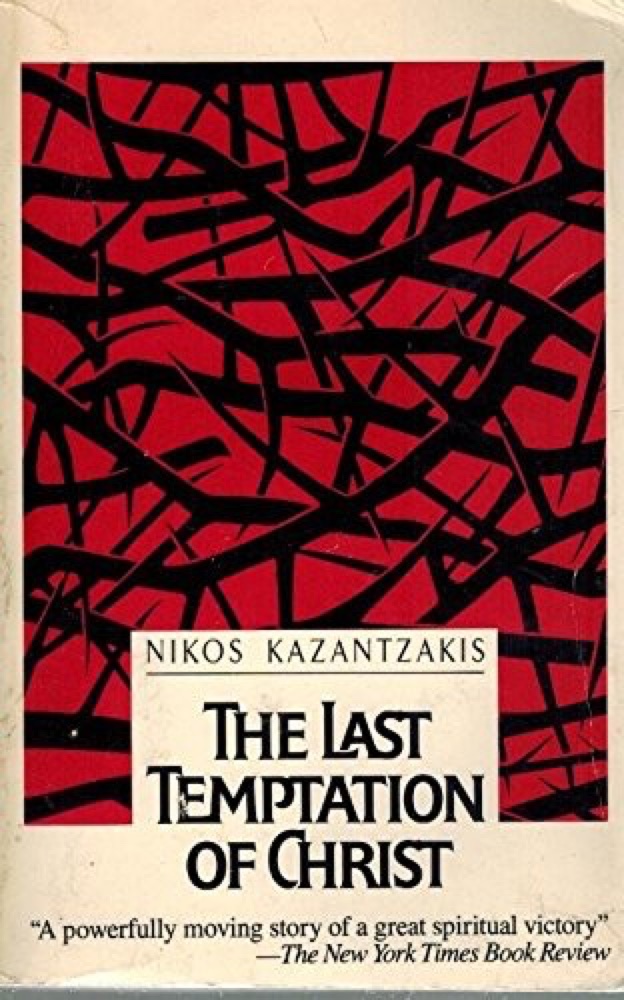 The Last Temptation of Christ
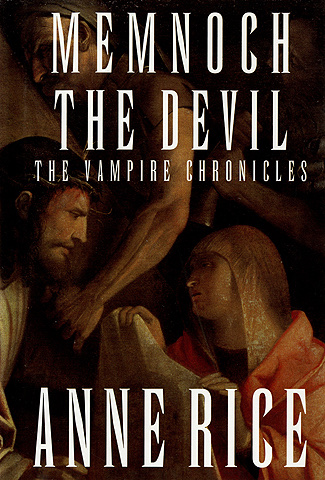 Memnoch the Devil
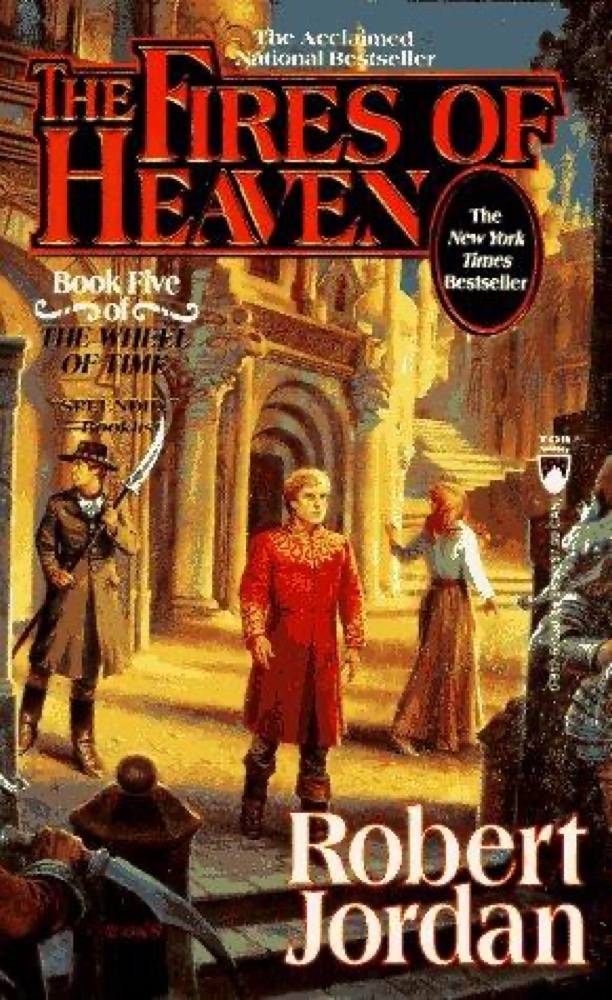 The Fires of Heaven
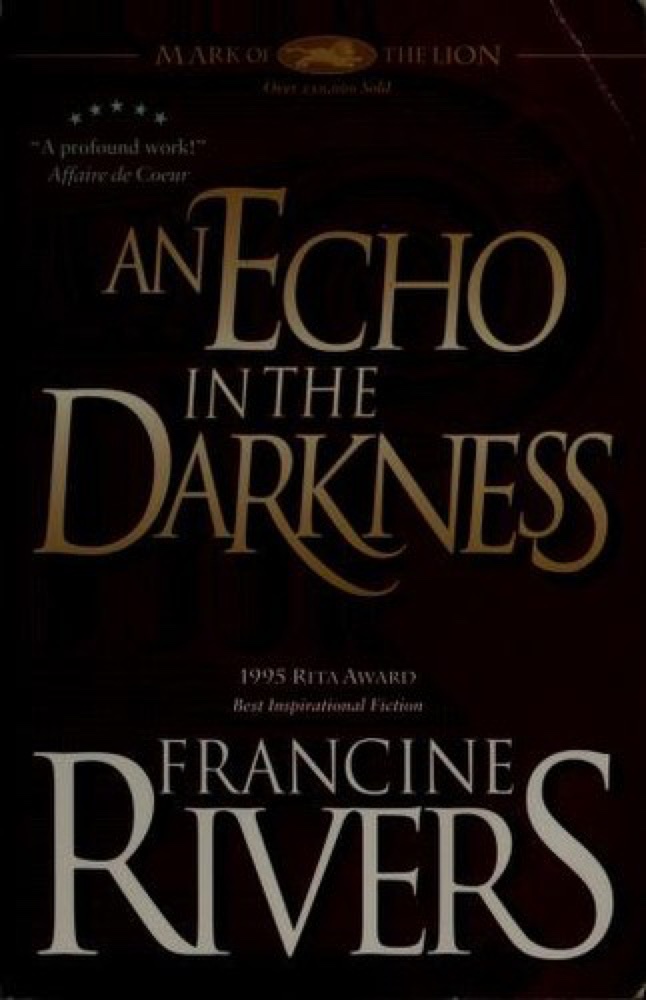 An Echo in the Darkness
 Nightwood
 Red Sister
 The Curse of Chalion
 A Voice in the Wind
 Children of God
 The Gargoyle
 The Tale of the Body Thief
 Lord Jim
 Measure for Measure
 Mother Night
 Lilith
 Red Country
 King Lear
 Paradise Lost
 The Power and the Glory
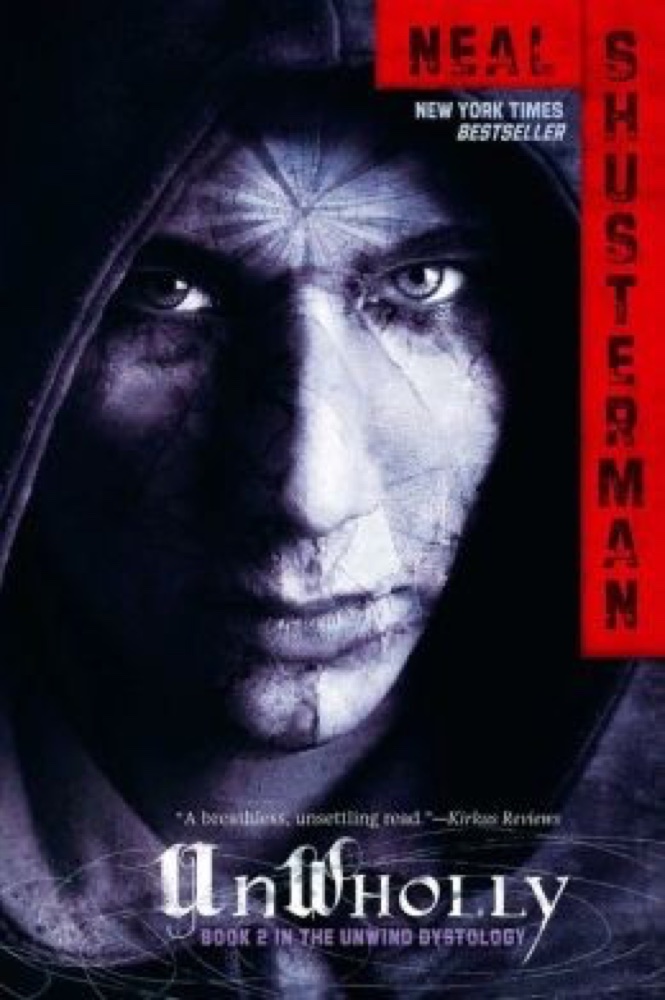 UnWholly
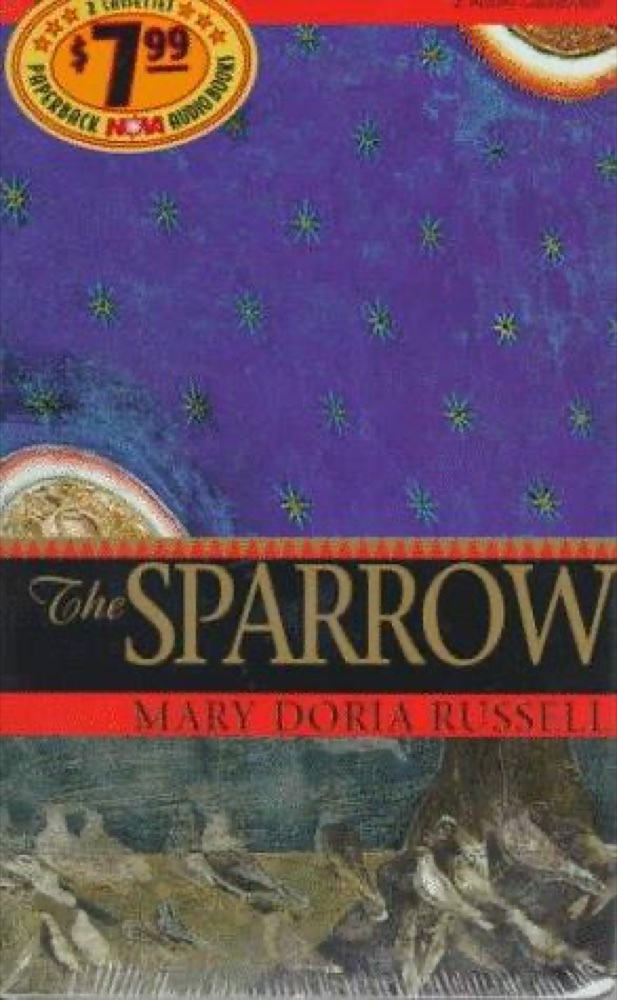 The Sparrow
 The Isle of Blood
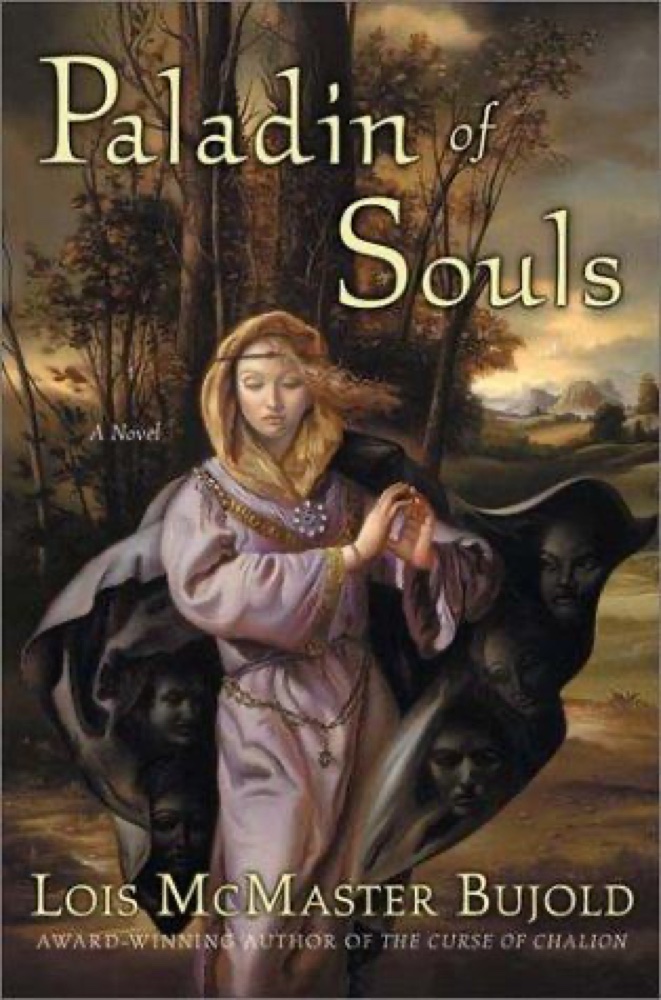 Paladin of Souls
 The Crimson Petal and the White
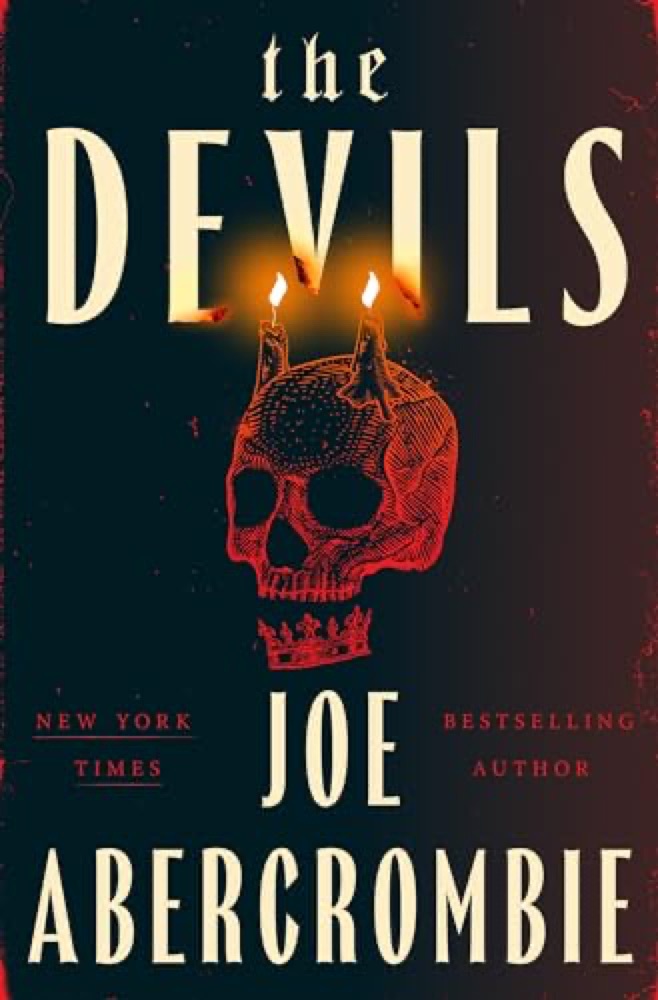 The Devils
 Shirley
 Sheever's Journal, Diary of a Poison Master
 The Burning World
 The Gadfly
 The Merchant of Venice
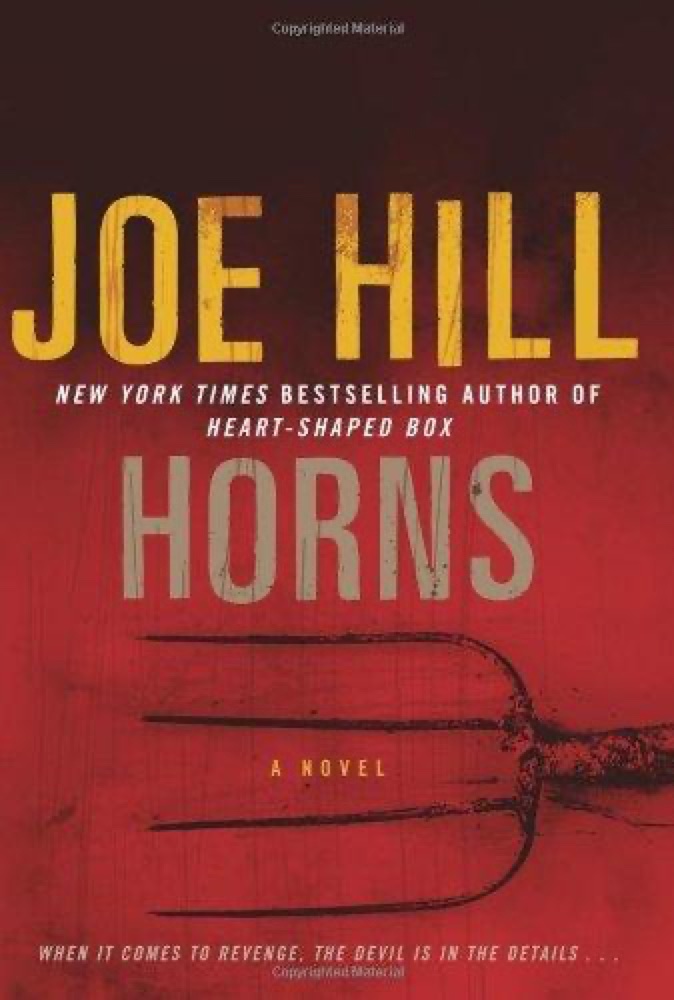 Horns
Horns
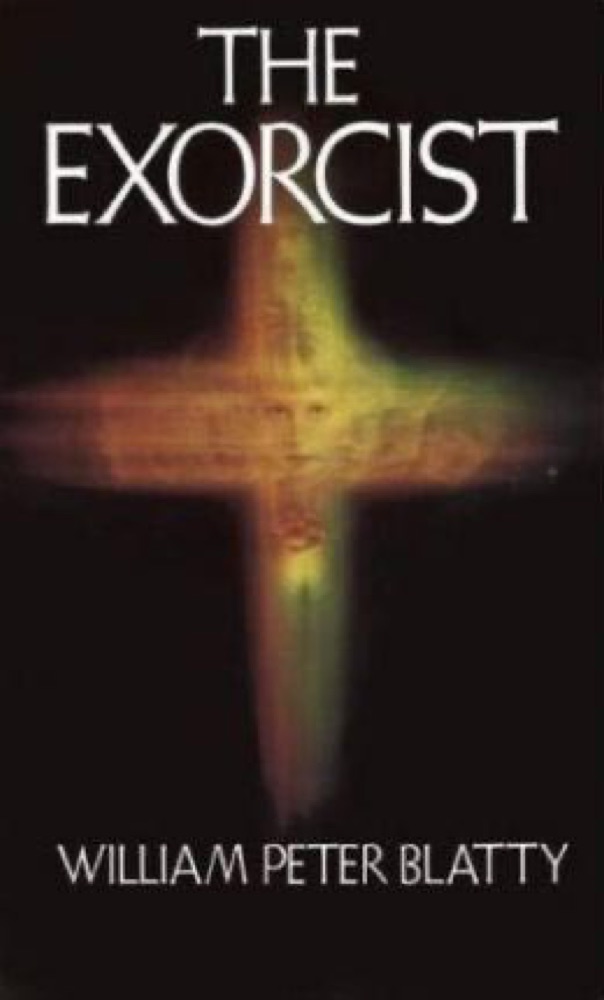 The Exorcist
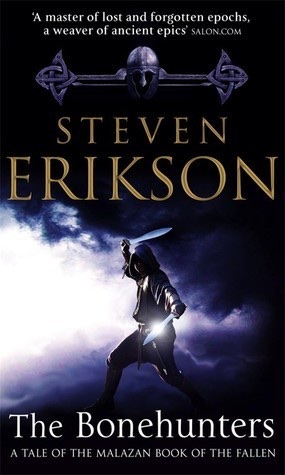 The Bonehunters
 The Dark Divine
 Ivanhoe
 The Oresteia
 Shadow's Edge
 The Broken Eye
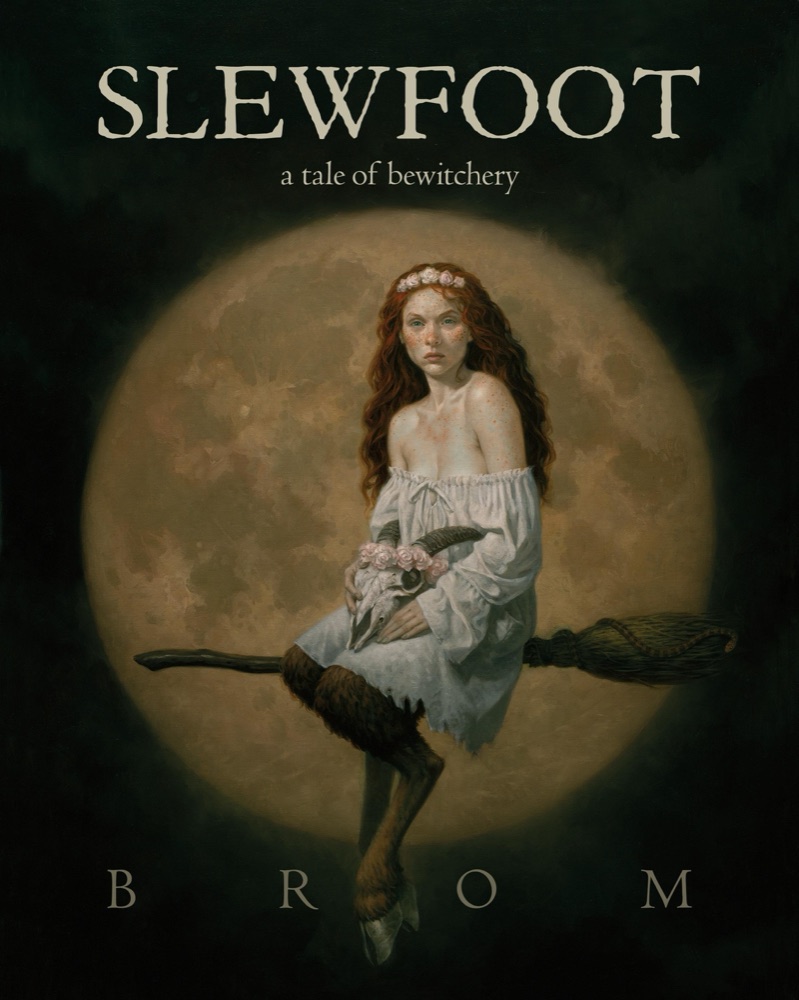 Slewfoot: A Tale of Bewitchery
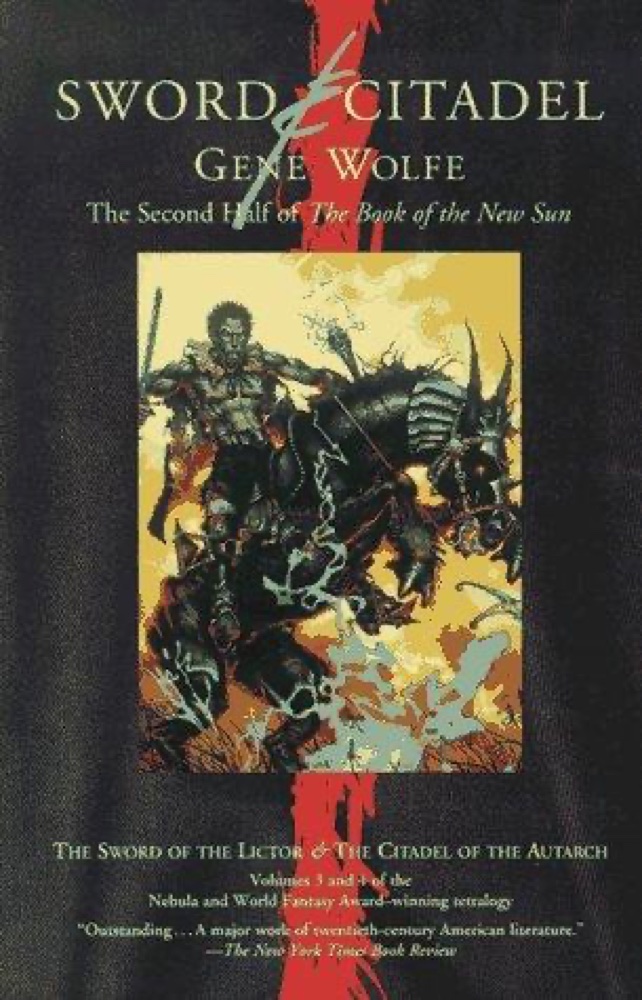 Sword & Citadel
 His Dark Materials
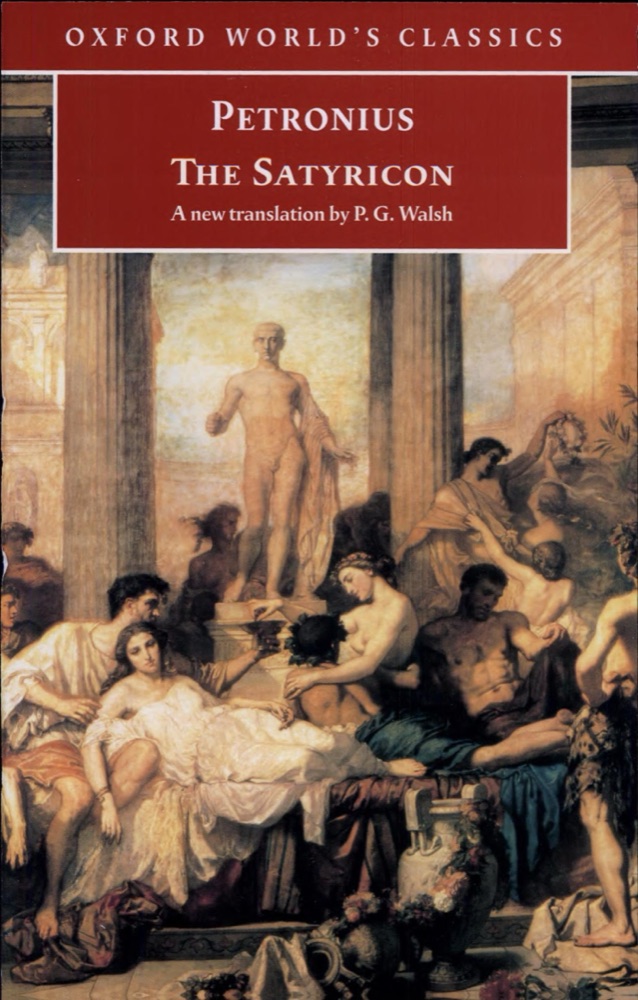 The Satyricon
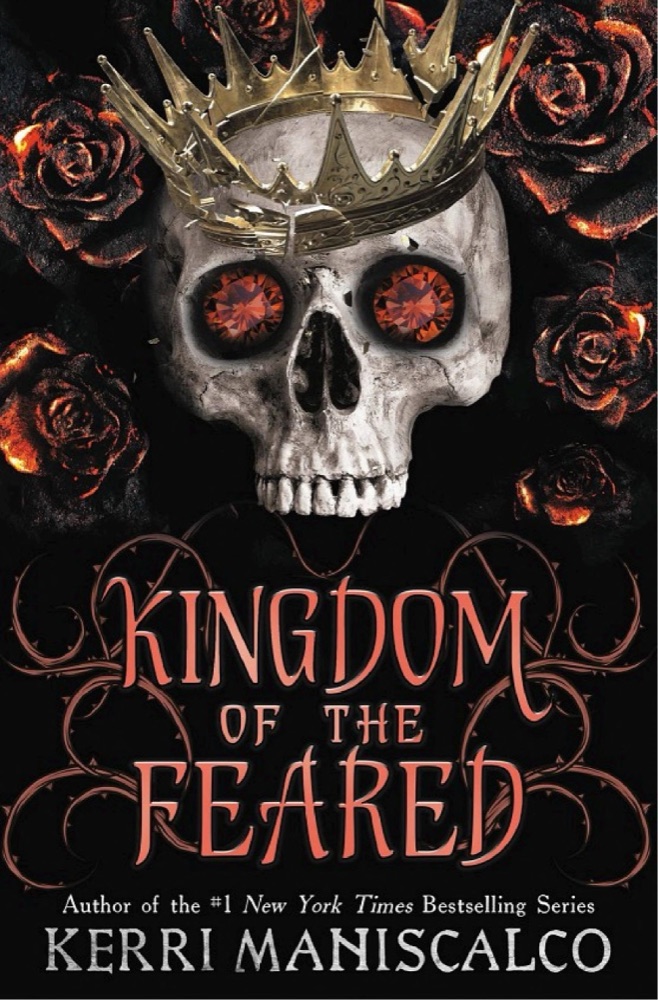 Kingdom of the Feared
 The Oedipus Cycle: Oedipus Rex/Oedipus at Colonus/Antigone
 Toll the Hounds
 I, Lucifer
 Henderson the Rain King
 Bring Up the Bodies
 The Heretic's Daughter
 Soul of the Fire
 Grave Mercy
 Shadow of the Almighty: The Life and Testament of Jim Elliot
 Purgatorio