
 The Taming of the Shrew
Quotes from the Book
O, beware, my lord, of jealousy; It is the green-ey'd monster, which doth mock The meat it feeds on.
For she had eyes and chose me.
Men in rage strike those that wish them best.
The robb'd that smiles, steals something from the thief; He robs himself that spends a bootless grief.
Reputation is an idle and most false imposition; oft got without merit, and lost without deserving.(Iago, Act II, scene iii)
But I will wear my heart upon my sleeve For daws to peck at: I am not what I am.
I would not put a thief in my mouth to steal my brains.
Good name in man and woman, dear my lord, Is the immediate jewel of their souls: Who steals my purse steals trash; ’tis something, nothing; ’twas mine, ’tis his, and has been slave to thousands; But he that filches from me my good name Robs me of that which not enriches him, And makes me poor indeed.
She lov'd me for the dangers I had pass'd, And I lov'd her that she did pity them
How poor are they that have not patience! What wound did ever heal but by degrees? Iago
Tis in ourselves that we are thus or thus. Our bodies are our gardens to the which our wills are gardeners.
Men should be what they seem.
O, beware, my lord, of jealousy; It is the green-ey'd monster, which doth mock The meat it feeds on. That cuckold lives in bliss, Who, certain of his fate, loves not his wronger: But O, what damnèd minutes tells he o'er Who dotes, yet doubts, suspects, yet strongly loves! (Act 3, scene 3, 165–171)
Rude am I in my speech, And little blessed with the soft phrase of peace.
Excellent wretch! Perdition catch my soul But I do love thee! and when I love thee not, Chaos is come again.
Tis within ourselves that we are thus or thus
I kissed thee ere I killed thee. No way but this, Killing myself, to die upon a kiss.
It is silliness to live when to live is torment, and then have we a prescription to die when death is our physician.
I hold my peace, sir? no; No, I will speak as liberal as the north; Let heaven and men and devils, let them all, All, all, cry shame against me, yet I'll speak.
And his unkindness may defeat my life, But never taint my love.
If after every tempest come such calms, May the winds blow till they have waken'd death!
So will I turn her virtue into pitch, And out of her own goodness make the net That shall enmesh them all.
Were I the Moor I would not be Iago. In following him I follow but myself; Heaven is my judge, not I for love and duty, But seeming so for my peculiar end. For when my outward action doth demonstrate The native act and figure of my heart In compliment extern, ’tis not long after But I will wear my heart upon my sleeve For daws to peck at. I am not what I am
I pray you, in your letters, When you shall these unlucky deeds relate, Speak of me as I am; nothing extenuate, Nor set down aught in malice. Then must you speak Of one that loved not wisely but too well; Of one not easily jealous, but being wrought, Perplexed in the extreme. . .
what cannot be saved when fate takes, patience her injury a mockery makes
Trifles light as air are to the jealous confirmations strong as proofs of holy writ.
And what’s he then that says I play the villain?
O God, that men should put an enemy in their mouths to steal away their brains!" - Cassio (Act II, Scene iii)
Did you know?
- Shakespeare's main source was a novella by Cinthio (Giovanni Battista Giraldi) in his 1565 collection Gli Hecatommithi.
- The play was written around 1603 and its earliest documented performance was in 1604.
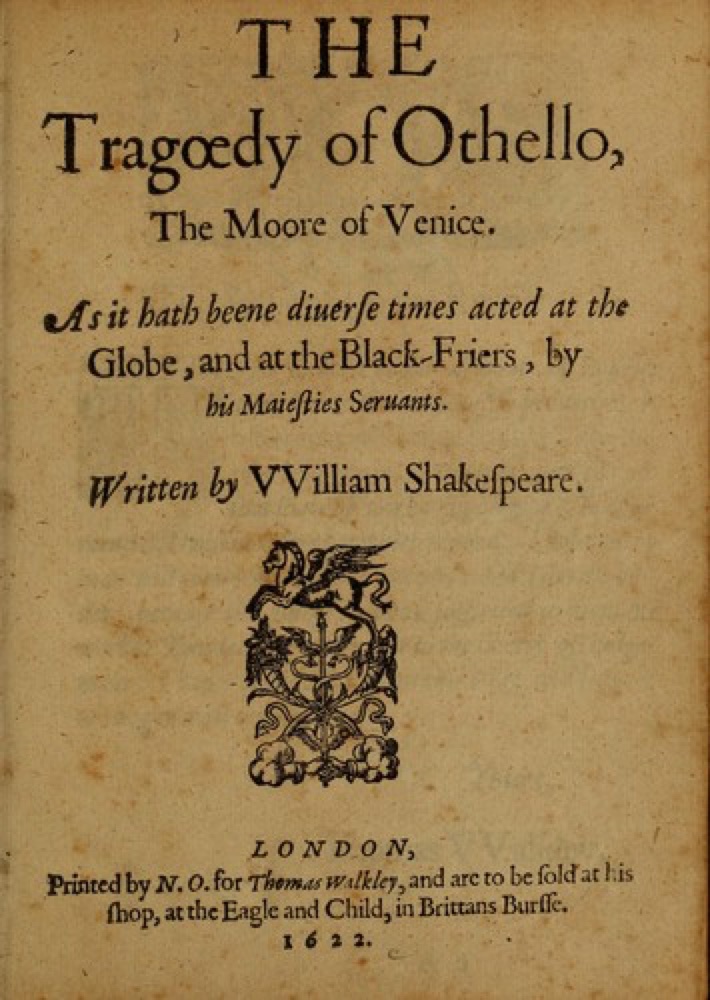
- It was not published in Shakespeare's lifetime, first appearing in a 1622 quarto and then in the 1623 First Folio.
- Giuseppe Verdi turned the play into his opera Otello, which premiered at La Scala, Milan, on 5 February 1887.
- The 1965 film version is the only Shakespeare film adaptation in which all four lead roles received Oscar nominations.
- A handkerchief serves as the play's crucial symbolic prop in Iago's scheme.
About William Shakespeare
William Shakespeare (1564-1616) was an English playwright, poet and actor, widely regarded as the greatest writer in the English language. Based in London, he wrote some 38 plays and 154 sonnets, including the tragedies Hamlet, King Lear, Macbeth and Othello.
More about the author →More by William Shakespeare
All books by William Shakespeare →
About the book
"Othello" is a tragedy by William Shakespeare, written around 1603 and first performed in 1604. Set in Venice and on the island of Cyprus, it follows Othello, a respected Moorish general in the Venetian military, who has secretly married Desdemona, the daughter of a Venetian senator. His trusted ensign Iago, embittered at being passed over for promotion, sets out to destroy him. Through insinuation, staged encounters, and a planted handkerchief, Iago poisons Othello's mind with false evidence of Desdemona's infidelity with the lieutenant Cassio.
Consumed by jealousy that Iago carefully cultivates, Othello is driven to murder his innocent wife before the deception is exposed. The play explores jealousy, manipulation, trust and betrayal, and the outsider's precarious place in a suspicious society, with race and racism running through Othello's status as a Moor among Venetians. Iago stands as one of Shakespeare's most studied villains, his shifting and ambiguous motives a subject of enduring critical debate.
Drawn from a novella in Cinthio's "Gli Hecatommithi" (1565), "Othello" was not printed in Shakespeare's lifetime, appearing first in a 1622 quarto and again in the 1623 First Folio. It has remained among the most performed and adapted of Shakespeare's tragedies, inspiring Giuseppe Verdi's opera "Otello" (1887) and numerous acclaimed stage and screen versions across the centuries.
Key characters
- OthelloA Moorish general in the Venetian army; the tragic protagonist
- DesdemonaOthello's wife and daughter of the senator Brabantio
- IagoOthello's ensign and the play's manipulative villain
- CassioOthello's lieutenant, falsely implicated by Iago
- EmiliaIago's wife and Desdemona's attendant
- RoderigoA Venetian gentleman in love with Desdemona, used by Iago
- BrabantioA Venetian senator and Desdemona's father
- BiancaCassio's lover
Book details
- First published
- 1622
- Author
- William Shakespeare
- Genre
- Classics
- Goodreads rating
- 3.89 (445k ratings) →
- First line
- “Tush! never tell me.”
Movie & TV adaptations
- IMDb
- IMDb
- IMDb
- IMDb
Keep reading
 Much Ado About Nothing
 Twelfth Night
 King Lear
 The Spanish Tragedy
 Don Juan
 Ivanhoe
 Faust
Faust
 Medea
Medea
 Our Mutual Friend
 Shirley
 The Satyricon
 Don Quixote
 The White Devil
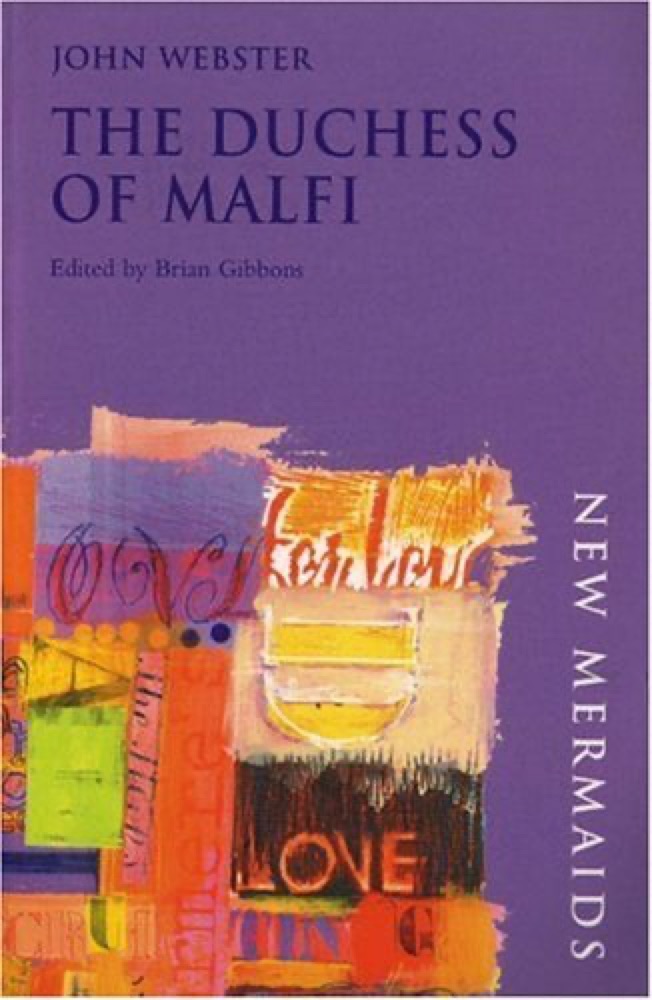 The Duchess of Malfi
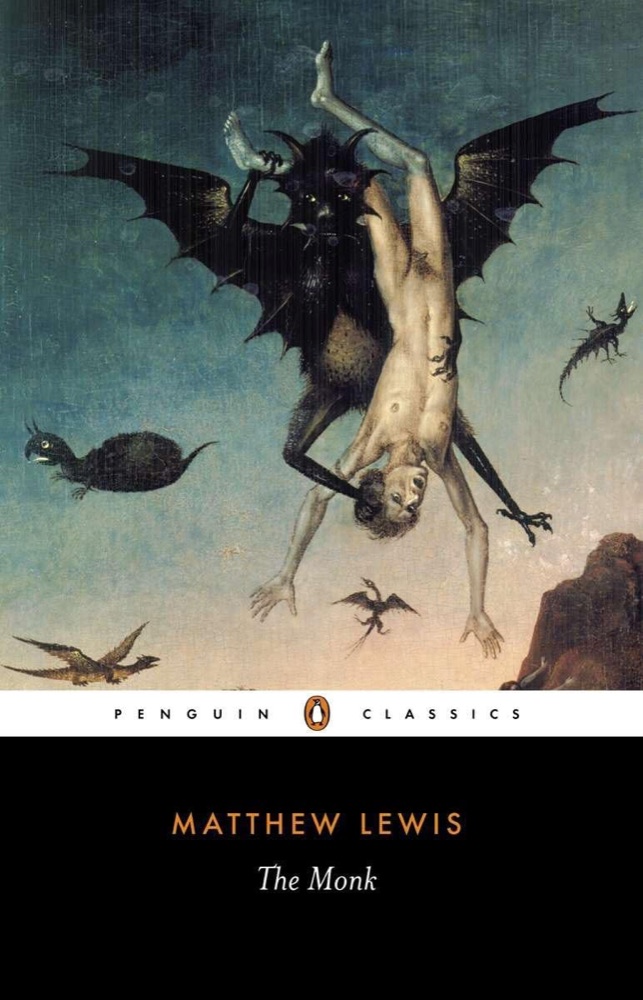 The Monk
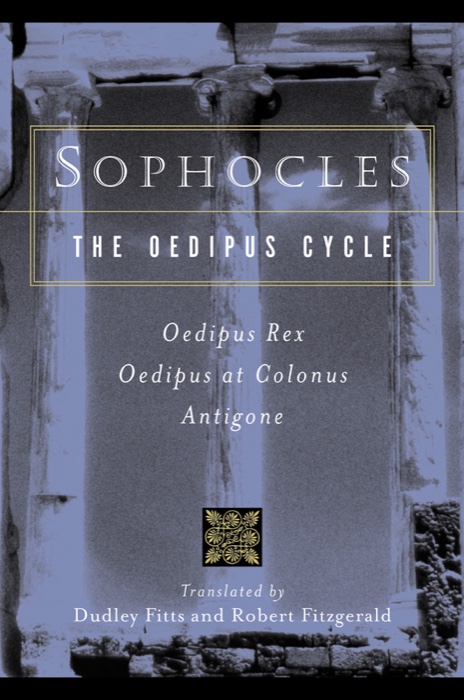 The Oedipus Cycle: Oedipus Rex/Oedipus at Colonus/Antigone
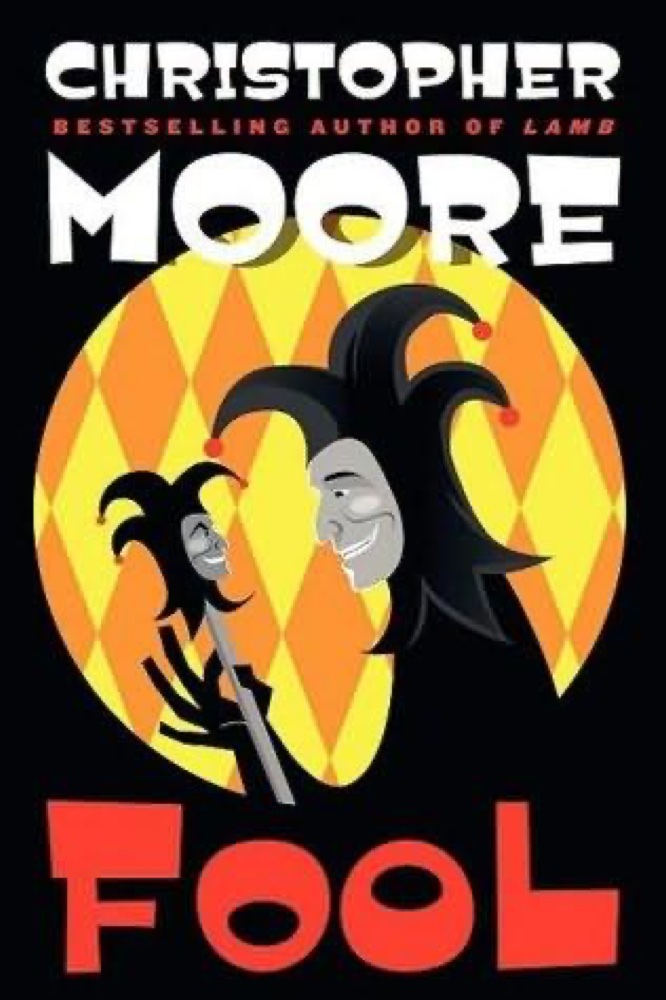 Fool
Fool
 Sheever's Journal, Diary of a Poison Master
 No Exit and Three Other Plays
 Jude the Obscure
 Paladin of Souls
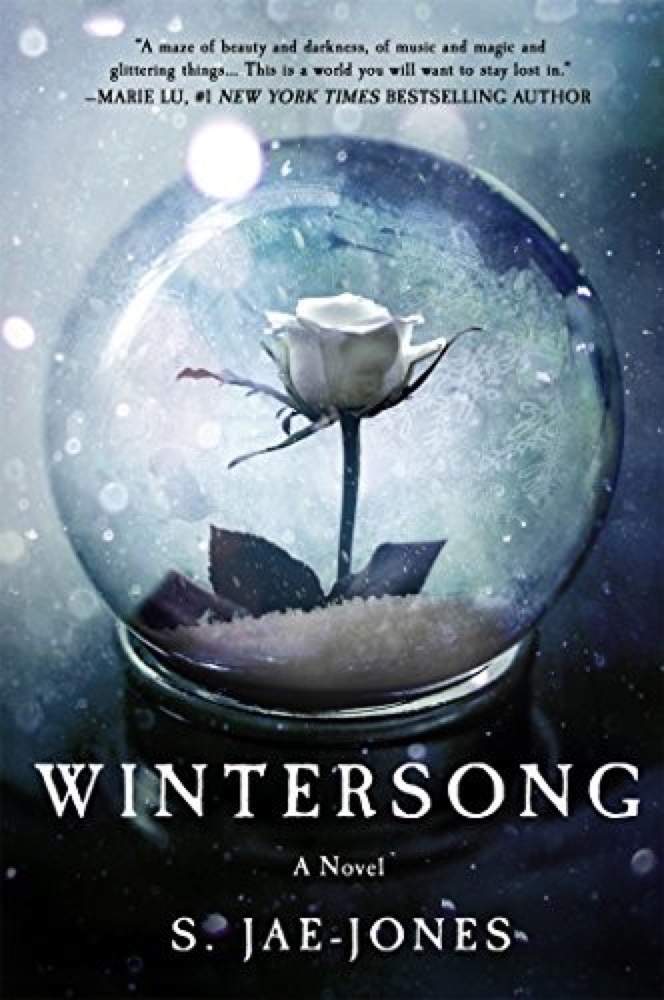 Wintersong
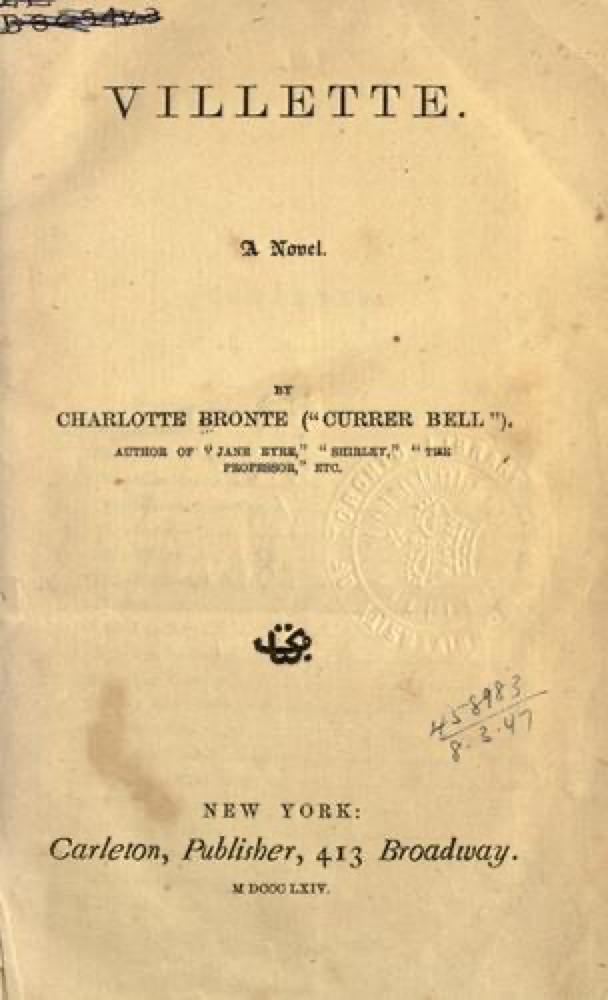 Villette
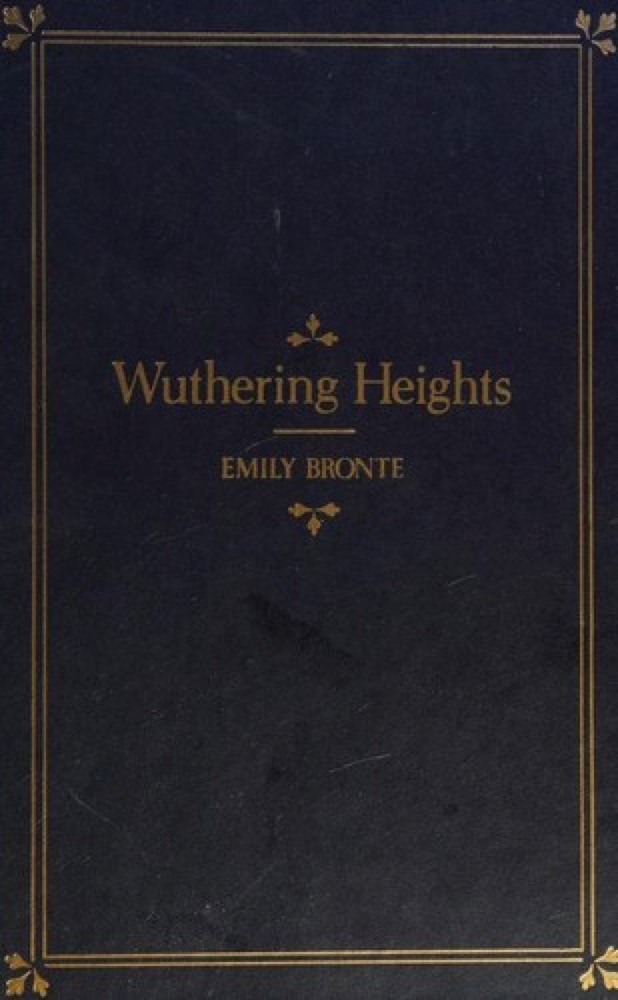 Wuthering Heights
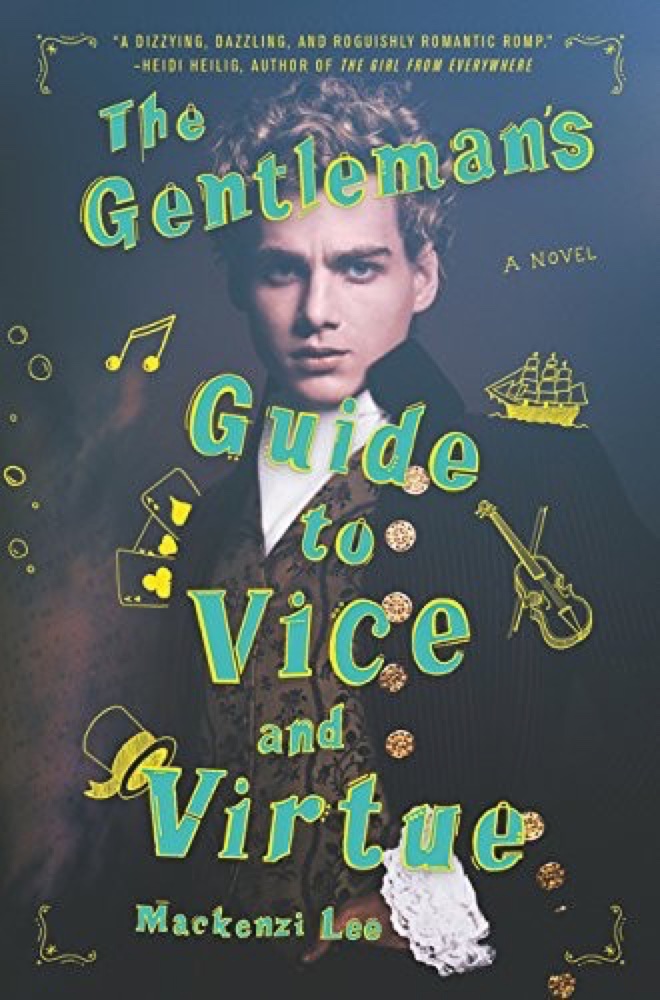 The Gentleman's Guide to Vice and Virtue
 Pride and Prejudice
 Twenty Years After
 The Knight and the Moth
 Kingdom of the Cursed
 The Daughters' War
 The Gadfly
 Juliet
 The Man in the Iron Mask
 Oedipus Rex
 The Misanthrope
 Wives and Daughters
 Will in the World: How Shakespeare Became Shakespeare
 Empire of the Vampire
 Violet Made of Thorns
 The Shadow Rising
 A Perilous Undertaking
 Great Expectations
 Cyrano de Bergerac
 Grave Mercy
 The Cruel Prince
 The Broken Eye
 The White Queen
 The Girl of Fire and Thorns
 The Red and the Black
 The Tenant of Wildfell Hall
 The Bitter Kingdom
 North and South
 Antigone
 Mortal Heart
 The Virginian
 Moby-Dick
 Seraphina
 The Arabian Nights
 Poems and Songs
 Lord of Chaos