
 Othello
Quotes from the Book
Love looks not with the eyes, but with the mind, And therefore is winged Cupid painted blind.
Though she be but little, she is fierce!
Lord, what fools these mortals be!
The course of true love never did run smooth.
And yet,to say the truth, reason and love keep little company together nowadays.
Lovers and madmen have such seething brains, Such shaping fantasies, that apprehend More than cool reason ever comprehends. The lunatic, the lover and the poet Are of imagination all compact: One sees more devils than vast hell can hold, That is, the madman: the lover, all as frantic, Sees Helen's beauty in a brow of Egypt: The poet's eye, in fine frenzy rolling, Doth glance from heaven to earth, from earth to heaven; And as imagination bodies forth The forms of things unknown, the poet's pen Turns them to shapes and gives to airy nothing A local habitation and a name.
My soul is in the sky.
The lunatic, the lover, and the poet, are of imagination all compact.
If we shadows have offended, Think but this, and all is mended, That you have but slumbered here While these visions did appear. And this weak and idle theme, No more yielding but a dream, Gentles, do not reprehend: If you pardon, we will mend: And, as I am an honest Puck, If we have unearned luck Now to 'scape the serpent's tongue, We will make amends ere long; Else the Puck a liar call; So, good night unto you all. Give me your hands, if we be friends, And Robin shall restore amends.
Are you sure/That we are awake? It seems to me/That yet we sleep, we dream
I know a bank where the wild thyme blows, Where oxlips and the nodding violet grows, Quite over-canopied with luscious woodbine, With sweet musk-roses and with eglantine.
I’ll follow thee and make a heaven of hell, To die upon the hand I love so well.
Lovers and madmen have such seething brains Such shaping fantasies, that apprehend More than cool reason ever comprehends.
O, when she's angry, she is keen and shrewd! She was a vixen when she went to school; And though she be but little, she is fierce.
Love's stories written in love's richest books. To fan the moonbeams from his sleeping eyes.
So we grew together, Like to a double cherry, seeming parted, But yet an union in partition, Two lovely berries moulded on one stem.
Thus I die. Thus, thus, thus. Now I am dead, Now I am fled, My soul is in the sky. Tongue, lose thy light. Moon take thy flight. Now die, die, die, die.
I have had a most rare vision. I have had a dream, past the wit of man to say what dream it was.
And sleep, that sometime shuts up sorrow's eye, Steal me awhile from mine own company.
For you, in my respect, are all the world. Then how can it be said I am alone When all the world is here to look on me?
Things base and vile, holding no quantity, Love can transpose to form and dignity. Love looks not with the eyes, but with the mind, And therefore is winged Cupid painted blind. Nor hath Love's mind of any judgment taste; Wings and no eyes figure unheedy haste.
Oh why rebuke you him that loves you so? / Lay breath so bitter on your bitter foe.
If we shadows have offended, Know but this and all is mended. That you have but slumbered here, While these visions did appear, And this weak and idle theme, No more yielding, but a dream.
O me, you juggler, you canker-blossom, you thief of love!
Ay me! for aught that ever I could read, could ever hear by tale or history, the course of true love never did run smooth.
Up and down, up and down I will lead them up and down I am feared in field in town Goblin, lead them up and down
Therefore another prologue must tell he is not a lion
Yet but three come one more. Two of both kinds make up four. Ere she comes curst and sad. Cupid is a knavish lad. Thus to make poor females mad.
Did you know?
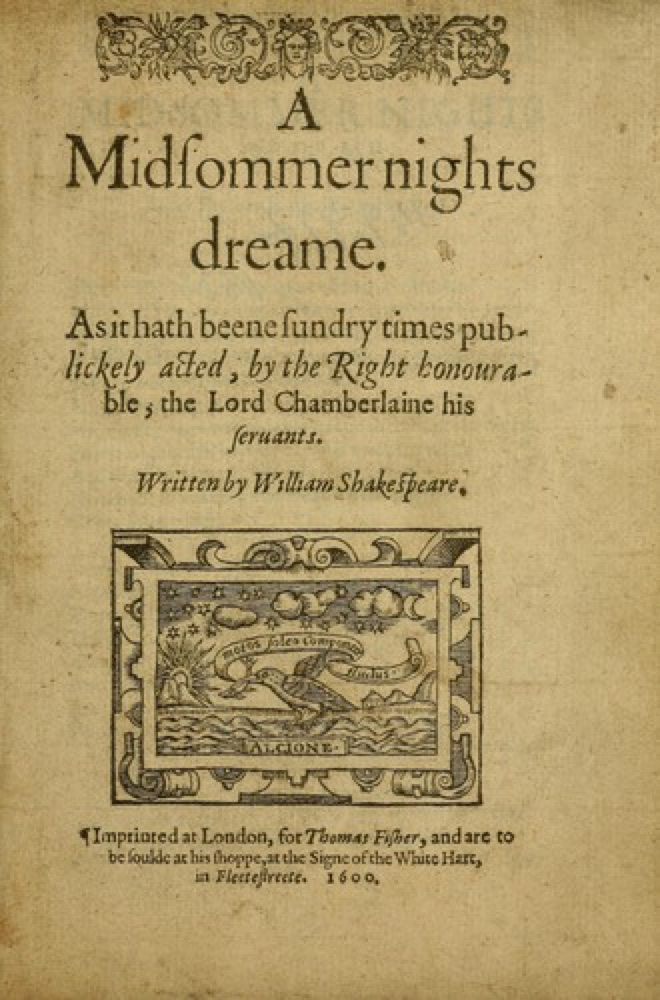
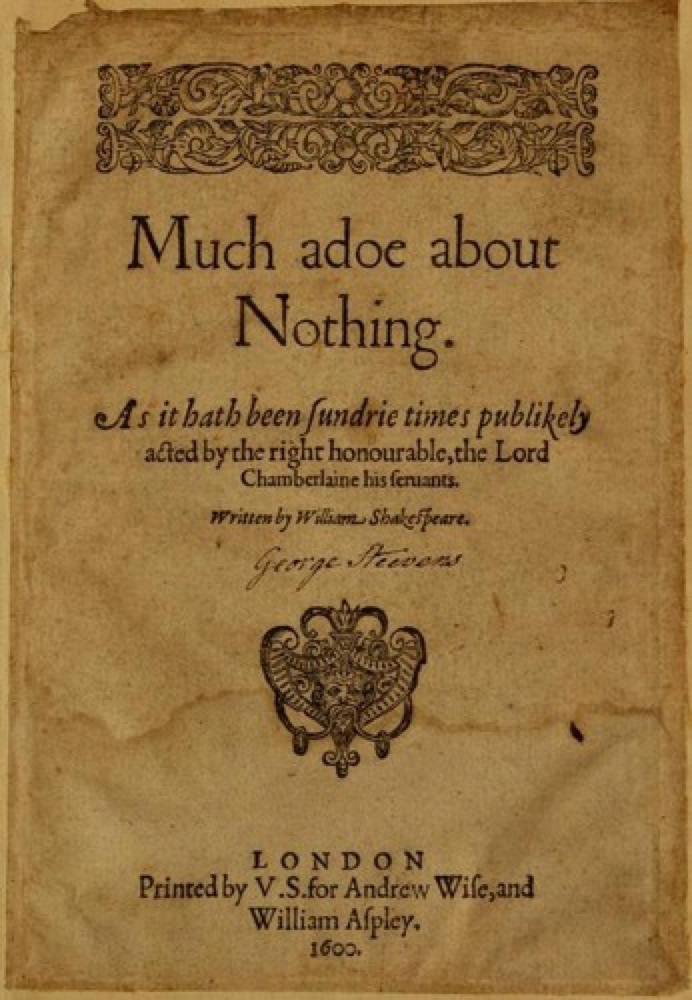
- The play was entered in the Stationers' Register on 8 October 1600 by the bookseller Thomas Fisher, who published the first quarto that year.
- It is usually dated to about 1595 or early 1596 based on topical references in the text.
- The weaver Nick Bottom is transformed so that he has the head of a donkey, and the fairy queen Titania is enchanted into falling in love with him.
- The play features a play-within-a-play, the mechanicals' comic performance of the tragedy of Pyramus and Thisbe.
- Felix Mendelssohn composed celebrated incidental music for the play, including its famous Wedding March.
- The first screen adaptation was Max Reinhardt's 1935 Warner Bros. film, featuring James Cagney and Mickey Rooney.
About William Shakespeare
William Shakespeare (1564-1616) was an English playwright, poet, and actor, widely regarded as the greatest writer in the English language. Based in London and associated with the Lord Chamberlain's Men, he wrote roughly three dozen plays and 154 sonnets.
More about the author →More by William Shakespeare
All books by William Shakespeare →
About the book
A Midsummer Night's Dream is a comedy by William Shakespeare, most likely written around 1595 or 1596 and first printed in a quarto edition in 1600. Set in and around Athens during preparations for the wedding of Duke Theseus and the Amazon queen Hippolyta, the play interweaves several groups of characters: four young Athenians tangled in mismatched love, the king and queen of the fairies, a mischievous sprite named Puck, and a band of amateur actors rehearsing a play. When the lovers flee into an enchanted forest, fairy magic and a misapplied love potion throw their affections into comic disarray before order is finally restored.
The play is one of Shakespeare's most beloved comedies, prized for its interweaving of the mortal and fairy worlds and its blend of lyrical poetry, farce, and romance. Its central concern is the irrational, transformative nature of love and desire, which the text presents as more the offspring of imagination than of reason. Alongside this run recurring motifs of dreams and waking, illusion versus reality, and transformation, embodied most vividly when the weaver Bottom is given a donkey's head and the fairy queen Titania is enchanted into loving him.
Since its early performances the play has remained a staple of the stage and a touchstone of English literature, endlessly revived and reinterpreted. Its imaginative reach has inspired work across the arts, from Felix Mendelssohn's celebrated incidental music to numerous film adaptations. Its comic structure, its play-within-a-play of Pyramus and Thisbe, and its enduring characters such as Puck and Bottom have made it one of the most frequently staged and studied of all Shakespeare's works.
Key characters
- TheseusDuke of Athens, about to marry Hippolyta
- HippolytaQueen of the Amazons and Theseus's betrothed
- HermiaYoung Athenian in love with Lysander
- LysanderYoung Athenian who loves Hermia
- HelenaAthenian woman who loves Demetrius
- DemetriusSuitor to Hermia who later loves Helena
- OberonKing of the fairies
- TitaniaQueen of the fairies
- PuckOberon's mischievous sprite, also called Robin Goodfellow
- Nick BottomWeaver and amateur actor given a donkey's head
Book details
- First published
- 1600
- Author
- William Shakespeare
- Genre
- Classics
- Goodreads rating
- 3.94 (588k ratings) →
- First line
- “Now, fair Hippolyta, our nuptial hour / Draws on apace.”
Movie & TV adaptations
- IMDb
- IMDb
If you liked this, read…
- 1Twelfth NightAnother Shakespeare comedy driven by mistaken affections and disguise.
- 2As You Like ItA Shakespeare comedy in which lovers escape to a magical forest setting.
- 3The TempestA late Shakespeare play blending magic, spirits, and reconciliation.
Keep reading
 The Two Gentlemen of Verona
 Romeo and Juliet
 The Complete Stories and Poems
 Don Juan
 Twelfth Night
 The Collected Poems of W.B. Yeats
 Phantastes
 Shirley
 Les Misérables
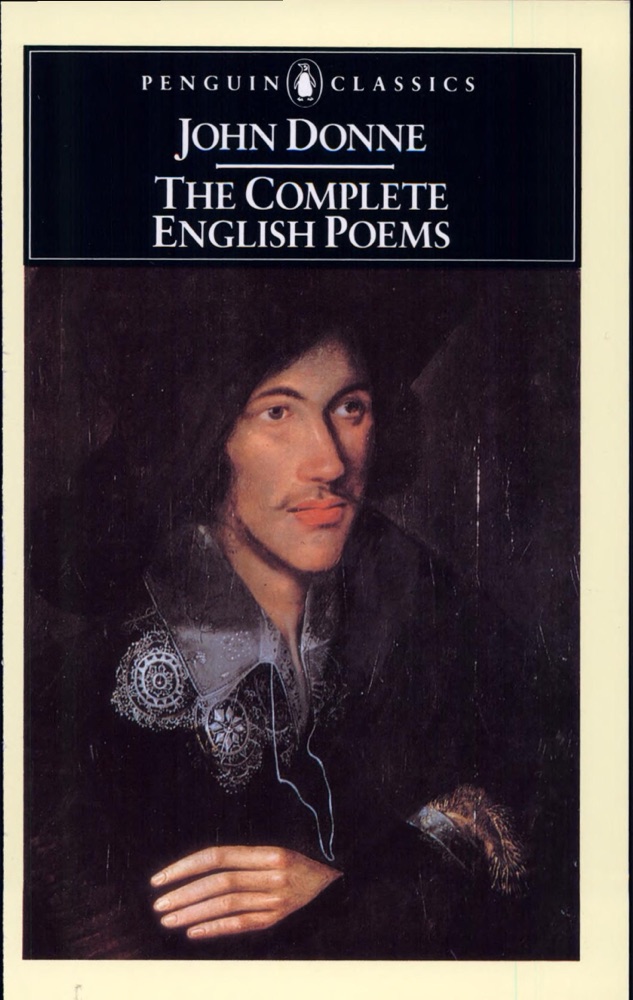 The Complete English Poems
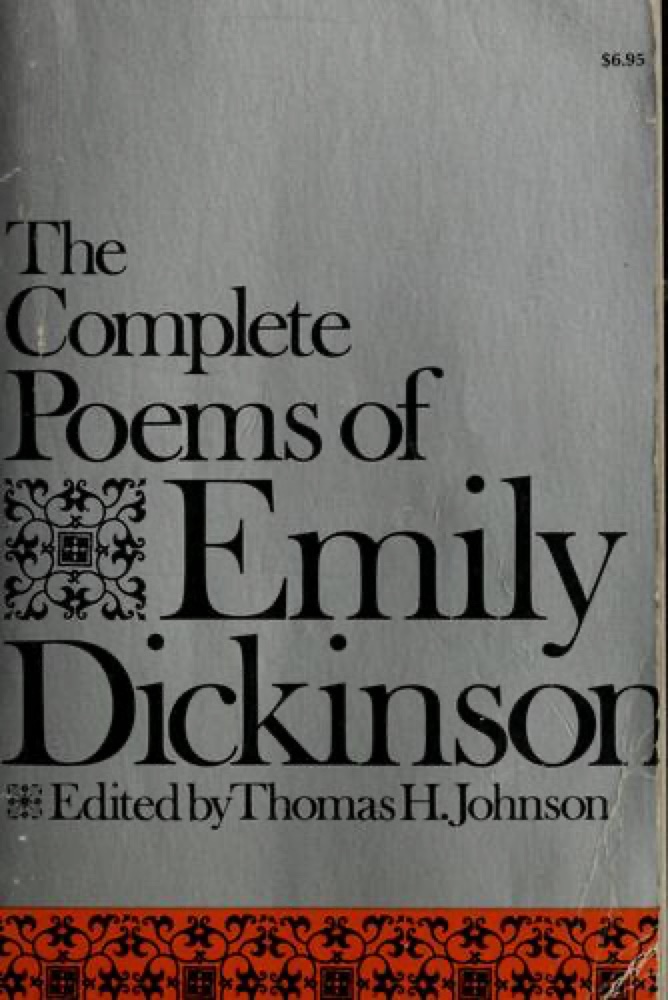 The Complete Poems of Emily Dickinson
 Juliet
 Faust
Faust
 Stardust
 Our Mutual Friend
 The Dream Songs
 Ulysses
 Jude the Obscure
 Lord Jim
 Les Fleurs du Mal
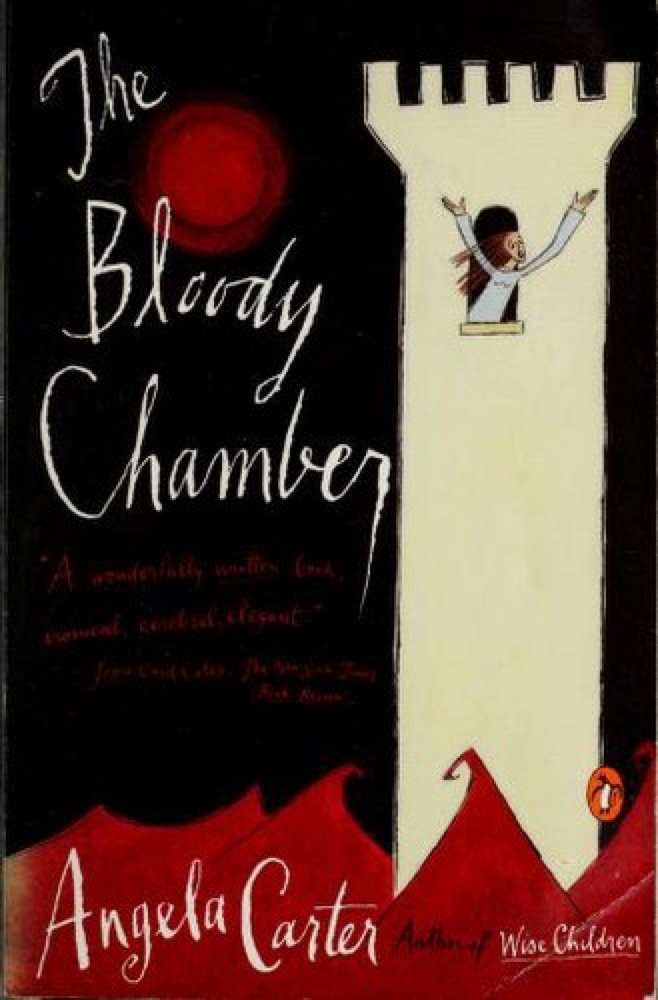 The Bloody Chamber and Other Stories
 Narcissus and Goldmund
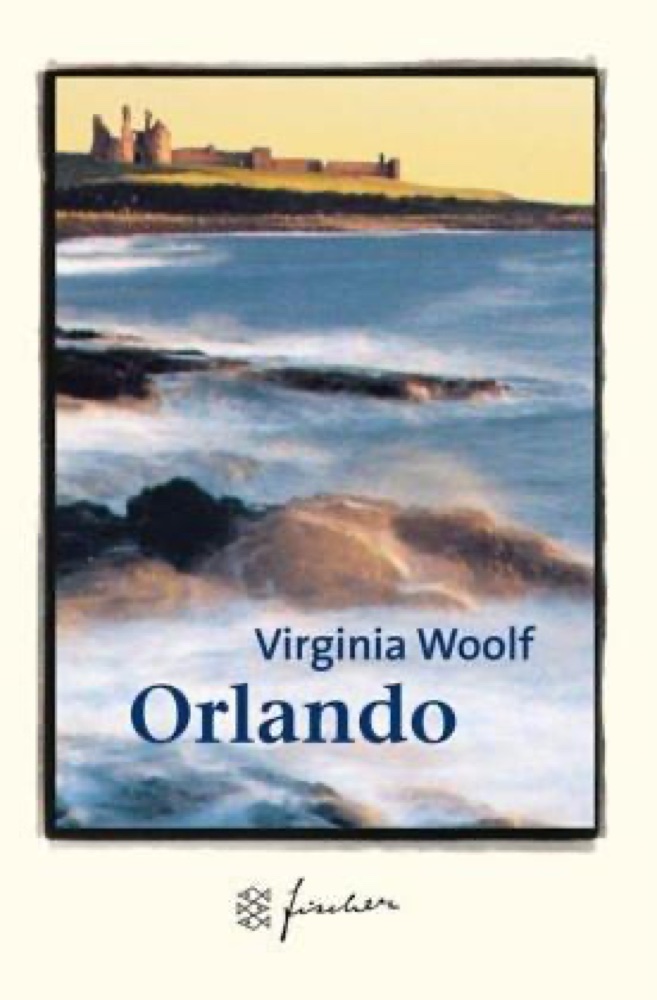 Orlando
 The Return of the Native
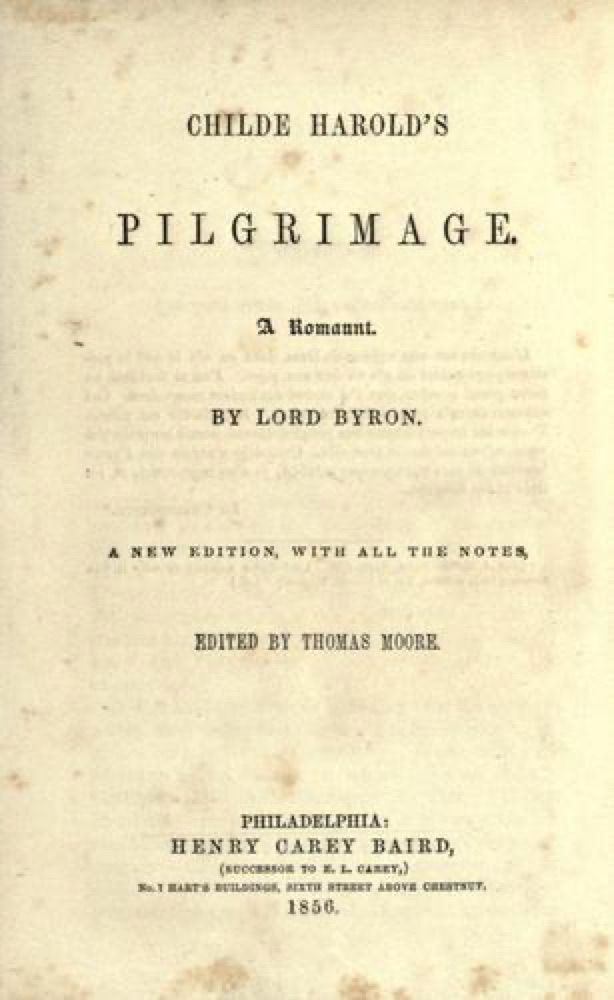 Childe Harold's Pilgrimage
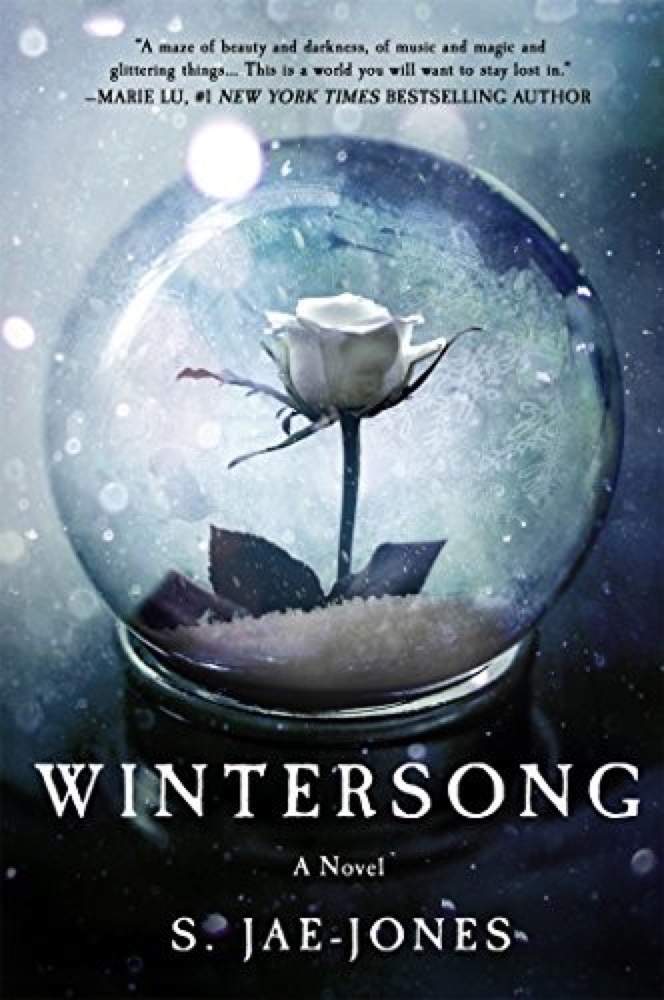 Wintersong
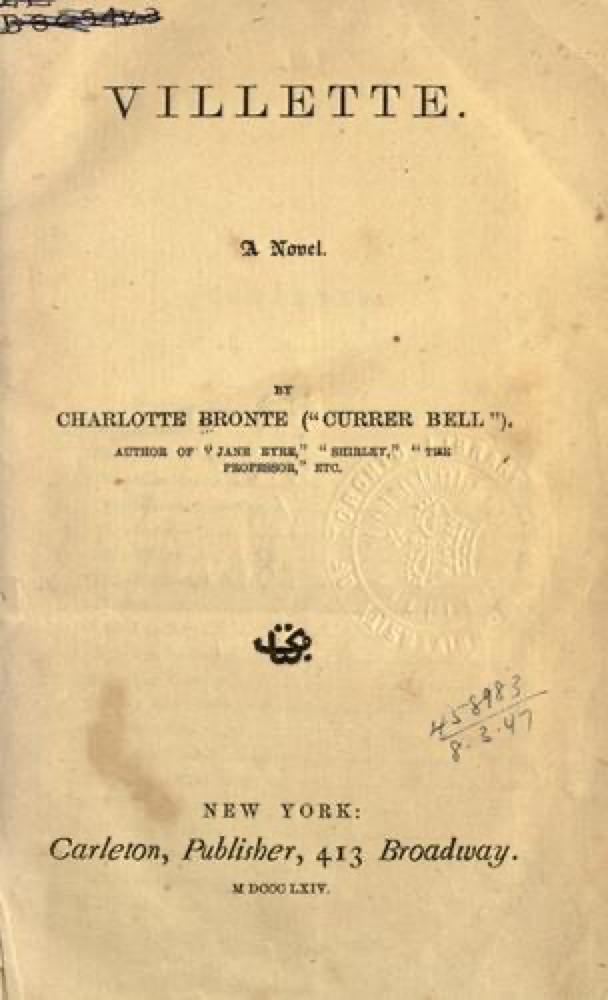 Villette
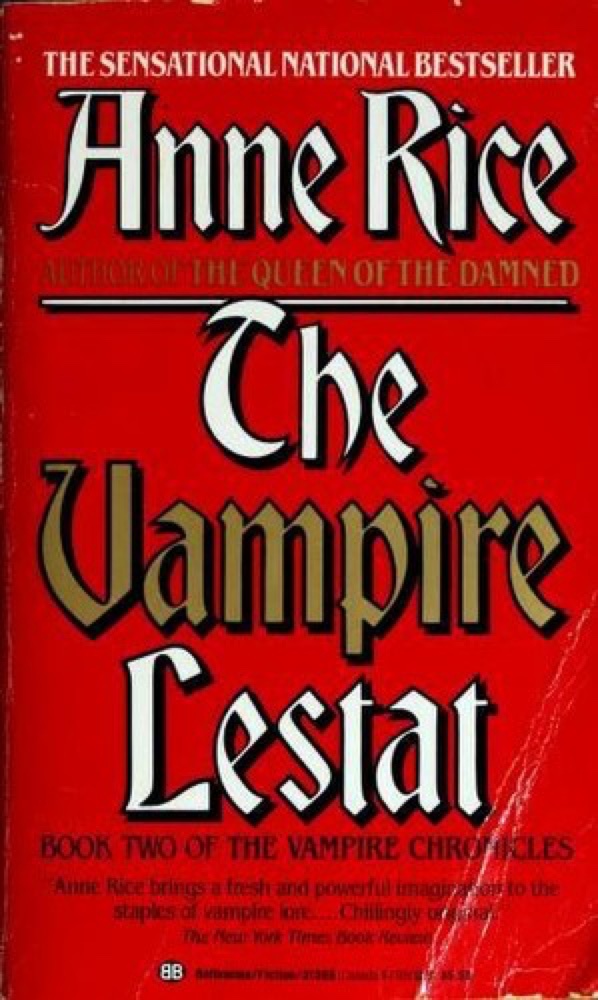 The Vampire Lestat
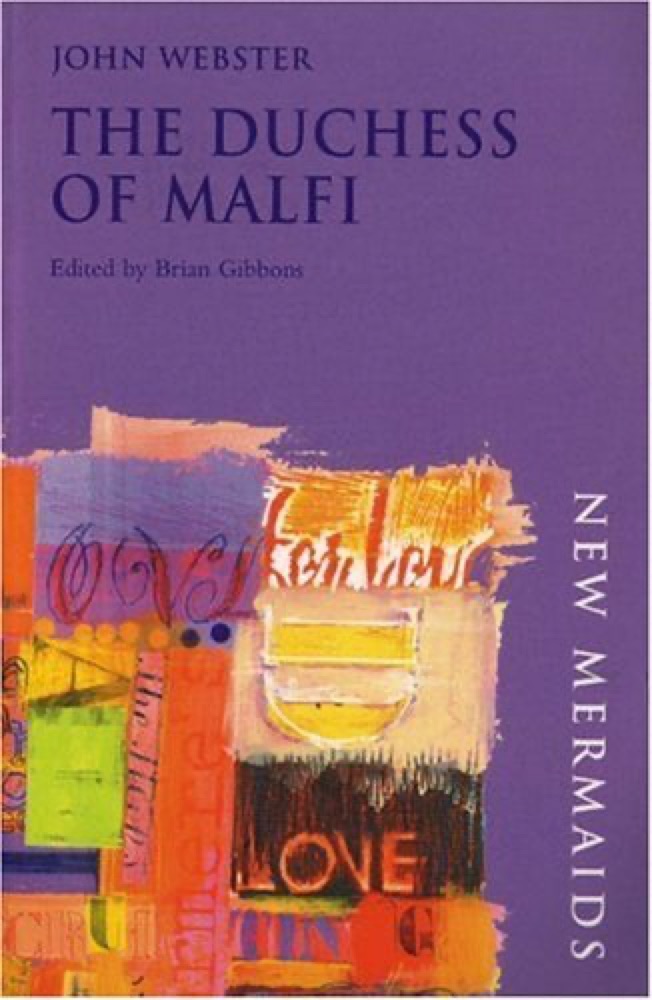 The Duchess of Malfi
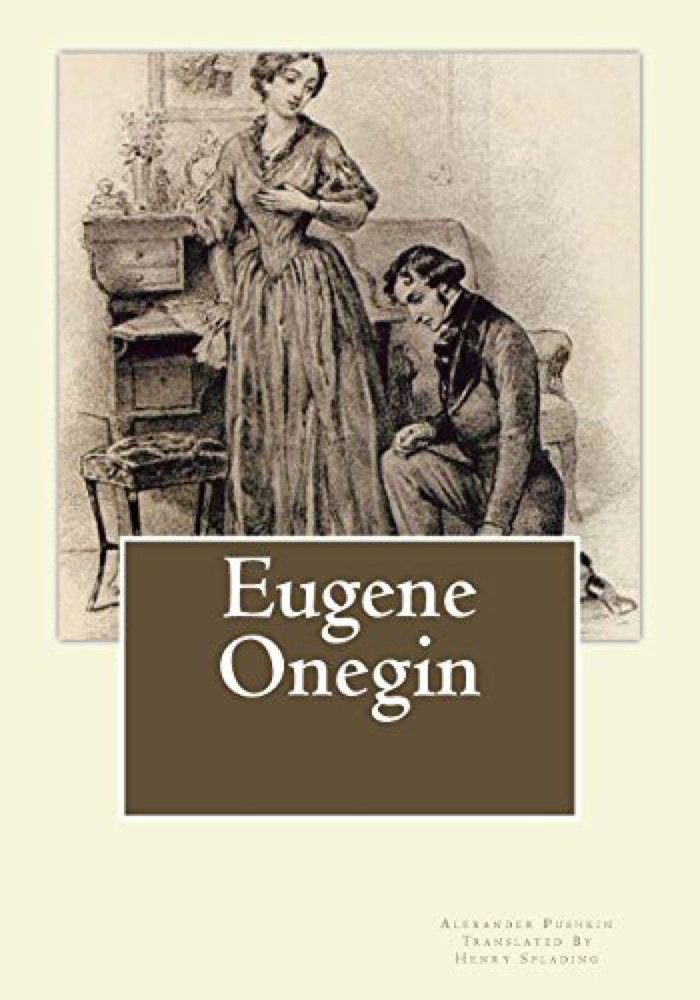 Eugene Onegin
 The Hunchback of Notre-Dame
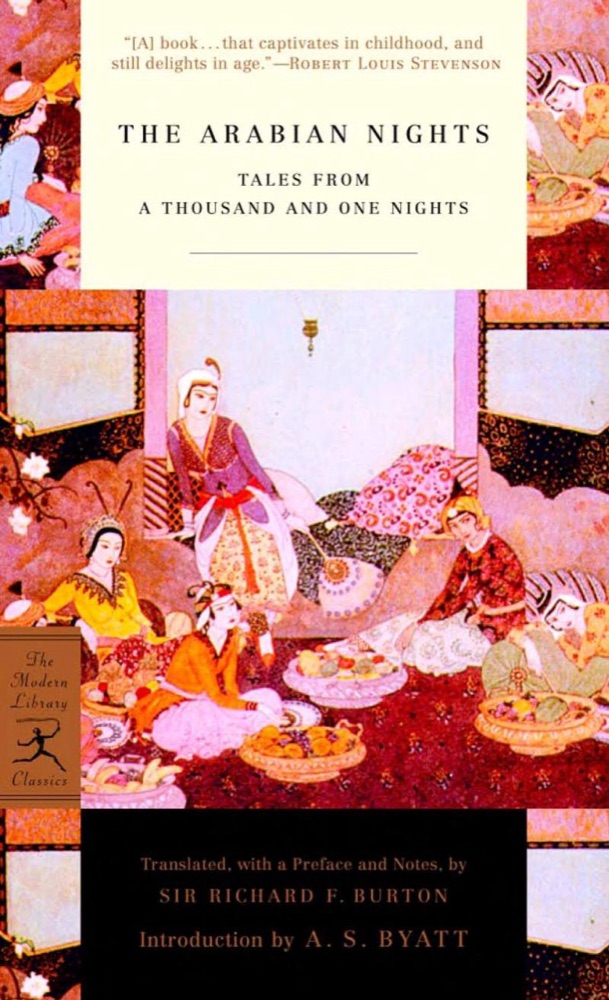 The Arabian Nights
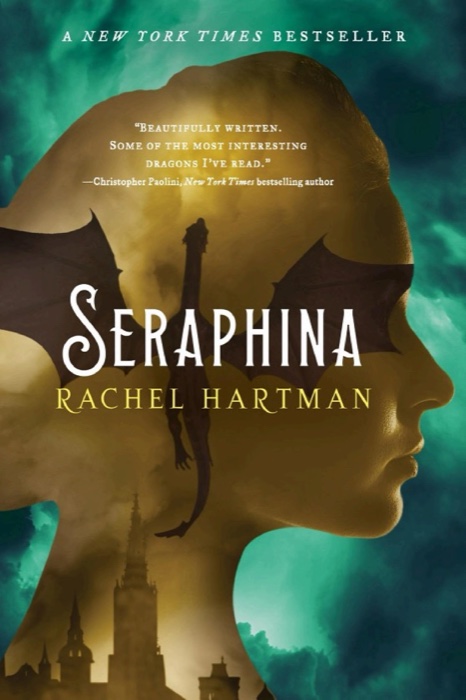 Seraphina
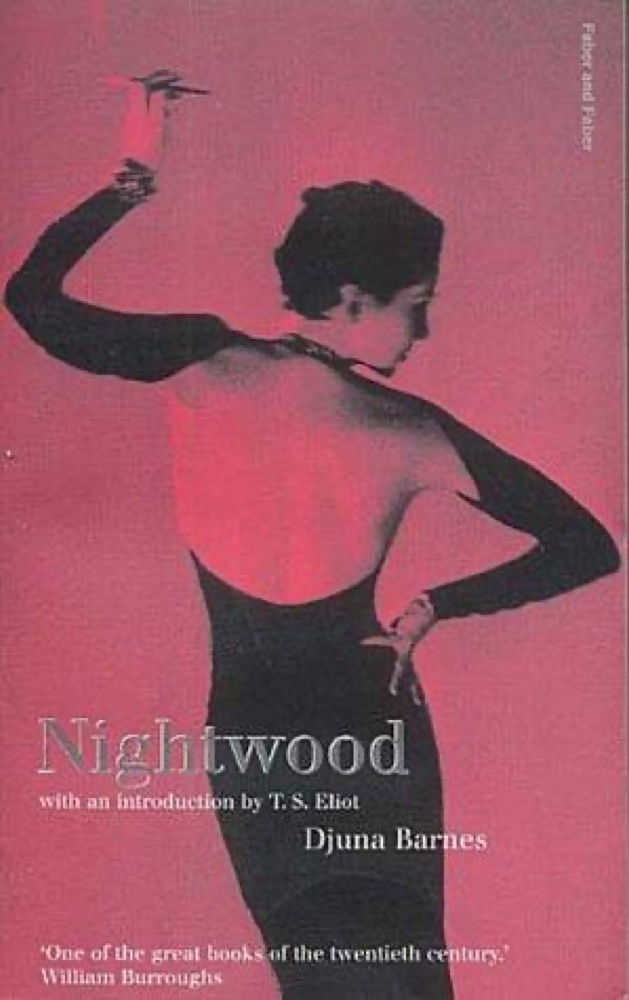 Nightwood
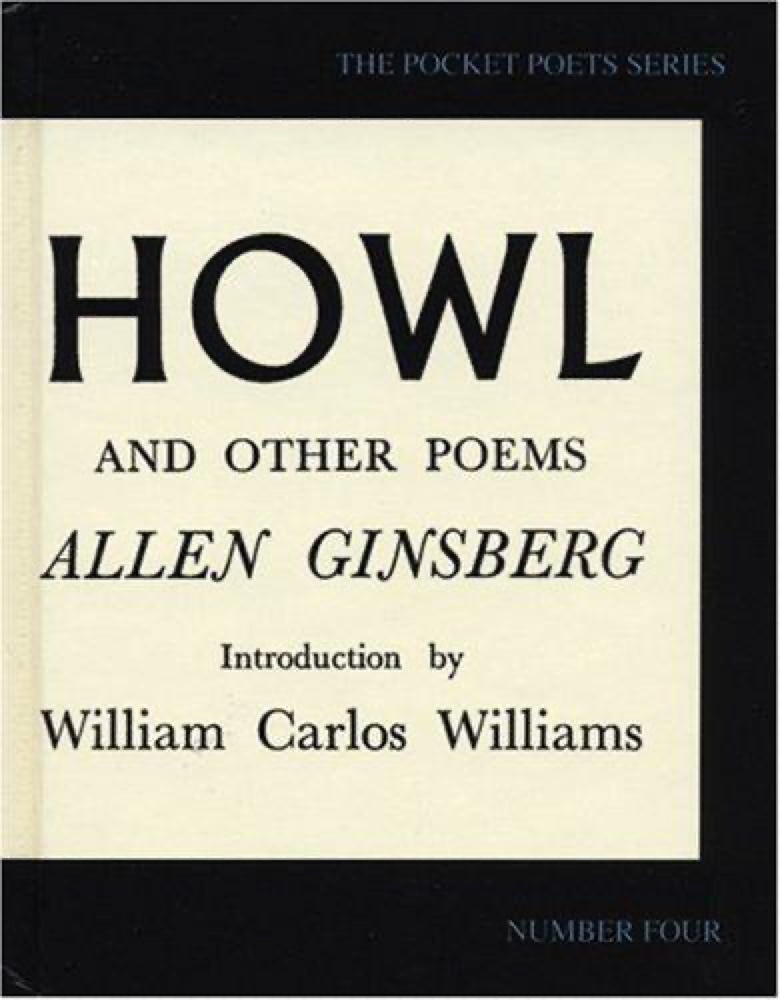 Howl and Other Poems
 Wuthering Heights
 Pale Fire
 Emily's Quest
 Collected Poems
 Sons and Lovers
 The Kiss of Deception
 Titus Groan
 Cyrano de Bergerac
 Dracula
 The Divine Comedy
 She
She
 Abarat
 Metamorphoses
 Carmilla
 War for the Oaks
 The Letters of Abélard and Héloïse
 Sexing the Cherry
 Meditations in an Emergency
 Bright Star: Love Letters and Poems of John Keats to Fanny Brawne
 North and South
 The Knight and the Moth
 The Collected Poems
 The Complete Poems
 Dreams of Gods & Monsters
 The Satyricon