
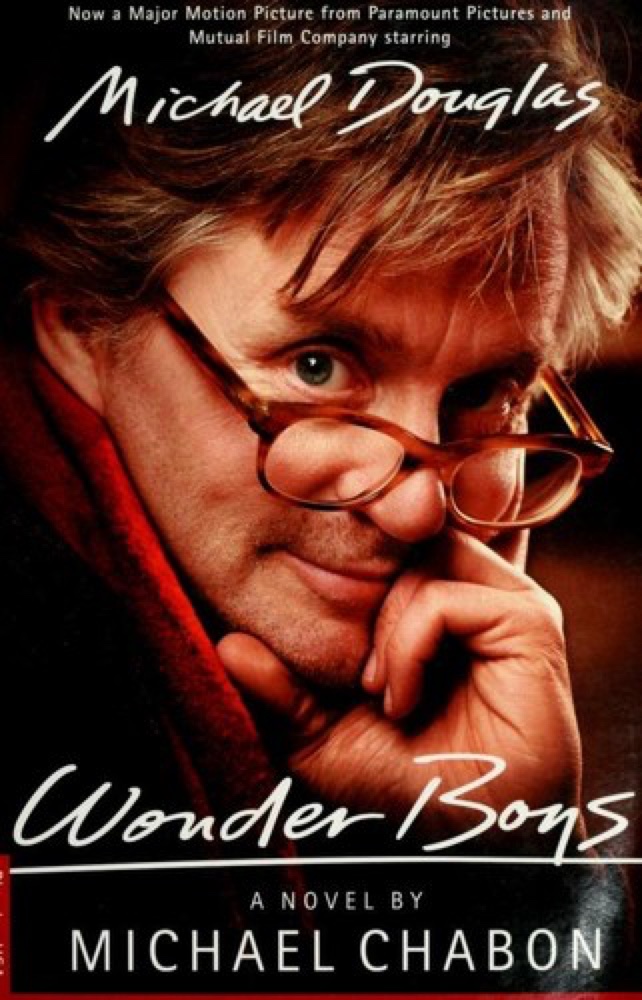
 Wonder Boys
Quotes from the Book
[My dad] didn't do much apart from the traditional winning of bread. He didn't take me to get my hair cut or my teeth cleaned; he didn't make the appointments. He didn't shop for my clothes. He didn't make my breakfast, lunch, or dinner. My mom did all of those things, and nobody ever told her when she did them that it made her a good mother.
55
Sooner or later, you will discover which kind of father you are, and at that moment you will, with perfect horror, recognize the type. You are the kind of father who fakes it, who yells, who measures his children with greatest accuracy only against one another, who evades the uncomfortable and glosses over the painful and pads the historic records of his sorrows and accomplishments alike. You are the kind who teases and deceives and toys with his children and subjects them to displays of rich and manifold sarcasm when--as is always the case--sarcasm is the last thing they need. You are the kind of father who pretends knowledge he doesn't possess, and imposes information with implacable gratuitousness, and teaches lessons at the moment when none can be absorbed, and is right, and has always been right, and always will be right until the end of time, and never more than immediately after he has been wrong. And when your daughter's body begins to betray her, and her sky flickers in the distance with the heat lightning of sex, you clear your throat and stroke your chin whiskers and tell her to go ask her mother. You can't help it--you're a walking cliché.
37
We are accustomed to repeating the cliché, and to believing, that 'our most precious resource is our children.' But we have plenty of children to go around, God knows, and as with Doritos, we can always make more. The true scarcity we face is practicing adults, of people who know how marginal, how fragile, how finite their lives and their stories and their ambitions really are but who find value in this knowledge, even a sense of strange comfort, because they know their condition is universal, is shared.
33
There are no moments more painful for a parent than those in which you contemplate your child's perfect innocence of some imminent pain, misfortune, or sorrow. That innocence (like every kind of innocence children have) is rooted in their trust of you, one that you will shortly be obliged to betray; whether it is fair or not, whether you can help it or not, you are always the ultimate guarantor or destroyer of that innocence.
28
Every work of art is one half of a secret handshake, a challenge that seeks the password, a heliograph flashed from a tower window, an act of hopeless optimism in the service of bottomless longing. Every great record or novel or comic book convenes the first meeting of a fan club whose membership stands forever at one but which maintains chapters in every city -- in every cranium -- in the world. Art, like fandom, asserts the possibility of fellowship in a world built entirely from the materials of solitude. The novelist, the cartoonist, the songwriter, knows the gesture is doomed from the beginning but makes it anyway, flashes his or her bit of mirror, not on the chance that the signal will be seen or understood but as if such a chance existed.
23
Every day is like a kid's drawing, offered to you with a strange mix of ceremoniousness and offhand disregard, yours for the keeping. Some of the days are rich and complicated, others inscrutable, others little more than a stray gray mark on a ragged page. Some you manage to hang on to, though your reasons for doing so are often hard to fathom. But most of them you just ball up and throw away.
19
Success, however, does nothing to diminish the knowledge that failure stalks everything you do.
14
You would never do anything like that, would you?" my wife asked him. "You would never hurt animals." Our son shook his head, looking offended by the question. He might have been lying, but my knowledge of his belief system, composed of equal parts off-kilter Far Side animal-centrism and a dark Captain Nemoesque contempt for humanity, inclined me to think he was telling the truth. Gigantic fish pulling the limbs from cruel little boys, that might be something you could get him to sign on for.
13
The handy thing about being a father is that the historic standard is so pitifully low.
12
I had a lot of disasters in the kitchen, even during the long period when I was cooking under my mother's supervision and with the benefit of her experience. I still fail all the time, in particular when I turn to baking. After hundreds of attempts, following dozens of different formulas, I don't think I have ever made what I would consider to be a completely successful pie crust. Disaster is somehow part of the appeal of cooking for me. If that first Velvet Crumb Cake had turned out to be a flop, I don't know if I would have pursued my interest in cooking. But cooking entails stubbornness and a tolerance--maybe even a taste--for last-minute collapse. You have to be able to enjoy the repeated and deliberate following of a more of less lengthy, more or less complicated series of steps whose product is very likely--after all that work, with no warning, right at the end--to curdle, sink, scorch, dry up, congeal, burn, or simply taste bad.
12
Childhood is a branch of cartography.
11
I thought you seemed like someone who might enjoy backgammon," said the kid, gravely mistaken.
11
My story and my stories are all, in one or another, the same, tales of solitude and the grand pursuit of connection, of success and the inevitability of defeat.
10
If only there were a game whose winning required a gift for the identification of missed opportunities and of things lost and irrecoverable, a knack for the belated recognition of truths, for the exploitation of chances in imagination after it's too late!
10
It holds my essential stuff, including a book—for true contentment, one must carry a book at all times, and great books so rarely fit, my friends, into one's pocket[…]
9
Childhood is, or has been, or ought to be, the great original adventure, a tale of privation, courage, constant vigilance, danger, and sometimes calamity. For the most part the young adventurer sets forth equipped only with the fragmentary map -marked HERE THERE BE TYGERS and MEAN KID WITH AIR RIFLE-that he or she has been able to construct out of patchwork of personal misfortune, bedtime reading, and the accumulated local lore of the neighbourhood children.
8
The confirmed stick-in-the-mud will always fall victim to the interventions of other people acting on impulse, because if habit is his religion, then his Satan is change, and in the end, we are all prey to temptation.
7
...it had bred false camaraderies and drawn my attention to deep flaws and fault lines when what mattered--what matters so often in the course of everyday human life--were the surfaces and the joins.
6
There is no more useless activity than that of periodization, the packaging of history, in particular cultural history, into discrete eras—the Jazz Age, the Greatest Generation, the Eisenhower years, the Sixties. Such periods can never be honestly articulated without recourse to so many demurrals and arbitrary demarcations, and the granting of so many exceptions, as to render them practically useless for any kind of serious historical purpose. In times of supposed license, repression reigns freely all around; in eras renowned for their conventionality, oddballs and freaks hoist their banners high.
2
This is an essential element of the business of being a man: to flood everyone around you in a great radiant arc of bullshit,
2
One of the fundamental axioms of masculine self-regard is that the tools and appurtenances of a man's life must be containable within the pockets of his jacket and pants. Wallet, keys, gum, show or ball game tickets, Kleenex, condoms, cell phone, maybe a lighter and a pack of cigarettes: Just cram it all in there, motherfucker.
2
The daily work you put into rearing your children is a kind of intimacy, tedious and invisible as mothering itself. There is another kind of intimacy in the conversations you may have with your children as they grow older, in which you confess to failings, reveal anxieties, share your bouts of creative struggle, regret, frustration. There is intimacy in your quarrels, your negotiations and running jokes.
1
{...} I was okay with things the way they were. No, not okay: I longed and suffered and pined with the rest of humanity. Sometimes I was happy enough with the book I was reading or the book I was writing, and the life I was stuck inside felt like a house on a rainy day. But most of the time I was just plain dying to get out. All I needed—all I have ever needed—was someone to challenge me, to serve as a goad, an instigator, a stirrer of the pot. I hated trouble, but I loved troublemakers. I hated chance and uncertainty, but I was drawn to those who showed up on your doorstep with their own pair of dice.
1
For true contentment, one must carry a book at all times.
1
Watch on YouTube
About Michael Chabon
We have collected 213 quotes from 10 books by Michael Chabon on BookQuoters.
More about the author →More by Michael Chabon
Wonder Boys
 The Amazing Adventures of Kavalier & Clay
 The Mysteries of Pittsburgh
 The Yiddish Policemen's Union
About the book
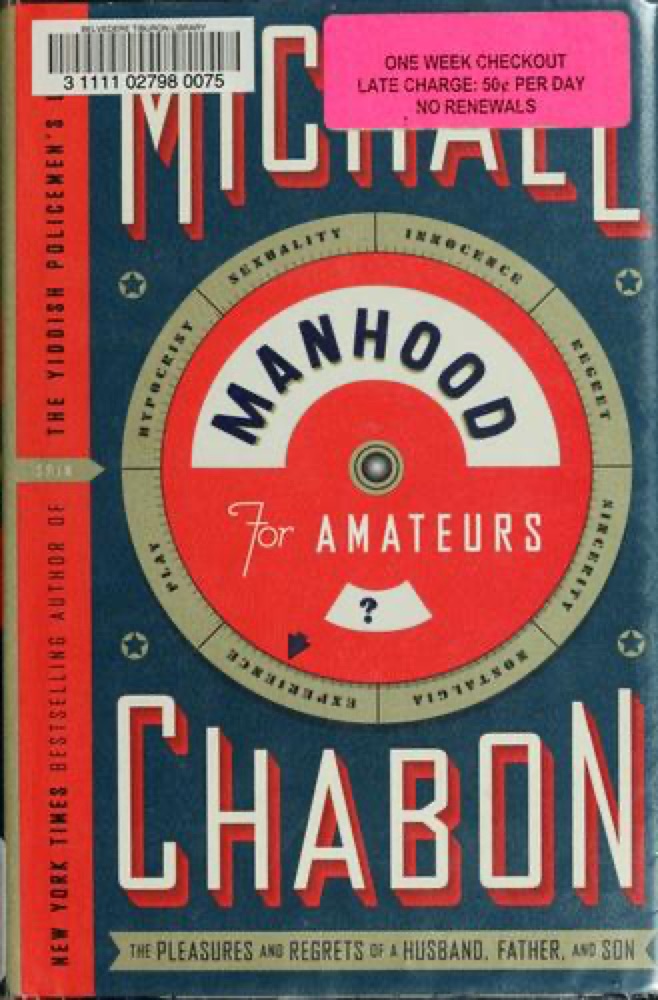
The Pulitzer Prize-winning author--"an immensely gifted writer and a magical prose stylist" (Michiko Kakutani, New York Times)--offers his first major work of nonfiction, an autobiographical narrative as inventive, beautiful, and powerful as his acclaimed, award-winning fiction. A shy manifesto, an impractical handbook, the true story of a fabulist, an entire life in parts and pieces, Manhood for Amateurs is the first sustained work of personal writing from Michael Chabon. In these insightful, provocative, slyly interlinked essays, one of our most brilliant and humane writers presents his autobiography and his vision of life in the way so many of us experience our own lives: as a series of reflections, regrets, and reexaminations, each sparked by an encounter, in the present, that holds some legacy of the past. What does it mean to be a man today? Chabon invokes and interprets and strugg
Book details
- First published
- 2009
- Author
- Michael Chabon
- Genre
- Nonfiction
- Goodreads rating
- 3.73 (8k ratings)
Keep reading
 Pops: Fatherhood in Pieces
 The Tsar of Love and Techno
 Special Topics in Calamity Physics
 The Tender Bar
 Trust
Trust
 One Man's Meat
 Chances Are...
 Sometimes a Great Notion
 By Nightfall
 The Fall of Babel
 Surprised by Joy: The Shape of My Early Life
 The Tunnel
 Youth in Revolt
 The Story of the Lost Child
 Ilustrado
 Cat's Cradle
 A Circle of Quiet
 Like Streams to the Ocean: Notes on Ego, Love, and the Things That Make Us Who We Are
 The Pale King
 The Abundance
 Asymmetry
 An Unnecessary Woman
 Half Asleep in Frog Pajamas
 Boy's Life
 Hitch-22: A Memoir
 The Lincoln Highway
 Sixty Stories
 The Golden Notebook
 How to Be Alone
 A Heartbreaking Work of Staggering Genius
 Boy: Tales of Childhood
 Half Empty
 Little Failure: A Memoir
 These Precious Days: Essays
 The Dice Man
 The Rule of Four
 High Tide in Tucson
 American Pastoral
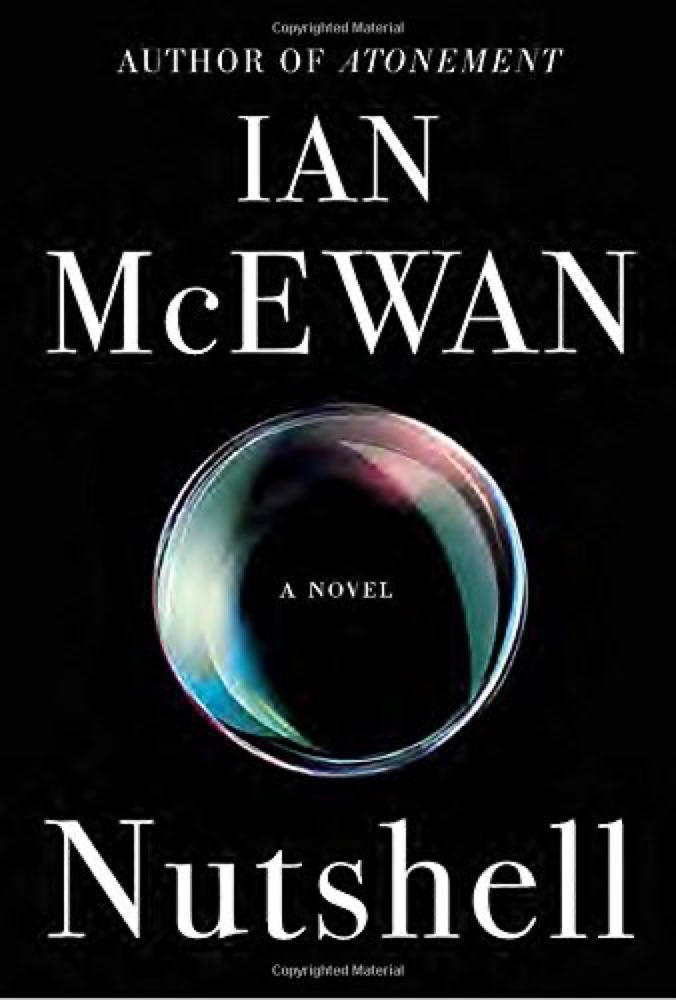 Nutshell
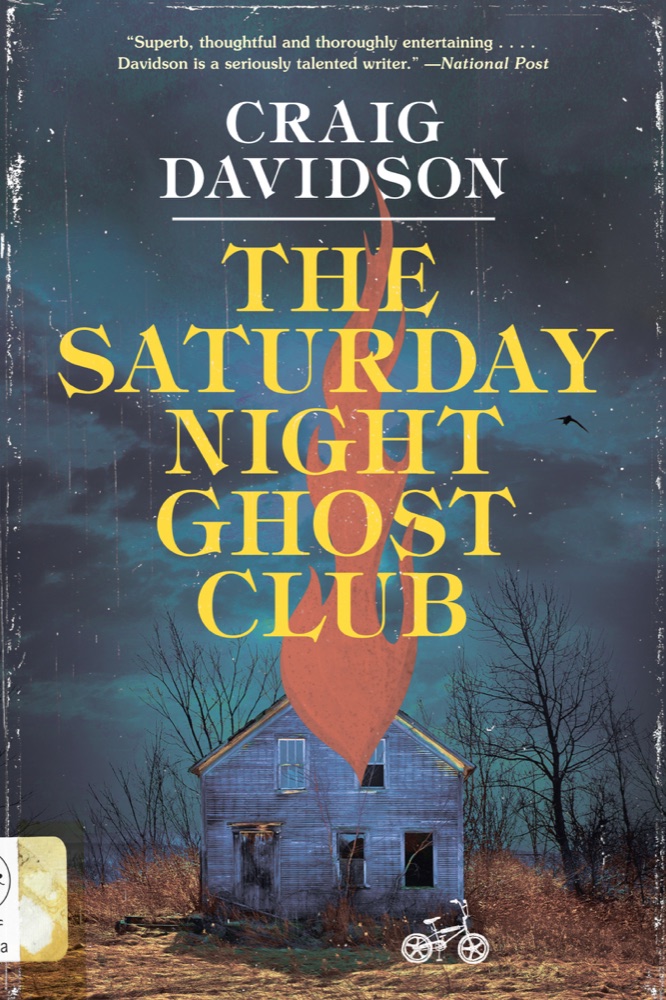 The Saturday Night Ghost Club
 The Picture of Dorian Gray
![What Was She Thinking? [Notes on a Scandal]](/i/book/g/08/what-was-she-thinking-notes-on-a-scandal.jpg) What Was She Thinking? [Notes on a Scandal]
What Was She Thinking? [Notes on a Scandal]
 The Razor's Edge
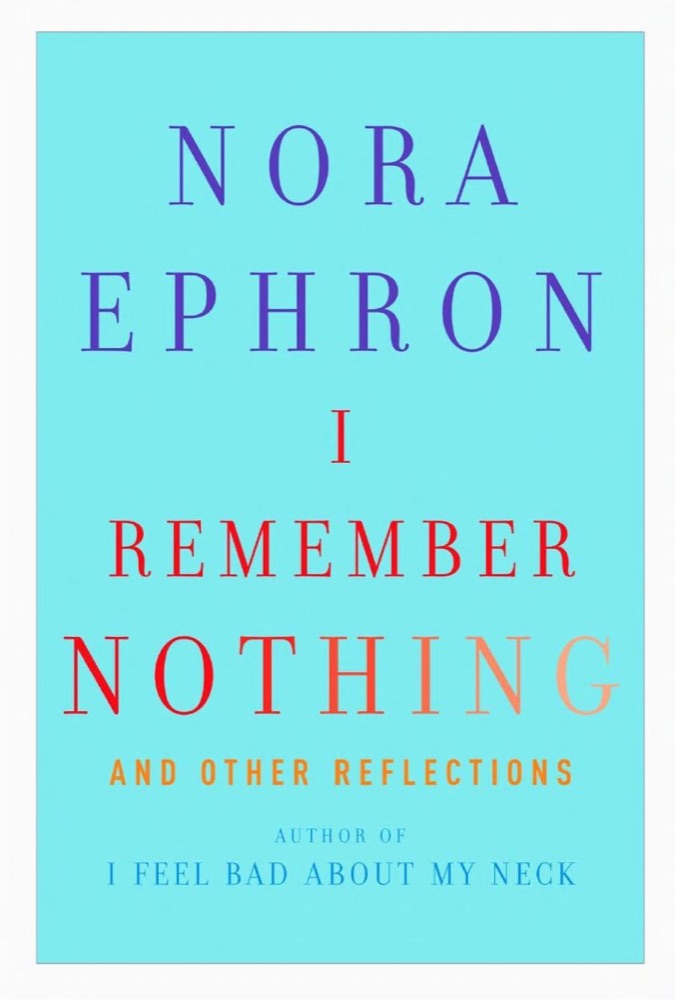 I Remember Nothing: and Other Reflections
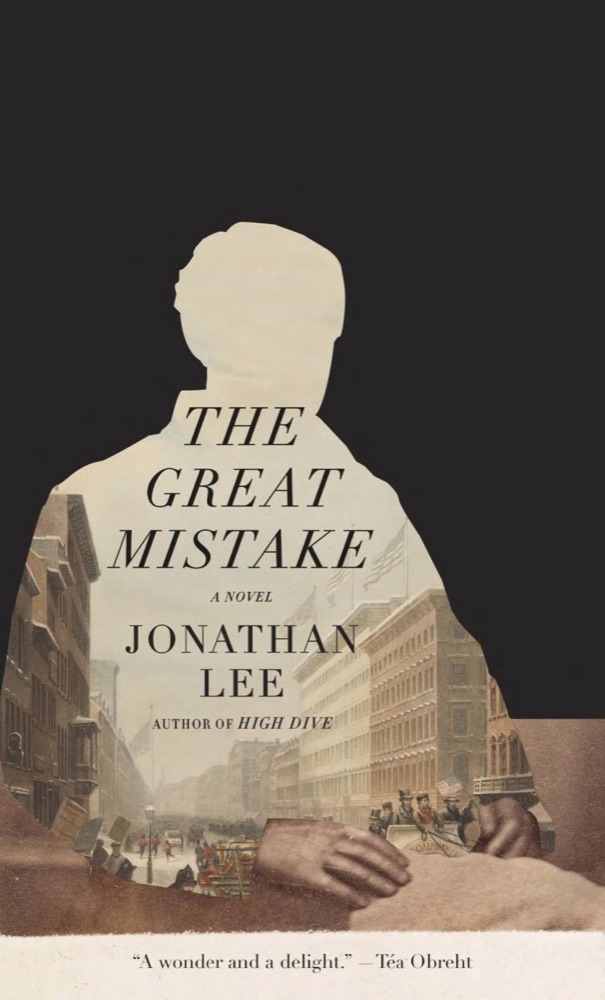 The Great Mistake
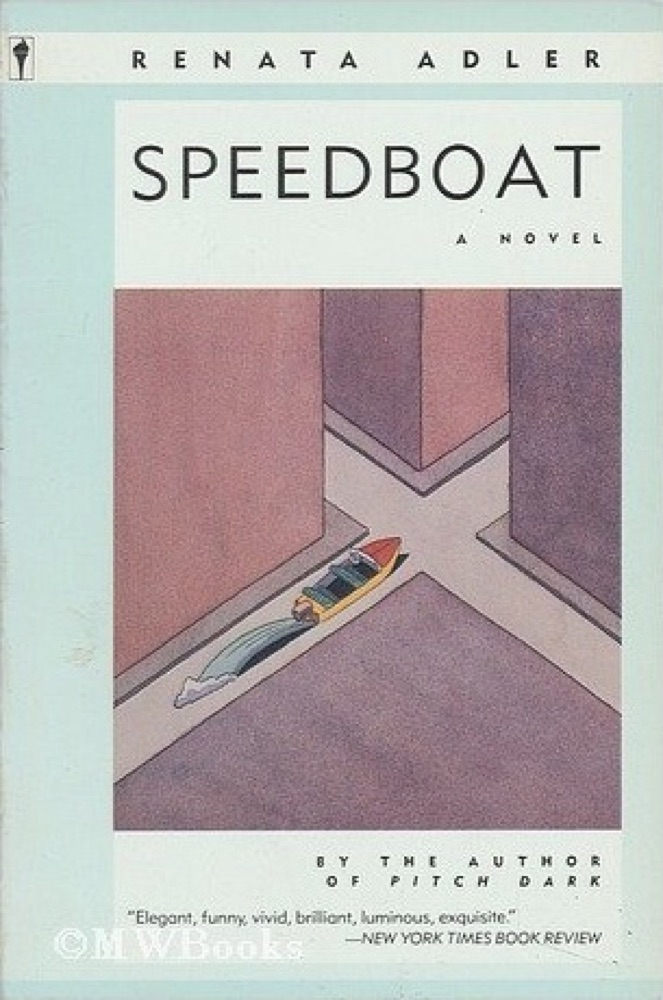 Speedboat
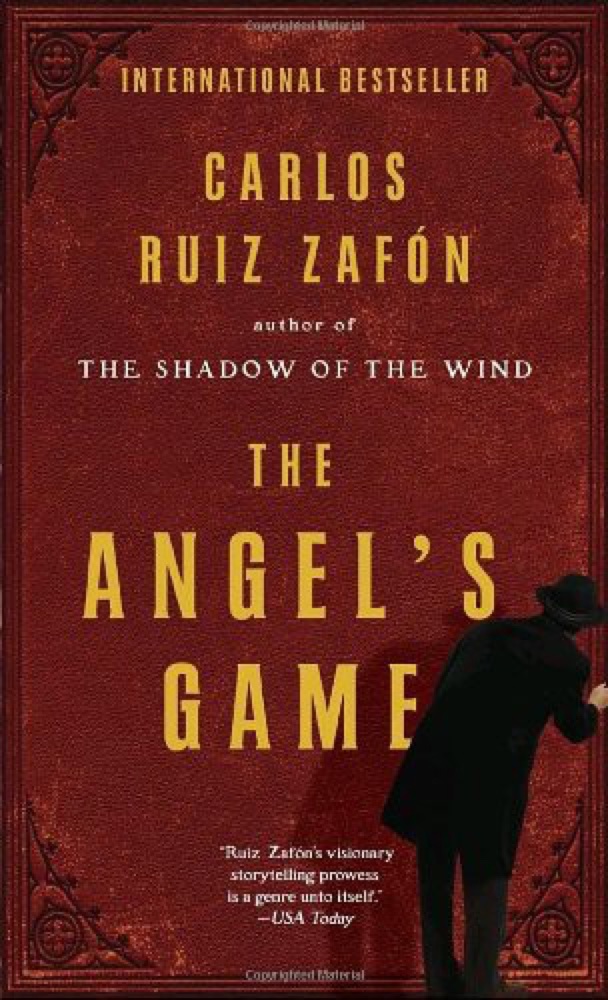 The Angel's Game
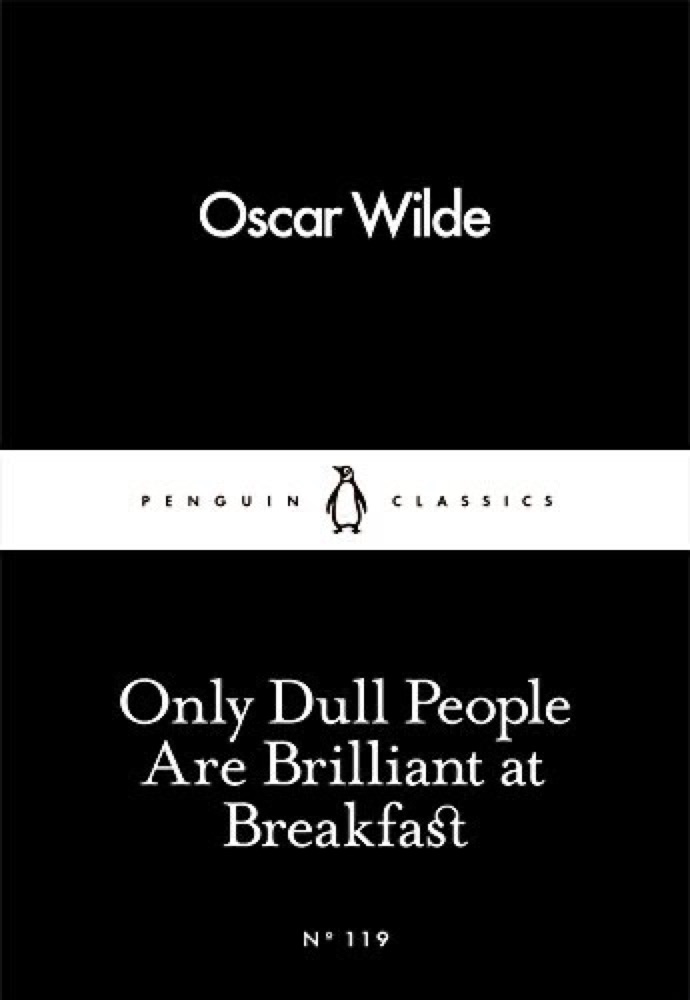 Only Dull People Are Brilliant at Breakfast
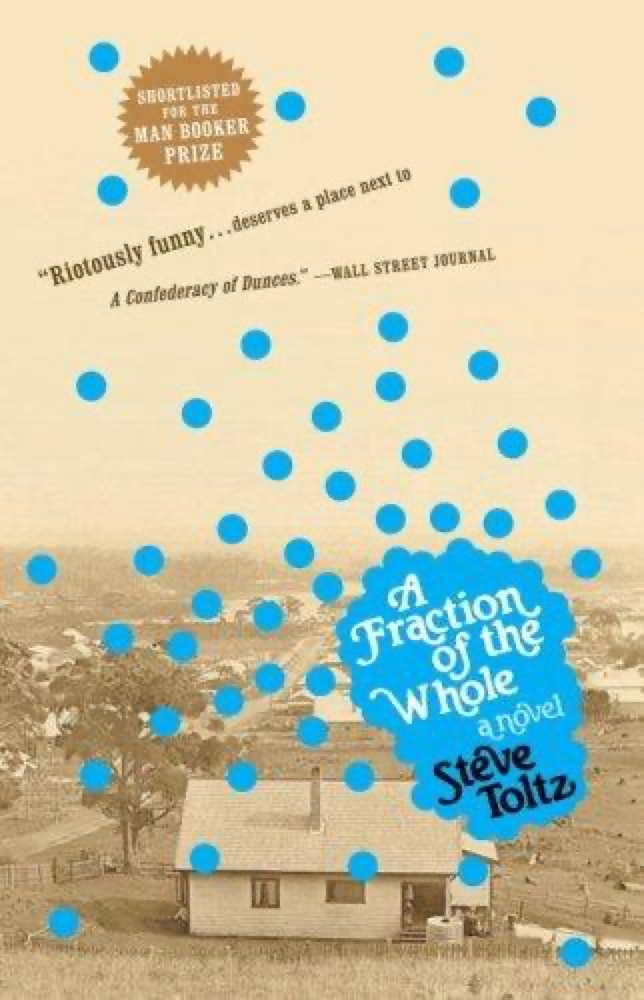 A Fraction of the Whole
 The Folded Clock: A Diary
 The Rachel Papers
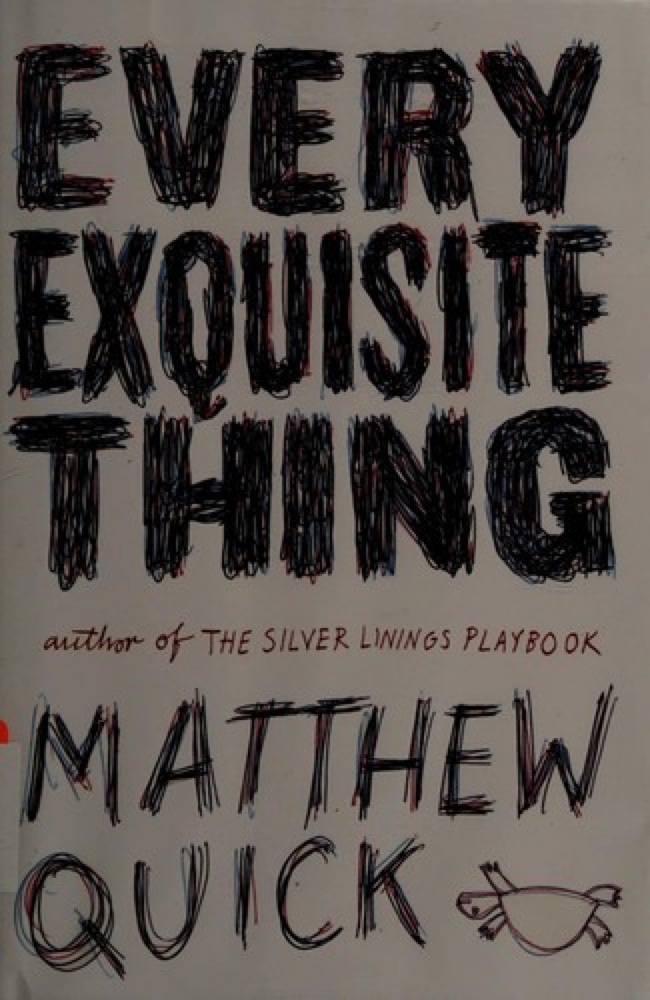 Every Exquisite Thing
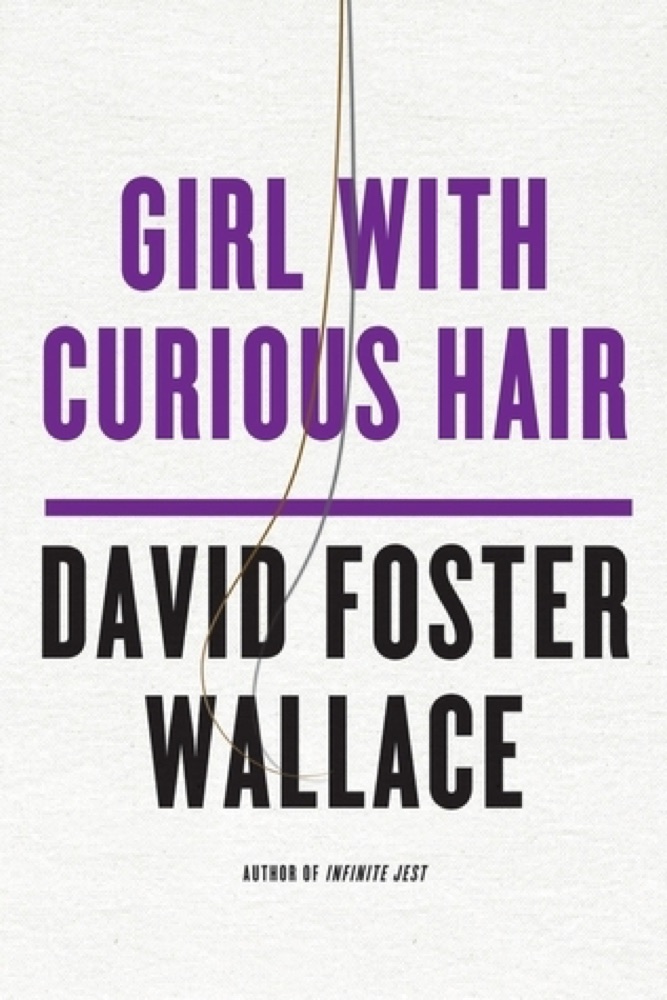 Girl with Curious Hair
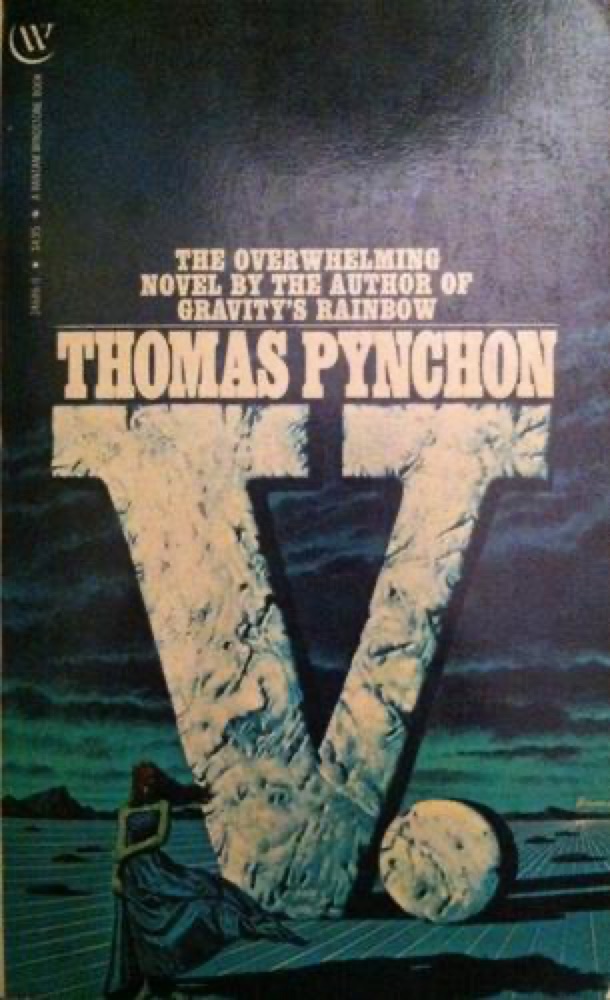 V.
V.
 Arm of the Sphinx
 Lit
Lit
 The Kite Runner
 A Tale of Love and Darkness
 The Brooklyn Follies
 The Manticore