
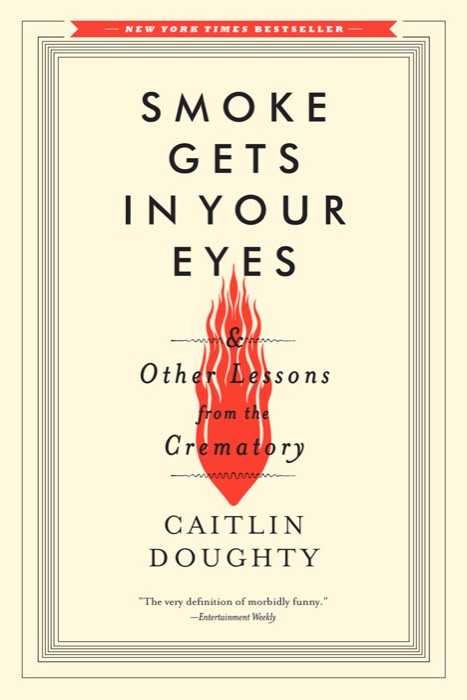
 Smoke Gets in Your Eyes: And Other Lessons from the Crematory
Quotes from the Book
Insist on going to the cremation, insist on going to the burial. Insist on being involved, even if it is just brushing your mother’s hair as she lies in her casket. Insist on applying her favorite shade of lipstick, the one she wouldn’t dream of going to the grave without. Insist on cutting a small lock of her hair to place in a locket or a ring. Do not be afraid. These are human acts, acts of bravery and love in the face of death and loss.
46
It is worth noting that the main players in the recomposition project are women—scientists, anthropologists, lawyers, architects. Educated women, who have the privilege to devote their efforts to righting a wrong. They’ve given prominent space in their professional careers to changing the current system of death. Katrina noted that “humans are so focused on preventing aging and decay—it’s become an obsession. And for those who have been socialized female, that pressure is relentless. So decomposition becomes a radical act. It’s a way to say, ‘I love and accept myself.
32
Death avoidance is not an individual failing; it’s a cultural one. Facing death is not for the faint-hearted. It is far too challenging to expect that each citizen will do so on his or her own. Death acceptance is the responsibility of all death professionals—funeral directors, cemetery managers, hospital workers. It is the responsibility of those who have been tasked with creating physical and emotional environments where safe, open interaction with death and dead bodies is possible.
26
Holding the space doesn’t mean swaddling the family immobile in their grief. It also means giving them meaningful tasks. Using chopsticks to methodically clutch bone after bone and place them in an urn, building an altar to invite a spirit to visit once a year, even taking a body from the grave to clean and redress it: these activities give the mourner a sense of purpose. A sense of purpose helps the mourner grieve. Grieving helps the mourner begin to heal.
23
Women’s bodies are so often under the purview of men, whether it’s our reproductive organs, our sexuality, our weight, our manner of dress. There is a freedom found in decomposition, a body rendered messy, chaotic, and wild. I relish this image when visualizing what will become of my future corpse.
20
Why do we refuse to have these conversations, asking our family and friends what they want done with their body when they die? Our avoidance is self-defeating. By dodging the talk about our inevitable end, we put both our pocketbooks and our ability to mourn at risk.
16
We owe our very lives to the soil, and, as William Bryant Logan said, “the bodies we give it back are not payment enough.” Though, presumably, they are a start.
15
When deathcare became an industry in the early twentieth century, there was a seismic shift in who was responsible for the dead. Caring for the corpse went from visceral, primeval work performed by women to a “profession,” an “art,” and even a “science,” performed by well-paid men.
15
Holding the space is crucial, and exactly what we are missing. To hold the space is to create a ring of safety around the family and friends of the dead, providing a place where they can grieve openly and honestly, without fear of being judged.
14
All that surrounds us comes from death, every part of every city, and every part of every person.
13
Show me the manner in which a nation cares for its dead and I will measure with mathematical exactness the tender mercies of its people, their respect for the laws of the land and their loyalty to high ideals.
12
I have come to believe that the merits of a death custom are not based on mathematics (e.g., 36.7 percent a "barbarous act"), but on emotions, a belief in the unique nobility of one's own culture. That is to say, we consider death rituals savage only when they don't match our own.
11
In my practice as a mortician I've found that both cleaning the body and spending time with it serves a powerful role in processing grief. It helps mourners see the corpse not as a cursed object, but as a beautiful vessel that once held their loved one.
9
we consider death rituals savage only when they don’t match our own.
9
Many children and grandchildren of immigrants, have, like Sarah, found themselves severed from their family’s cultural rituals. The funeral system in the United States is notorious for passing laws and regulations interfering with diverse death practices and enforcing assimilation toward Americanized norms.
9
There is a freedom found in decomposition, a body rendered messy, chaotic, and wild.
8
I spent the first thirty years of my life devouring animals. So why, when I die, should they not have their turn with me? Am I not an animal?
7
We won’t get our rituals back if we don’t show up. Show up first, and the ritual will come. Insist on going to the cremation, insist on going to the burial. Insist on being involved, even if it is just brushing your mother’s hair as she lies in her casket. Insist on applying her favorite shade of lipstick, the one she wouldn’t dream of going to the grave without. Insist on cutting a small lock of her hair to place in a locket or in a ring. Don’t be afraid. These are human acts, acts of bravery and love in the face of death and loss.
7
Death avoidance is not an individual failing; it's a cultural one. Facing death is not for the faint-hearted. It is far too challenging to expect that each citizen will do so on his or her own. Death acceptance is the responsibility of all death professionals--funeral directors, cemetery managers, hospital workers. It is the responsibility of those who have been tasked with creating physical and emotional environments where safe, open interaction with death and dead bodies is possible. Nine years ago, when I began working with the dead, I heard other practitioners speak about holding the space for the dying person and their family. With my secular bias, "holding the space" sounded like saccharine hippie lingo. This judgment was wrong. Holding the space is crucial, and exactly what we are missing. To hold the space is to create a ring of safety around the family and friends of the dead, providing a place where they can grieve openly and honestly, without fear of being judged.
7
He explained that he talks about death "all the time" with his friends. They ask each other, "Hey, what you want when you die?" Luciano asked, "Don't people say that where you come from?" It was hard to explain that, no, for the most part, they really don't.
6
In America, where I live, death has been big business since the turn of the twentieth century. A century has proven the perfect amount of time for its citizens to forget what funerals once were: family- and community-run affairs. In the nineteenth century no one would have questioned Josephine’s daughter preparing her mother’s body—it would have seemed strange if she didn’t. No one would have questioned a wife washing and dressing the body of her husband or a father carrying his son to the grave in a homemade coffin. In an impressively short time, America’s funeral industry has become more expensive, more corporate, and more bureaucratic than any other funeral industry on Earth.
5
Not everyone in my industry is supportive of the way I run my funeral home. Some believe a dead body must be embalmed to be safe (untrue) and that a body should be handled only by licensed professionals (also untrue). The dissenters imagine that younger, progressive morticians are “starting to make our profession look like a joke” and wonder if “circus is the right word for what funeral service is becoming.
5
Adults who are racked with death anxiety are not odd birds who have contracted some exotic disease, but men and women whose family and culture have failed to knit the proper protective clothing for them to withstand the icy chill of mortality. —IRVIN YALOM, PSYCHIATRIST
5
Even if we recognize the benefits of another culture's ritual, we often allow bias to undermine those feelings of acceptance.
4
The site of the whale fall turns into a decades-long version of “Be Our Guest” from Beauty and the Beast, a debauched, celebratory party where creatures devour the whale “course by course, one by one.” The whale is the epitome of a postmortem benefactor, part of an arrangement as beautiful as it is sensible—an animal dying and donating its body so that others may thrive. “Try the grey stuff, it’s delicious,” the carcass seems to say. The whale, in short, is a valuable necrocitizen.
4
We need to reform our funeral industry, introducing new practices that aren't so profit-oriented, and that do more to include the family. But we cannot begin to reform—or even question!-our death systems when we act like little Jean de Brébeufs, falsely convinced we have it right while all these "other people" are disrespectful and barbarous. This dismissive attitude can be found in places you'd never expect. Lonely Planet, the largest guidebook publisher in the world, included the idyllic Trunyan cemetery in their book on visiting Bali. In Trunyan, the villagers weave bamboo cages for their dead to decompose in, and then stack the skulls and bones out in the lush green landscape. Lonely Planet, instead of explaining the meaning behind these ancient customs, advised wise travelers to "skip the ghoulish spectacle.
4
About an hour into Laura's cremation, the pall of grief had lifted from the circle. The last speaker came forward to address the crowd in a way that would have been inappropriate just ninety minutes earlier. 'Everything you all said about how Laura was a wonderful person, that's true. But in my mind, she'll always be one of the wild crones. A partier. I'd like to give her a howl.' 'Oooooooooooooooooooooo,' she bellowed, with the crowd joining in around her.
3
Mexican poet Octavio Paz famously said that while citizens of Western cities like New York, Paris, and London would "burn their lips" if they so much as uttered the word "death," "the Mexican, on the other hand, frequents it, mocks it, caresses it, sleeps with it, entertains it; it is one of his favorite playthings and his most enduring love.
3
I forgot to mention that Paul in person looks just as outlandish as his house—a claim I lay with the utmost aesthetic respect. He has thick dreadlocks, a beaded wizard’s beard, and tattoos. He traveled in a purple velvet frock coat and a top hat with an ermine skull attached to the brim. No one knows his age. He was once described by a mutual friend of ours as “an eighteenth-century highwayman reimagined by Tim Burton.” Paul refers to himself as “a cross between Prince and Vlad the Impaler.
3
Since I first discovered sky burial I have known what I wanted for my mortal remains. In my view burial by animals is the safest, cleanest, and most humane way of disposing of corpses, and offers a new ritual that might bring us closer to the realities of death and our true place on this planet.
3
Watch on YouTube
About Caitlin Doughty
We have collected 83 quotes from 3 books by Caitlin Doughty on BookQuoters.
More about the author →More by Caitlin Doughty
Smoke Gets in Your Eyes: And Other Lessons from the Crematory
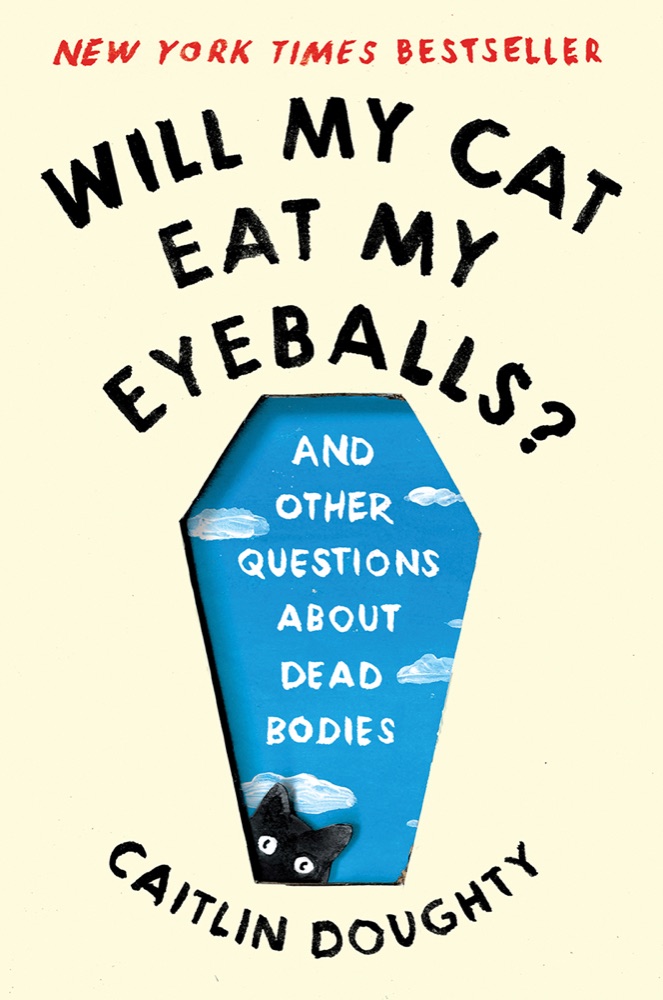 Will My Cat Eat My Eyeballs? And Other Questions About Dead Bodies
About the book
A New York Times and Los Angeles Times Bestseller
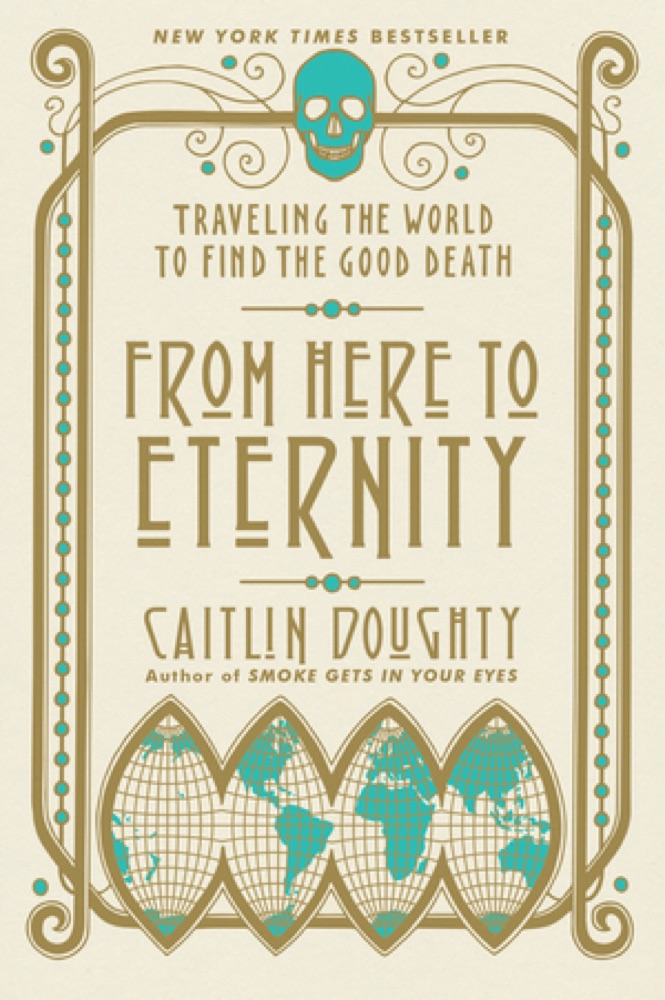
“Doughty chronicles [death] practices with tenderheartedness, a technician’s fascination, and an unsentimental respect for grief.” ―Jill Lepore, The New Yorker Fascinated by our pervasive fear of dead bodies, mortician Caitlin Doughty embarks on a global expedition to discover how other cultures care for the dead. From Zoroastrian sky burials to wish-granting Bolivian skulls, she investigates the world’s funerary customs and expands our sense of what it means to treat the dead with dignity. Her account questions the rituals of the American funeral industry―especially chemical embalming―and suggests that the most effective traditions are those that allow mourners to personally attend to the body of the deceased. Exquisitely illustrated by artist Landis Blair, From Here to Eternity is an adventure into the morbid unknown, a fascinating
Book details
- First published
- 2017
- Author
- Caitlin Doughty
- Genre
- Nonfiction
- Goodreads rating
- 4.29 (48k ratings)
Keep reading
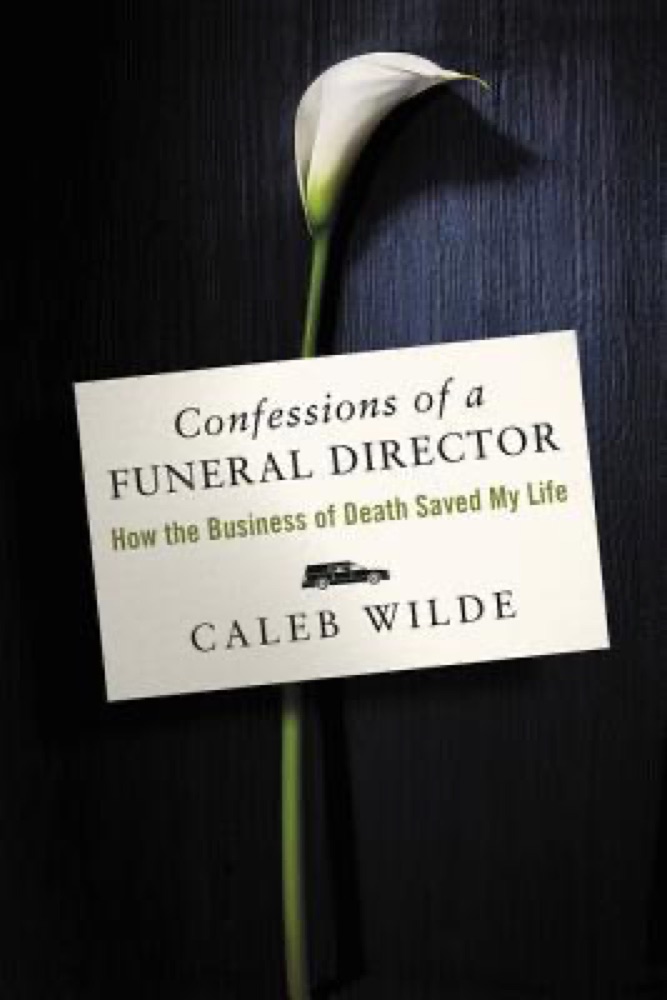 Confessions of a Funeral Director: How the Business of Death Saved My Life
Will My Cat Eat My Eyeballs? And Other Questions About Dead Bodies
Smoke Gets in Your Eyes: And Other Lessons from the Crematory
Confessions of a Funeral Director: How the Business of Death Saved My Life
Will My Cat Eat My Eyeballs? And Other Questions About Dead Bodies
Smoke Gets in Your Eyes: And Other Lessons from the Crematory
 Briefly Perfectly Human: Making an Authentic Life by Getting Real About the End
 Stiff: The Curious Lives of Human Cadavers
 A Matter of Death and Life
 In the Midst of Life
 The Wild Edge of Sorrow: Rituals of Renewal and the Sacred Work of Grief
 The Beauty of What Remains: How Our Greatest Fear Becomes Our Greatest Gift
 Split Tooth
 Grief Is for People
 A Little Devil in America: Notes in Praise of Black Performance
 Those Who Save Us
 Staring at the Sun: Overcoming the Terror of Death
 Pet Sematary
 Death's Acre: Inside the Legendary Forensic Lab the Body Farm Where the Dead Do Tell Tales
 On Grief and Grieving: Finding the Meaning of Grief Through the Five Stages of Loss
 Nothing to Be Frightened Of
 The Gilda Stories
 Mortality
 The Library of the Dead
 A Widow's Story
 Any Ordinary Day
 Drive Your Plow Over the Bones of the Dead
 Memento Mori
 Spook: Science Tackles the Afterlife
 Natural Causes: An Epidemic of Wellness, the Certainty of Dying, and Killing Ourselves to Live Longer
 The Hangman's Replacement: Sprout of Disruption
 The Seven Moons of Maali Almeida
 They Can't Kill Us Until They Kill Us: Essays
 A Rule Against Murder
 Life Will Be the Death of Me: . . . and you too!
 Frankenstein in Baghdad
 Night Side of the River
 A Manual for Cleaning Women: Selected Stories
 The Way Through the Woods: On Mushrooms and Mourning
 This Here Flesh: Spirituality, Liberation, and the Stories That Make Us
 Things in Nature Merely Grow
 The High Mountains of Portugal
 Aftershocks
 Cutting for Stone
 It's OK That You're Not OK
 The Trauma Cleaner: One Woman's Extraordinary Life in the Business of Death, Decay, and Disaster
 The New Hunger
 Why Religion? A Personal Story
 The Red Parts
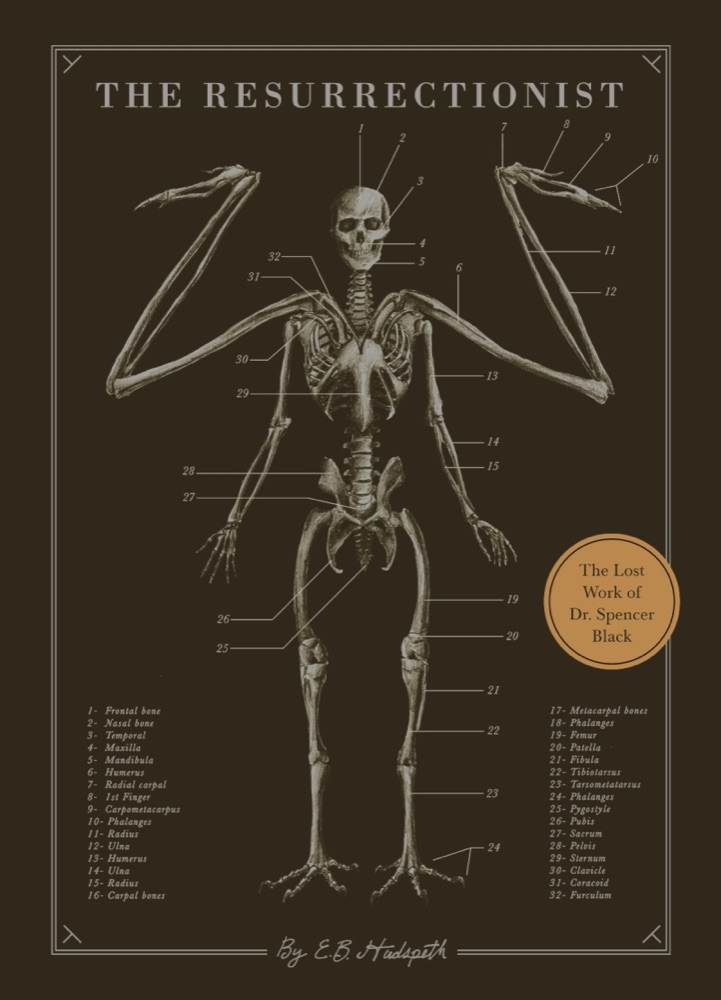 The Resurrectionist: The Lost Work of Dr. Spencer Black
 Speaker for the Dead
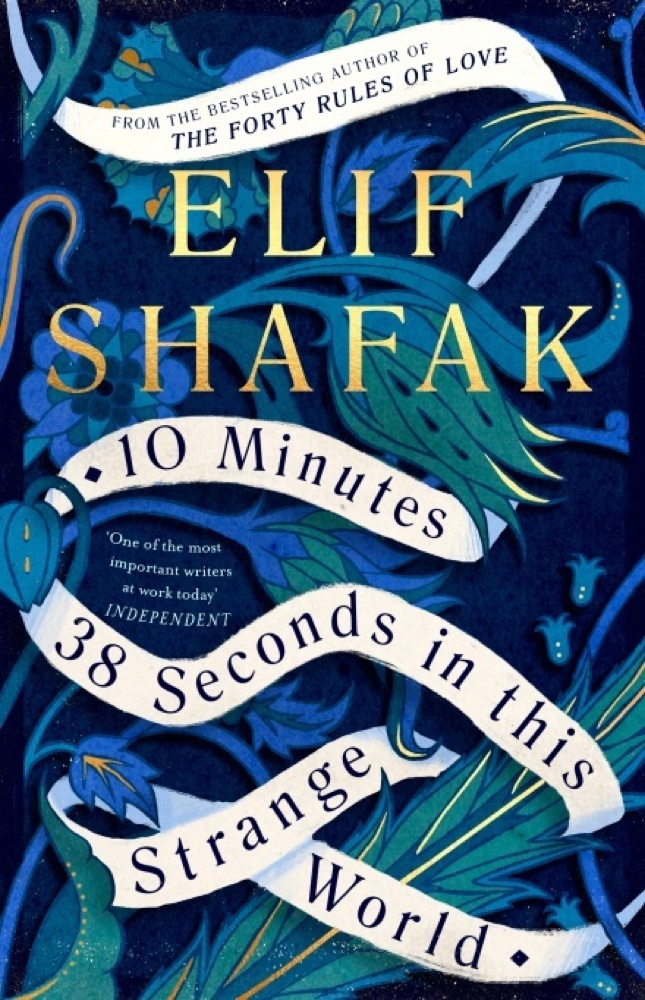 10 Minutes 38 Seconds in This Strange World
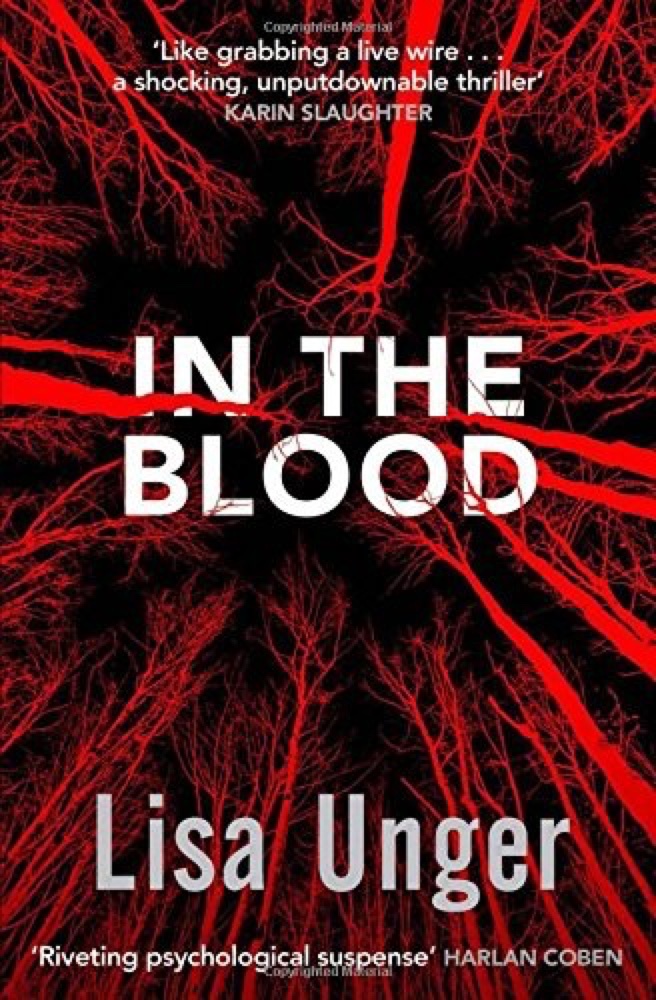 In The Blood
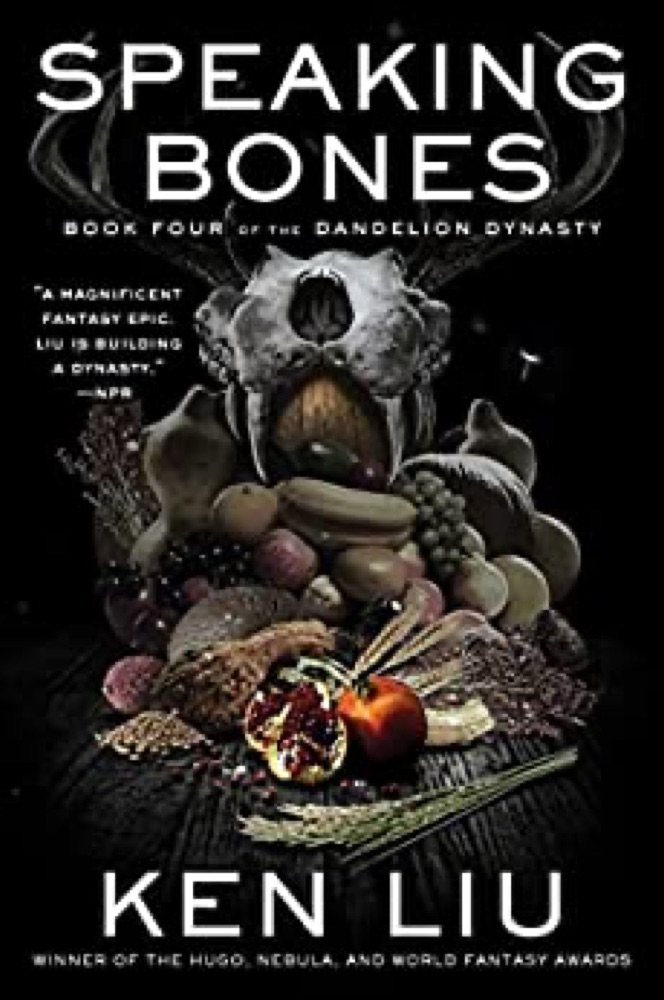 Speaking Bones
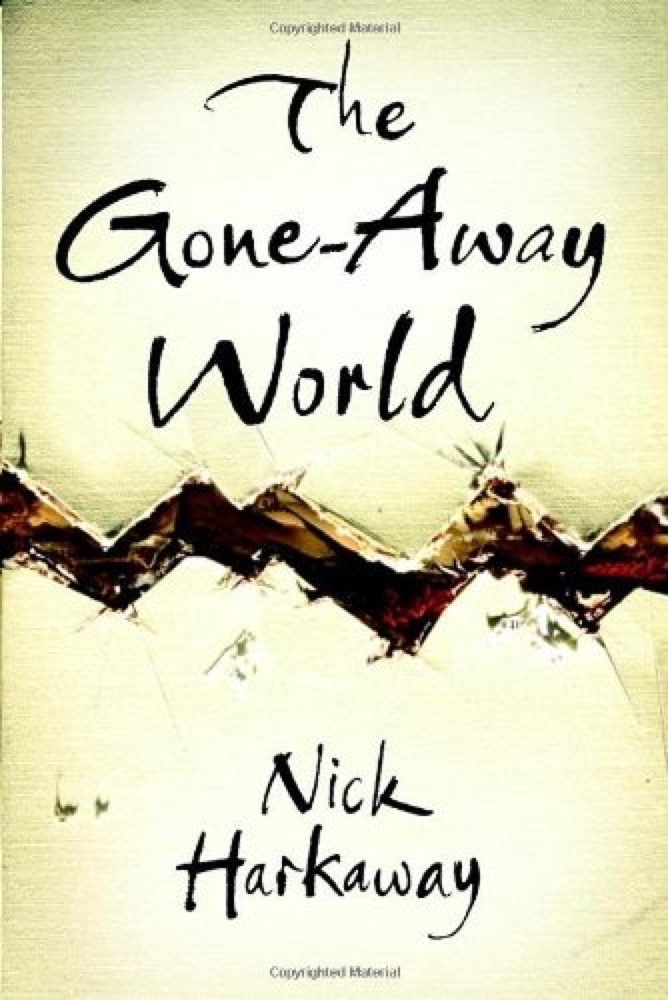 The Gone-Away World
 A Very Easy Death
 A Botanical Daughter
 My Darling Dreadful Thing
 The Source of Self-Regard: Selected Essays, Speeches, and Meditations
 Odd Apocalypse
 Journey of Souls: Case Studies of Life Between Lives
 The Island of Missing Trees