
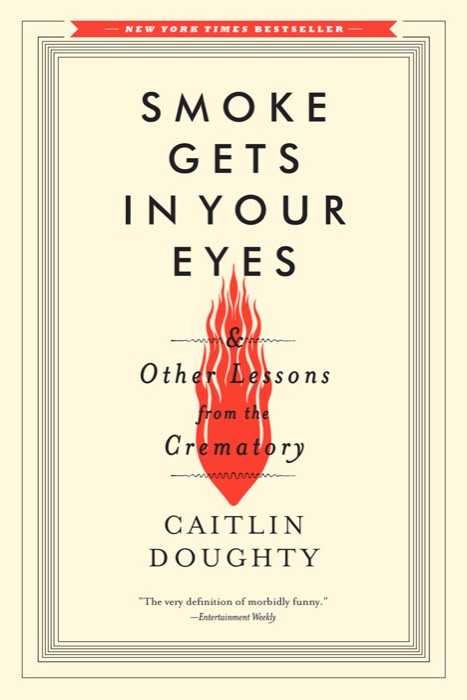
 Smoke Gets in Your Eyes: And Other Lessons from the Crematory
Quotes from the Book
We can't make death fun, but we can make learning about it fun. Death is science and history, art and literature. It bridges every culture and unites the whole of humanity!
46
He won’t be diving straight for the human flesh. But a cat has got to eat, and you are the person who feeds him. This is the cat-human compact. Death doesn’t free you from performing your contractual obligations.
25
To be fair, death is hard! We love someone and then they die. It feels unfair. Sometimes death can be violent, sudden, and unbearably sad. But it’s also reality, and reality doesn’t change just because you don’t like it.
18
Here’s the deal: It’s normal to be curious about death. But as people grow up, they internalize this idea that wondering about death is “morbid” or “weird.” They grow scared, and criticize other people’s interest in the topic to keep from having to confront death themselves.
14
That's why all the questions in this book come from 100 percent ethically sourced, free-range, organic children.
13
To future corpses of all ages
8
I'm bringing body back. Returning corpses, but they're not intact. Kids, this is a Justin Timberlake reference. You're fine not knowing who that is.
6
Your cat might eat you after you die, but a vulture can't wait to rip you to pieces and carry you off into the sky.
6
In 1945 and 1956, two researchers analyzed the donated bodies of four adult males, and estimated that the average male offers about 125,822 calories from protein and fat. That number is far below what other red meats like beef or boar can offer. (Yes, you heard me, humans are red meat.)
5
In the mid-1800s, Dr. Ignaz Philipp Semmelweis noticed that new mothers who were treated by midwives fared much better than those who were treated by trainee doctors, who also handled and dissected cadavers. He believed that sticking one’s hands into a dead body and then directly into a laboring woman was dangerous. So, Semmelweis issued a mandate that hands must be washed between the two activities. And it worked! Rates of infection dropped from one in ten to one in a hundred within the first few months. Unfortunately, the finding was rejected by much of the medical establishment of the time. One of the reasons it was so hard to get doctors to wash up? The stench of “hospital odor” on their hands was a mark of prestige. They called it “good old hospital stink.” Quite simply, decayed corpse smell was a badge of honor they had no intention of removing.
4
White blood cells have several days of activity left in them after the heart stops beating. If the blood is sterile and in good condition, cadaver blood donation is perfectly fine.
4
Sometimes death can be violent, sudden, and unbearably sad. But it’s also reality, and reality doesn’t change just because you don’t like it.
4
found out that one of my friends has tissue from a cadaver butt in her mouth. Turns out quite a few people do. When gums are receding, due to teeth grinding or health issues, they can be rebuilt by implanting cells from the butt of a human cadaver. So, cadaver butt is in, but cadaver blood is out.
3
There are those who argue that a body needs to be buried a full six feet down, but there are also those who argue that just one foot of soil is needed to create a smell barrier. I think three and a half feet is a good compromise. “Three and a half feet, you won’t become a treat!” as the old saying goes. (This is not an old saying, FYI.)
3
a study at a Civil War cemetery in Iowa City found that nearby water contained arsenic at three times the safe limit.
3
Strange, since corpse parts are used in medicine all the time. I found out that one of my friends has tissue from a cadaver butt in her mouth. Turns out quite a few people do. When gums are receding, due to teeth grinding or health issues, they can be rebuilt by implanting cells from the butt of a human cadaver. So, cadaver butt is in, but cadaver blood is out.
2
The human body is used to operating under the weight of the Earth’s atmosphere, which cradles us at all times like a planet-sized anti-anxiety blanket.
2
you’re dead set on creating explosions that a crematory operator would hear and would definitely be freaked out by, don’t leave unpopped popcorn in your body. Instead, try leaving a pacemaker in your body. (Note: I one-thousand-percent do not recommend doing this. I’m making a joke. See, I can make jokes too, Tim.) A pacemaker helps living people control their heartbeat, speeding up the heart if needed, slowing the heart down if needed. It’s a cute lil’ thing, the size of a small cookie, that is basically a battery, generator, and some wires implanted (through surgery) into the body. It can save your life if your heart is misfiring. But if a pacemaker is not removed from a dead body before the cremation, it can turn into a tiny bomb.
2
This is a fantastic question. You, young person, are a pint-sized death revolutionary. Everyone should be on the lookout for new possibilities for our future corpses. Let’s hang out and brainstorm ideas sometime.
2
I’m all for choice in death. If you want to be buried with no animals, you should have that. If you want to be buried with animals, you should have that. More places than you’d expect have animals-getting-buried-with-people on the legislative agenda. So yes, it’s not out of the question that you and your furry friend could be buried together, running hand-in-paw on that great big hamster wheel in the sky. No matter what the local laws say, there may be a funeral director who’s willing to sneak your pet’s ashes into your casket. Not me, of course. Next question.
2
As long as the death was relatively sudden and the dead person was in otherwise good health, cadaver blood remains usable, as Dr. Shamov discovered, for up to six hours.
2
A heart kept on ice can be transplanted up to four hours after death. A liver, ten. A particularly good kidney will last twenty-four hours, and sometimes as long as seventy-two if doctors use the right equipment after surgery. This is known as the “cold ischemic time.” Consider it the five-second rule, but for organs.
2
The most common reason people dig up their pets is because they are moving. They can’t bear to leave Growler the Pekingese behind, and don’t want some new family who didn’t even know Growler building a swimming pool and sending his bones away in a dump truck. But they might also be feeling squeamish about what Growler looks like eight months after burial. Enter companies that will come to your house, dig up Growler, and have him cremated and brought back to you. Now residing in his bone-shaped urn, Growler is ready to travel to his new home.
2
it’s also reality, and reality doesn’t change just because you don’t like it.
2
It’s normal to be curious about death. But as people grow up, they internalize this idea that wondering about death is “morbid” or “weird.” They grow scared, and criticize other people’s interest in the topic to keep from having to confront death themselves.
2
Young people were braver and often more perceptive than the adults. And they weren’t shy about guts and gore. They wondered about their dead parakeet’s everlasting soul, but really they wanted to know how fast the parakeet was putrefying in the shoebox under the maple tree.
2
I will argue with you all day long that it isn’t legal in any state in the United States to reduce a human head to a skull.
2
It’s normal to be curious about death.
1
Bone worms aren’t picky. You could throw a cow, or your dad (don’t do that), overboard and they’d eat those bones, too.
1
Hundreds of years ago, across Europe, people afraid of witchcraft would seal cats inside the walls of their homes, believing they would ward off supernatural threats.
1
Watch on YouTube
About Caitlin Doughty
We have collected 83 quotes from 3 books by Caitlin Doughty on BookQuoters.
More about the author →More by Caitlin Doughty
Smoke Gets in Your Eyes: And Other Lessons from the Crematory
 From Here to Eternity: Traveling the World to Find the Good Death
About the book
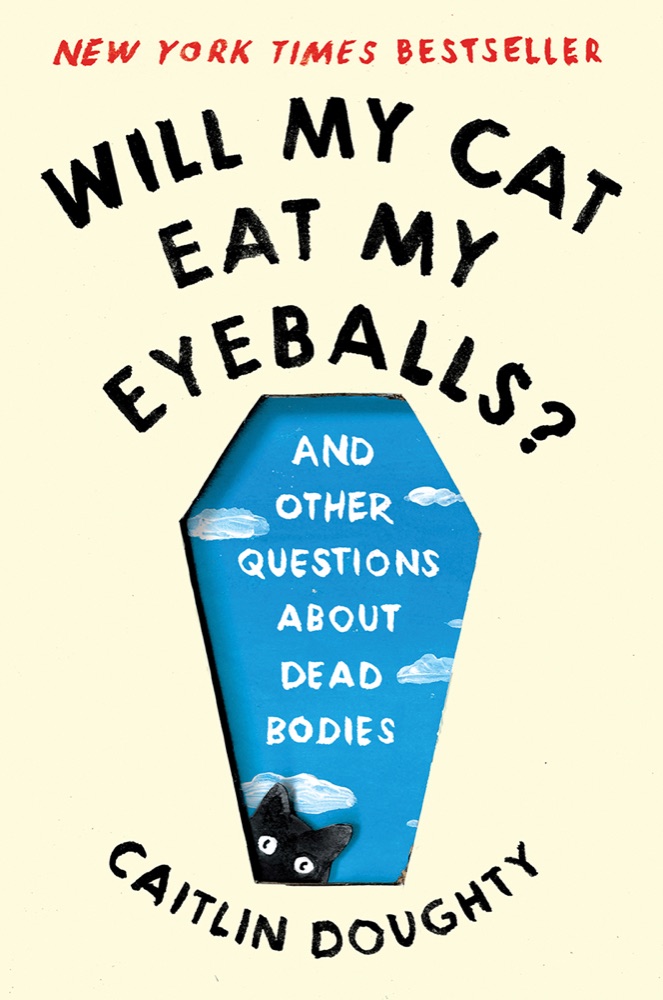
Everyone has questions about death. In Will My Cat Eat My Eyeballs?, best-selling author and mortician Caitlin Doughty answers the most intriguing questions she’s ever received about what happens to our bodies when we die. In a brisk, informative, and morbidly funny style, Doughty explores everything from ancient Egyptian death rituals and the science of skeletons to flesh-eating insects and the proper depth at which to bury your pet if you want Fluffy to become a mummy. Now featuring an interview with a clinical expert on discussing these issues with young people—the source of some of our most revealing questions about death—Will My Cat Eat My Eyeballs? confronts our common fear of dying with candid, honest, and hilarious facts about what awaits the body we leave behind.
Book details
- First published
- 2019
- Author
- Caitlin Doughty
- Genre
- Nonfiction
- Goodreads rating
- 4.12 (49k ratings)
Keep reading
 Stiff: The Curious Lives of Human Cadavers
From Here to Eternity: Traveling the World to Find the Good Death
Smoke Gets in Your Eyes: And Other Lessons from the Crematory
Stiff: The Curious Lives of Human Cadavers
From Here to Eternity: Traveling the World to Find the Good Death
Smoke Gets in Your Eyes: And Other Lessons from the Crematory
 Confessions of a Funeral Director: How the Business of Death Saved My Life
 Death's Acre: Inside the Legendary Forensic Lab the Body Farm Where the Dead Do Tell Tales
 Spook: Science Tackles the Afterlife
 Pet Sematary
 Pocket Apocalypse
 Briefly Perfectly Human: Making an Authentic Life by Getting Real About the End
 Split Tooth
 The Hangman's Replacement: Sprout of Disruption
 A Heart That Works
 The Library of the Dead
 Grunt: The Curious Science of Humans at War
 In the Midst of Life
 Natural Causes: An Epidemic of Wellness, the Certainty of Dying, and Killing Ourselves to Live Longer
 Venom
Venom
 The Resurrectionist: The Lost Work of Dr. Spencer Black
 The Cabinet
 Mortality
 What If?: Serious Scientific Answers to Absurd Hypothetical Questions
 If This Book Exists, You're in the Wrong Universe
 Dead, Undead, or Somewhere in Between
 Don't Let Go
 The Gone-Away World
 Good Bones and Simple Murders
 Cancer Ward
 The Fireman
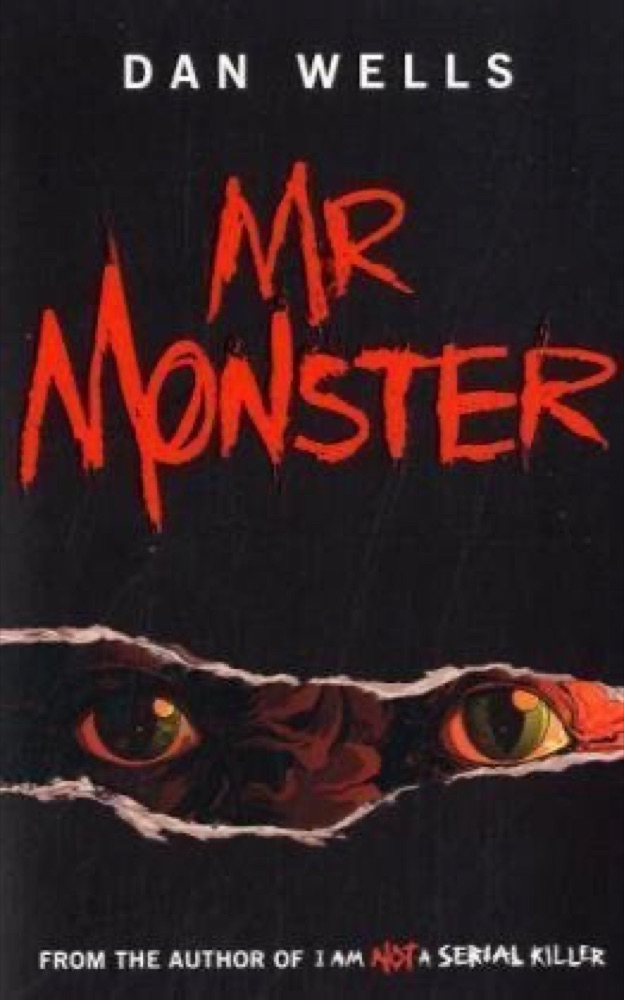 Mr. Monster
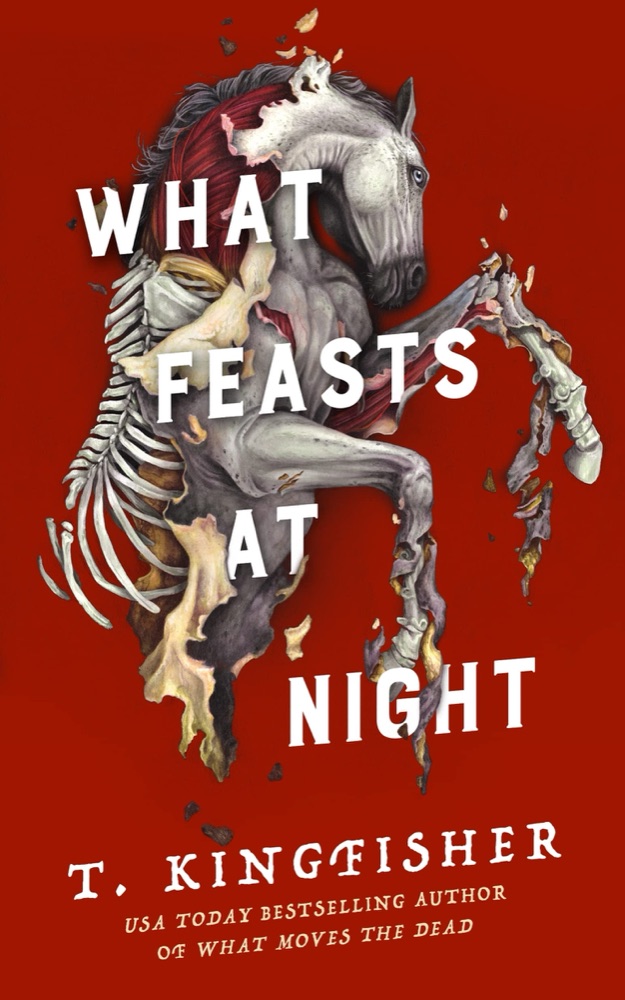 What Feasts at Night
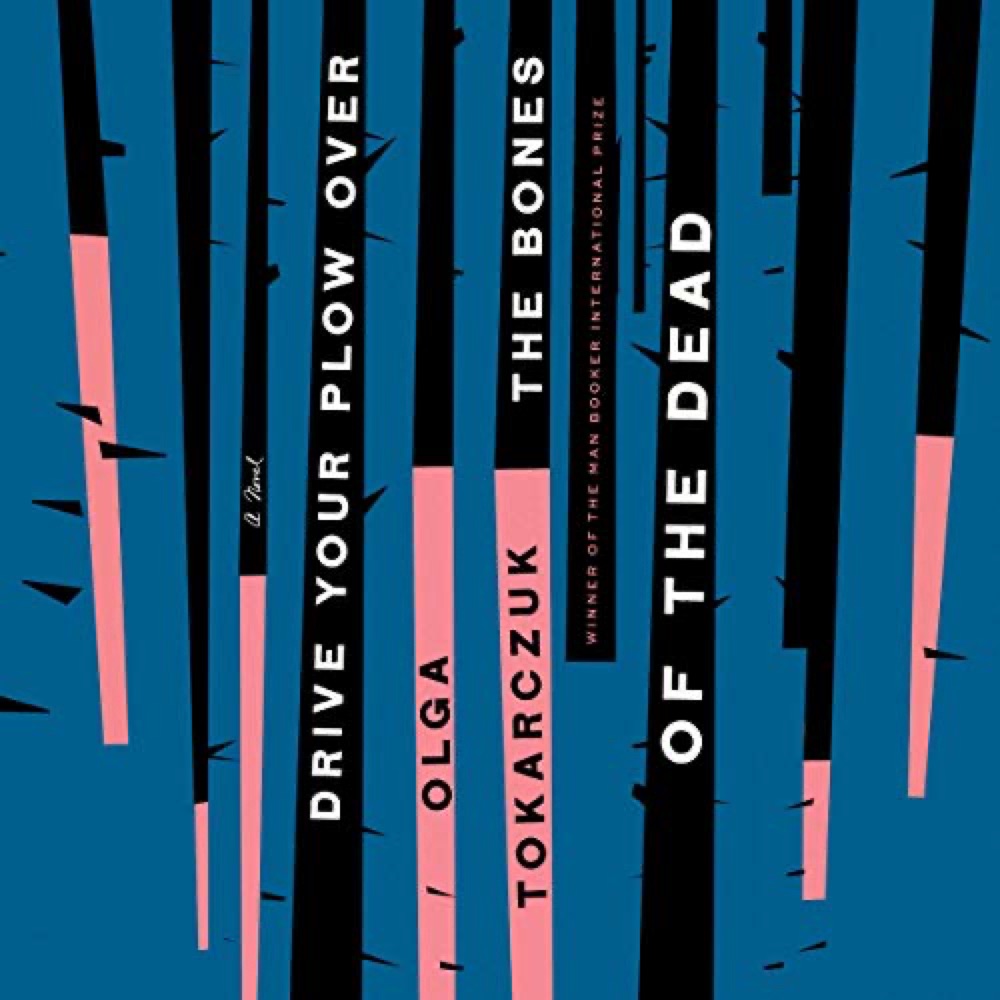 Drive Your Plow Over the Bones of the Dead
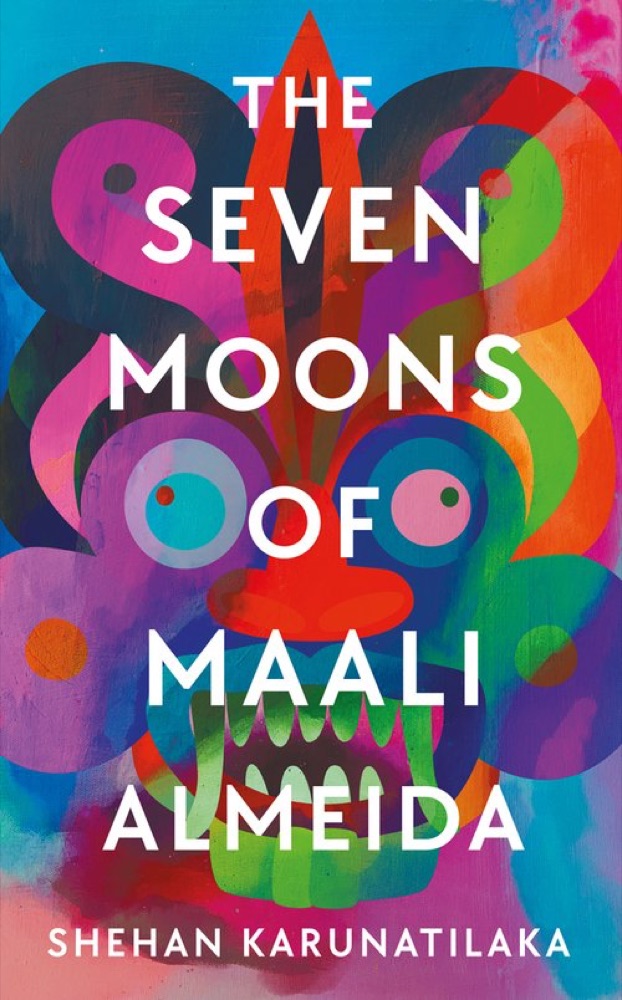 The Seven Moons of Maali Almeida
 Hemlock & Silver
 A Matter of Death and Life
 The Lesser Dead
 The Source
 Dead Astronauts
 Eating Animals
 Death Masks
 Skeleton Crew
 Speaking from Among the Bones
 The New Hunger
 In The Blood
 We Are All the Same in the Dark
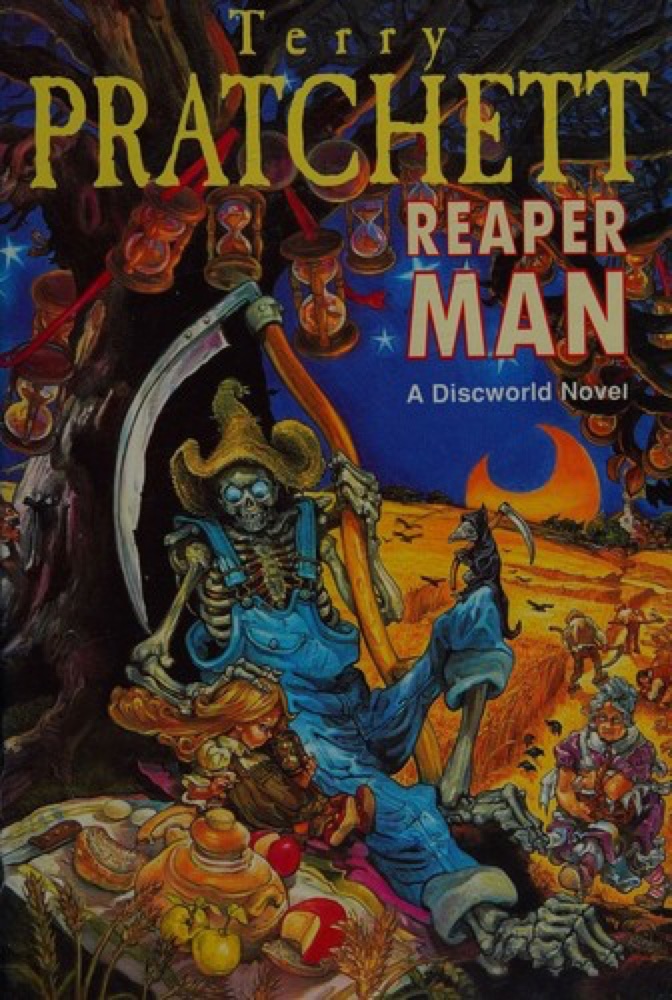 Reaper Man
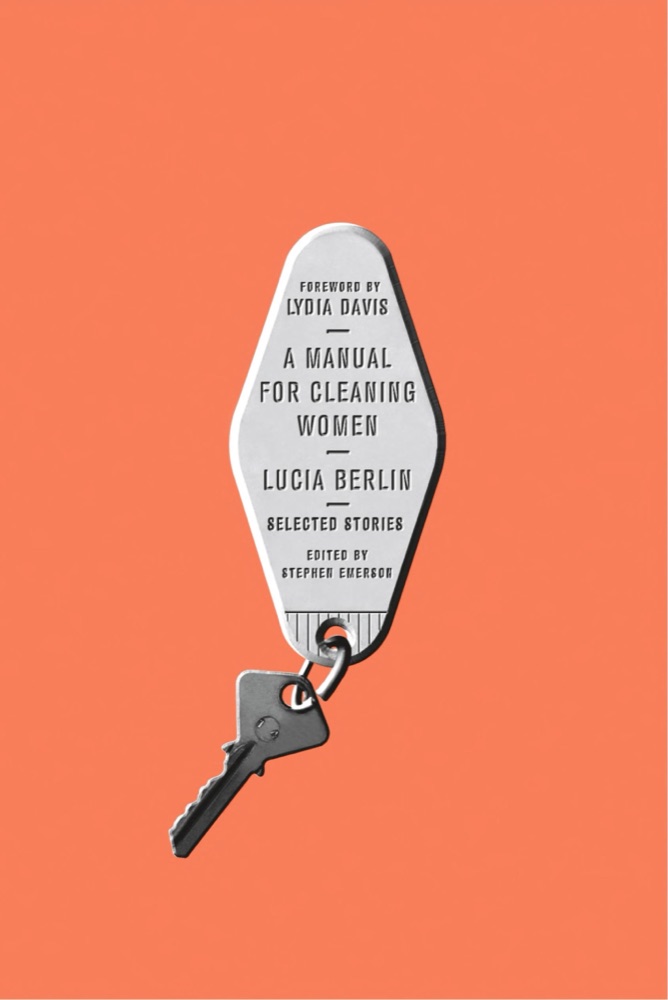 A Manual for Cleaning Women: Selected Stories
 The Beauty of What Remains: How Our Greatest Fear Becomes Our Greatest Gift
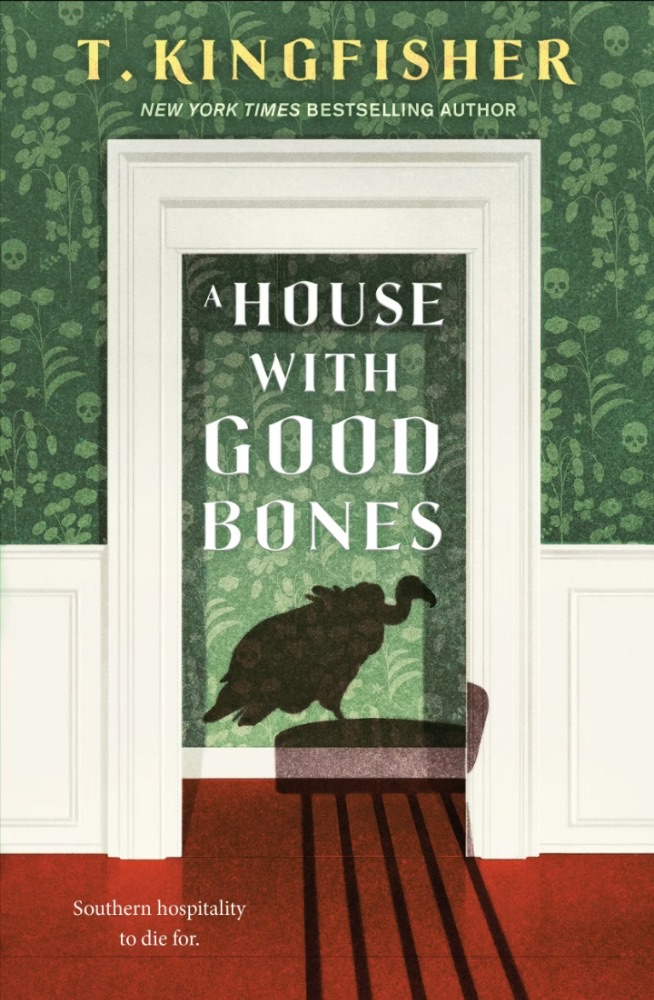 A House with Good Bones
 Dead City
 The Burning World
 The Dead in Their Vaulted Arches
 Pastoralia
 The Graveyard Book
 Friday
 The Universe Versus Alex Woods
 Nod
Nod
 The Hearing Trumpet
 Billions & Billions: Thoughts on Life and Death at the Brink of the Millennium
 Blood Rites
 Parasite