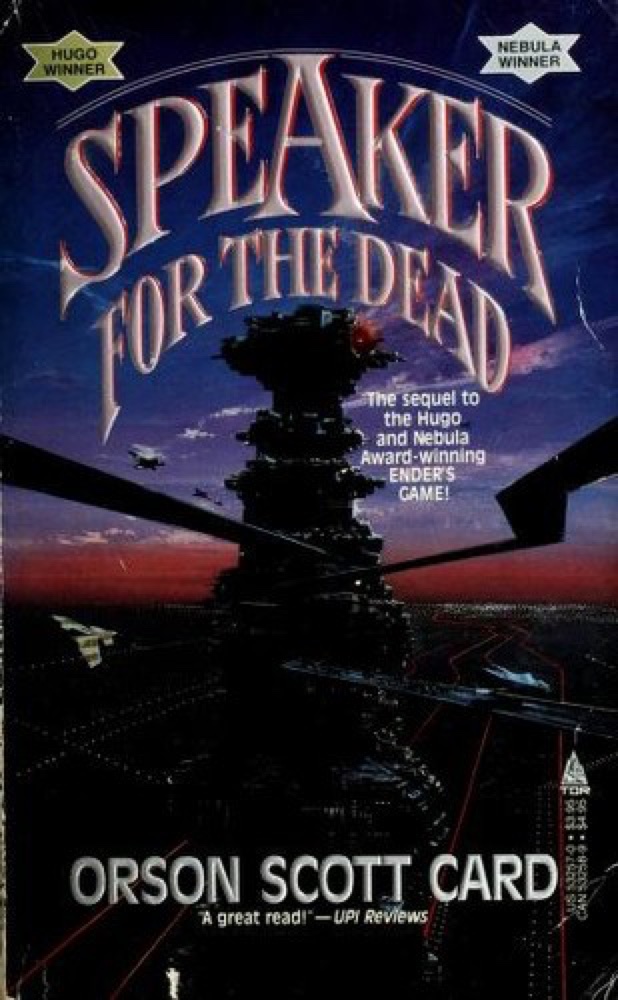

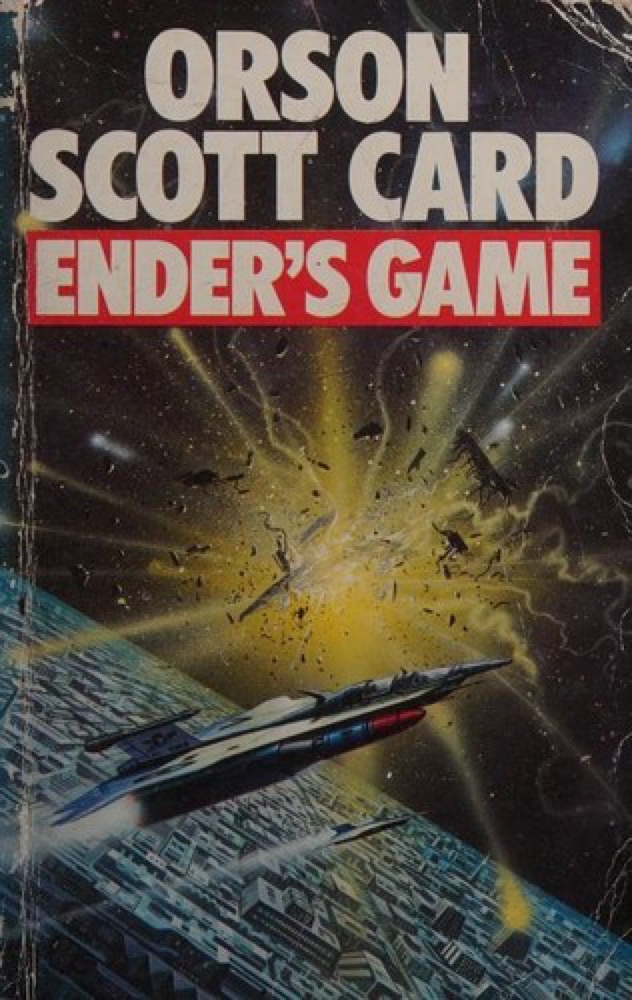
 Ender's Game
Quotes from the Book
This is how humans are: We question all our beliefs, except for the ones that we really believe in, and those we never think to question.
No human being, when you understand his desires, is worthless. No one's life is nothing. Even the most evil of men and women, if you understand their hearts, had some generous act that redeems them, at least a little, from their sins.
When you really know somebody you can’t hate them. Or maybe it’s just that you can’t really know them until you stop hating them.
As long as you keep getting born, it's all right to die sometimes
A Great Rabbi stands, teaching in the marketplace. It happens that a husband finds proof that morning of his wife's adultery, and a mob carries her to the marketplace to stone her to death. There is a familiar version of this story, but a friend of mine - a Speaker for the Dead - has told me of two other Rabbis that faced the same situation. Those are the ones I'm going to tell you. The Rabbi walks forward and stands beside the woman. Out of respect for him the mob forbears and waits with the stones heavy in their hands. 'Is there any man here,' he says to them, 'who has not desired another man's wife, another woman's husband?' They murmur and say, 'We all know the desire, but Rabbi none of us has acted on it.' The Rabbi says, 'Then kneel down and give thanks that God has made you strong.' He takes the woman by the hand and leads her out of the market. Just before he lets her go, he whispers to her, 'Tell the Lord Magistrate who saved his mistress, then he'll know I am his loyal servant.' So the woman lives because the community is too corrupt to protect itself from disorder. Another Rabbi. Another city. He goes to her and stops the mob as in the other story and says, 'Which of you is without sin? Let him cast the first stone.' The people are abashed, and they forget their unity of purpose in the memory of their own individual sins. ‘Someday,’ they think, ‘I may be like this woman. And I’ll hope for forgiveness and another chance. I should treat her as I wish to be treated.’ As they opened their hands and let their stones fall to the ground, the Rabbi picks up one of the fallen stones, lifts it high over the woman’s head and throws it straight down with all his might it crushes her skull and dashes her brain among the cobblestones. ‘Nor am I without sins,’ he says to the people, ‘but if we allow only perfect people to enforce the law, the law will soon be dead – and our city with it.’ So the woman died because her community was too rigid to endure her deviance. The famous version of this story is noteworthy because it is so startlingly rare in our experience. Most communities lurch between decay and rigor mortis and when they veer too far they die. Only one Rabbi dared to expect of us such a perfect balance that we could preserve the law and still forgive the deviation. So of course, we killed him. -San Angelo Letters to an Incipient Heretic
You killed more people than anybody in history." "Be the best at whatever you do, that's what my mother always told me.
Every person is defined by the communities she belongs to.
He loved her, as you can only love someone who is an echo of yourself at your time of deepest sorrow.
But when it comes to human beings, the only type of cause that matters is final cause, the purpose. What a person had in mind. Once you understand what people really want, you can't hate them anymore. You can fear them, but you can't hate them, because you can always find the same desires in your own heart.
Sickness and healing are in every heart; death and deliverance in every hand.
The difference between raman and varelse is not in the creature judged, but in the creature judging. When we declare an alien species to be raman, it does not mean that they have passed a threshold of moral maturity. It means that we have.
Twisted and perverse are the ways of the human mind," Jane intoned. "Pinocchio was such a dolt to try to become a real boy. He was much better off with a wooden head.
It's the most charming thing about humans. You are all so sure that the lesser animals are bleeding with envy because they didn't have the good fortune to be born Homo sapiens.
Maybe she couldn't know who she was today. Maybe it was enough to know that she was no longer who she was before.
We've devoted our lives to learning about them!" Miro said. Ender stopped. "Not from them.
Order and disorder', said the speaker, 'they each have their beauty.
Dona Crista laughed a bit. "Oh, Pip, I'd be glad for you to try. But do believe me, my dear friend, touching her heart is like bathing in ice." I imagine. I imagine it feels like bathing in ice to the person touching her. But how does it feel to her? Cold as she is, it must surely burn like fire.
Quim," she said, "don't ever try to teach me about good and evil. I've been there, and you've seen nothing but a map.
I don't hate you, I love you, you're part of myself, you're my heart and when you go it's my heart torn out and carried away--
Ah, I am the judge of dreams, and you are the judge of love. Well, I find you guilty of dreaming good dreams, and sentence you to a lifetime of working and suffering for the sake of your dreams. I only hope that someday you won't declare me innocent of the crime of loving you.
He is dangerous, he is beautiful, I could drown in his understanding.
You're cultural supremacists to the core. You'll perform your Questionable Activities to help out the poor little piggies, but there isn't a chance in the world you'll notice when they have something to teach you.
You understand that the piggies are animals, and you no more condemn them for murdering Libo and Pipo than you condemn a cabra for shewing up capim." That's right," said Miro. Ender smiled. "And that's why you'll never learn anything from them. Because you think of them as animals.
A strange thing happened then. The Speaker agreed with her that she had made a mistake that night, and she knew when he said the words that it was true, that his judgment was correct. And yet she felt strangely healed, as if simply saying her mistake were enough to purge some of the pain of it. For the first time, then, she caught a glimpse of what the power of speaking might be. It wasn’t a matter of confession, penance, and absolution, like the priests offered. It was something else entirely. Telling the story of who she was, and then realizing that she was no longer the same person. That she had made a mistake, and the mistake had changed her, and now she would not make the mistake again because she had become someone else, someone less afraid, someone more compassionate.
The tribe is whatever we believe it is. If we say the tribe is all the Little Ones in the forest, and all the trees, then that is what the tribe is. Even though some of the oldest trees here came from warriors of two different tribes, fallen in battle. We become one tribe because we say we're one tribe." Ender marveled at his mind, this small raman [member of another sentient species]. How few humans were able to grasp this idea, or let it extend beyond the narrow confines of their tribe, their family, their nation.
So you chose not to be part of the bands of children who group together for the sole purpose of excluding others, and people look at you and say, poor girl, she’s so isolated, but you know a secret, you know who you really are. You are the one human being who is capable of understanding the alien mind, because you are the alien mind; you know what it is to be unhuman because there’s never been any human group that gave you credentials as a bona fide homo sapien # [He] wondered if it was already too late to teach her how to be a human
This is the Speaker for the Dead? Judging someone by appearances?" "Maybe I've fallen in love with Grego." "You've always been a sucker for people who pee on you.
Once you understand what people really want, you can't hate them anymore. You can fear them, but you can't hate them, because you can always find the same desires in your own heart.
Did you know?
- It is the second novel in Orson Scott Card's Ender saga, set about three thousand years after Ender's Game.
- With Ender's Game, it made Card the only author to win the Hugo and Nebula Awards in consecutive years.
- Card has said Speaker for the Dead was the story he originally wanted to tell, and that Ender's Game grew out of the need to give it a protagonist.
- The novel introduces the pequeninos, an alien forest species, and Jane, an artificial intelligence who becomes Ender's companion.
- Much of the action takes place on the Catholic Portuguese-speaking colony world of Lusitania.
- The concept of a Speaker for the Dead is presented as a quasi-religious calling to tell the honest truth of a deceased person's life.
About Orson Scott Card
Orson Scott Card (born August 24, 1951) is an American science fiction writer best known for the Ender saga. He is the only person to win the Hugo and Nebula Awards for Best Novel in consecutive years, for Ender's Game (1985) and Speaker for the Dead (1986).
More about the author →More by Orson Scott Card
All books by Orson Scott Card →
About the book
Speaker for the Dead is a 1986 science fiction novel by Orson Scott Card and the second book in the Ender saga, set roughly three thousand years after the events of Ender's Game. Andrew Wiggin, once the boy commander who destroyed an alien species, now travels the human worlds as a Speaker for the Dead, telling the unvarnished truth of a person's life at their funeral. When two deaths among the alien pequeninos on the colony world of Lusitania threaten disaster, he is called to speak, and finds himself drawn into the mysteries of a sentient forest people whose life cycle no human yet understands.
Where Ender's Game was a story of war and command, Speaker for the Dead is a story of understanding across the gulf between species. Its central themes are xenophobia and the possibility of genuine communication with the alien, redemption for past guilt, and the moral weight of judging lives we do not fully comprehend. Card frames the encounter with the pequeninos as a test of whether humanity can meet a strange intelligence with empathy rather than fear, after having failed that test once before.
The novel won both the Nebula Award for 1986 and the Hugo Award for 1987, and together with Ender's Game it made Card the only author to win science fiction's two highest honors in consecutive years. Card has said that Speaker for the Dead was in fact the book he most wanted to write, with Ender's Game conceived partly as a way to reach it. It anchors a series that continued in Xenocide and Children of the Mind.
Key characters
- Andrew "Ender" WigginProtagonist; the Speaker for the Dead called to Lusitania
- NovinhaXenobiologist on Lusitania whose family is at the story's center
- JaneArtificial intelligence and Ender's secret companion
- The pequeninosSentient alien 'piggies' native to Lusitania's forests
- MiroNovinha's son and a young xenologer studying the pequeninos
- ElaNovinha's daughter, a xenobiologist investigating Lusitania's biology
Book details
- First published
- 1986
- Length
- 415 pages
- Reading time
- 8 hours
- Author
- Orson Scott Card
- Genre
- Fiction
- Goodreads rating
- 4.11 (276k ratings) →
Series & reading order
- 1 Ender's Game
- 2 Speaker for the Dead
- 3 Xenocide
- 4 Children of the Mind
If you liked this, read…
- 1Ender's GameThe preceding novel in the same series, introducing Ender Wiggin
- 2The Left Hand of DarknessAnother award-winning SF novel centered on understanding an alien society
- 3XenocideThe direct sequel continuing the Lusitania storyline
Keep reading
 Xenocide
 The Queen of the Damned
 Children of the Mind
 Mother Night
 Demian
 The Broken Eye
 Wicked: The Life and Times of the Wicked Witch of the West
 Muse of Nightmares
 Shadow of the Hegemon
 We the Living
 Children of God
 Incantation
 Night Watch
 The Obelisk Gate
 The Shape of Mercy
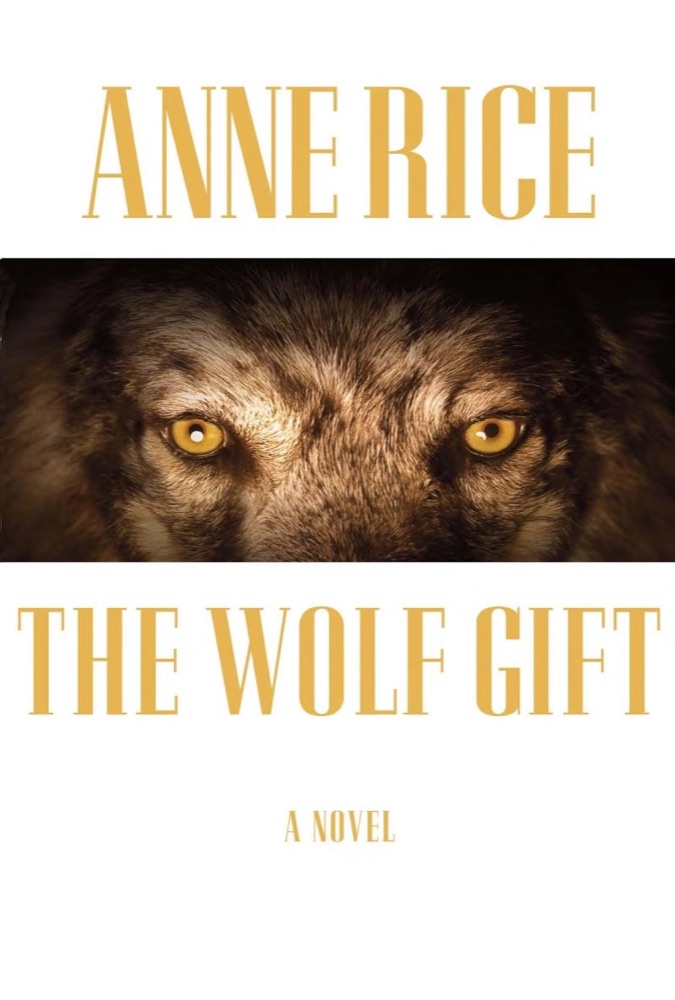 The Wolf Gift
 The Storyteller
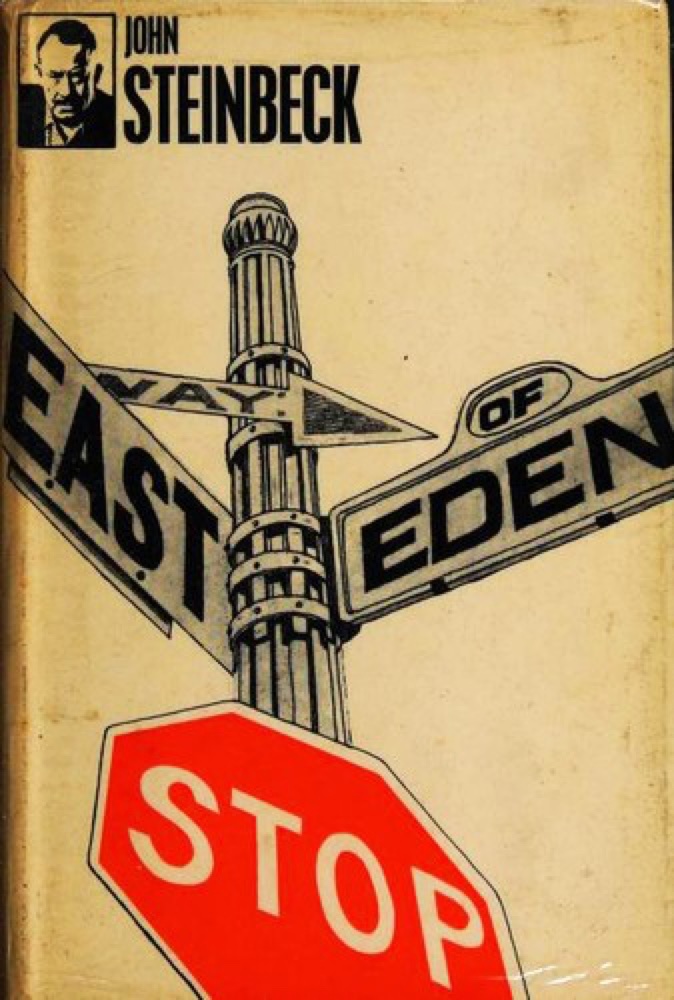 East of Eden
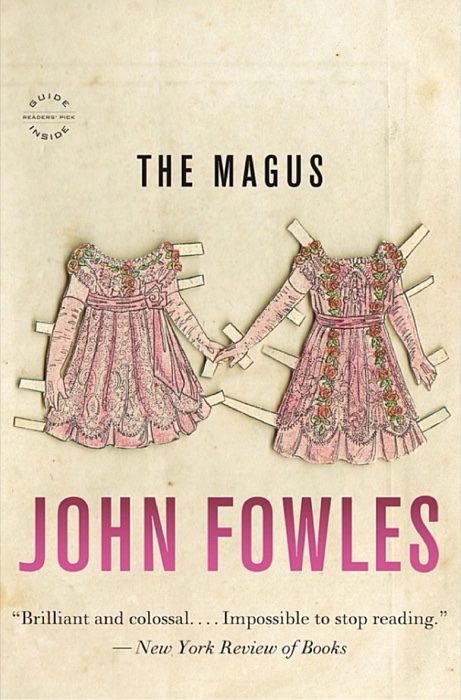 The Magus
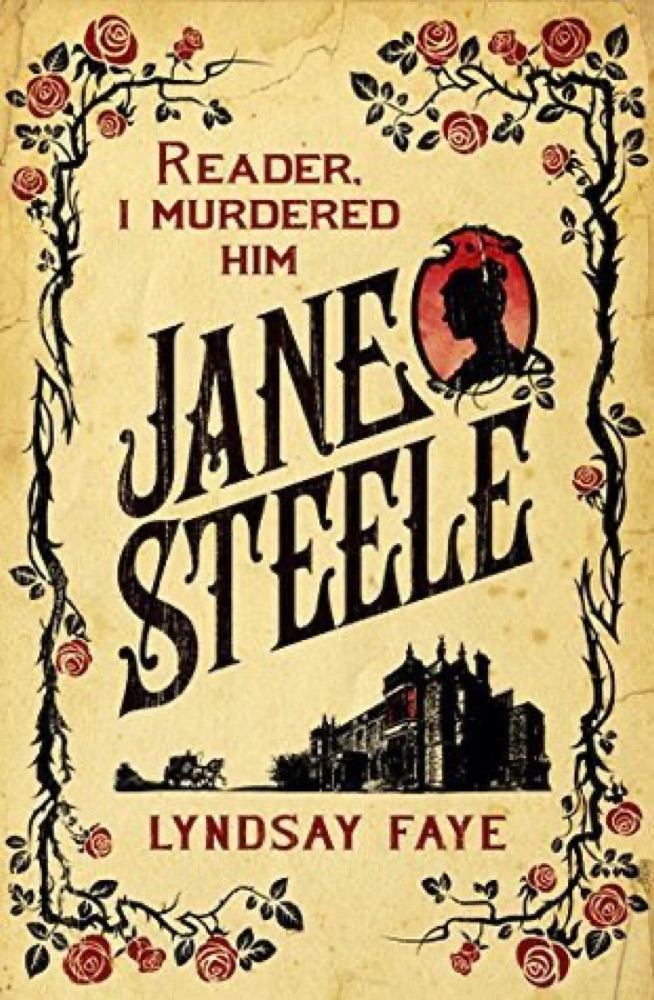 Jane Steele
 His Dark Materials
 The Left Hand of God
 In the Lives of Puppets
 The Kindly Ones
 The Snowman
 The Human Stain
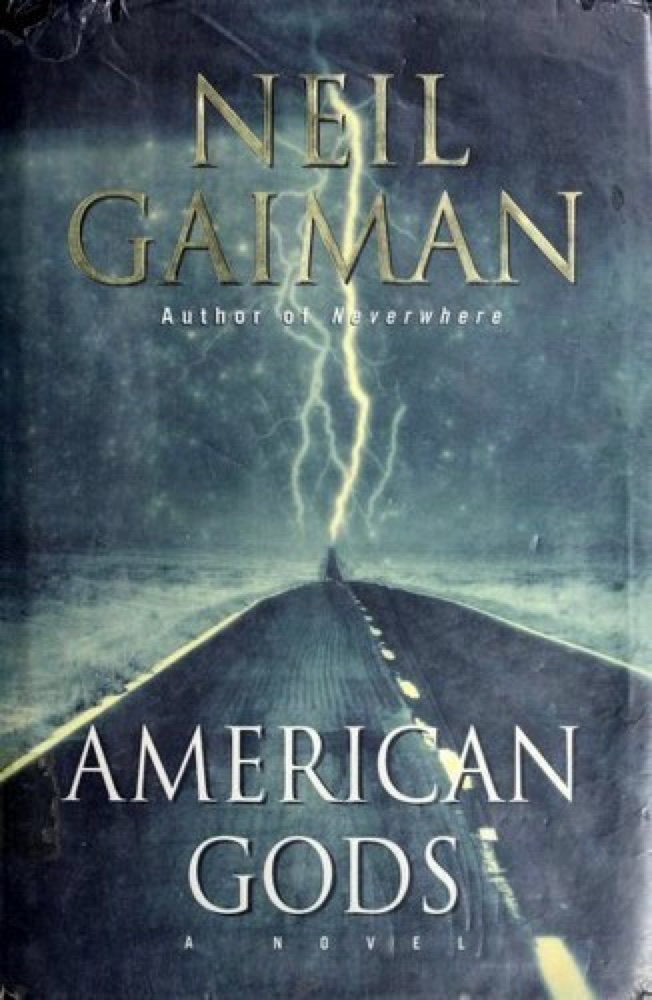 American Gods
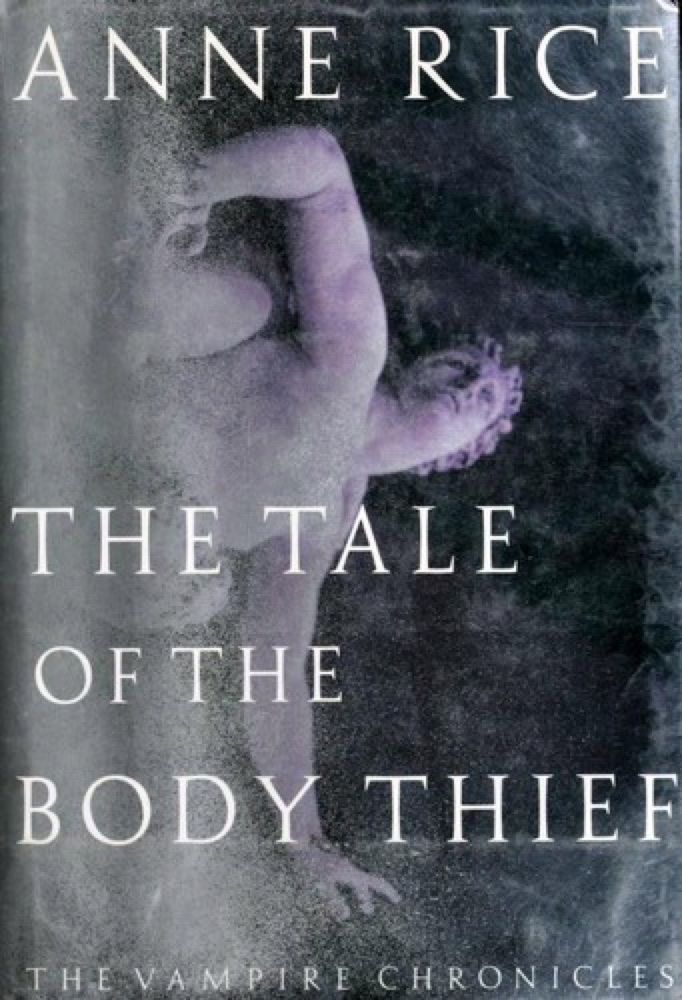 The Tale of the Body Thief
 City of Stairs
 In The Blood
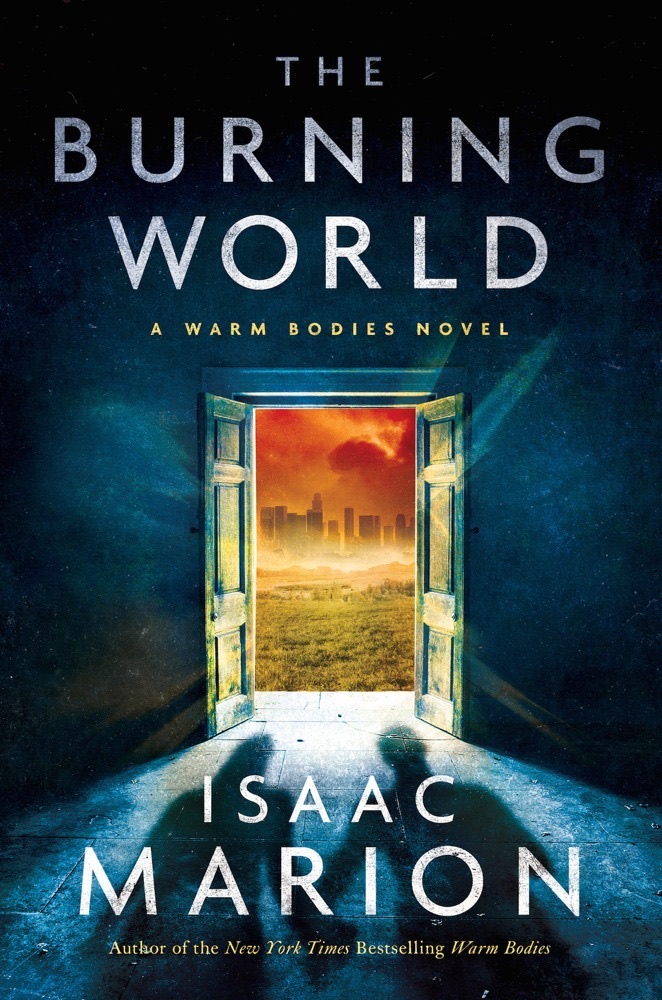 The Burning World
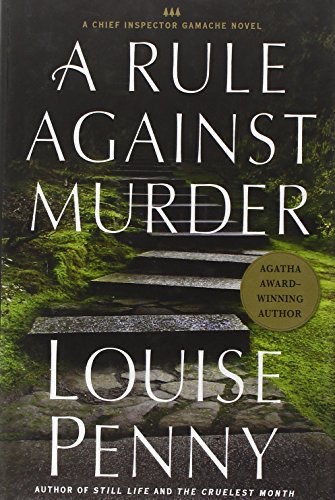 A Rule Against Murder
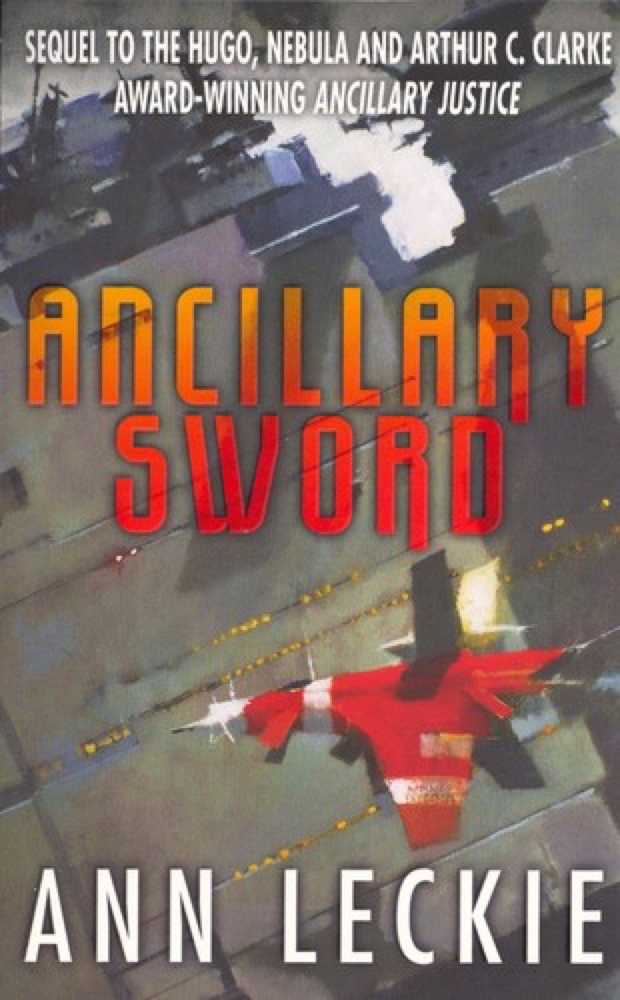 Ancillary Sword
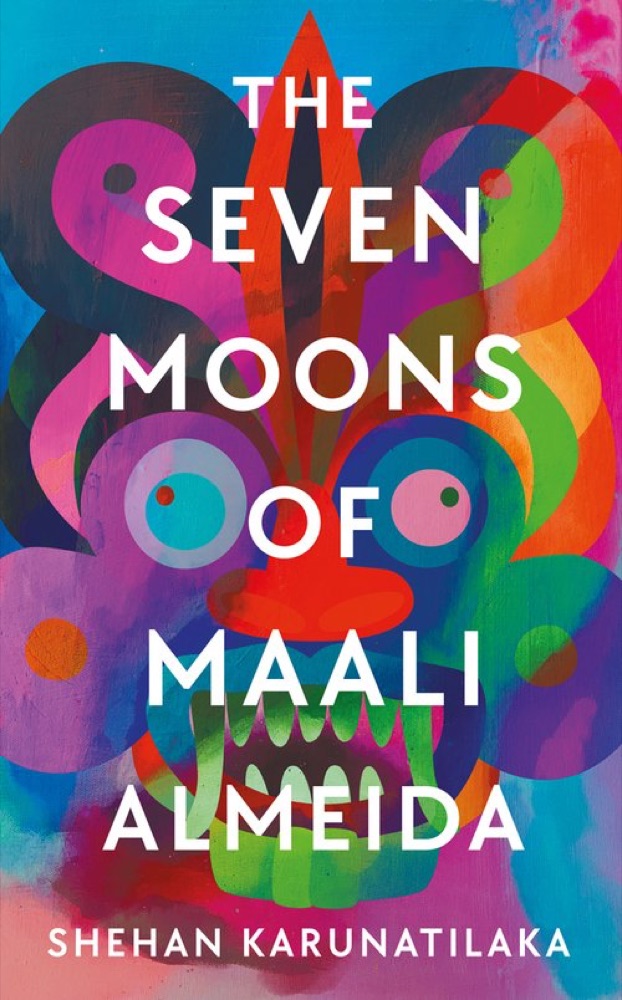 The Seven Moons of Maali Almeida
 Ravelstein
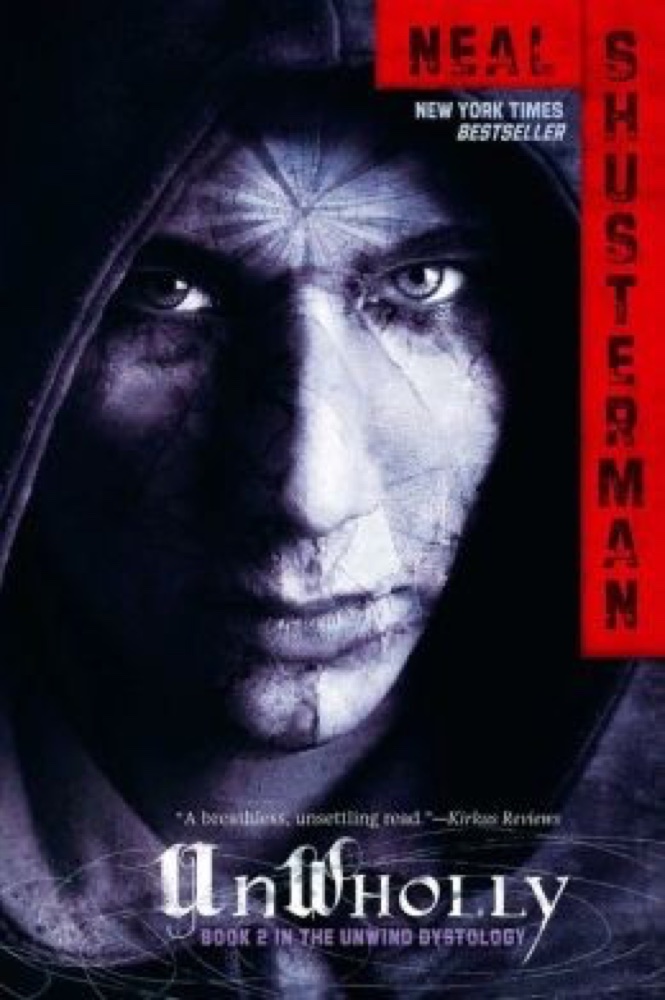 UnWholly
 Every Heart a Doorway
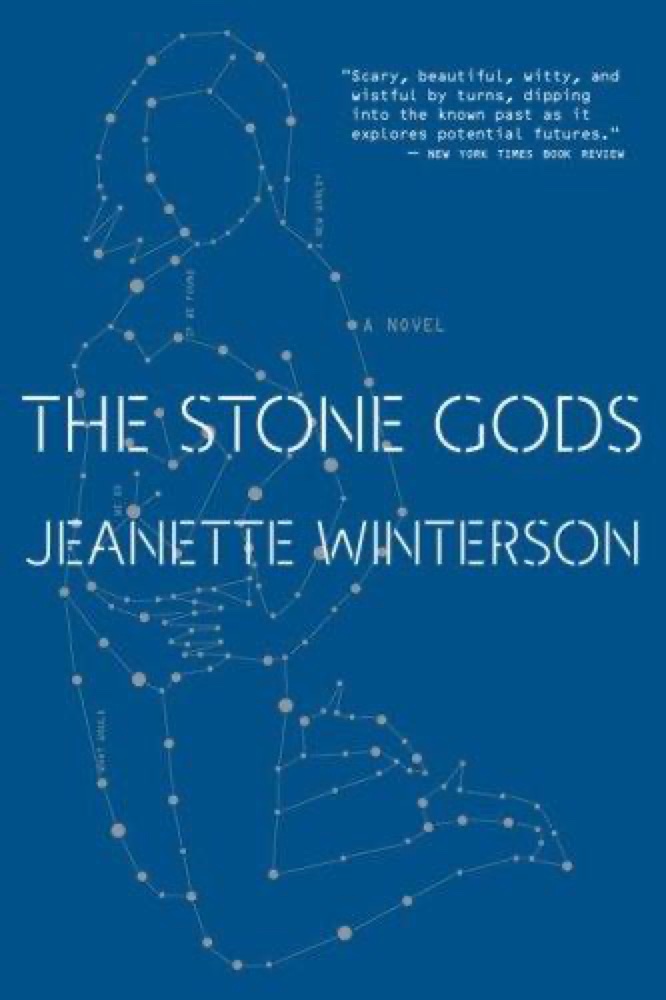 The Stone Gods
 Embers
 Good Bones and Simple Murders
 Alias Grace
 The Shadowglass
 Born of Silence
 The Kite Runner
 Herzog
 The Gargoyle
 Shōgun
 Library of Souls
 Abarat
 The Devils
 The Joke
 The Fountainhead
 The Hundred Thousand Kingdoms
 Ruins
Ruins
 The Once and Future King
 Speaking Bones
 Trust: Betrayed
 The Fall
 The Toll
 The Orphan Master's Son