
 The Shining
Quotes from the Book
And the most terrifying question of all may be just how much horror the human mind can stand and still maintain a wakeful, staring, unrelenting sanity.
The soil of a man’s heart is stonier; a man grows what he can and tends it.
Cats were the gangsters of the animal world, living outside the law and often dying there. There were a great many of them who never grew old by the fire.
You learned to accept, or you ended up in a small room writing letters home with Crayolas.
there is no gain without risk, perhaps no risk without love.
Only children tell the whole truth, you know. That's what makes them children.
May be she’ll learn something about what death really is, which is where the pain stops and the good memories begin. Not the end of life but the end of pain.
Faith is a great thing, and really religious people would like us to believe that faith and knowing are the same thing, but I don't believe that myself. Because there are too many different ideas on the subject. What we know is this: When we die, one of two things happens. Either our souls and thoughts somehow survive the experience of dying or they don't. If they do, that opens up every possibility you could think of. If they don't, it's just blotto. The end.
Death is a mystery, and burial is a secret.
The soil of a man's heart is stonier, Louis. A man grows what he can, and he tends it. 'Cause what you buy, is what you own. And what you own... always comes home to you.
What's been tried once had been tried once before... and before... and before...
The old sleep poorly. Perhaps they stand watch.
It's probably wrong to believe there can be any limit to the horror which the human mind can experience. On the contrary, it seems that some exponential effect begins to obtain as deeper and deeper darkness falls-as little as one may like to admit it, human experience tends, in a good many ways, to support the idea that when the nightmare grows black enough, horror spawns horror, one coincidental evil begets other, often more deliberate evils, until finally blackness seems to cover everything. And the most terrifying question of all may be just how much horror the human mind can stand and still maintain a wakeful, staring, unrelenting sanity. That such events have their own Rube Goldberg absurdity goes almost without saying. At some point, it all starts to become rather funny. That may be the point at which sanity begins either to save itself or to buckle and break down; that point at which one's sense of humor begins to reassert itself.
He’s my cat! He’s not God’s cat! Let God have his own cat! Let God have all the damn old cats He wants, and kill them all! Church is mine!
Dead fields under a November sky, scattered rose petals brown and turning up at the edges, empty pools scummed with algae, rot, decomposition, dust...
We either learn to accept or we end up writing letters home with crayons.
Don’t go beyond, no matter how much you feel you need to, Doctor. The barrier was not made to be broken. Remember this: there is more power here than you know. It is old and always restless. Remember.
their respect for the mystery--the half-grasped but never spoken idea that maybe, when you got right down to the place where the cheese binds, there is no such thing as marriage, no such thing as union, that each soul stood alone and ultimately defied rationality. That was the mystery.
Resurrection... ah, there's a word (that you should put right the fuck out of your mind and you know it).
Christ. No, not Christ. These leavings were made in propitiation of a much older God than the Christian one. People have called Him different things at different times, but Rachel’s sister gave Him a perfectly good name, I think: Oz the Gweat and Tewwible, God of dead things left in the ground, God of rotting flowers in drainage ditches, God of the Mystery.
It's like many other things in life, Ellie. You keep on the path and all's well. You get off it and the next thing you know you're lost if you're not lucky.
That lesson suggests that in the end, we can only find peace in our human lives by accepting the will of the universe.
Oh, about beer I never lie," Crandall said. "A man who lies about beer makes enemies.
Did you know?
- Stephen King has said Pet Sematary is the book that scared him the most.
- King conceived the novel as a modern reimagining of W. W. Jacobs' short story 'The Monkey's Paw.'
- The idea was partly inspired by a real incident in which King's daughter's cat was killed on a road near their Maine home.
- The novel's recurring line 'Sometimes dead is better' has become one of King's most famous phrases.
- The story is set in the fictional town of Ludlow, Maine.
About Stephen King
Stephen King is an American author, born in 1947, widely known as one of the best-selling writers of horror, suspense, and supernatural fiction, with works including Carrie, The Shining, and It.
More about the author →
About the book
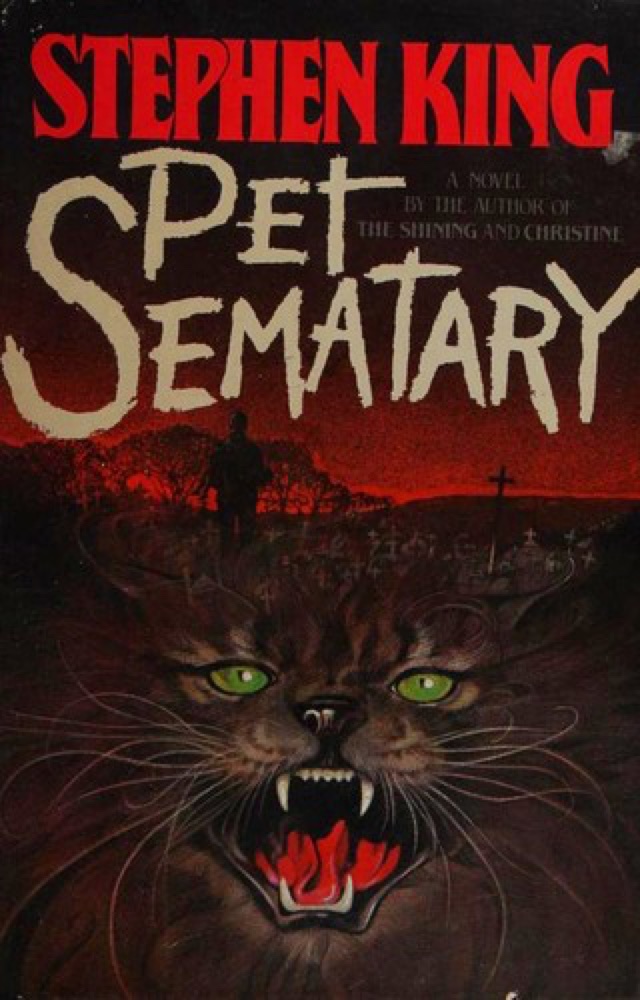
Pet Sematary is a horror novel by Stephen King, first published by Doubleday in 1983. It follows Dr. Louis Creed, who moves his family from Chicago to the rural town of Ludlow, Maine, into a house beside a busy highway that regularly kills local pets. Near the home, children have built a pet cemetery, and beyond it in the woods lies an ancient burial ground whose sinister power to return the dead becomes a terrible temptation after tragedy strikes the Creed family.
At its core the book is a meditation on grief, loss, and a parent's desperation in the face of death. King has described it as a modern reworking of W. W. Jacobs' classic tale "The Monkey's Paw," exploring the idea that some wishes carry monstrous costs. Its recurring warning, that "sometimes dead is better," captures the novel's central theme: the danger of refusing to accept mortality and the corrupting nature of unchecked despair.
Widely regarded as one of King's darkest works, Pet Sematary was nominated for the World Fantasy Award for Best Novel in 1984, and King himself has said it is the book that scared him the most. It has become a cornerstone of modern horror, inspiring a 1989 film adaptation with a screenplay by King, a 2019 remake, and later screen entries that extended its bleak vision of loss and resurrection.
Key characters
- Louis CreedA physician who moves his family to Maine and confronts the burial ground's power
- Rachel CreedLouis's wife, deeply traumatized by death and loss
- Jud CrandallThe Creeds' elderly neighbor who reveals the burial ground's secret
- Ellie CreedLouis and Rachel's young daughter
- Gage CreedLouis and Rachel's infant son
- ChurchThe family cat whose death sets the horror in motion
Book details
- First published
- 1983
- Length
- 374 pages
- Reading time
- 8 hours
- Author
- Stephen King
- Genre
- Fiction
- Goodreads rating
- 4.09 (722k ratings) →
- First line
- “Louis Creed, who had lost his father at three and who had never known a grandfather, never expected to find a father as he entered his middle age, but that was exactly what happened.”
Movie & TV adaptations
- IMDb
- IMDb
If you liked this, read…
- 1The Monkey's PawThe classic tale of wishes with monstrous costs that inspired the novel
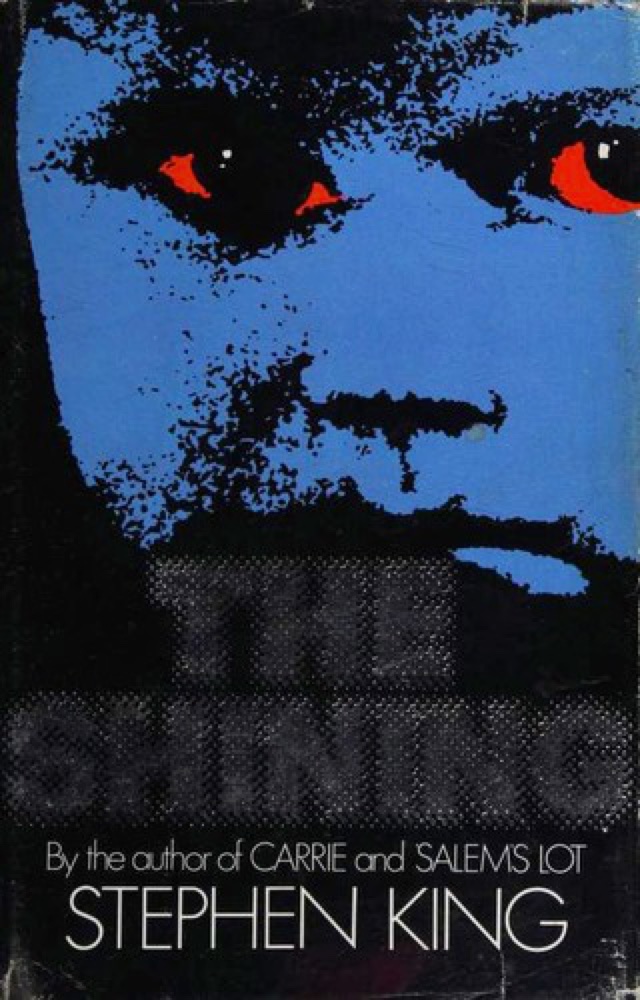
- 2The ShiningAnother King novel where isolation and grief turn supernatural and deadly
Keep reading
 American Gods
 Rot & Ruin
 Revival
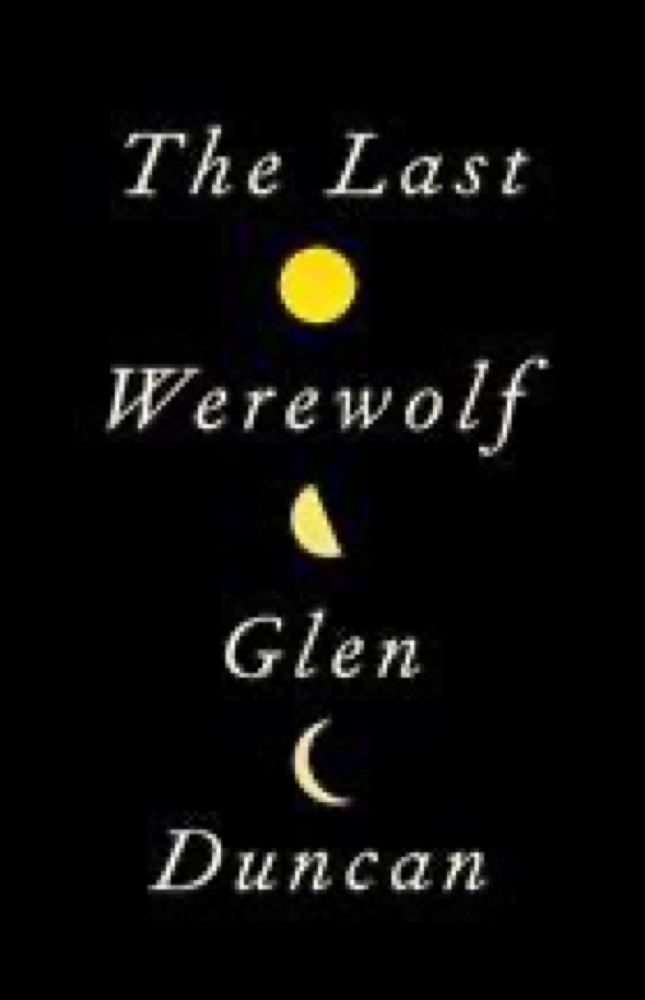 The Last Werewolf
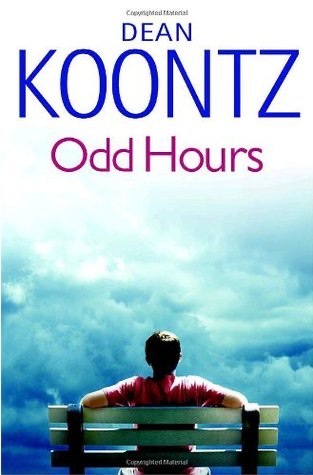 Odd Hours
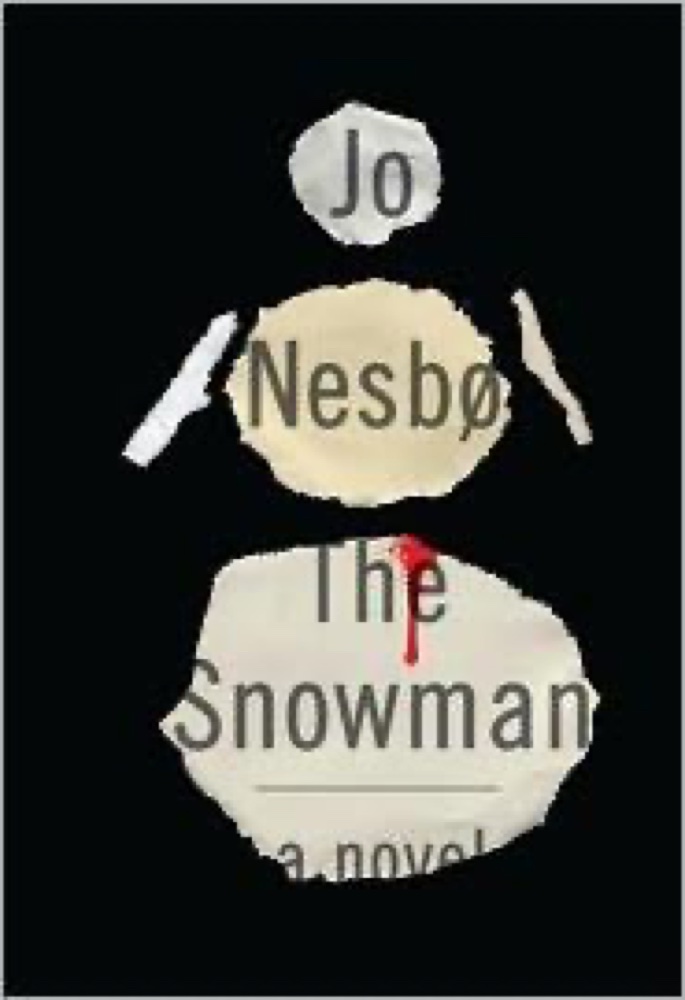 The Snowman
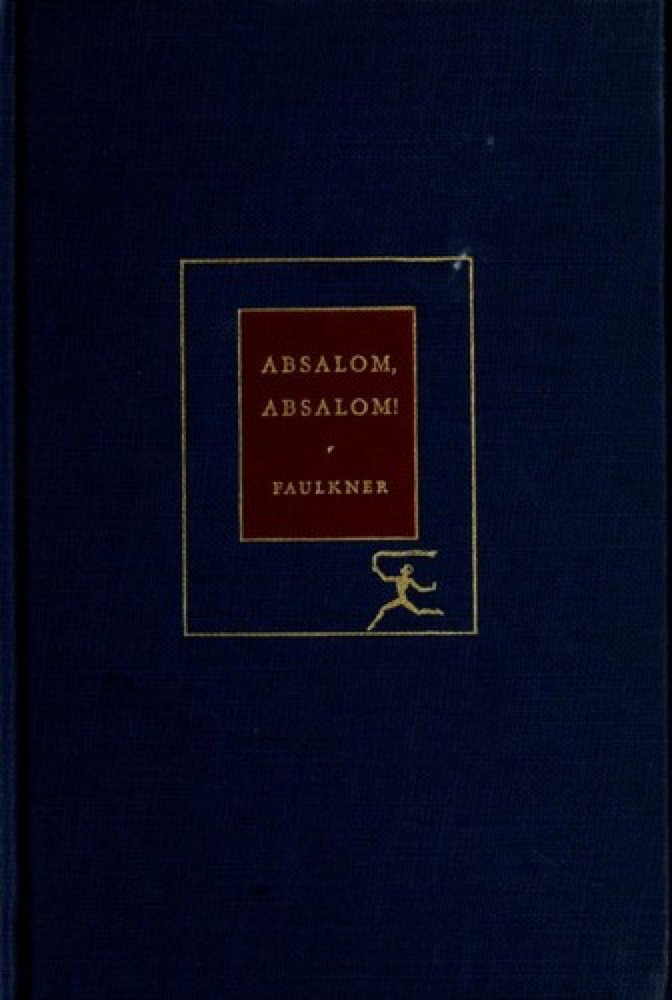 Absalom, Absalom!
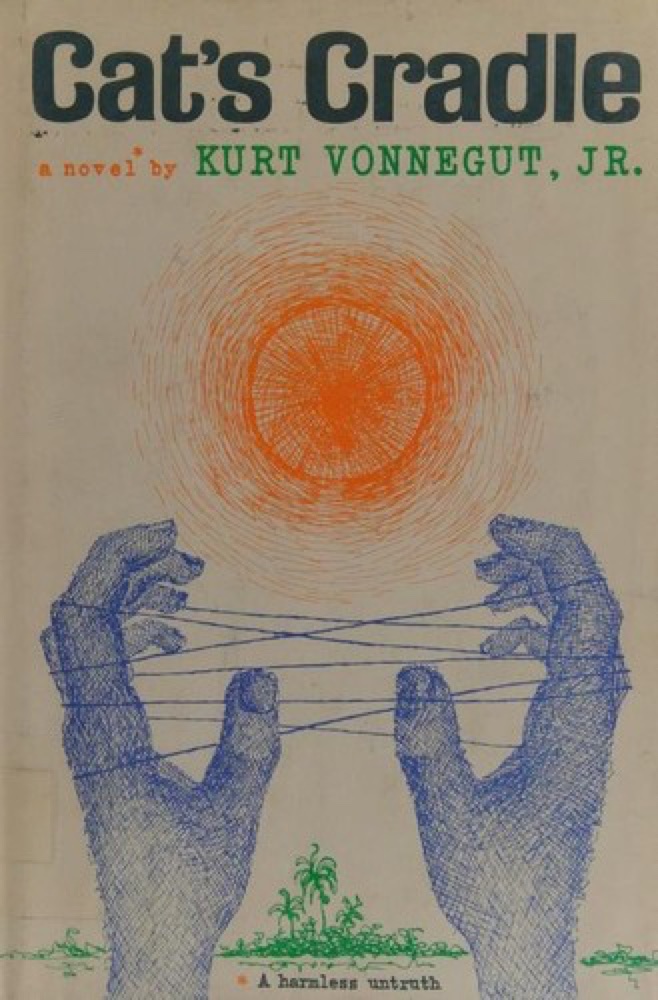 Cat's Cradle
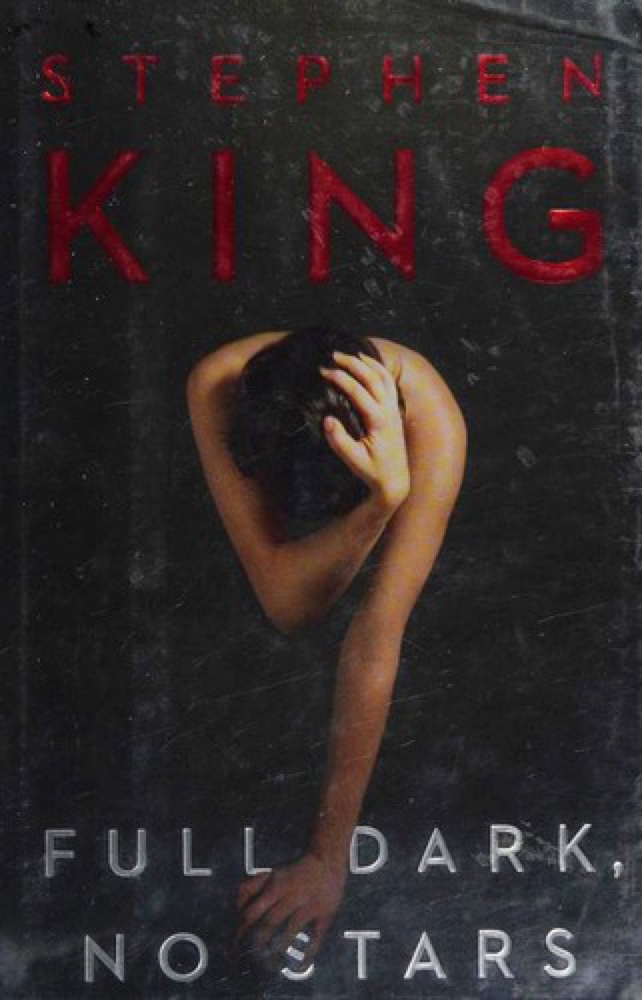 Full Dark, No Stars
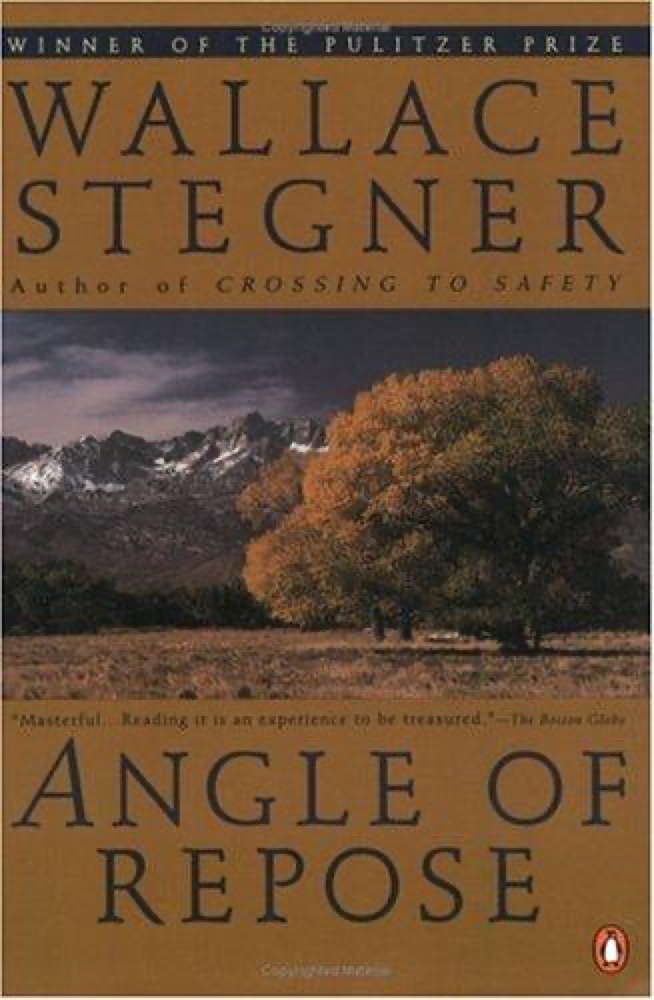 Angle of Repose
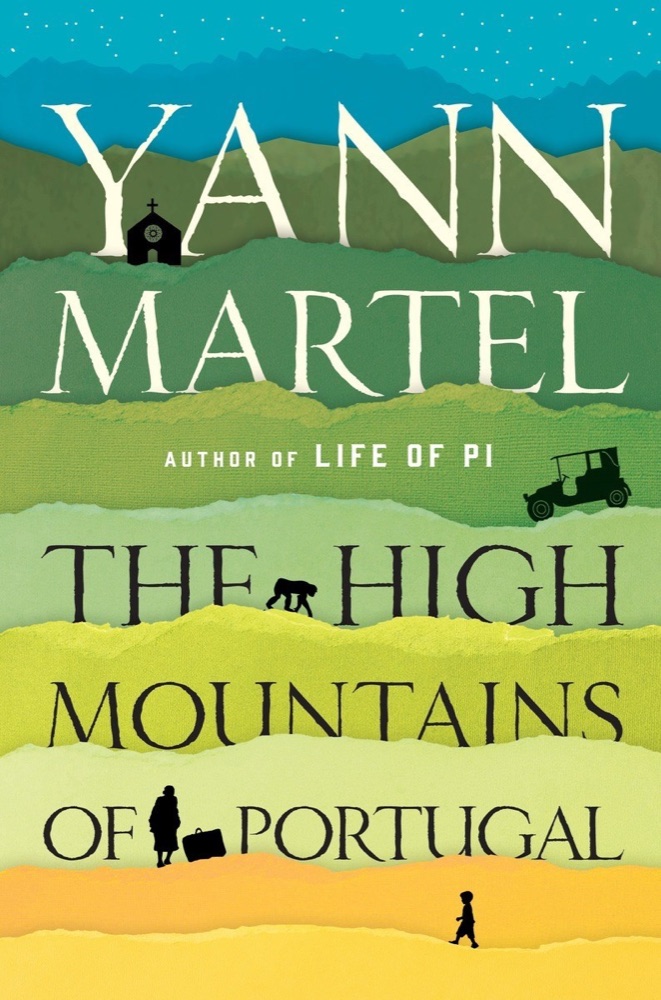 The High Mountains of Portugal
 The Graveyard Book
 That Hideous Strength
 The Gone-Away World
 The Bone Clocks
 The Fall
 Familiaris
 A Rule Against Murder
 Dracula
 Sometimes a Great Notion
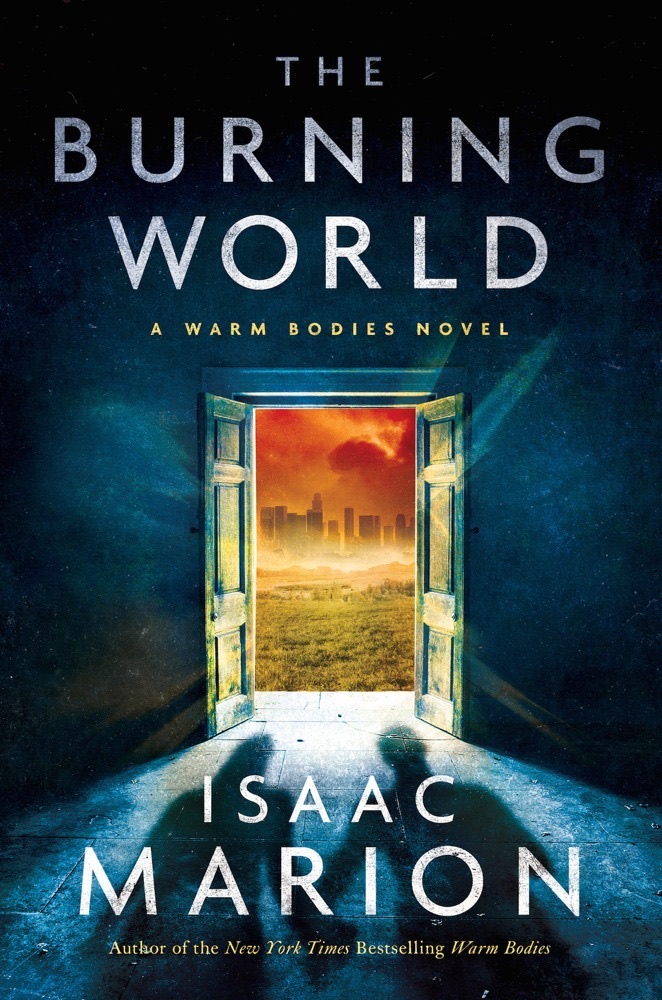 The Burning World
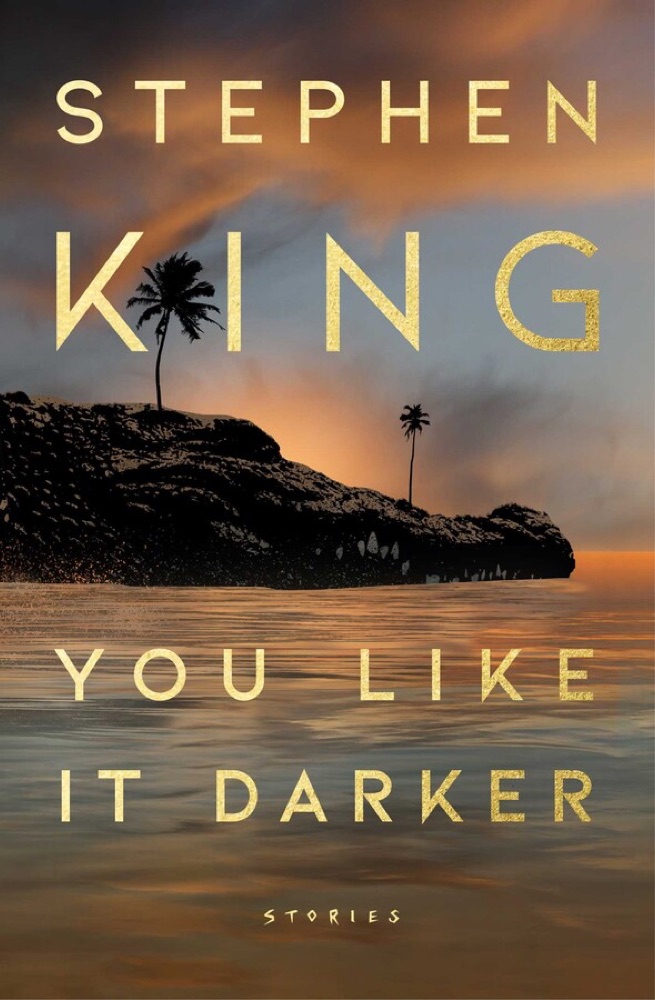 You Like It Darker
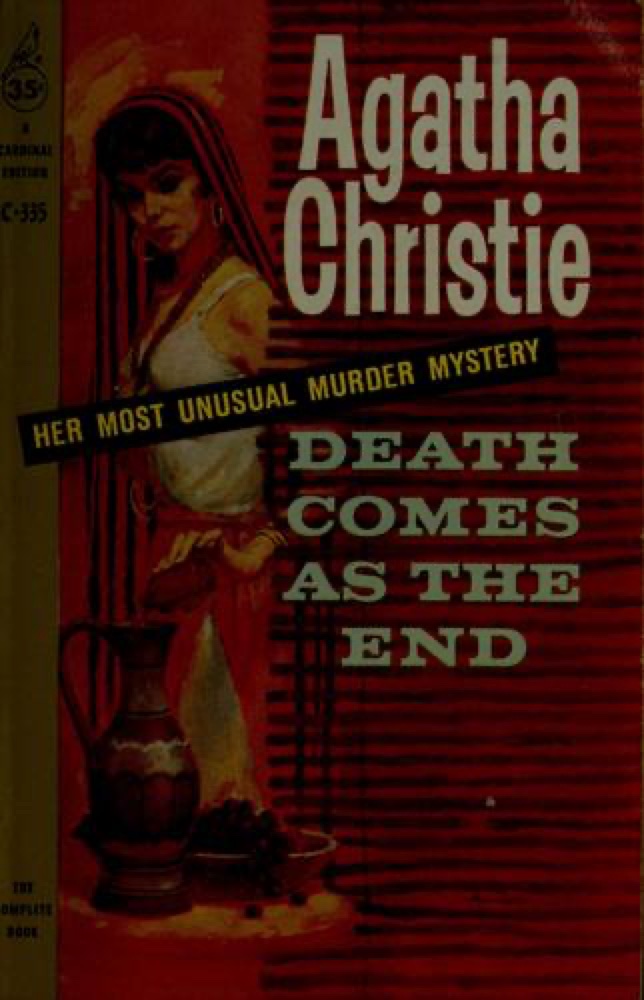 Death Comes as the End
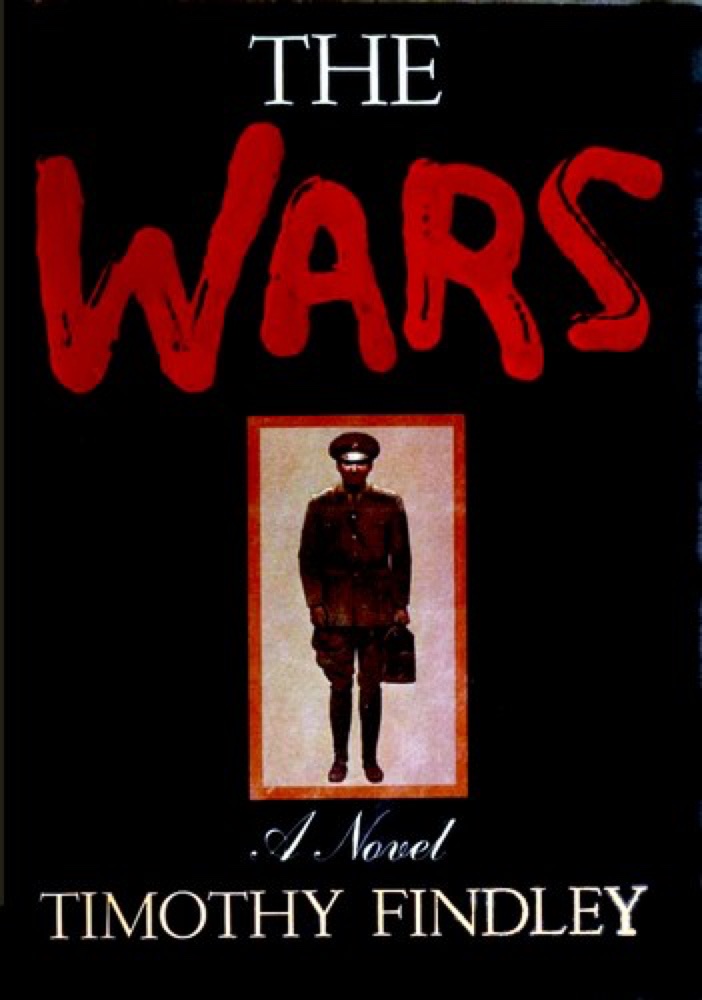 The Wars
 We Are All the Same in the Dark
 The Secret History
 Tom's Crossing
 The Quiet Game
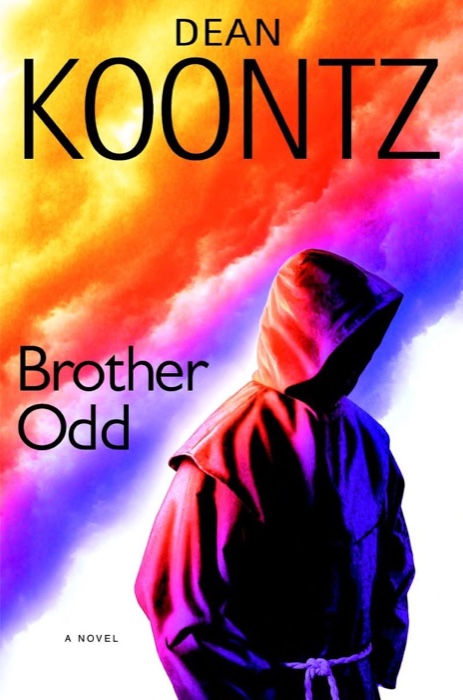 Brother Odd
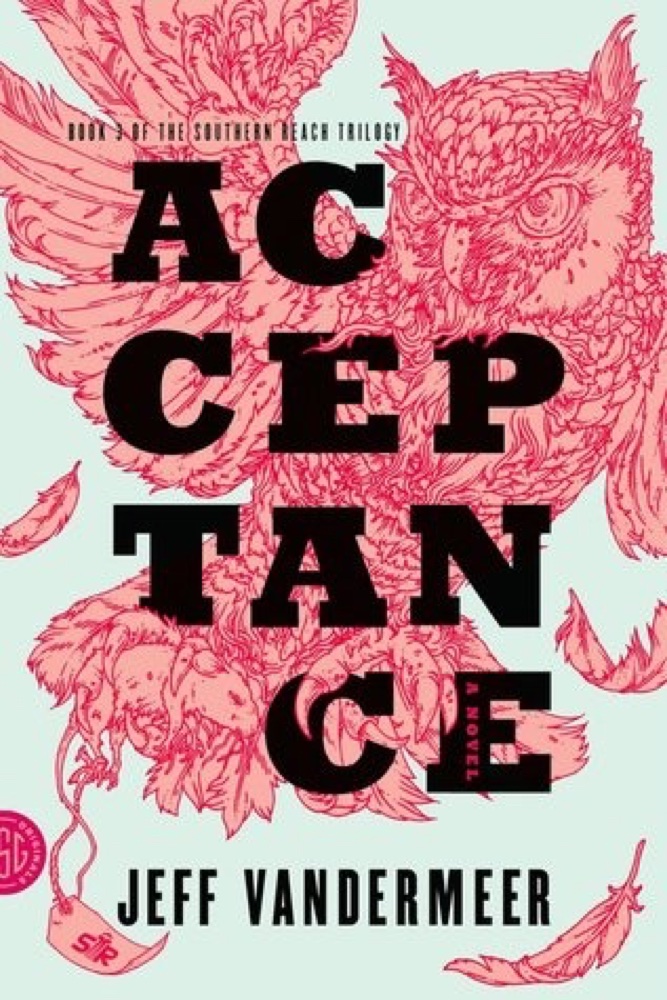 Acceptance
 Gravity's Rainbow
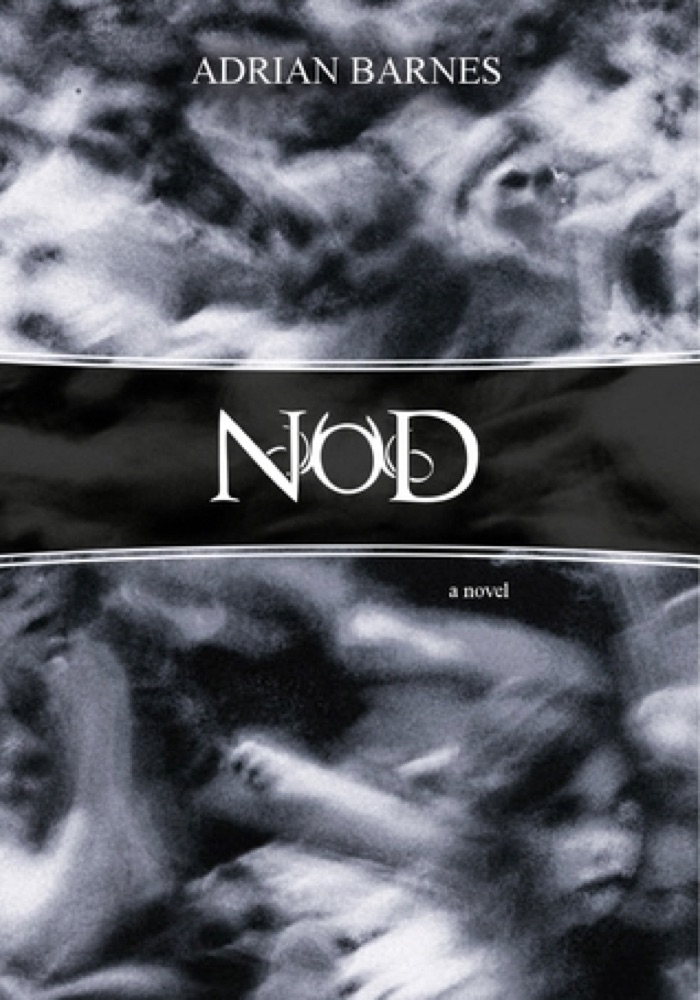 Nod
Nod
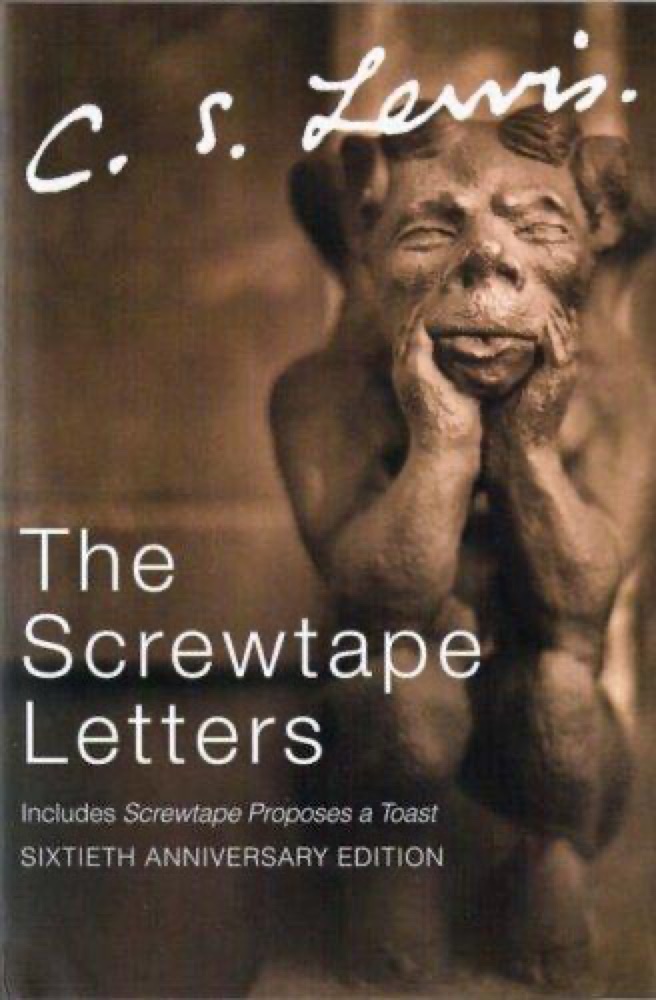 The Screwtape Letters
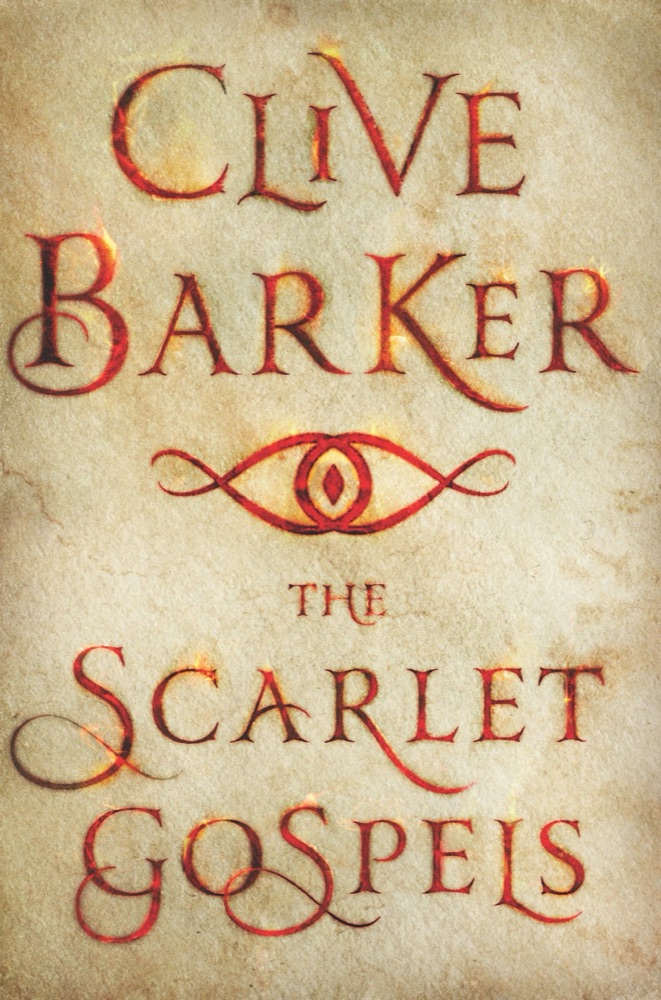 The Scarlet Gospels
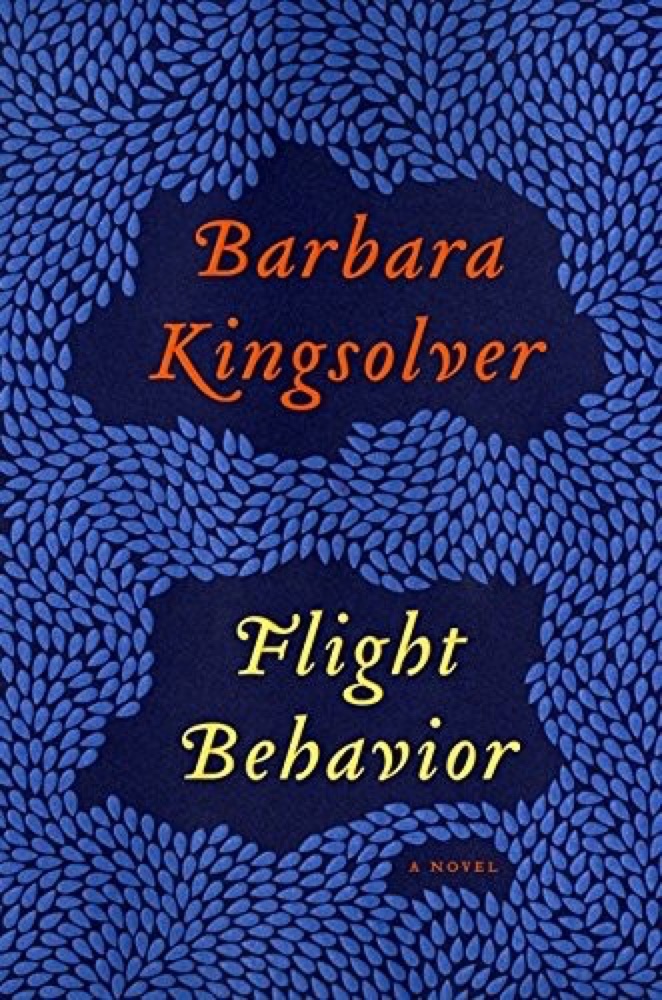 Flight Behavior
 Embers
 Infinite Jest
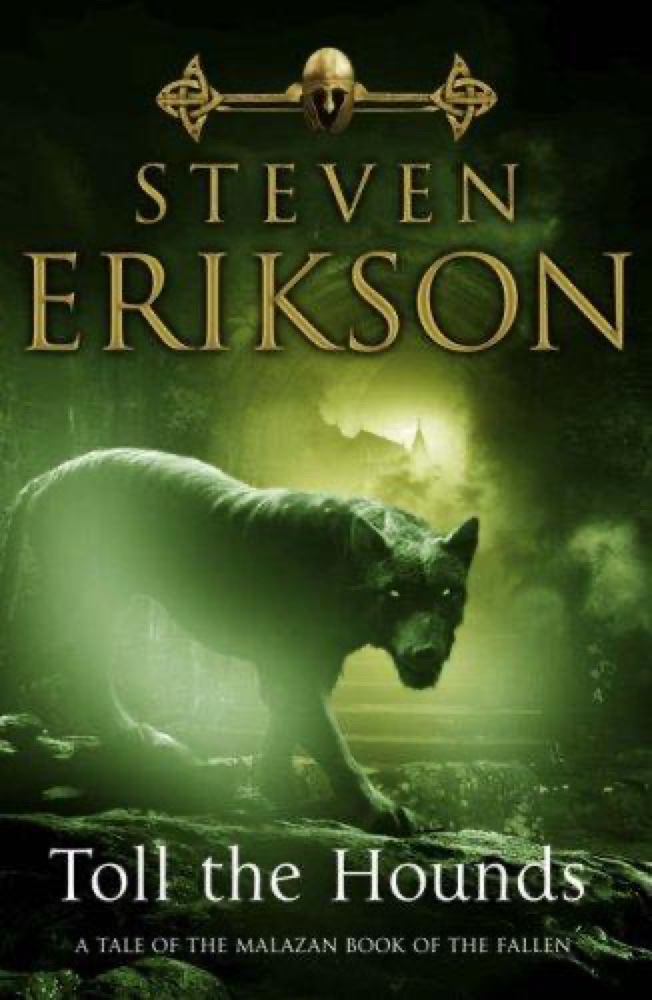 Toll the Hounds
 Haunted
 Chasing Fireflies: A Novel of Discovery
 Out of Oz
 Prince of Thorns
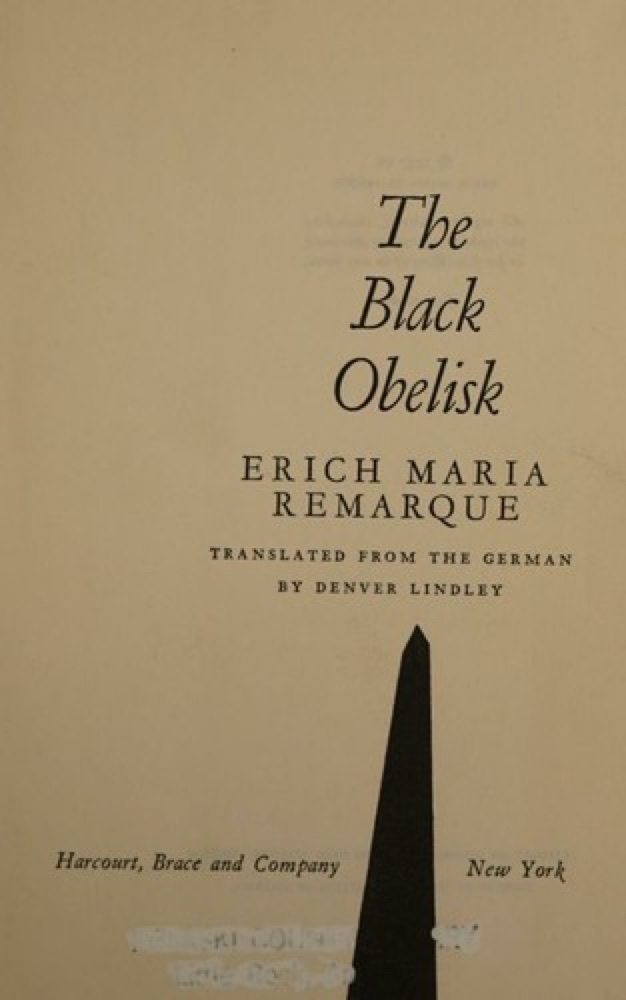 The Black Obelisk
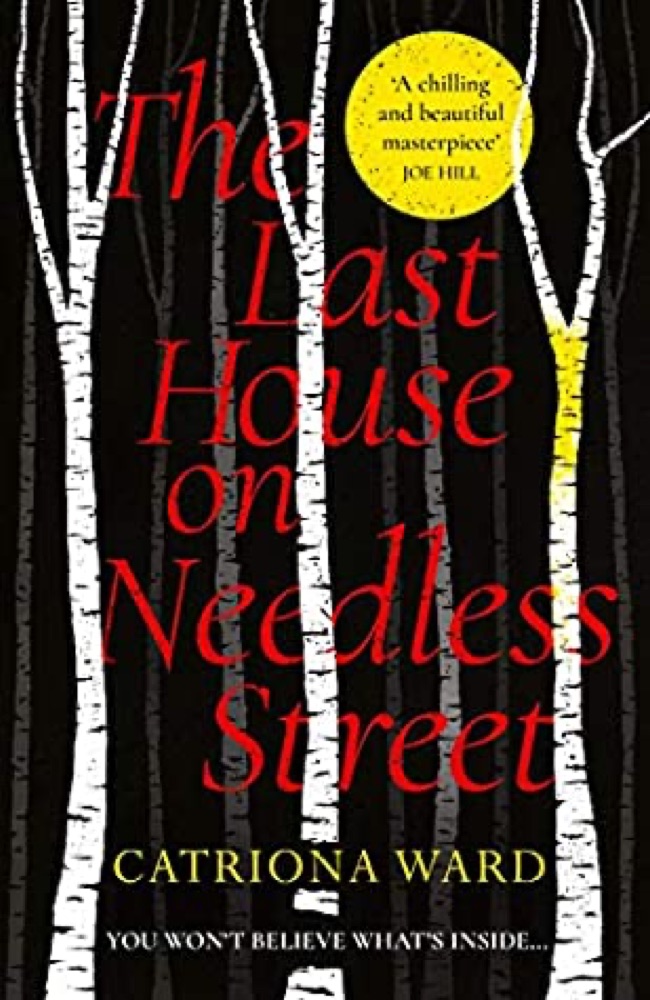 The Last House on Needless Street
 Libra
Libra
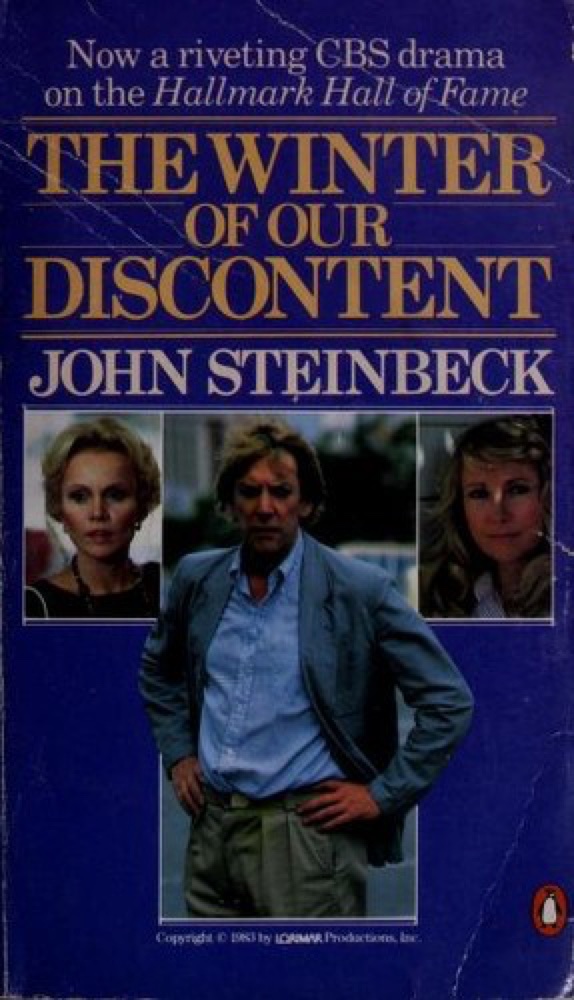 The Winter of Our Discontent
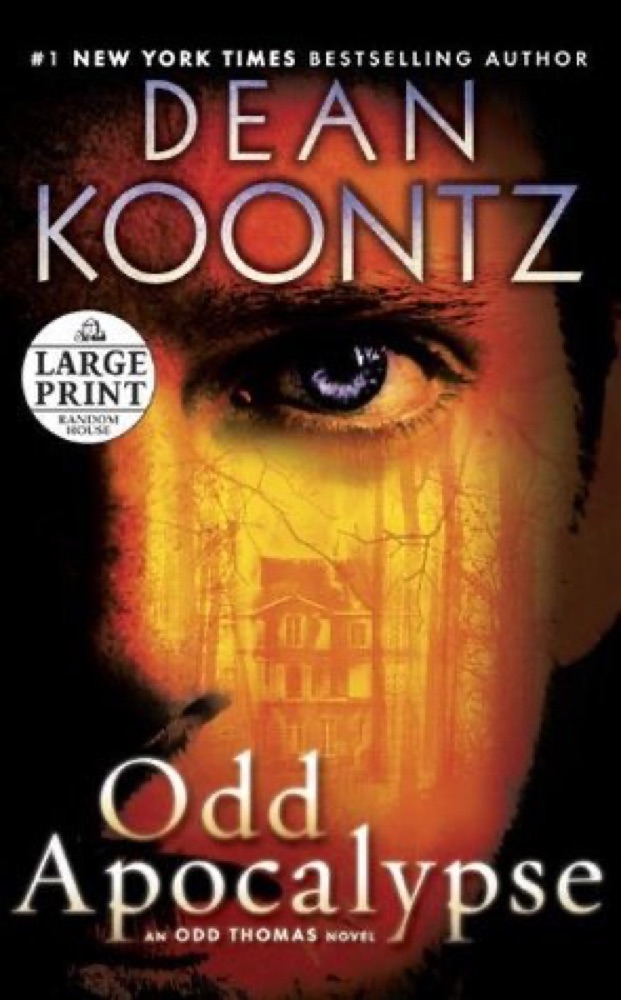 Odd Apocalypse
 East of Eden
 House of Leaves
 The Fifth Season
 The Resistance
 The Golden Tresses of the Dead
 A Death in the Family
 Natchez Burning
 Nightwood
 MaddAddam
 Bury Your Dead
 Shadow's Edge
 Oryx and Crake
 Millennium Approaches