
 Shanghai Girls
Quotes from the Book
Read a thousand books, and your words will flow like a river.
I am old enough to know only too well my good and bad qualities, which were often one in the same.
For my entire life I longed for love. I knew it was not right for me — as a girl and later as a woman — to want or expect it, but I did, and this unjustified desire has been at the root of every problem I have experienced in my life.
Anyone who says that women do not have influence in men's decisions makes a vast and stupid mistake.
Obey, obey, obey, then do what you want.
When I knew I couldn't suffer another moment of pain, and tears fell on my bloody bindings, my mother spoke softly into my ear, encouraging me to go one more hour, one more day, one more week, reminding me of the rewards I would have if I carried on a little longer. In this way, she taught me how to endure — not just the physical trials of footbinding and childbearing but the more torturous pain of the heart, mind, and soul.
In our country we call this type of mother love teng ai. My son has told me that in men's writing it is composed of two characters. The first means pain; the second means love. That is a mother's love.
The classics tell us that, in relationships, the one between teacher and student comes second only to the one between parent and child.
You may be desperate, but never let anyone see you as anything less than a cultivated woman.
The Story of the Woman with Three Brothers" A woman once had three brothers. They all had wives, but she was not married. Though she was virtuous and hardworking, her brothers would not offer a dowry. How unhappy she was! What could she do? She's so miserable, she goes to the garden and hangs herself from a tree. The eldest brother walks through the garden and pretends not to see her. The second brother walks through the garden and pretends not to see that she's dead. The third brother sees her, bursts into tears, and takes her body inside. A woman once had three brothers. When she died, no one wanted to care for her body. Though she had been virtuous and hardworking, her brothers would not serve her. How cruel this was! What would happen? She is ignored in death as in life, until her body begins to stink. The eldest brother gives one piece of cloth to cover her body. The second brother gives two pieces of cloth. The third brother wraps her in as many clothes as possible so she'll be warm in the afterworld. A woman once had three brothers. Now dressed for her future as a spirit, her brothers won't spend any money on a coffin. Though she was virtuous and hardworking, her brothers are stingy. How unfair this was! Would she ever find rest? All alone, all alone, she plans her haunting days. The eldest brother says, "We don't need to bury her in a box. She is fine the way she is." The second brother says, "We could use that old box in the shed." The third brother says, "This is all the money I have. I will go and buy her a coffin." A woman once had three brothers. They have come so far, but what will happen to Sister now? Elder brother- mean in spirit; Second brother- cold in heart; but in Third brother love may come through. Elder brother says, "Let's bury her here by the water buffalo road." (meaning she would be trampled for all eternity) Second brother says, "Let's bury her here under the bridge." (meaning she would wash away) But third brother - good in heart, filial in all ways - says, "We will bury her behind the house so everyone will remember her.
There is no life without death. That is the true meaning of yin and yang
In every message she spoke of birds, of flight, of the world away. Even back then, she flew against what was presented to her. I wanted to cling to her wings and soar, no matter how intimidated I was.
a laotong relationship is made by choice...when we first looked in each other's eyes in the palanquin I felt something special pass between us--like a spark to start a fire or a seed to grow rice. But a single spark is not enough to warm a room nor is a single seed enough to grow a fruitful crop. Deep love--true-heart love--must grow.
I am old enough to know only too well my good and bad qualities, which were often one and the same. For my entire life I longed for love. I knew it was not right for me - as a girl and later as a woman - to want or expect it, but I did, and this unjustified desire has been at the root of every problem I have experienced in my life.
I am still learning about love. I thought I understood it--not just mother love, but the love for one's parents, for one's husband, and for one's laotong. I've experienced the other types of love--pity love, respectful love and gratitude love. But looking at our secret fan with its messages written between Snow Flower and me over many years, I see that I didn't value the most important love--deep-heart love.
I know a lot about women and their suffering, but I still know almost nothing about men.
I’ve never thought much about whether I was happy or if I had fun as a child. I was a so-so girl who lived with a so-so family in a so-so village. I didn’t know that there might be another way to live, and I didn’t worry about it either.
Snow Flower was my old same for life. I had a greater and deeper love for her than I could ever feel for a person who was my husband.
All these types of love come out of duty, respect, and gratitude. Most of them, as the women in my county know, are sources of sadness, rupture, and brutality.
Our words had to be circumspect. We could not write anything too negative about our circumstances. This was tricky, since the very form of a married woman's letter needed to include the usual complaints -- that we were pathetic, powerless, worked to the bone, homesick, and sad. We were supposed to speak directly about our feelings without appearing ungrateful, no-account, or unfilial.
When I knew I couldn't suffer another moment of pain, and tears fell on my bloody bindings, my mother spoke softly into my ear, encouraging me to go one more hour, one more day, one more week, reminding me of the rewards I would have if I carried on a little longer. In this way, she taught me how to endure--not just the physical trials of footbinding and childbearing but the more tortuous pain of the heart, mind, and soul. She was also pointing out my defects and teaching me how to use them to my benefit. In our country, we call this type of mother love teng ai. My son has told me that in men's writing it is composed of two characters. The first means pain; the second means love. That is a mother's love.
Then it dawned on me that men throughout the country had to know about nu shu (women's written word). How could they not? They wore it on their embroidered shoes. They saw us weaving our messages into cloth. They heard us singing our songs and showing off our third-day wedding books. Men just considered our writing beneath them. It is said men have the hearts of iron, while women are made of water. This comes through men's writing and women's writing. Men's writing has more than 50,000 characters, each uniquely different, each with deep meanings and nuances. Our women's writing has 600 characters, which we use phonetically, like babies to create about 10,000 words. Men's writing takes a lifetime to learn and understand. Women's writing is something we pick up as girls, and we rely on the context to coax meaning. Men write about the outer realm of literature, accounts, and crop yields; women write about the inner realm of children, daily chores, and emotions. The men in the Lu household were proud of their wives' fluency in nu shu and dexterity in embroidery, though these things had as much importance to survival as a pig's fart.
Anyone who tells you that the Yao people never care for their daughters is lying. We may be worthless. We may be raised for another family. But often we are loved and cherished, despite our natal families' best efforts not to have feelings for us.
The three most important powers are Heaven, Earth and Man. The three luminaries are the Sun, the Moon and the Stars. Opportunities given by Heaven are not equal to the advantages afforded by Earth, while the advantages of Earth do not match the blessings that come from harmony among men
The problem with living so long is that you see too many people pass before you.
I have a whole life to tell; I have nothing left to lose and few to offend.
Did you know?
- The novel centers on nu shu, described as the only gender-based written language known to have existed, used by women in rural Hunan.
- The story spans much of the nineteenth century, set against the Qing dynasty and events including the Taiping Rebellion.
- It depicts the practice of foot binding in detail as part of the characters' lives.
- The central bond is a laotong, a sworn lifelong friendship between two girls arranged in childhood.
- It was adapted into a 2011 film directed by Wayne Wang.
About Lisa See
Lisa See (born February 18, 1955, in Paris) is an American novelist known for historical fiction drawing on her Chinese American heritage, including Snow Flower and the Secret Fan and Shanghai Girls, as well as the family memoir On Gold Mountain.
More about the author →More by Lisa See
About the book
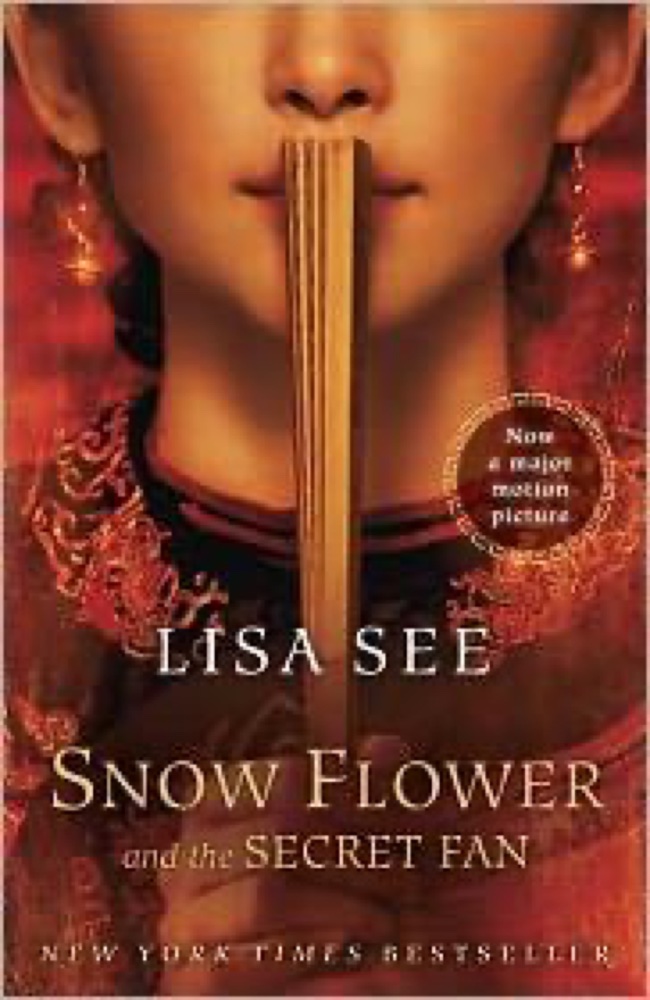
Set in nineteenth-century Hunan province, Snow Flower and the Secret Fan tells the story of Lily, an old woman looking back on her life, and her laotong or "old-same" Snow Flower, to whom she is bound in a sworn lifelong friendship arranged in childhood. The two girls endure foot binding, arranged marriages, childbirth, and the upheavals of Qing-dynasty China, communicating across the years through nu shu, a secret written language used only by women, inscribed on fans and embroidered on handkerchiefs. Their bond sustains them until a misunderstanding written on their shared fan threatens to destroy everything between them.
At its heart the novel explores female friendship, loyalty, and the constrained lives of women within a rigidly patriarchal Confucian society. Through nu shu, Lisa See dramatizes how women found a private voice and emotional companionship in a world that otherwise silenced them, and the book examines betrayal, forgiveness, and loss alongside the enduring intimacy of the laotong relationship.
Published by Random House in 2005, the book became an international bestseller and drew attention to nu shu, the only known gender-based written language. Historian Charlotte Furth observed that See's fiction asks readers to imagine how such women found voices of their own within, rather than in opposition to, the Confucian social order. The novel was adapted into a 2011 feature film directed by Wayne Wang.
Key characters
- LilyNarrator; recounts her life from old age as the influential Lady Lu
- Snow FlowerLily's laotong (sworn sister), from Tongkou, who marries a butcher and faces hardship
Book details
- First published
- 2005
- Length
- 257 pages
- Reading time
- 6 hours
- Author
- Lisa See
- Genre
- Fiction
- Goodreads rating
- 4.09 (391k ratings) →
- First line
- “I am writing these pages for those who reside in the afterworld.”
Movie & TV adaptations
- IMDb
If you liked this, read…
- 1Memoirs of a GeishaSweeping historical fiction about a constrained woman's life in East Asia
- 2Shanghai GirlsLisa See's own novel of Chinese women's bonds across upheaval
- 3Wild SwansChronicles generations of Chinese women navigating a patriarchal society
Keep reading
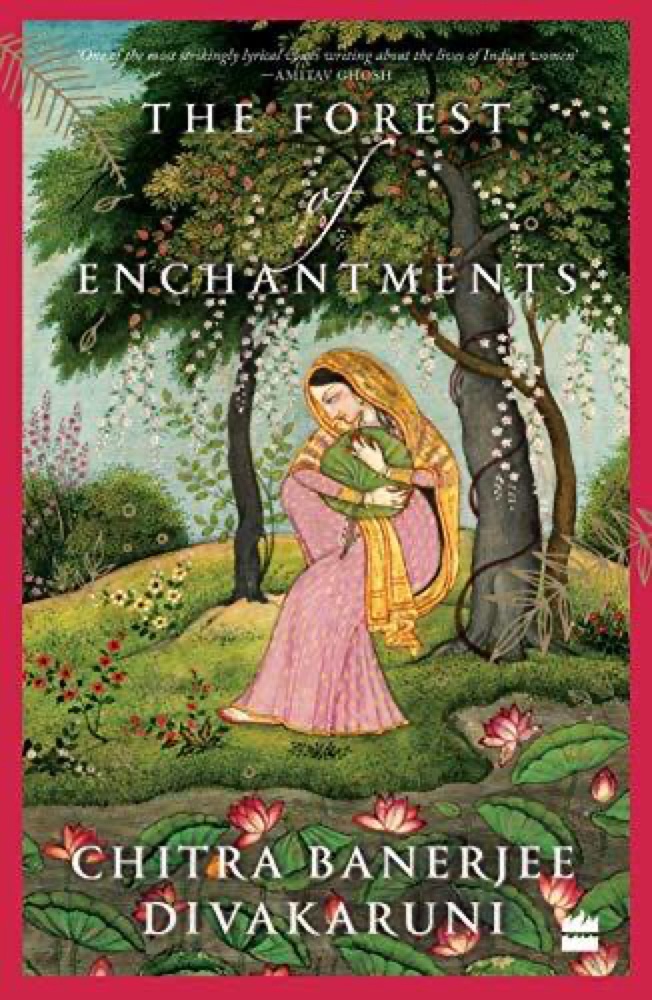 The Forest of Enchantments
Shanghai Girls
The Forest of Enchantments
Shanghai Girls
 The History of Love
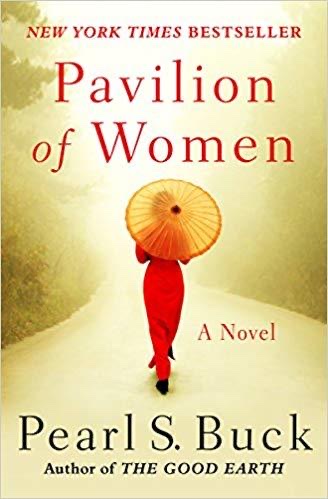 Pavilion of Women: A Novel of Life in the Women's Quarters
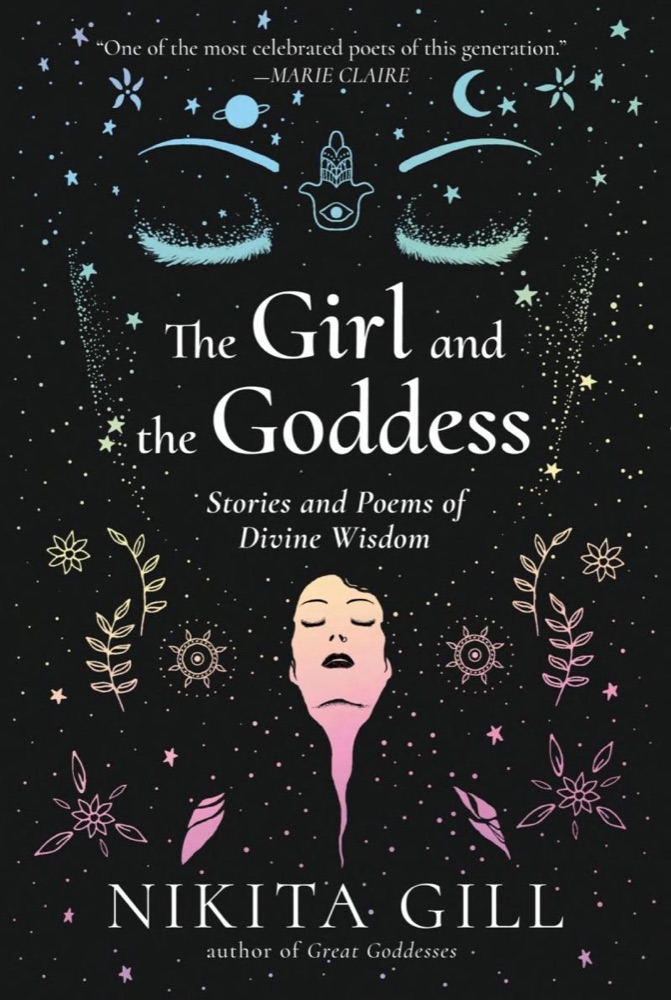 The Girl and the Goddess: Stories and Poems of Divine Wisdom
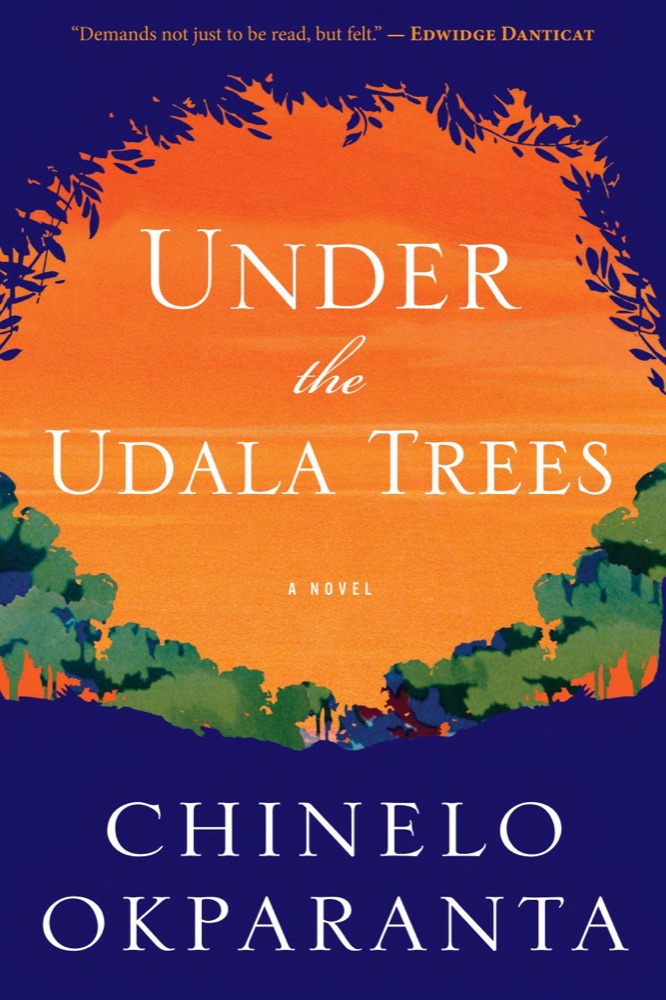 Under the Udala Trees
 When the World Tips Over
 Stay with Me
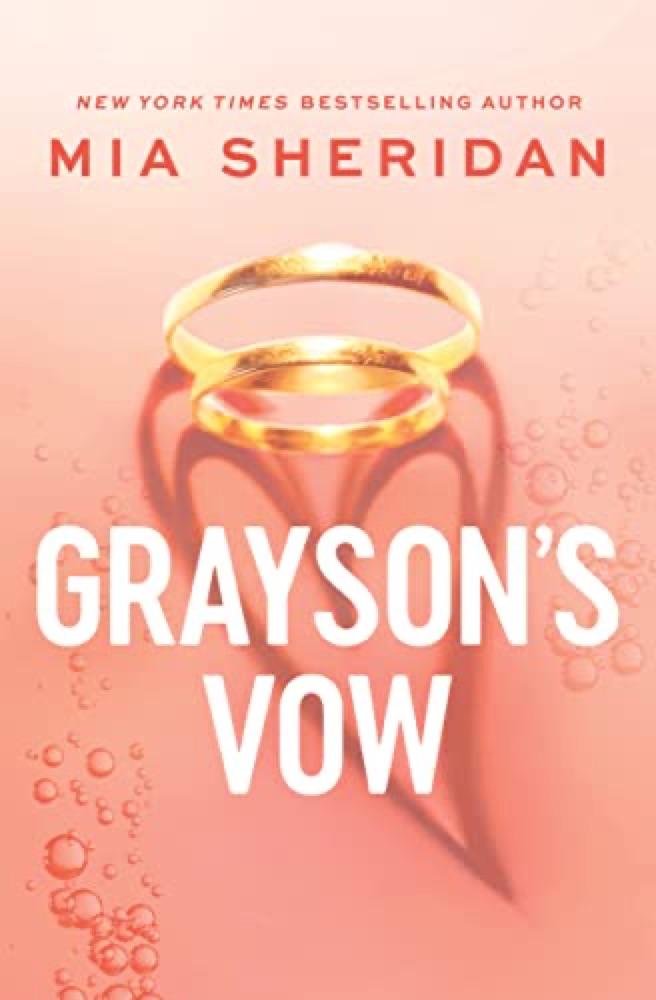 Grayson's Vow
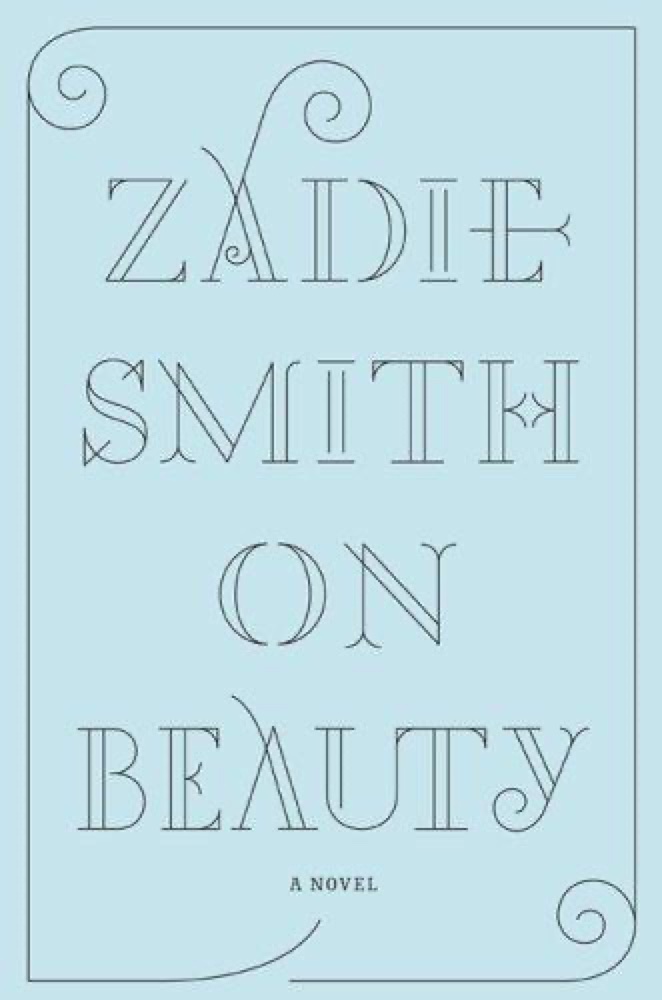 On Beauty
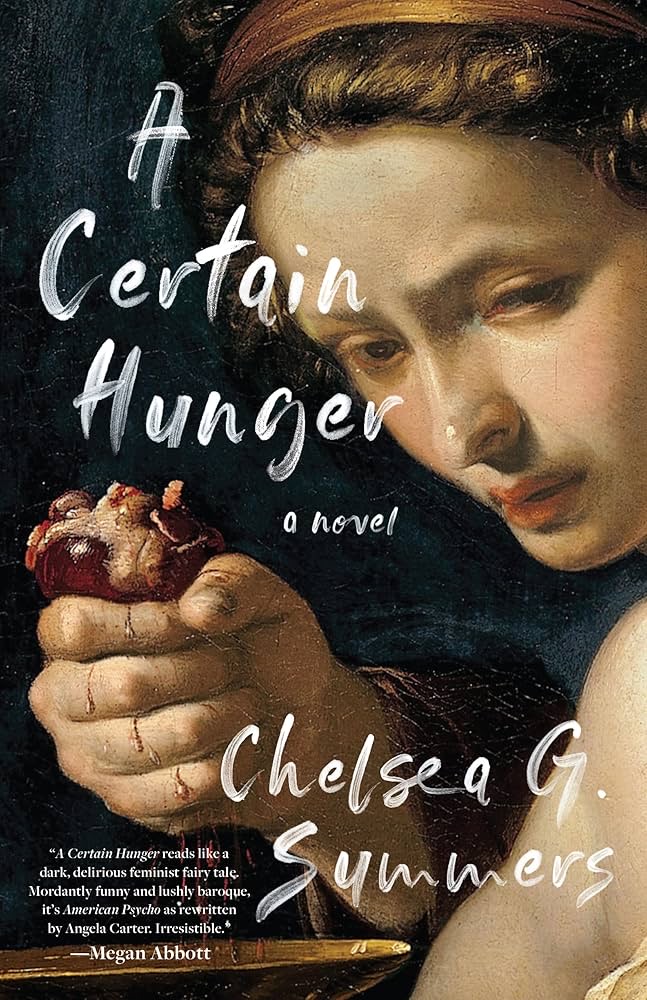 A Certain Hunger
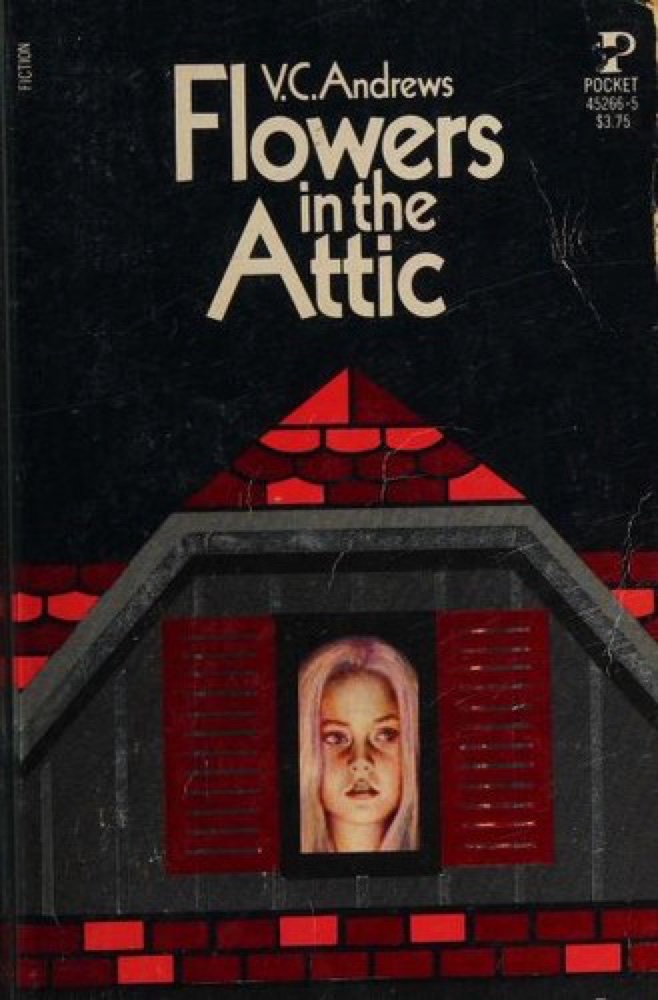 Flowers in the Attic
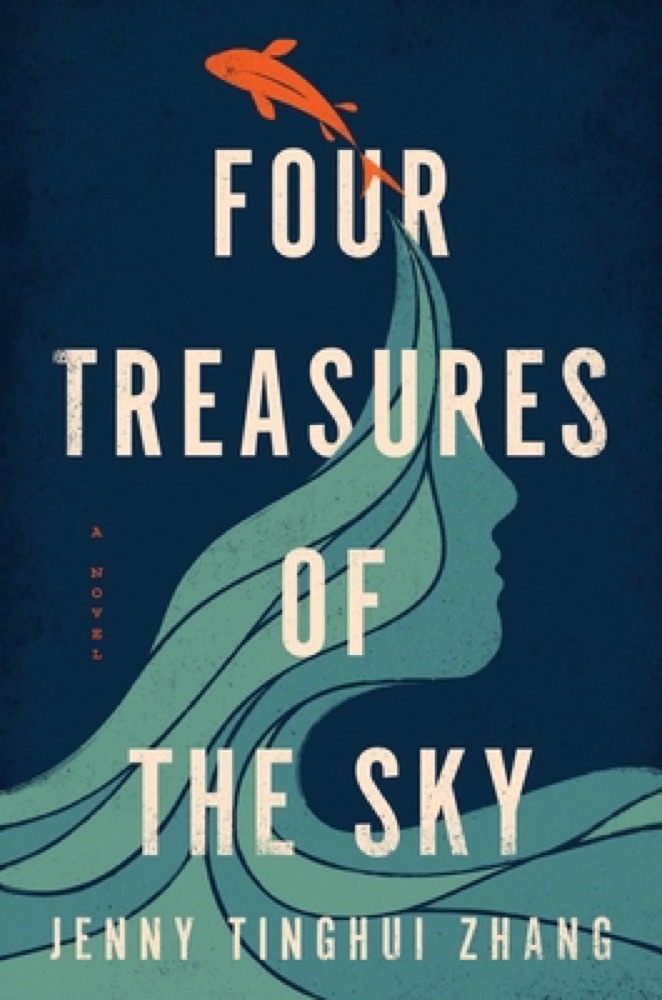 Four Treasures of the Sky
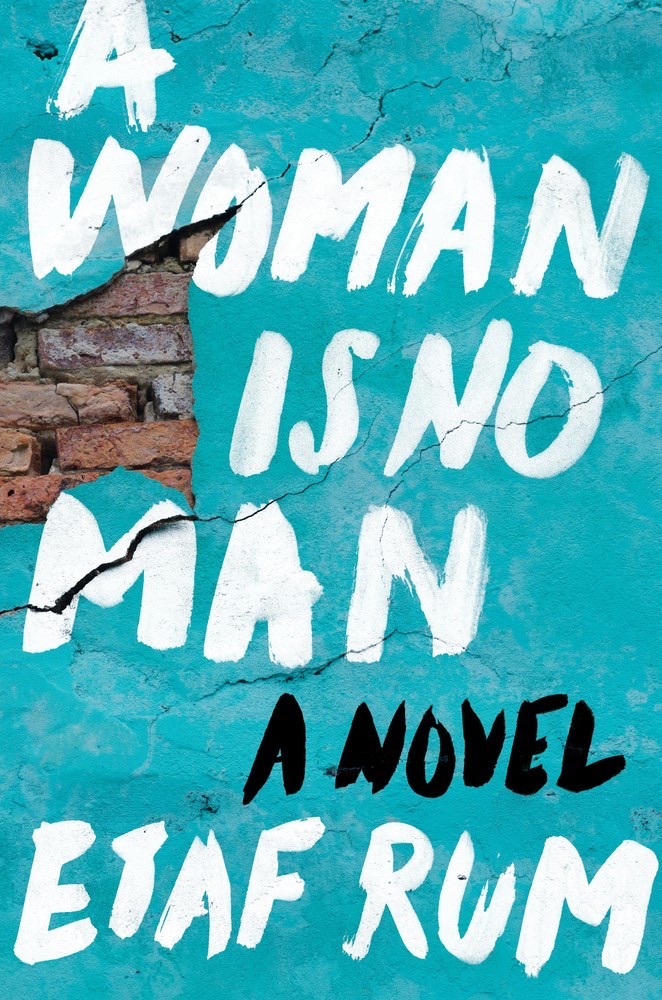 A Woman Is No Man
 Betty
Betty
 Anna Karenina
 Honey, Baby, Sweetheart
 Belong to Me
 Saving Fish from Drowning
 A Small Indiscretion
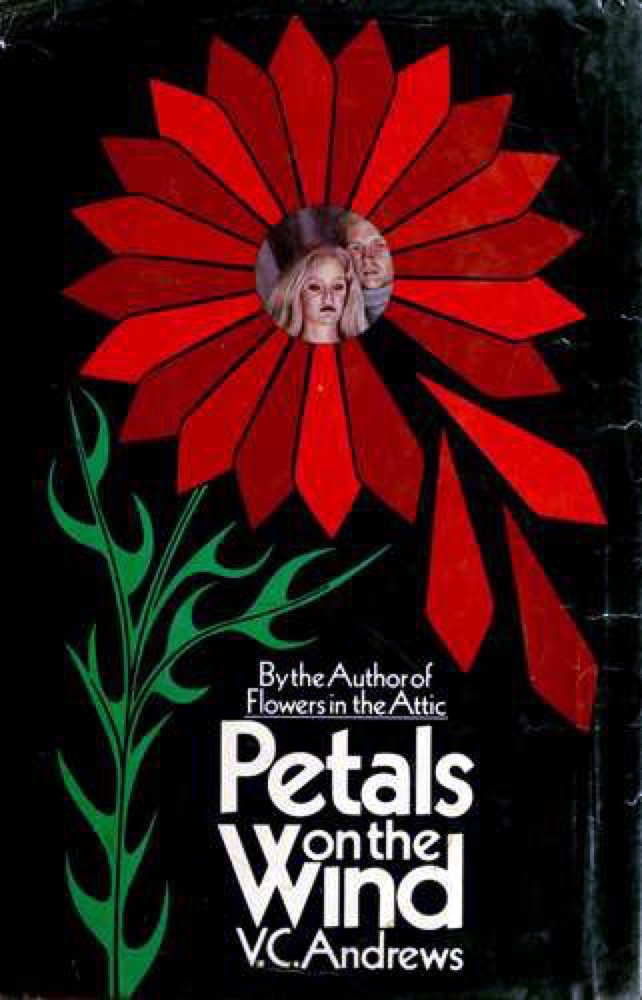 Petals on the Wind
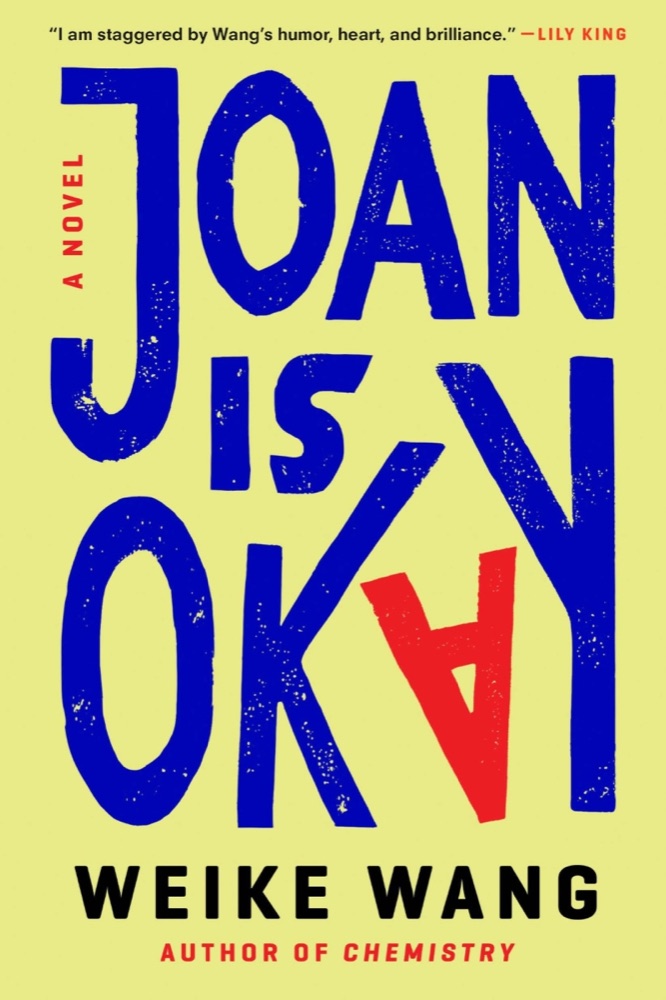 Joan Is Okay
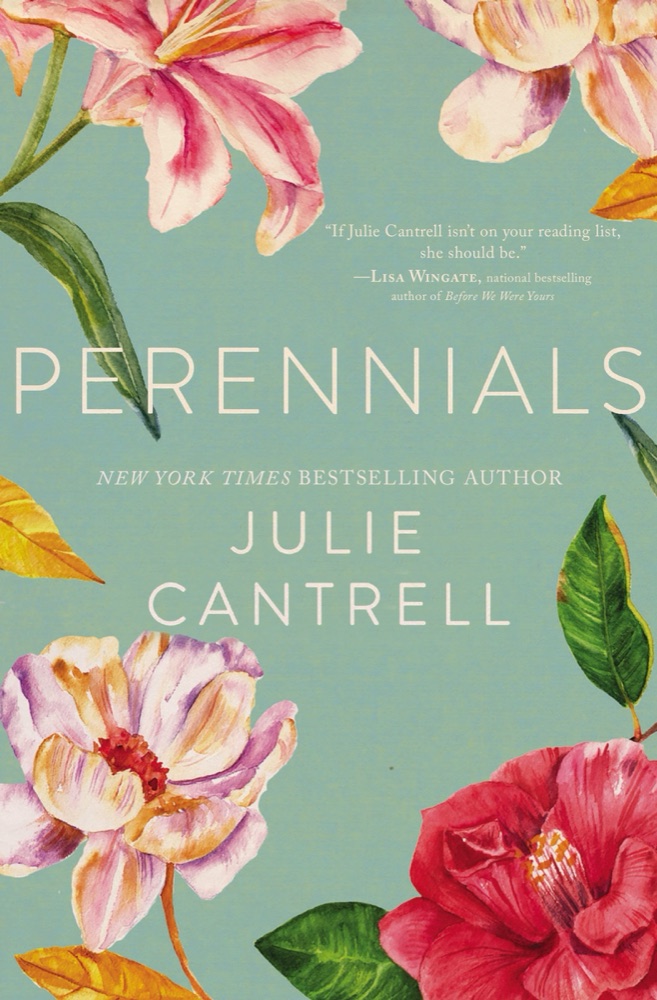 Perennials
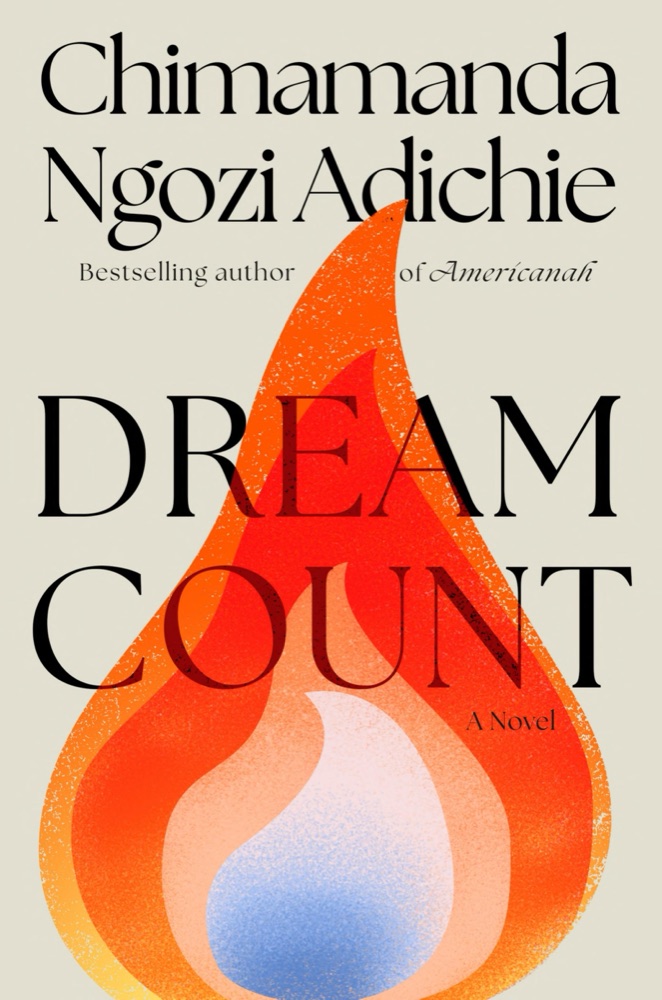 Dream Count
 Breasts and Eggs
 The Joy Luck Club
 Sexing the Cherry
 Lives of Girls and Women
 Shantaram
 This Could Be Us
 The Woman in the White Kimono
 Immortal
 Last Words from Montmartre
 Almond
 The Red Tent
 The Valley of Amazement
 The Country Girls
 The Moon and Sixpence
 Snow
Snow
 The Name of the Wind
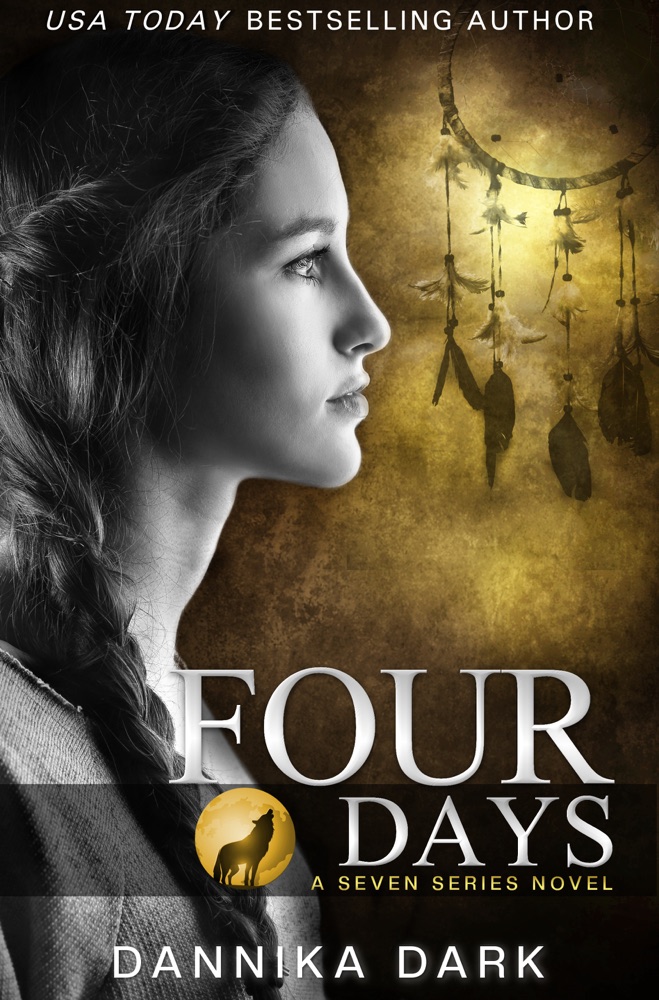 Four Days
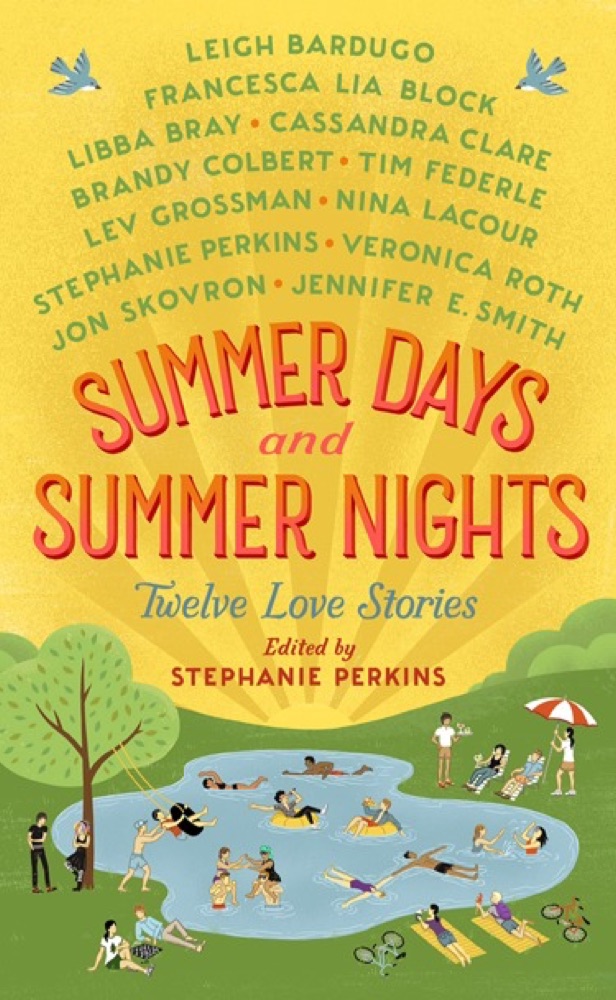 Summer Days and Summer Nights: Twelve Love Stories
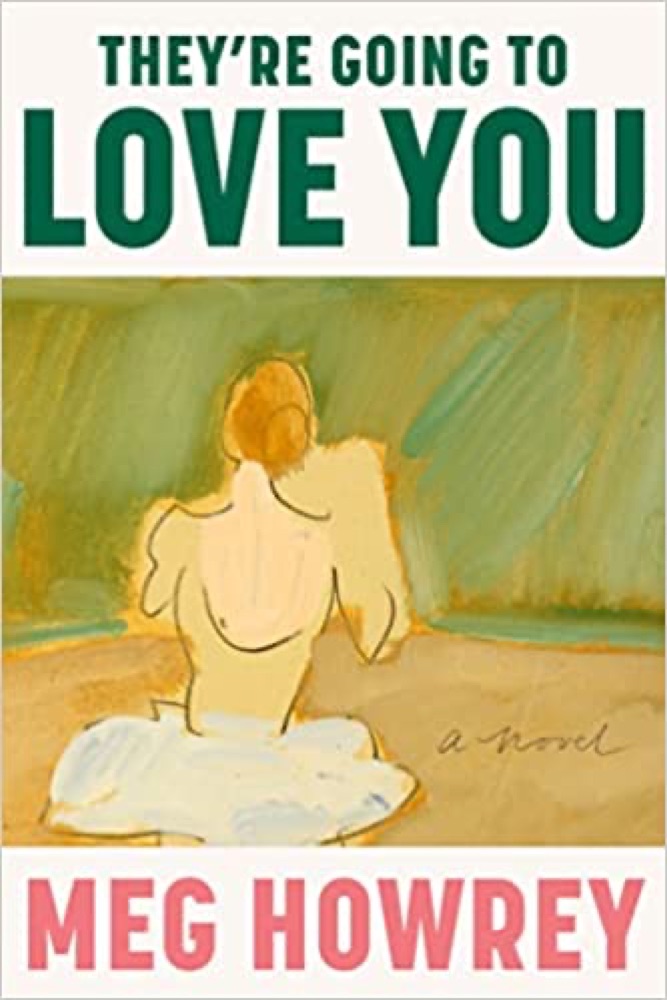 They're Going to Love You
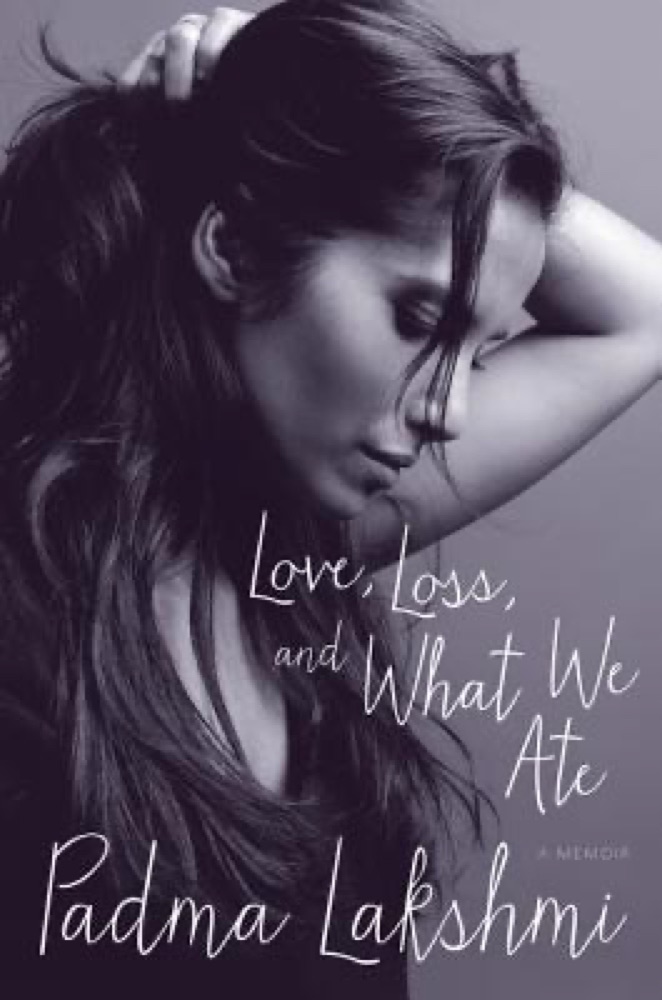 Love, Loss, and What We Ate: A Memoir
 The Witch of Portobello
 Villette
 The Good Soldier
 The Color Master: Stories
 A Lady for a Duke
 The Cost of Living: A Working Autobiography
 Dearest Josephine
 Agatha Christie: An Autobiography
 Trust: Betrayed
 An Experiment in Love
 Little Women
 The Lost Wife
 Good Morning, Destroyer of Men's Souls: A Memoir of Women, Addiction, and Love
 Oranges Are Not the Only Fruit
 Loving Frank
 The Joke