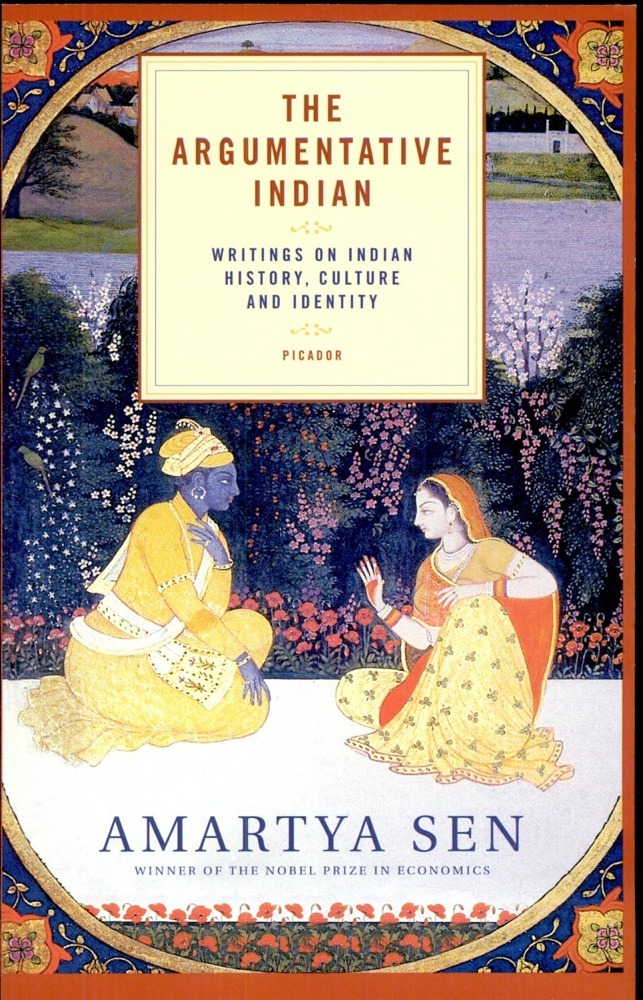
 The Argumentative Indian: Writings on Indian History, Culture and Identity
Quotes from the Book
Constitutional morality is not a natural sentiment. It has to be cultivated. We must realise that our people have yet to learn it. Democracy in India is only a top-dressing on an Indian soil which is essentially undemocratic.
71
The Hindus criticise the Mahomedans for having spread their religion by the use of the sword. They also ridicule Christianity on the score of the Inquisition. But really speaking, who is better and more worthy of our respect—the Mahomedans and Christians who attempted to thrust down the throats of unwilling persons what they regarded as necessary for their salvation, or the Hindu who would not spread the light, who would endeavour to keep others in darkness, who would not consent to share his intellectual and social inheritance with those who are ready and willing to make it a part of their own make-up? I have no hesitation in saying that if the Mahomedan has been cruel, the Hindu has been mean; and meanness is worse than cruelty.
68
A just society is that society in which ascending sense of reverence and descending sense of contempt is dissolved into the creation of a compassionate society
39
I do not know whether you draw a distinction between principles and rules. But I do... Rules are practical; they are habitual ways of doing things according to prescription. But principles are intellectual; they are useful methods of judging things... The principle may be wrong, but the act is conscious and responsible. The rule may be right, but the act is mechanical. A religious act may not be a correct act, but must at least be a responsible act. To permit this responsibility, religion must mainly be a matter of principles only. It cannot be a matter of rules. The moment it degenerates into rules it ceases to be religion, as it kills the responsibility which is the essence of a truly religious act.
38
the outcaste is a bye-product of the caste system. There will be outcastes as long as there are castes. Nothing can emancipate the outcaste except the destruction of the caste system.
22
Democracy is not merely a form of Government...It is essentially an attitude of respect and reverence towards fellowmen.
20
In 1931, when Ambedkar met Gandhi for the first time, Gandhi questioned him about his sharp criticism of the Congress (which, it was assumed, was tantamount to criticising the struggle for the Homeland). “Gandhiji, I have no Homeland,” was Ambedkar’s famous reply. “No Untouchable worth the name will be proud of this land.
18
Caste is another name for control. Caste puts a limit on enjoyment. Caste does not allow a person to transgress caste limits in pursuit of his enjoyment. That is the meaning of such caste restrictions as inter-dining and inter-marriage … These being my views I am opposed to all those who are out to destroy the Caste System.
12
Once you clear the minds of the people of this misconception and enable them to realise that what they are told is religion is not religion, but that it is really law, you will be in a position to urge its amendment or abolition.
12
I refuse to join with them in performing the miracle—I will not say trick—of liberating the oppressed with the gold of the tyrant, and raising the poor with the cash of the rich.
11
Every profession in India is regulated. Engineers must show proficiency, Doctor must show proficiency, Lawyers must show proficiency, before they are allowed to practise their professions. During the whole of their career, they must not only obey the law of the land, civil as well as criminal, but they must also obey the special code of morals prescribed by their respective professions. The priest's is the only profession where proficiency is not required. The profession of a Hindu priest is the only profession which is not subject to any code....All this becomes possible among the Hindus because for a priest it is enough to be born in a priestly caste. The whole thing is abominable and is due to the fact that the priestly class among Hindus is subject neither to law nor to morality. It recognizes no duties. It knows only of rights and privileges. It is a pest which divinity seems to have let loose on the masses for their mental and moral degradation.
9
You must not only discard the Shastras, you must deny their authority, as did Buddha and Nanak. You must have courage to tell the Hindus that what is wrong with them is their religion—the religion which has produced in them this notion of the sacredness of Caste. Will you show that courage?
9
Every Congressman who repeats the dogma of Mill that one country is not fit to rule another country must admit that one class is not fit to rule another class.
9
While I am prepared to bear with the imperfections and shortcomings of the society in which I may be destined to labour, I feel I should not consent to live in a society which cherishes wrong ideals, or a society which, having right ideals, will not consent to bring its social life into conformity with those ideals.
9
Religion, social status, and property are all sources of power and authority which one man has, to control the liberty of another
9
The protagonists of chaturvarnya do not seem to have considered what is to happen to women in their system. Are they also to be divided into four classes, Brahmin, Kshatriya, Vaishya and Shudra? Or are they to be allowed to take the status of their husbands? If the status of the woman is to be the consequence of marriage, what becomes of the underlying principle of chaturvarnya—namely, that the status of a person should be based upon the worth of that person? If they are to be classified according to their worth, is their classification to be nominal or real?
9
In my opinion, it is only when Hindu society becomes a casteless society that it can hope to have strength enough to defend itself. Without such internal strength, swaraj for Hindus may turn out to be only a step towards slavery.
8
The path of social reform like the path to heaven at any rate in India, is strewn with many difficulties. Social reform in India has few friends and many critics.
8
To leave inequality between class and class, between sex and sex, which is the soul of Hindu society, and to go on passing legislation relating to economic problems is to make a farce of our Constitution and to build a palace on a dung heap.
7
I am convinced that the real remedy is intermarriage. Fusion of blood can alone create the feeling of being kith and kin, and unless this feeling of kinship, of being kindred, becomes paramount, the separatist feeling—the feeling of being aliens—created by caste will not vanish.
7
Social war has been raging between the strong and the weak far more violently in Europe than it has ever been in India. Yet, the weak in Europe has had in his freedom of military service his physical weapon, in suffering his political weapon and in education his moral weapon. These three weapons for emancipation were never withheld by the strong from the weak in Europe. All these weapons were, however, denied to the masses in India by Chaturvarnya. There cannot be a more degrading system of social organization than the Chaturvarnya.
7
Dalit aspirations are a breach of peace. Annihilation of Caste is a breach of peace.
7
Plato had no perception of the uniqueness of every individual, of his incommensurability with others, of each individual as forming a class of his own. He had no recognition of the infinite diversity of active tendencies, and the combination of tendencies of which an individual is capable.
7
Under the rule of the Peshwas in the Maratha country,11 the Untouchable was not allowed to use the public streets if a Hindu was coming along, lest he should pollute the Hindu by his shadow. The Untouchable was required to have a black thread either on his wrist or around his neck, as a sign or a mark to prevent the Hindus from getting themselves polluted by his touch by mistake. In Poona, the capital of the Peshwa, the Untouchable was required to carry, strung from his waist, a broom to sweep away from behind himself the dust he trod on, lest a Hindu walking on the same dust should be polluted. In Poona, the Untouchable was required to carry an earthen pot hung around his neck wherever he went—for holding his spit, lest his spit falling on the earth should pollute a Hindu who might unknowingly happen to tread on it.
7
There is no doubt, in my opinion, that unless you change your social order you can achieve little by way of progress. You cannot mobilize the community either for defence or for offence. You cannot build anything on the foundations of caste. You cannot build up a nation, you cannot build up a morality. Anything that you will build on the foundations of caste will crack and will never be a whole.
6
Caste has however done one thing. It has completely disorganized and demoralized the Hindus.
6
The saints have never according to my study carried on a campaign against. Caste and Untouchability. They were not concerned with the struggle between men. They were concerned with the relation between man and God. They did not preach that all men were equal. They preached that all men were equal, in the eyes of God a very different and a very innocuous proposition which nobody can find difficult to preach or dangerous to believe in.
6
योsवमन्येत ते मूले हेतुशास्त्राश्रयात् द्विजः । स साधुभिर्बहिष्कार्यो नास्तिको वेदनिन्दकः ।। According to this rule, rationalism as a canon of interpreting the Vedas and Smritis, is absolutely condemned. It is regarded to be as wicked as atheism and the punishment provided for it is ex-communication.
5
In the fight for swaraj you fight with the whole nation on your side. In this, you have to fight against the whole nation—and that too, your own.
4
The connection between racism and casteism was made more than a century before the 2001 Durban conference. Empathy sometimes achieves what scholarship cannot.
4
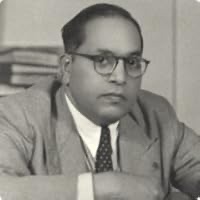
About B.R. Ambedkar
We have collected 30 quotes from 1 book by B.R. Ambedkar on BookQuoters.
More about the author →About the book
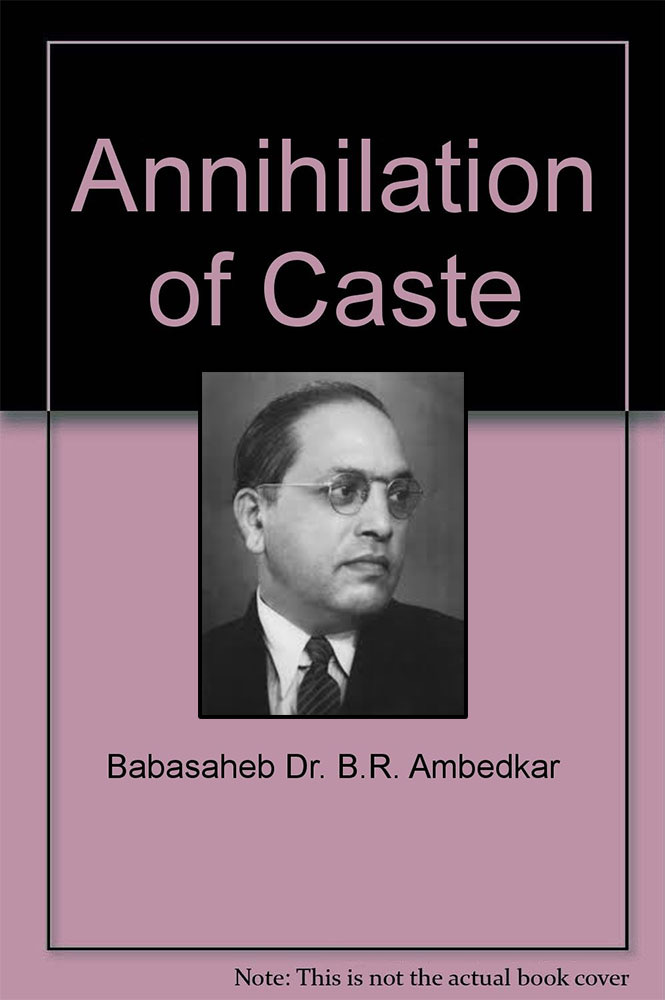
“What the Communist Manifesto is to the capitalist world, Annihilation of Caste is to India.” —Anand Teltumbde, author of The Persistence of Caste
B.R. Ambedkar’s Annihilation of Caste is one of the most important, yet neglected, works of political writing from India. Written in 1936, it is an audacious denunciation of Hinduism and its caste system. Ambedkar – a figure like W.E.B. Du Bois – offers a scholarly critique of Hindu scriptures, scriptures that sanction a rigidly hierarchical and iniquitous social system. The world’s best-known Hindu, Mahatma Gandhi, responded publicly to the provocation. The hatchet was never buried.
Book details
- First published
- 1936
- Author
- B.R. Ambedkar
- Genre
- Nonfiction
- Goodreads rating
- 4.61 (9k ratings)
Keep reading
The Argumentative Indian: Writings on Indian History, Culture and Identity
 Train to Pakistan
 India After Gandhi: The History of the World's Largest Democracy
 The Free Voice: On Democracy, Culture and the Nation
 Where Do We Go from Here: Chaos or Community?
 Rise of Kali: Duryodhana's Mahabharata
 Reflections on the Revolution in France
 The Immortals of Meluha
 The Discovery of India
 Why We Can't Wait
 A People's History of the United States
 Sita: An Illustrated Retelling of the Ramayana
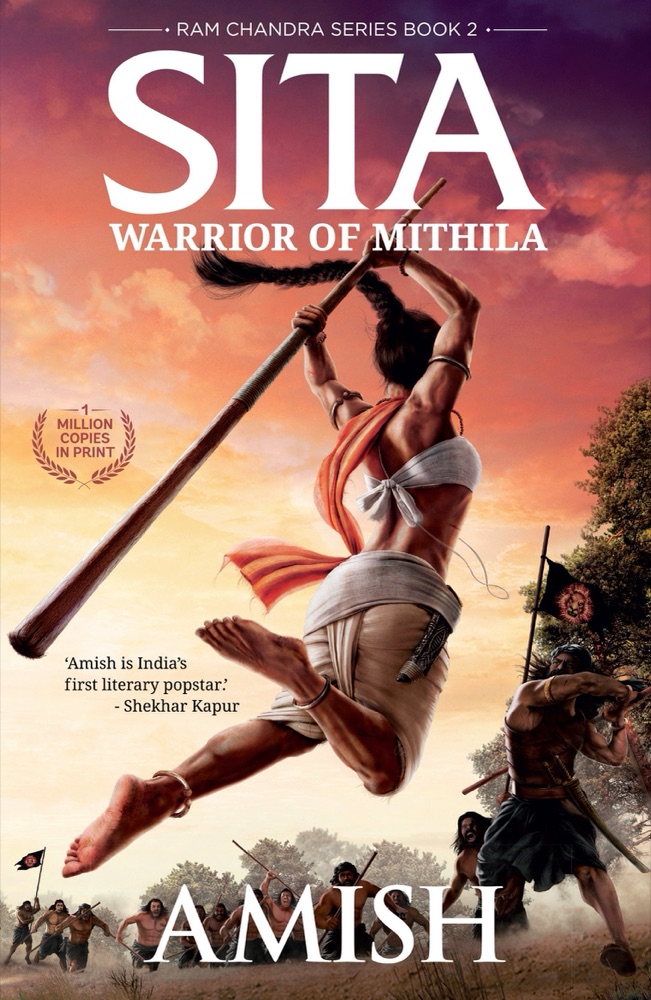 Sita: Warrior of Mithila
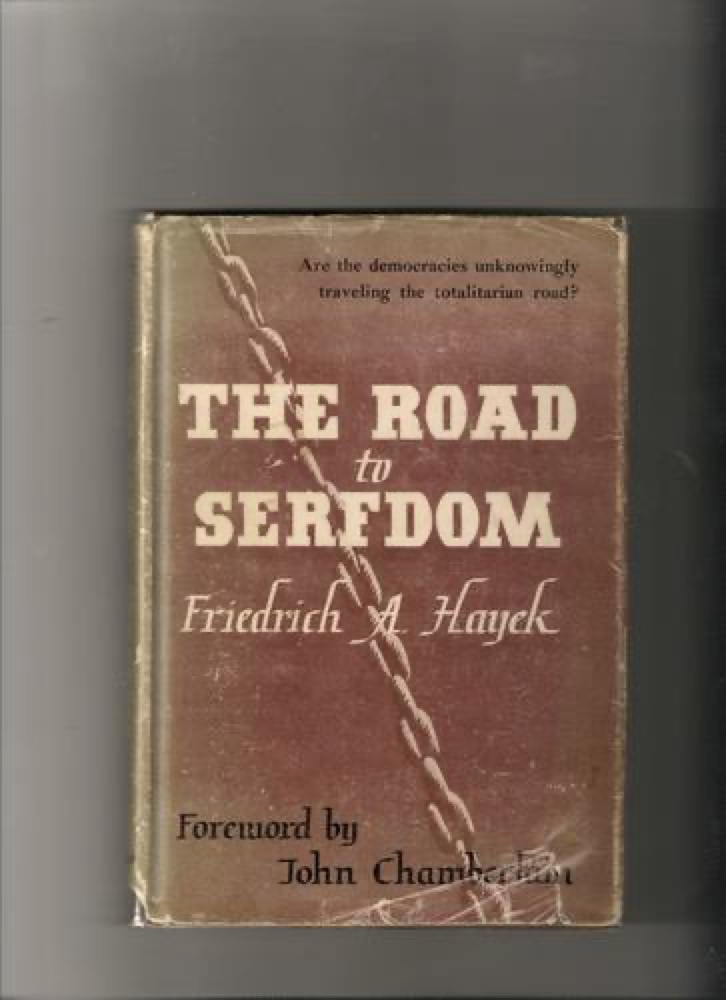 The Road to Serfdom
 The Difficulty of Being Good: On the Subtle Art of Dharma
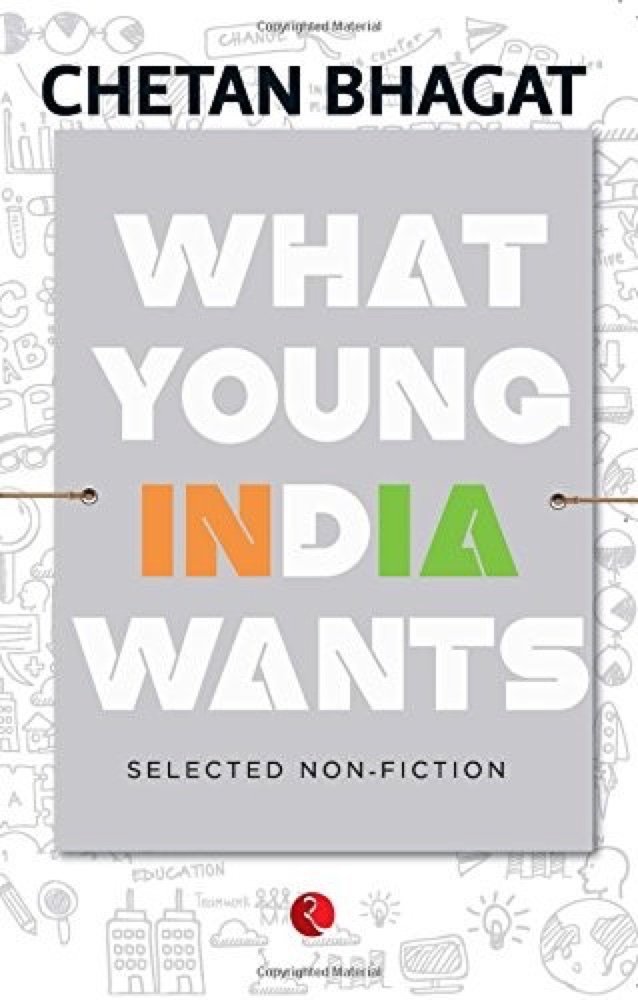 What Young India Wants
 Rights of Man
 A Theology of Liberation
 The Story of My Experiments With Truth
 The Autobiography of Martin Luther King, Jr.
 The Iron Heel
 Ajaya: Roll of the Dice
 Civil Disobedience
 The Open Society and Its Enemies - Volume One: The Spell of Plato
 The Soul of Man Under Socialism
 Rules for Radicals: A Pragmatic Primer for Realistic Radicals
 The Muqaddimah: An Introduction to History
 Civil Disobedience and Other Essays
 The Wretched of the Earth
 Heretics
 The Rage Against God: How Atheism Led Me to Faith
 Capitalism: The Unknown Ideal
 Pedagogy of the Oppressed
 The Lives of Others
 Why I Am An Atheist: An Autobiographical Discourse
 On the Republic / On the Laws
 The Will to Power
 Daybreak: Thoughts on the Prejudices of Morality
 Life at the Bottom: The Worldview That Makes the Underclass
 What's Wrong with the World
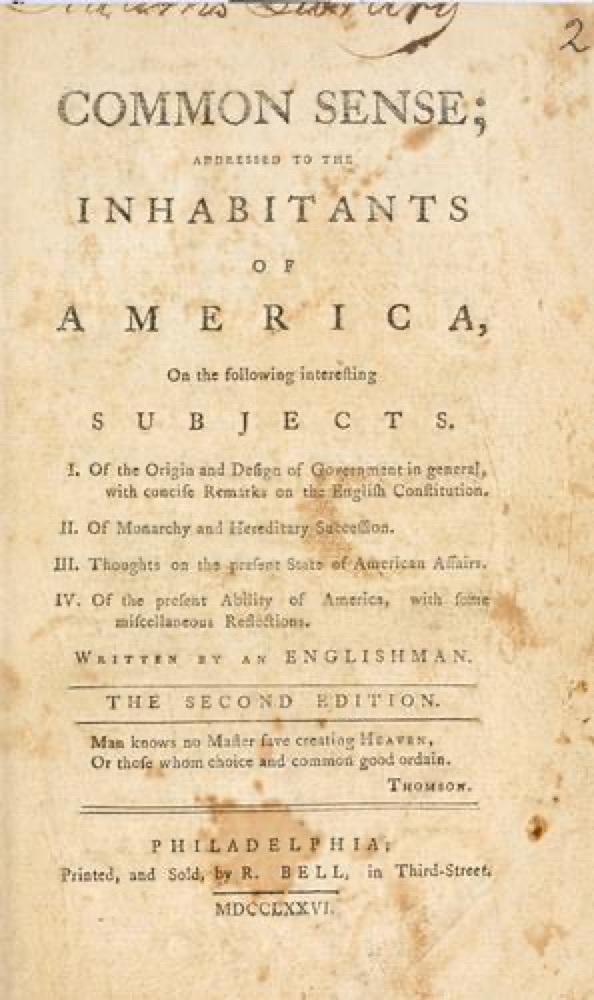 Common Sense
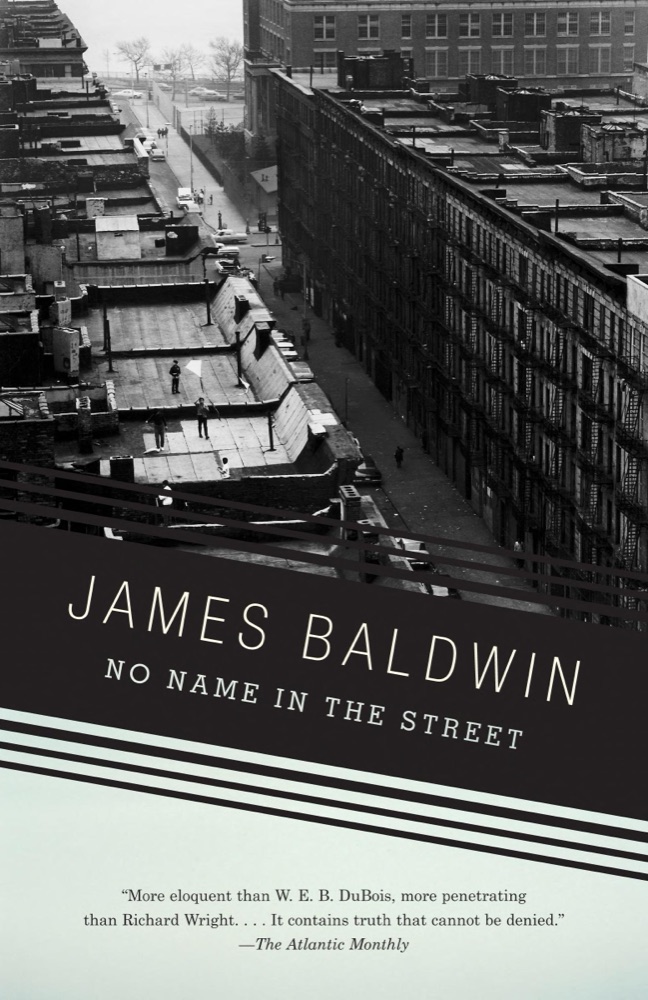 No Name in the Street
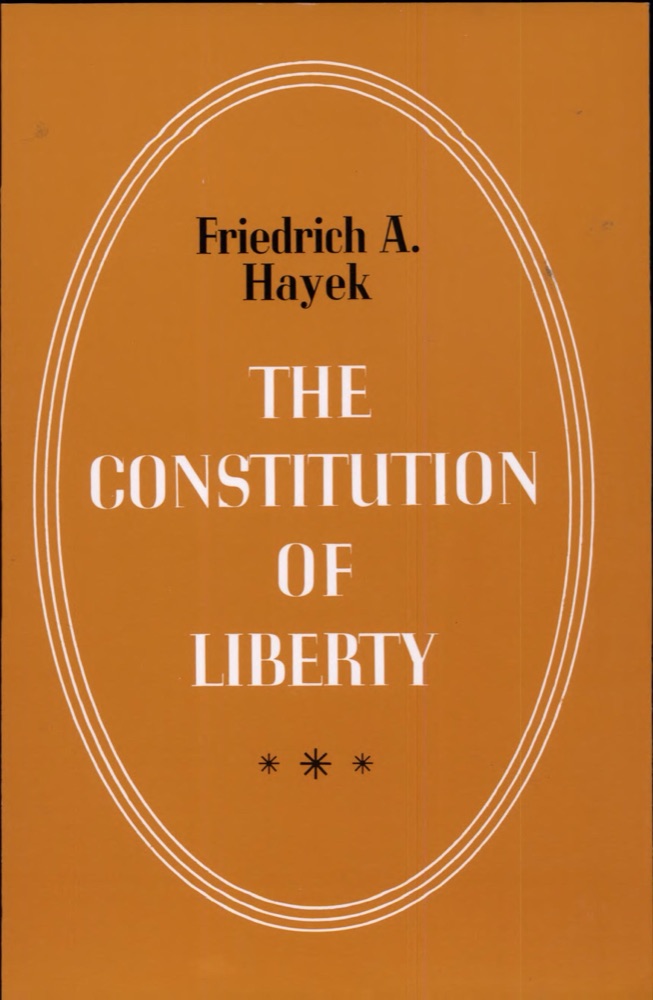 The Constitution of Liberty
 After Virtue
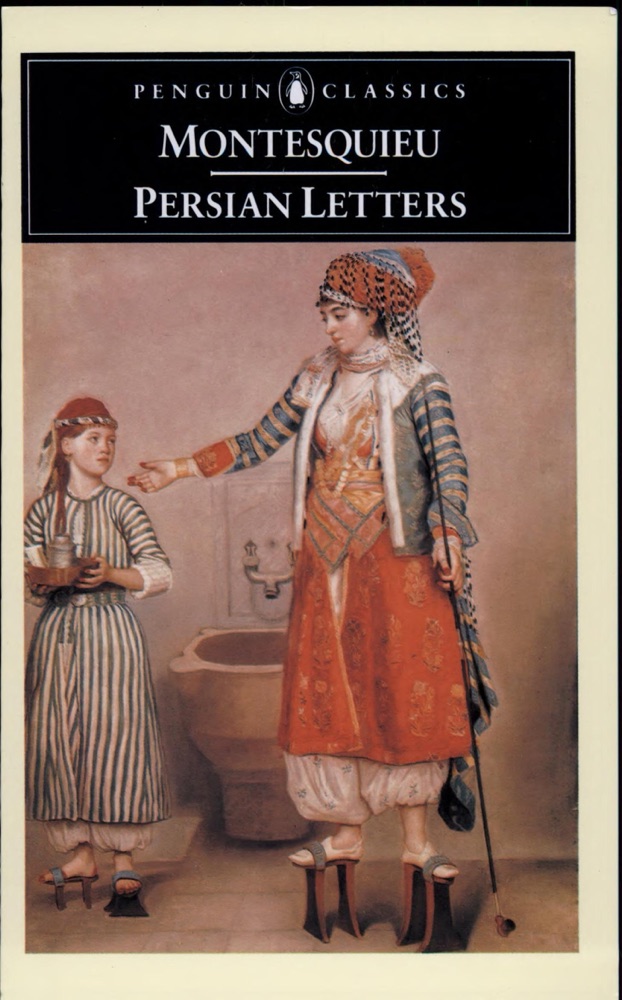 Persian Letters
 On the Genealogy of Morals
 The Madness of Crowds: Gender, Race and Identity
 The Sane Society
 India Unbound: The Social and Economic Revolution from Independence to the Global Information Age
 From Dawn to Decadence: 500 Years of Western Cultural Life, 1500 to the Present
 The Machiavellians: Defenders of Freedom
 Arguably: Selected Essays
 The Better Angels of Our Nature: Why Violence Has Declined
 Liberalism: The Classical Tradition
 Walden Two
 A Theory of Justice
 Witness
 Revolution
 The Laws of Plato
 Nobody Knows My Name