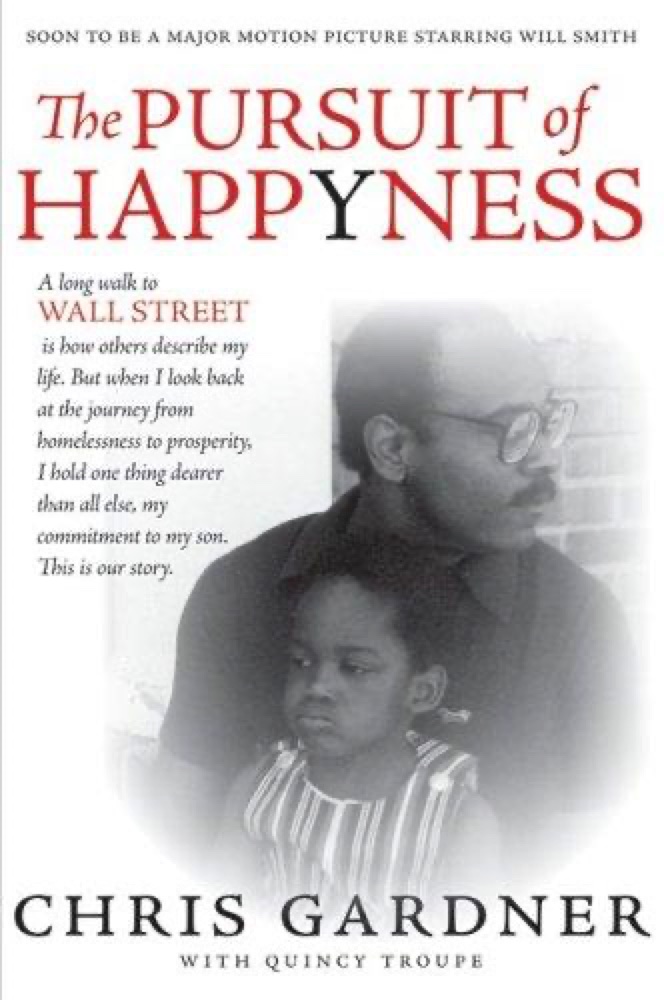

 A Promised Land
Quotes from the Book
The future was uncertain, absolutely, and there were many hurdles, twists, and turns to come, but as long as I kept moving forward, one foot in front of the other, the voices of fear and shame, the messages from those who wanted me to believe that I wasn't good enough, would be stilled.
Others may question your credentials, your papers, your degrees. Others may look for all kinds of ways to diminish your worth. But what is inside you no one can take from you or tarnish. This is your worth, who you really are, your degree that can go with you wherever you go, that you bring with you the moment you come into a room, that can't be manipulated or shaken. Without that sense of self, no amount of paper, no pedigree, and no credentials can make you legit. No matter what, you have to feel legit inside first.
The world is your oyster. It's up to you to find the pearls.
It was right then that I started thinking about Thomas Jefferson on the Declaration of Independence and the part about our right to life, liberty, and the pursuit of happiness. And I remember thinking how did he know to put the pursuit part in there? That maybe happiness is something that we can only pursue and maybe we can actually never have it. No matter what. How did he know that?
Walk that walk and go forward all the time. Don't just talk that talk, walk it and go forward. Also, the walk didn't have to be long strides; baby steps counted too. Go forward.
Still a dreamer, yet more of a realist than ever before, I knew this was my time to sail. On the horizon I saw the shining future, as before. The difference now was that I felt the wind at my back. I was ready.
Wealth can also be that attitude of gratitude with which we remind ourselves everyday to count our blessings.
There was a language specific to all things. The ability to learn another language in one arena, whether it was music, medicine, or finance, could be used to accelerate learning and other arenas, too.
No one ever laid out the sequence of events that led to my mother being prosecuted and imprisoned for alleged welfare fraud.
Every time he came back, apologetic, contrite, he'd start off being real nice. But he was as predictable as rain. No body knew when he'd go off, but at some point everybody knew he would.
This is a work of nonfiction. I have rendered the events faithfully and truthfully just as I have recalled them. Some names and descriptions of individuals have been changed in order to respect their privacy. To anyone whose name I did not
Watch on YouTube
About Chris Gardner
We have collected 11 quotes from 1 book by Chris Gardner on BookQuoters.
More about the author →Book details
- Author
- Chris Gardner
- Genre
- Nonfiction
- Goodreads rating
- 4.19 (25k ratings) →
Keep reading
A Promised Land
 Crossing to Safety
 Wide Awake
 Devil at My Heels: A Heroic Olympian's Astonishing Story of Survival as a Japanese POW in World War II
 Slouching Towards Bethlehem
 Hope Was Here
 The Rainbow Comes and Goes: A Mother and Son on Life, Love, and Loss
 My Beloved World
 Greenlights
 The Sea Keeper's Daughters
 Shoe Dog: A Memoir by the Creator of NIKE
 What You Are Looking for Is in the Library
 Cutting for Stone
 Along for the Ride
 Illusions: The Adventures of a Reluctant Messiah
 The Soul of a Butterfly: Reflections on Life's Journey
 Wouldn't Take Nothing for My Journey Now
 The Clockmaker's Daughter
 Wings of Fire: An Autobiography
 The Power of One
 The Promise of a Pencil: How an Ordinary Person Can Create Extraordinary Change
 Me
Me
 The Hour I First Believed
 The Tell: A Memoir
 Dream Count
 A Brightness Long Ago
 The Pilgrimage
 Good Dirt
 From the Mixed-Up Files of Mrs. Basil E. Frankweiler
 Becoming
 Brave Story
 Canada
 A Sudden Light
 The Last Lecture
 One Italian Summer
 Have a Little Faith: a True Story
 A Thousand Acres
 The Six Rules of Maybe
 The Bourne Identity
 The Jewel in the Crown
 Speak: Find Your Voice, Trust Your Gut, and Get from Where You Are to Where You Want to Be
 The Leader Who Had No Title: A Modern Fable on Real Success in Business and in Life
 The Witch of Portobello
 The Blue Sweater: Bridging the Gap Between Rich and Poor in an Interconnected World
 Children of the Mind
 Letter to My Daughter
 The Autobiography of Eleanor Roosevelt
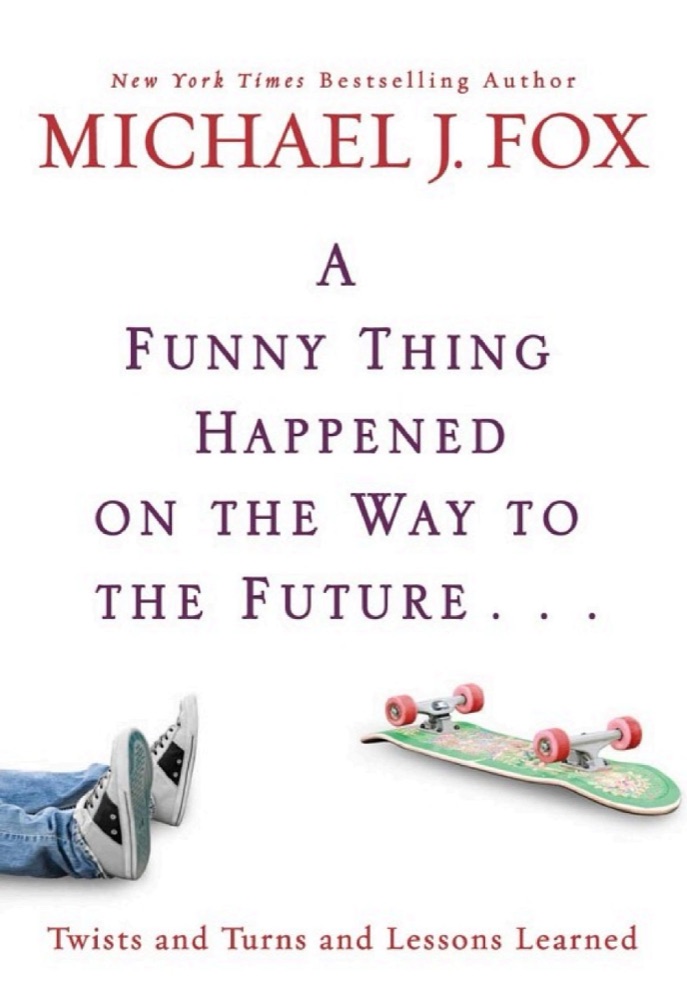 A Funny Thing Happened on the Way to the Future...
 Think and Grow Rich
 The Great Mistake
 Educated
 The Zahir
 The Love Song of Miss Queenie Hennessy
 David Copperfield
 Lighthousekeeping
 Out of Oz
 Like Streams to the Ocean: Notes on Ego, Love, and the Things That Make Us Who We Are
 Leonard and Hungry Paul
 Rules of Civility
 The Handmaid's Tale