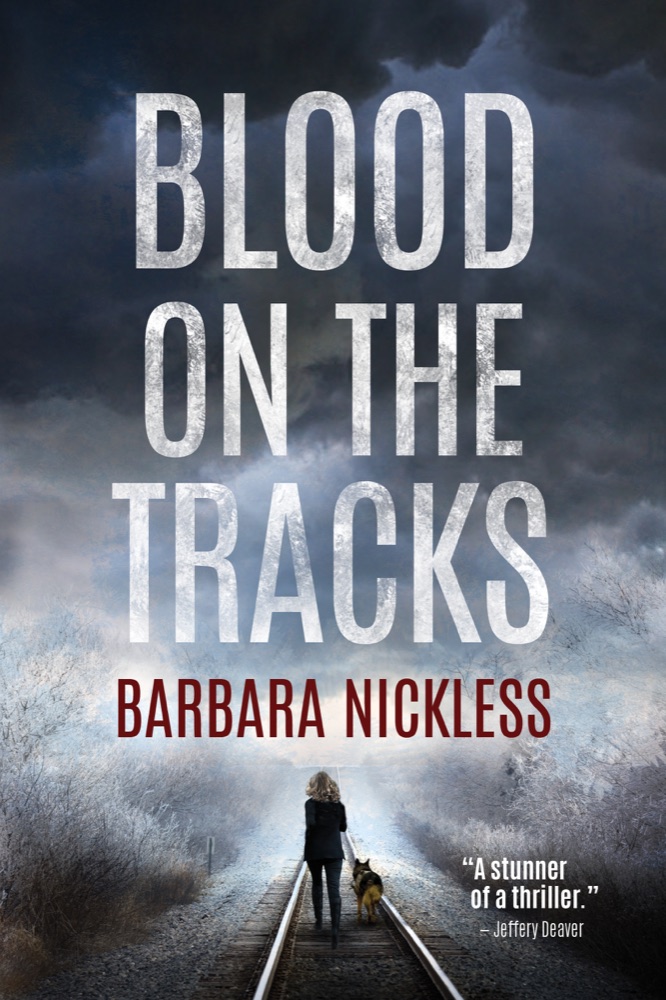

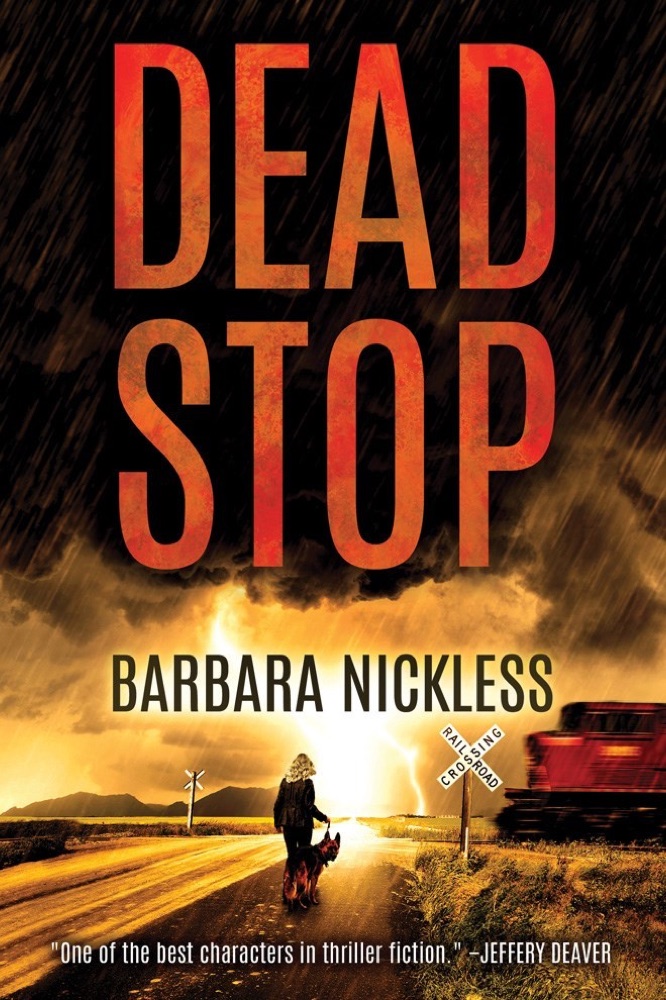
 Dead Stop
Quotes from the Book
Do not call us heroes. Not if you are calling us that in order to absolve yourself of guilt over sending us off to an unwinnable war. Some of us are heroes. But some of us never had the chance. And some of us got slammed face-first into the fact that when we looked inside, we found nothing heroic at all. —Corporal
3
We are part of what society can't bear to remember. Because if they really think about it, if they really look at us and realize the cost we've paid to keep them safe. They can't live with the guilt.
2
I've spent too much of my life trying to leave the past behind. But the past is a leech. Digs its head into you and sucks your blood until it leaves you dry.
2
The videos that show the coffins coming back. People don’t want to know. And you and I? We’re part of what society can’t bear to remember. Because if they really think about it, if they really look at us and realize the cost we’ve paid to keep them safe? They can’t live with the guilt. They put up their ribbons and they give us fucking discounts at stores and they say, ‘Thank you for your service’ so they can go home and feel good about themselves. But if they really looked at what war does to us? Hell. They’d never let us come home.” “Stop
2
In a moment of crisis , your body takes over . It knows what it needs to do to keep you alive, and that's what it does. This instinct for survival comes from your reptilian brain- most basic, simplistic part of who you are. Your reptilian brain breathes for you. Digest and defecates for you . Watches out for you. And if it deems the threat high enough - it kills for you.
2
One man’s sin is—by quirk of fate or need or desperation—another man’s necessity. —Sydney
2
I had not known how much of me belonged to Clyde, how much room he had claimed in my heart. He was the one good thing, the one living thing, that had come back with me from Iraq. Clyde had held me together as we shared our grief over Dougie, our relief at leaving the war zone, and eventually our sense of purpose—muted though it was-—when we returned to work.
1
My body was so filled with pain that I could not separate the hurt within from that without. And I was tired. Tired in Cohen’s way, tired with the weight that makes your bones two inches shorter. I was tired of killing. Tired of death. Exhausted from scraping up against the kind of hatred that makes a man slap a little girl, slaughter a woman, shoot a dog. All I wanted was to lie in the snow and the dark and think about Clyde and Dougie and Cohen until I ran out of thoughts. Ran out of feelings. Until the wind abraded my skin to nothing and I was only disarticulated bones.
1
In ancient times, soldiers called it going amok—a descent into the battle craziness that took you out of yourself and dropped you into the warrior’s world of blood and darkness. Going amok was a form of insanity prized by the Greeks and Spartans and Vikings—it made for great warriors. Thus did Achilles slay Hector, Beowulf defeat Grendel. But unless you bring your heroes back to themselves—with a ritual purification or with a journey of some sort, like Odysseus’s long struggle home or World War II vets taking weeks to sail back across the sea together—there is a price to pay when the bloodied warrior returns. These days, soldiers return from Iraq and Afghanistan alone and in a matter of hours. We drop them back into society as if they were widgets that have simply gone missing for a while. But a lot of the widgets are bent hopelessly out of shape.
1
Normal is whatever we’ve gotten used to in our own private universe. It’s war or cancer or poverty. Hopelessness or pain or fear. It’s the cigarette burns on the coffee table and bone-deep exhaustion and the stink of booze and the black eye from—you tell everyone who asks—running into a door. Normal is the devil-ridden quiet of three a.m. when you’re eyeball-to-eyeball with God, and you know you won’t win because the deck is stacked. Best you can do is fold. —Sydney
1
In modern warfare, people disappear. Not because they run off, or go native, or get taken prisoner. I don’t even mean that they’re gone because they’re dead. I mean they vanish. One second they’re right there, standing next to you, as bright and alive as they will always remain in the eyes of their parents, wives, children. Maybe they’re talking about how the Broncos just put some whup-ass on the Raiders or how they’re going to start a computer repair business when they get home or maybe just about how sweet that first post-dawn cigarette tastes and would you like one, too? And then they take a few steps and the bomb goes off, and when the pink mist is done soaking into the dust, all you’re left with is a single boot and the guy’s hand. Or maybe just his rucksack spewing his med pack and his lucky rabbit’s foot and his last clean pair of underwear across the field. And there you stand, scared all to shit and grieving like you’ve never grieved. But fuck if you aren’t happy, too. Because part of you is like, sweet Jesus, that could have been me. —Sydney Parnell. Personal journal. Cohen
1
Normal is the devil-ridden quiet of three a.m. when you’re eyeball-to-eyeball with God, and you know you won’t win because the deck is stacked. Best
1
The scrape of Clyde's claws on hardwood.
Military working dogs, especially ones like Clyde, train differently from K9 units. In wilderness police pursuits, you back off if your target becomes all but impossible to find and your men might get killed due to poor conditions—usually bad weather or darkness. You wait for conditions to improve, knowing that your bad guy is going to have to wait it out, too. The sheriff had been following protocol when he called us in before we'd finished searching the train. Especially after hearing from Fort Collins. But in war, a dog is tracking enemy soldiers or terrorists. Men who, if they aren't caught, disappear into their rat holes and spend their free hours planting IEDs or taking sniper shots at your men. Military dogs and their handlers don't call it a day when the going gets tough. For Clyde, the game wasn't over until he found his man.
speeches at numerous writing conferences and book events. She lives with her family in Colorado. Blood on the Tracks, which won the Daphne du Maurier Award and was a runner-up for the Claymore Award, is her first novel.
Sleet had changed to snow, which fell steadily as I drove. White powder filled the hollows in the land, erased the gutters, piled on the fir trees like lines of cocaine. Everything—buildings, sidewalks, lights—turned blurry as snow enshrouded the city. Denver went silent under the soft, murderous weight.
After your buddy gets blown to bits, it’s your job to clean up whatever’s left. You busy yourself trying to find anything more than a hand and a boot so the family will have something to bury and because you don’t want to leave a fellow Marine behind. You work all day to find what you can, and all the while your head hurts and your gut’s locked down tight, wondering if there’s another bomb out there with your name on it. Then darkness falls, and you get back to the FOB with that boot and the hand and an ounce of flesh and you’re so nauseous you can’t eat and so tired you can hardly stand and the Sir tells you to shade it black. And you say, Yes, sir, and you look down at the gurney—at that hand and that boot and that ounce of flesh. And you wonder how the fuck you’re supposed to do that.
But if Clyde had given a false alert, the error wasn’t his. It was mine for not keeping up with his training.
realized, to his surprise, that even constant pain left room for love.
The ravens of war always come home to roost.
Maybe everyone here slept better than my family did—surrounded by kin, lulled to sleep by the river-roar motion of wheels. No matter that some of those wheels glided on pavement instead of iron; they heeded the call to move, always move, rocking us to sleep with dreams
Hard world sometimes, turning kids into jerks before they had time to do the job themselves.
The bad guys don't wear signs. And all of us are only human.
It's your job, Marine, to stay alive. If that means getting comfortable with your inner darkness, then that's what you do.
What we did over there? That's the lie.
She told him that life is not good if it's a lie.
...if they really looked at war did to us? Hell. They'd never let us come home.
But I am broken, Nik. Broken bad.
There's so much pain in the house it's like being wrapped in plastic.
Watch on YouTube
About Barbara Nickless
We have collected 49 quotes from 2 books by Barbara Nickless on BookQuoters.
More about the author →More by Barbara Nickless
Dead Stop
About the book
A young woman is found brutally murdered, and the main suspect is the victim’s fiancé, a hideously scarred Iraq War vet known as the Burned Man. But railroad police Special Agent Sydney Rose Parnell, brought in by the Denver Major Crimes unit to help investigate, can't shake the feeling that larger forces are behind this apparent crime of passion.
In the depths of an icy winter, Parnell and her K9 partner, Clyde ― both haunted by their time in Iraq ― descend into the underground world of a savage gang of rail riders. There, they uncover a wide-reaching conspiracy and a series of shocking crimes. Crimes that threaten everything Parnell holds dear.
As the search for the truth puts her directly in the path of the killer, Parnell must struggle with a deadly question: Can she fight monsters without becoming one herself?
Book details
- First published
- 2016
- Author
- Barbara Nickless
- Genre
- Mystery
- Goodreads rating
- 4.22 (25k ratings)
Keep reading
Dead Stop
 The Bone Tree
 Home Front
 What Moves the Dead
 The Wars
 Tree of Smoke
 City of Blades
 Days Without End
 The Huntress
 Zinky Boys: Soviet Voices from the Afghanistan War
 A Better World
 Dark Inside
 The Devil Takes You Home
 The Naked and the Dead
 Babylon's Ashes
 Generation Kill: Devil Dogs, Iceman, Captain America, and the New Face of American War
 Dust & Decay
 The Killing Kind
 Rot & Ruin
 Prince of Thorns
 Billy Lynn's Long Halftime Walk
 Crooked Kingdom
 Matterhorn
 A Rule Against Murder
 City of Thieves
 The Innocent
 Sworn to Silence
 The Whisper Man
 What It is Like to Go to War
 The Summer that Melted Everything
 A Fatal Grace
 Roadwork
 The Hour I First Believed
 The Burning Soul
 The Things They Carried
 We Are Not Free
 Beacon 23
 The Summer Children
 We Are All the Same in the Dark
 Black Leopard, Red Wolf
 Infamous
 Dust
Dust
 Dispatches
 A Drink Before the War
 Run
Run
 Ninth House
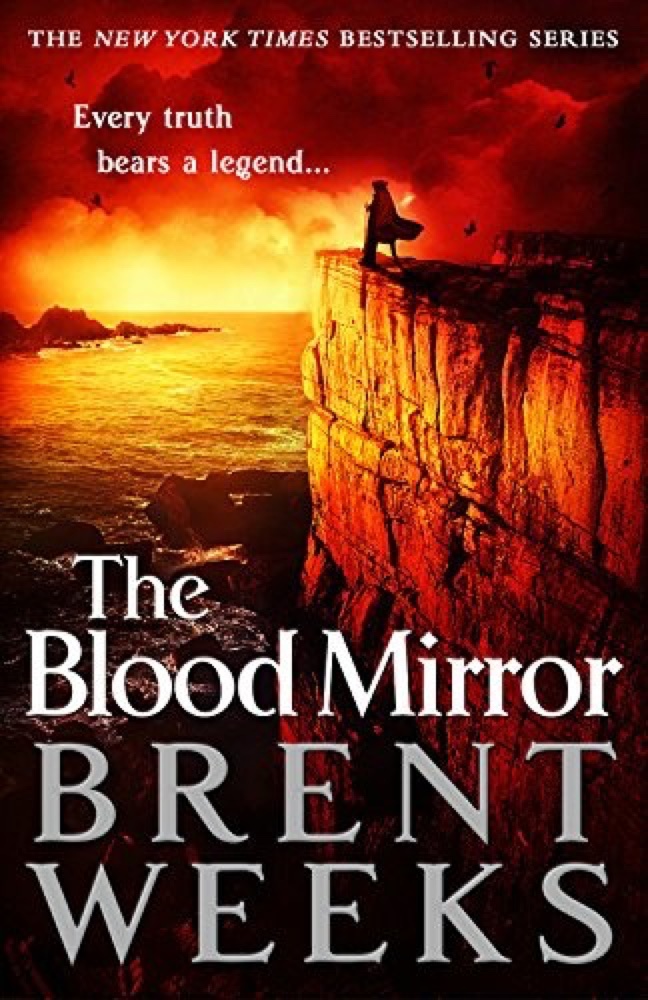 The Blood Mirror
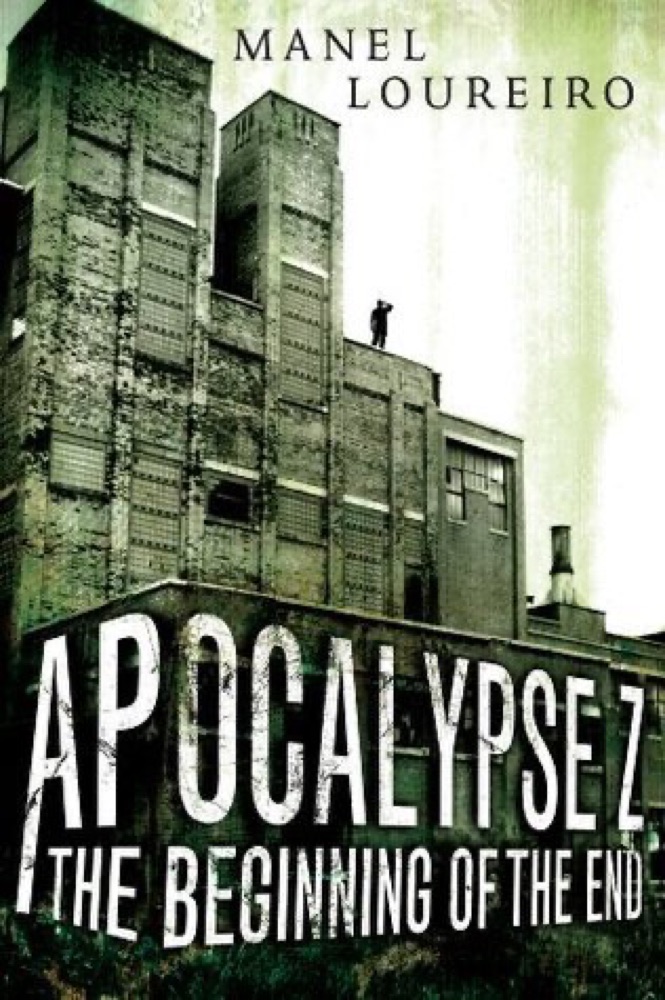 Apocalypse Z: The Beginning of the End
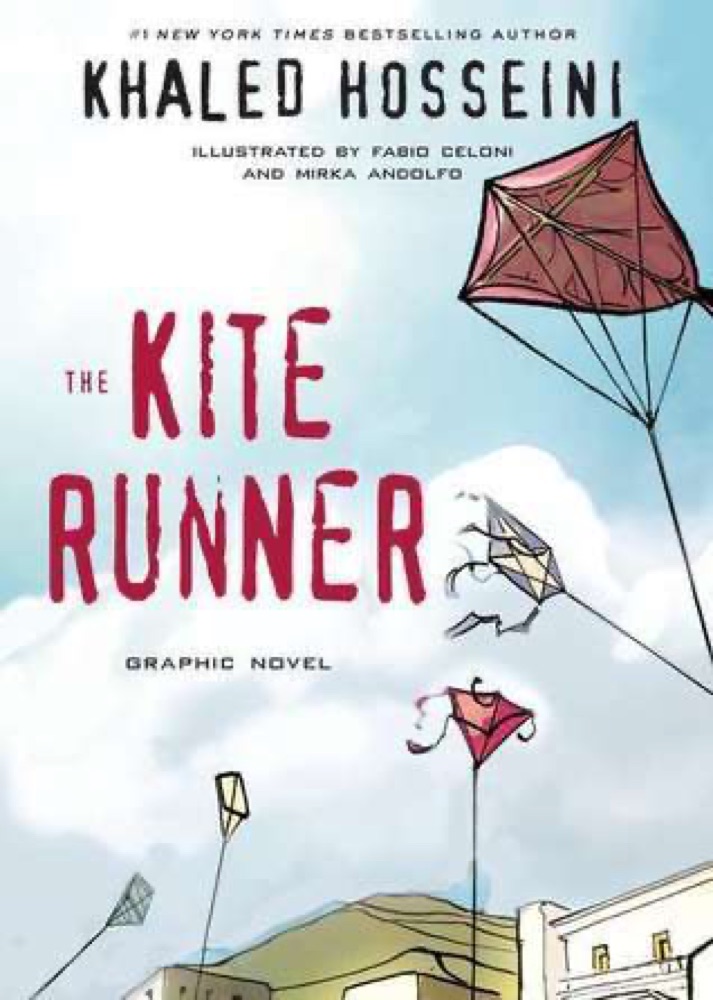 The Kite Runner
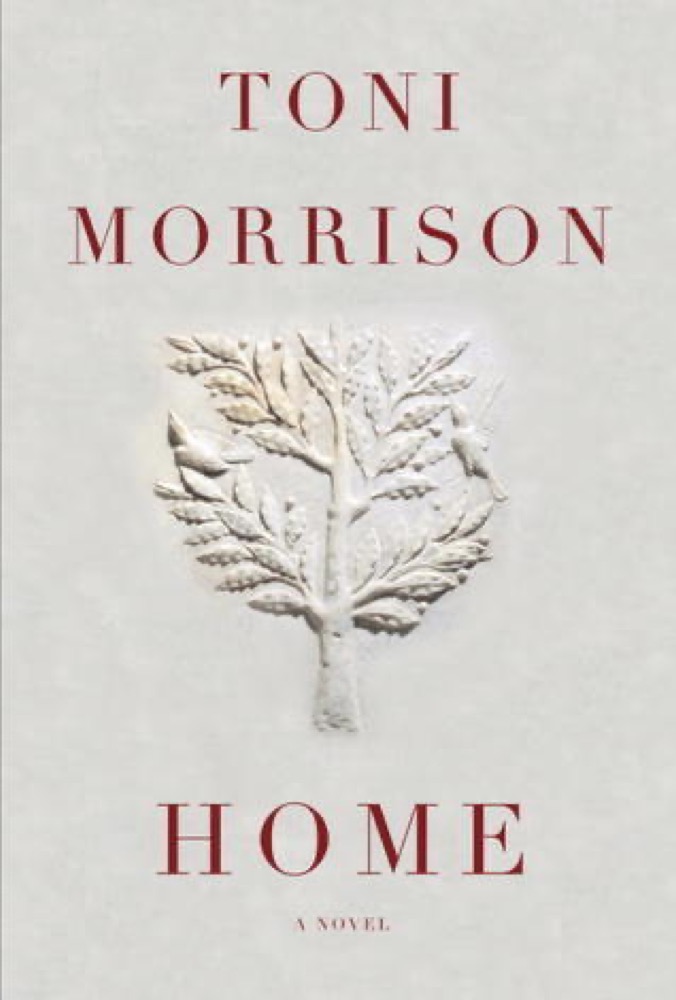 Home
Home
 Red Sister
 Dark Places
 The Water Knife
 The 5th Wave
 The Cheerleaders
 Haunted
 No Exit
 Night Film
 The Lesser Dead
 Salt to the Sea