
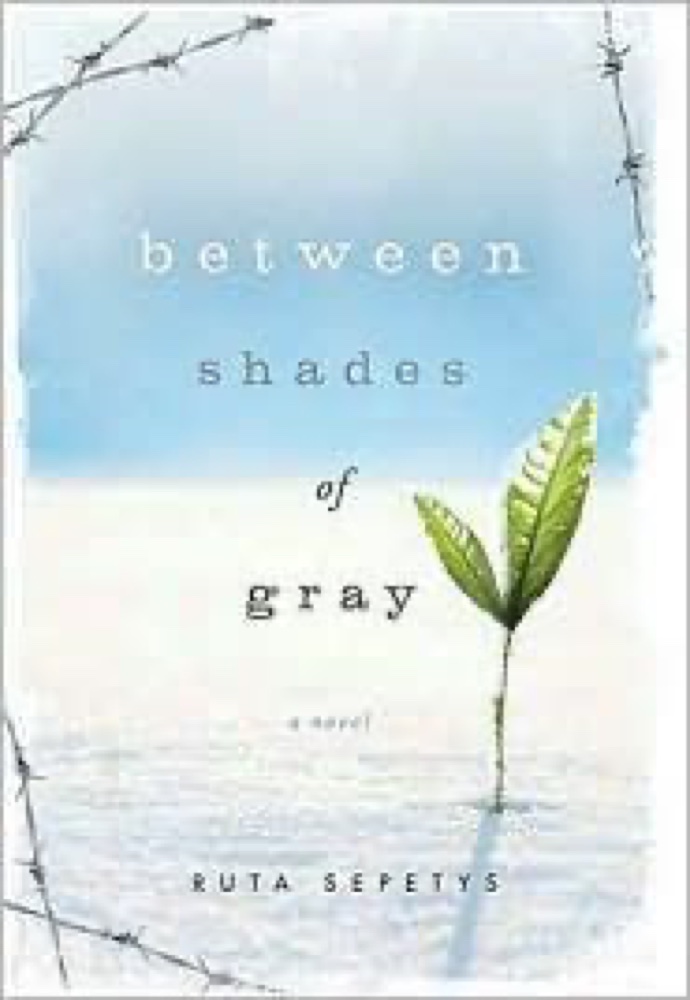
 Between Shades of Gray
Quotes from the Book
I wept because i had no shoes, until i met a man who had no feet.
I became good at pretending. I became so good that after a while the lines blurred between my truth and fiction. And sometimes, when I did a really good job of pretending, I even fooled myself.
What had human beings become? Did war make us evil or just activate an evil already lurking within us?
I wanted to stay locked away from the pain and destruction. I didn't want to be strong. I didn't want to be the 'smart girl'. I was so very tired. I just wanted it all to be over.
Per aspera ad astra, Papa,' I whispered. Through hardship to the stars.
War is catastrophe. It breaks families in irretrievable pieces. But those who are gone are not necessarily lost.
Guilt is a hunter. Fate is a hunter. Shame is a hunter. Fear is a hunter.
How foolish to believe we are more powerful than the sea or the sky.
Your daughter, your sister. She is salt to the sea,
Just when you think this war has taken everything you loved, you meet someone and realize that somehow you still have more to give.
War had bled color from everything, leaving nothing but a storm of gray.
Yet amidst all that, life has spit in the eye of death.
His smugness was annoying. This was the type of man who looked at a picture on the wall and instead of admiring the photo, looked at his own reflection in the glass.
You love stories, Emilia. Well, the trees hold hundreds of years of stories. Think of it, everything these trees have seen and felt. All of the secrets are inside of them.
Enough studying, Joana. Sometimes living life is more instructive than studying it.
What determines how we remember history and which elements are preserved and penetrate the collective consciousness? If historical novels stir your interest, pursue the facts, history, memories, and personal testimonies available. These are the shoulders that historical fiction sits upon. When the survivors are gone we must not let the truth disappear with them. Please, give them a voice.
The old man spoke of nothing but shoes. He spoke of them with such love and emotion that a woman in our group had crowned him “the shoe poet.” The woman disappeared a day later but the nickname survived. “The shoes always tell the story,” said the shoe poet. “Not always,” I countered. “Yes, always. Your boots, they are expensive, well made. That tells me that you come from a wealthy family. But the style is one made for an older woman. That tells me they probably belonged to your mother. A mother sacrificed her boots for her daughter. That tells me you are loved, my dear. And your mother is not here, so that tells me that you are sad, my dear. The shoes tell the story.” I paused in the center of the frozen road and watched the stubby old cobbler shuffle ahead of me. The shoe poet was right. Mother had sacrificed for me.
I knew the legends of the birds. Seagulls were the souls of dead soldiers. Owls were the souls of women. Doves were the recently departed souls of unmarried girls. Was there a bird for the souls of people like me?
What did I want? I wanted the war to be over so I could ask her out.
The shoes always tell the story,' said the shoe poet. 'Not always,' I countered. 'Yes, always. Your boots, they are expensive, well made. That tells me that you come from a wealthy family. But the style is one made for and older woman. That tell me they probably belong to your mother. A mother sacrificed her boots for her daughter. That tells me you are loved, my dear. And your mother is not here, so that tells me that you are sad, my dear. The shoes tell the story.
My war had been so long, my winter so cold. But i had made it home. And for the first time in a long time, i was not afraid.
He wanted to know something about me. I leaned over and put my mouth to his ear. It was barely a whisper. 'I'm a murderer.
The books, raped and rummaged of their dignity, lay in heaps on the floor.
Did you know?
- The novel centers on the 1945 sinking of the MV Wilhelm Gustloff, regarded as the deadliest maritime disaster in history, in which roughly nine thousand people died.
- The story is narrated by four alternating point-of-view characters, each of whom opens by naming a different pursuer: guilt, fate, shame and fear.
- One character carries a stolen amber swan, tying the plot to the mystery of the Nazi-looted Amber Room.
- Ruta Sepetys won the 2017 Carnegie Medal for the book, and it became a number-one New York Times bestseller.
- Sepetys wrote the novel to bring attention to a maritime tragedy that, despite its scale, remains largely unknown.
About Ruta Sepetys
Ruta Sepetys (born 1967) is a Lithuanian-American writer of historical fiction, the daughter of a Lithuanian refugee, who grew up in Michigan and lives in Nashville, Tennessee. Her novels, which include Between Shades of Gray and Salt to the Sea, have been translated into dozens of languages, and she won the Carnegie Medal for Salt to the Sea.
More about the author →More by Ruta Sepetys
About the book
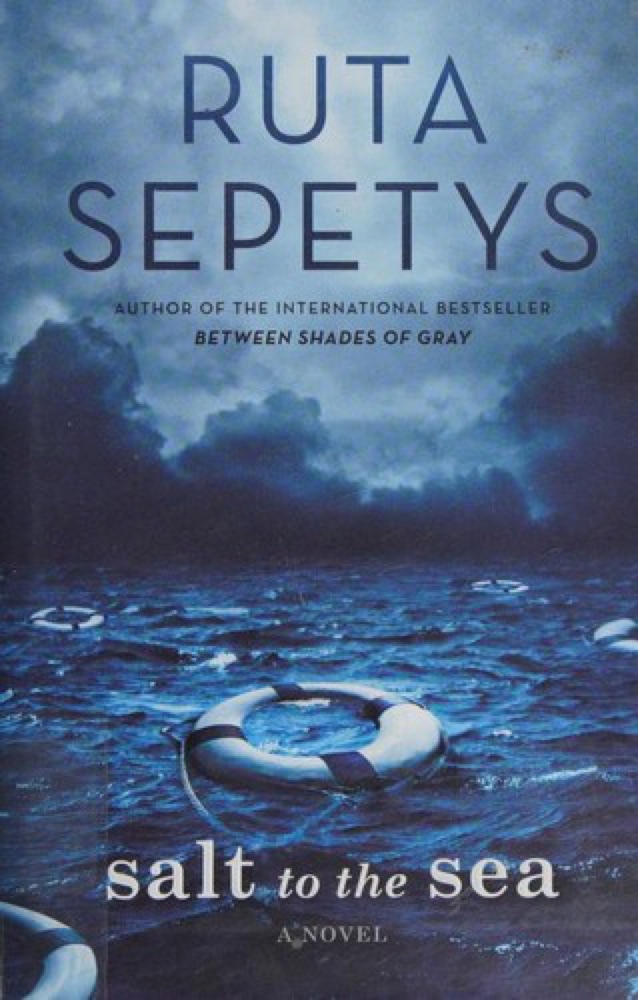
Salt to the Sea is a 2016 historical novel by Ruta Sepetys set in East Prussia in the final winter of World War II, as thousands of refugees flee westward ahead of the advancing Soviet army. The story is told in short alternating chapters through four young narrators from different nations whose paths converge on the road to the Baltic coast: Joana, a Lithuanian nurse; Florian, a Prussian art-restoration apprentice carrying a stolen treasure; Emilia, a pregnant Polish teenager; and Alfred, a self-deluding young German sailor. Their separate journeys draw them all toward the same destination, the overloaded evacuation ship MV Wilhelm Gustloff.
The novel converges on one of the least-remembered catastrophes of the war. The Wilhelm Gustloff, crammed far beyond capacity with civilians and wounded soldiers, was struck by torpedoes from a Soviet submarine and sank in the freezing Baltic, killing roughly nine thousand people in what is regarded as the deadliest maritime disaster in history. Through its four voices, the book weaves together themes of guilt, shame, fear and fate, each narrator opening with a variation on the line that something intangible is a hunter that pursues them across the ruined landscape.
Sepetys, a Lithuanian-American author known for illuminating hidden corners of twentieth-century history, drew on extensive research and survivor accounts to reconstruct the tragedy for young and adult readers alike. The book became a number-one New York Times bestseller and won the 2017 Carnegie Medal, and it is frequently praised for bringing wide attention to a disaster that had been largely forgotten outside the regions it touched.
Key characters
- Joana VilkasA 21-year-old Lithuanian nurse fleeing Soviet forces
- Florian BeckA young Prussian art-restoration apprentice carrying a stolen amber swan
- Emilia StozekA 15-year-old pregnant Polish orphan
- Alfred FrickA delusional young German sailor assigned to the Wilhelm Gustloff
Book details
- First published
- 2016
- Length
- 391 pages
- Reading time
- 2 hours
- Author
- Ruta Sepetys
- Genre
- Fiction
- Goodreads rating
- 4.35 (266k ratings) →
- First line
- “Guilt is a hunter.”
If you liked this, read…
- 1Between Shades of GraySepetys's own WWII novel about Lithuanians deported to Siberia, a companion in theme and history
- 2The Book ThiefAnother WWII novel told through intimate young voices amid catastrophe
- 3All the Light We Cannot SeeInterlocking WWII narratives converging through war-torn Europe
Keep reading
 The Wars
 The Hour I First Believed
 Wide Sargasso Sea
Between Shades of Gray
Wide Sargasso Sea
Between Shades of Gray
 The Fates Divide
 The Scar
 The Kite Runner
 The Sea, the Sea
 Sword & Citadel
 The Prince of Tides
 The Yellow Birds
 Defiant
 Babylon's Ashes
 Home Front
 And the Mountains Echoed
 Chains
 Blood And Gold
 Tree of Smoke
 The Shipping News
 The Stories of John Cheever
 The Silence of Bones
 March
March
 The Void
 The Brutal Telling
 Cold Mountain
 Warlight
 The Likeness
 The Beach Trees
 The Spear Cuts Through Water
 All But My Life: A Memoir
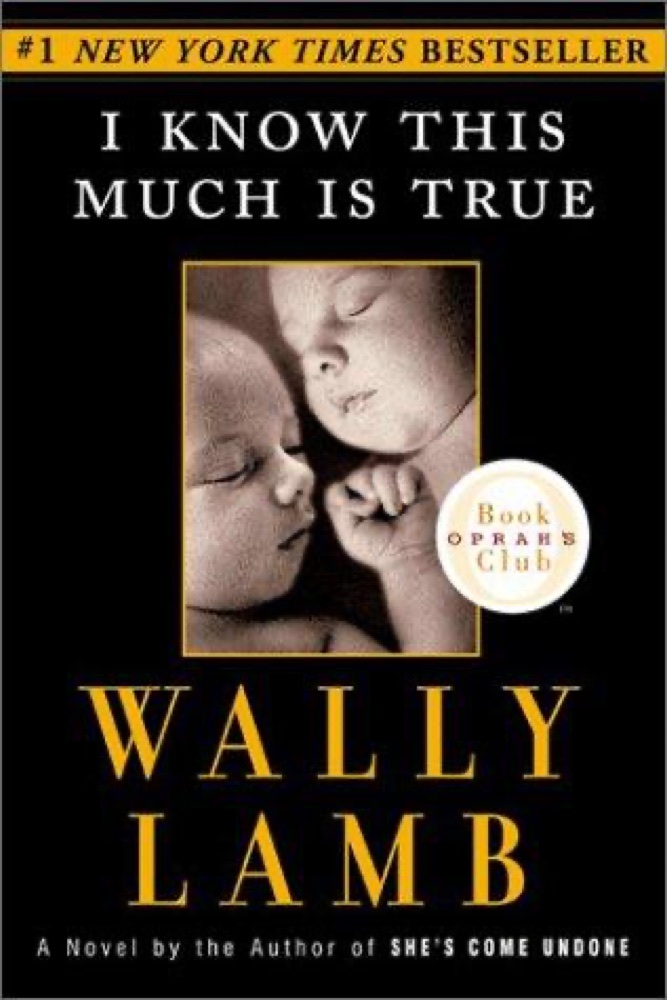 I Know This Much Is True
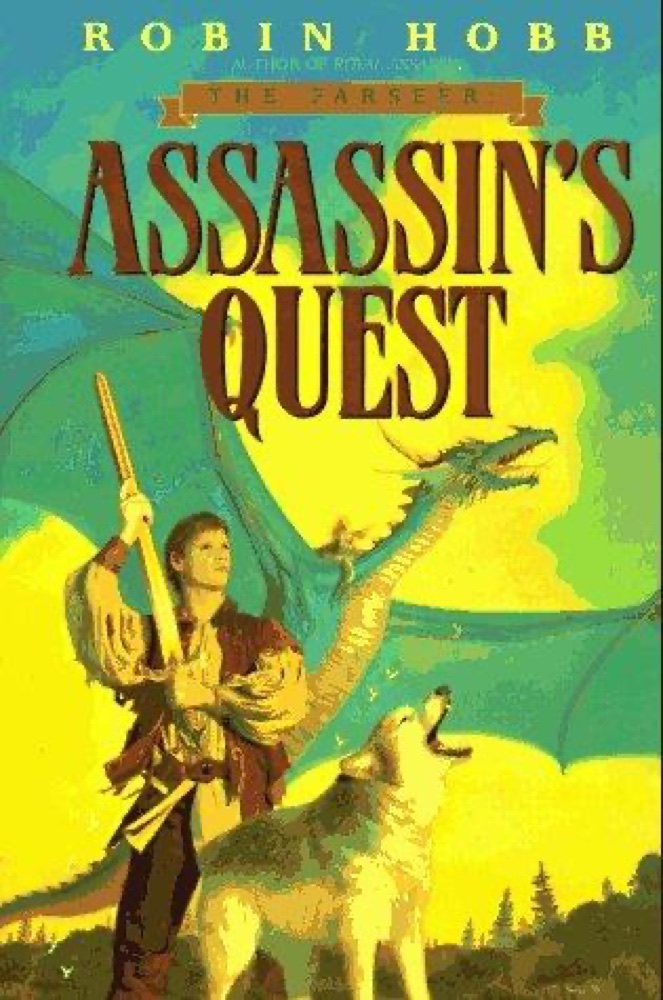 Assassin's Quest
 The Son
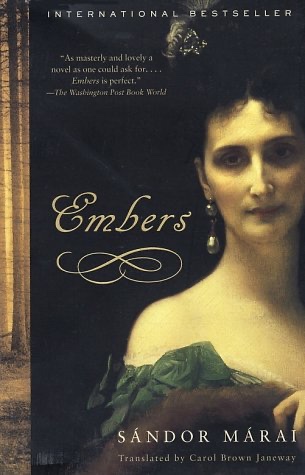 Embers
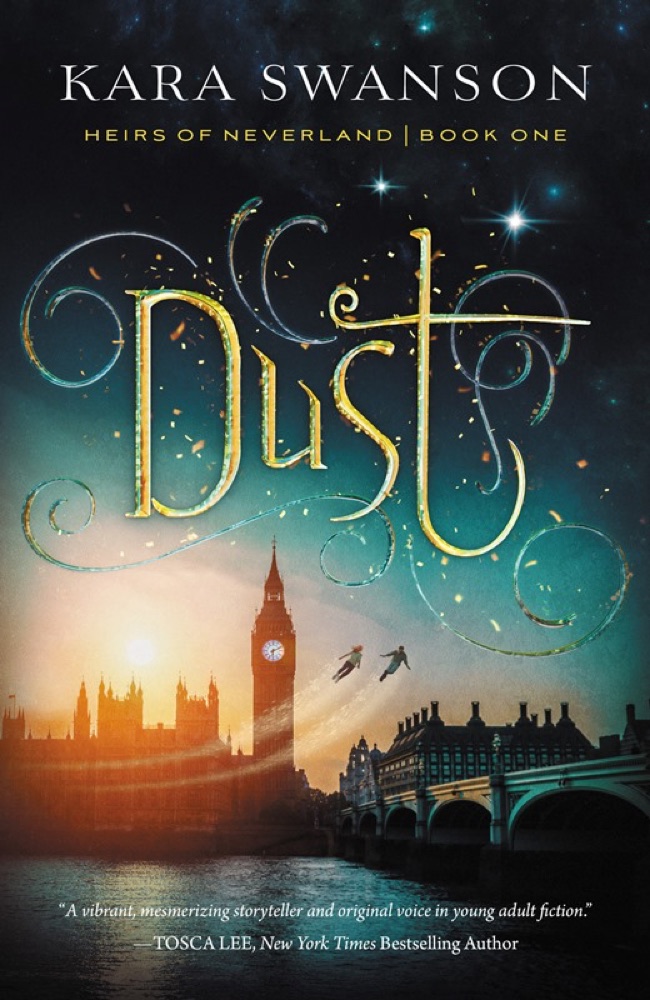 Dust
Dust
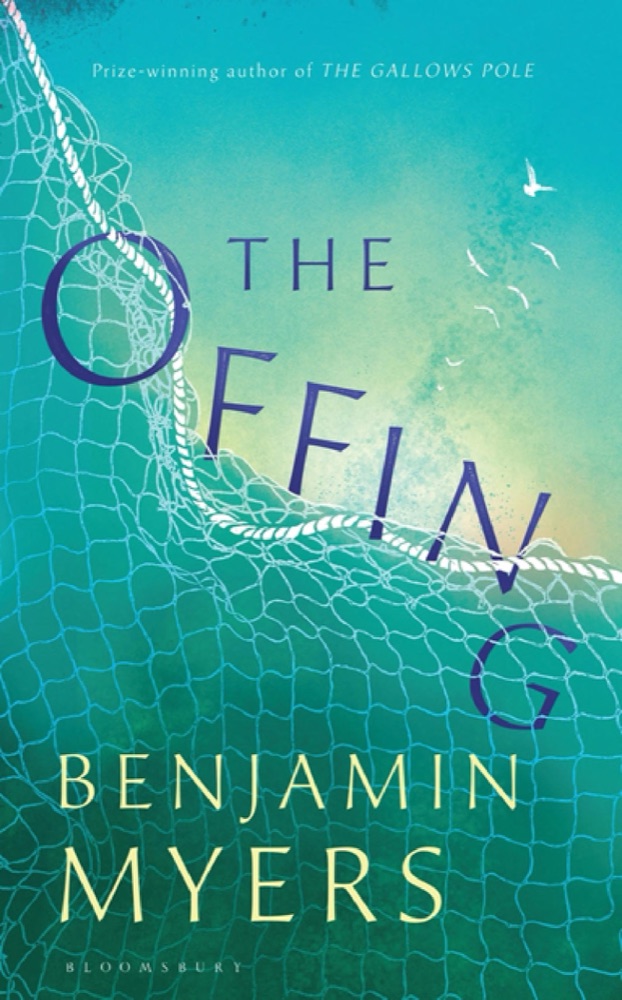 The Offing
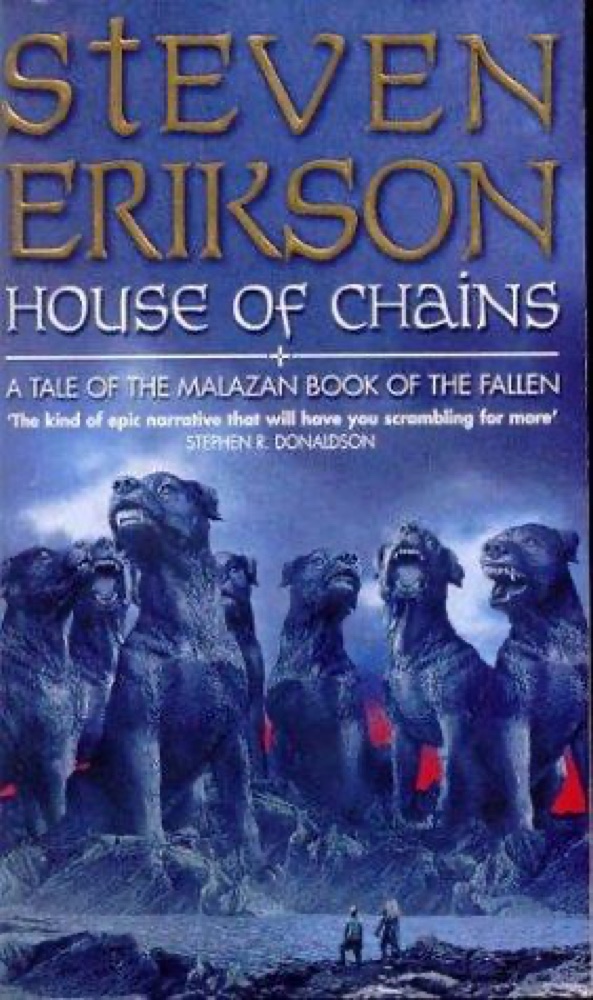 House of Chains
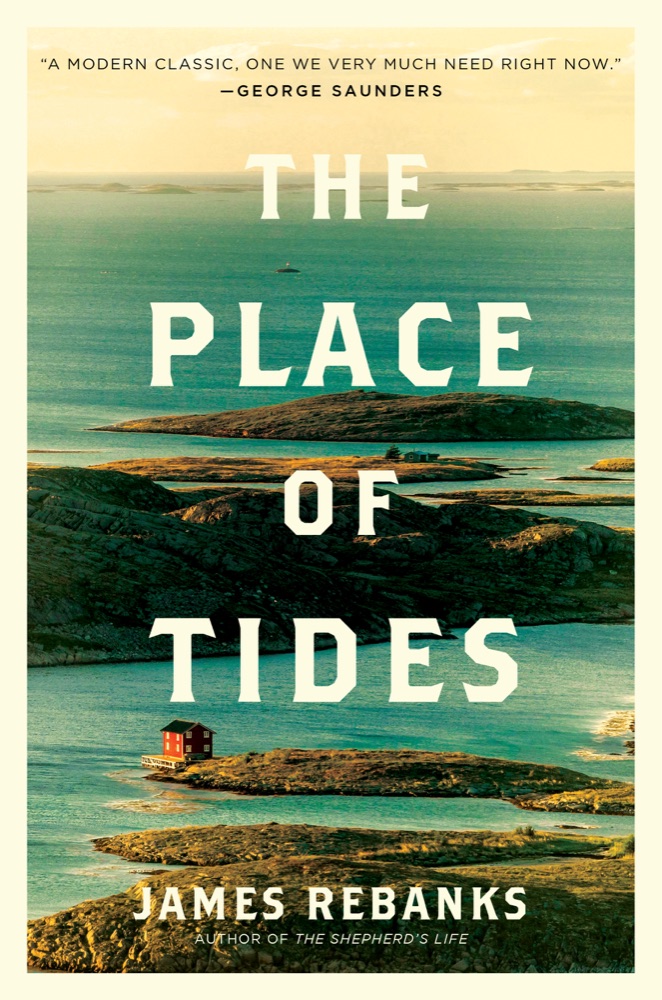 The Place of Tides
 The Ministry of Utmost Happiness
 So Long, See You Tomorrow
 The Things They Carried
 His Dark Materials
 Nightwood
 Surrender
 Plainwater: Essays and Poetry
 Year of Wonders
 Tar Baby
 The God of Small Things
 A Thousand Moons
 The Sound and the Fury
 Every Dead Thing
 What Moves the Dead
 The Broken Eye
 The Lies About Truth
 The Serpent King
 Burial Rites
 The Damnation Game
 Bury Your Dead
 A Mercy
 Caleb's Crossing