
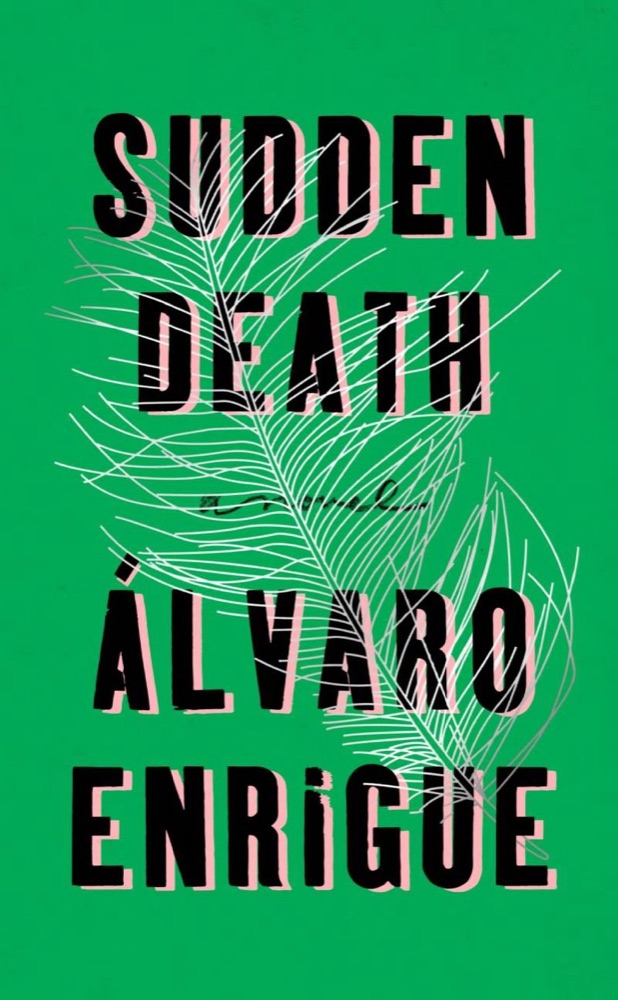
 Sudden Death
Quotes from the Book
I love this room, said Moctezuma, you can't imagine how I miss being a priest. Where there were splotches of blood, he saw sprays of flowers. The withered fingers of the hands of great warriors sacrificed during the year's festivals swayed pleasingly like the branches of a small tree to the beat of some music he couldn't place, though in a possible future we would have recognized it. It was T. Rex's "Monolith." The priest was also up to his ears in whatever he had taken to carry out his temple duties, so he bent his magic powers of hearing to the music and caught the sexy crooning of Marc Bolan. He smiled. That's good stuff, he said. Moctezuma swung his hips to the beat. It's nothing I've ever heard before, he replied, but I like it. He pulled his elbows in tight and shimmied, moving his head gravely from side to side, transfixed by pleasure. The priest, swaying his own ass to the beat—he was nearly eighty, but on mushrooms he was a jaguar-said, I was thinking about you, believe it or not; look at this.
4
I’m a writer and words matter to me. They may signify and signal, but I believe they also invoke.
2
This is a novel, and in novels–thanks to Cervantas–even the spelling must obey the story
1
I love this room, said Moctezuma, you can’t imagine how I miss being a priest. Where there were splotches of blood, he saw sprays of flowers. The withered fingers of the hands of great warriors sacrificed during the year’s festivals swayed pleasingly like the branches of a small tree to the beat of some music he couldn’t place, though in a possible future we would have recognized it. It was T. Rex’s “Monolith.
1
It never occurred to them, of course, that half the sauces of the dishes they had just eaten were moderately hallucinogenic, and thus their delectable sense of relaxation was in truth a welcome to the esoteric between-place where the Colhua permanently resided.
1
I'm going to need some cactus-of-tongues. The shaman screwed up his eyes, making a hissing sound that expressed both shock and disapproval. It's very strong, he said, something to try once in a lifetime, maybe twice, and this would be the fourth or fifth time I've given you one; you might get lost on the trip. The huey tlatoani closed his eyes. The empire weighs on one's shoulders, he said, sometimes too heavy; help is needed. What do you want it for? My meeting is with the chief of the Caxtilteca. Who? Make it ready, that's an order: two pieces, no more. The shaman shrugged. You're the boss, he said, but don't say later that I didn't warn you.
1
inside each of us is a skull, and that’s all that will be left of us when we’re gone; thanks for your participation.
Again they asked, “What will the gods eat? Everyone is looking for food.” Then the ant went to collect kernels of corn from the Mountain of Sustenance. Quetzalcoatl met the ant and said to him: “Tell me where you got that.” Many times he asked, but the ant wouldn’t tell. Then the ant said: “Over there.
They had come to the very heart of the great, invincible city of Mehxicoh-Tenoxtitlan, and their task was almost complete. Everything was a little hazy, muddled. All of it an honor perhaps undeserved. They had made it here with staggering effort and lunatic determination, and they had proved themselves to be good soldiers, going on when no one else would have, always betting against the odds.
There was something terrifyingly beautiful about a whole country agreeing to make its capital punctual above all things; choosing to live a geometric and foreshortened life in a canyon of straight lines where everyone followed a common choreography seemingly taught by some artist rather than resulting from chance, luck, or the trauma of history.
La idea de que quien escribe lo hace en una soledad iluminada es una reliquia del Romanticismo. «Tu sueño imperios han sido» es un verso de Calderón en La vida es sueño. No hay por qué tratar de mejorar lo inmejorable. El trance de Cortés después de comer la biznaga de lenguas viene del viaje al centro de la hipnosis de Sergio Pitol en El arte de la fuga y el ensimismamiento del capitán general cita «El grafógrafo» de Salvador Elizondo. La figura de los conquistadores y Malinalli es deudora de Borrones y borradores de Margo Glantz. El «tla-tla» de las botas de Caldera mientras camina por las Casas Viejas es el de los huaraches de Eufemio Zapata cuando le muestra el Palacio Nacional a Martín Luis Guzmán en El águila y la serpiente. El poeta a quien se encuentra Cuauhtémoc diciendo sus propios versos es Ramón López Velarde. La arquitectura general de la novela es borgeana, está en conversación con «El milagro secreto» y «El Aleph». Lo que pudiera haber de acertado en las visiones del pasado de este libro viene de las fuentes convencionales –la carta de 1521 de Cortés, los Anales de Tlatelolco, la Verdadera Historia de Bernal Díaz del Castillo, la Historia General de Sahagún o la de Durán– y de los clásicos que han fijado su interpretación: León Portilla, Martínez, Thomas, etc. Estudios recientes sobre el México prehispánico y el del primer contacto de Michel Graulich, Serge Gruzinski, Eduardo Matos Moctezuma, Barbara E. Mundy, Alfredo López Austin, Leonardo López Luján, Matthew Restall o Camilla Townsend han precisado esas interpretaciones. El manuscrito de Tu sueño imperios han sido fue leído por Natasha Wimmer, Ria Julien, Juan Enrigue, Silvia Sesé, Paola Morán, Julieta García, y Aimé Iglesias –en ese orden. Sus opiniones, observaciones y correcciones lo mejoraron infinitamente. Nadie escribe en soledad y yo menos que nadie. Gracias, Á.
Sometime before, when Ahuitzotl was still tlatoani and Moctezuma was a formidable general more or less exiled to the role of head priest of the cult of Tezcatlipoca, there had been talk of the arrival of an unusual number of people from the islands begging for refuge from the Maya, because a cruel people from over the sea were ravaging their land. The Taino, who had braved the Gulf in their canoes because anything was better than remaining on their islands, had said the foreigners were ordinary men, but when there were many of them they became terrifying.
Atotoxtli couldn't remember the slightest thing about her father's reign, but during Ahuitzotl's rule she had served as a lady-in-waiting in the country court of Malinalco. She remembered the former tlatoani's impatience with the priests and his acknowledgment that, unbearable as they were, they had to be supported because they ran the festivals that made the Tenochca happy. No one had ever imagined that an emperor would truly believe their tall tales, that he would live in their world of winged serpents and blue jaguars. And Moctezuma was listening to them now more than ever.
It wasn’t an edifying display of the suffering to which errors in conduct would lead, but a representation of things as they are: inside of each of us is a skull, and that’s all that will be left of us when we’re gone; thanks for your participation.
When somebody puts what’s happening to us now in a book, he said, they’ll think it’s more chivalric romance bullshit.
he was able to maintain a perpetual appearance of equanimity even if inside he was about to lose his shit.
Captain Jazmin Caldera, native of Zarzales, Extremandura, couldn’t eat the turkey broth with flowers, though it looked exquisite and he was starving. He adjusted his tiara, but it still sat a little crooked.
Watch on YouTube
About Álvaro Enrigue
We have collected 30 quotes from 2 books by Álvaro Enrigue on BookQuoters.
More about the author →More by Álvaro Enrigue
Sudden Death
About the book
From a visionary Mexican author, a hallucinatory, revelatory, colonial revenge story that reimagines the fall of Tenochtitlan.
One morning in 1519, conquistador Hernán Cortés entered the city of Tenochtitlan – today's Mexico City. Later that day, he would meet the emperor Moctezuma in a collision of two worlds, two empires, two languages, two possible futures.
Cortés was accompanied by his nine captains, his troops, and his two translators: Friar Aguilar, a taciturn, former slave, and Malinalli, a strategic, former princess. Greeted at a ceremonial welcome meal by the steely princess Atotoxli, sister and wife of Moctezuma, the Spanish nearly bungle their entrance to the city. As they await their meeting with Moctezuma – who is at a political, spiritual, and physical crossroads, and relies on hallucinogens to get himself through the day and in quest for any kind of answer from the g
Book details
- First published
- 2022
- Author
- Álvaro Enrigue
- Genre
- Historical
- Goodreads rating
- 3.74 (17k ratings)
The buzz
- The New York TimesReview in The New York Timesprofessional review (via Book Marks)
- The Washington PostReview in The Washington Postprofessional review (via Book Marks)
- The Wall Street JournalReview in The Wall Street Journalprofessional review (via Book Marks)
- The GuardianReview in The Guardianprofessional review (via Book Marks)
- Los Angeles TimesReview in Los Angeles Timesprofessional review (via Book Marks)
- The Times Literary SupplementReview in The Times Literary Supplementprofessional review (via Book Marks)
Keep reading
 Under the Volcano
 The Pearl
 The Telling Room: A Tale of Love, Betrayal, Revenge, and the World's Greatest Piece of Cheese
 The Enchantress of Florence
 Amulet
 The Motorcycle Diaries: Notes on a Latin American Journey
 The Adventures of China Iron
 The Moor's Account
 A Memory Called Empire
 House Made of Dawn
 The Bedlam Stacks
 The Memoirs of Cleopatra
 The Volcano Lover: A Romance
 Signs Preceding the End of the World
 Jaguars Ripped My Flesh
 Nostromo
 The Hymn to Dionysus
 Sword & Citadel
 The Bronzed Beasts
 Terra Nostra
 Victory City
 The House of Broken Angels
 Gods of Jade and Shadow
 The Power of the Dog
 Zorro
Zorro
 Toll the Hounds
 Three Parts Dead
 The House of the Spirits
 The Brutal Telling
 Against the Day
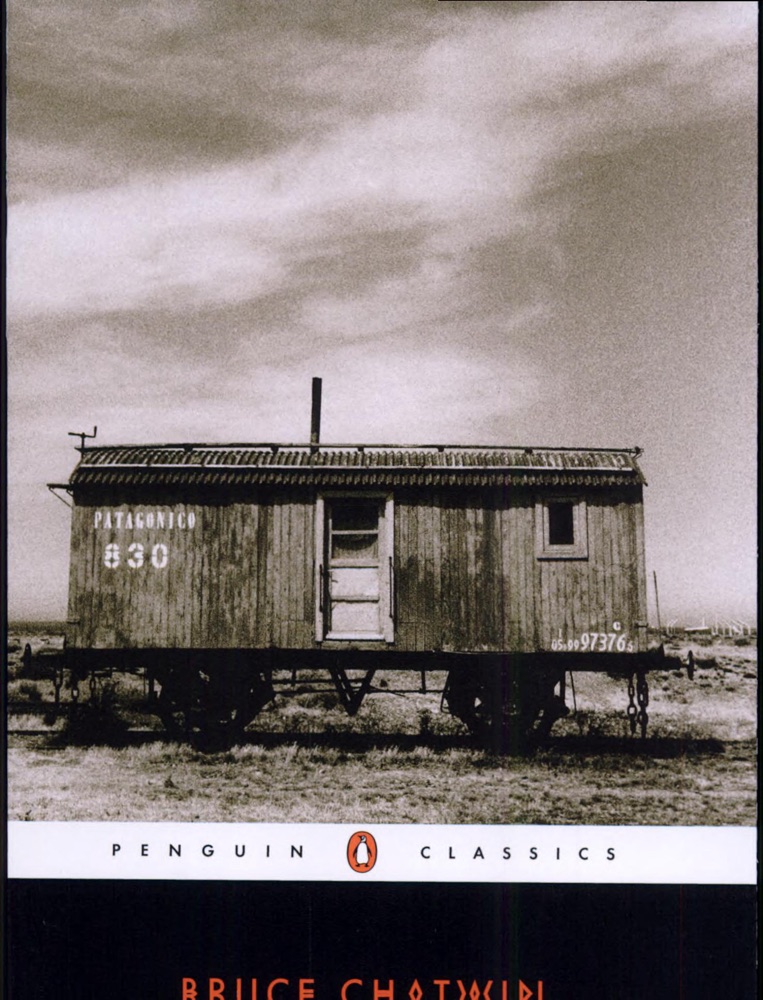 In Patagonia
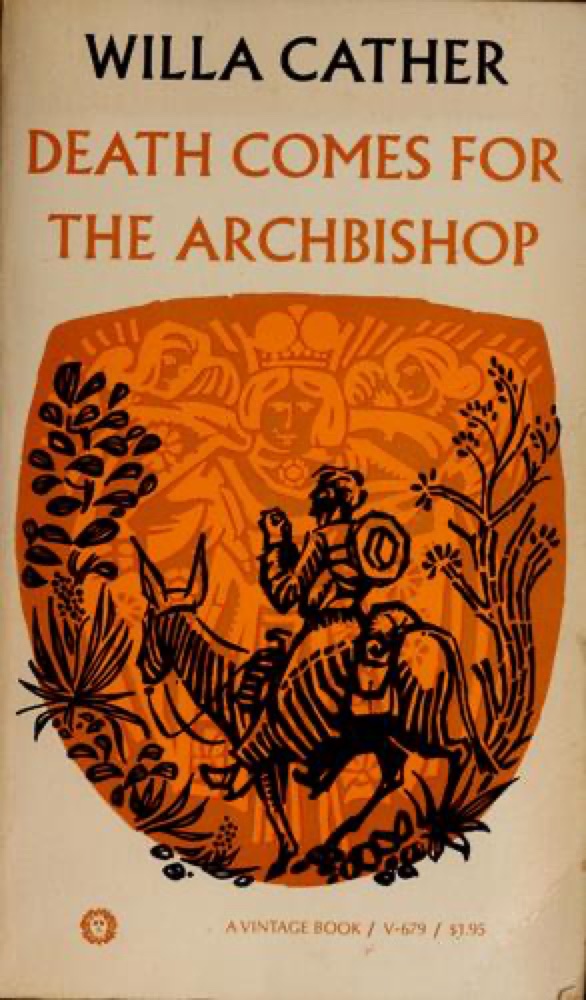 Death Comes for the Archbishop
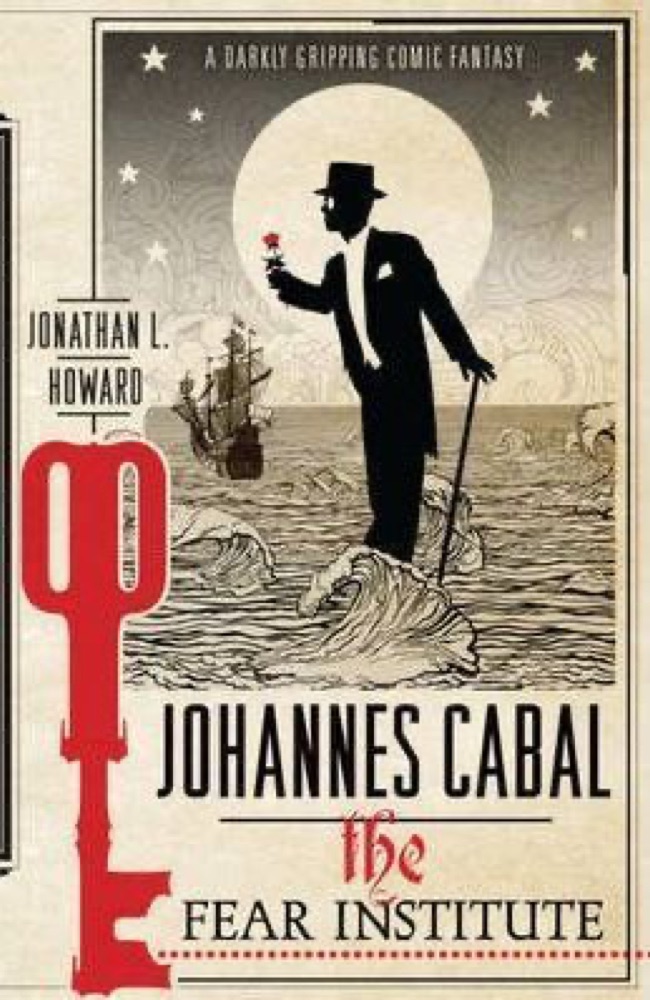 The Fear Institute
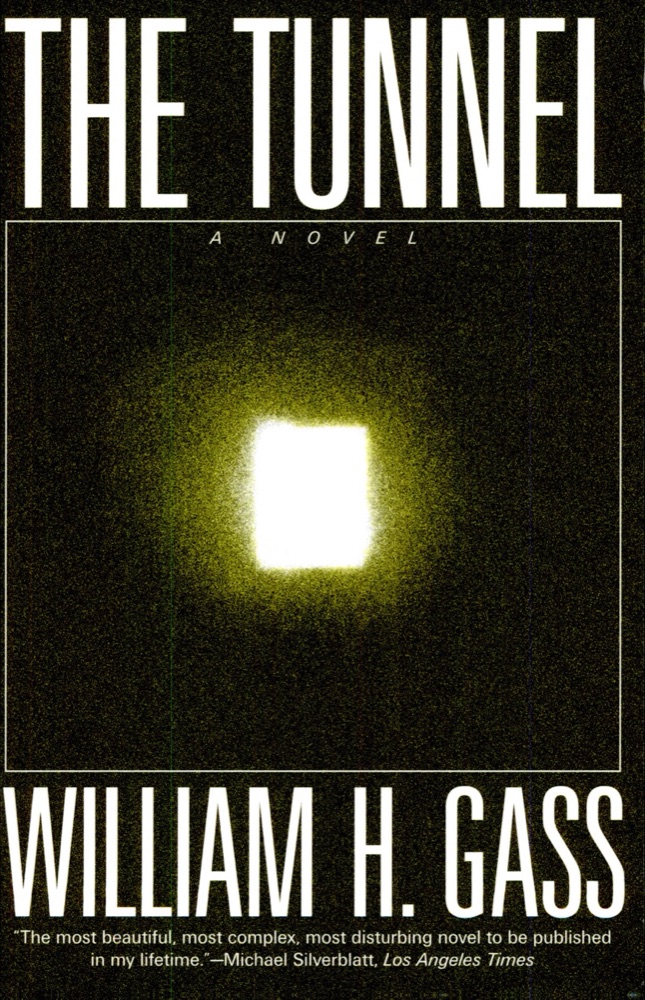 The Tunnel
 The Castle of Crossed Destinies
 The Moor's Last Sigh
 The Sunlit Man
 The Tainted Cup
 The Colossus of Maroussi
 Borderlands/La Frontera: The New Mestiza
 Always Coming Home
 The Illustrated Man
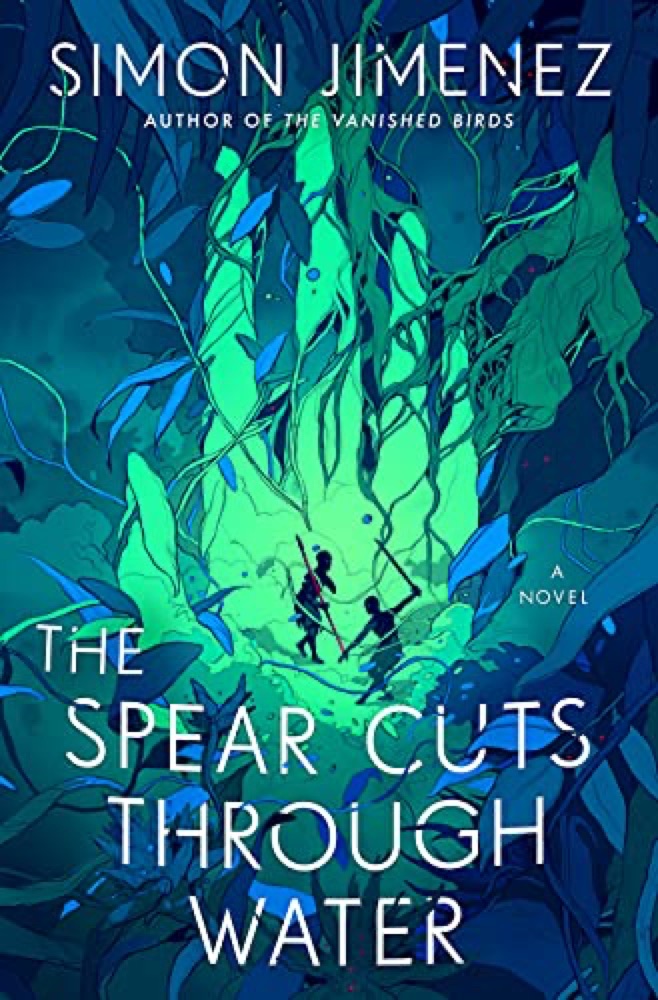 The Spear Cuts Through Water
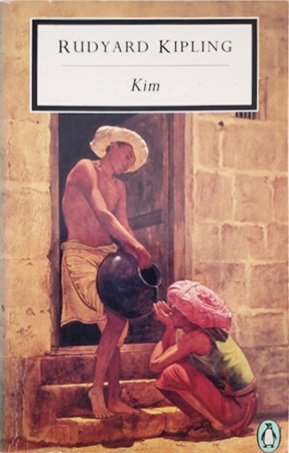 Kim
Kim
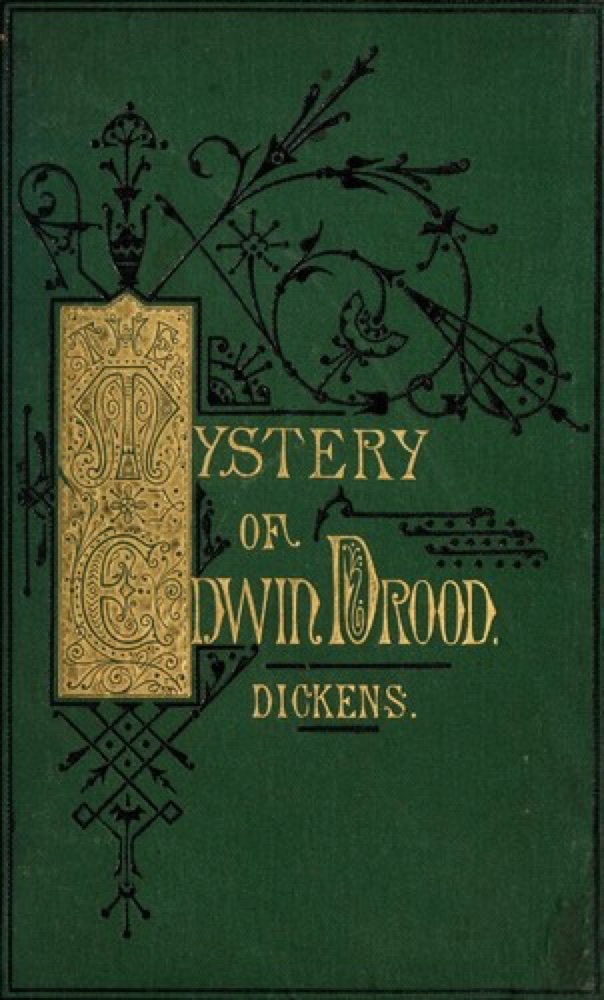 The Mystery of Edwin Drood
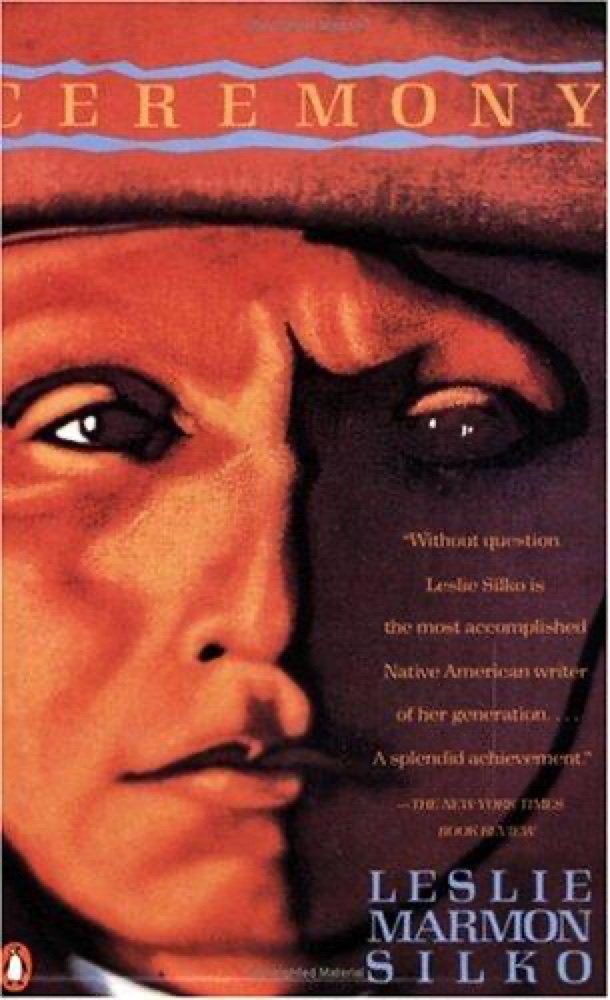 Ceremony
 Deep Down Dark: The Untold Stories of 33 Men Buried in a Chilean Mine, and the Miracle That Set Them Free
 The Ruin of Angels
 The Boy Kings of Texas: A Memoir
 The Charioteer
 The Angel Esmeralda
 A Desolation Called Peace
 Tortilla Flat
 The Crippled God
 Tell Them of Battles, Kings, and Elephants
 Bridge of Birds
 The Transmigration of Bodies
 My Broken Language
 Black Lamb and Grey Falcon
 The Crying of Lot 49