
 Of Mice and Men
Quotes from the Book
For it is said that humans are never satisfied, that you give them one thing and they want something more. And this is said in disparagement, whereas it is one of the greatest talents the species has and one that has made it superior to animals that are satisfied with what they have.
He said, "I am a man," and that meant certain things to Juana. It meant that he was half insane and half god.
It is not good to want a thing too much. It sometimes drives the luck away. You must want it just enough, and you must be very tactful with Gods or the gods.
The people say that the two seemed to be removed from human experience; that they had gone through pain and had come out on the other side.
A plan is a real thing, and things projected are experienced. A plan once made and visualized becomes reality along with other realities—never to be destroyed but easily to be attacked.
She knew she could help him best by being silent and by being near.
He had said, "I am a man," and that meant certain things to Juana. It meant that he was half insane and half god. It meant that Kino would drive his strength against a mountain and plunge his strength against the sea. Juana, in her woman's soul, knew that the mountain would stand while the man broke himself; that the sea would surge while the man drowned in it. And yet it was this thing that made him a man, half insane and half god, and Juana had need of a man; she could not live without a man.
This was an evil beyond thinking. The killing of a man was not so evil as the killing of a boat. For a boat does not have sons, and a boat cannot protect itself, and a wounded boat does not heal.
For every man in the world functions to the best of his ability, and no one does less than his best, no matter what he may think about it.
When Kino had finished, Juana came back to the fire and ate her breakfast. They had spoken once, but there is not need for speech if it is only a habit anyway. Kino sighed with satisfaction - and that was conversation.
A town is a thing like a colonial animal. A town has a nervous system and a head and shoulders and feet. A town is a thing separate from all other towns alike. And a town has a whole emotion. How news travels through a town is a mystery not easily to be solved. News seems to move faster than small boys can scramble and dart to tell it, faster than women can call it over the fences.
But now, by saying what his future was going to be like, he had created it. A plan is a real thing, and things projected are experienced. A plan once made and visualized becomes a along with other realities-never to be destroyed but easily to be attacked.
Every man suddenly became related to Kino's pearl, and Kino's pearl went into the dreams, the speculations, the schemes, the plans, the futures, the wishes, the needs, the lusts, the hungers, of everyone, and only one person stood in the way and that was Kino, so that he became curiously every man's enemy. The news stirred up something infinitely black and evil in the town; the black distillate was like the scorpion, or like hunger in the smell of food, or like loneliness when love is withheld. The poison sacs of the town began to manufacture venom, and the town swelled and puffed with the pressure of it.
And, as with all retold tales that are in people's hearts, there are only good and bad things and black and white things and good and evil things and no in between anywhere.
There is a great deal to be seen in the tilt of a hat on a man.
Some day, his mind said, that boy would know what things were in the books and what things were not.
And because they were in some way one thing and one purpose, she smiled with him. And they began this day with hope.
It was a morning like other mornings and yet perfect among mornings.
He did not know, and perhaps this doctor did. And he could not take the chance of pitting his certain ignorance against this man's possible knowledge. He was trapped as his people were always trapped, and would be until, as he had said, they could be sure that the things in the books ere really in the books.
And in his dream, Coyotito was reading from a book as large as a house, with letters as big as dogs, and the words galloped and played on the book.
But in the song there was a secret little inner song, hardly perceptible, but always there, sweet and secret and clinging, almost hiding in the counter-melody, and this was the Song of the Pearl That Might Be...
They had spoken once, but there is not need for speech if it is only a habit anyay. Kino sighed with satisfaction -- and that was conversation.
Porque se dice que los humanos no se satisfacen jamás, que se les da una cosa y siempre quieren algo más. Y se dice esto con erróneo desprecio, ya que es una de las mayores virtudes que tiene la especie y que la hace superior a los animales que se dan por satisfechos con lo que tienen.
She gathered some brown seaweed and made a flat damp poultice of it, and this she applied to the baby's swollen shoulder, which was as good a remedy as any and probably better than the doctor could have done. But the remedy lacked his authority because it was simple and didn't cost anything.
He had said, "I am a man," and that meant certain things to Juana. It meant that he was half insane and halfgod
He had said, "I am a man," and that meant certain things to Juana. It meant that he was half insane and half god.
The ants were busy on the ground, big black ones with shiny bodies and the little dusty quick ants. Kino watched with the detachment of God while a dusty ant frantically tried to escape the sand trap an ant lion had dug for him. He watched the ants moving, a little column of them near to his foot, and he put his foot in their path. Then the column climbed over his instep and continued on its way, and Kino left his foot there and watched them move over it.
Did you know?
- The story first appeared as “The Pearl of the World” in the magazine Woman’s Home Companion in December 1945, two years before the expanded novella was published.
- Steinbeck's inspiration was a Mexican folk tale from La Paz, Baja California Sur, which he heard while visiting the formerly pearl-rich region in 1940.
- The first US edition, published by The Viking Press in 1947, was illustrated with drawings by the Mexican muralist José Clemente Orozco.
- Steinbeck co-wrote the screenplay for the Mexican film adaptation La Perla, which RKO released in 1947 as a co-promotion with the book.
- The protagonist Kino is named after Eusebio Kino, a missionary in the region.
- The novella is one of Steinbeck's most popular books and has been widely used in middle and high school classes.
About John Steinbeck
John Ernst Steinbeck (1902–1968) was an American writer from Salinas, California, who authored 33 books, including The Grapes of Wrath, Of Mice and Men, and East of Eden, much of it set in central California. He won the 1962 Nobel Prize in Literature “for his realistic and imaginative writings, combining as they do sympathetic humor and keen social perception.”
More about the author →More by John Steinbeck
All books by John Steinbeck →
About the book
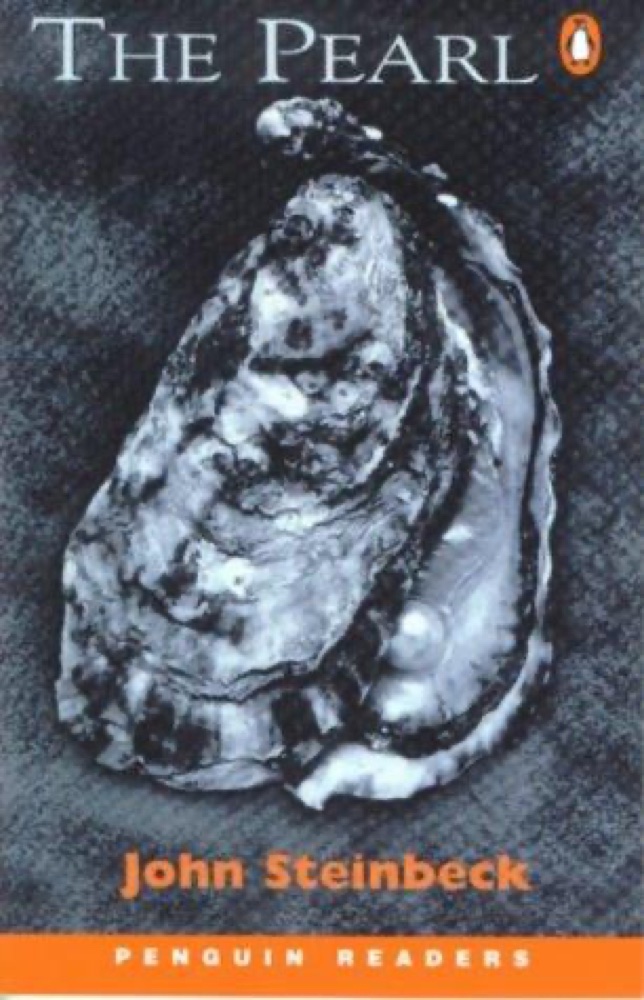
The Pearl is a short novella by John Steinbeck, first published in book form by The Viking Press in 1947 after appearing as a short story called “The Pearl of the World” in Woman’s Home Companion in December 1945. It follows Kino, a poor pearl diver in La Paz on Mexico’s Baja California coast, who lives in a brush house with his wife Juana and their infant son Coyotito. When a scorpion stings the baby and the town doctor refuses to treat a family that cannot pay, Kino dives and surfaces with an enormous pearl — “the Pearl of the World” — which seems to promise medicine, an education for his son, and escape from poverty.
Steinbeck built the story on a Mexican folk tale he heard during a 1940 visit to the formerly pearl-rich region of La Paz, and he framed it openly as a parable. The pearl that begins as an image of hope steadily attracts greed, envy, and violence: the doctor, the pearl dealers, and unseen thieves all close in on the family, and Kino himself hardens as he refuses to be cheated. Through this simple arc the novella examines the coexistence of good and evil in a single object of desire, the exploitation of an indigenous community under a colonial order, and the strength and limits of family loyalty, with Juana recognizing the pearl’s destructive power long before her husband does.
The Pearl has become one of Steinbeck’s most popular books and a staple of middle and high school reading lists, prized for its spare, fable-like prose. The first American edition carried drawings by the Mexican muralist José Clemente Orozco, and the story reached screens almost immediately: Steinbeck co-wrote the Mexican film La Perla, released by RKO in 1947 as a co-promotion with the book. Its author, already famous for The Grapes of Wrath and Of Mice and Men, went on to win the Nobel Prize in Literature in 1962.
Key characters
- KinoA poor pearl diver whose discovery of the great pearl transforms him from contented family man to hunted, obsessed defender of his fortune.
- JuanaKino's devoted, clear-eyed wife, who senses the pearl's destructive power early and urges him to throw it away.
- CoyotitoKino and Juana's infant son, whose scorpion sting sets the whole story in motion.
- The doctorA wealthy colonial physician who refuses to treat Coyotito until he learns of the pearl.
- Juan TomásKino's wise and loyal older brother, who shelters and protects the family when trouble comes.
Book details
- First published
- 1947
- Length
- 96 pages
- Reading time
- 2 hours
- Author
- John Steinbeck
- Genre
- Classics
- Goodreads rating
- 3.58 (283k ratings) →
- First line
- “In the town they tell the story of the great pearl — how it was found and how it was lost again.”
Movie & TV adaptations
- IMDb
- IMDb
- IMDb
- IMDb
If you liked this, read…
- 1Of Mice and MenSteinbeck's other short, tragic novella about poor men whose modest dream collides with a harsh world.
- 2The Red PonySteinbeck's spare California novella, so close in spirit that publishers have often paired it with The Pearl in one volume.
- 3The Old Man and the SeaHemingway's short parable of a poor fisherman whose great catch tests his endurance and dignity.
Keep reading
 The Pillars of the Earth
 Acacia: The War with the Mein
 Victory
 The Enchantress of Florence
 The Hunchback of Notre-Dame
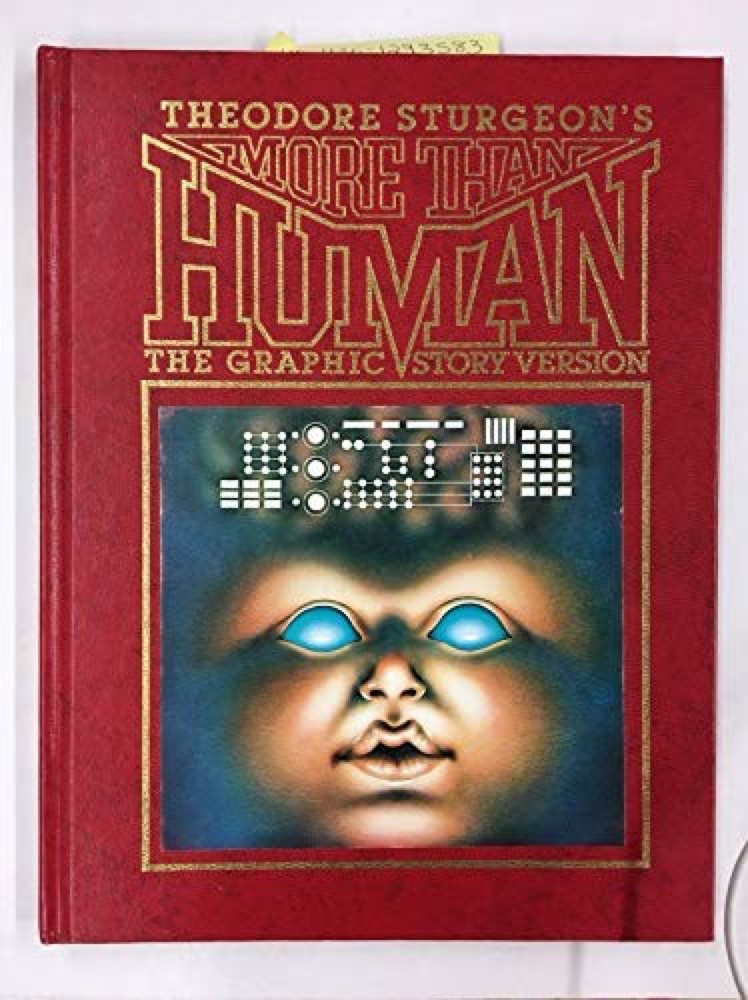 More Than Human
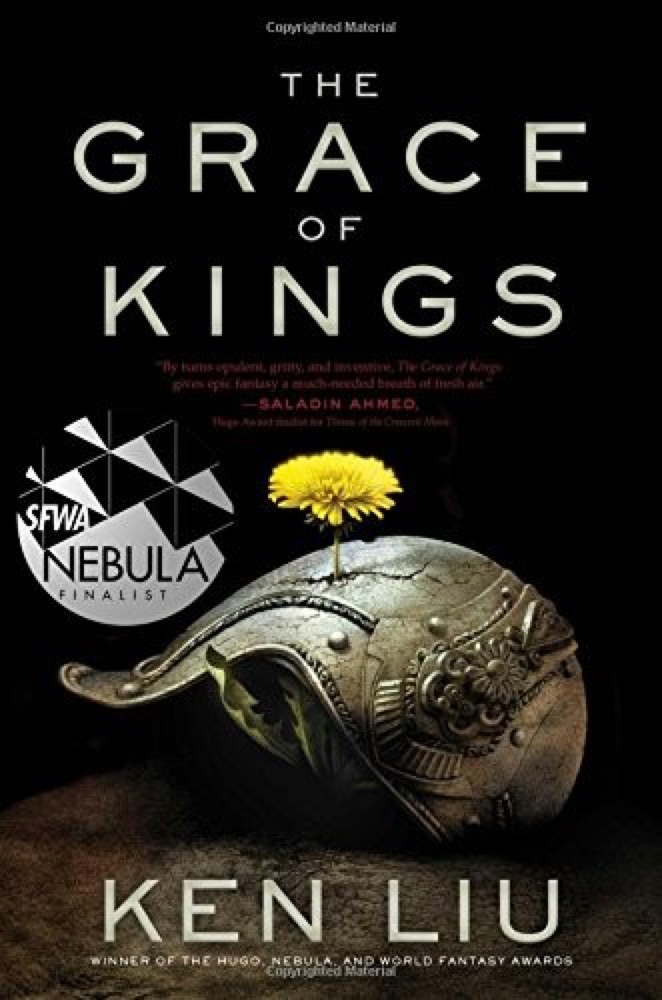 The Grace of Kings
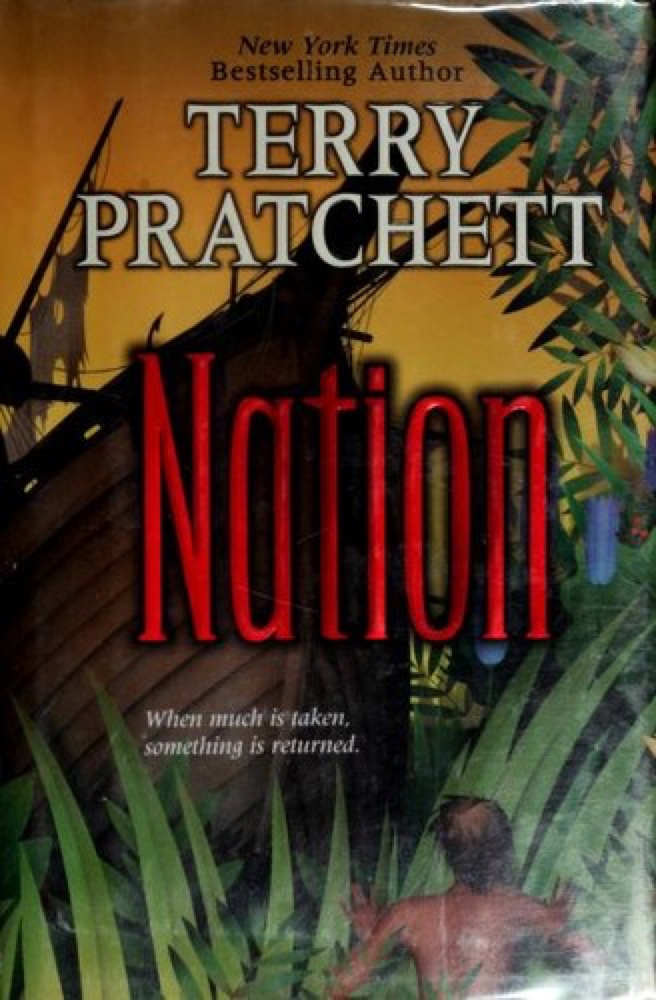 Nation
 Kim
Kim
 The Arabian Nights
 The Memoirs of Cleopatra
 The God of Small Things
 The Magician's Nephew
 Tortilla Flat
 The Illustrated Man
 A Conjuring of Light
 The Brutal Telling
 Perelandra
 Authority
 The Dragonbone Chair
 Independent People
 Enchantment
 The Eyes of the Dragon
 The Jewel in the Crown
 The Daughter of Doctor Moreau
 The Wolf Gift
 Redemption in Indigo
 Sword & Citadel
 The Mime Order
 The Warrior Prophet
 A Suitable Boy
 The Stand
 Messenger
 A Connecticut Yankee in King Arthur's Court
 Timbuktu
 Bel Canto
 Oscar and Lucinda
 Autobiography of Red
 Atonement
 The Virginian
 Little, Big
 All the Pretty Horses
 Under the Volcano
 Winter's Tale
 The Paper Magician
 New York
 Stardust
 Sweet Thursday
 The Witching Hour
 The Known World
 Ceremony
 The Broken Eye
 The Complete Stories
 Strangers on a Train
 The Man Who Laughs
 The Volcano Lover: A Romance
 The Way We Live Now
 The Mermaid, the Witch, and the Sea
 Mythology
 Hard Times