 Orlanda
Quotes from the Book
I was forced to acknowledge too late, much too late, that I too had loved, that I was capable of suffering, and that I was human after all.
858
Being beautiful, was that for men?' 'Yes. Some women say that it is for ourselves. What on earth can we do with it? I could have loved myself whether I was hunchbacked or lame, but to be loved by others, you had to be beautiful.
272
Perhaps you never have time when you are alone? You only acquire it by watching it go by in others".
253
My memory begins with my anger.
243
Sometimes, I used to sit under the sky, on a clear night, and gaze at the stars, saying, in my croaky voice: “Lord, if you’re up there somewhere, and you aren’t too busy, come and say a few words to me, because I’m very lonely and it would make me so happy.” Nothing happened. So I reckon that humanity— which I wonder whether I belong to —really had a very vivid imagination.
181
I cannot mourn for what I have not known.
159
Because I want to know! Sometimes, you can use what you know, but that's not what counts most. I want to know everything there is to know. Not because it's any use, but for the pleasure of knowing, and now I demand that you teach me everything you know, even if I will never be able to use it.
157
Is there a satisfaction in the effort of remembering that provides its own nourishment, and is what one recollects less important than the act of remembering? That is another question that will remain unanswered: I feel as though I am made of nothing else.
155
Survival is never more than putting off the moment of death.
148
There's no continuity and the world I have come from is utterly foreign to me. I haven't heard its music, I haven't seen its painting, I haven't read its books... I know only the stony plain, wandering, and the gradual loss of hope. I am the sterile offspring of a race about which I know nothing, not even whether it has become extinct. Perhaps, somewhere, humanity is flourishing under the stars, unaware that a daughter of its blood is ending her days in silence. There is nothing we can do about it.
112
It is strange that I am dying from a diseased womb, I who have never had periods, I who have never known men.
106
I thought it was unfair, and then I understood that, alone and terrified, anger was my only weapon against the horror
104
I felt as if this pain would never be appeased, that it had me in its grip for ever, that it would prevent me from devoting myself to anything else, and that I was allowing it to do so. I think that is what they call being consumed with remorse.
93
even a person raised in captivity learns to want, yearns to see beyond their cage. How much of our humanity is intrinsic? How much remains, when all else is stripped away?
86
If you do something that is forbidden, it is the action that is the target. If you do something that isn't forbidden, and they intervene, then it's not the activity that's attracting the attention, it is you yourself.
80
The reader and I thus mingled will constitute something living, that will not be me, because I will be dead, and will not be that person as they were before reading, because my story, added to their mind, will then become part of their thinking.
68
I felt a surge of grief, I, who had never known men, as I stood in front of this man who had wanted to overcome fear and despair to enter eternity upright and furious.
67
One after the other, they were buried under that sky and neither they nor I knew if it was the one under which we'd been born.
59
Death is sometimes so discreet that it steals in noiselessly, stays for only a moment and carries off its prey...
59
this slow dissipation, the gradual abandonment of all expectations, a defeat that had killed everything without a battle.
54
Sometimes the women pitied me, saying that at least they'd known real life, and I was very jealous of them, but they died, as I am about to die, and what does having lived mean once you are no longer alive?
53
But I had only known the absurd, and I think that made me profoundly different from them
47
what does having lived mean once you are no longer alive?
43
Perhaps, somewhere, humanity is flourishing under the stars, unaware that a daughter of its blood is ending her days in silence.
43
The alternation of day and night is merely a physical phenomenon, time is a question of being human and, frankly, how could I consider myself a human being, I who have only known thirty-nine people and all of them women? I think that time must have something to do with the duration of pregnancies, the growth of children, all those things that I haven’t experienced. If someone spoke to me, there would be time, the beginning and end of what they said to me, the moment when I answered, their response. The briefest conversation creates time. Perhaps I have tried to create time through writing these pages. I begin, I fill them with words, I pile them up, and I still don’t exist because nobody is reading them. I am writing them for some unknown reader who will probably never come—I am not even sure that humanity has survived that mysterious event that governed my life. But if that person comes, they will read them and I will have a time in their mind. They will have my thoughts in them. The reader and I thus mingled will constitute something living, that will not be me, because I will be dead, and will not be that person as they were before reading, because my story, added to their mind, will then become part of their thinking. I will only be truly dead if nobody ever comes, if the centuries, then the millennia go by for so long that this planet, which I no longer believe is Earth, no longer exists. As long as the sheets of paper covered in my handwriting lie on this table, I can become a reality in someone’s mind. Then everything will be obliterated, the suns will burn out and I will disappear like the universe.
41
I wondered what would make me stop, whether it would be hunger, sleep or boredom – in other words, what prompts decisions when you are utterly alone.
40
in the face of horror, ancient rituals regained their meaning
40
I only know the stony plain, wandering, and the gradual loss of hope. I am the sterile offspring of a race about which I know nothing, not even whether it has become extinct. Perhaps, somewhere humanity is flourishing under the stars, unaware that a daughter of its blood is ending her days in silence. There is nothing we can do about it.
24
Did you know?
- The novel was originally written in French and published in 1995 as "Moi qui n'ai pas connu les hommes."
- An earlier English translation appeared in 1997 under the alternate title "The Mistress of Silence."
- The English text was translated by Ros Schwartz.
- Author Jacqueline Harpman worked as a psychoanalyst, a background that informs the novel's introspective narration.
- The book was rediscovered decades after publication through social media communities like Reddit and BookTok, dramatically increasing its sales.
- It is frequently compared to Margaret Atwood's "The Handmaid's Tale."
About Jacqueline Harpman
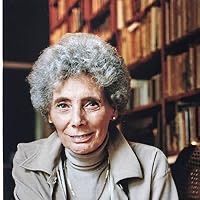
Jacqueline Harpman (1929-2012) was a Belgian novelist and practicing psychoanalyst who wrote in French; her family fled to Casablanca during World War II because of their Jewish heritage. She won Belgium's Prix Victor-Rossel and France's Prix Médicis over the course of her literary career.
More about the author →More by Jacqueline Harpman
Orlanda
About the book
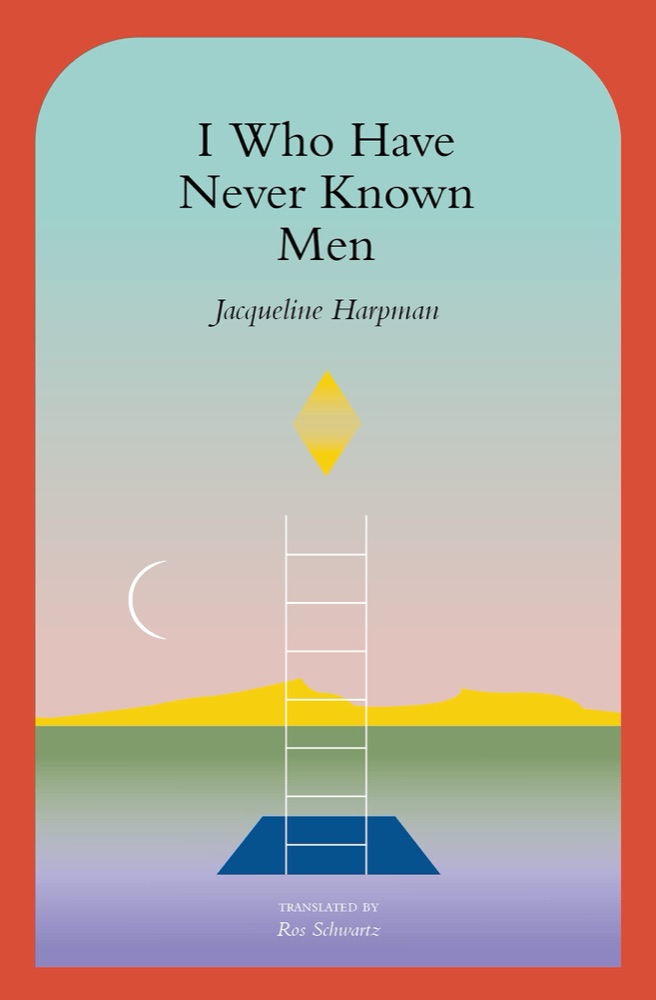
"I Who Have Never Known Men" is a spare, philosophical dystopian novel narrated by a young woman who has spent her entire remembered life imprisoned underground in a cage with thirty-nine older women, guarded by silent men who never explain why they are there. When an alarm abruptly sends the guards fleeing, the prisoners escape to the surface and find a vast, barren, seemingly endless plain. The narrator, the only one with no memory of life before captivity, becomes the chronicler of the group as they wander, search for other survivors, and confront the mystery of their abandonment.
At its heart the book is a meditation on what it means to be human when stripped of culture, memory, and the company of men. Harpman, a Belgian writer and trained psychoanalyst, uses the narrator's outsider perspective to examine female friendship and intimacy, the persistence of curiosity and dignity in the face of meaningless suffering, and the human drive to make sense of an indifferent world. The novel deliberately withholds answers, leaving its premise unexplained so that its real subject is solitude, mortality, and the search for meaning rather than the mechanics of any catastrophe.
First published in French in 1995 as "Moi qui n'ai pas connu les hommes," the novel was largely overlooked in English for decades after its 1997 translation. A 2019 Vintage reissue of Ros Schwartz's translation found a passionate new readership through Reddit and BookTok, with sales rising into the hundreds of thousands and the book frequently compared to Margaret Atwood's "The Handmaid's Tale." Critics and readers have praised it as a bleak but deeply moving examination of survival and humanity.
Key characters
- The narratorAn unnamed young woman, the youngest captive, who has no memory of life before the cage and becomes the group's chronicler
- The thirty-nine womenOlder fellow prisoners who remember the world before captivity and form the narrator's only society
Book details
- First published
- 1995
- Length
- 208 pages
- Reading time
- 4 hours
- Author
- Jacqueline Harpman
- Genre
- Fiction
- Goodreads rating
- 4.05 (621k ratings)
Critical reception
- Originally published to limited attention, the book was rediscovered around 2019-2024 and its U.S. sales rose into the hundreds of thousands.
- Critics and readers frequently compare it to Margaret Atwood's "The Handmaid's Tale."
- It has been widely described as bleak yet powerful and moving.
Keep reading
 Near to the Wild Heart
 The Days of Abandonment
 All But My Life: A Memoir
 Her Body and Other Parties
 The First Time She Drowned
 Annihilation
 Women We Buried, Women We Burned: A Memoir
 Human Acts
 The City and Its Uncertain Walls
 Gretel and the Dark
 Diaries, 1910-1923
 Dream Count
 Birdcage Walk
 Pew
Pew
 No Longer Human
 Swimming in the Dark
 Autobiography
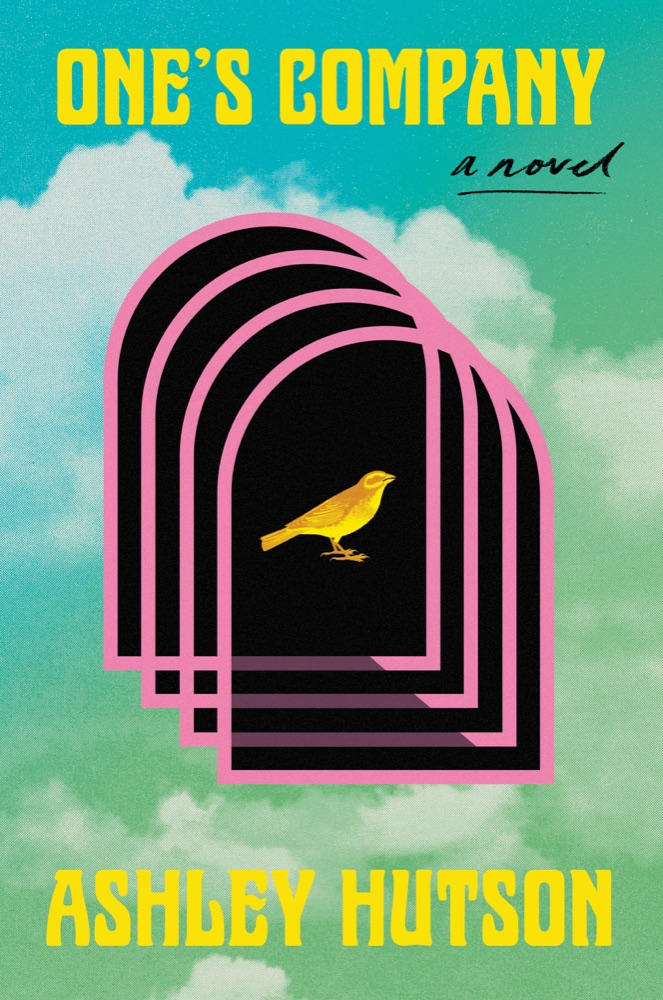 One's Company
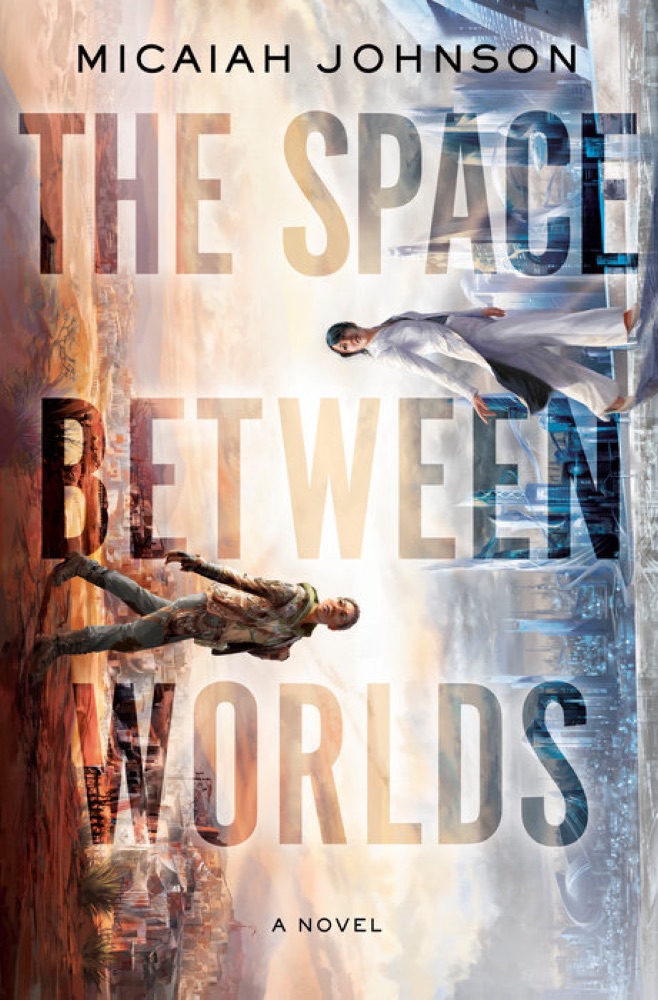 The Space Between Worlds
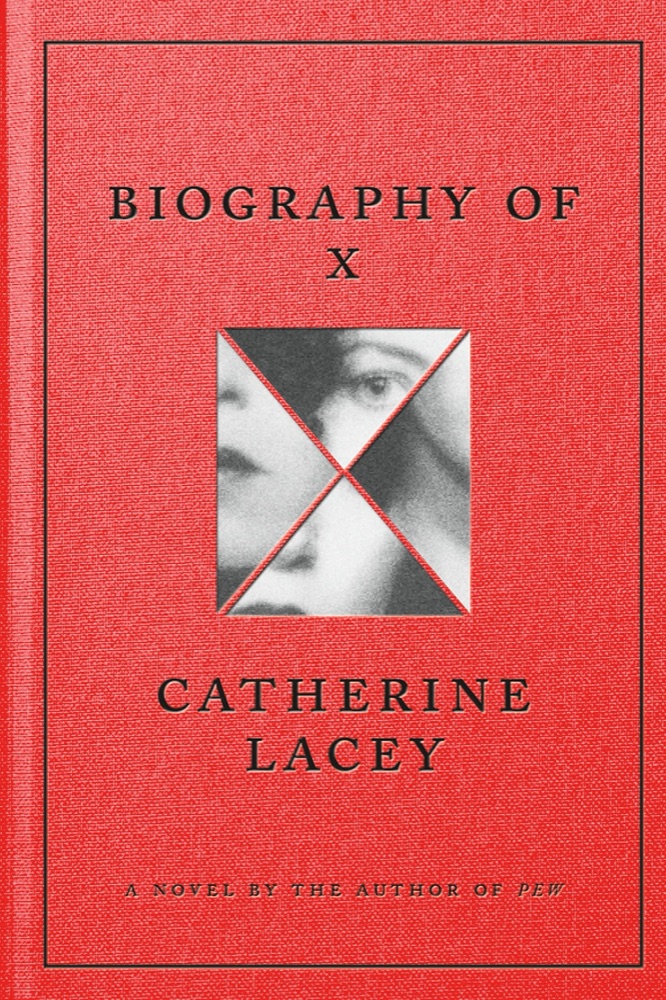 Biography of X
 A Hero of Our Time
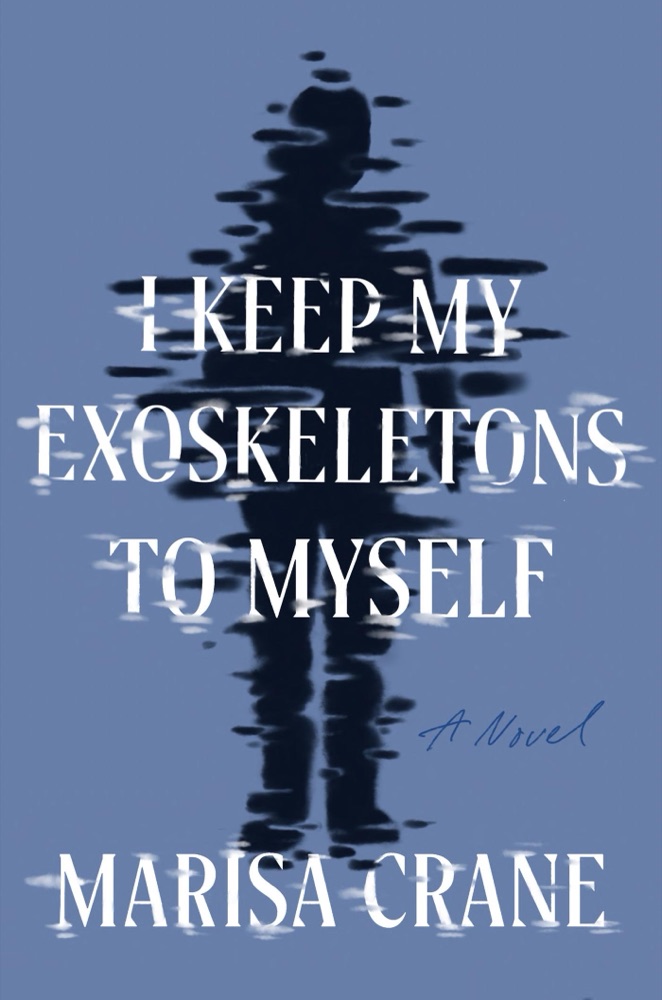 I Keep My Exoskeletons to Myself
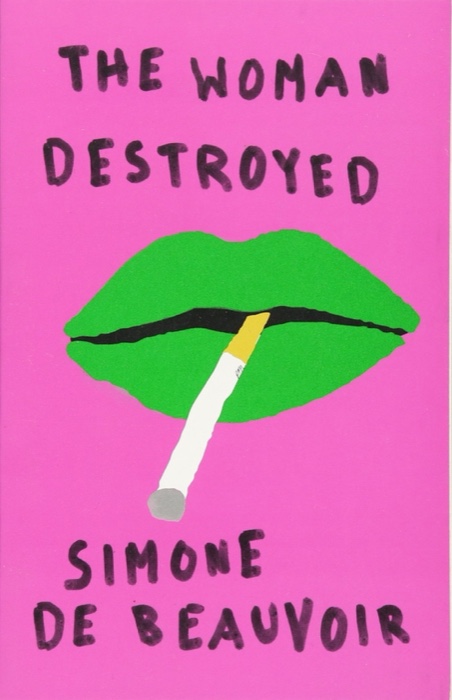 The Woman Destroyed
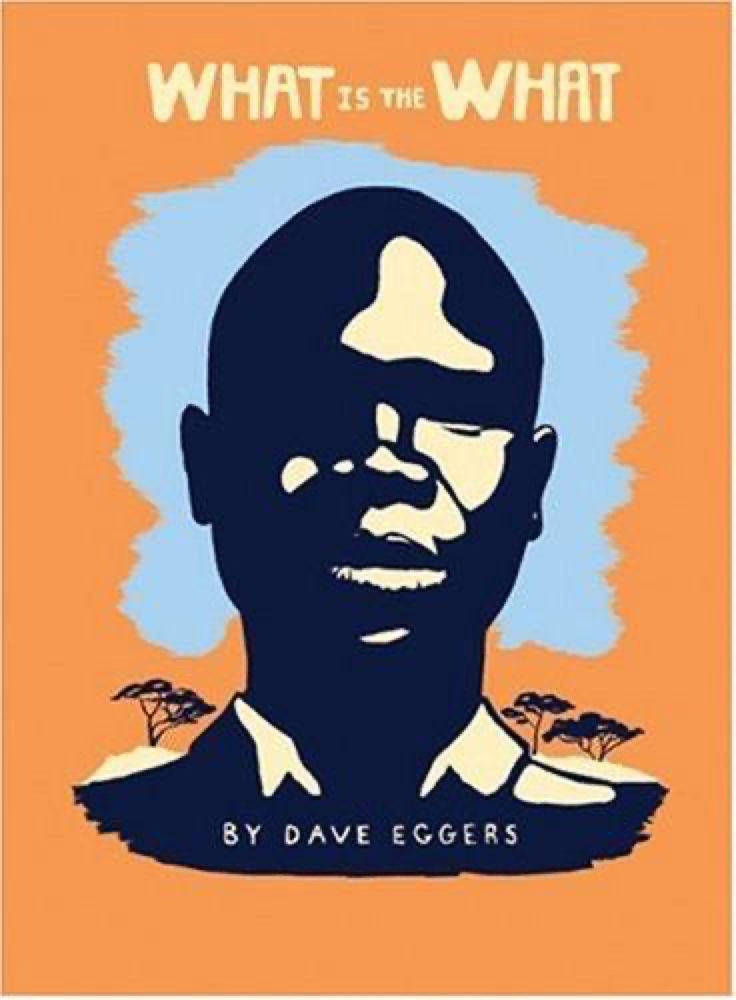 What Is the What
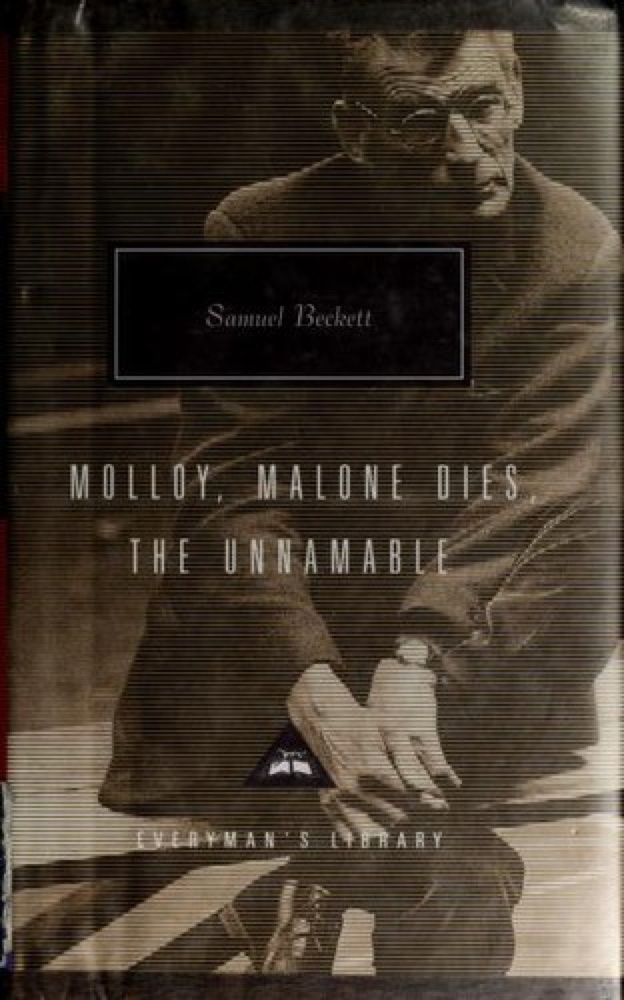 Molloy, Malone Dies, The Unnamable
 South of the Border, West of the Sun
 Ghost Music
 My Friends
 Tropic of Capricorn
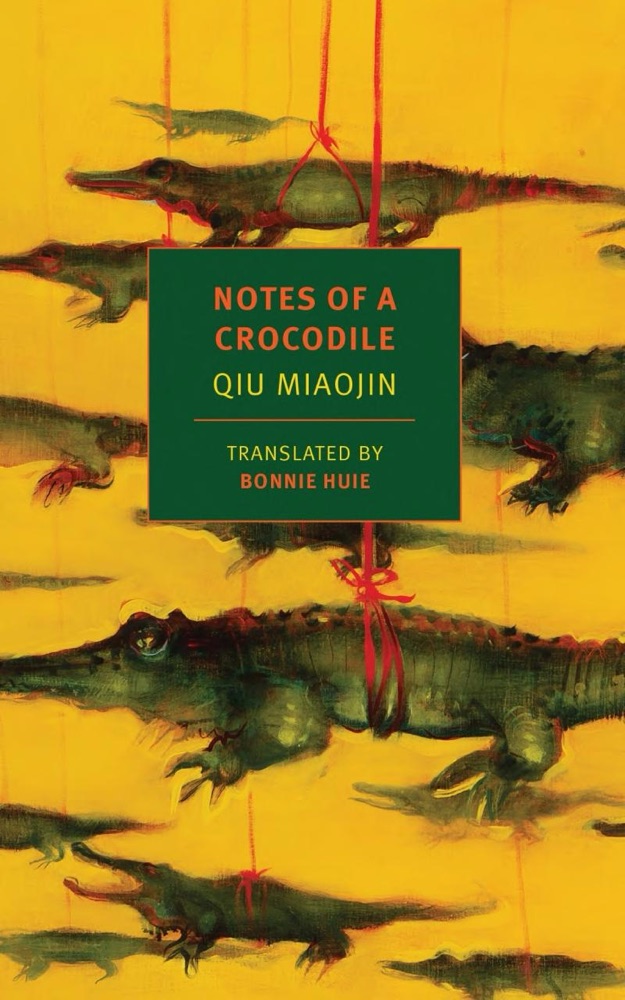 Notes of a Crocodile
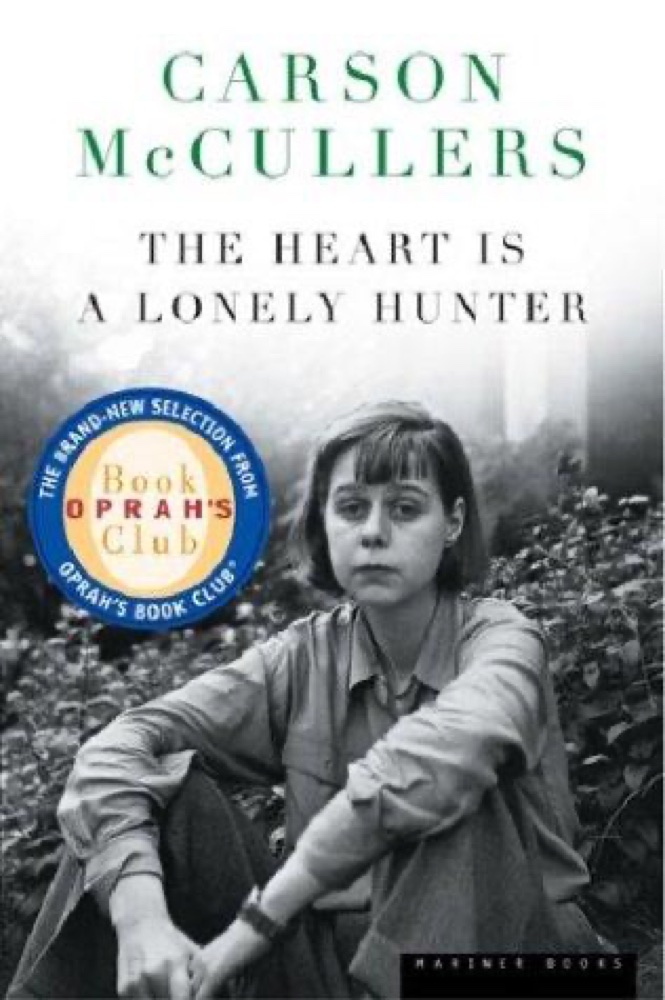 The Heart Is a Lonely Hunter
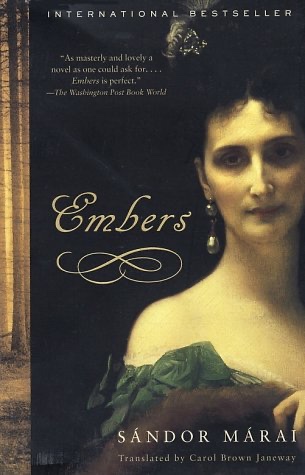 Embers
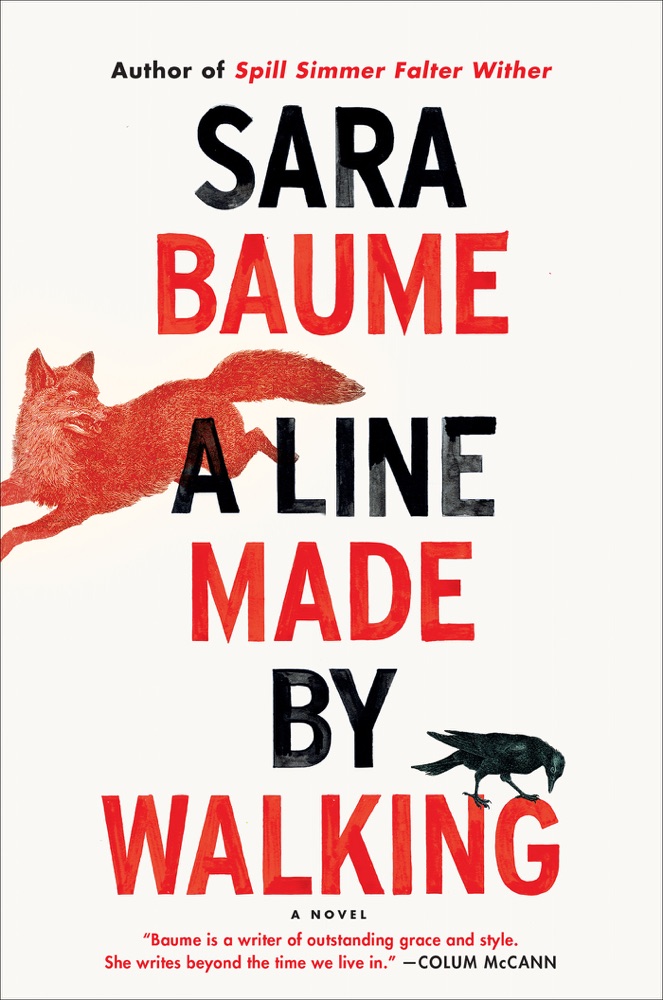 A Line Made By Walking
 Burial Rites
 Interview with the Vampire
 The Hour of the Star
 The Trouble with Being Born
 The Black Obelisk
 The Death of Vivek Oji
 Great House
 The Girl Who Smiled Beads: A Story of War and What Comes After
 Three Comrades
 The Story of a New Name
 Bitterthorn
 Lucy Undying
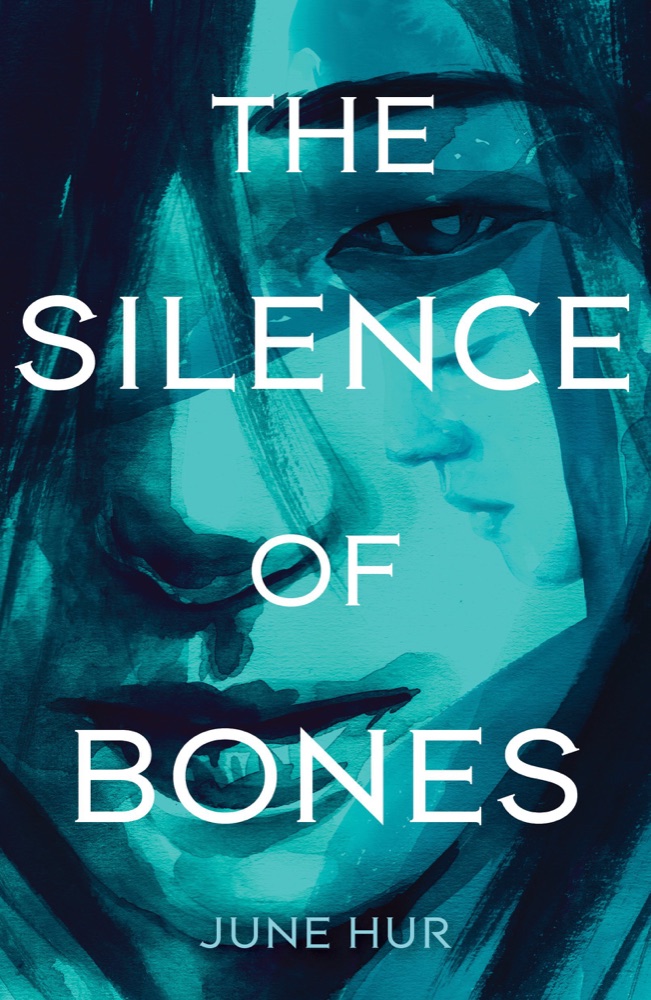 The Silence of Bones
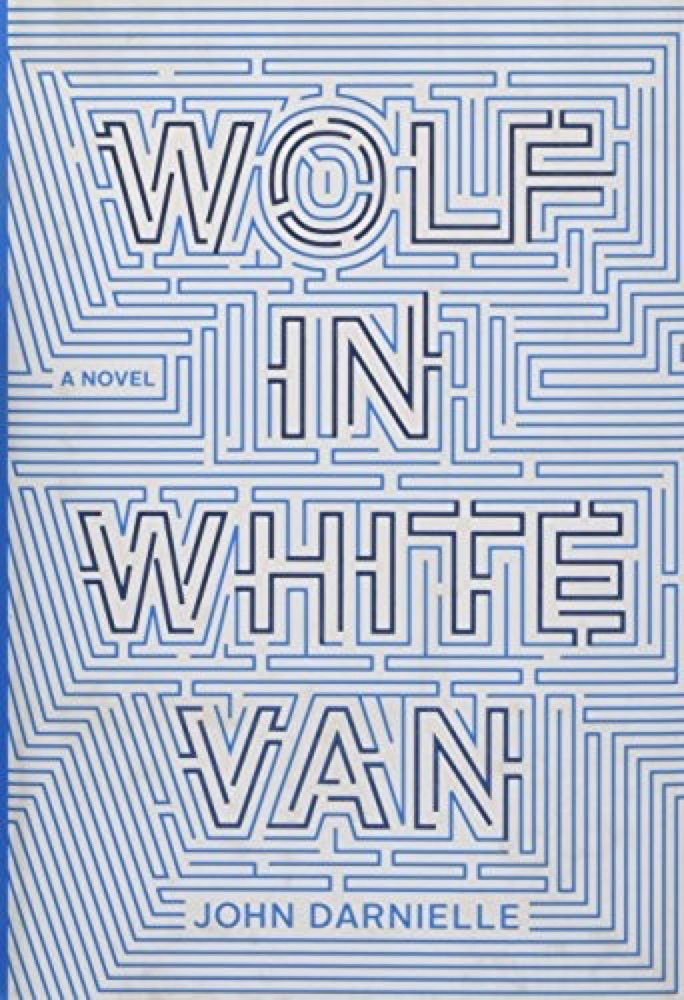 Wolf in White Van
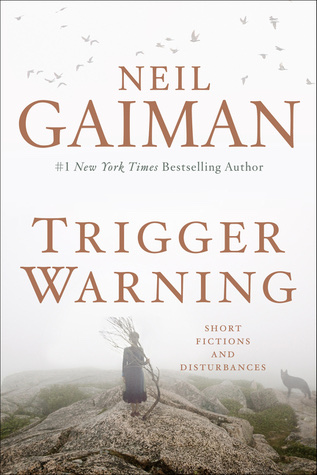 Trigger Warning: Short Fictions and Disturbances
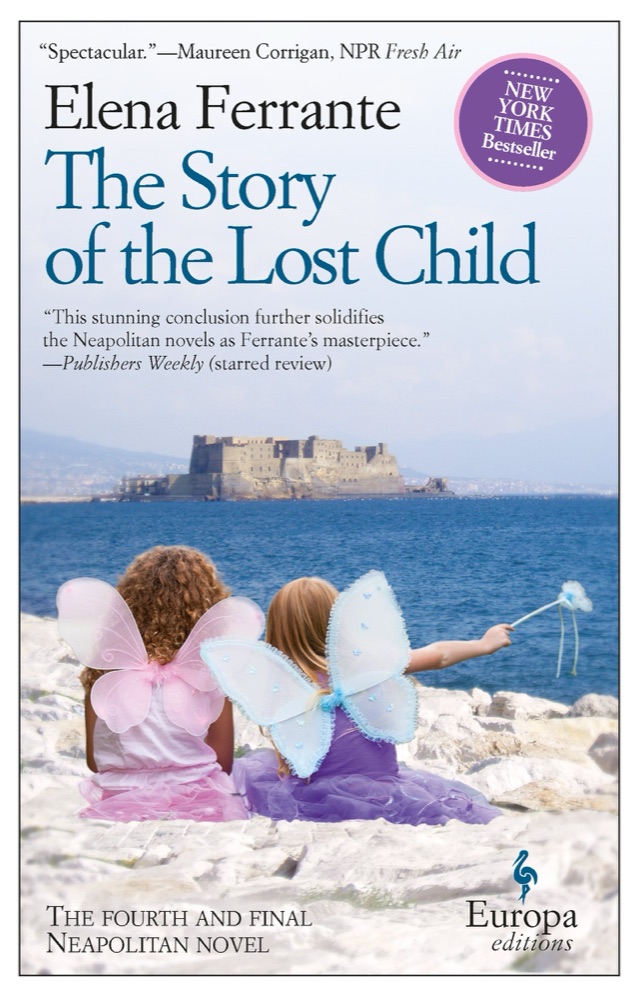 The Story of the Lost Child
 The Setting Sun
 Killing Commendatore
 A Long Way Gone
 A Room Made of Leaves
 Life After Death
 Eileen
 Imagine Me Gone
 An Unnecessary Woman
 Night Train to Lisbon
 The Secret History
 The Red Parts