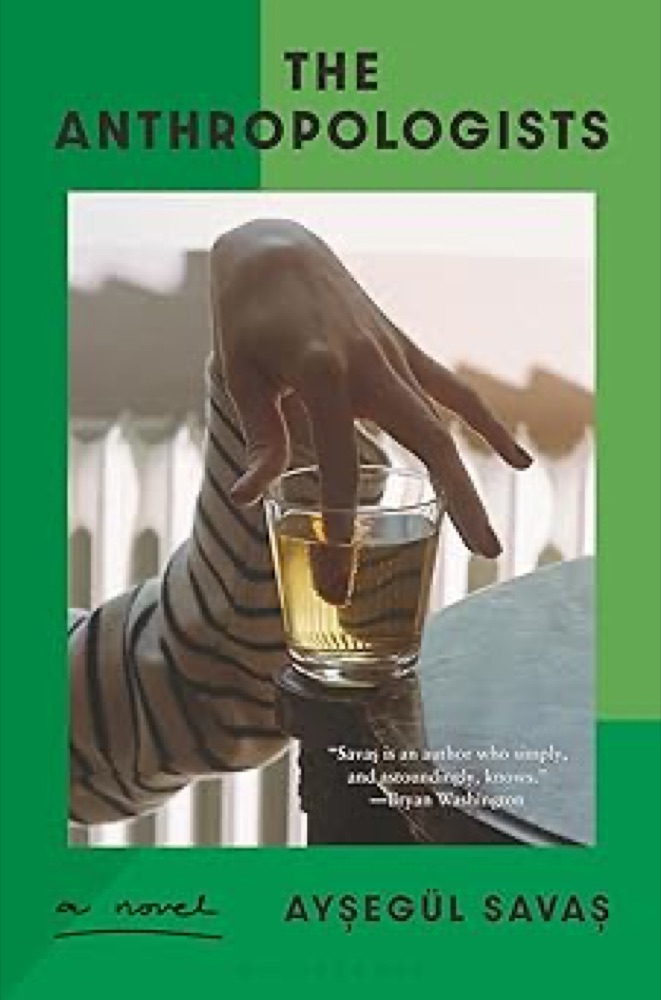
 The Anthropologists
Quotes from the Book
It wasn't often, she went on, that we could present ourselves to others, like a self-portrait. More often, we made portraits of the people around us, guessing at their features from occasional glimpses.
3
Whenever she was visiting home, Agnes's daughter said that she wanted the two of them to cook together. The deliberation of it struck Agnes as odd. It was obvious that they would cook - how could they not? - but the statement made it forced, if not artificial. Her daughter suggested lengthy recipes for foods that carried an idea of old times: jams, pies, roasted meats. She took photographs as they cooked. Once or twice, Agnes had come across these photographs on her daughter's social media pages, with a line or two about the mother-daughter bond. She didn't know how to point out the insincerity to her daughter, who was part of a generation of educated women that paid rapt attention to the things that gave them pleasure and turned them into rituals for display... The simplest acts, Agnes thought, the very fabric of life had spun out of proportion, expanded to grotesque magnitudes of egocentricity, just like old paintings, restored with too bright colours, that los the subtleties of their initial expressions.
1
She didn’t know how to point out the insincerity to her daughter, who was part of a generation of educated women that paid rapt attention to the things that gave them pleasure and turned them into rituals for display.
Mornings, the apartment expanded with light. For now, she could only imagine the damage it would cause and what would remain in its wake.
I thought of the lives stacked in crevices of the city, unraveling at every moment.
Until then, she said, she'd always admired her children's rational detachment from events that concerned others, as if this were proof of a superior constitution. To be sure, they were exemplary people - in their habits of consumption, politics and donations and voluntary work. They lived their lives with textbook goodness. But they didn't know that goodness might take the form of harsh words, that anger might be the guardian of the weak.
Perhaps she was just old-fashioned, Agnes said, but it seemed to her that severe introspection was a sure way to get lost in the smallest issues, to reduce one's life to a list of grievances. For her daughter, it felt like every conversation, every memory could lead to an injustice that needs talking through.
Among the strongest memories of her past, she went on, was watching her mother in the kitchen. Agnes had tried revisiting this place in her painting - that blue kitchen of her childhood and adolescence, which was both a physical and an emotional landscape.
The cousin was both real and fictional to her - an embodiment of all that Agnes wanted to be, fashioned from the particular details of her cousins tangible self. "We form ourselves through our doubles... We make ghostly twins to carry the weight of our desires.
People could be cruel when faced with suffering, she said, especially when it looked messy. It was easy to see the situation as a loss of dignity only because it was uncomfortable to look at.
Watch on YouTube
About Aysegül Savas
We have collected 37 quotes from 3 books by Aysegül Savas on BookQuoters.
More about the author →More by Aysegül Savas
The Anthropologists
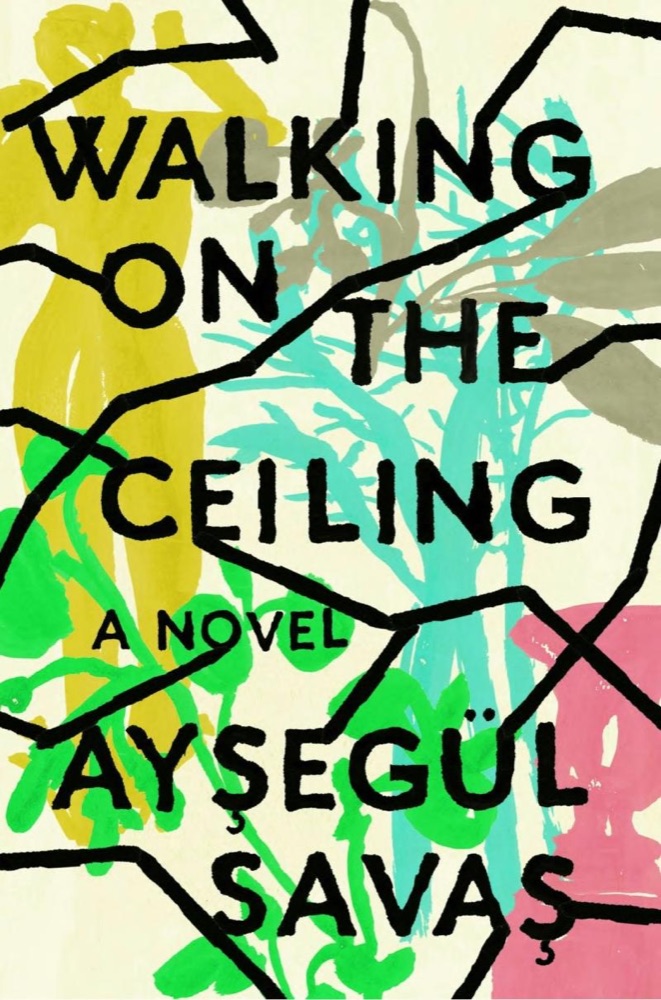 Walking on the Ceiling
About the book
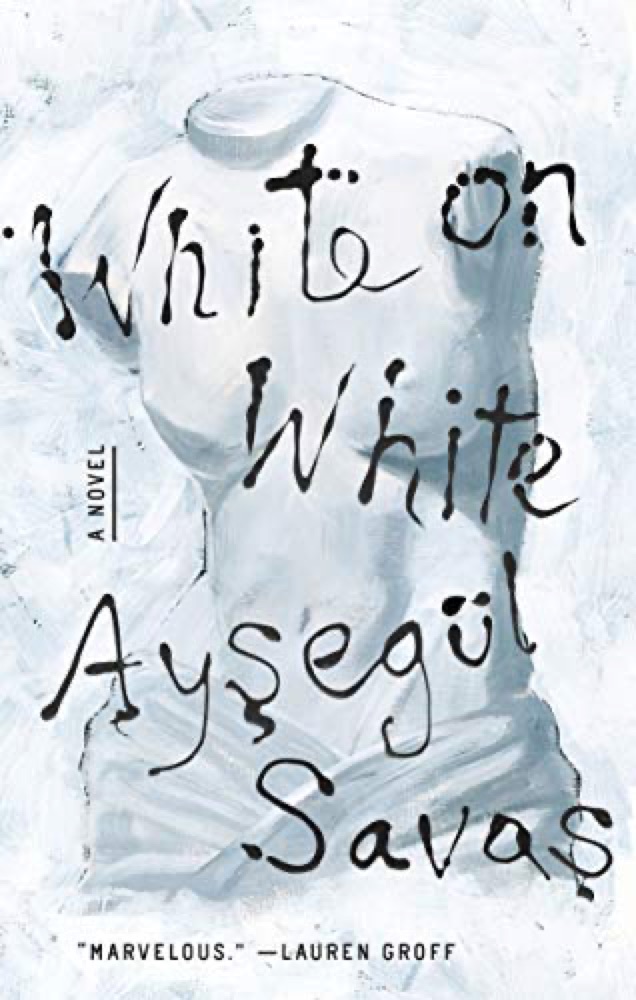
A "marvelous" (Lauren Groff) and riveting novel about a woman who has come undone.
A student moves to the city to research Gothic nudes. She rents an apartment from a painter, Agnes, who lives in another town with her husband. One day, Agnes arrives in the city and settles into the upstairs studio.
In their meetings on the stairs, in the studio, at the corner café, the kitchen at dawn, Agnes tells stories of her youth, her family, her marriage, and ideas for her art - which is always just about to be created. As the months pass, it becomes clear that Agnes might not have a place to return to. The student is increasingly aware of Agnes's disintegration. Her stories are frenetic; her art scattered and unfinished, white paint on a white canvas.
What emerges is the menacing sense that every life is always at the edge of disaster, no matter its seeming stability. Alongside the resea
Book details
- First published
- 2021
- Author
- Aysegül Savas
- Genre
- Fiction
- Goodreads rating
- 3.66 (2k ratings)
The buzz
- The New York TimesReview in The New York Timesprofessional review (via Book Marks)
- The GuardianReview in The Guardianprofessional review (via Book Marks)
- Los Angeles TimesReview in Los Angeles Timesprofessional review (via Book Marks)
- Publishers WeeklyReview in Publishers Weeklyprofessional review (via Book Marks)
- LA Review of BooksReview in LA Review of Booksprofessional review (via Book Marks)
- Star TribuneReview in Star Tribuneprofessional review (via Book Marks)
Keep reading
 Ink Blood Sister Scribe
 Still Life with Bread Crumbs
 A Slow Fire Burning
 Cold Enough for Snow
 Summer Island
 The Children Act
 The Perfect Nanny
 Baby Teeth
 Little Fires Everywhere
 My Brilliant Friend
 I'm Supposed to Protect You from All This
 What Is Not Yours Is Not Yours
 The Paying Guests
 Milk Blood Heat
 The Memory Keeper's Daughter
 Salt Houses
 A Dangerous Place
 The Awakening and Selected Stories
 The House We Grew Up In
 Missing, Presumed
 Homecoming
 Stones from the River
 Birds of America
 The Custom of the Country
 Down Cemetery Road
 The Lowland
 The Novel Habits of Happiness
 The Expats
 Darling Girls
 Small Pleasures
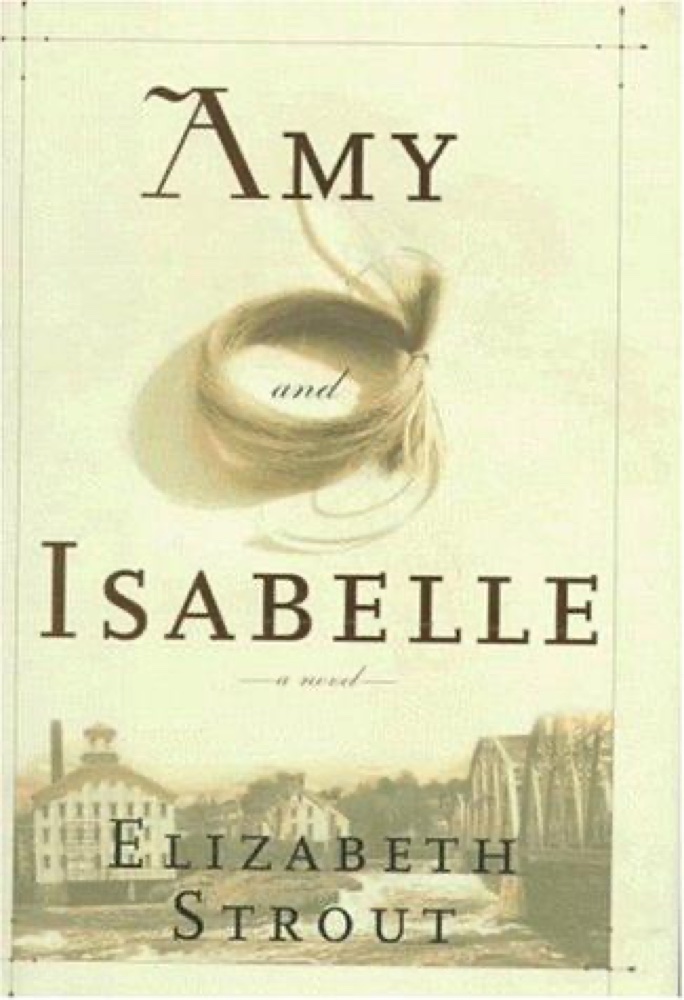 Amy and Isabelle
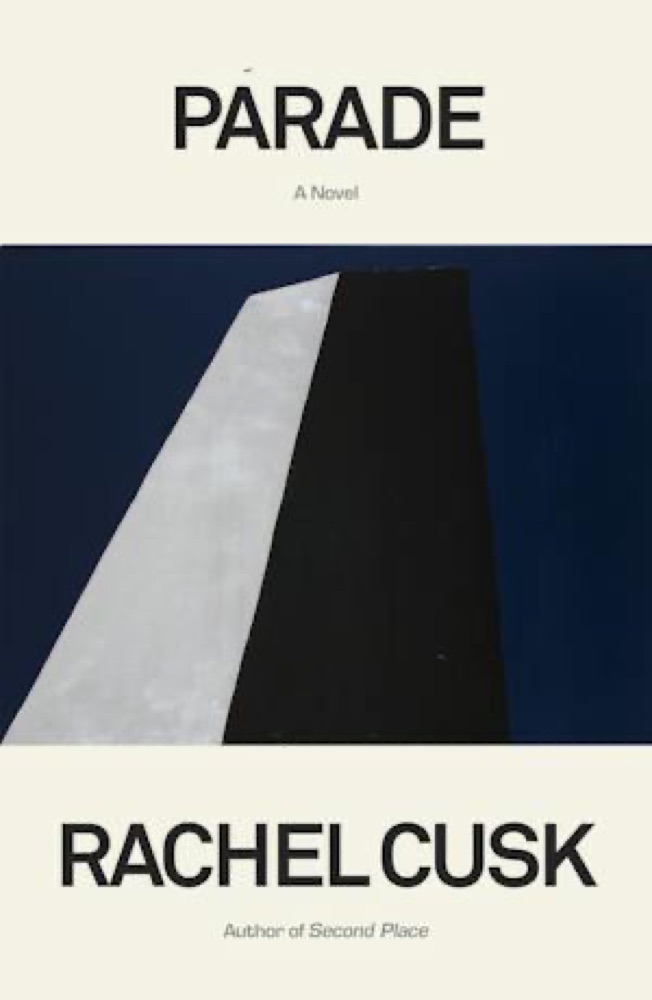 Parade
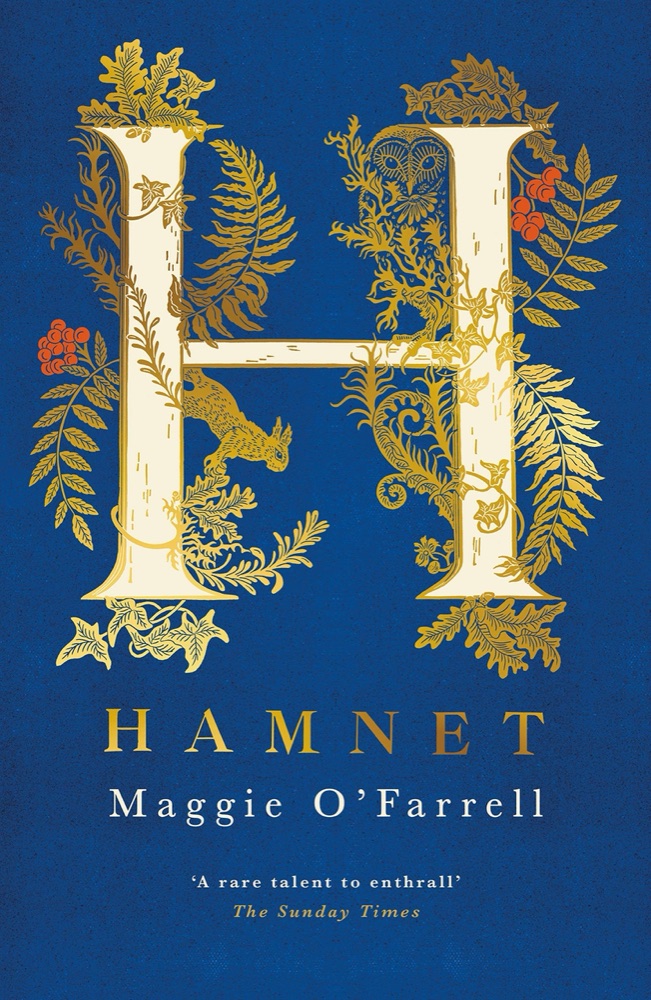 Hamnet
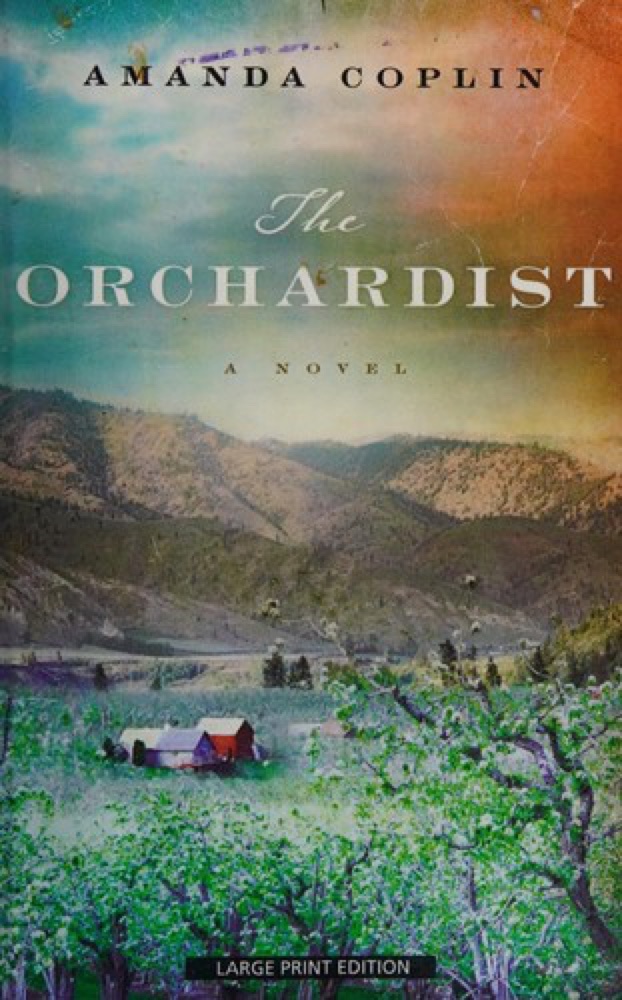 The Orchardist
 The Unfinished Journals of Elizabeth D
 The Portrait of a Lady
 Last Night at the Telegraph Club
 Brooklyn
 An Object of Beauty
 The Guest
 The God of the Woods
 Horrid
 Ordinary Human Failings
 Last Night in Montreal
 Olive Kitteridge
 Night and Day
The Anthropologists
Night and Day
The Anthropologists
 Bluebeard's Egg
 The Hidden Girl and Other Stories
 The Years
 Apples Never Fall
 Journey to Munich
 When We Lost Our Heads
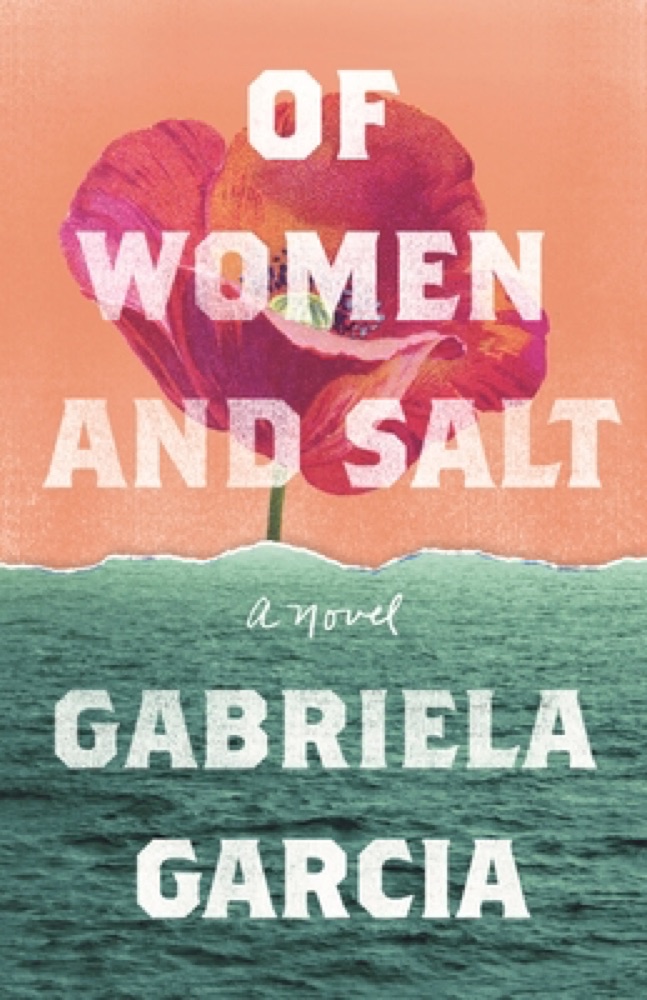 Of Women and Salt
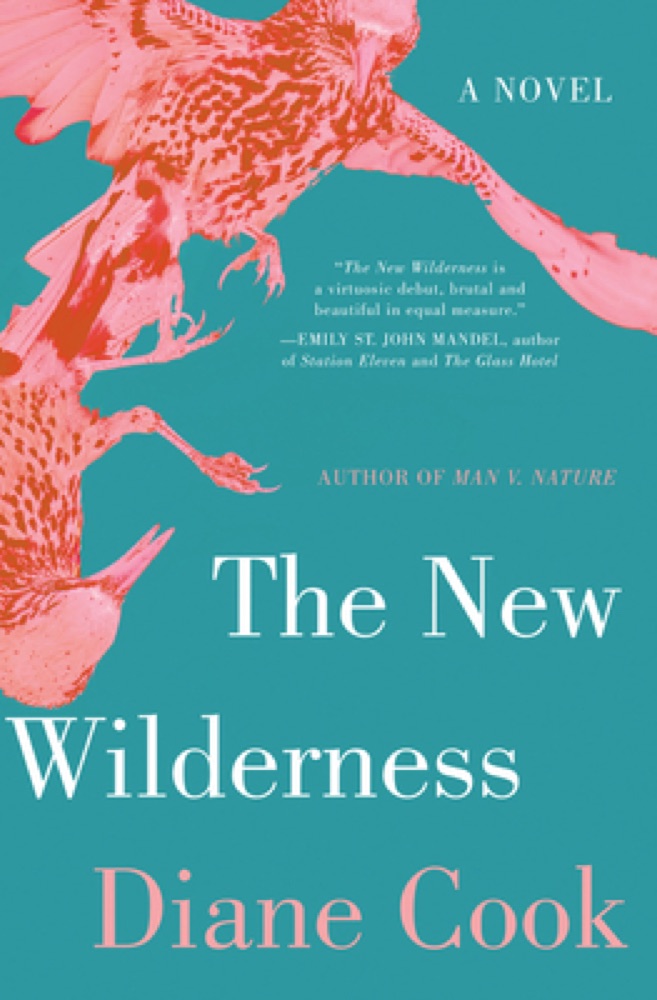 The New Wilderness
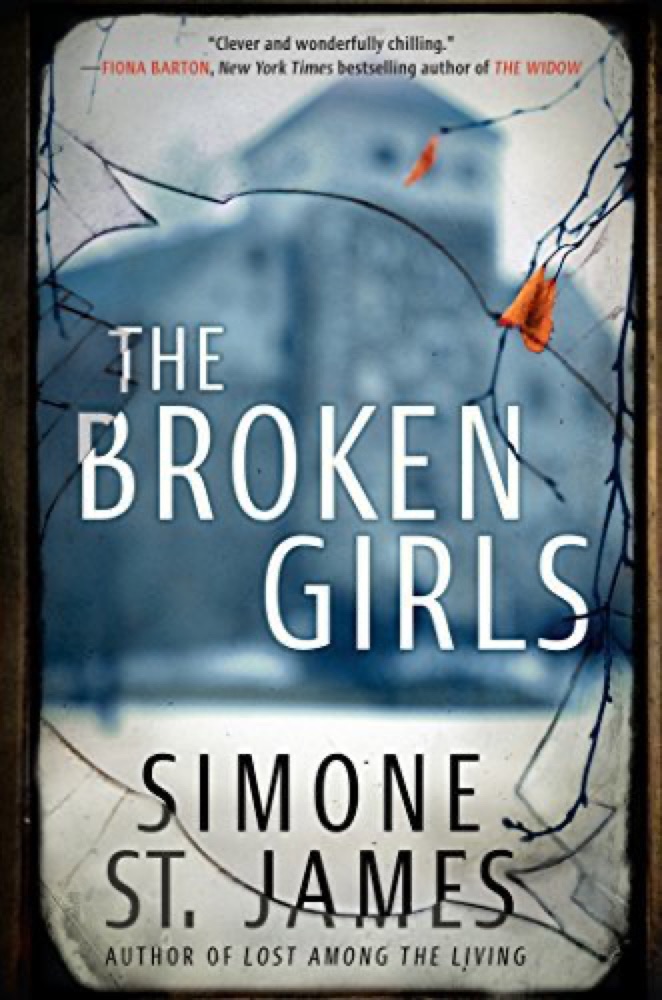 The Broken Girls
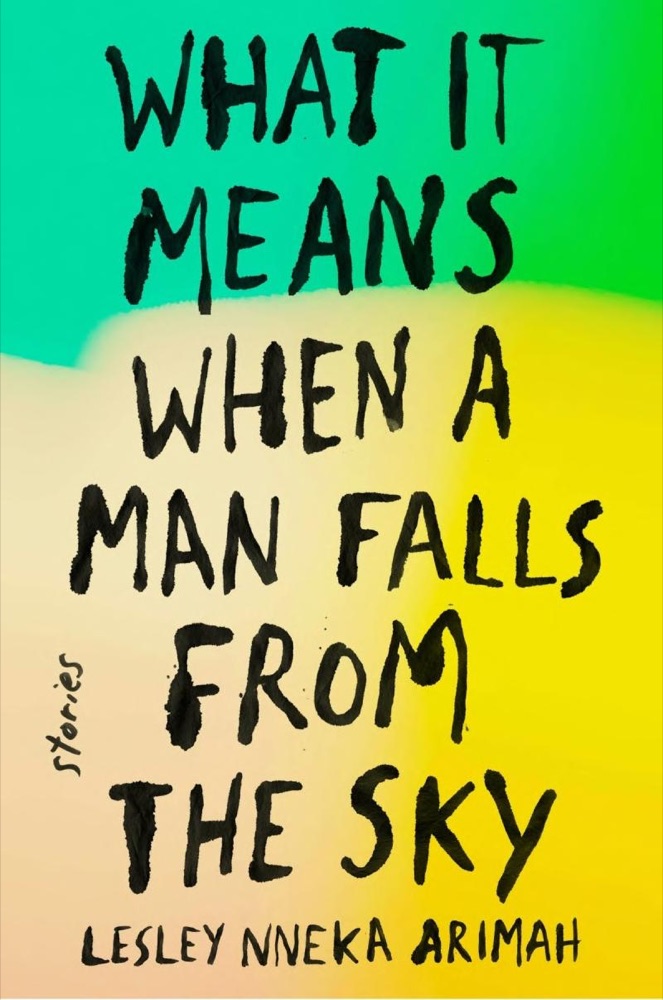 What It Means When a Man Falls from the Sky
 After Leaving Mr. Mackenzie
 The Storm We Made
 Instructions for a Heatwave