

 Summer Island
Quotes from the Book
I sat among them, enraptured by their stories, realizing for the first time that every one of us was a link stretching back, mother to daughter to mother, in an unbroken chain from the center of time, connected by milk and blood.
8
Love requires a bareness, a certain pliability, and I didn't thrill at the possibility of being transformed or wiped away.
5
Billie wanted to ask if motherhood was always that way- waiting for rest to find you, for parts of yourself to come back together.
5
She wishes she could ask her parents if it’s better to be a sinner or a prisoner, but she knows that her mother is afraid of truth and her father wouldn’t recognize it, even if it invited him inside, offered fresh fruit.
4
Sometimes you must consume the damaged body, digest it cell by cell, to taste the new beginning.
3
She was thinking a million things, some of which had plagued her even before she'd found out: What if the state floods; we reelect that terrible man; if I'm bad at it; I do it and then I decide I don't want to do it; if I don't do it and miss it; what if someone shoots me in the grocery store, the movie theater, my own home; what about the revisionist histories taught in schools; what if I'm not self-sacrificing enough; if I'm too self-sacrificing; if me and Liam get divorced, shit happens; what if the kid hates me; if I'm cruel; if I really really love it and lose it; if none of this can be sustained, not our love or our planet? What if, in the end, we just dye the ocean and wish it well? For better or worse, she didn't know if it was responsible to bring new life into this world, but she couldn't spend all her time agonizing. She had to keep moving, keep breathing, or else she'd cease to exist, so she gave Pia the simplest of answers, what it could all boil down to: 'Honestly? What will this baby do to me?
3
Frankie wonders if she means it, if this near-universal disdain a daughter can feel for a mother might be necessary for the appreciation that comes later, if this is what it takes to love.
2
You learn to be who you are, or you die as someone else. It’s simple.
2
It dawns on Margot that, old as she is, it’s her mother’s first time on this earth, too.
2
Margot waits outside for her mother, watching the evening disperse in bold orange and pink, a shawl of purple creeping at the edges of the sky. She's eaten, but feels an emptiness she won't learn to recognize until later as the expansion of herself--a good thing, but easy to mistake.
1
I haven’t had a serious relationship since before our father got sick. And even then, I didn’t like to lay myself out that way. Love requires a bareness, a certain pliability, and I didn’t thrill at the possibility of being transformed or wiped away.
Hate, he continues, is almost always a cover for some perceived psychological threat—our guilt or pain. Our fear.
She vomited casually into the toilet…
Three days ago the doctor had put her at six weeks and no one knew except Liam and her best friend Pia. Maybe the dog.
Billie assumed not—it was her understanding that people tried to imagine as little as possible about other people’s lives unless it suited them.
Older gentlemen sat at tables in dim corners sipping rye whiskey, talking with other men about matters only other men would understand; some kept their hands high on the thighs of women who were not their wives—girls, really—who did not yet keep house and so still had inexact ideas about how the world worked and all of the ways in which they could be disappointed. The girls possessed a malleability, a willingness to be impressed, their cheeks, soft and new, flushing at even the most trivial compliments. These were sweet, bygone qualities the men wished to bottle and harbor for themselves.
They were scared of her, Zey tells the teacher, realizing it as she speaks, and he jabs a finger in her direction. Yes! Exactly that, he says. Now he’s getting excited, pacing before their desks, and Zey tilts forward in her seat, angling closer to his truth. Hate, he continues, is almost always a cover for some perceived psychological threat—our guilt or pain. Our fear. And how do we treat things of which we are afraid?
From here, her mother looks young—could be any of the girls, making sure the face she’s wearing is the one the world wants—and at this thought, Frankie suddenly breaks through, not just a mother, but a whole person. Separate and full of awe. It dawns on Margot that, old as she is, it’s her mother’s first time on this earth, too. Against her will, she softens.
From here, her mother looks young — could be any of the girls, making sure the face she’s wearing is the one the world wants — and at this thought, Frankie suddenly breaks through, not just a mother, but a whole person. Separate and full of awe. It dawns on Margot that, old as she is, it’s her mother’s first time on this earth, too. Against her will, she softens.
Ava stomps and snarls in the shallows; she’s still wearing her low-tops, her socks full of pond, water squishing between her toes. She is Frankenstein’s monster. She is a vampire queen. She is newly thirteen. hollowed out and filled back up with venom and dust-cloud dreams. She throws her head back and howls and howls at the sun, pretending it’s a strange, burning moon, and that there is no other world than this one where she and Kiera are.
Watch on YouTube
About Dantiel W. Moniz
We have collected 20 quotes from 1 book by Dantiel W. Moniz on BookQuoters.
More about the author →About the book
Set among the cities and suburbs of Florida, each story in Milk Blood Heat delves into the ordinary worlds of young girls, women, and men who find themselves confronted by extraordinary moments of violent personal reckoning. These intimate portraits of people and relationships scour and soothe and blast a light on the nature of family, faith, forgiveness, consumption, and what we may, or may not, owe one another.
A thirteen-year-old meditates on her sadness and the difference between herself and her white best friend when an unexpected tragedy occurs; a woman recovering from a miscarriage finds herself unable to let go of her daughter—whose body parts she sees throughout her daily life; a teenager resists her family’s church and is accused of courting the devil; servers at a supper club cater to the insatiable cravings of their wealthy clientele; and two estranged siblings take a roa
Book details
- First published
- 2021
- Author
- Dantiel W. Moniz
- Genre
- Fiction
- Goodreads rating
- 4.01 (10k ratings)
The buzz
- The New York TimesReview in The New York Timesprofessional review (via Book Marks)
- The Washington PostReview in The Washington Postprofessional review (via Book Marks)
- Kirkus ReviewsReview in Kirkus Reviewsprofessional review (via Book Marks)
- Publishers WeeklyReview in Publishers Weeklyprofessional review (via Book Marks)
- The Boston GlobeReview in The Boston Globeprofessional review (via Book Marks)
- BooklistReview in Booklistprofessional review (via Book Marks)
Keep reading
Summer Island
 The Lamb
 Little Darlings
 Idaho
Idaho
 Then She Was Gone
 10 Minutes 38 Seconds in This Strange World
 A Slow Fire Burning
 What Is Not Yours Is Not Yours
 Of Women and Salt
 Banyan Moon
 Women We Buried, Women We Burned: A Memoir
 The New Wilderness
 Missing, Presumed
 My Brilliant Friend
 Birds of America
 Just Like Home
 Instructions for a Heatwave
 Notes on an Execution
 The Summer Children
 What It Means When a Man Falls from the Sky
 Malibu Rising
 Bury Our Bones in the Midnight Soil
 The God of the Woods
 Ink Blood Sister Scribe
 Journey to Munich
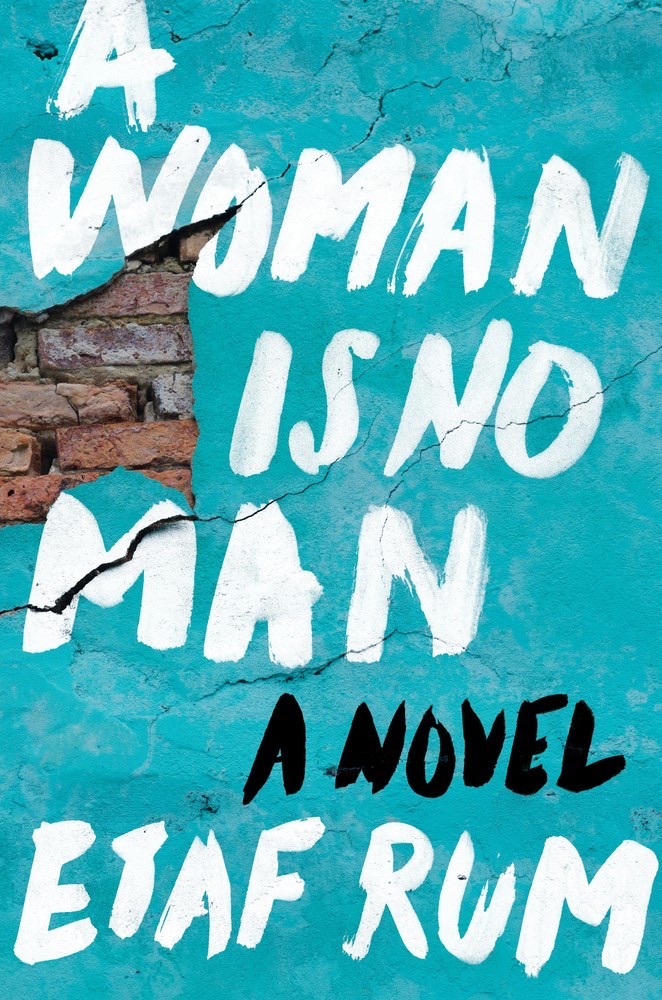 A Woman Is No Man
 The Nightingale
 Tender Morsels
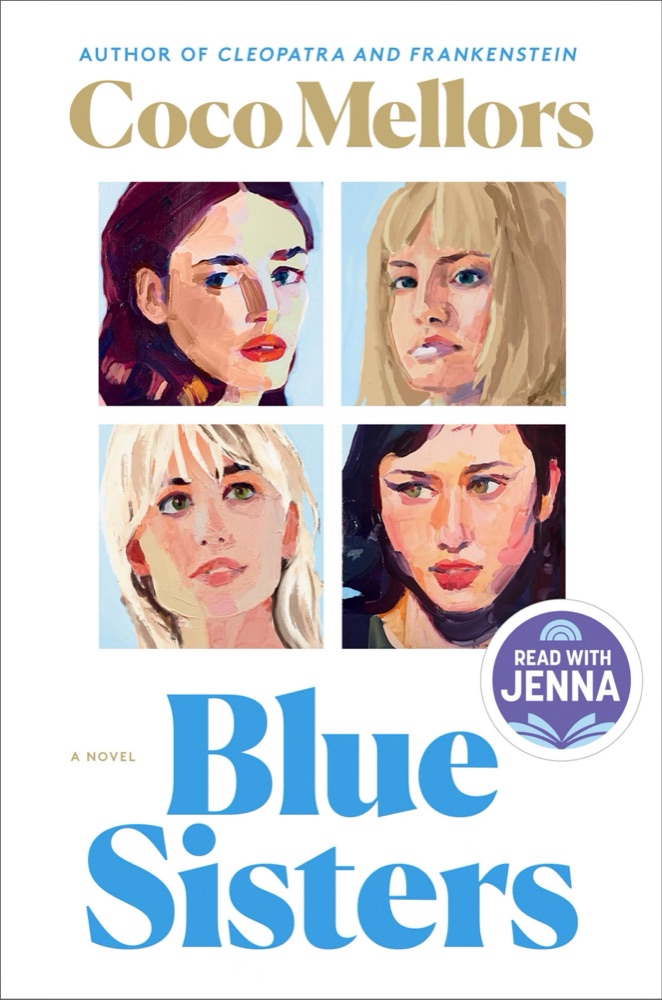 Blue Sisters
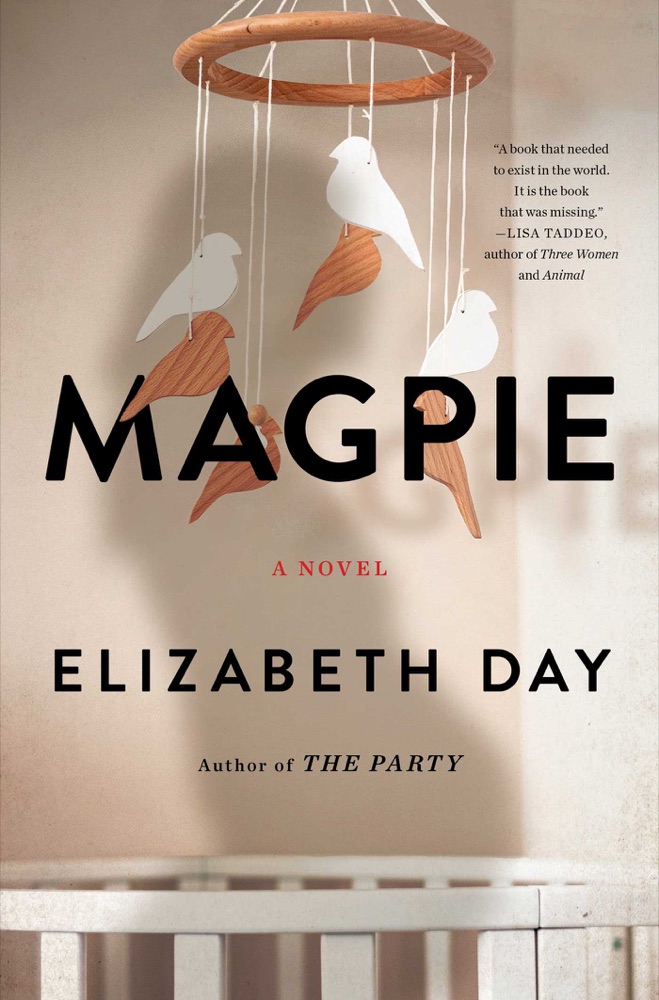 Magpie
 Home Fire
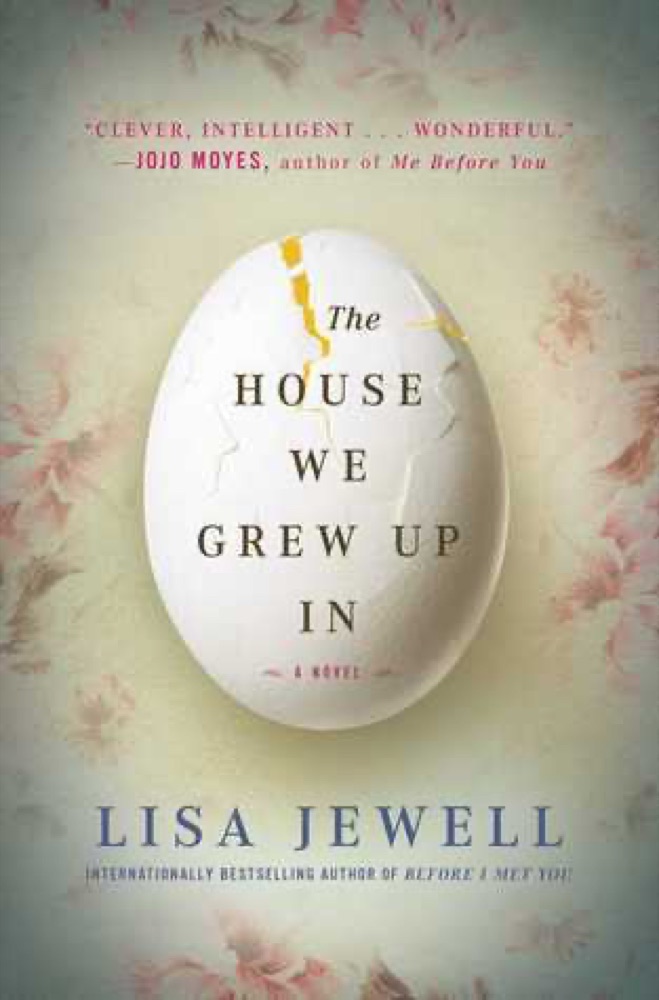 The House We Grew Up In
 Ammonite
 After Leaving Mr. Mackenzie
 The Perfect Nanny
 The Push
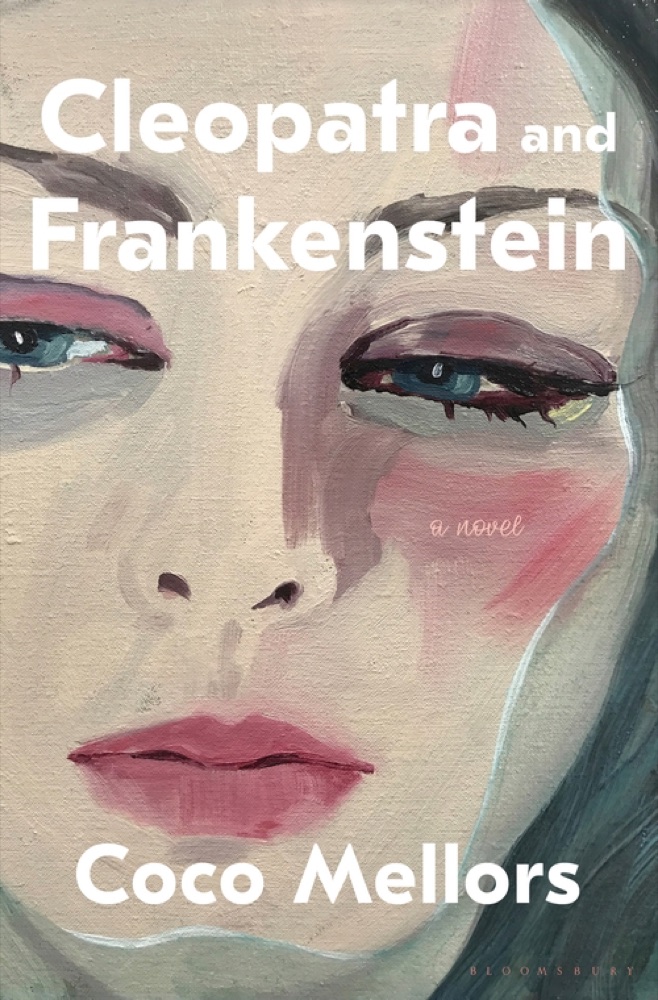 Cleopatra and Frankenstein
 Winter Garden
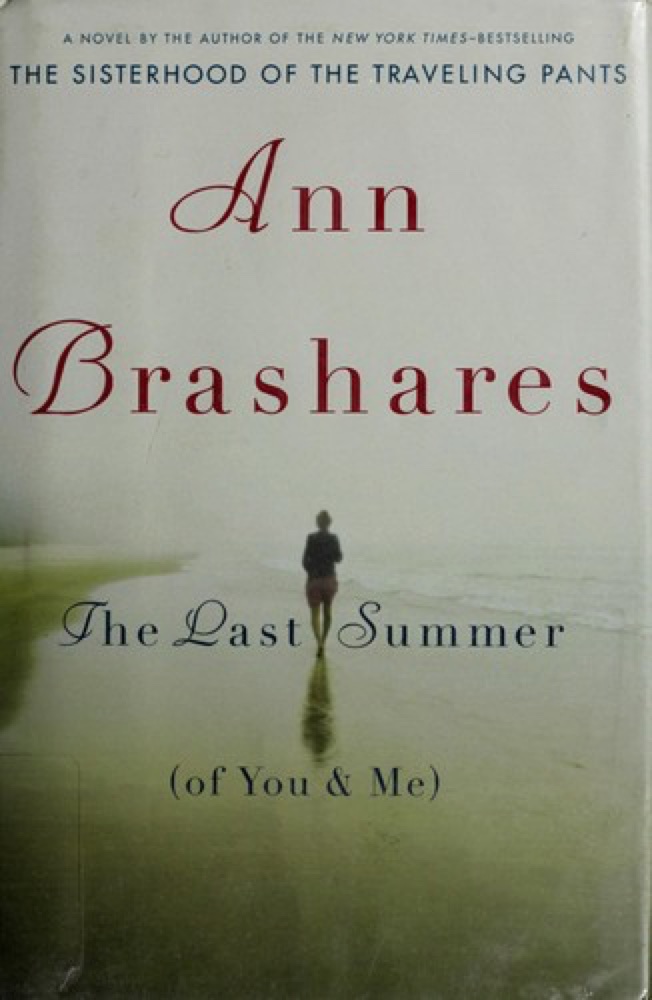 The Last Summer (of You and Me)
 The Robber Bride
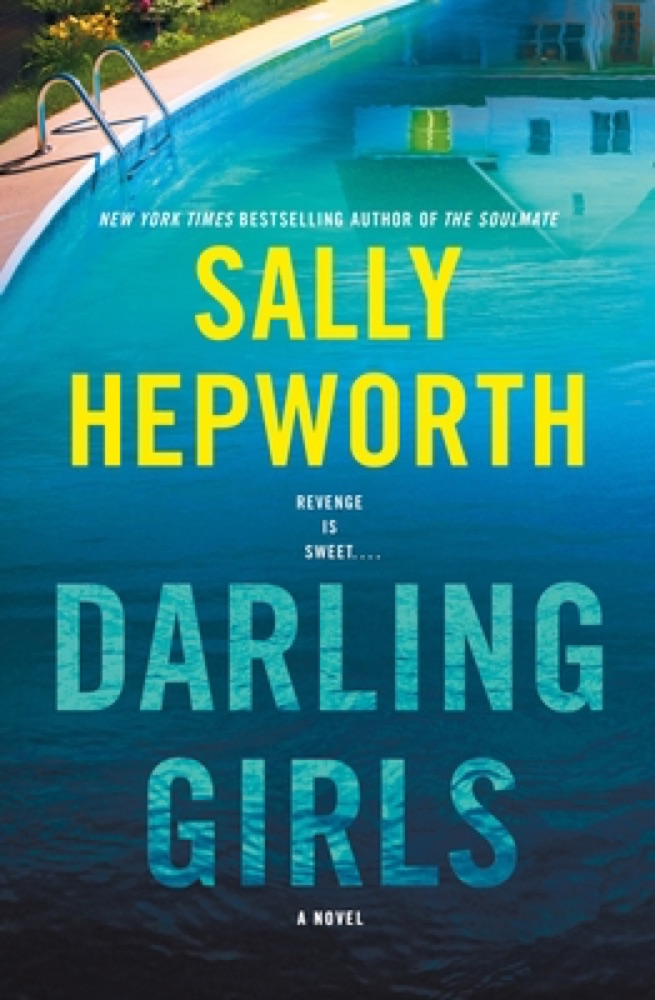 Darling Girls
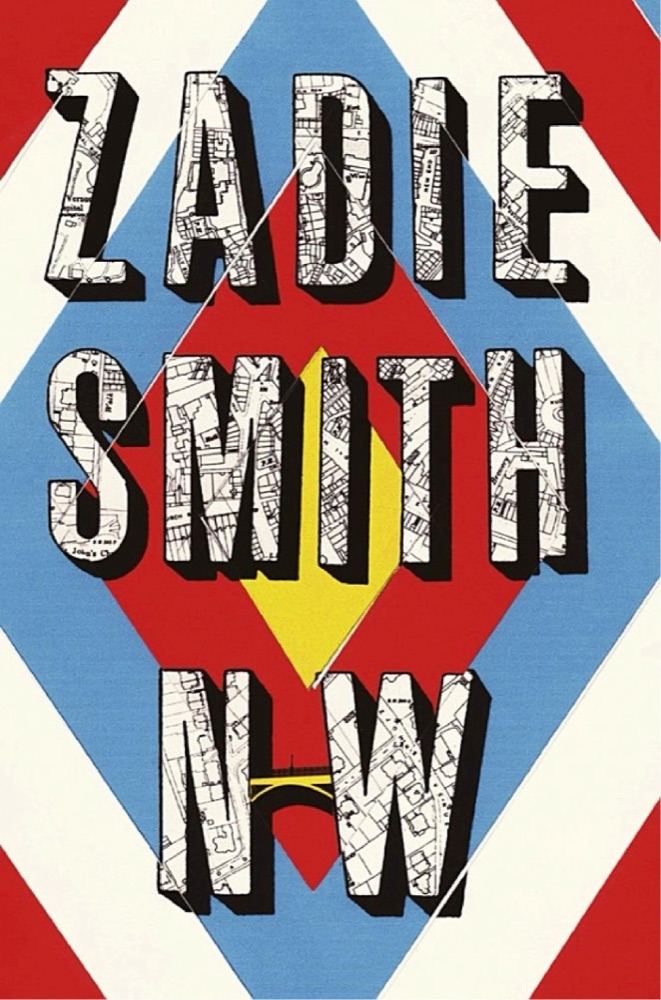 NW
NW
 Now Is the Time to Open Your Heart
 Hamnet
 Honey
Honey
 Hot Milk
 The Memory Keeper's Daughter
 The Vegetarian
 The Safekeep
 None of This Is True
 The Children Act
 Olive Kitteridge
 Snake-Eater
 When We Lost Our Heads
 A Reliable Wife
 Nine Perfect Strangers
 Bluebeard's Egg
 The Smell of Other People's Houses
 The Husband's Secret
 A Spool of Blue Thread