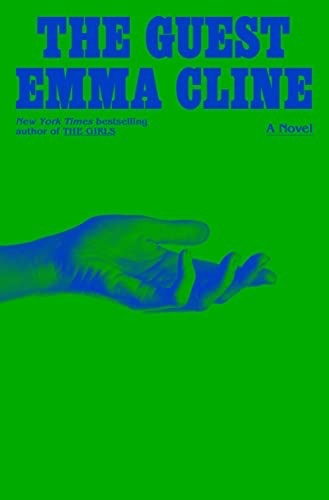

 The Girls
Quotes from the Book
But then, like all feelings, it passed.
13
Hundreds of years ago, their parents might have abandoned their babies in the woods. Instead, the neglect was stretched out over many years, a slow-motion withering. The kids were still abandoned, still neglected in the woods, but the forest was lovely.
11
People just wanted to hear their own voices, your response a comma punctuating their monologue.
11
People, it turned out, were mostly fine with being victimized in small doses. In fact, they seemed to expect a certain amount of deception, allowed for a tolerable margin of manipulation in their relationships.
10
At the same time, she knew she would never go crazy—which was worse. She’d been almost jealous of the people she’d known in the city who’d totally cracked up, spiraled into some other realm. It was a relief to have the option to fully peace out of reality.
8
It made Alex uncomfortable, someone demanding love so overtly, showing all her cards. As if it were that easy, as if love were something you deserved and didn't have to scramble to earn.
7
Younger men had to make everything mean something, had to turn every choice and preference into a referendum on their personality.
6
But that had been Alex's immediate thought how easy it would be to take things, out here. All sorts of things. The bikes leaning against the fence. The bags unattended on towels. The cars left unlocked, no one wanting to carry their keys on the beach. A system that existed only because everyone believed they were among people like themselves.
6
Alex had the sick sense that she was a ghost.
6
But maybe some things could never be erased. Maybe they tinted some cellular level of your experience, and even if you scraped away whatever part was on the surface, the rot had already gotten beneath.
5
People like Helen loved to display the artifacts of creativity as if that implicated her in the process.
5
A problem of emotional excess, psychological gout.
5
So much effort and noise required to cultivate this landscape, a landscape meant to invoke peace and quiet. The appearance of calm demanded an endless campaign of violent intervention.
4
What seemed so peaceful, the black stretch of ocean, was frightening when she got up close. It would be easy to lose yourself. One step into the water. Another. Simple, all the questions answered.
3
All the women in the show hated each other, hated each other so much, just so they could avoid hating their husbands. Only their little dogs, blinking from their laps, seemed real: they were the women’s souls, Alex decided, tiny souls trotting behind them on a leash.
3
Alex could see Simon was no longer engaged, that he no longer felt implicated in whatever drama Alex was creating.
3
That’s what they all wanted, wasn’t it? To see, in the face of another, pure acceptance. Simple, really, but still rare enough that people didn’t get it from their families, didn’t get it from their partners, had to seek it out from someone like Alex.
2
Amazing how little you had to give, really. People just wanted to hear their own voices, your response a comma punctuating their monologue.
2
How do you know them?” “School, I dunno,” Jack said. “Some from out here.” “High school friends?” “Elementary school, too.” That continuity seemed nearly impossible to Alex: imagine the thread staying the same, the world remaining static. Would it be stifling, punishing, or was it the reason why all these people had this peculiar certainty about who they were, confidence that their identity had a context? In her hometown, there was context, but the context was negative, a vortex. The arc of your life was already determined, its limits already visible. This was something else.
2
What were people seeing in her aura, what stink was emanating? Maybe she was imagining it. But maybe not.
2
Logistics were already crowding in, making her tired—this is what people like Simon got to avoid, the constant churn of anxieties somehow both punishingly urgent and punishingly boring.
2
Such shocking cleanliness, edging on the perverse. She wanted to throw herself on those perfect uncreased sheets, but didn’t. The perfect sheets, the chilly rooms: they were stupid things, taken one by one, but all together they were a convincing substitute for a life. One where suffering seemed to have no place, the idea of pain or misfortune starting to fuzz out and seem less likely. And who could argue with that, with wanting to be protected? No problem was unsolvable. Could she imagine the trajectory continuing upward? Good fortune accruing and accruing, the world suddenly opening in any direction, like one of those trick boxes, the sides falling down and revealing there were no more limits.
2
Why are you like this?" he said. And he was really asking. Expecting some explanation, some logical equation— x had happened to her, some terrible thing, and so now y was her life, and of course that made sense. But how could Alex explain— there wasn't any reason, there had never been any terrible thing. It had all been ordinary.
1
The louder they talked, the more Alex felt her headache pulse, piercing the painkiller fuzz. You could occasionally be overcome by dislike for strangers: if these boys got zapped into nothingness, would the world really miss them?
1
The situation must have been familiar to Lori—perhaps this happened regularly, some young woman, some girl, needing to be spirited away while Simon kept himself conspicuously hidden, deputizing Lori to clean up his mess.
1
But better to believe your life was valuable, under attack, than the alternative.
1
She took an anxious little shit in the upstairs bathroom.
1
He assumed her attention when he spoke. He had his insecurities, his anxieties. But underlying it all was the certainty that the world would be generous in its orientation toward him.
1
Did you know?
- The Guest is Emma Cline's second novel, following her 2016 debut The Girls.
- The novel unfolds over roughly five days leading up to a Labor Day party.
- It was a national bestseller and was longlisted for the PEN/Faulkner Award.
- The story is set in the wealthy summer enclaves of Long Island's Hamptons.
- Cline previously published the story collection Daddy in 2020.
- The novel's ambiguous ending prompted widespread debate among critics.
About Emma Cline
Emma Cline, born in 1989 and raised in Sonoma County, California, is an American writer who earned an MFA from Columbia University. Her acclaimed debut novel The Girls (2016) was a New York Times bestseller and won the Shirley Jackson Award, and she has received a Guggenheim Fellowship and the Plimpton Prize.
More about the author →More by Emma Cline
The Girls
About the book
The Guest is Emma Cline's second novel, a taut psychological drama set over five late-summer days in the moneyed enclaves of Long Island's East End. Alex, a twenty-two-year-old who has been working as an escort in New York, has spent the summer staying with Simon, a wealthy older man, in the Hamptons. After a misstep at a party, Simon casts her out, but rather than return to the city, Alex lingers in this rarefied world, drifting from one borrowed life to the next as she waits for what she imagines will be her reconciliation with him at his Labor Day party.
Cline uses Alex's improvised survival to probe class, performance, and the precariousness of women who trade on charm and proximity to wealth. Alex is a study in self-deception and adaptability, a near-blank surface onto whom others project their desires while she reads and manipulates the social codes around her. The novel sustains a mounting sense of dread as small lies compound, examining how invisibility and beauty can function as both armor and trap.
The Guest was a national bestseller and was longlisted for the PEN/Faulkner Award. Critics praised Cline's precise, controlled prose and the novel's hypnotic momentum, with reviewers in outlets such as The New York Times and the Financial Times singling out its sharp sentences and disquieting tone. Its ambiguous, abrupt ending generated wide discussion across publications including Vanity Fair, the Washington Post, and Vulture.
Key characters
- AlexA twenty-two-year-old former escort drifting through the Hamptons after being cast out
- SimonThe wealthy older man who had been hosting Alex and abruptly sends her away
Book details
- First published
- 2023
- Length
- 290 pages
- Reading time
- 5 hours
- Author
- Emma Cline
- Genre
- Fiction
- Goodreads rating
- 3.27 (120k ratings)
Critical reception
- The Guest was a national bestseller in the United States.
- It was longlisted for the PEN/Faulkner Award.
- Critics praised Cline's precise, controlled prose and the novel's propulsive, unsettling tone.
- The novel's abrupt, ambiguous ending generated significant discussion in outlets including Vanity Fair, the Washington Post, and Vulture.
Keep reading
 A Slow Fire Burning
 Birds of America
 After Leaving Mr. Mackenzie
 Gerald's Game
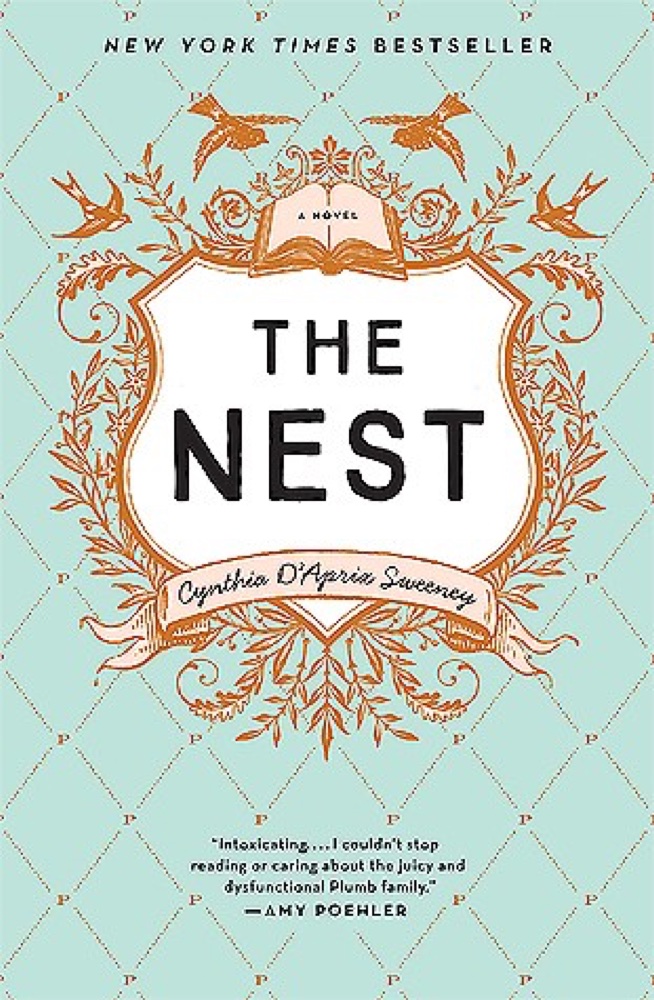 The Nest
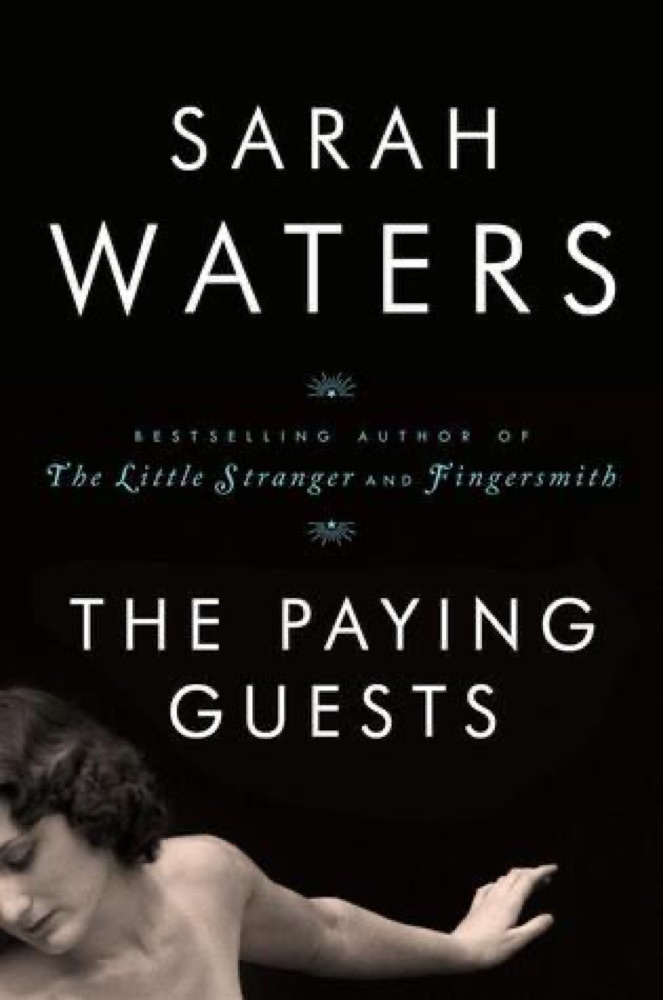 The Paying Guests
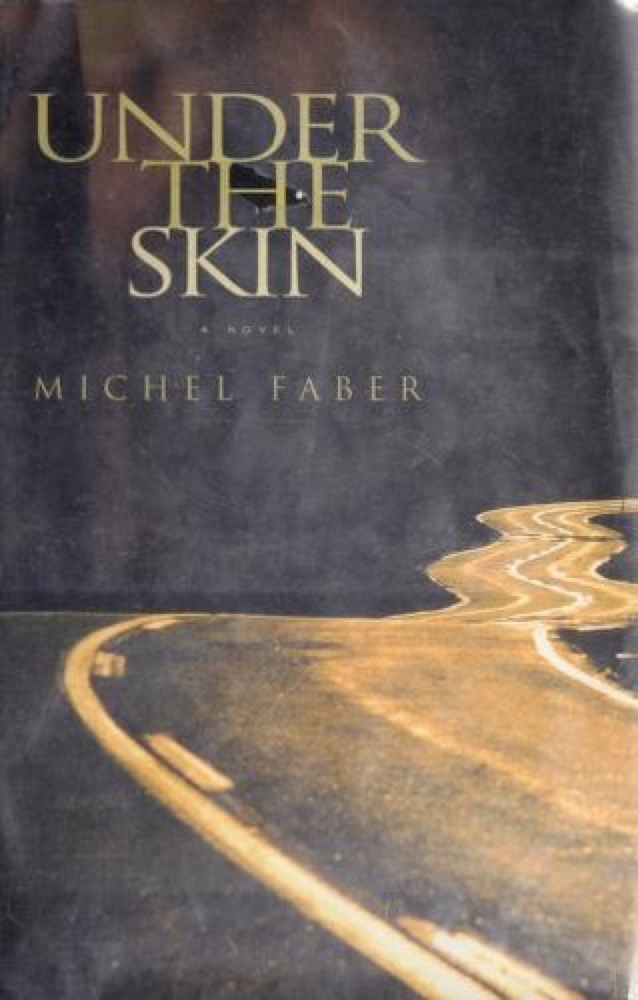 Under the Skin
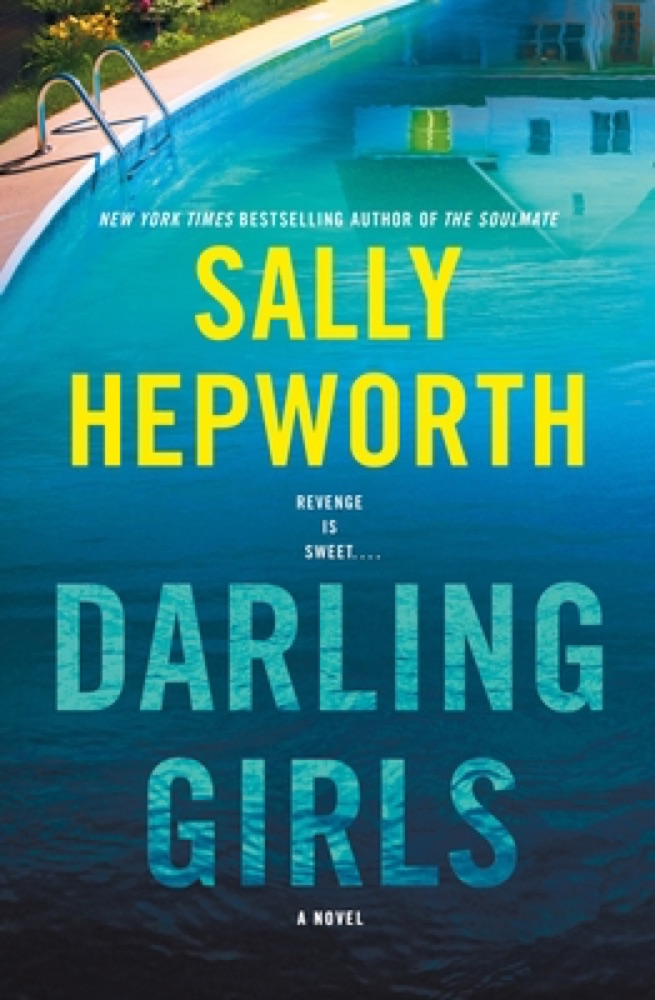 Darling Girls
 Hush
Hush
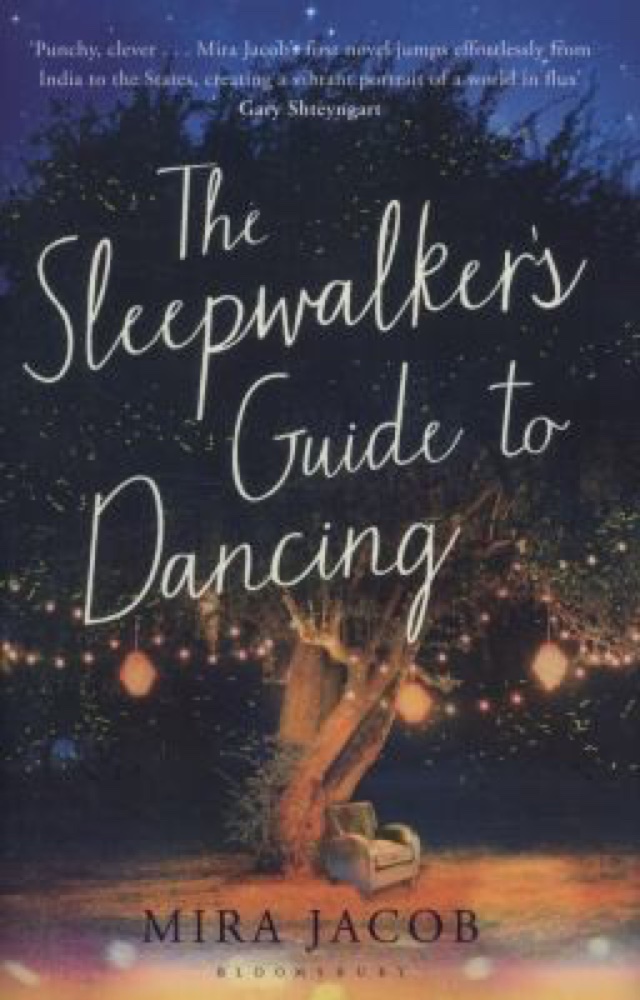 The Sleepwalker's Guide to Dancing
The Girls
The Sleepwalker's Guide to Dancing
The Girls
 Purity
 The Unfinished Journals of Elizabeth D
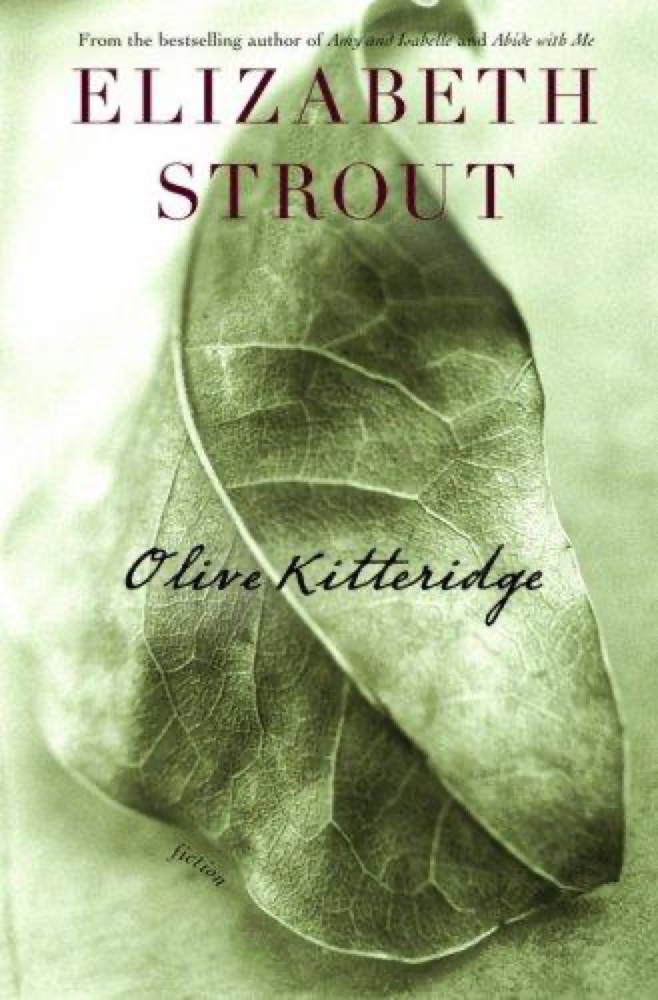 Olive Kitteridge
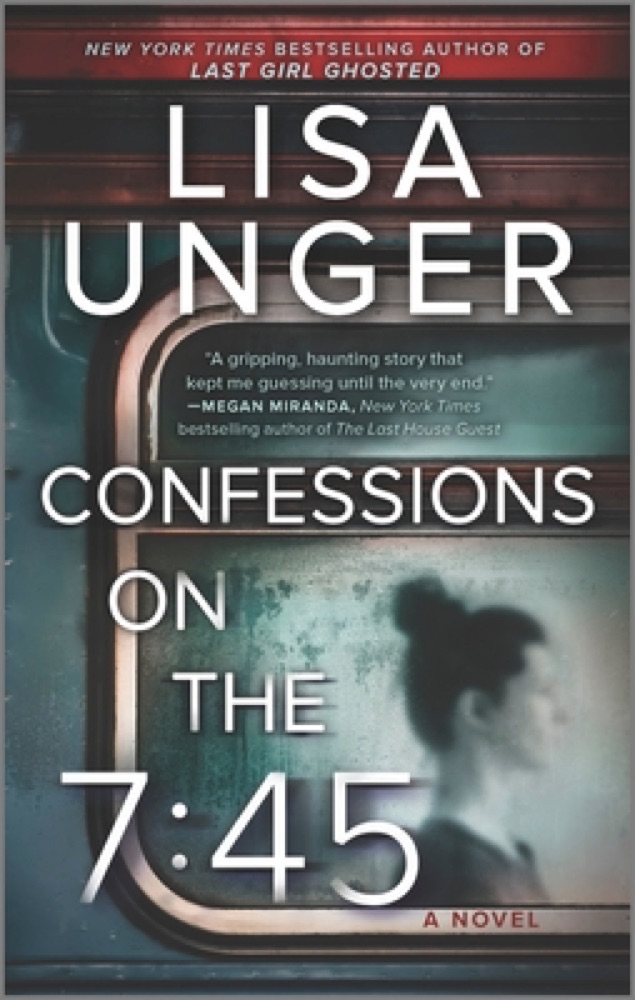 Confessions on the 7:45
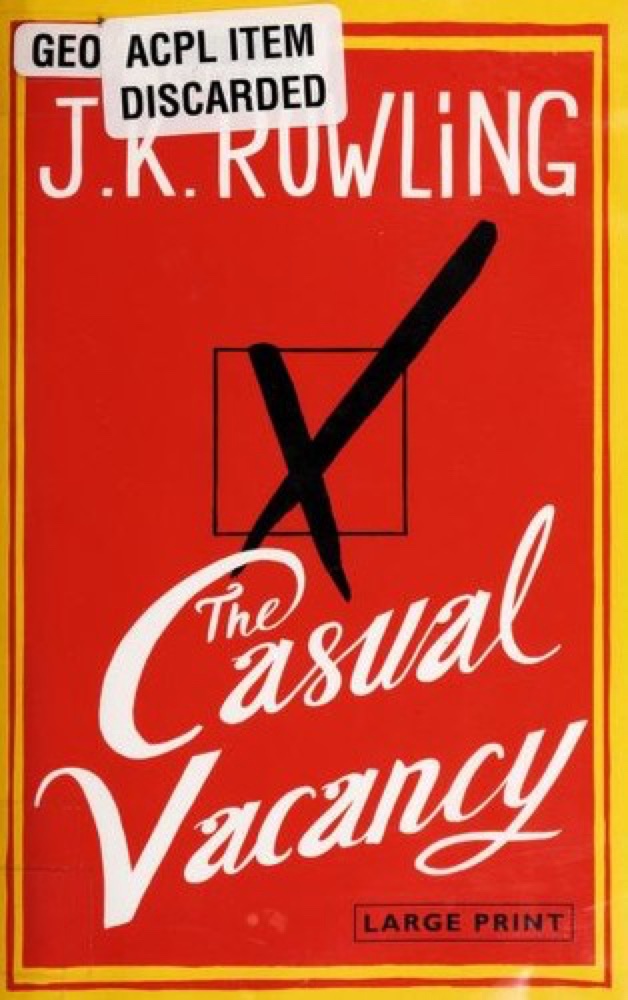 The Casual Vacancy
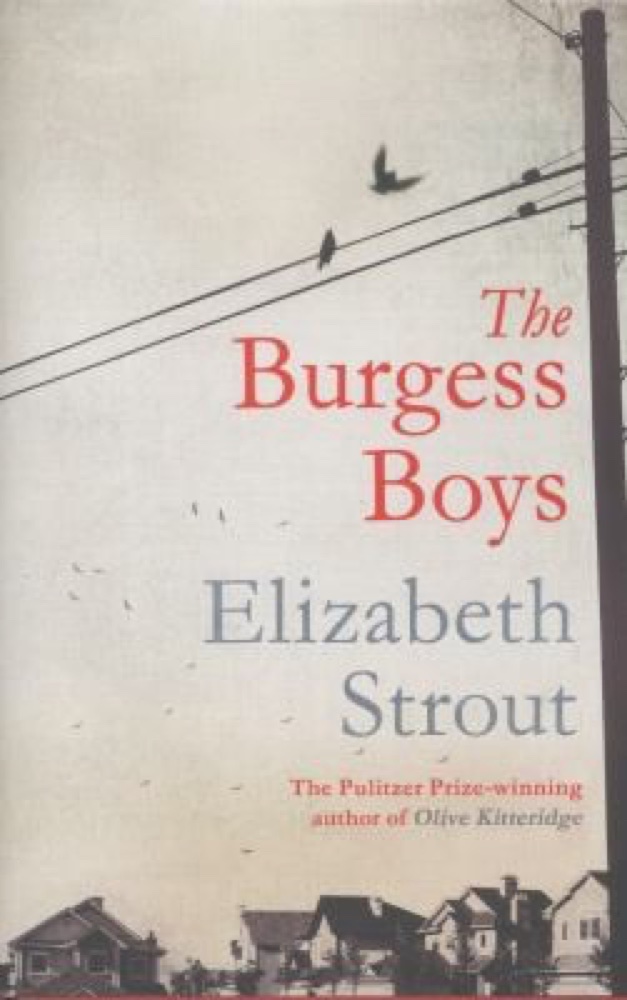 The Burgess Boys
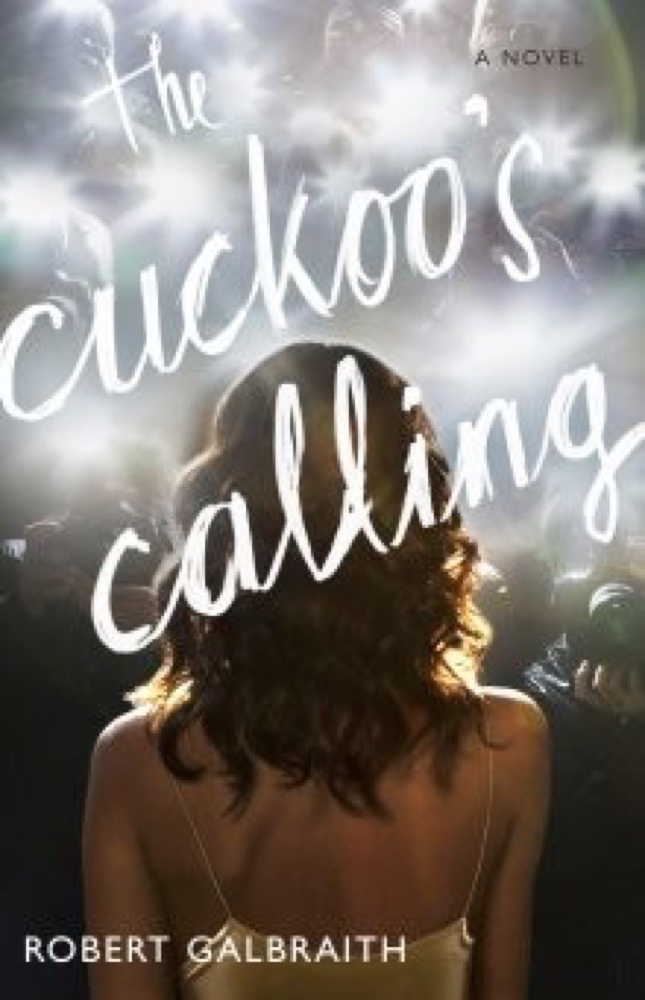 The Cuckoo's Calling
 The Expats
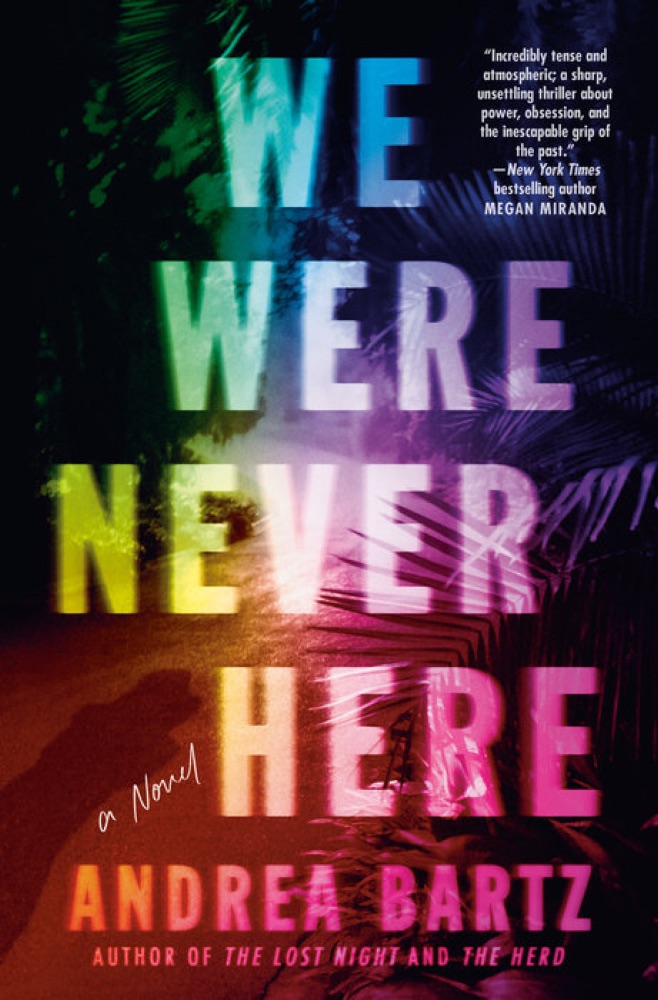 We Were Never Here
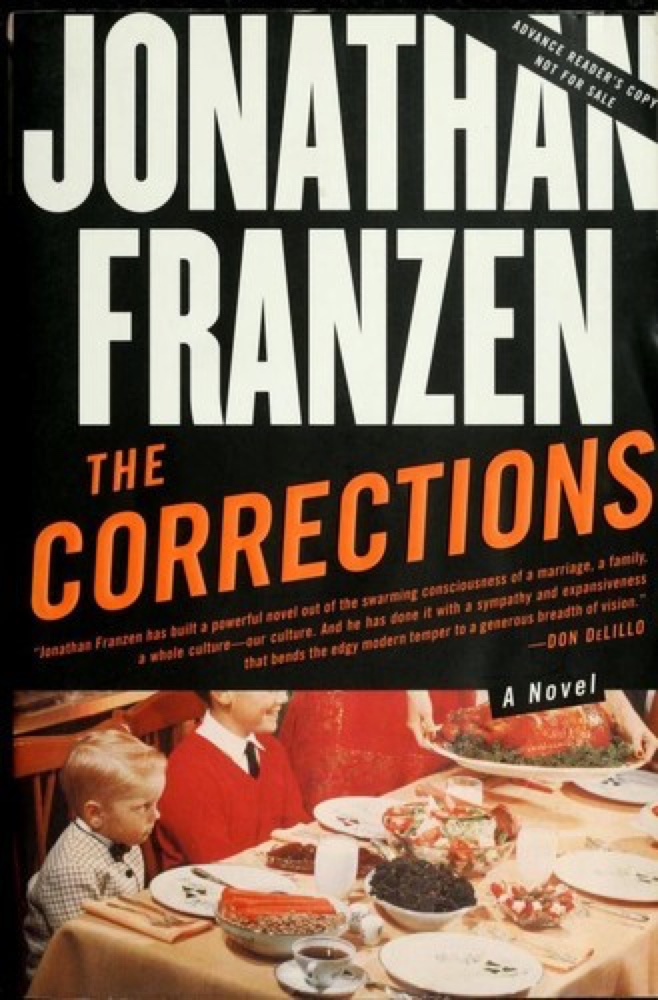 The Corrections
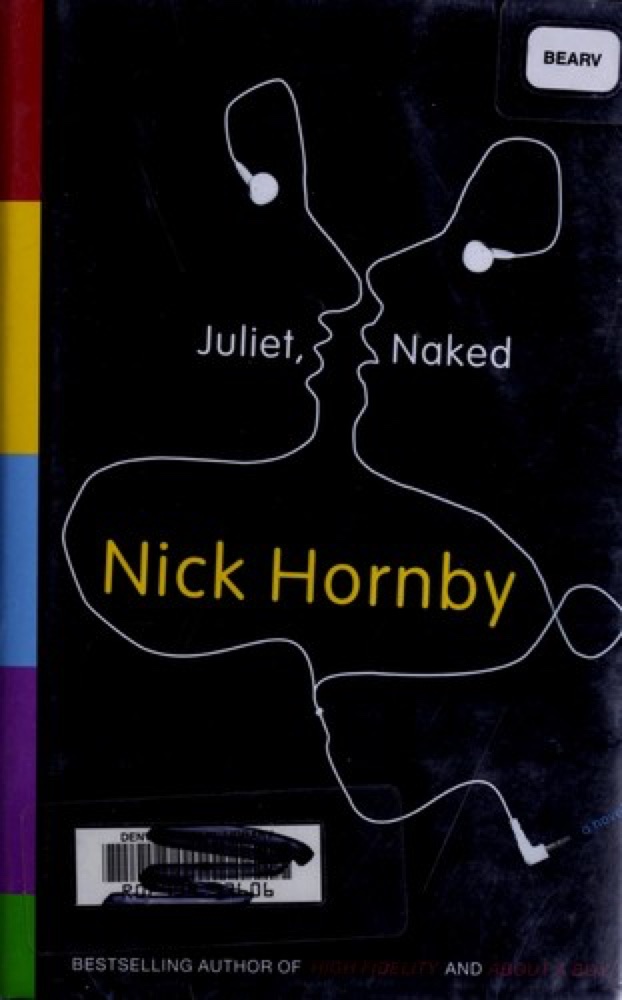 Juliet, Naked
 Ink Blood Sister Scribe
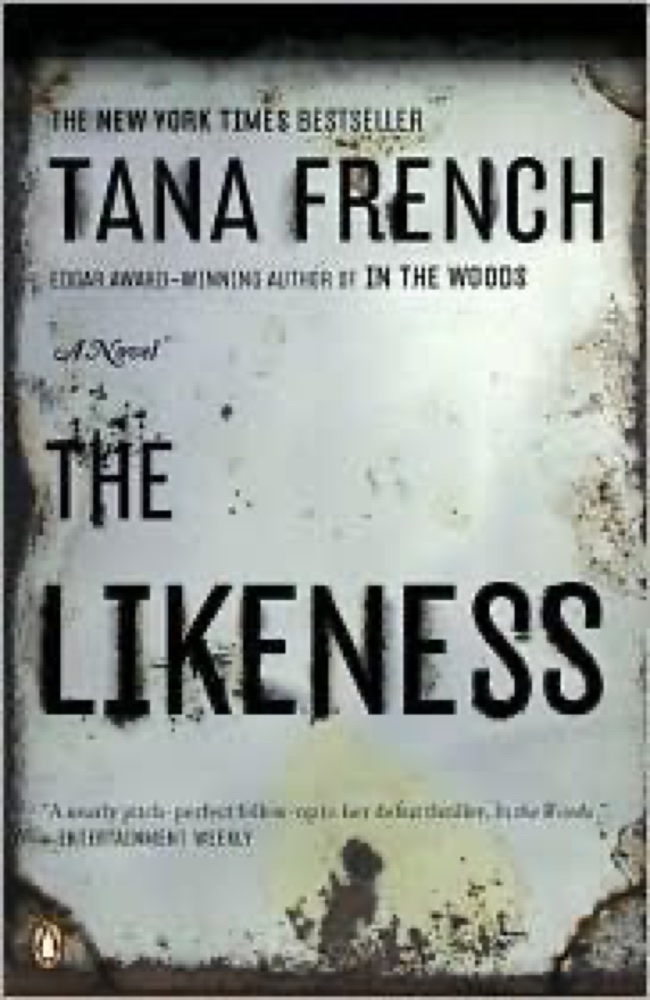 The Likeness
 The Story of a New Name
 City of Ghosts
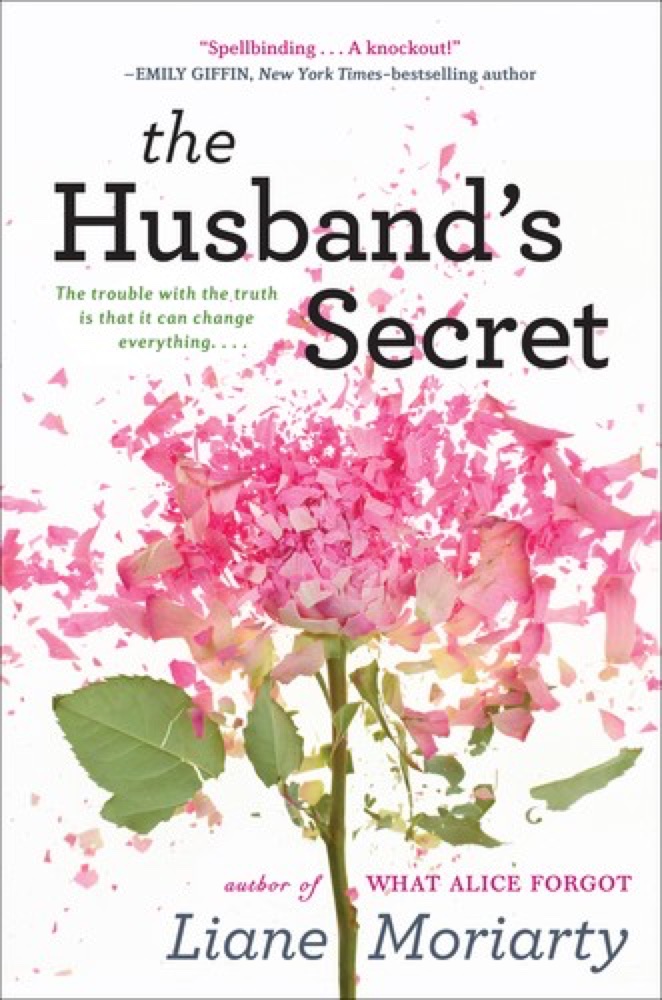 The Husband's Secret
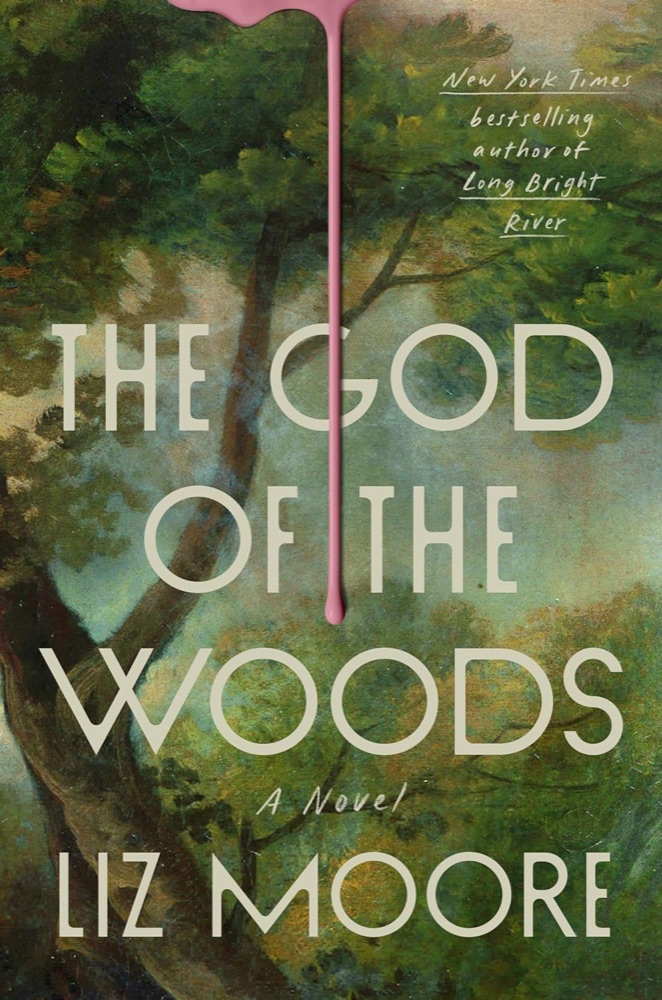 The God of the Woods
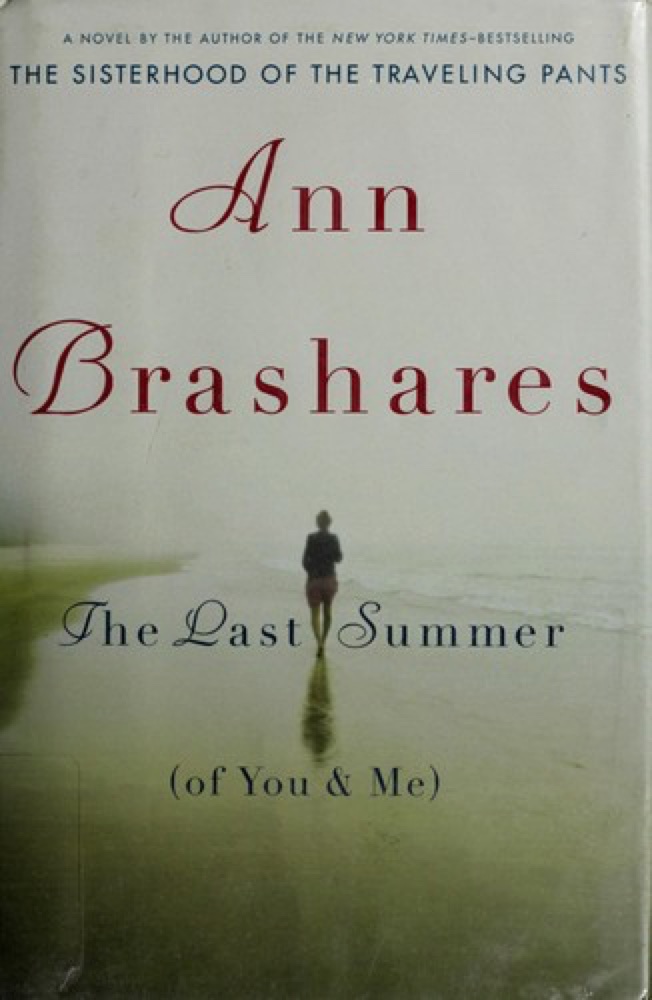 The Last Summer (of You and Me)
 Sybil: The Classic True Story of a Woman Possessed by Sixteen Personalities
 Home Fire
 Brief Interviews with Hideous Men
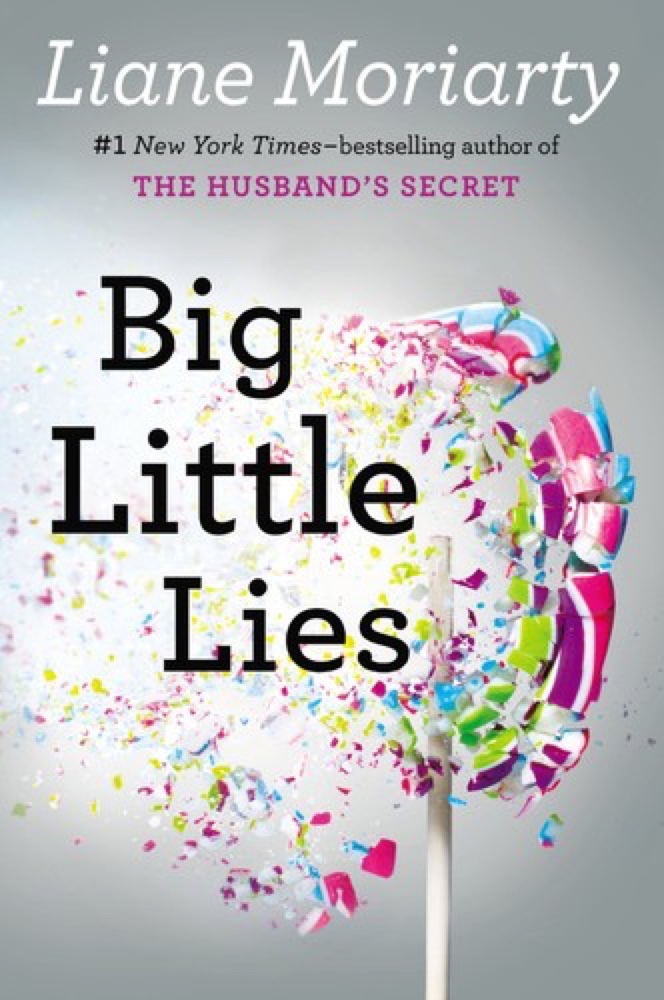 Big Little Lies
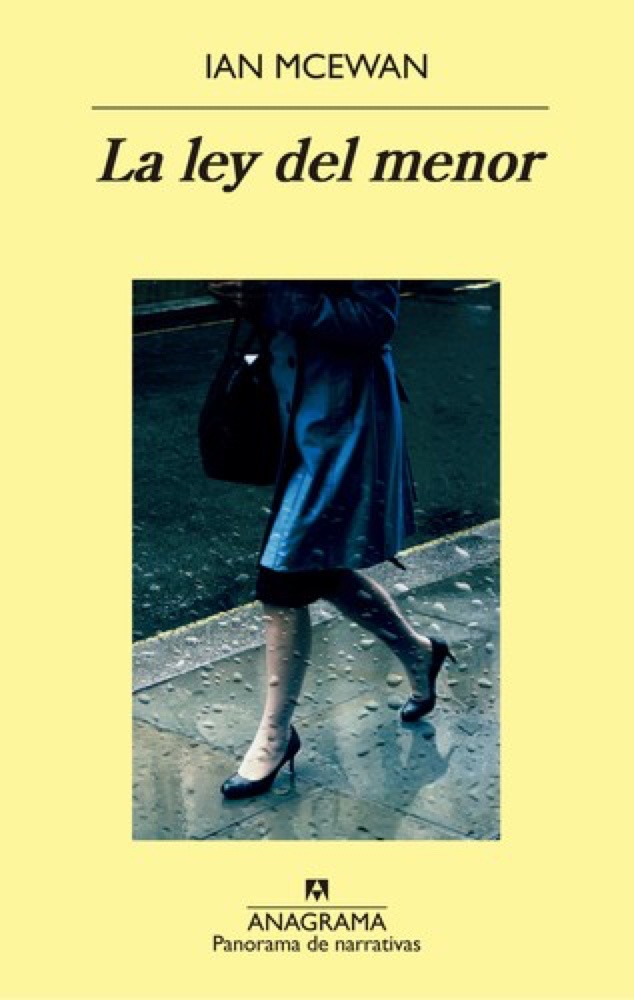 The Children Act
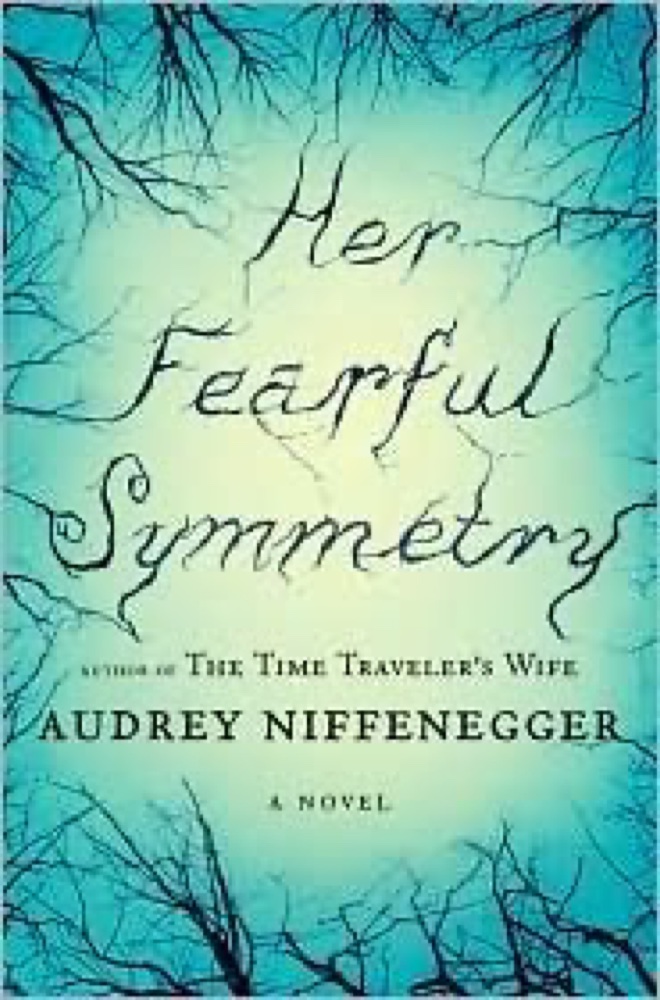 Her Fearful Symmetry
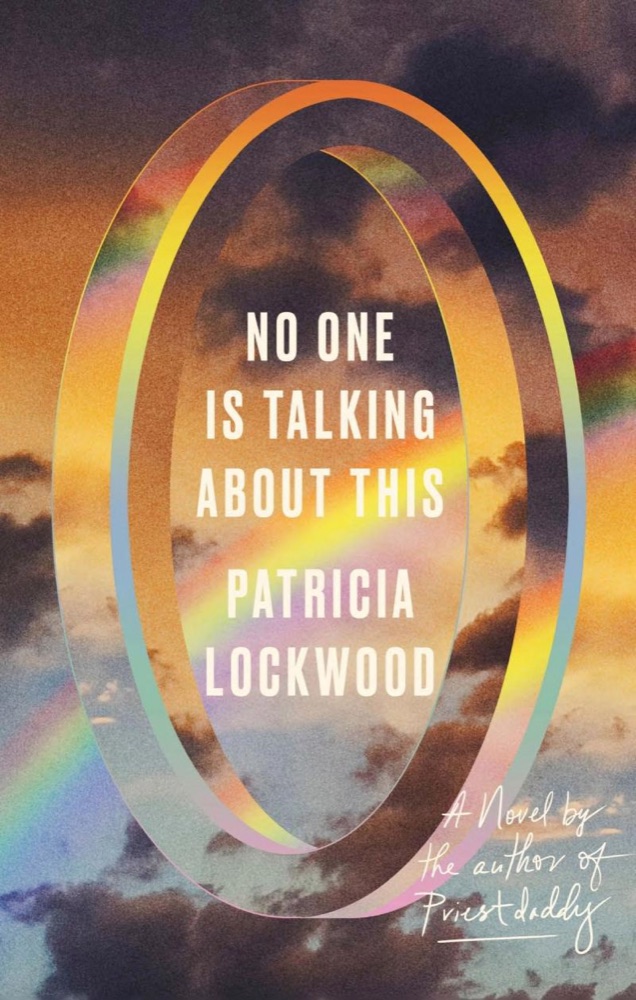 No One Is Talking About This
 Three Wishes
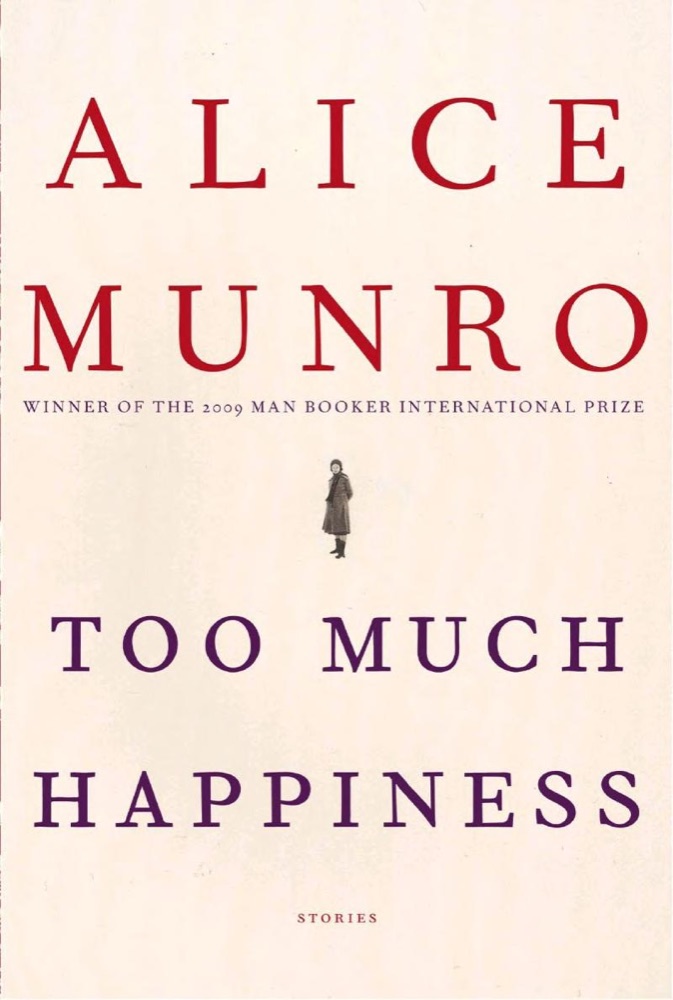 Too Much Happiness: Stories
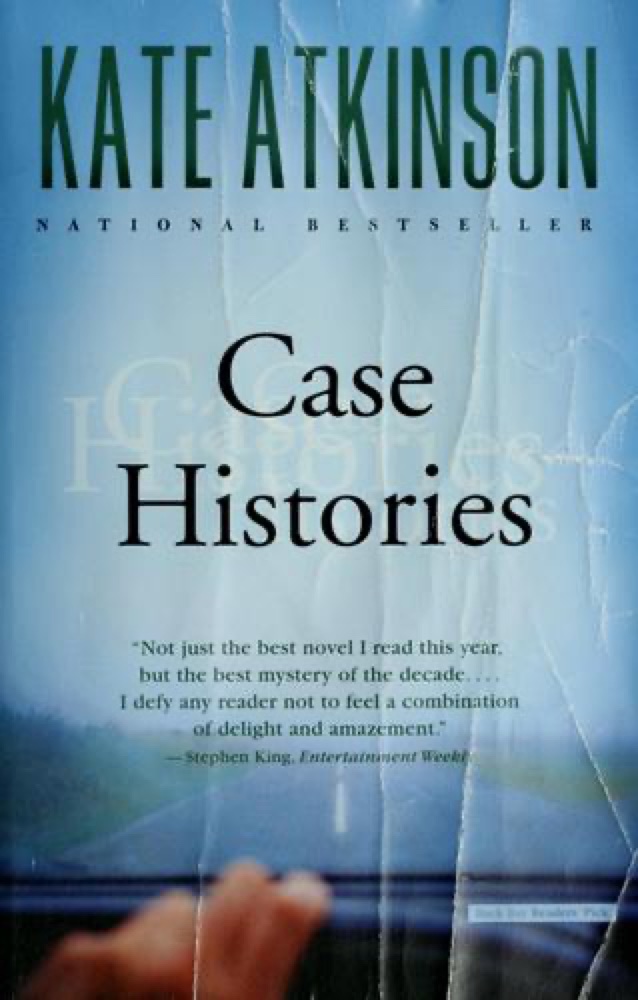 Case Histories
 The Marriage Plot
 The Probable Future
 I Hold a Wolf by the Ears: Stories
 Good Girl, Bad Blood
 Crudo
Crudo
 Leave the World Behind
 You Too Can Have a Body Like Mine
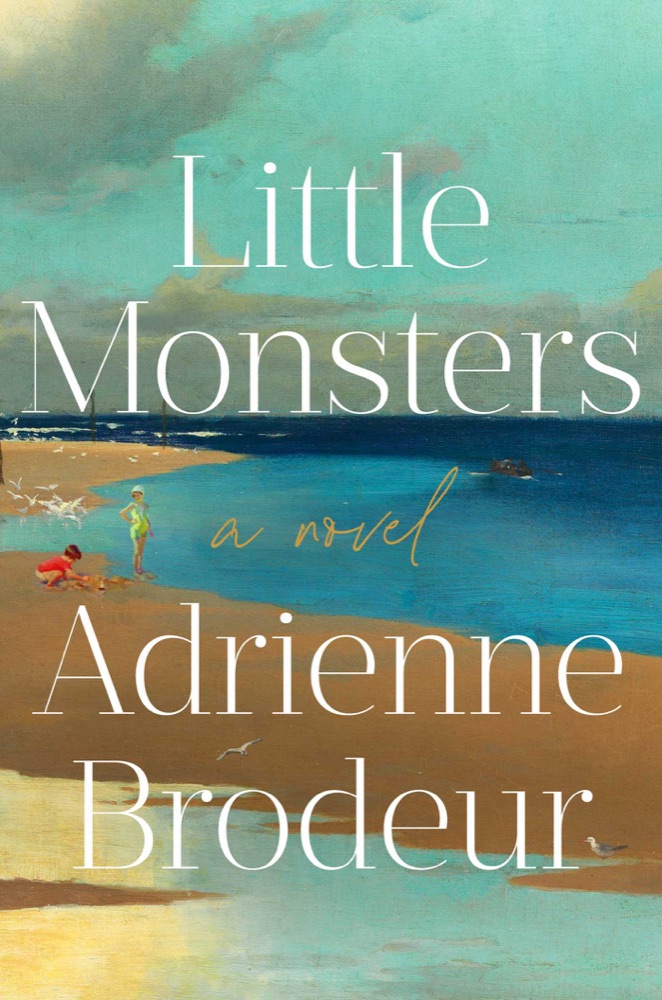 Little Monsters
 The Walls Around Us
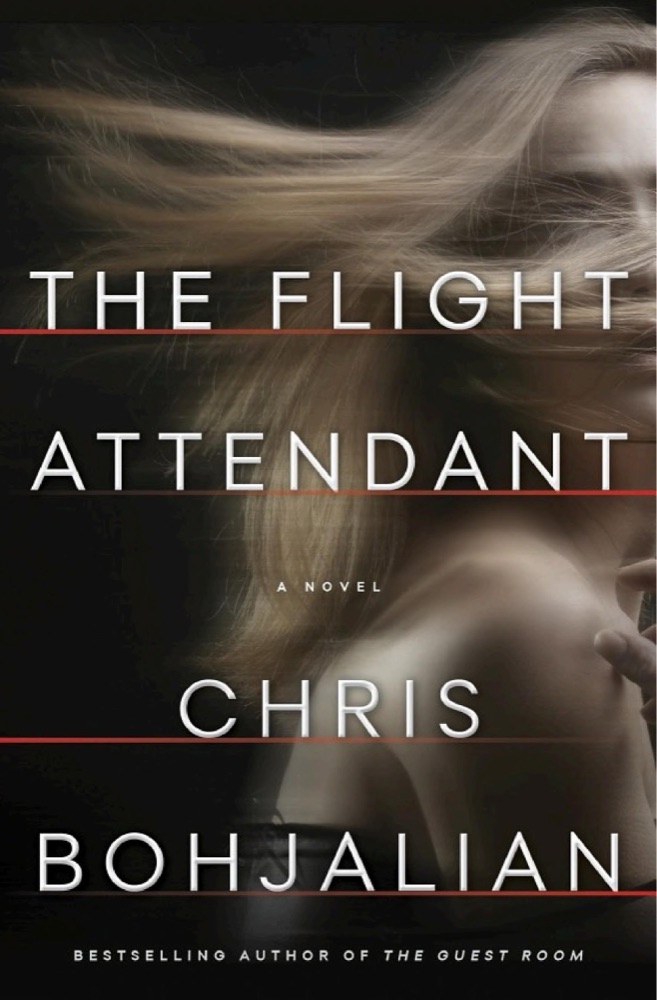 The Flight Attendant
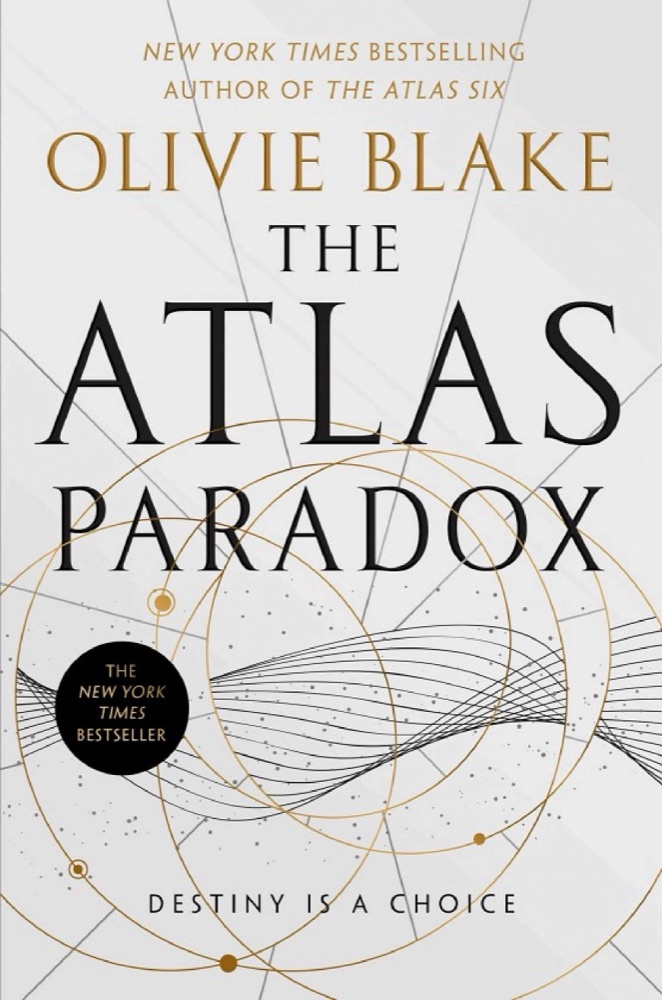 The Atlas Paradox
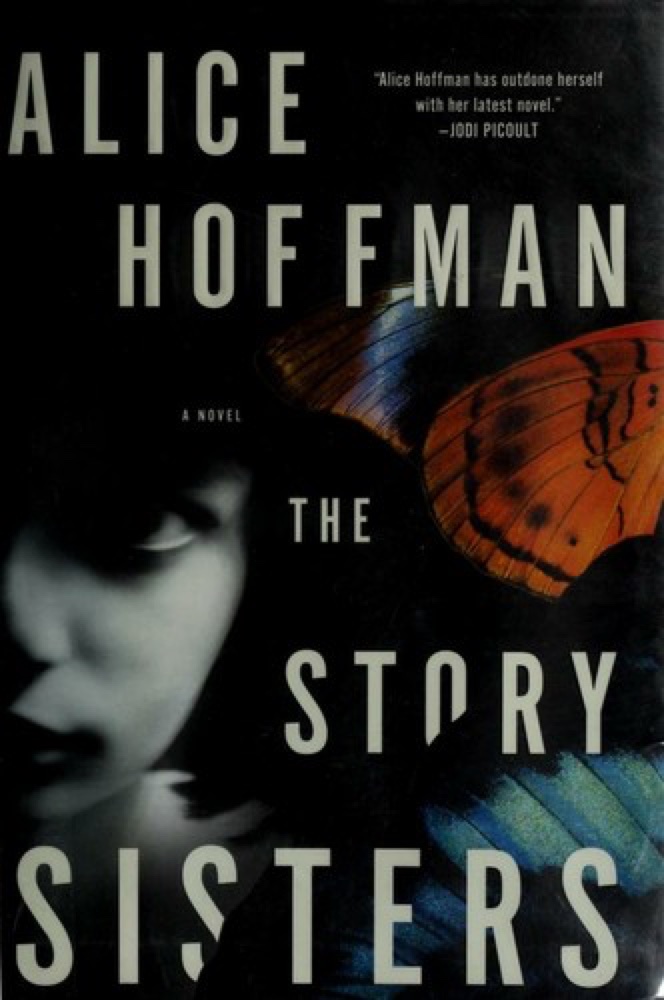 The Story Sisters
 Lisey's Story
 Last Night in Montreal
 Like Life: Stories
 The Brutal Telling
 Tar Baby
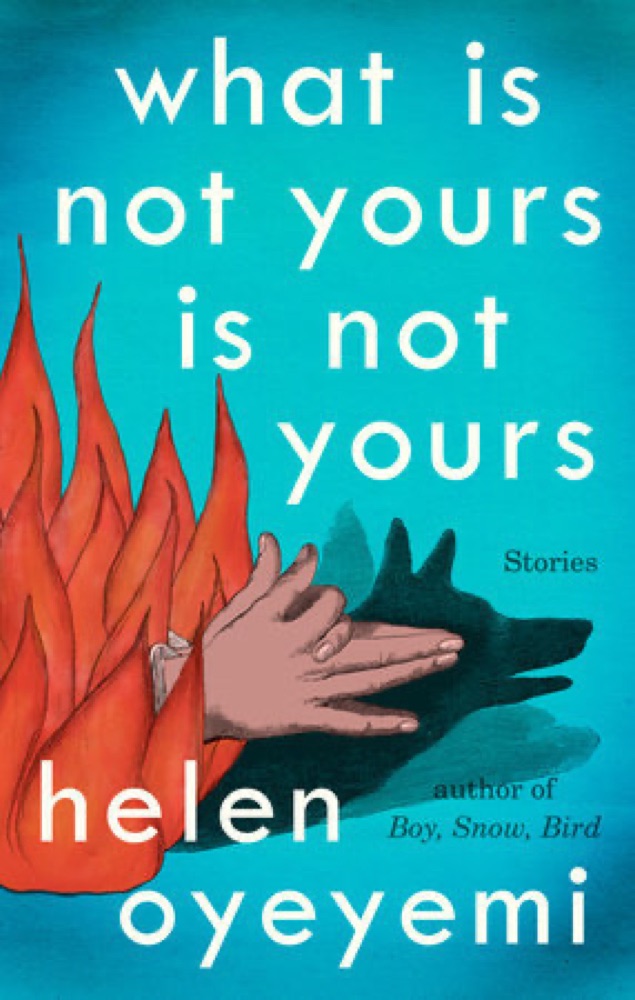 What Is Not Yours Is Not Yours
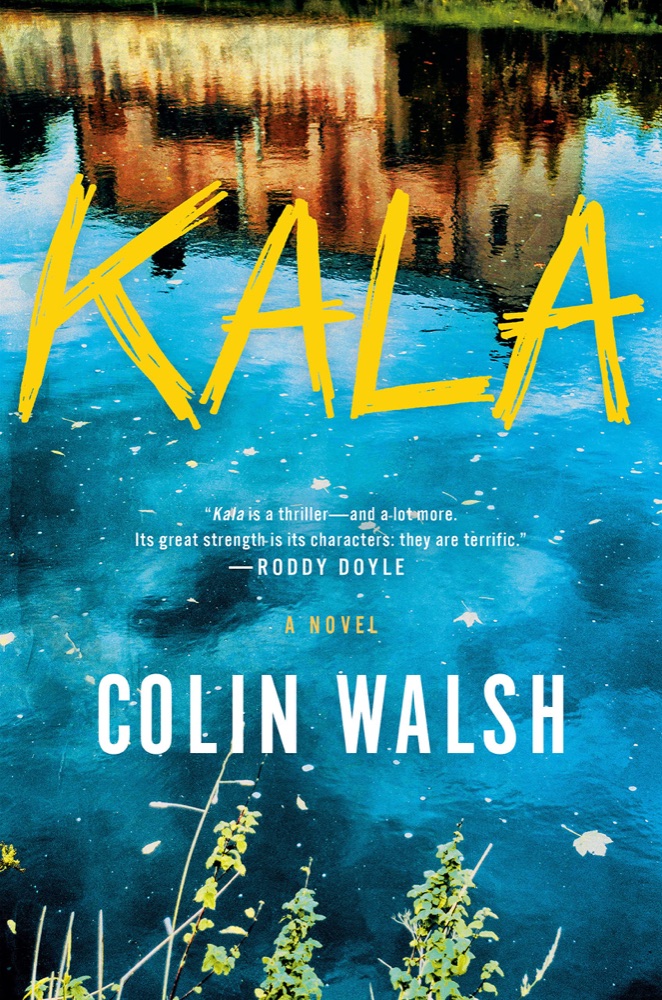 Kala
Kala
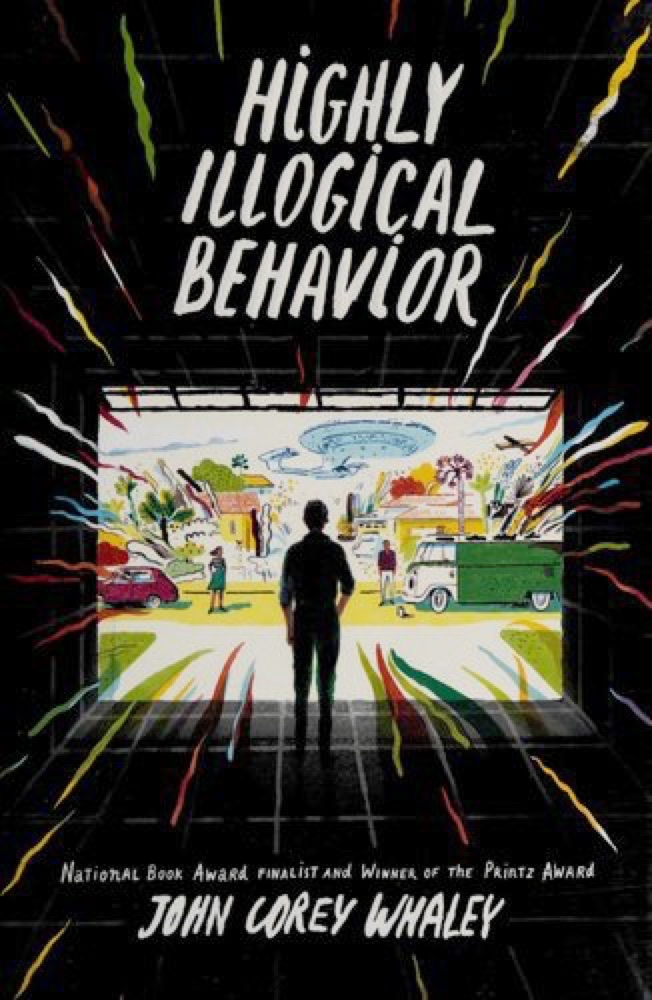 Highly Illogical Behavior
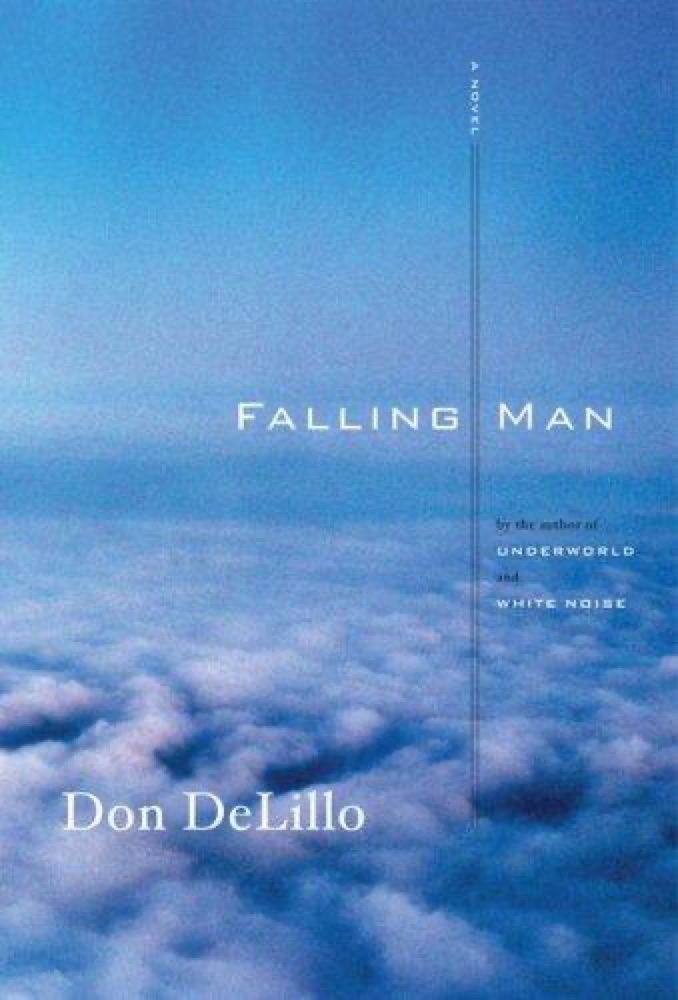 Falling Man