

 The Golden Bowl
Quotes from the Book
It has made me better loving you... it has made me wiser, and easier, and brighter. I used to want a great many things before, and to be angry that I did not have them. Theoretically, I was satisfied. I flattered myself that I had limited my wants. But I was subject to irritation; I used to have morbid sterile hateful fits of hunger, of desire. Now I really am satisfied, because I can’t think of anything better. It’s just as when one has been trying to spell out a book in the twilight, and suddenly the lamp comes in. I had been putting out my eyes over the book of life, and finding nothing to reward me for my pains; but now that I can read it properly I see that it’s a delightful story.
There are few hours in life more agreeable than the hour dedicated to the ceremony known as afternoon tea.
I'm yours for ever--for ever and ever. Here I stand; I'm as firm as a rock. If you'll only trust me, how little you'll be disappointed. Be mine as I am yours.
Her reputation for reading a great deal hung about her like the cloudy envelope of a goddess in an epic.
I always want to know the things one shouldn't do." "So as to do them?" asked her aunt. "So as to choose." said Isabel
I call people rich when they're able to meet the requirements of their imagination.
She had an immense curiosity about life, and was constantly staring and wondering.
And remember this, that if you've been hated, you've also been loved.
She is written in a foreign tongue.
She was a young person of many theories; her imagination was remarkably active. It had been her fortune to possess a finer mind than most of the persons among whom her lot was cast; to have a larger perception of surrounding facts, and to care for knowledge that was tinged with the unfamiliar...It may be affirmed without delay that She was probably very liable to the sin of self-esteem; she often surveyed with complacency the field of her own nature; she was in the habit of taking for granted, on scanty evidence, that she was right; impulsively, she often admired herself...Every now and then she found out she was wrong, and then she treated herself to a week of passionate humility. After this she held her head higher than ever again; for it was of no use, she had an unquenchable desire to think well of herself. She had a theory that it was only on this condition that life was worth living; that one should be one of the best, should be conscious of a fine organization, should move in the realm of light, of natural wisdom, of happy impulse, of inspiration gracefully chronic.
Things are always different than what they might be...If you wait for them to change, you will never do anything.
If one is strong, one loves the more strongly.
...and the great advantage of being a literary woman, was that you could go everywhere and do everything.
Whatever life you lead you must put your soul in it--to make any sort of success in it; and from the moment you do that it ceases to be romance, I assure you: it becomes grim reality! And you can't always please yourself; you must sometimes please other people. That, I admit, you're very ready to do; but there's another thing that's still more important--you must often displease others. You must always be ready for that--you must never shrink from it. That doesn't suit you at all--you're too fond of admiration, you like to be thought well of. You think we can escape disagreeable duties by taking romantic views--that's your great illusion, my dear. But we can't. You must be prepared on many occasions in life to please no one at all--not even yourself.
One can't judge till one's forty; before that we're too eager, too hard, too cruel, and in addition much too ignorant.
You wanted to look at life for yourself - but you were not allowed; you were punished for your wish. You were ground in the very mill of the conventional.
I don’t think I pity her. She doesn’t strike me as a girl that suggests compassion. I think I envy her... I don’t know whether she is a gifted being, but she is a clever girl, with a strong will and a high temper. She has no idea of being bored...Very pretty indeed; but I don’t insist upon that. It’s her general air of being someone in particular that strikes me.
I don't care about anything but you, and that's enough for the present. I want you to be happy--not to think of anything sad; only to feel that I'm near you and I love you. Why should there be pain? In such hours as this what have we to do with pain? That's not the deepest thing; there's something deeper.
You must save what you can of your life; you musn't lose it all simply because you've lost a part.
Her imagination was by habit ridiculously active; when the door was not open it jumped out the window.
The girl had a certain nobleness of imagination, which rendered her a good many services and played her a great many tricks. She spent half her time in thinking of beauty, bravery, magnanimity; she had a fixed determination to regard the world as a place of brightness, of free expansion, of irresistible action, she thought it would be detestable to be afraid or ashamed. She had an infinite hope that she would never do anything wrong. She had resented so strongly, after discovering them, her mere errors of feeling.
Sometimes she went so far as to wish that she should find herself in a difficult position, so that she might have the pleasure of being as heroic as the occasion demanded.
She carried within herself a great fund of life, and her deepest enjoyment was to feel the continuity between the movement of her own heart and the agitations of the world. For this reason, she was fond of seeing great crowds, and large stretches of country, of reading about revolutions and wars, of looking at historical pictures--a class of efforts to which she had often gone so far as to forgive much bad painting for the sake of the subject.
...It often seemed to her that she thought too much about herself, you could have made her blush any day of the year, by telling her she was selfish. She was always planning out her own development, desiring her own perfection, observing her own progress. Her nature had for her own imagination a certain garden-like quality, a suggestion of perfume and murmuring bows, of shady bowers and of lengthening vistas, which made her feel that introspection was, after all, an exercise in the open air, and that a visit to the recesses of one’s mind was harmless when one returned from it with a lapful of roses.
To live only to suffer—only to feel the injury of life repeated and enlarged—it seemed to her she was too valuable, too capable, for that. Then she wondered if it were vain and stupid to think so well of herself. When had it even been a guarantee to be valuable? Wasn't all history full of the destruction of precious things? Wasn't it much more probable that if one were fine one would suffer?
To say that she had a book is to say that her solitude did not press upon her; for her love of knowledge had a fertilizing quality and her imagination was strong. There was at this time, however, a want of lightness in her situation, which the arrival of an unexpected visitor did much to dispel.
She had a certain way of looking at life which he took as a personal offense.
...he had long decided that abundant laughter should be the embellishment of the remainder of his days.
Love has nothing to do with good reasons.
A swift carriage, of a dark night, rattling with four horses over roads that one can’t see--that’s my idea of happiness.
Watch on YouTube
About Henry James
We have collected 228 quotes from 10 books by Henry James on BookQuoters.
More about the author →More by Henry James
All books by Henry James →
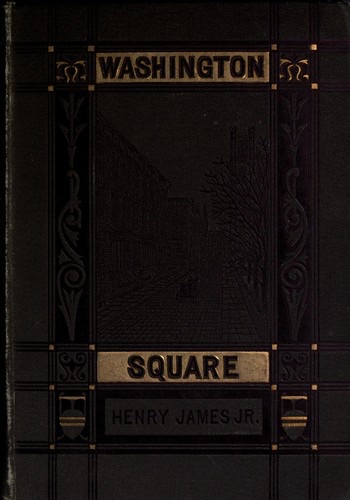
Book details
- Author
- Henry James
- Genre
- Classics
- Goodreads rating
- 3.80 (86k ratings) →
Keep reading
 Tess of the D'Urbervilles
 Night and Day
 The Custom of the Country
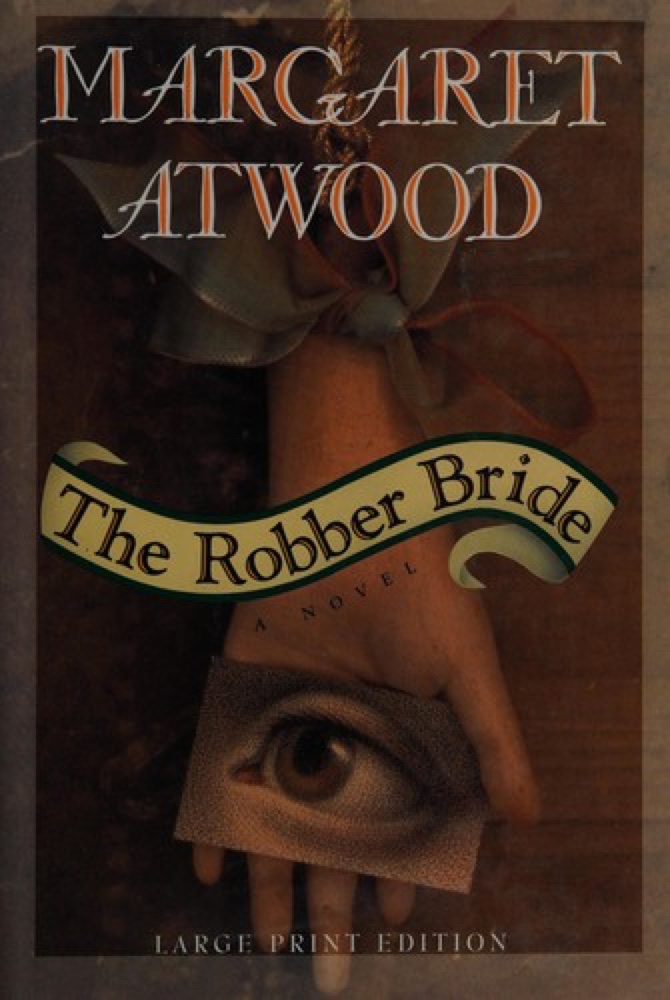 The Robber Bride
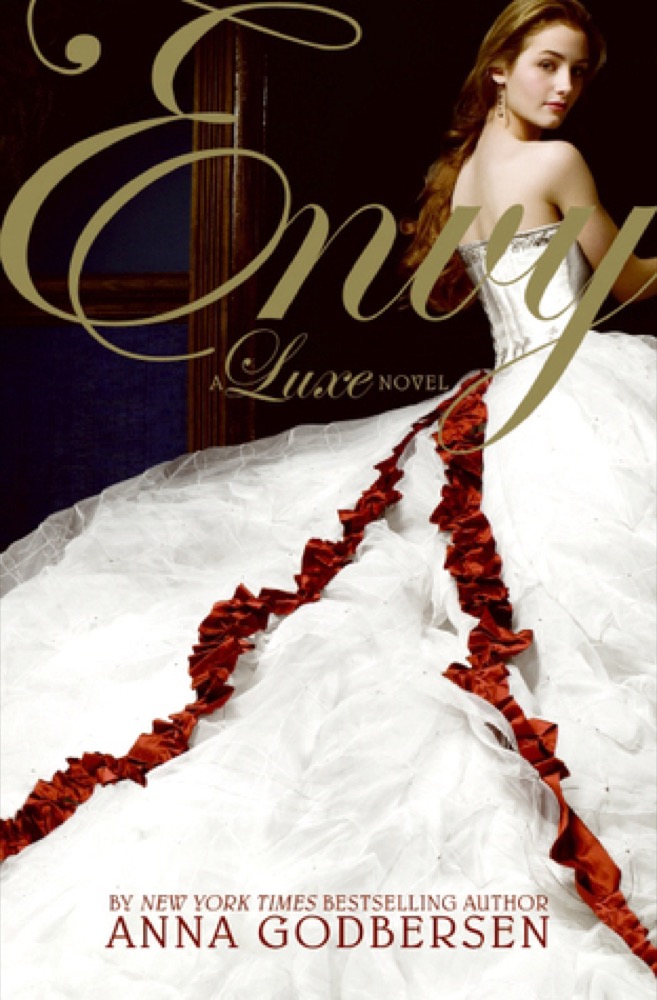 Envy
Envy
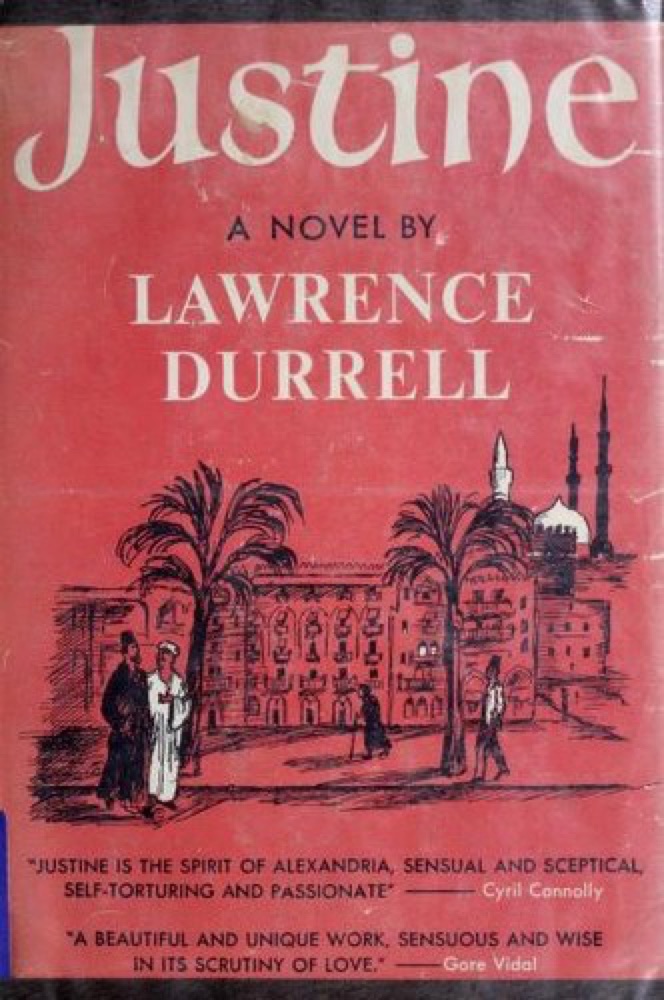 Justine
 Main Street
 Madame Bovary
 The English Patient
 The Mill on the Floss
 A Girl of the Limberlost
 The House of Mirth
 The Witching Hour
 A Reliable Wife
 North and South
 The Life of Charlotte Brontë
 After Leaving Mr. Mackenzie
 Agnes Grey
 The Face of a Stranger
 Villette
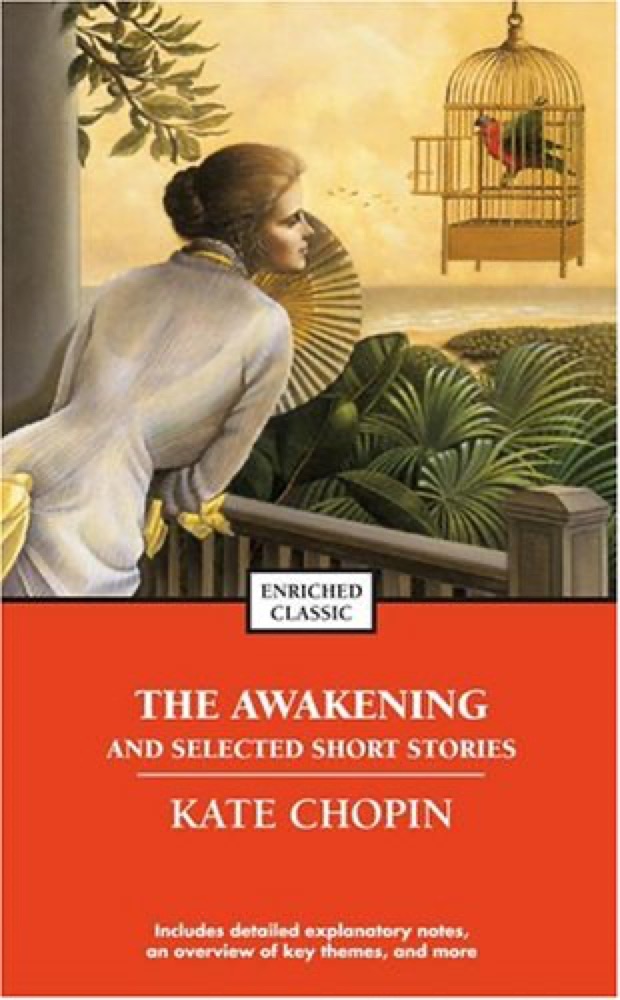 The Awakening and Selected Stories
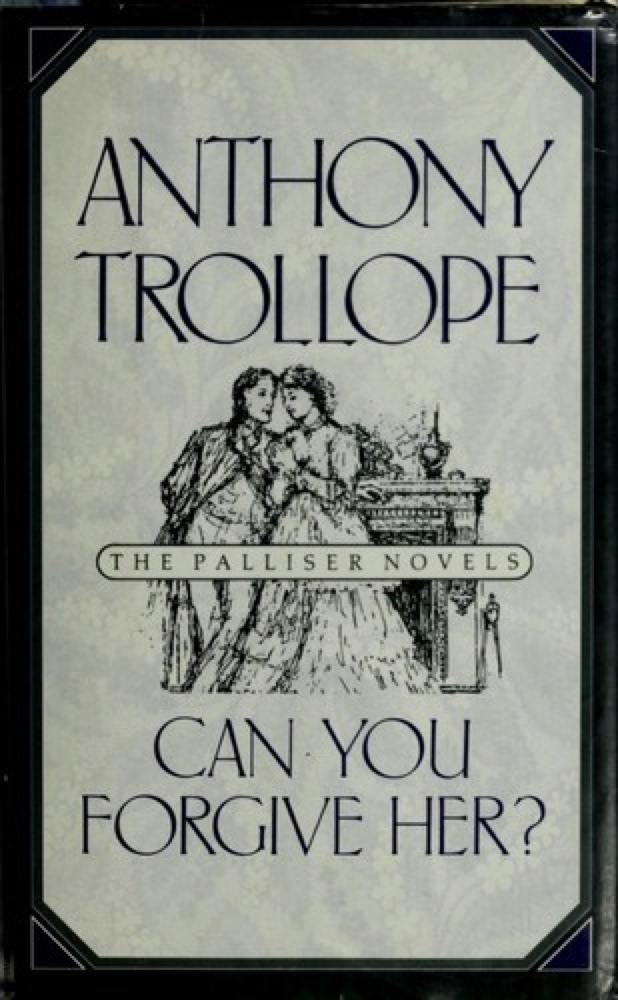 Can You Forgive Her?
 An Object of Beauty
 Northanger Abbey
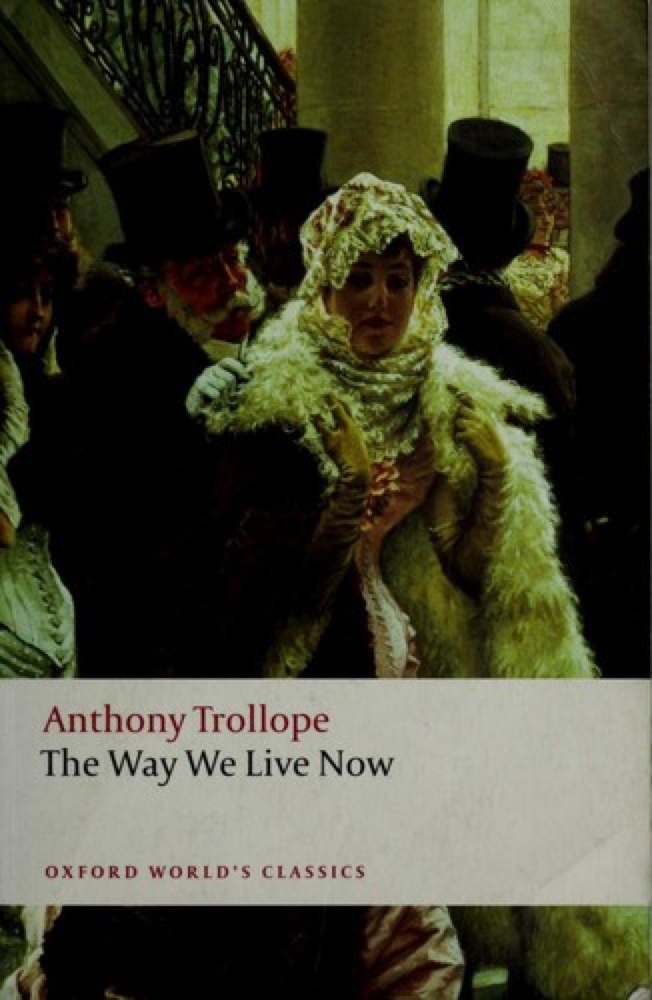 The Way We Live Now
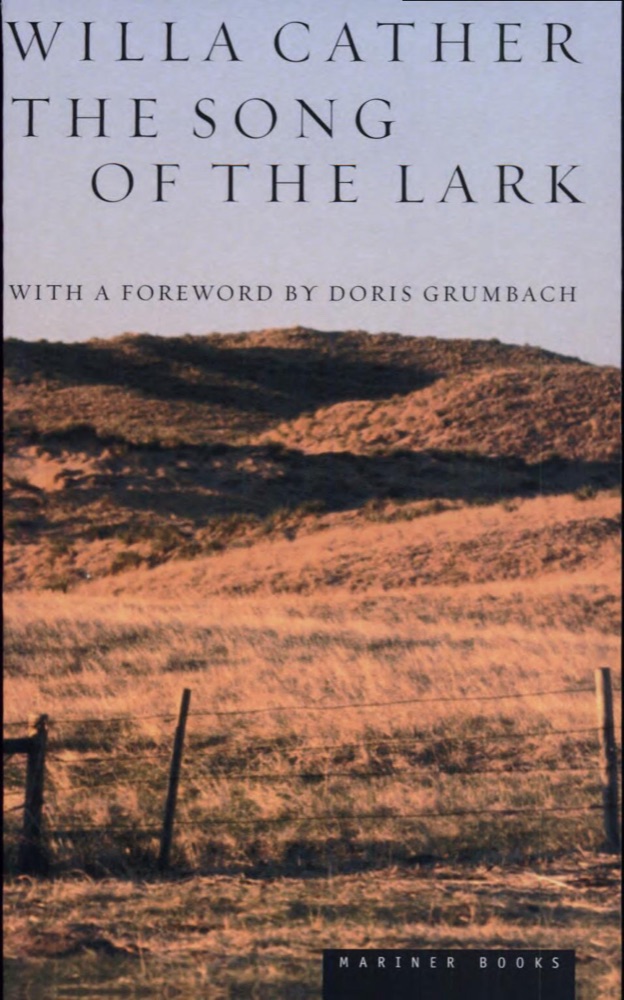 The Song of the Lark
 The Enchanted April
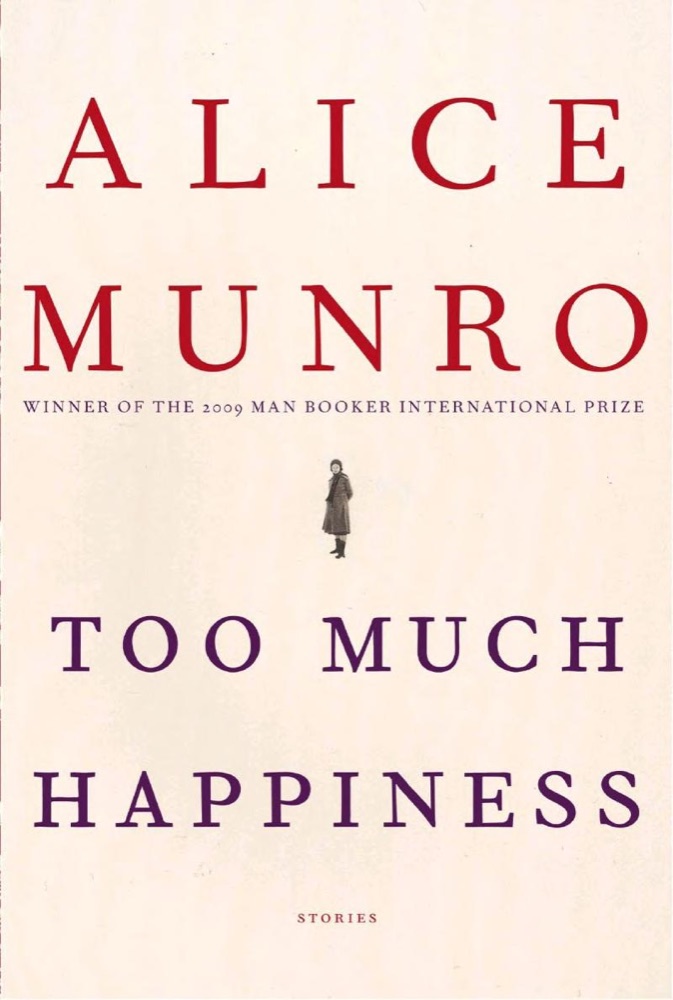 Too Much Happiness: Stories
 A Room with a View
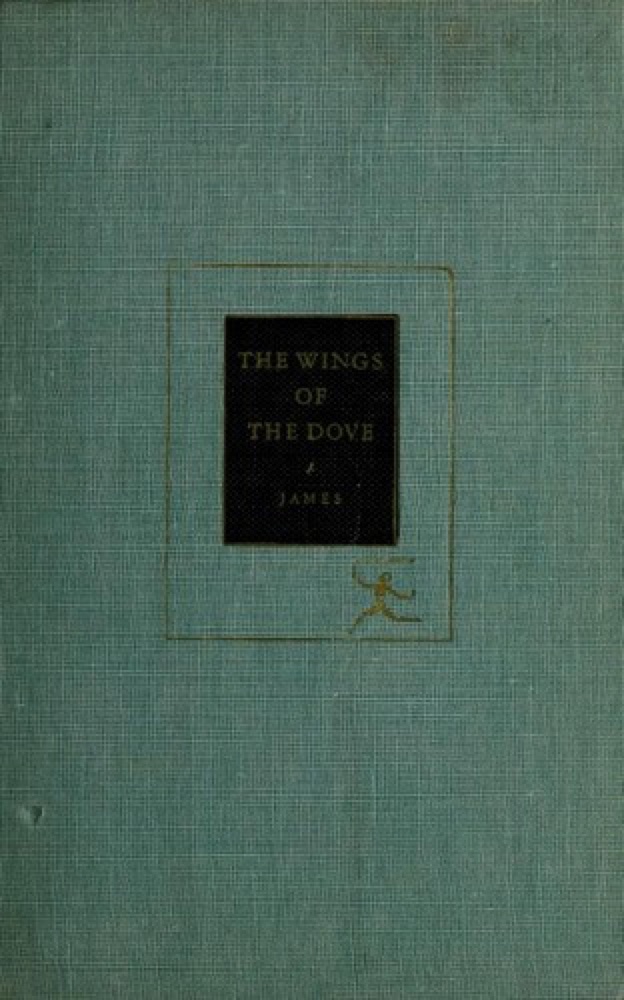 The Wings of the Dove
 Shirley
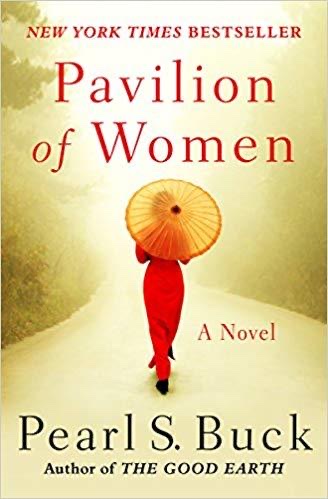 Pavilion of Women: A Novel of Life in the Women's Quarters
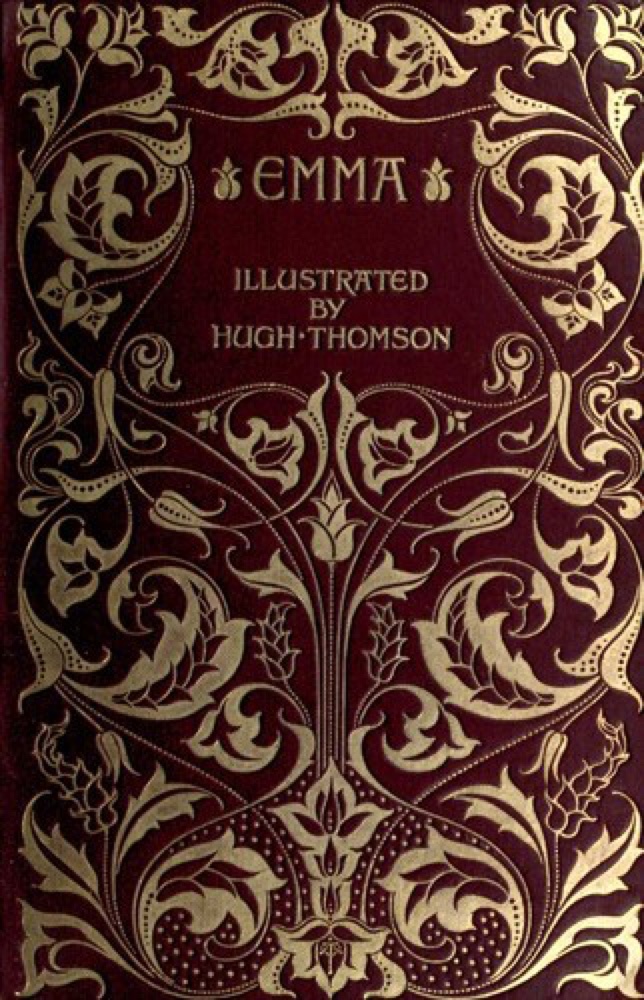 Emma
Emma
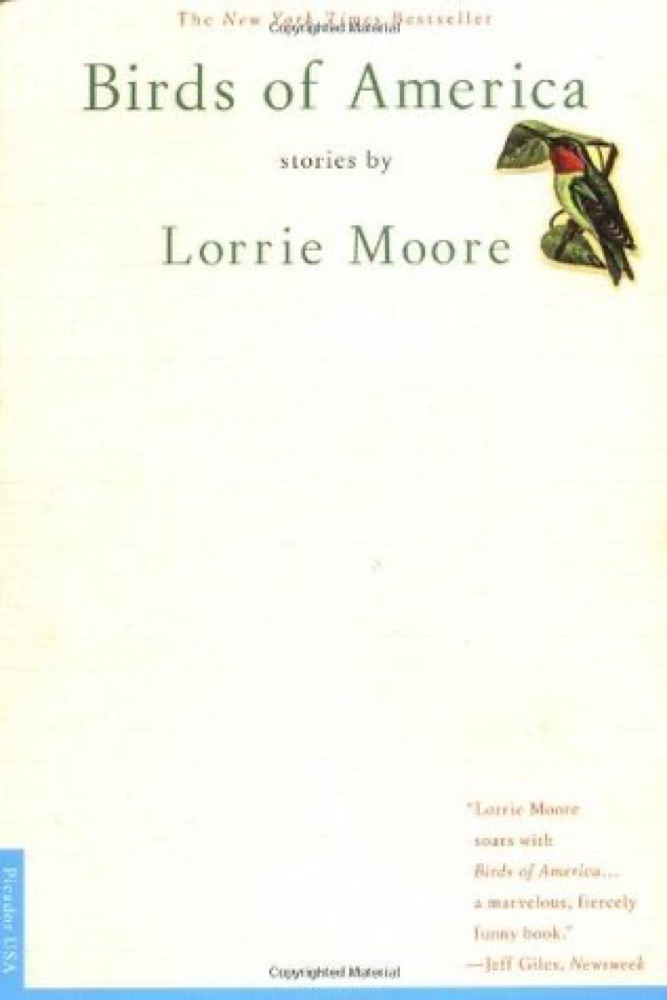 Birds of America
 The Scarlet Letter
 The Familiar
 Emily Climbs
 Amy Snow
 The Return of the Native
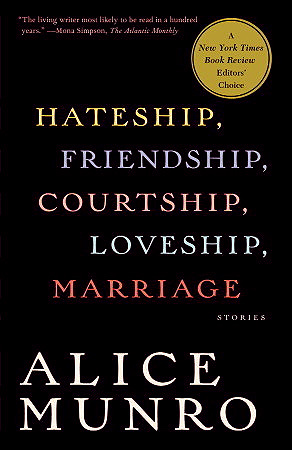 Hateship, Friendship, Courtship, Loveship, Marriage: Stories
 The Awakening
 The Painted Veil
 Save Me the Waltz
 The Shell Seekers
 Ahab's Wife, or The Star-Gazer
 Sense and Sensibility
 The Weight of Ink
 Olive Kitteridge
 Women in Love
 The Beautiful and Damned
 Lady Chatterley's Lover
 The Professor
 The Muse
 Atonement
 Anna Karenina
 The Lady Elizabeth
 A Little Princess
 What Is Not Yours Is Not Yours
 A Widow for One Year
 A Tree Grows in Brooklyn